Capital 1
- 805 Seiten
- 29 Lesestunden
Three Volumes: 1: A Critical Analysis of Capitalist Production. 2: The Process of Circulation of Capital. 3: The Process of Capitalist Production as a Whole.


Edward Bibbins Aveling war ein bemerkenswerter englischer Biologielehrer und ein weithin anerkannter Verfechter der darwinschen Evolution, des Atheismus und des Sozialismus. Als Gründungsmitglied der Socialist League und der Independent Labour Party verfasste er zahlreiche Bücher und Broschüren. Avelings Werk beeinflusste maßgeblich den öffentlichen Diskurs über wissenschaftliches und politisches Denken seiner Zeit. Sein Engagement für freies Denken und säkularen Humanismus zeigte sich während seiner produktiven Karriere als Dozent und Herausgeber.
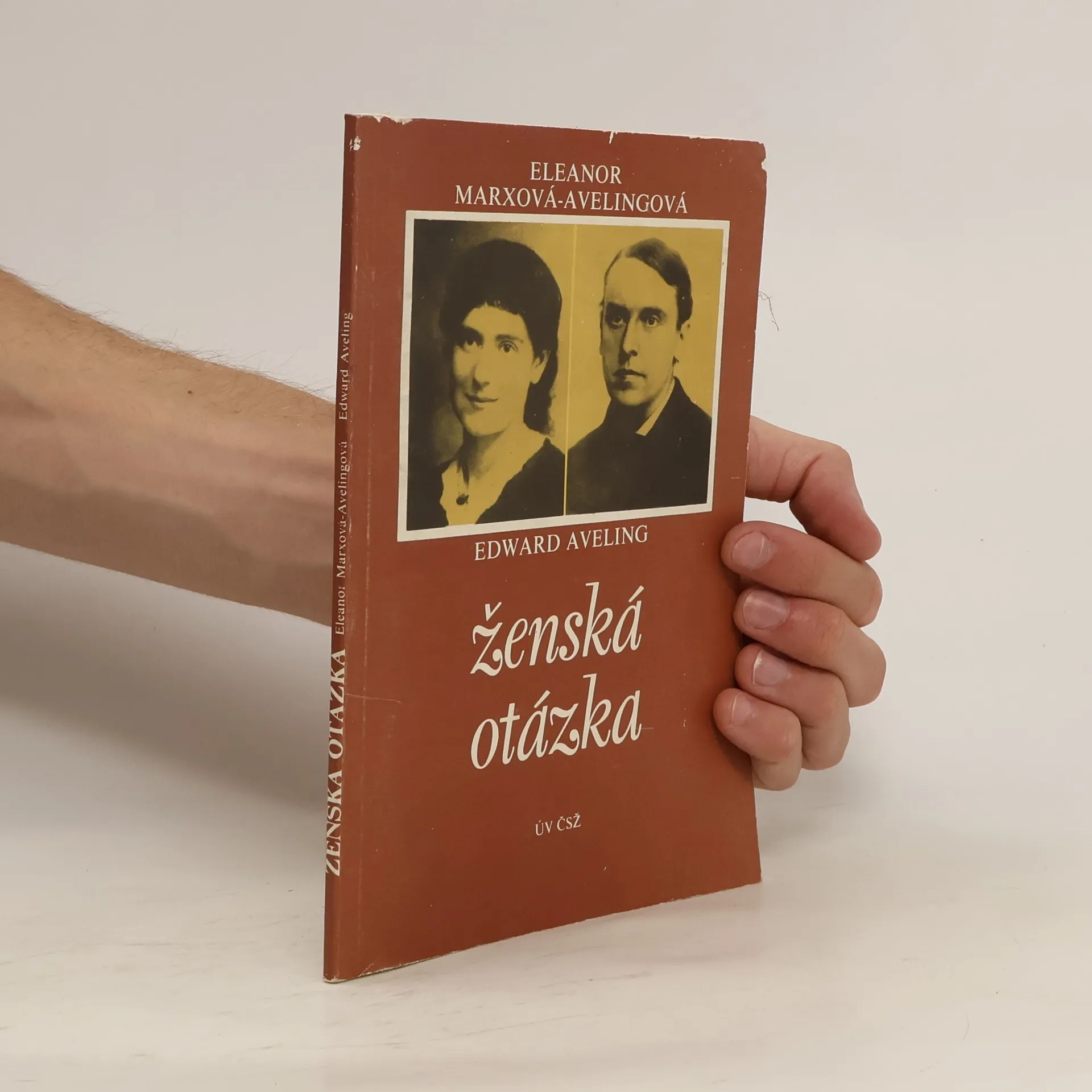

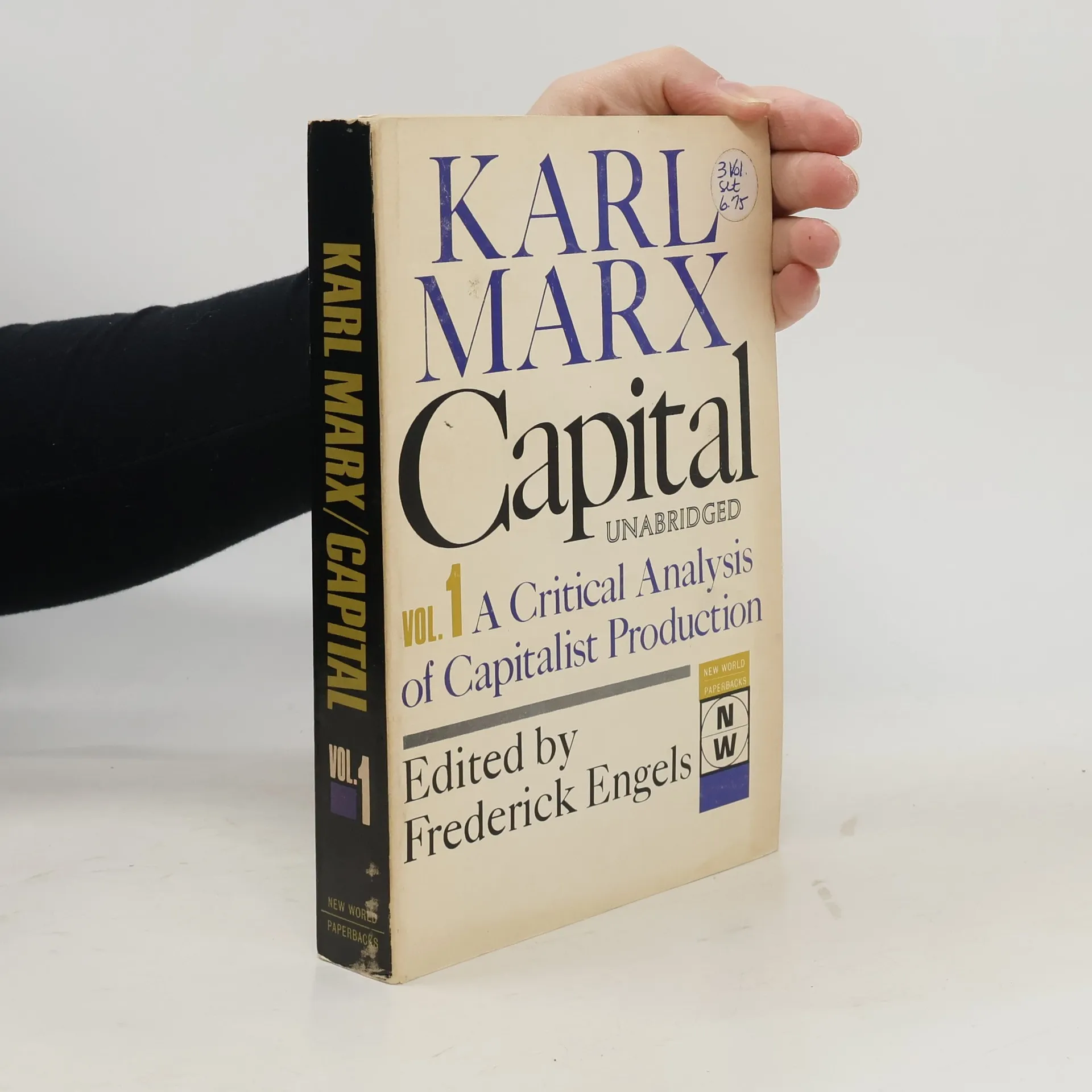
Three Volumes: 1: A Critical Analysis of Capitalist Production. 2: The Process of Circulation of Capital. 3: The Process of Capitalist Production as a Whole.
Capital , one of Marx's major and most influential works, was the product of thirty years close study of the capitalist mode of production in England, the most advanced industrial society of his day. This new translation of Volume One , the only volume to be completed and edited by Marx himself, avoids some of the mistakes that have marred earlier versions and seeks to do justice to the literary qualities of the work. The introduction is by Ernest Mandel, author of Late Capitalism , one of the only comprehensive attempts to develop the theoretical legacy of Capital.