

Exploring the intricate connection between art and politics, this work presents a culmination of T. J. Clark's extensive career as an art historian. It offers a thoughtful analysis of how artistic expression reflects and influences political landscapes, showcasing Clark's insights and expertise. Through a blend of historical context and critical examination, the book invites readers to reconsider the role of art in societal dynamics.
T. J. Clark Bücher
12. April 1943

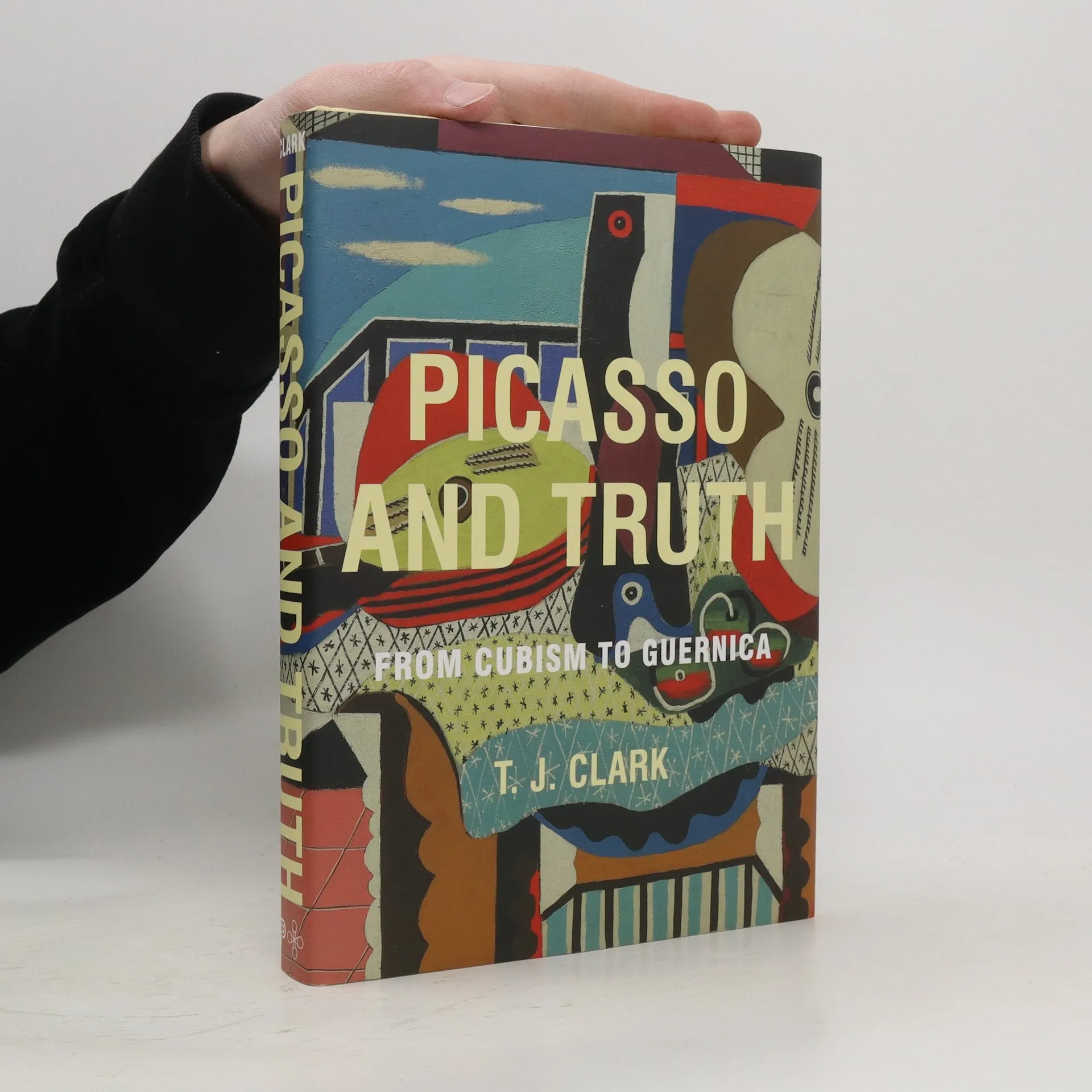

Picasso and Truth
- 344 Seiten
- 13 Lesestunden
Picasso and Truth presents a fresh perspective on the iconic artist, examining his evolution from early works like The Blue Room to the monumental Guernica. Art historian T.J. Clark reassesses Picasso's paintings from the 1920s and 1930s, probing the significance of room-space in his worldview and the implications of feeling confined within it amid the tumult of the twentieth century. Clark investigates the interplay of space and the interior, highlighting the tension between intimacy and monstrosity in Picasso's art. This richly illustrated volume, based on the A.W. Mellon Lectures in the Fine Arts at the National Gallery of Art, counters the biographical and idolizing tendencies of previous studies, emphasizing the structure and substance of Picasso's work. Focusing on three pivotal pieces—Guitar and Mandolin on a Table (1924), The Three Dancers (1925), and The Painter and His Model (1927)—Clark delves into Picasso's response to Nietzsche's assertion that the commitment to truth was unraveling in modern Europe. With masterful historical contextualization, the book elevates Picasso beyond celebrity status, revealing the tragic vision of his art—both humane and appalling, naive yet complex, mourning a lost nineteenth century while confronting the horrors of Europe between the wars.
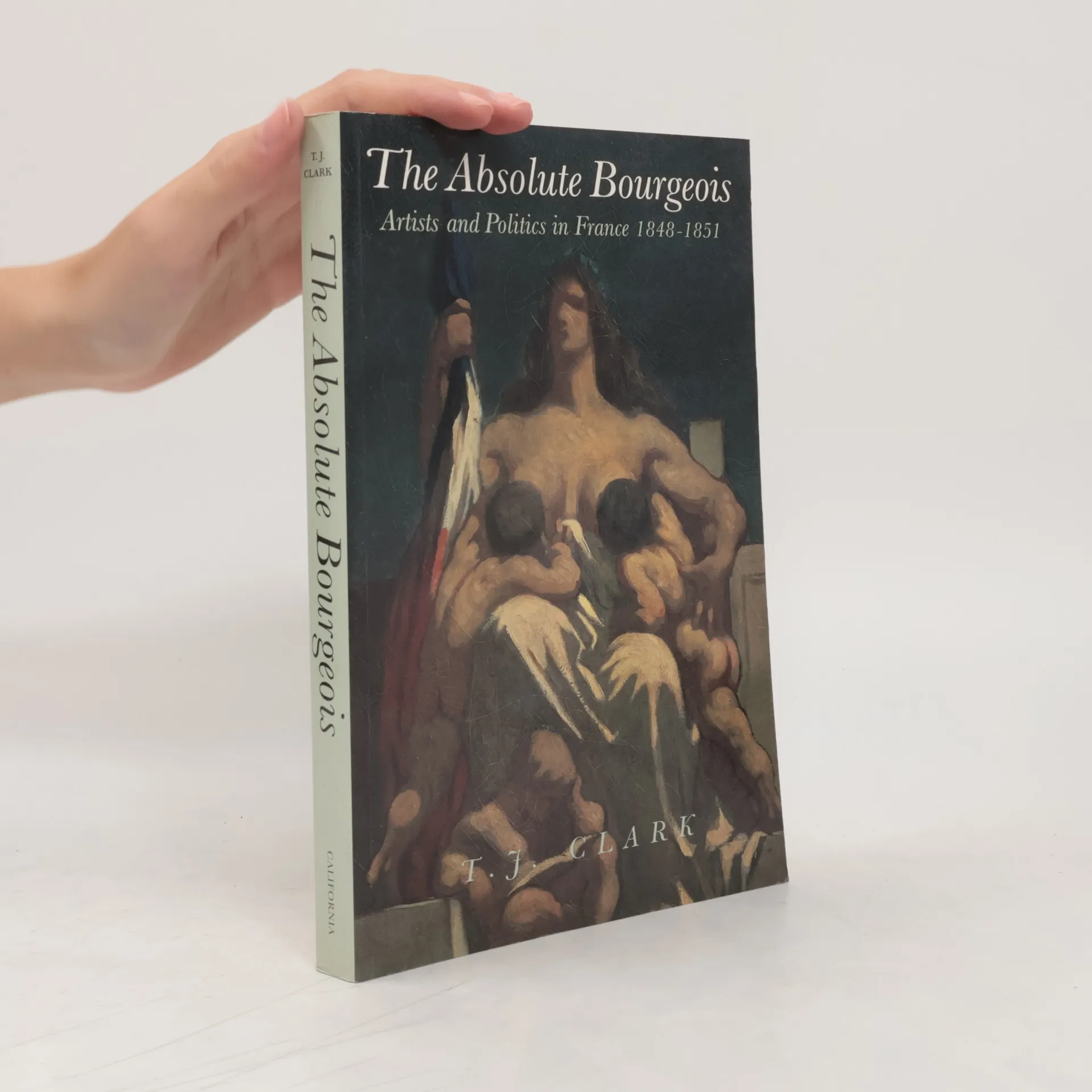
When this book and its companion volume, Image of the People , appeared in 1973, they were taken as a challenge to the way art was usually written about. "This book," said the Times , "is a product of that school of art history whose history is as well read as its art, and whilst it covers only a small area of time and place, Clark's approach and style are such that it throws up enough ideas and pleasures to illuminate far beyond its rather special circumstances. It is suffused with wit and pathetic irony."T. J. Clark's subject is painting and printmaking in the years following the 1848 Revolution in France, "a time", he argues, "when art and politics could not escape each other." The book tells the story of a handful of artists trying to take advantage of that unfamiliar—and short-lived—situation. Daumier and Millet are central, particularly in their dealings with the new State's art patronage machine; Delacroix figures as painter and diarist, in agonized withdrawal from the possibility of change, haunted by his own Liberty Guiding the People ; and Baudelaire is depicted, after a moment of tortured political involvement in the first months of the Republic, as the great poet of postrevolutionary despair.
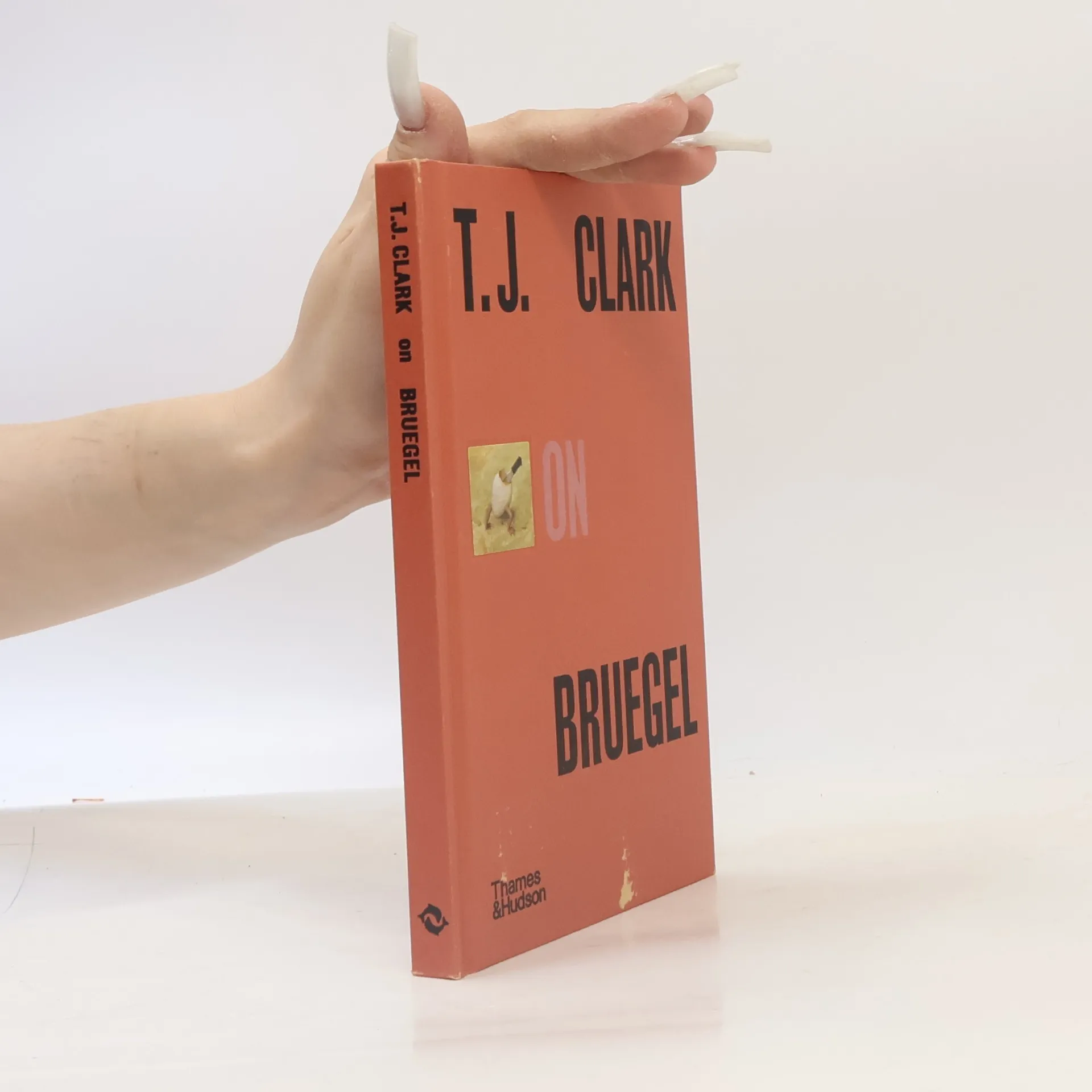
T.J. Clark on Bruegel
- 96 Seiten
- 4 Lesestunden
The book delves into the art of Bruegel, revealing a reality crafted from tangible elements while navigating the delicate balance between belief and skepticism. T. J. Clark provides deep analysis, exploring how Bruegel's work reflects the complexities of human experience and perception. Through this lens, readers gain a richer understanding of the artist's unique vision and the themes that resonate throughout his creations.
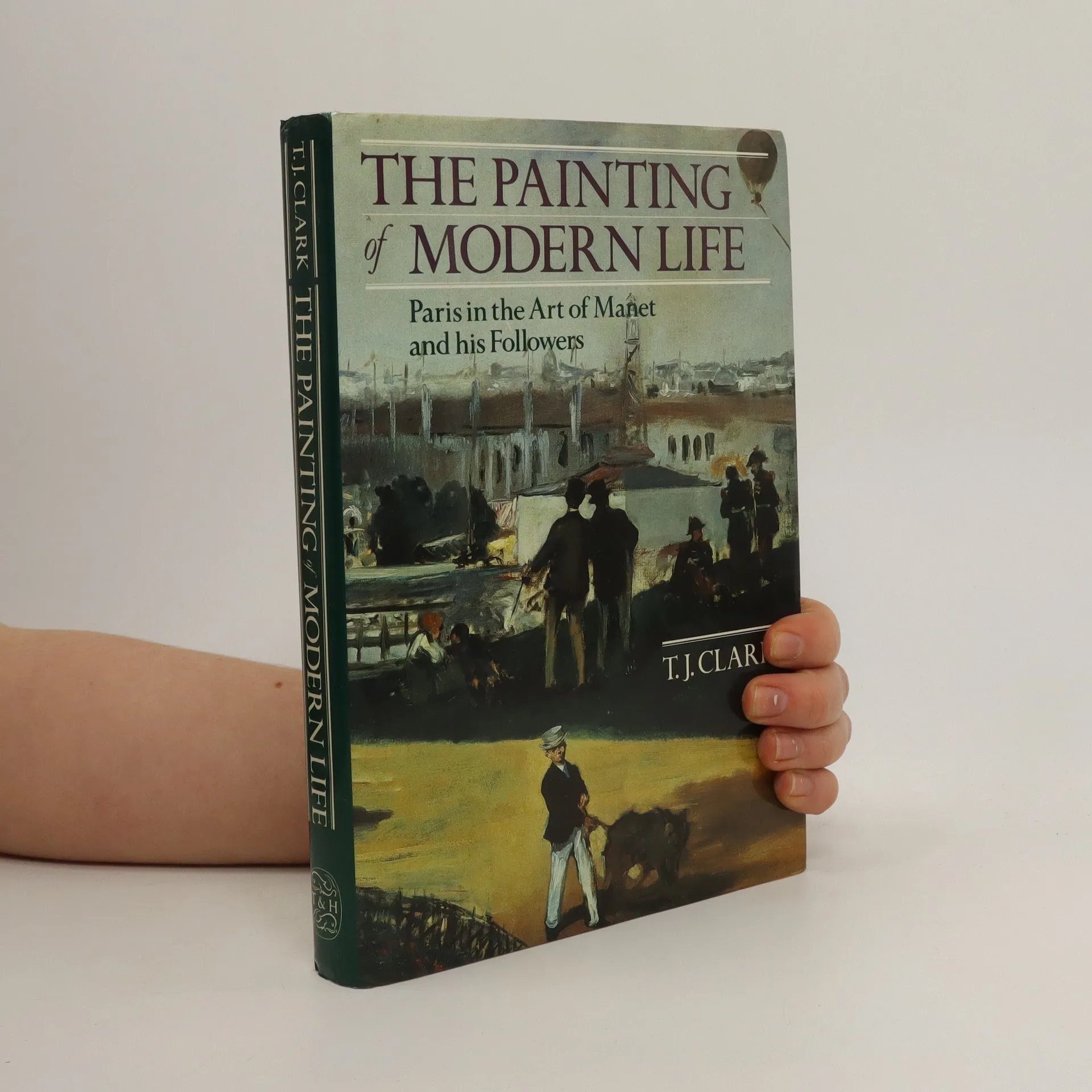
The painting of modern life.
- 368 Seiten
- 13 Lesestunden
The Paris of the 1860s and 1870s was supposedly a brand new city, equipped with boulevards, cafes, parks and suburban pleasure grounds - the birthplace of those habits of commerce that constitute modern life. Questioning those who view Impressionism solely in terms of artistic technique, T.J. Clark describes the painting of Manet, Degas, Seurat and others as an attempt to give form to that modernity and seek out its typical representatives - be they barmaids, boaters, prostitutes, sightseers or petits bourgeois lunching on the grass. The central question of the book is this: did modern painting as it came into being celebrate the consumer-oriented culture of the Paris of Napoleon III, or open it to critical scrutiny? The revised edition of this classic book includes a new preface by the author.
Addresses questions such as: Why do we find ourselves returning to certain pictures time and again? What is it we are looking for? And how does our understanding of an image change over time?