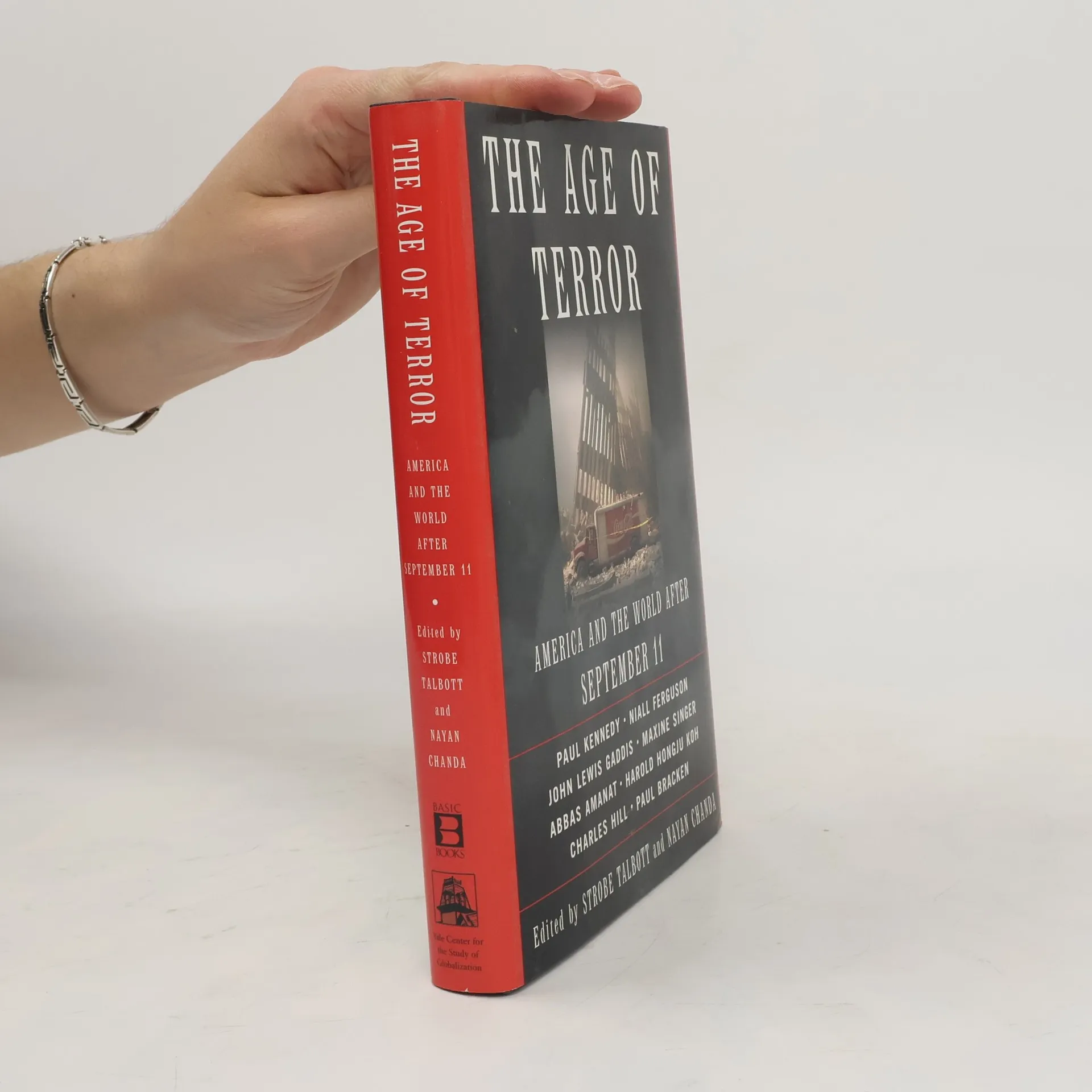


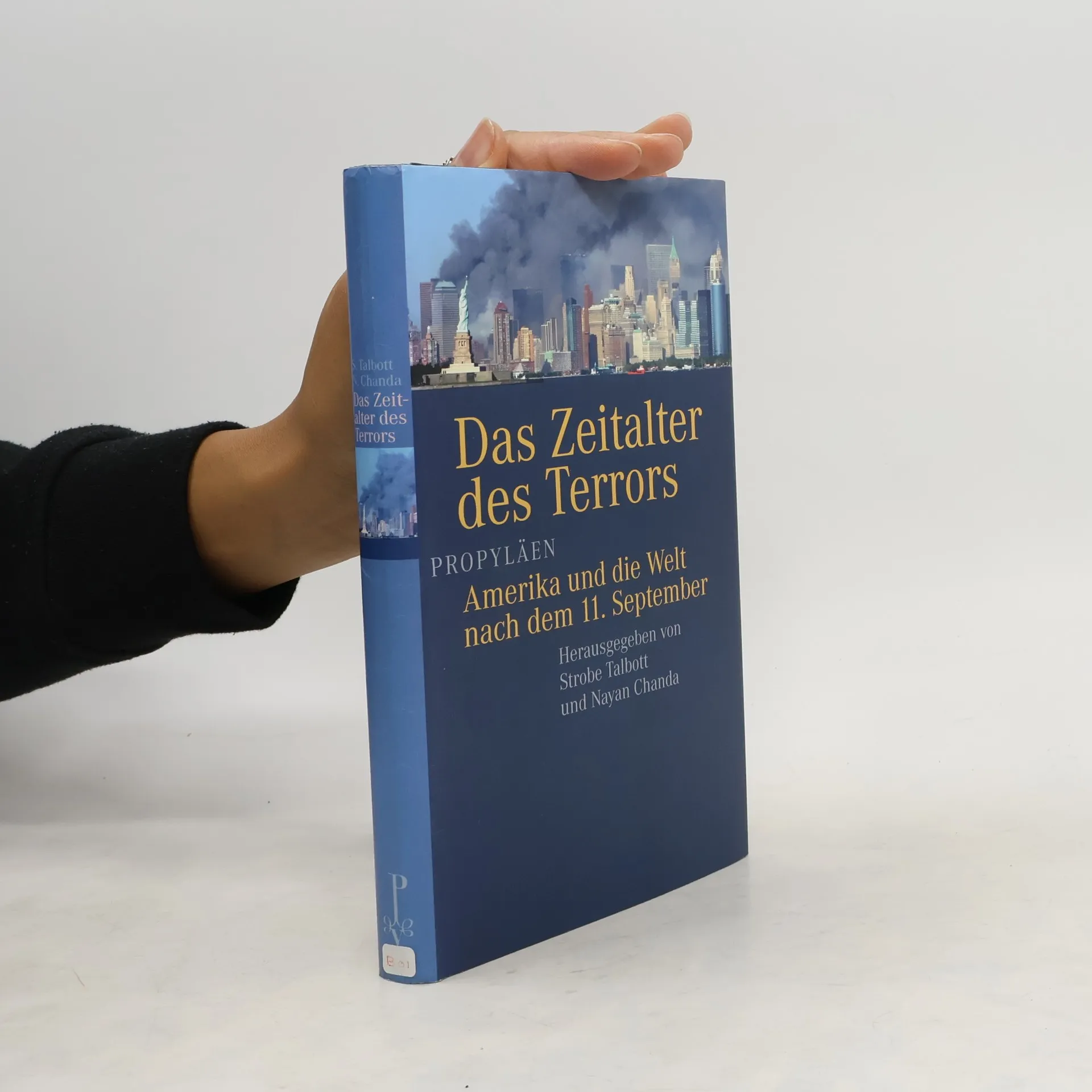
Acht führende internationale Wissenschaftler stellen sich den Herausforderungen, denen Amerika und die Welt nach den Anschlägen des 11. September gegenüberstehen. Sie schreiben über die historische Dimension des Geschehens ebenso wie über die wirtschaftlichen, staatsrechtlichen, kulturellen und sicherheitspolitischen Folgen. Ein hochaktuelles Buch, das durch fundierte Analysen wie durch überzeugende Antworten auf den neuen Terrorismus besticht. Acht führende internationale Wissenschaftler stellen sich den Herausforderungen, denen Amerika und die Welt nach den Anschlägen des 11. September gegenüberstehen. Sie schreiben über die historische Dimension des Geschehens ebenso wie über die wirtschaftlichen, staatsrechtlichen, kulturellen und sicherheitspolitischen Folgen. Ein hochaktuelles Buch, das durch fundierte Analysen wie durch überzeugende Antworten auf den neuen Terrorismus besticht.
Strobe Talbott Bücher


With the signing and ratification of the Intermediate Nuclear Forces (INF) Treaty, the United States and the Soviet Union took the first step ever toward significantly reducing the number of nuclear weapons threatening the world. Even more important, they seemed to be moving closer to a truly epochal agreement that would bring cuts in long-range missiles, at last reversing the arms race that has been going on inexorably since the end of the Second World War. The story behind these events is the story of forty years of argument and disappointment, of secret dealings and false hopes and struggles in the corridors of power in Washington and Moscow. No single man has been so deeply a part of it, for so long, as Paul Henry Nitze. Now 82, and active as ever, he is the focus of Strobe Talbott's brilliant behind-the-scenes report, an intimate history of the whole span of arms control diplomacy rounded out with a detailed narrative of the last three momentous years
The presidency of Donald Trump has wreaked havoc on American democracy. Amid myriad books on the Trump phenomenon, Strobe Talbott has stepped back from the fray and mined useful history, reminding us of the Founders' legacy and reinstating it in these dark days.
The Age Of Terror
- 232 Seiten
- 9 Lesestunden
Momentous events have a way of connecting individuals both to history and to one another. So it was on September 11. Even before more than 4000 people died in less than two hours, there were farewell messages from the sky. In their last minutes, doomed passengers used cell phones to reach loved ones. A short time later, office workers trapped high in the burning towers called spouses, children, parents. Never had so many had the means to say good-bye. During the hours afterward, the survivors scrambled to make contact with family and friends. "Are you all right?" they asked. As the enormity of it all began to sink in, the question hanging in the air was, Were we all right? Since September 11, many have noted a humbling irony: the more time we'd spent in the old world and the better we thought we understood its organizing principles, the less ready we were for the new one. Suddenly, familiar terms and concepts were inadequate, starting with the word terrorism itself. The dictionary defines it as violence, particularly against civilians, carried out for a political purpose. September 11 certainly qualified. But American's earlier encounters with terrorism neither anticipated nor encopmassed this new manifestation. Commentators instantly evoked Pearl Harbor, that other bolt-from-the-blue raid, sixty years before, as the closest thing to a precedent. But there really was none. This was something new under the sun.