

Gratis Versand ab € 16,99. Mehr Infos.
Bookbot

Giacomo Marramao

    18. Oktober 1946

    Giacomo Marramao ist Professor für politische und theoretische Philosophie an der Universität Rom III und Direktor der Fondazione Basso.

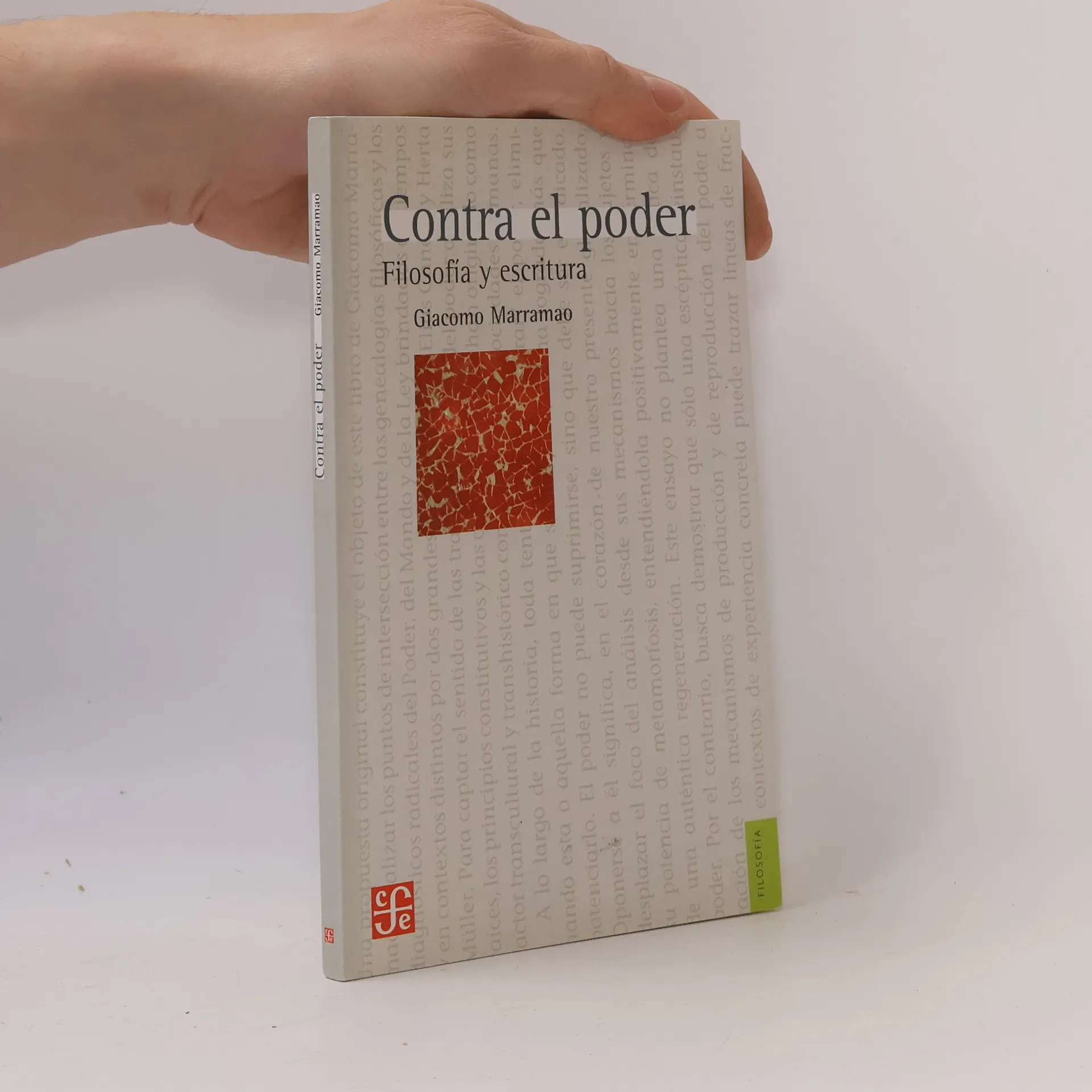
    Contra el poder
    Für eine neue Renaissance
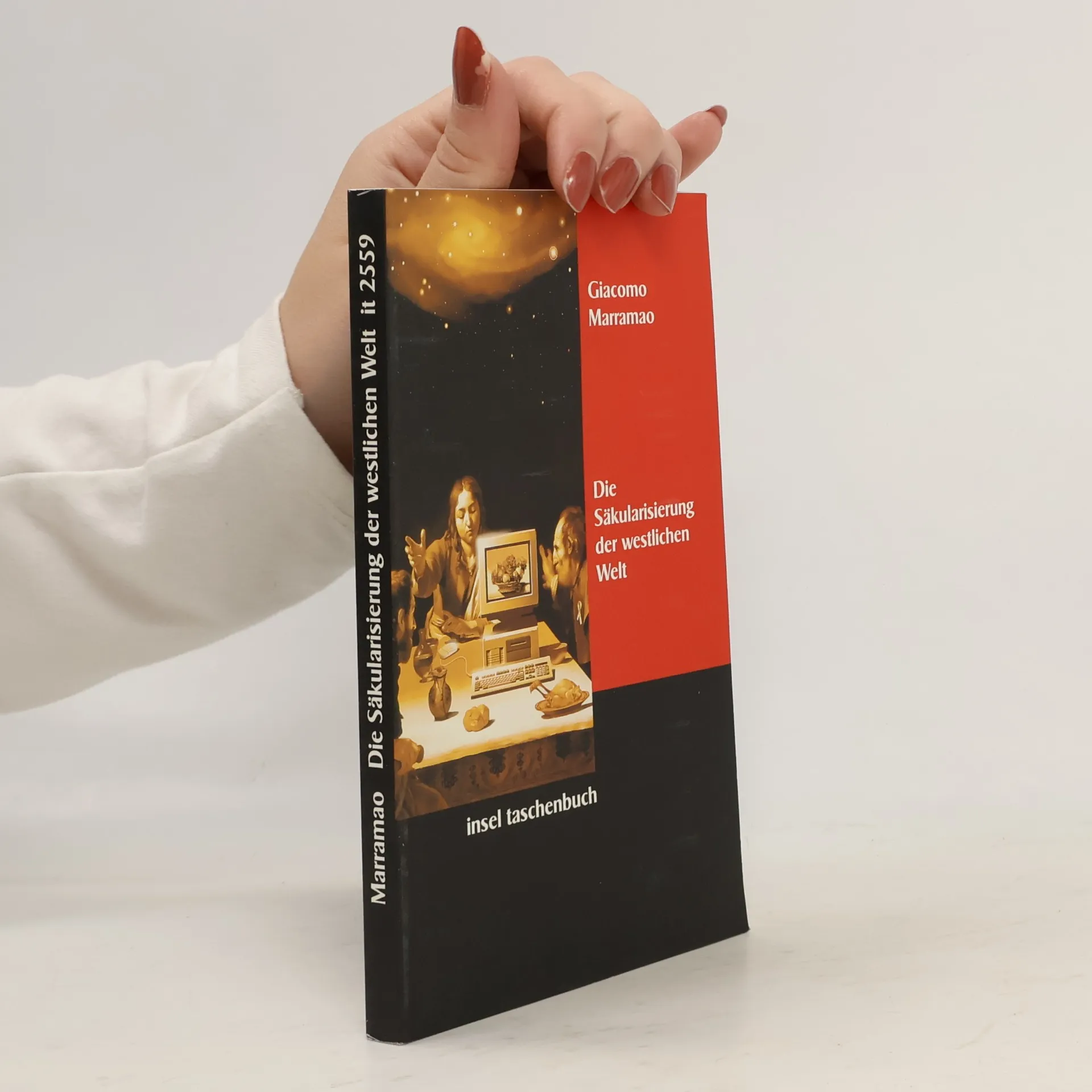
    Die Säkularisierung der westlichen Welt
    • Für eine neue Renaissance

      • 70 Seiten
      • 3 Lesestunden

      In der globalen Welt stützt sich die Zukunft nicht mehr auf Grundlagen und Gewissheiten, sondern auf ein Gefühl der Instabilität, ähnlich dem, das die europäische Menschheit beim Übergang vom 15. zum 16. Jahrhundert erlebte, im Übergang zur Renaissance. Aus diesem außergewöhnlichen Laboratorium der Experimentation, geprägt von einem fruchtbaren Zusammenspiel zwischen Kunst und Wissenschaft, technischer Erfindung und Naturphilosophie, entsteht – von Leonardo bis Machiavelli – ein Bild der menschlichen Natur, das von jeder Essenz losgelöst ist und sich der Dimension des Möglichen und Kontingenten hingibt. Ein prächtiges und dramatisches Szenario, das über die wissenschaftlichen und politischen Paradigmen der Moderne hinausweist und sich heute vor unserem Blick als ein Vorspiel unserer Gegenwart präsentiert. Die Herausforderungen der digitalen Welt, der Klimawandel, die Biorobotik und die Revolutionen des Kapitalismus fordern dazu auf, eine neue Renaissance einzuleiten. „In Wirklichkeit stellt die Frage „Was ist der Mensch?“ ohne Fundament eine philosophische Frage dar; das Zeichen des Menschlichen ist das Mögliche.“

      Für eine neue Renaissance2021
    • Contra el poder

      • 112 Seiten
      • 4 Lesestunden

      In his latest book in the study of power, Giacomo Marramao focuses on the work of two great Central European writers, Elias Canetti and Herta Muller, each of whom, in different periods and contexts, offered a philosophical genealogy of forms of domination and a radical diagnosis of power, command and law. To grasp the meaning of the transformations of power, it is necessary to go to the roots: to the arch that originated it as a factor common to all human cultures and all historical periods. Power cannot be suppressed: any attempt to overcome it (by eliminating one or another form of its exercise) has done no more than strengthen it. Power must, however, be uprooted or subverted in its logic of identity, which is activated in the boundless character of desire and the paranoid scene of fear and the death of the Other. In the midst of today s global world, to trace a line of opposition to power means to free ourselves from the alibi of objectivity and to focus instead on subjects and their potential for metamorphosis/regeneration. This is possible only if we detach ourselves from the ground noise of actuality and recover the broken thread of solitary and extreme works."

      Contra el poder2013
      3,2