Gerfried Stocker Bücher
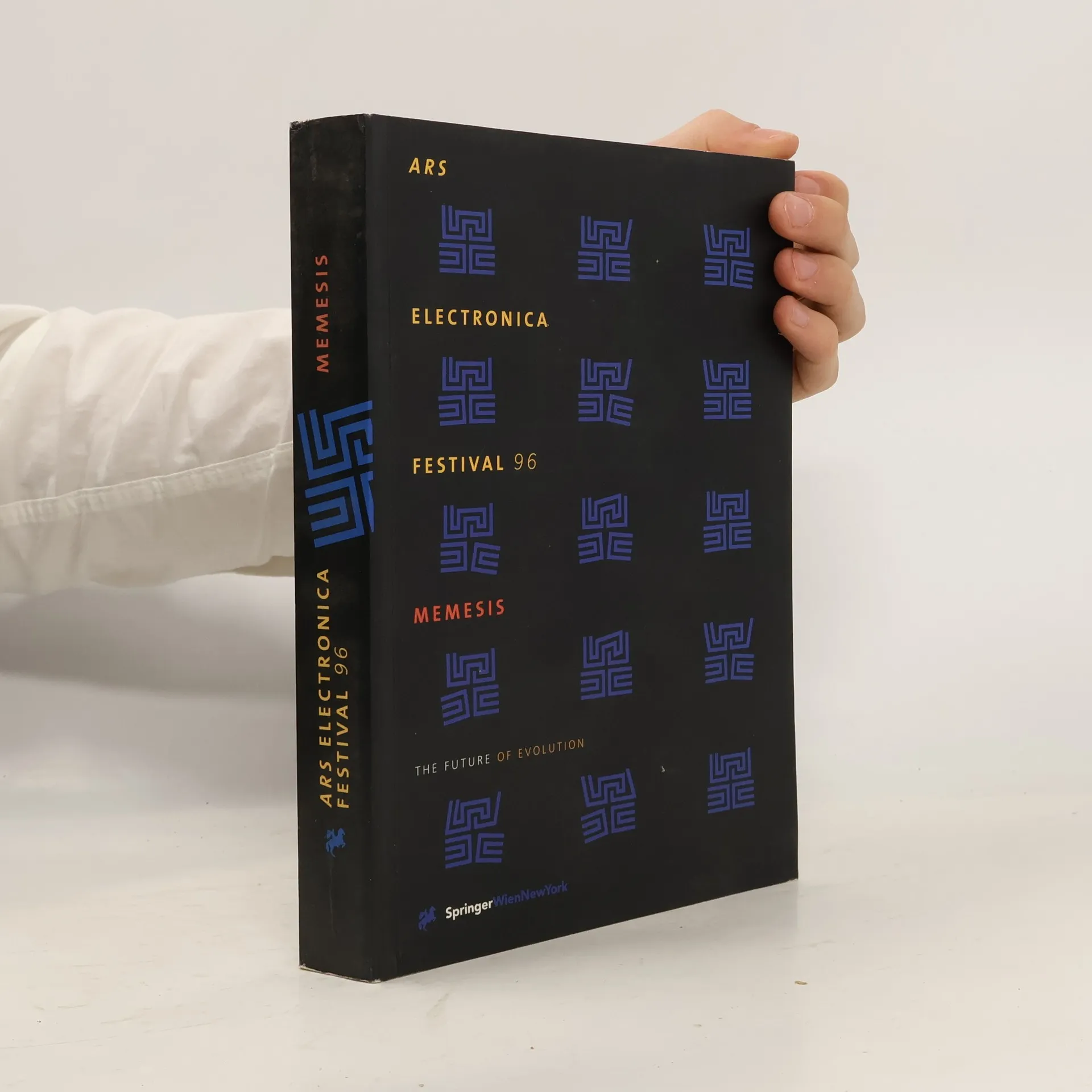
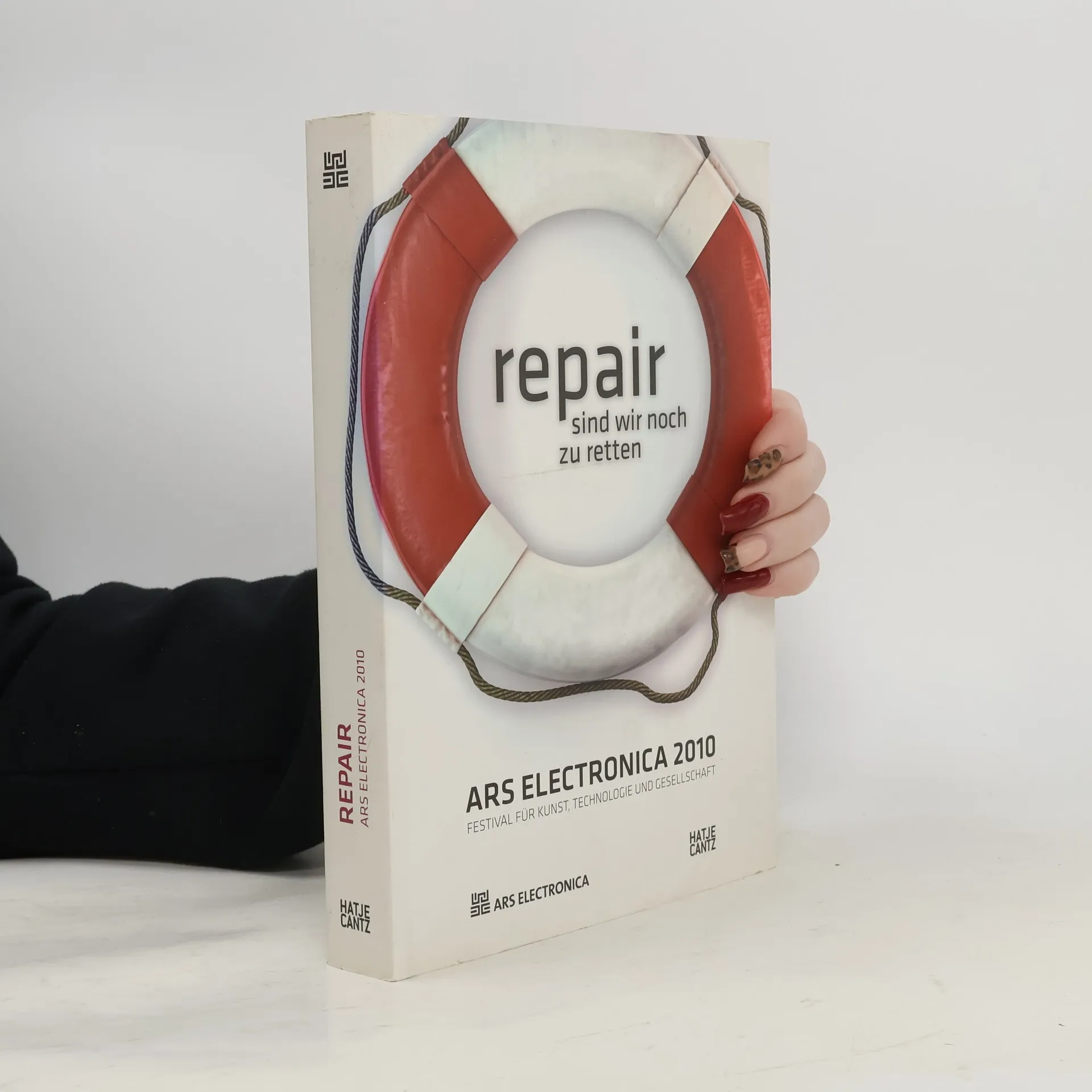
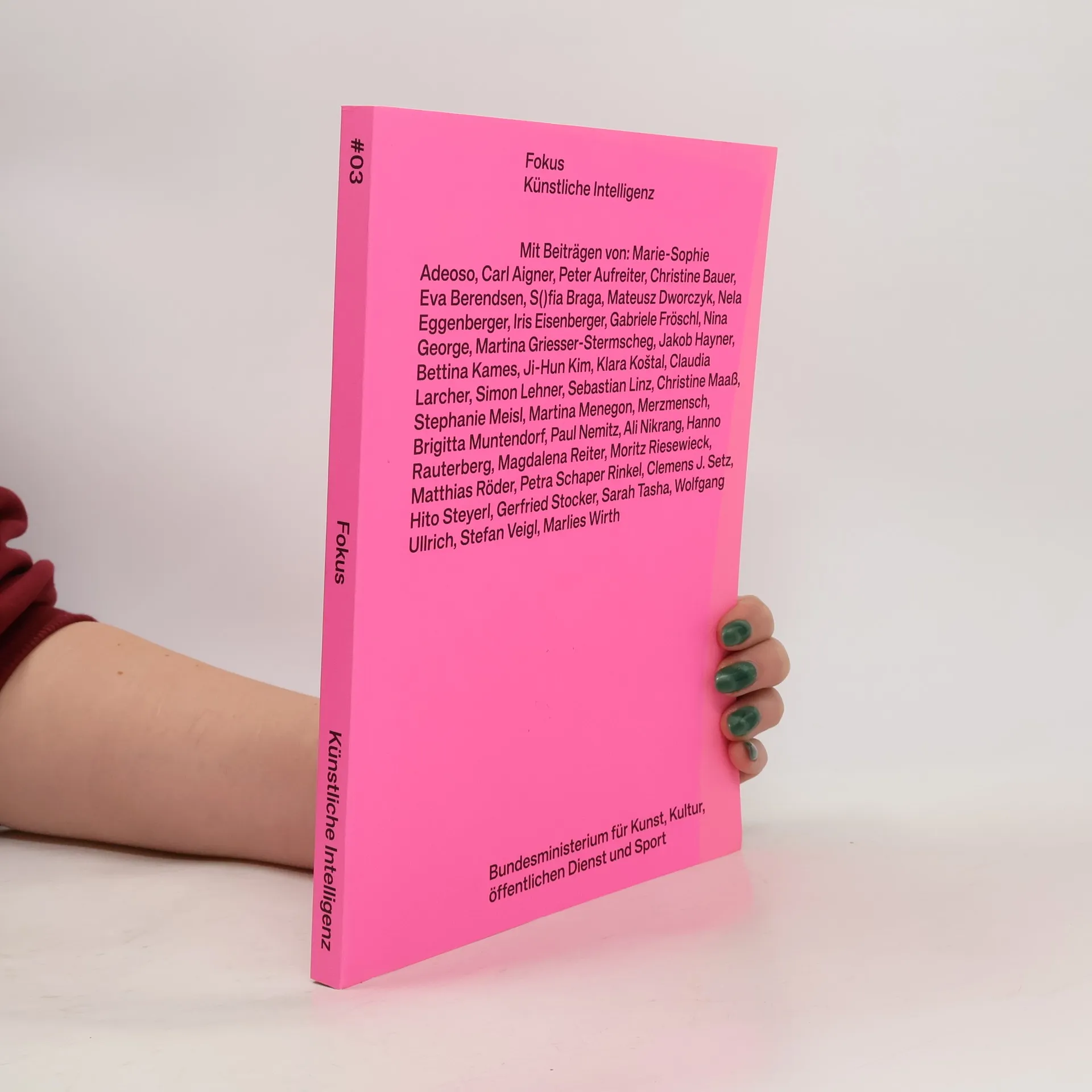
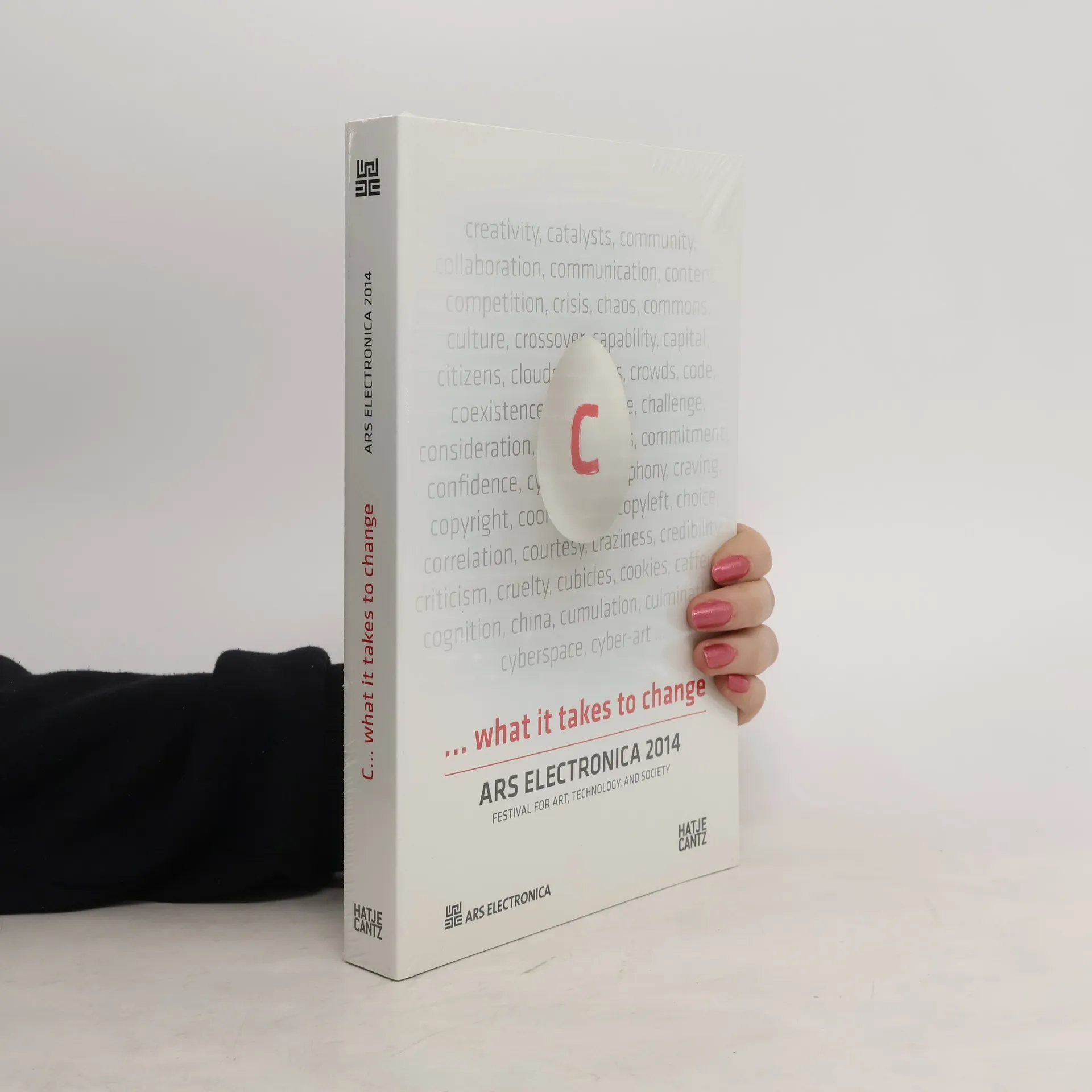
Begun in 1979, the annual Ars Electronica Festival for Art, Technology and Society is one of the world's foremost media art festivals, perennially on the hunt for innovation. Repair--the theme of the 2010 festival--invites experts in a range of fields to imagine alternative futures, tackling pressing issues of climate change, financial crisis and surveillance practices, among others.
Book by
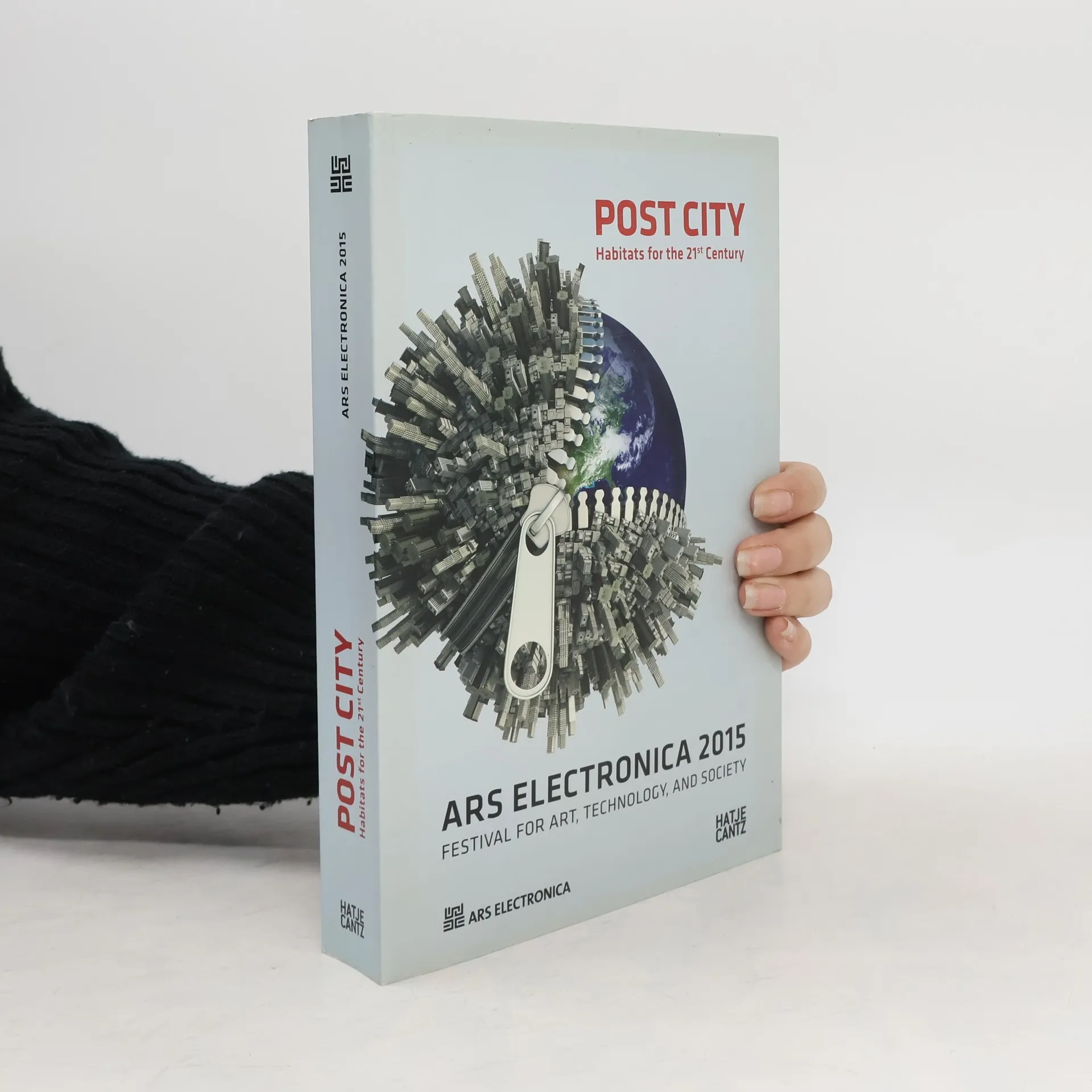
Much of which makes up our cities today stems from the industrial era. But how will cities and habitats be organized thereafter? What will they look like when more robots than people work in the factories, when objects are intelligently linked with one another, when cars drive by themselves and mail is delivered by drones, when climate change makes itself felt, the new megacities run out of air to breathe and the new ones run out of money? Rethinking urban habitats has already begun, and exciting ideas for new architecture and forms of social organization are emerging throughout the world that can keep pace with the changes taking place in upcoming decades.0Experts from all corners of the earth assemble in Linz to be part of an extraordinary think tank. With a total area of 100,000 square meters, the former mail and package distribution center on the railroad grounds becomes the venue for the festival and a laboratory for the city of the future. 00Exhibition: Ars Electronica The festival 2015, Linz, Austria (03.09-07.09.2015).
Human Nature
- 431 Seiten
- 16 Lesestunden
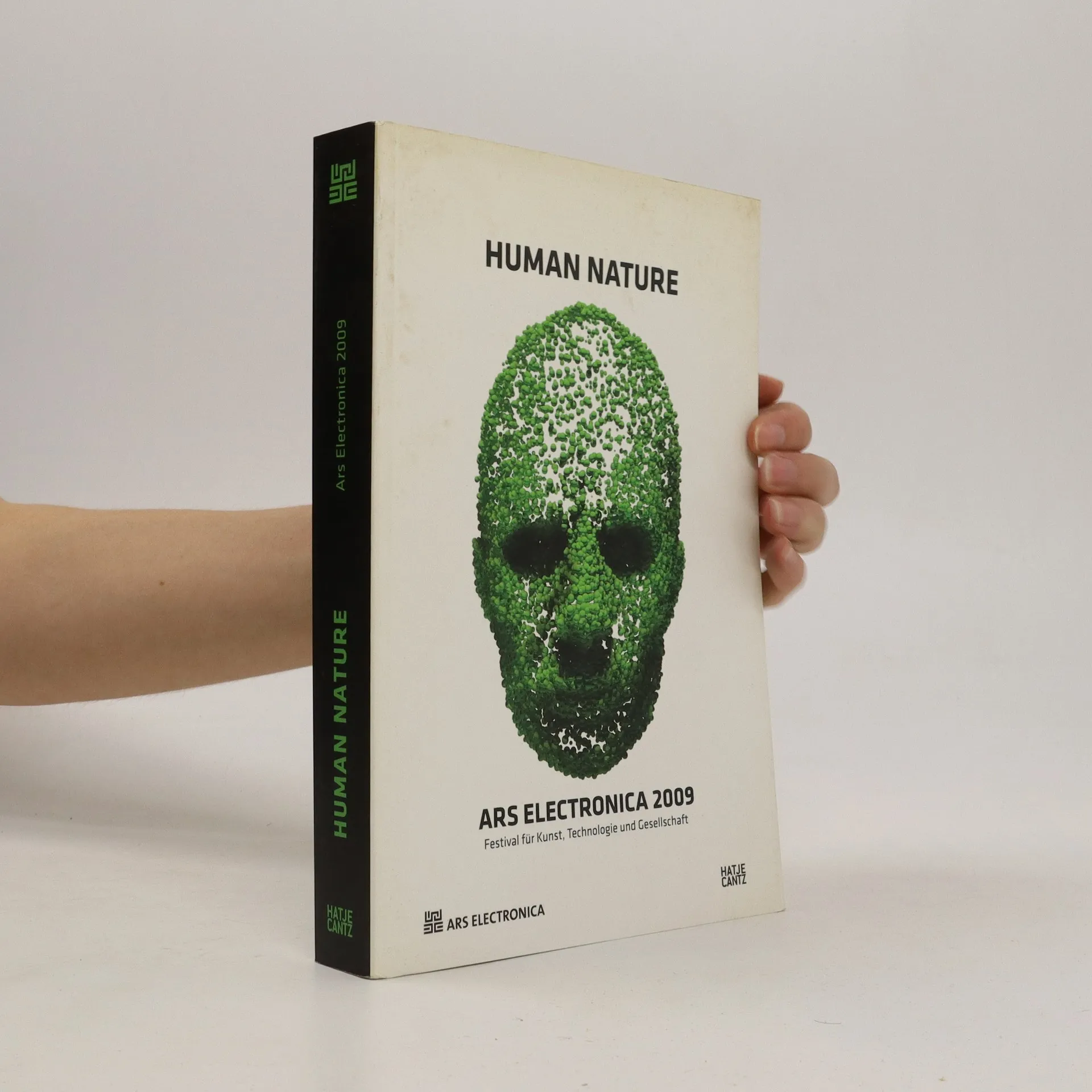
In 2009 the Ars Electronica festival celebrated 30 years of bringing the latest developments in digital and electronic media to the public. The festival was held in Linz, Europe's Capital of Culture for that year, and was themed to address the dawn of an age called the Anthropocene-that is, an age in which humankind is capable, through science, of an unprecedented degree of self-manipulation and self-determination through genetic engineering and numerous developments in biotechnology. Contributors to this catalogue for Ars Electronica 2009 include Stephen Downes on "The Cloud and Collaboration," Xiao Qiang on "Constructing Self-Identity in the Connected Age," Juliana Rotich on "African and Environmentalism Online" and Alois Ferscha asking "How Much Technology Can Humankind Bear?" several special projects by the likes of Ryoji Ikeda, Alva Noto and Andres Bosshard, writings marking the festival's anniversary and much more.
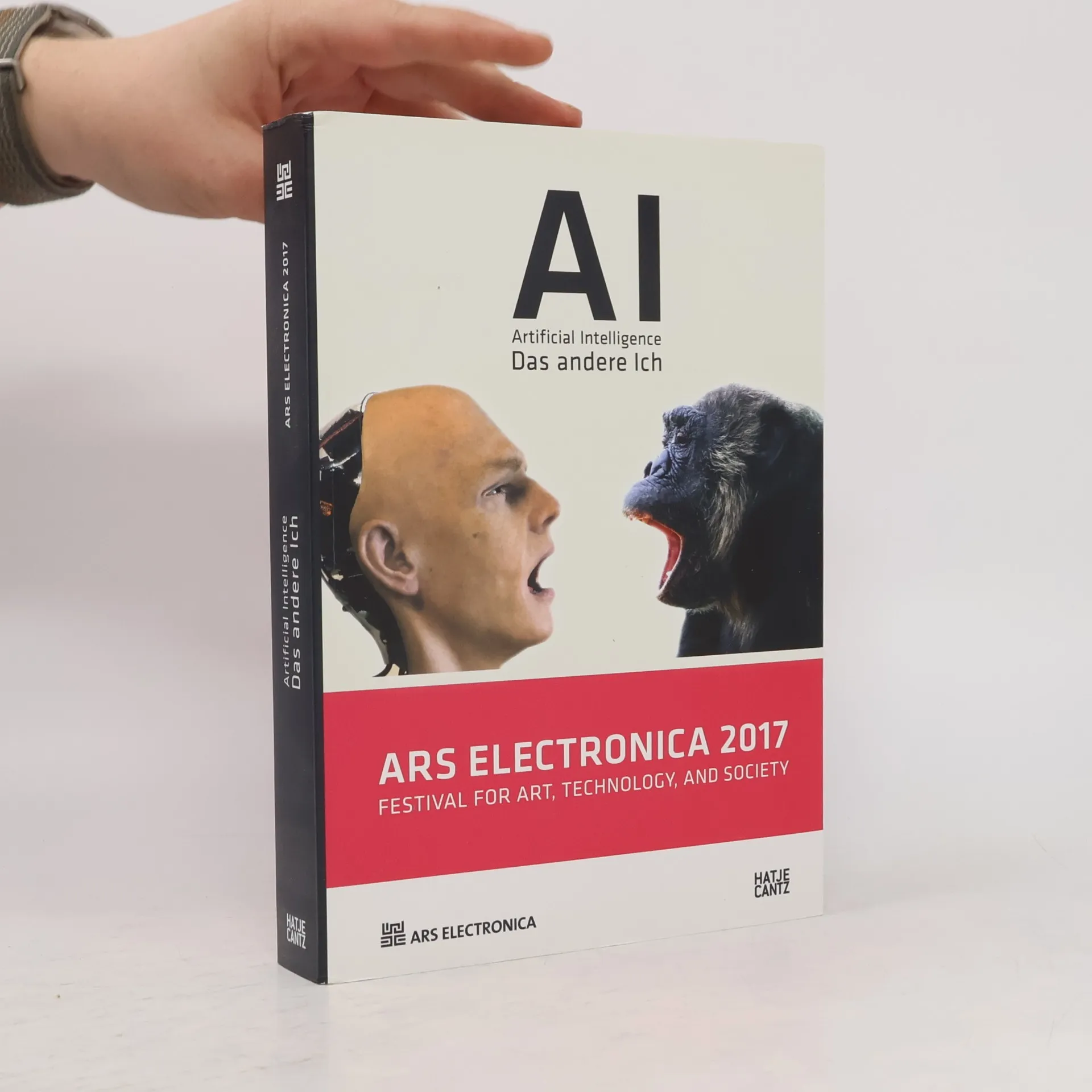
The Ars Electronica has been accompanying and analyzing the digital revolution and its manifold implications since 1979, consistently focusing on processes and trends at the interface between art, technology, and society. This artistic, scientific research is presented annually in Linz in the form of a festival whose five-day program includes conferences, panel discussions, workshops, exhibitions, performances, interventions, and concerts. It is planned, organized, and implemented in collaboration with international artists and scientists and always addresses a different volatile future issue.00Exhibition: Ars Electronica Festival, Linz, Austria (07.-11.09.2017)
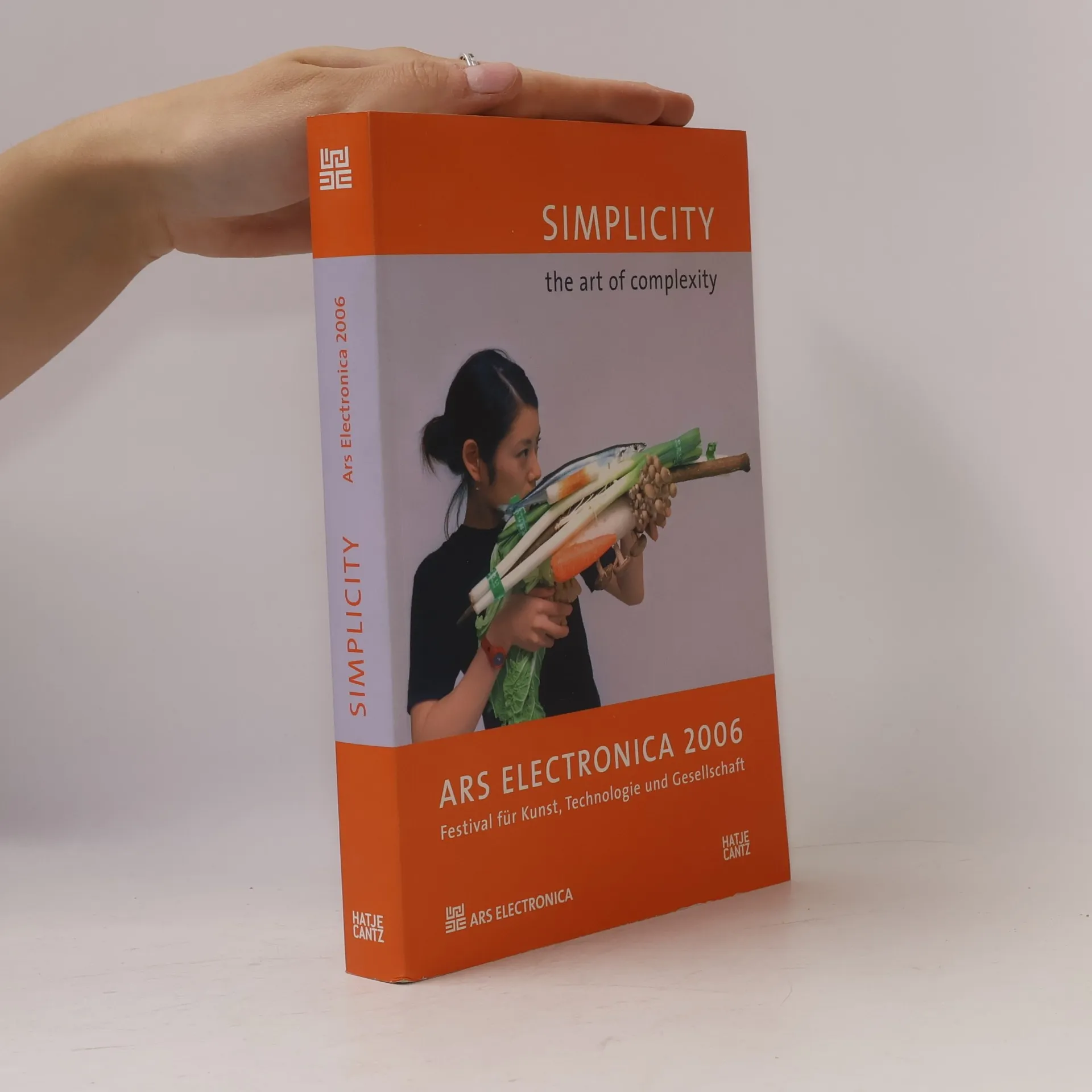
Simplicity
- 375 Seiten
- 14 Lesestunden
Simplicity is the wishful pipe dream of a society overwhelmed by technological revolutions and endless streams of information. Simplicity is the ideology of both technophobic naysayers to progress and a new generation of information designers. Has there ever been a concept laid claim to by so many different quarters? And, as an expression of the central challenge of these times, what call could be more urgent? Which options and features could we possibly do without? And which would we dispense with gladly? In this volume artists, software designers and scientists conceive and construct new strategic and tactical approaches to managing complexity, streamlining information, creating simplicity--a spectrum of ideas bound by resistance and adaptation, and a spectrum of work featuring creatively designed alternatives, poetically useless machines and innovative new developments.
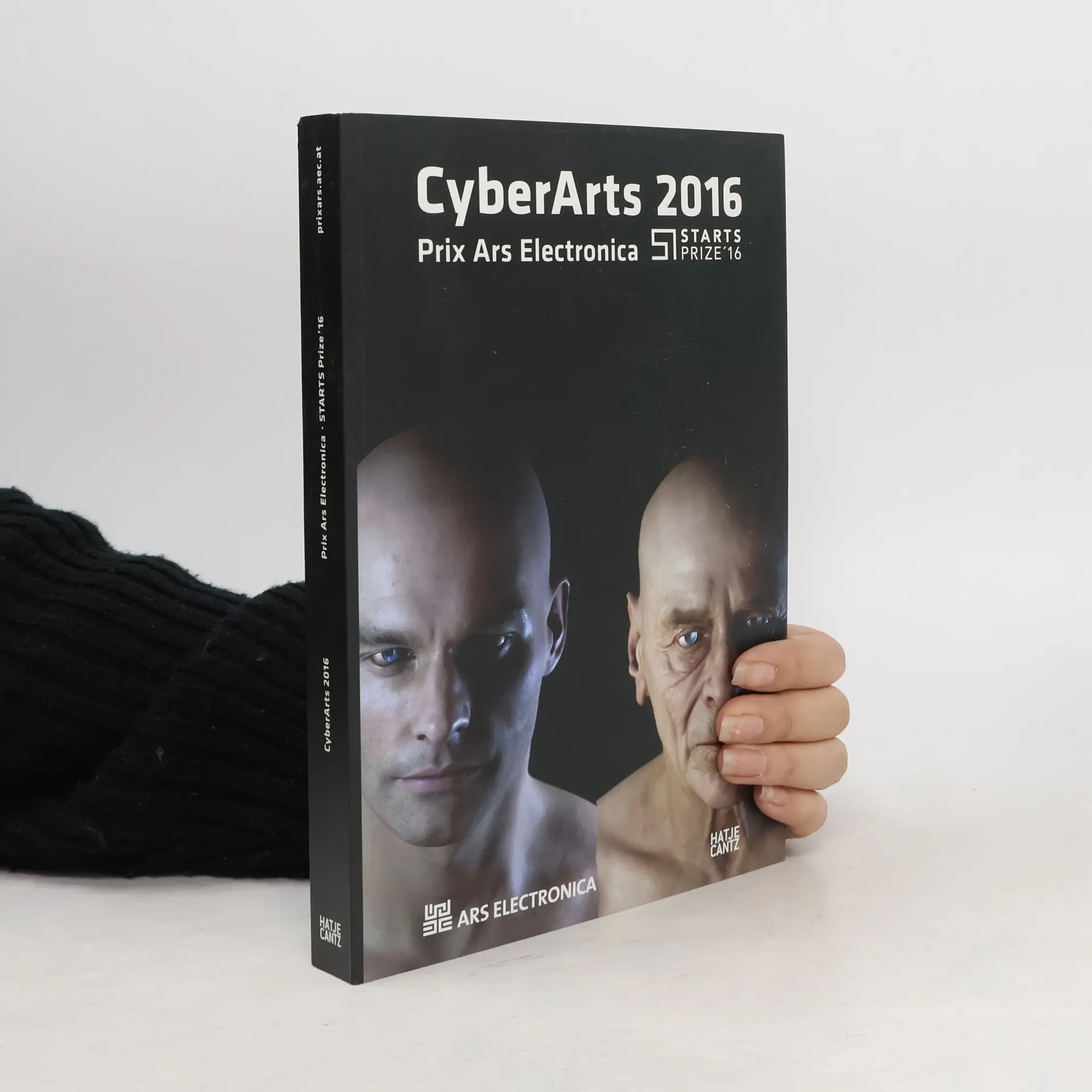
"The Prix Ars Electronica is the most time-honored media arts competition. Ever since its inception in 1987, the Priz Ars Electronica has been honoring creativity and innovativeness in the use of digital media. This year, experts from all over the world evaluated 3677 submissions from 106 countries in four categories : computer animation / film / vfx, hybrid art, digital musics and sound art, and the u19 - create your world competition for young people"--Back cover.
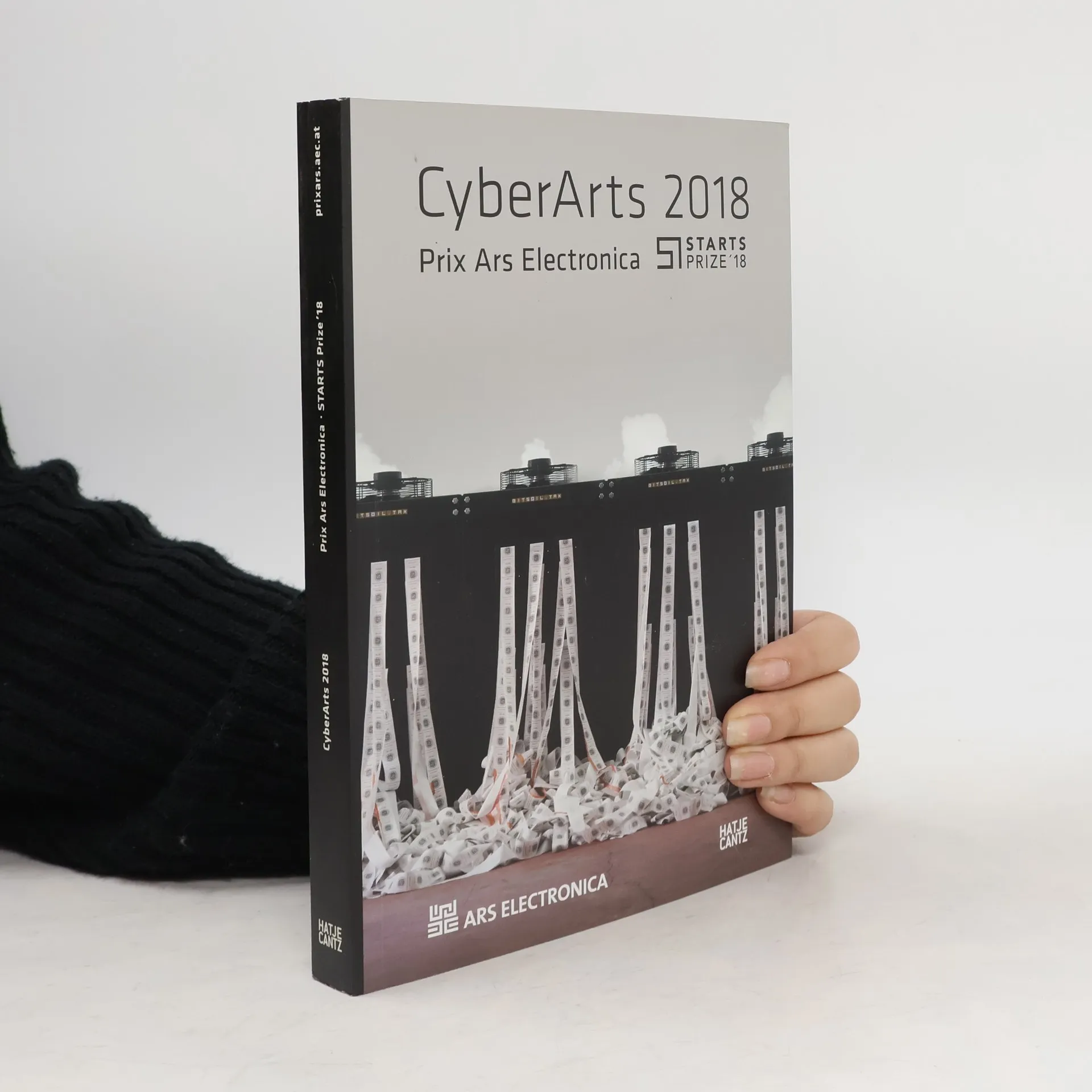
CyberArts 2018 : international compendium : Prix Ars Electronica : STARTS Prize '18
- 256 Seiten
- 9 Lesestunden
The Prix Ars Electronica stands as the world's most prestigious media art competition, awarded annually since 1987. Renowned for its consistency and the quality of submissions, it serves as a barometer for global media art trends. This publication showcases the recognized artworks from 2018 across several categories, including Computer Animation, Digital Communities, Interactive Art+, and u19 – CREATE YOUR WORLD. Additionally, it features a selection of standout works from the European Commission’s STARTS Prize competition, which emphasizes innovative projects at the intersection of science, technology, and art. The Ars Electronica Festival, held in Linz from September 6–10, 2018, has been a platform for exploring the digital revolution and its societal impacts since 1979. The festival program spans five days and includes conferences, discussions, workshops, exhibitions, performances, and concerts, all organized in collaboration with global artists and scientists. Each year, the festival highlights a range of provocative and futuristic themes, reflecting ongoing artistic and scientific research in the evolving landscape of art and technology.
AROTIN & SERGHEI – Infinite Screen
From Light Cells to Monumental Installations at Centre Pompidou
- 304 Seiten
- 11 Lesestunden
AROTIN & SERGHEI’s Infinite Screen reflects contemporary visuality. As an evolutive inter-medial installation, it investigates the idea of the infinite beyond the limits of our screens, the origins of light and the iconography of digital information. Like luminous and transcendent symphonies of light, their intermedial works of art describe both, the macrocosm and the microcosm of our world, using screens as symbols and portals to infinity within constantly evolving parameters of scientific, mythological, philosophical, and architectural frameworks. This book retraces the artist’s supraliminal work-in-progress, from the intermedial paintings of red, green, and blue Light Cells—the DNA of today’s visual language—to the monumental installations at Ars Electronica, the Venice Biennale, the Fondation Beyeler, the Kunsthistorisches Museum Vienna, and at Centre Pompidou Paris.
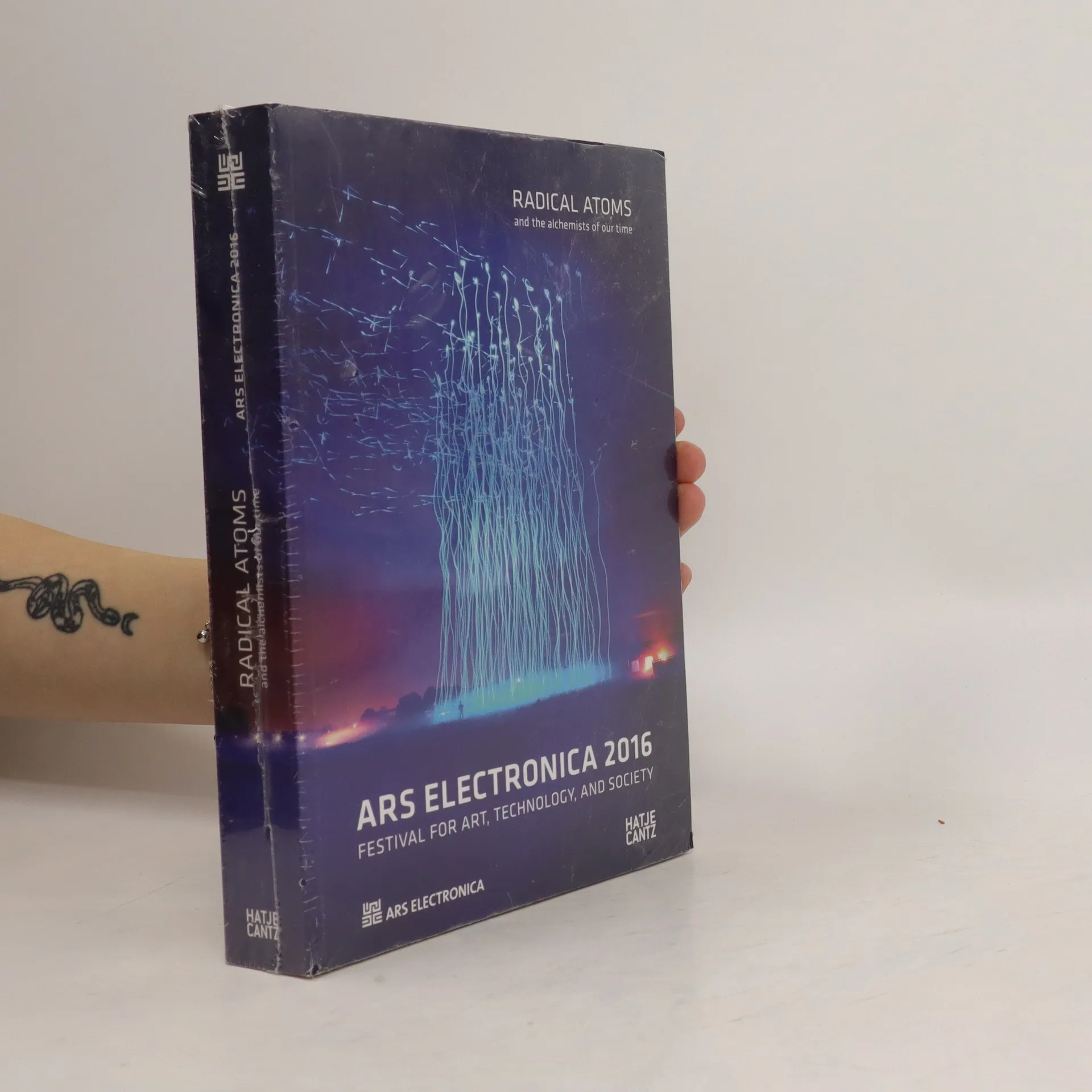
Radical atoms and the alchemists of the future
- 399 Seiten
- 14 Lesestunden
Ars Electronica has been accompanying and analyzing the digital revolution and its manifold implications since 1979. It has consistently focused and focuses on processes and trends at the interface between art, technology, and society. This artistic-scientific research becomes visible in the form of a festival that is organized every year in Linz (Austria). Its five-day program comprises conferences, panel discussions, workshops, exhibitions, performances, interventions, and concerts. The event is planned, organized, and produced in collaboration with international artists and scientists. Each festival addresses a different volatile future issue. This year it is the "Radical Atoms and the Alchemists of the Future." The volume uses images and texts to sketch this year's edition of the Ars Electronica Festival. (Linz, Austria, 8.9.-12.9.2016)-- Publisher's website
Since 1987, the Prix Ars Electronica has served as an interdisciplinary platform for artists using the computer to implement and design projects at the interface of art, technology and society.
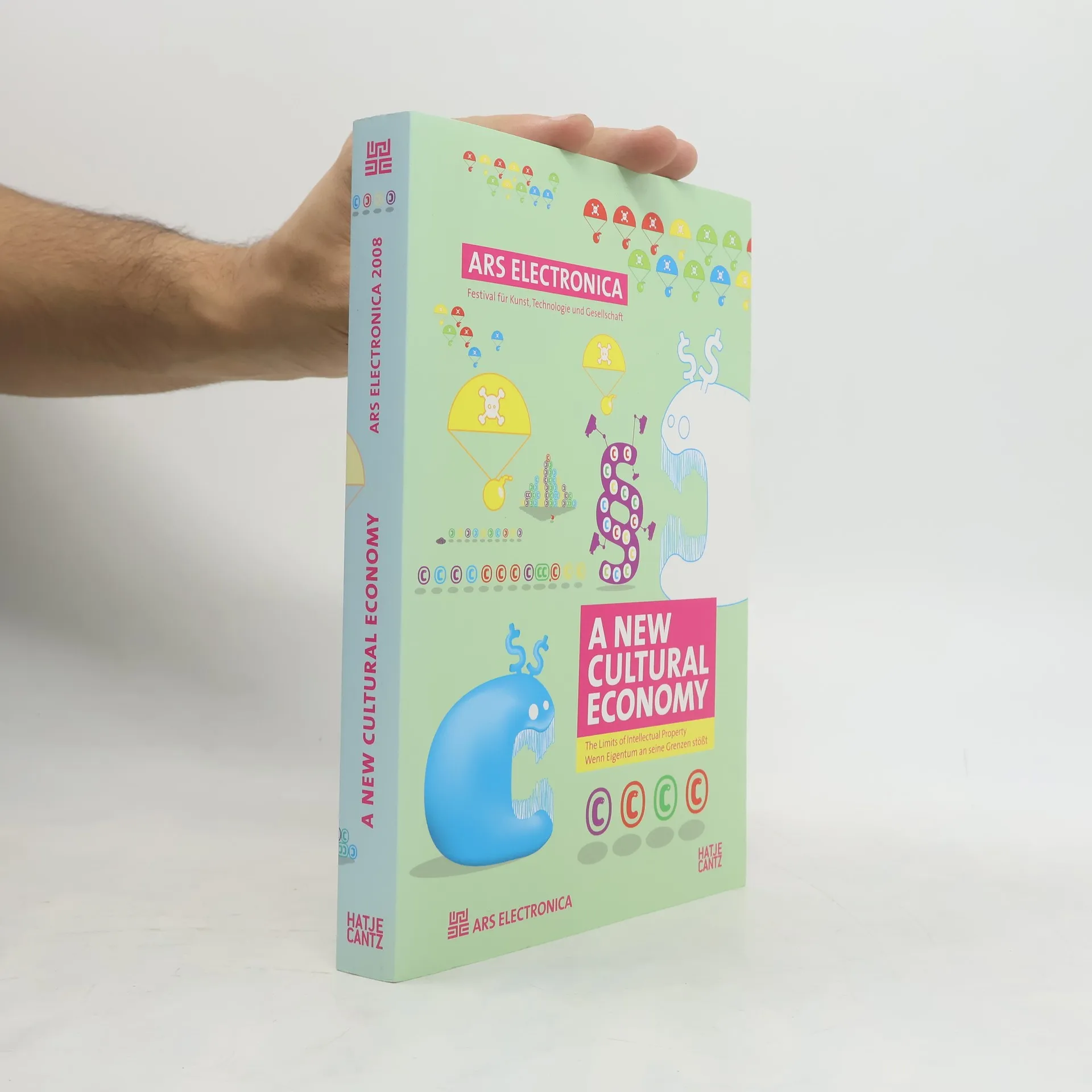
Since 1987, the Prix Ars Electronica has served as an interdisciplinary platform for everyone who uses the computer to implement and design creative projects at the interface of art, technology and society. This volume documents Ars Electronica 2008 with a selection of symposia, artist discussions, forums, workshops, concerts, performances and exhibitions.
Timeshift
- 446 Seiten
- 16 Lesestunden
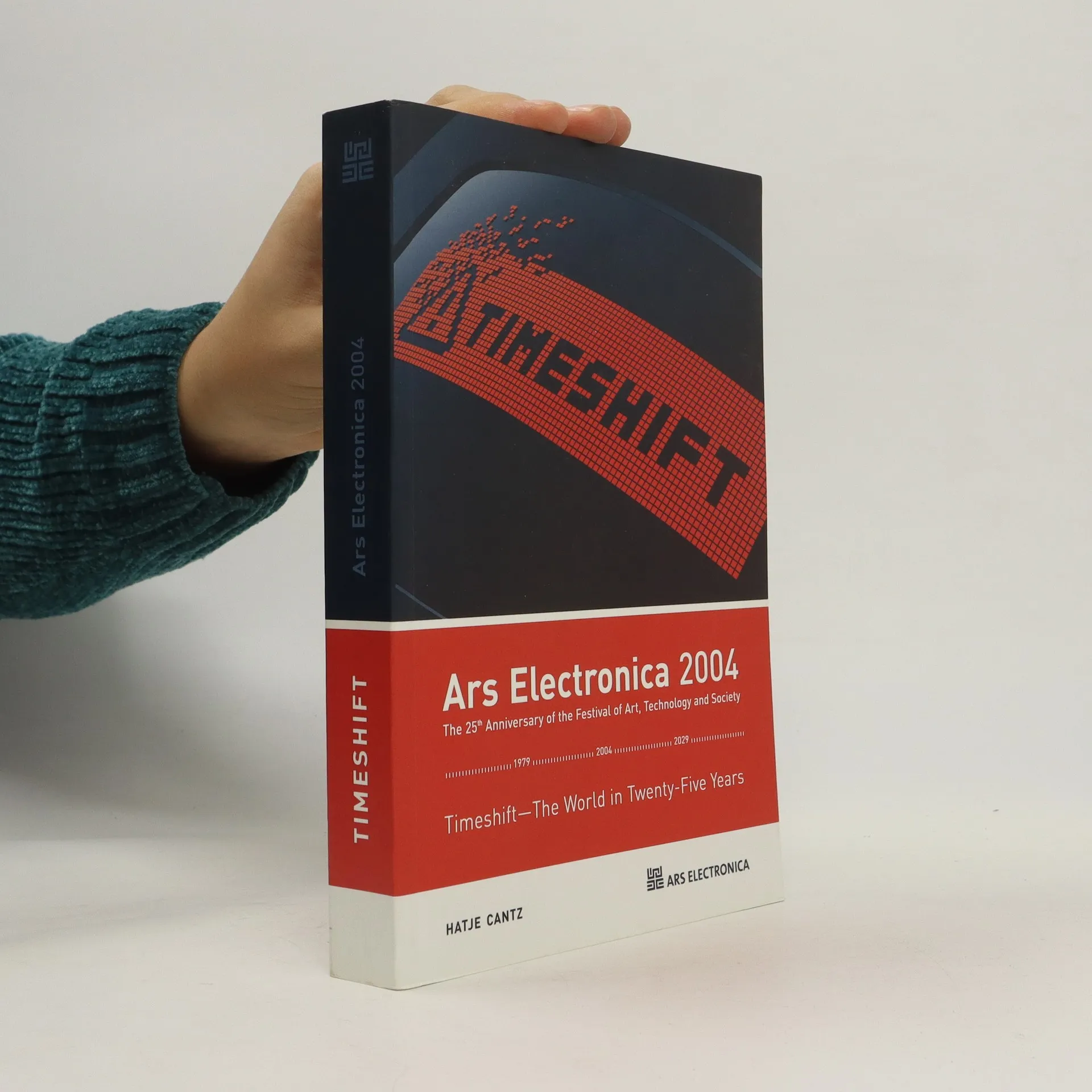
This year marks the 25th anniversary of Ars Electronica, the festival for art, technology, and society. Focusing on changing times, radical political transformation, and the future, the 2004 catalogue brings together theoretical reflections by participating artists and scholars, plus descriptions of the exhibited projects
Ars Electronica 2021
A New Digital Deal: Festival for Art, Technology, and Society
- 430 Seiten
- 16 Lesestunden
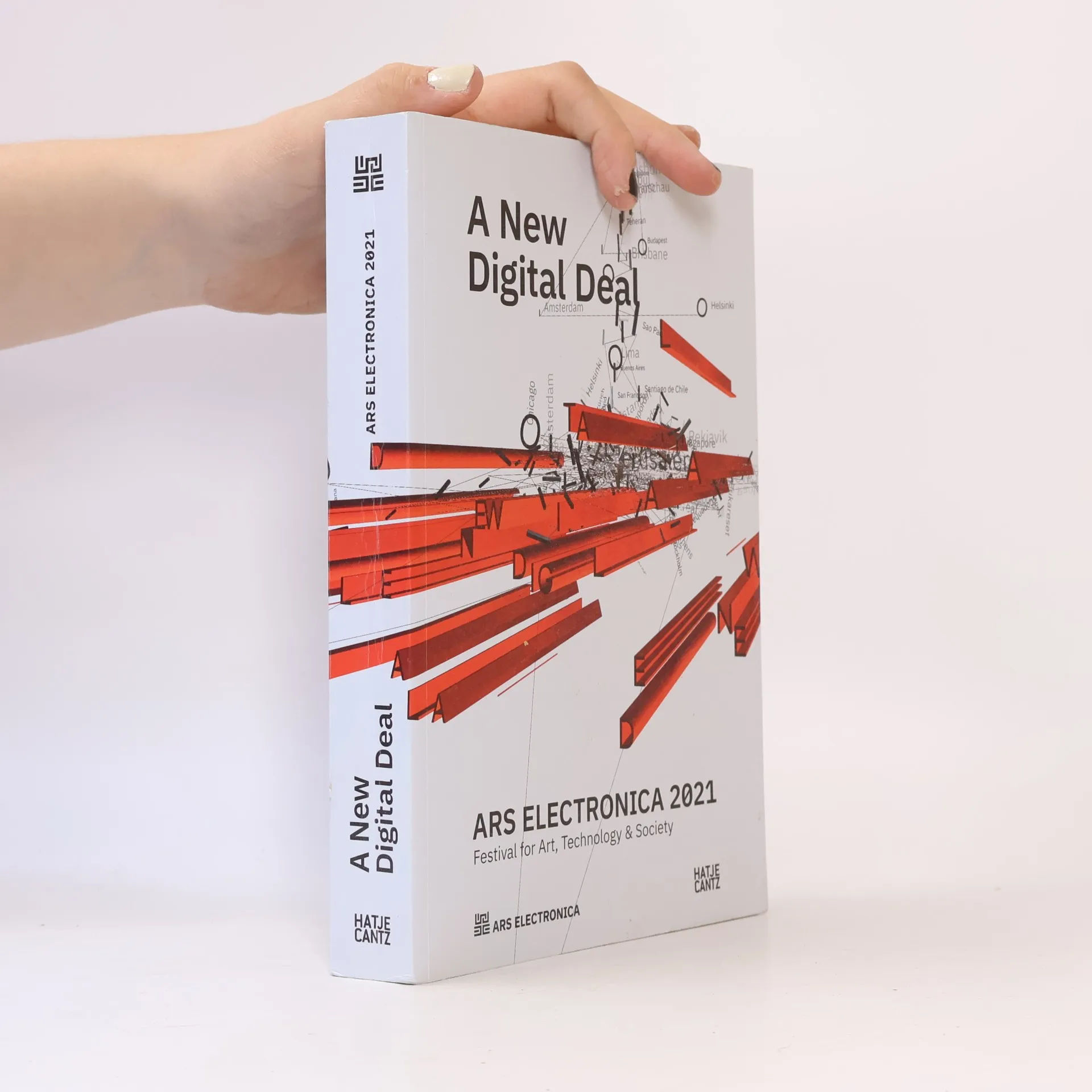
Documenting the 42nd iteration of the festival, in hybrid format For only the second time in its 40 years, the Ars Electronica Festival migrated to a hybrid format for its annual proceedings. The theme of this festival was: "how can artistic and scientific research make connections between technology, art and society visible?"
Since 1979 Ars Electronica has tracked and analyzed the digital revolution and its multiple impacts. The focus has always been on processes and trends combining art, technology, and society. Results of this artistic and scientific research can be seen in the form of an annual festival in Linz, Austria, where a five-day-long program involves conferences, podium discussions, workshops, exhibitions, performances, interventions, and concerts. The festival is planned, organized, and executed in collaboration with artists and scientists from around the world. A variety of controversial futuristic themes are always the center of attention. Richly illustrated and containing in-depth essays, this book is a companion to the 37th Ars Electronica Festival.00Exhibition: 37th Ars Electronica Festival, Linz, Austria (05.09.09.2019).
Ars Electronica 2022: Festival of Art, Technology and Society
Welcome to Planet B. A Different Life Is Possible! But How?
- 416 Seiten
- 15 Lesestunden
Envisioning a future planet free from ecological destruction The theme of the 2022 Ars Electronica Festival was "Welcome to Planet B - A different life is possible! But how?" This year's programming envisions what life might look like if we had already conquered the challenges of the 21st century.
Ars Electronica: The Practice of Art and Science
The European Digital Art and Science Network
- 208 Seiten
- 8 Lesestunden
Im Jahr 2015 wurde das »European Digital Art and Science Network« mit dem Gedanken ins Leben gerufen, den Mikro- und Makrokosmos der Wissenschaft mit den digitalen Künsten zu verbinden. Teil dieses Netzwerkes sind namhafte wissenschaftliche Forschungsinstitutionen (ESA, CERN und ESO), die gemeinsam mit dem Ars Electronica Futurelab Residencies für Künstlerinnen und Künstler anbieten. Die sieben europäischen Projektpartner repräsentieren in Ausstellungen, Workshops und Konferenzen die ebenso starken wie unterschiedlichen kulturellen und künstlerischen Positionen in Europa. Mit starken Bildern präsentiert das Buch die künstlerischen Projekte und Residencies und analysiert anhand von Beiträgen namhafter Wissenschaftlerinnen und Wissenschaftler sowie Künstlerinnen und Künstlern die Herausforderungen von Kunst und Wissenschaft. Festivaldaten: Ars Electronica 7.–11.9.2017
The Prix Ars Electronica, considered a trend barometer of global media art, is the most tradition-steeped media art competition in the world. With numerous images, texts and statements by the jury, the book assembles those innovative works that were awarded prizes in 2016.