
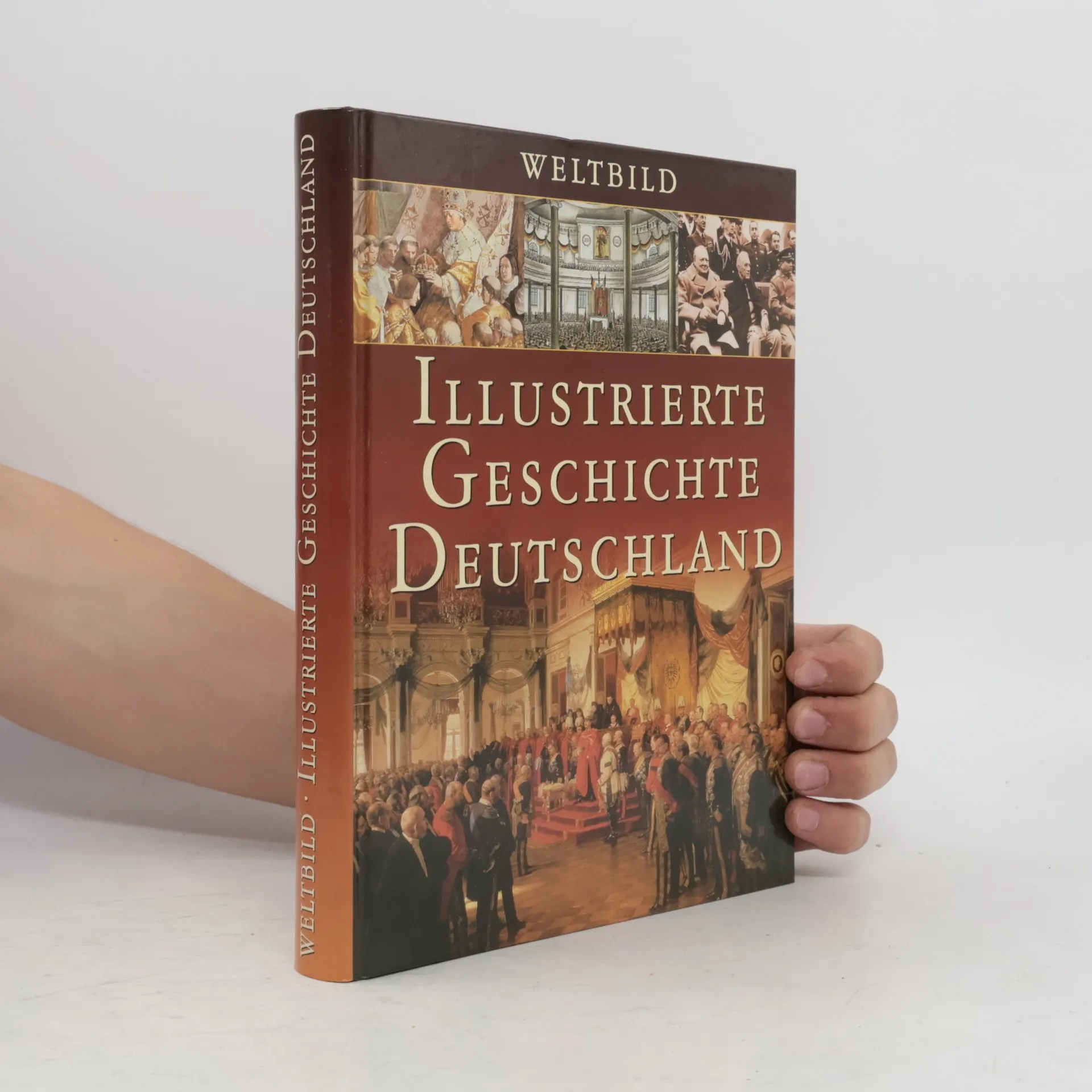
Illustrierte Geschichte Deutschland
- 347 Seiten
- 13 Lesestunden
Martin Kitchen ist ein renommierter Historiker, dessen Werk sich auf die moderne europäische Geschichte konzentriert, mit einem besonderen Schwerpunkt auf Deutschland. Als emeritierter Professor hat sich seine umfangreiche akademische Laufbahn durch eine tiefe Auseinandersetzung mit den Komplexitäten historischer Prozesse ausgezeichnet. Seine Forschung befasst sich mit den vielschichtigen Kräften, die die europäische Landschaft geprägt haben, und bietet aufschlussreiche Perspektiven auf deren andauernde Auswirkungen.


BIOGRAPHY: HISTORICAL, POLITICAL & MILITARY. A new biography of Albert Speer, Adolf Hitler's chief architect and trusted confidant, reveals the subject's deeper involvement in Nazi atrocities. In his best-selling autobiography, Albert Speer, Minister of Armaments and chief architect of Nazi Germany, repeatedly insisted he knew nothing of the genocidal crimes of Hitler's Third Reich. In this revealing new biography, author Martin Kitchen disputes Speer's lifelong assertions of ignorance and innocence, portraying a far darker figure who was deeply implicated in the appalling crimes committed by the regime he served so well
This detailed history explores the Axis campaign in North Africa, situating it within the larger strategic framework of World War II. It examines key battles, military strategies, and the geopolitical implications of the campaign, providing insights into how these events influenced the war's overall trajectory. The narrative highlights the complexities of warfare in the North African theater and the significant decisions made by leaders on both sides.
Seventy years have passed since Adolf Hitler was appointed Chancellor, and in the intervening years a vast amount has been written on the origins and nature of the Third Reich. The years from 1933 to 1945 cast such a grim shadow that the moral, ethical, and religious elements embedded in the narrative are such that the subject still resists treatment as part of a historical past. Fierce debates still rage over both the how and the why of these terrible events. In this concise and accessible account Martin Kitchen addresses the major issues. How did Hitler come to power? How was the Nazi dictatorship established? What was the essential nature of the regime? What were the reasons for Hitler's extraordinary popularity? Why did Germany go to war? What led to the Holocaust? What was the legacy of National Socialism?
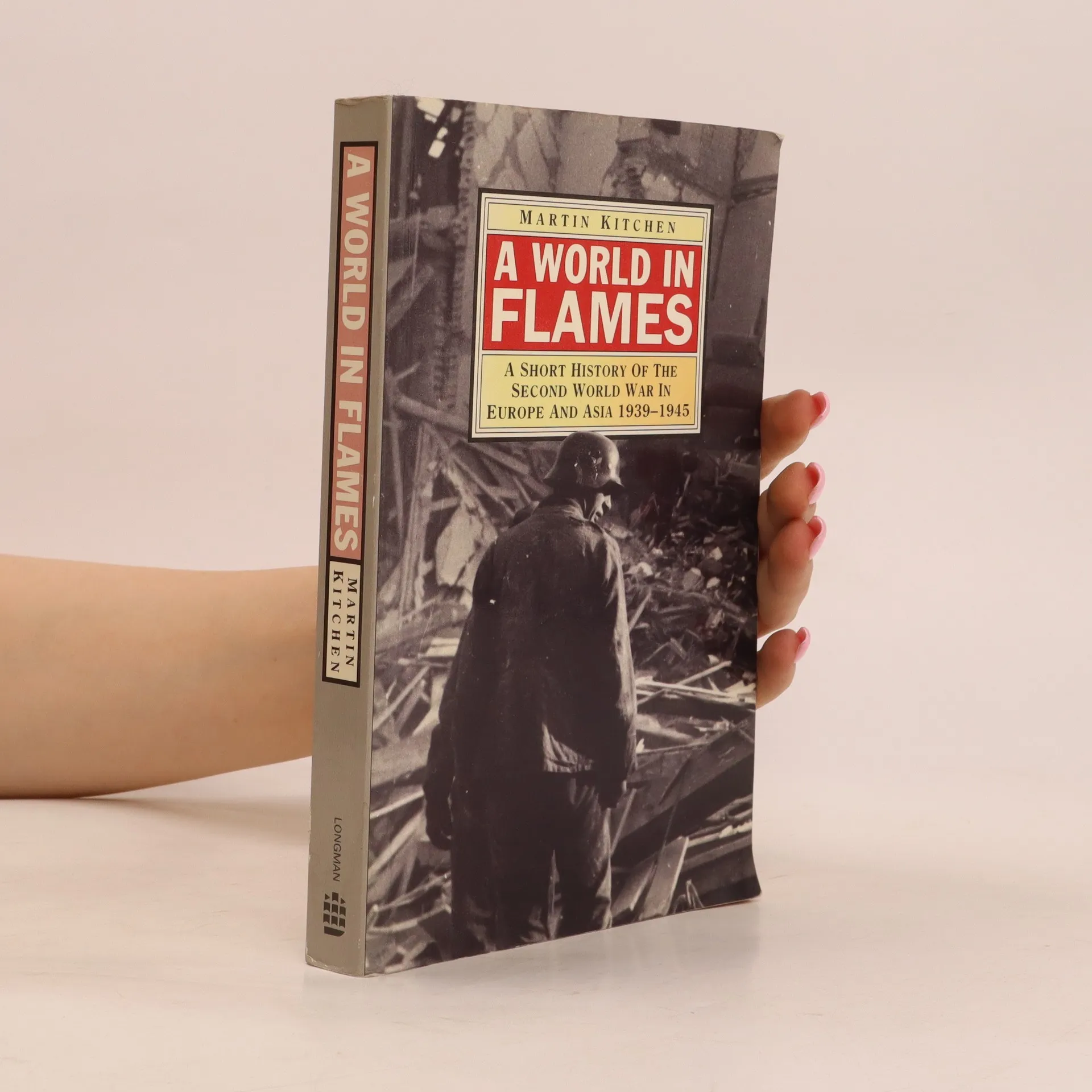
A concise account of the war - including the war in Asia and the Pacific as well as the European arena. Covers the formation of the victorious Grand Alliance and to the problems that beset it, and to Nazi Germany's relations with its allies.
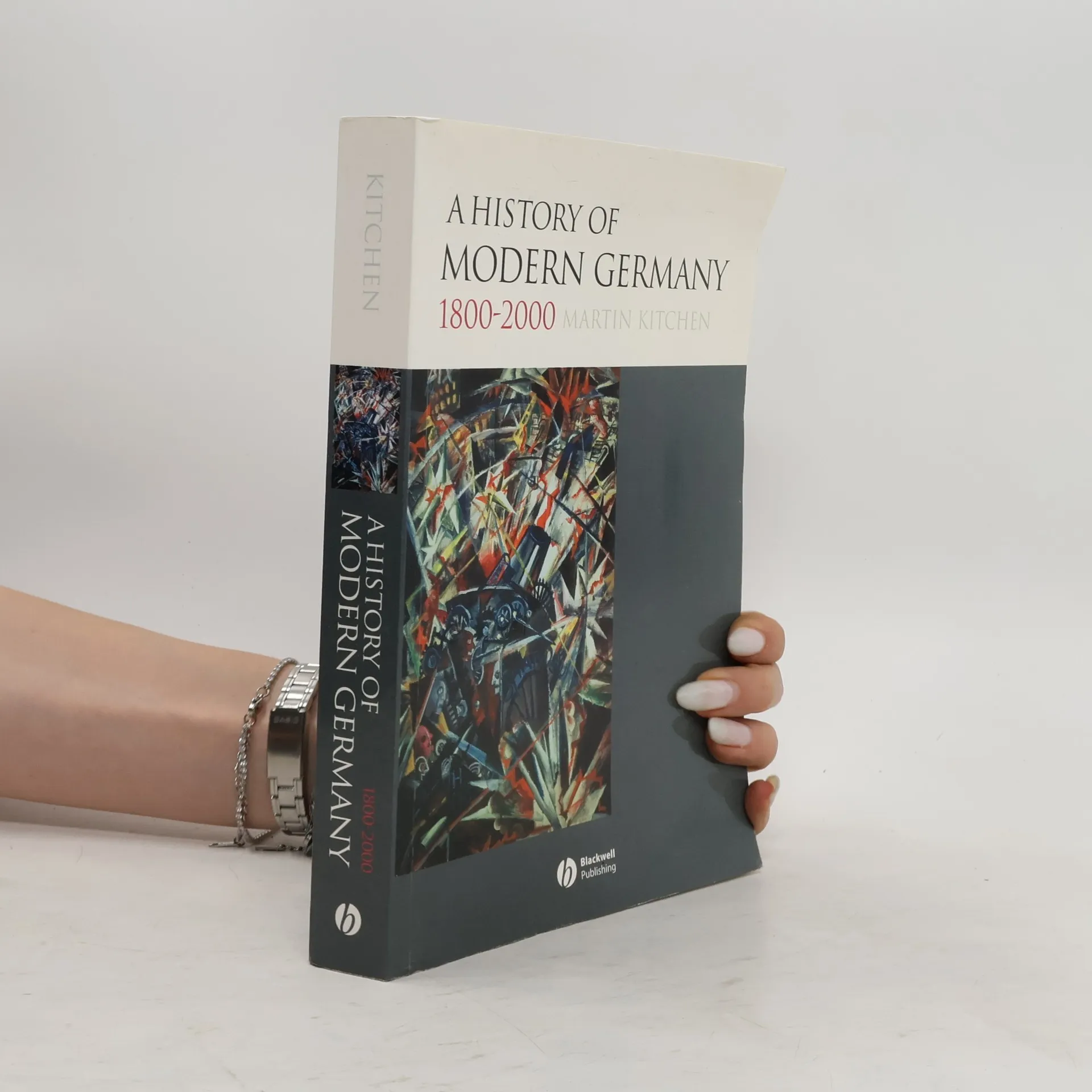
Featuring revised and extended coverage, the second edition of A History of Modern Germany offers an accessible and engagingly written account of German history from 1800 to the present. Provides readers with a long view of modern German history, revealing its continuities and changes Features updated and extended coverage of German social change and modernization, class, religion, and gender Includes more in depth coverage of the German Democratic Republic Examines Germany's social, political, and economic history Covers the unification of Germany, the German Empire, the Weimar Republic, the Third Reich, post-war division, the collapse of Communism, and developments since re-unification Addresses regional history rather than focusing on the dominant role of Prussia
The twelve years of the Third Reich casts a dark shadow over history. Fierce debates still rage over many of the hows, whys and wherefores of this perplexing period. Leading expert on German history, Martin Kitchen, provides a concise, accessible and provocative account of Nazi Germany. It takes into account the political, social, economic and cultural ramifications, and sets it within the context of the times, while pointing out those areas that still defy our understanding. This lively account addresses major issues such as the reasons for Hitlers extraordinary popularity, his hold over the German people even when all seemed lost, the role of ideology, the cooption of the elites, and the descent into war for race and space, culminating in the horrors of the holocaust.
A new biography of Albert Speer, Hitler's chief architect and confidant, unveils his deeper involvement in Nazi atrocities. Author Martin Kitchen meticulously dismantles Speer’s alibis and excuses, presenting a compelling case against his claims of ignorance regarding the regime's genocidal crimes. Kitchen's research draws on new sources that challenge the previously accepted image of Speer as a cultured technocrat who remained uninvolved in Nazi politics. Instead, the biography portrays a more complex and darker figure, deeply implicated in the regime's horrific actions. This work offers a thorough examination of Speer's life, beliefs, and actions during one of history's darkest periods, countering his assertions of innocence and the misconception that his genius alone sustained the German military long after defeat was inevitable. The result is a serious and critical reassessment of Speer, highlighting his significant role in the Nazi regime and the moral implications of his actions. Kitchen's analysis provides a vital contribution to our understanding of this controversial figure and the broader context of Nazi Germany.
This engaging textbook provides a broad survey of modern German history from 1800-2000, and situates Germany’s fragmented past within its full context. Kitchen:
Focusing on the late 19th and early 20th centuries, this work delves into the interplay between economic history and broader political and social issues shaping the German political economy. It challenges traditional economic narratives by exploring how political and social factors influenced economic development during this transformative period.