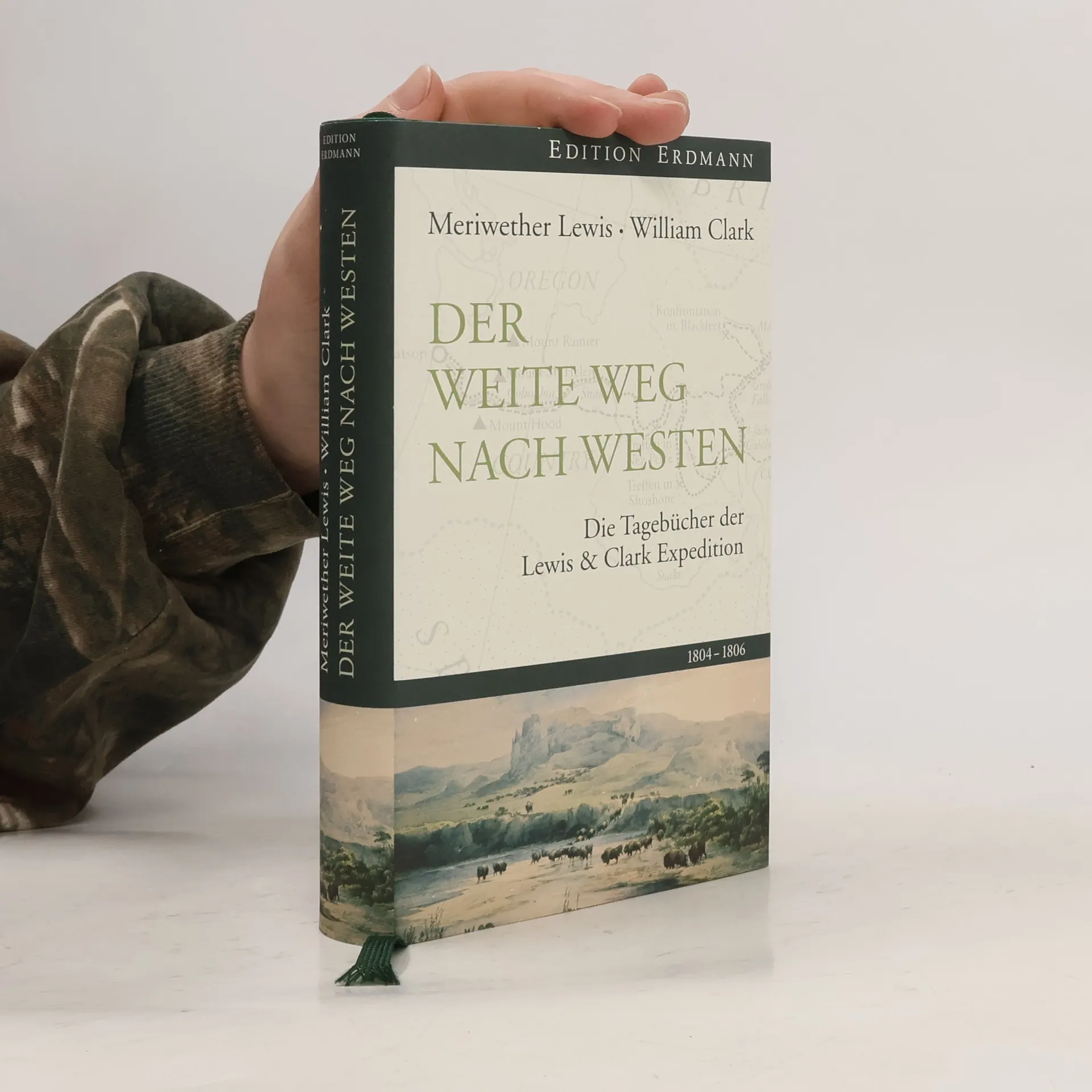
Im Auftrag von Präsident Jefferson begeben sich Meriwether Lewis und William Clark in die unerforschte Wildnis Amerikas auf das größte Abenteuer der noch jungen Nation. Auf ihrem Weg zum Pazifik legen die Pioniere insgesamt über 6000 Kilometer zurück, befahren den Missouri und überqueren die Rocky Mountains. In ihren Tagebüchern dokumentieren sie die Triumphe und Widrigkeiten ihrer Reise: Die Begeisterung angesichts der riesigen Büffelherden, die Begegnungen mit den Ureinwohnern und die Erleichterung beim Erreichen des Ozeans.
Meriwether Lewis Bücher
Meriwether Lewis war ein amerikanischer Entdecker und öffentlicher Verwalter. Er ist am besten als Leiter der Lewis-und-Clark-Expedition bekannt, auch bekannt als Corps of Discovery, zusammen mit William Clark. Ihre Mission war es, das Territorium des Louisiana Purchase zu erkunden. Seine Arbeit trug dazu bei, das Wissen über den Westen der Vereinigten Staaten zu erweitern.


Das Tagebuch der Lewis & Clark-Expedition (1804-1806) dokumentiert eine prägende Reise der jungen USA zur Erkundung des neu erworbenen Gebiets. Lewis und Clark beschreiben unbekannte Pflanzen, Tiere und Landschaften. Friedhelm Rathjen bietet eine Auswahl der Texte und erzählt die abenteuerliche Geschichte der Expedition. Ein Reprint von Clarks Karte ist beigelegt.
Der weite Weg nach Westen
- 368 Seiten
- 13 Lesestunden
Im Auftrag von Präsident Jefferson begeben sich Meriwether Lewis und William Clark in die unerforschte Wildnis Amerikas auf das größte Abenteuer der noch jungen Nation. Auf ihrem Weg zum Pazifik legen die Pioniere insgesamt über 6000 Kilometer zurück, befahren den Missouri und überqueren die Rocky Mountains. In ihren Tagebüchern dokumentieren sie die Triumphe und Widrigkeiten ihrer Reise: Die Begeisterung angesichts der riesigen Büffelherden, die Begegnungen mit den Ureinwohnern und die Erleichterung beim Erreichen des Ozeans.
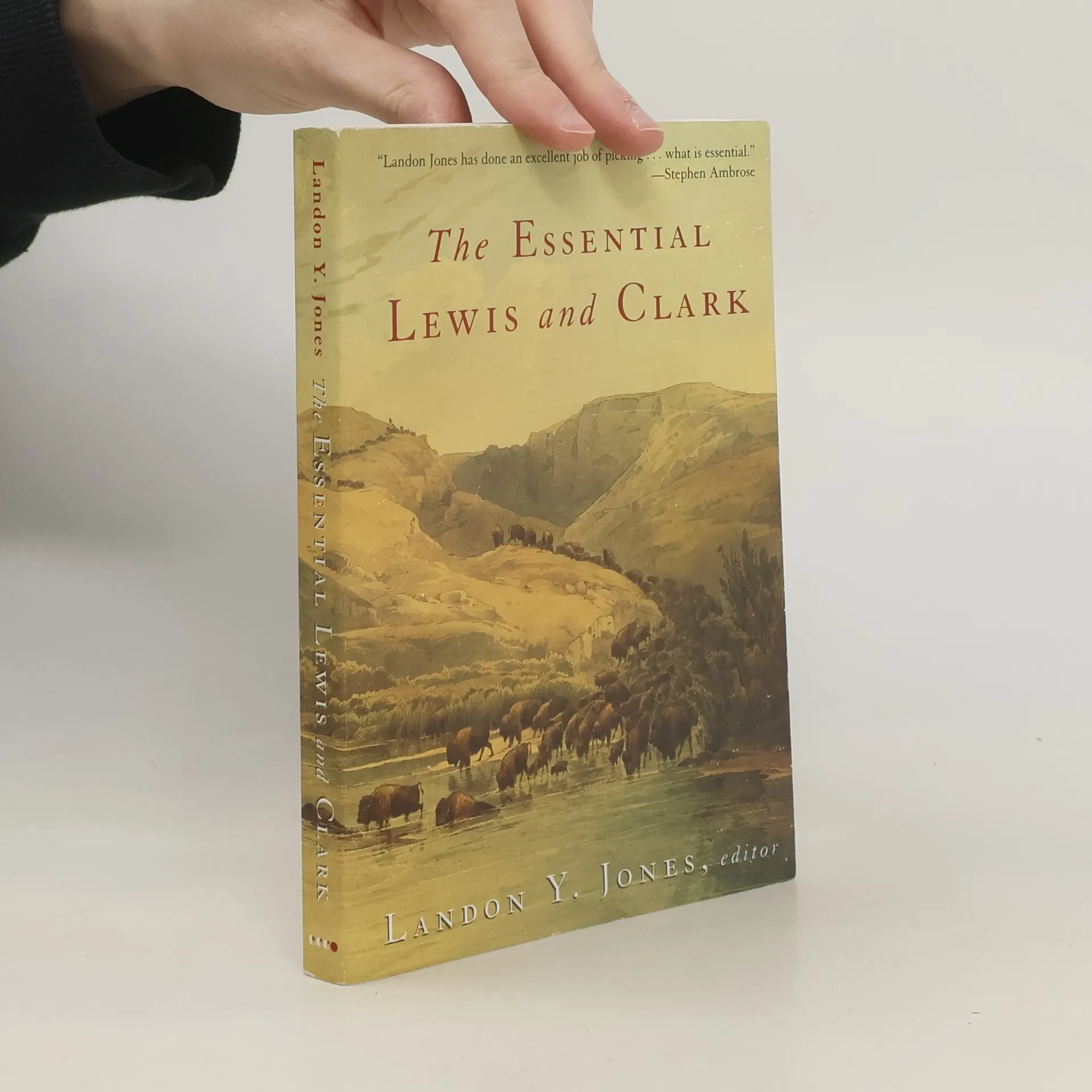
In 1803, when the United States purchased Louisiana from France, the great expanse of this new American territory was a blank—not only on the map but in our knowledge. President Thomas Jefferson keenly understood that the course of the nation's destiny lay westward and that a national "Voyage of Discovery" must be mounted to determine the nature and accessibility of the frontier. He commissioned his young secretary, Meriwether Lewis, to lead an intelligence-gathering expedition from the Missouri River to the northern Pacific coast and back. From 1804 to 1806, Lewis, accompanied by co-captain William Clark, the Shoshone guide Sacajawea, and thirty-two men, made the first trek across the Louisiana Purchase, mapping the rivers as he went, tracing the principal waterways to the sea, and establishing the American claim to the territories of Idaho, Washington, and Oregon. Together the captains kept a journal, a richly detailed record of the flora and fauna they sighted, the Indian tribes they encountered, and the awe-inspiring landscape they traversed, from their base camp near present-day St. Louis to the mouth of the Columbia River. In keeping this record they made an incomparable contribution to the literature of exploration and the writing of natural history.
The Essential Lewis and Clark
- 224 Seiten
- 8 Lesestunden
The journals of Meriwether Lewis and William Clark remain the single most important document in the history of American exploration. This compact volume of their journals, compiled by American Book Awaard nominee Landon Y. Jones, includes all of the most riveting tales of their adventure.Here is a concise, breathtaking record of Lewis and Clark's legendary journey to the Pacific, written by the two captains--under unspeakable stress and the threat of constant danger--with an immediacy that startles to this day. Through these tales of adventure we see the Great Plains, the Rocky Mountains and western rivers the way Lewis and Clark first observed them--majestic, pristine, uncharted, and awe-inspiring. We are in moccasins of Lewis and Clark as they witness other wonders no European-Americans had ever seen before: new creatures such as antelope, prairie dogs, and, most memorably, grizzly bears. Also included are the explorers' encounters with Native Americans, featuring the amazing reunion between Sacagawea and her brother, a Shoshone chief who secured the expedition's safe passage over the Continental Divide.Landon Jones has selected the most memorable journal entries left behind by Lewis and Clark, and then edited and annotated them for all readers--those steeped in lore of the expedition, and newcomers to this unforgettable journey. From this raw material springs every book ever written about Lewis and Clark.
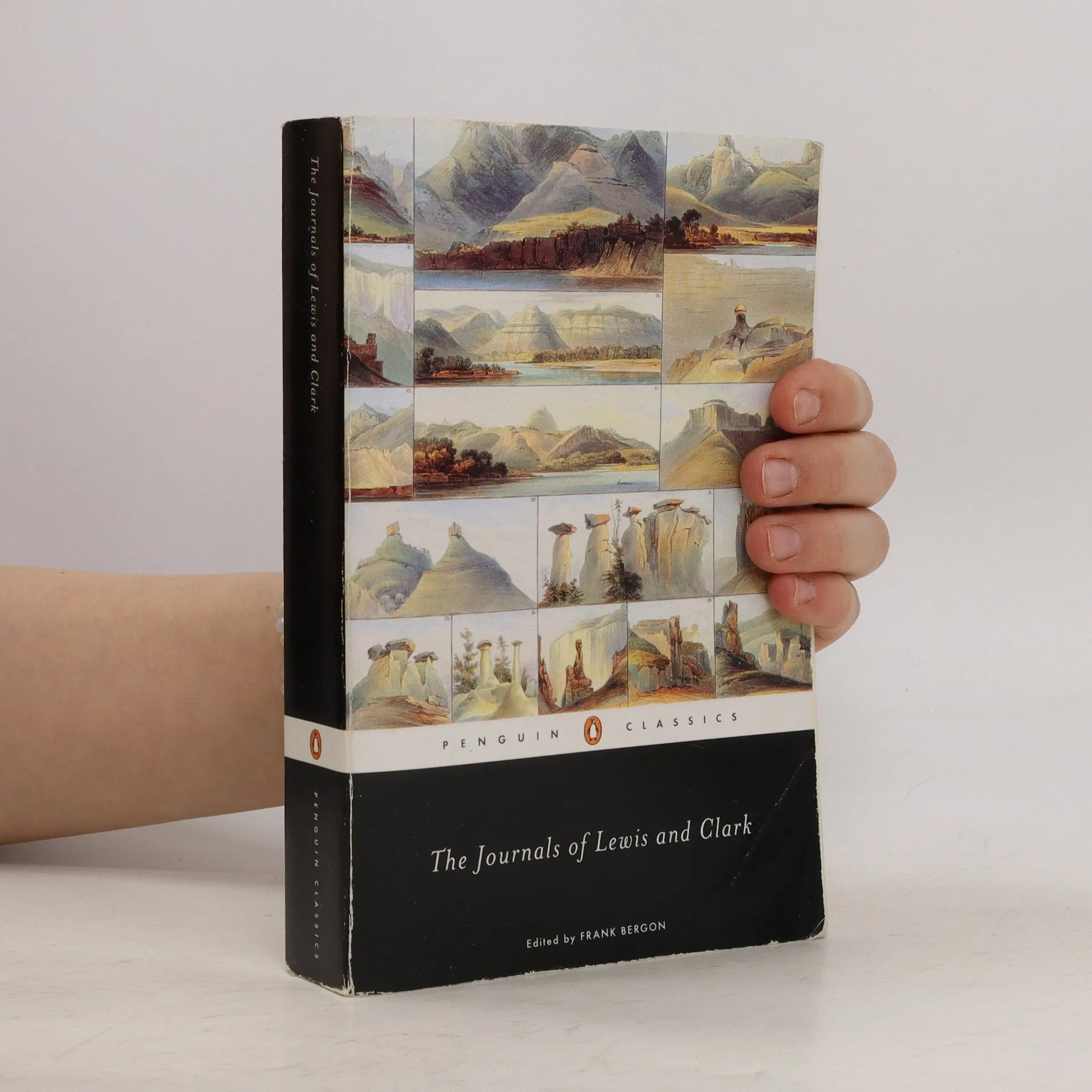
The Journals of Lewis and Clark; 1804-1806, In Four Volumes
Volume 3 - in large print
- 668 Seiten
- 24 Lesestunden
The book is a reproduction of a historical work, published by Megali, a company dedicated to creating large print editions for those with impaired vision. This initiative aims to enhance accessibility and ensure that significant historical texts can be enjoyed by a wider audience.
The Journals of Lewis and Clark; 1804-1806, In Four Volumes
Volume 4 - in large print
- 676 Seiten
- 24 Lesestunden
The book features a reproduction of a historical work, presented in large print to enhance accessibility for readers with impaired vision. Published by Megali, a house dedicated to making historical texts more readable, this edition preserves the original content while ensuring a more comfortable reading experience for those who may struggle with standard print sizes.
The Journals of Lewis and Clark; 1804-1806, In Four Volumes
Volume 1 - in large print
- 676 Seiten
- 24 Lesestunden
This book is a reproduction of an original historical work, published by Megali, a house dedicated to creating large print editions. The focus on accessibility makes it particularly suitable for readers with impaired vision, ensuring that important historical texts are available to a wider audience.
The Journals of Lewis and Clark; 1804-1806, In Four Volumes
Volume 2 - in large print
- 672 Seiten
- 24 Lesestunden
Focusing on accessibility, this book is a reproduction of a historical work presented in large print, catering specifically to individuals with impaired vision. Published by Megali, a house dedicated to making historical texts more readable, it aims to preserve the original content while enhancing readability for a broader audience.
Le Grand Retour
Journal De La Première Traversée Du Continent Nord Américain, Ii
- 432 Seiten
- 16 Lesestunden
Franchi les Bitterroots, au cœur des Rocheuses, c'est un autre monde qui se révèle aux yeux de Lewis, de Clark et de leurs compagnons : celui de l'Ouest inviolé. Et c'est aussi, pour eux, une autre aventure la descente de la Columbia River, l'hiver passé sur la côte du Pacifique. Et puis le retour : de tous leurs paris, sans doute le plus fou... Deux ans et cinq mois au total pour atteindre le bout du monde et en revenir. Près de quinze mille kilomètres parcourus dans la souffrance et l'émerveillement. Et la découverte de ce qu'Audubon appellera le " Grand Dehors ". Etablie par Michel Le Bris à partir des documents originaux, cette édition en deux volumes des légendaires Journaux de Lewis et Clark a été saluée par toute la presse