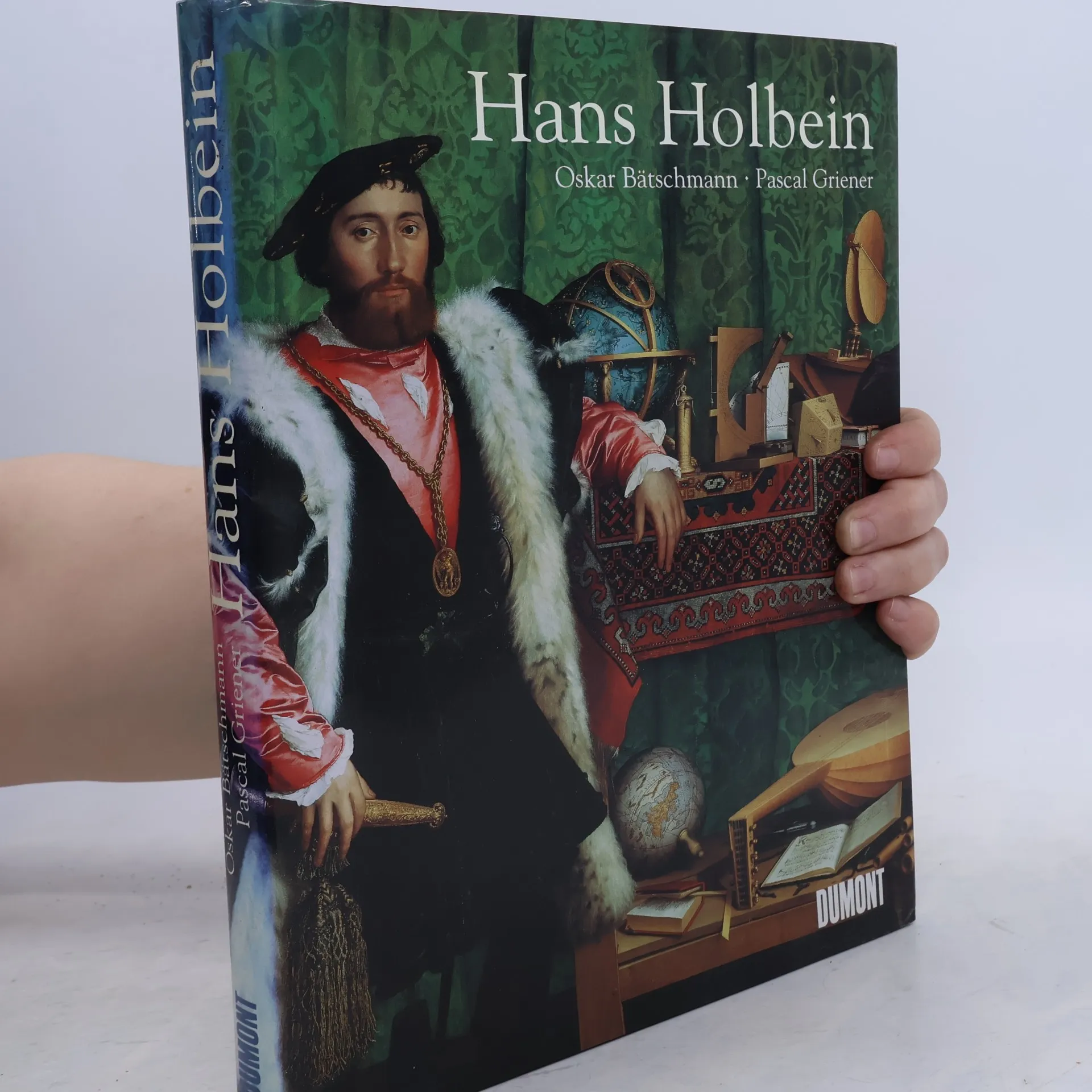
Das Buch bietet eine Gesamtdarstellung von Holbeins Werk. Die Autoren zeichnen das wechselvolle Leben des großen deutschen Renaissancemalers nach und geben eine umfassende Neubewertung seines Werkes, die alle Bereiche seines Schaffens berücksichtigt: von den religiösen Motiven und den Porträts, die seinen Ruhm begründeten, über die zahlreichen Entwürfe für Buchschmuck und Illustration bis hin zu den wenig bekannten Wanddekorationen. Reichhaltige Hintergrundinformationen zum gesellschaftlichen und künstlerischen Umfeld vervollständigen das Buch.
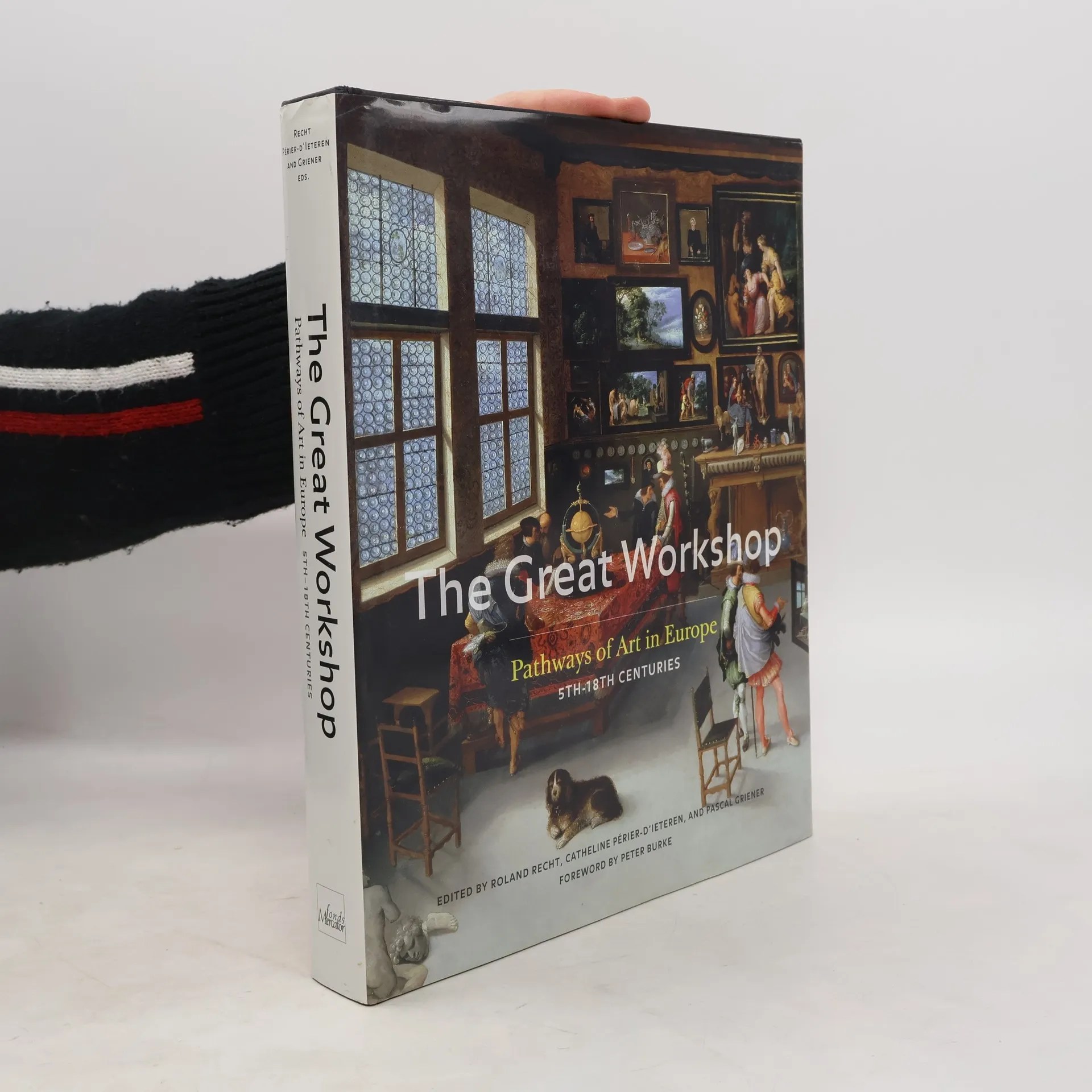
An artist's workshop serves as both a creative and educational space where ideas are transformed into tangible art forms. It functions as a classroom where skills are passed down, and apprentices strive to surpass their masters. Additionally, it acts as a salon where reputations are built, occasionally challenged by talented imitators or enthusiastic amateurs. Throughout history, Europe has been likened to a vast network of workshops, each fostering unique artistic practices and styles, facilitating collaboration among artists. Long before becoming a political entity, Europe was characterized by its vibrant exchange of goods and people. Artists, art enthusiasts, and affluent patrons undertook challenging journeys across roads and rivers to pursue beauty. This context is explored in the book, which delves into themes surrounding the circulation of art and the artistic community across a wide geographic area, including Dublin, Palermo, Cordoba, Stockholm, Rouen, and Sofia. Short essays highlight the movements of those involved in the art business, enhancing our understanding of the migration of artistic themes and motifs. Featuring 250 full-color examples from over one hundred European collections, the work showcases the intricate web of artistic exchange and production, accompanied by insightful essays from notable art historians that span from the fall of the Roman Empire to the emergence of Europe’s first major museums.