Michael Walker verfasst lebendige Erzählungen, die sich auf das pulsierende Herz von Musik und Kultur konzentrieren, insbesondere auf das legendäre Milieu von Laurel Canyon, einem Schmelztiegel des Rock 'n' Roll. Seine Arbeit beleuchtet, wie diese ikonische Nachbarschaft die Entwicklung der Musik prägte, und fängt den Zeitgeist einer Ära ein, in der bahnbrechende Klänge entstanden. Walker taucht auch in die Welt der Punkrock-Geschichte ein und beleuchtet deren bleibenden Einfluss auf die moderne Musik. Sein umfangreicher journalistischer Hintergrund, einschließlich redaktioneller Tätigkeiten bei großen Zeitungen, fließt in seine aufschlussreichen Auseinandersetzungen mit der Popkultur ein.
Verfassungsrechtliche Rahmenbedingungen für einen polizeirechtlichen Paradigmenwechsel
430 Seiten
16 Lesestunden
Der Paradigmenwechsel im Polizeirecht seit 2017, der Maßnahmen wie Aufenthaltsverbote und Meldeauflagen im Gefahrenvorfeld erlaubt, wird kritisch untersucht. Die verfassungsrechtlichen Rahmenbedingungen sind bislang unklar, weshalb eine tiefgehende Analyse notwendig ist. Die gängige Differenzierung polizeilichen Handelns wird hinterfragt, um Fälle zu identifizieren, die eine Abweichung vom bisherigen Leitbild rechtfertigen. Zudem wird der normative Gestaltungsraum des Gesetzgebers für spezifische und verhältnismäßige Rechtsgrundlagen abgesteckt.
Sommer 1968: In Joni Mitchells Häuschen im Herzen des nach Eukalyptus duftenden Laurel Canyon stimmen Crosby, Stills & Nash ihren ersten Song miteinander an. Nebenan ist gerade Frank Zappa eingezogen, und Pamela des Barres macht sich bereit für die nächste Party. Seit Mitte der sechziger Jahre war das verwunschene Tal in den Hügeln von Hollywood Anziehungspunkt für einige der talentiertesten Musiker des 20. Jahrhunderts und Ursprung einer neuartigen Mischung aus Folk, Country und Rock. Bahnbrechende Hits wie „California Dreamin’“, „Suite: Judy Blue Eyes“ und „It’s too late“ eroberten von hier aus die Charts und machten L. A. für zwei Jahrzehnte zur Metropole der Musikbranche. Joni Mitchell, Carole King, The Mamas and the Papas, Frank Zappa, Jackson Browne und die Eagles schufen hier Dutzende gefeierter Songs, die sich nicht nur millionenfach verkauften, sondern auch das Lebensgefühl einer ganzen Generation ausdrückten – Flowerpower, Sex, Drugs & Rock ’n’ Roll. Der renommierte Popjournalist Michael Walker erzählt erstmals die Geschichte des Laurel Canyon. Er hat Insider befragt – unter ihnen Graham Nash, Gail Zappa, Chris Hilman und Pamela des Barres - und zeichnet den Weg des Tals vom Paradies der Gegenkultur bis hin zur Dekadenz der Siebziger nach. Gekonnt fängt er die Stimmung einer Epoche ein, in der ein auf einer Veranda gesummter Song innerhalb weniger Wochen Musikgeschichte schreiben konnte.
Modern Techniques and Python Tools to Detect and Remove Dirty Data and Extract Key Insights
436 Seiten
16 Lesestunden
Discover how to detail your data, identify issues, and solve them with effective techniques. Key features include mastering various data cleaning methods to uncover insights, manipulating data to meet business needs, and validating large volumes of data to diagnose problems before analysis.
This guide emphasizes the importance of clean data for accurate insights, illustrating tools and techniques for data handling with Python. You'll start by understanding data shape through routine practices applicable to most sources, then learn to manipulate data into a useful format. The book covers filtering and summarizing data to enhance comprehension and address identified issues.
Key tasks include managing missing values, validating errors, removing duplicates, monitoring large datasets, and handling outliers and invalid dates. You'll also explore supervised learning and Naive Bayes analysis for detecting unexpected values and classification errors, along with generating visualizations for exploratory data analysis (EDA).
By the end, you'll have the skills to clean data effectively and diagnose problems. Learn to read and analyze data from various sources, summarize attributes, filter relevant data, tackle messy issues, improve productivity with method chaining, and use visualizations for insights. This resource is ideal for anyone aiming to manage poor data using Python tools, requiring only a basic understanding of Python prog
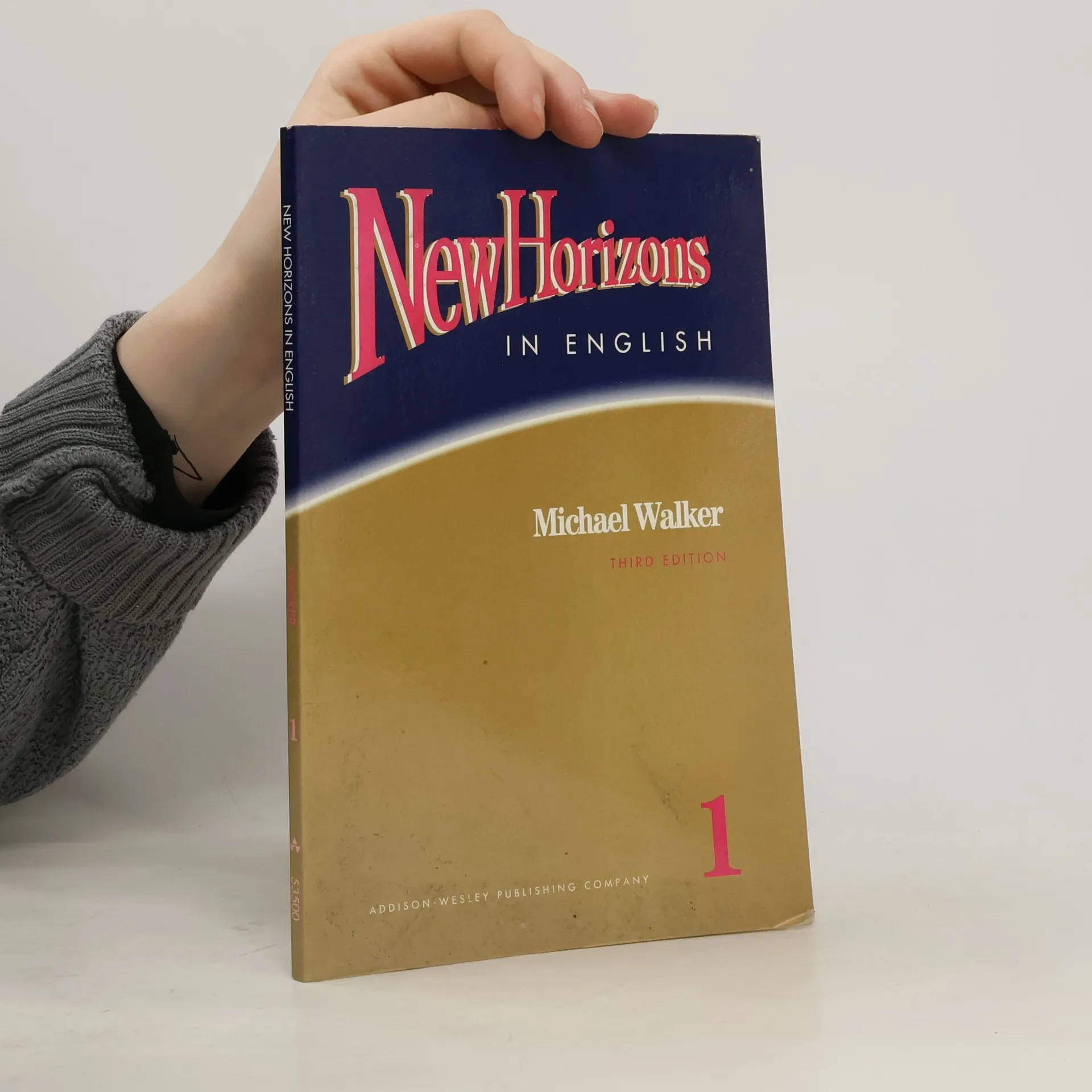
New Horizons in English is a communication-based, six-level, basal series planned and written to make the learning of English as a second language effective and rewarding. Stimulating opportunities to practice listening, speaking, reading, and writing skills develop independence and confidence in the use of English. Thoughtfully chosen vocabulary give students the words they need to communicate in their new language in a variety of situations; carefully paced introduction of grammatical and structural concepts helps insure a strong foundation of communication skills.
Featuring 40 lute fantasies from the Late Renaissance, this compilation by renowned German lutenist Elias Mertel offers a rich selection of music for various instruments. The pieces have been transcribed for baritone ukulele, Renaissance guitar, low G ukulele, and other four-course instruments, making them accessible to a wide range of musicians. All selections can also be played on the guitar, ensuring versatility for performers.
Featuring 75 lute preludes and nine alternative versions from the Late Renaissance, this compilation by renowned German lutenist Elias Mertel offers a rich selection of music. The pieces have been thoughtfully transcribed for various instruments, including the baritone ukulele, Renaissance guitar, and low G ukulele, making them accessible to a wide range of musicians. Each piece can also be performed on the guitar, enhancing its versatility and appeal for players of different skill levels.
Elias Mertel's compilation features 80 lute preludes from the Late Renaissance, showcasing the work of a prominent German lutenist. These pieces have been skillfully transcribed for various instruments, including baritone ukulele, Renaissance guitar, and low G ukulele, while remaining suitable for guitar performance. This collection offers a rich exploration of Renaissance music, making it accessible to a wide range of musicians.
The collection features 40 lute fantasies from the Late Renaissance, compiled by renowned German lutenist Elias Mertel. These pieces are transcribed for various instruments, including the baritone ukulele, Renaissance guitar, and low G ukulele, making them accessible to a wider range of musicians. While designed for specific four-course instruments, they can also be played on the guitar, allowing for versatility in performance.
Il Rosetto, Domenico Bianchini's Lute Book Transcribed for Baritone Ukulele and Other Four Course Instruments
78 Seiten
3 Lesestunden
Featuring 27 compositions by 16th-century composer Domenico Bianchini, this collection is transcribed for various instruments, including the baritone ukulele, Renaissance guitar, and low G ukulele. Each piece is adaptable for any four-course instrument, ensuring versatility for musicians. The arrangements allow players to explore Bianchini's work while accommodating different playing styles and instruments.
Exploring the concept of film endings, this book shifts focus from narrative resolution to the intricate elements that create the sensation of closure. It identifies three central motifs—thresholds and boundaries, water, and the beach—as key structures in film endings. The beach, symbolizing a blend of water and boundary, emerges as a significant site in cinema, particularly in post-classical films across various genres and cultures. By analyzing beach endings, the author highlights their aesthetic depth and structural intricacies, revealing their prominence since 1910.
Elias Mertel, a prominent German lutenist of the Late Renaissance, compiled 80 lute preludes that showcase the intricate musical style of the period. These pieces have been thoughtfully transcribed for various instruments, including the baritone ukulele, Renaissance guitar, and low G ukulele, making them accessible to a wider range of musicians. Additionally, they can also be performed on the guitar, inviting players of different backgrounds to explore this rich musical heritage.
INTEGRATED PHARMACOLOGY, 2ND EDITION takes a unique approach to pharmacology, considering drugs in the context of the diseases they are used to treat -- all within a body system framework. Drug action is clearly explained at the molecular, cellular, tissue, and organ levels. The basic principles underlying pharmacology are presented, providing a strong foundation for the system-based chapters that follow. Each body system chapter addresses the common diseases affecting a system before comprehensively discussing the drug classes and specific drugs used to treat the diseases. A superb, full-color illustration program helps the reader understand the complex ways in which modern drugs are used to treat diseases.
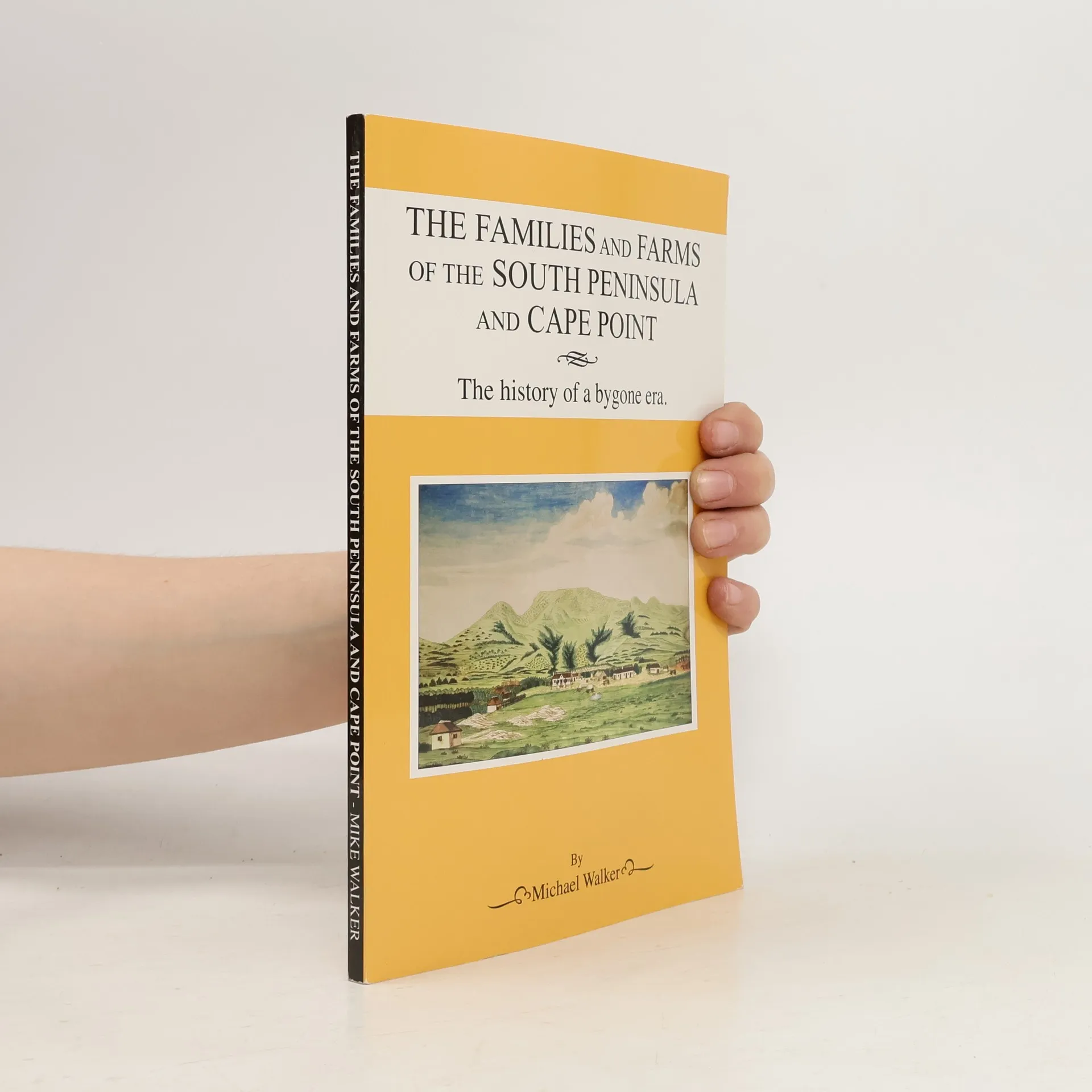
"This book recalls the history and families of the better known farms agter de Steenbergen, from what has previously been a fragmented account through various journals and bulletins. The time-period of the South Peninsula farms extends from 1738, when the first grazing farm was granted, until recently. Special attention has been given to twelve farms at Cape Point. The concept o fa large local nature reserve began in the late 1930s, and the Divisional Council of the Cape was the founding authority. Their involvement through their acquisition of the Cape Point farms resulted in their becoming the first local authority in South Africa to accept nature conservation as one of its public services. Acknowledgement must be given to them any current and previous owners of the South Peninsula farms, whose personal accounts have added much to this history."--Back cover.