
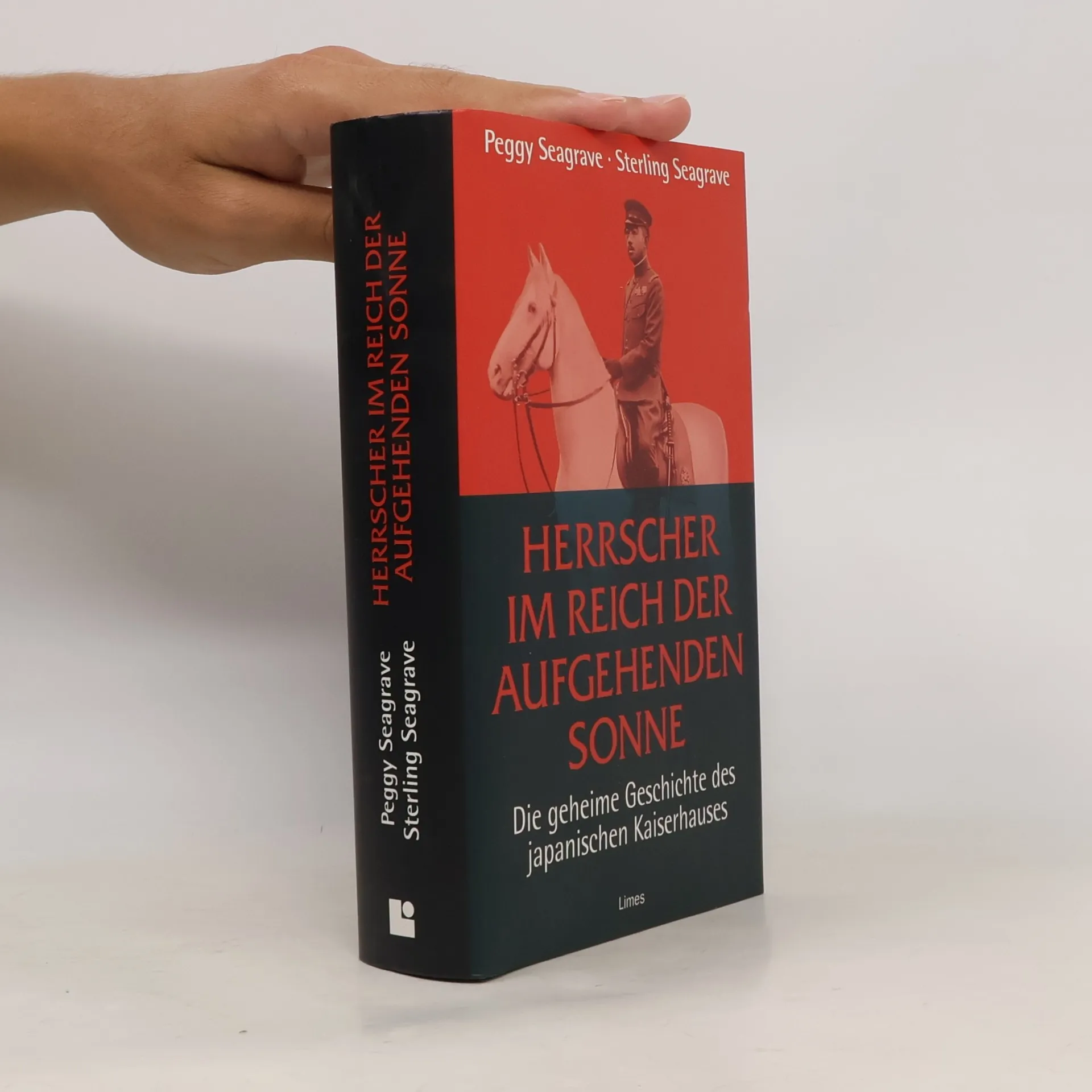
Es gehört zu den Allgemeinplätzen über Asien, dass hier die Dinge selten das sind, was sie erscheinen. Dies gilt besonders für Japan, das vielen westlichen Betrachtern ein Rätsel bleibt. Sterling Seagraves, ein renommierter Kenner Asiens, und seine Frau bieten mit dieser ersten kollektiven Biographie der japanischen Kaiserfamilie einen umfassenden Überblick von der Meiji-Restauration bis zur Gegenwart. Im Fokus steht Kaiser Hirohito und seine Mitschuld an den Verbrechen Japans im Zweiten Weltkrieg, unterstützt durch neue japanische Erkenntnisse. Ein zentrales Thema ist das Rätsel um das Beutegut, das die japanische Armee während des Krieges erbeutete, dessen Spuren ebenfalls zum Kaiserpalast führen. Zudem beleuchtet das Buch eine dunkle Seite der amerikanischen Außenpolitik: Nach dem Krieg erkannten die USA, dass die Zusammenarbeit mit der kaiserlichen Familie und großen Industriemagnaten für ihre Sicherheitsinteressen in Südostasien entscheidend war. Die Autoren präsentieren neue Beweise für das Täuschungsmanöver der USA und die anschließende Reinwaschung Hirohitos und seiner Helfer. Diese unheilvolle Allianz hat Japan bis heute geprägt. Das Werk bietet eine tabufreie Sicht auf eine düstere Epoche des Inselreichs, verfasst aus der Perspektive eines Nicht-Japaners.
Peggy Seagrave Bücher


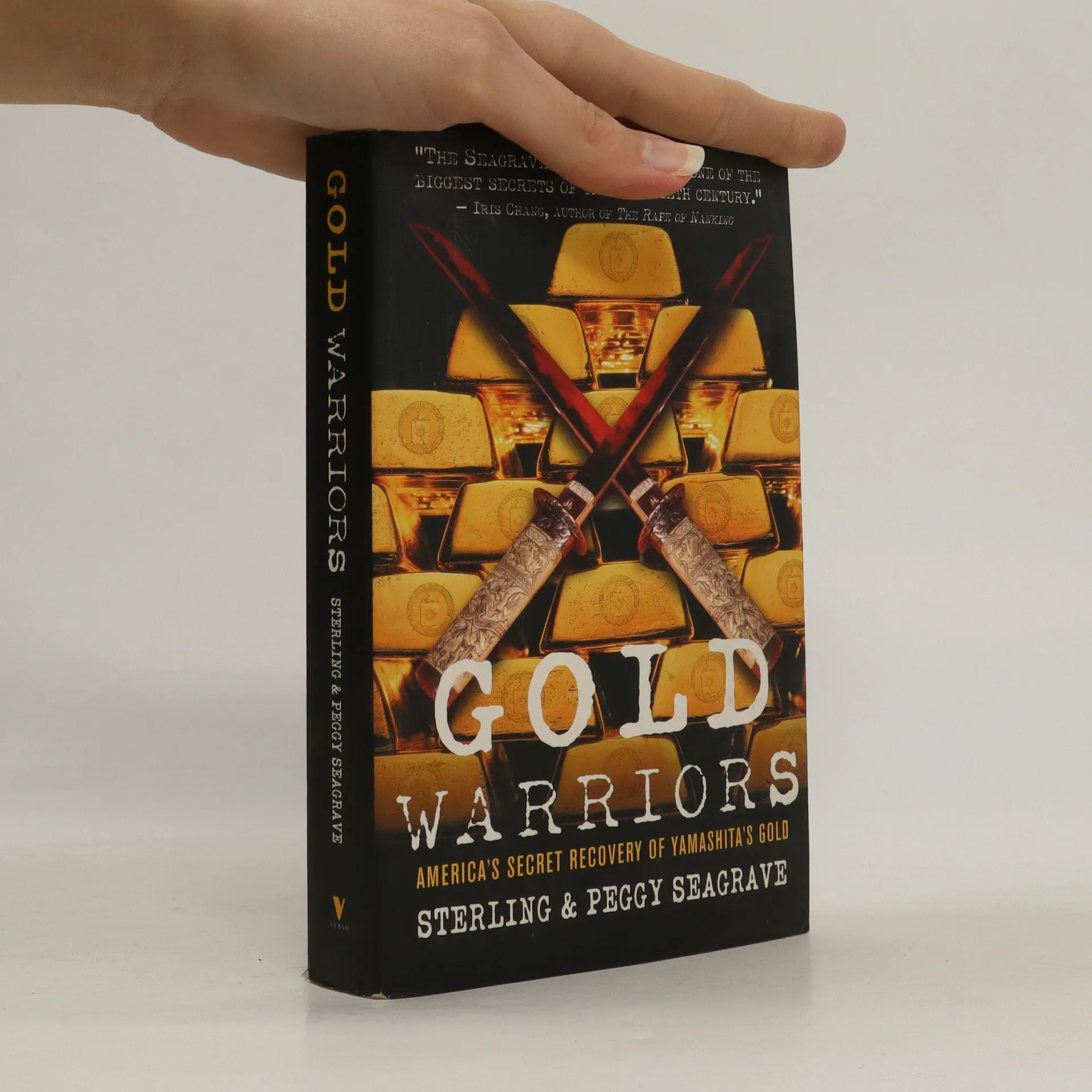
Gold Warriors
- 352 Seiten
- 13 Lesestunden
In 1945, US intelligence officers in Manila discovered that the Japanese had hidden large quantities of gold bullion and other looted treasure in the Philippines. President Truman decided to recover the gold but to keep its riches secret. These, combined with Japanese treasure recovered during the US occupation, and with recovered Nazi loot, would create a worldwide American political action fund to fight communism. This ‘Black Gold’ gave Washington virtually limitless, unaccountable funds, providing an asset base to reinforce the treasuries of America’s allies, to bribe political and military leaders, and to manipulate elections in foreign countries for more than fifty years.
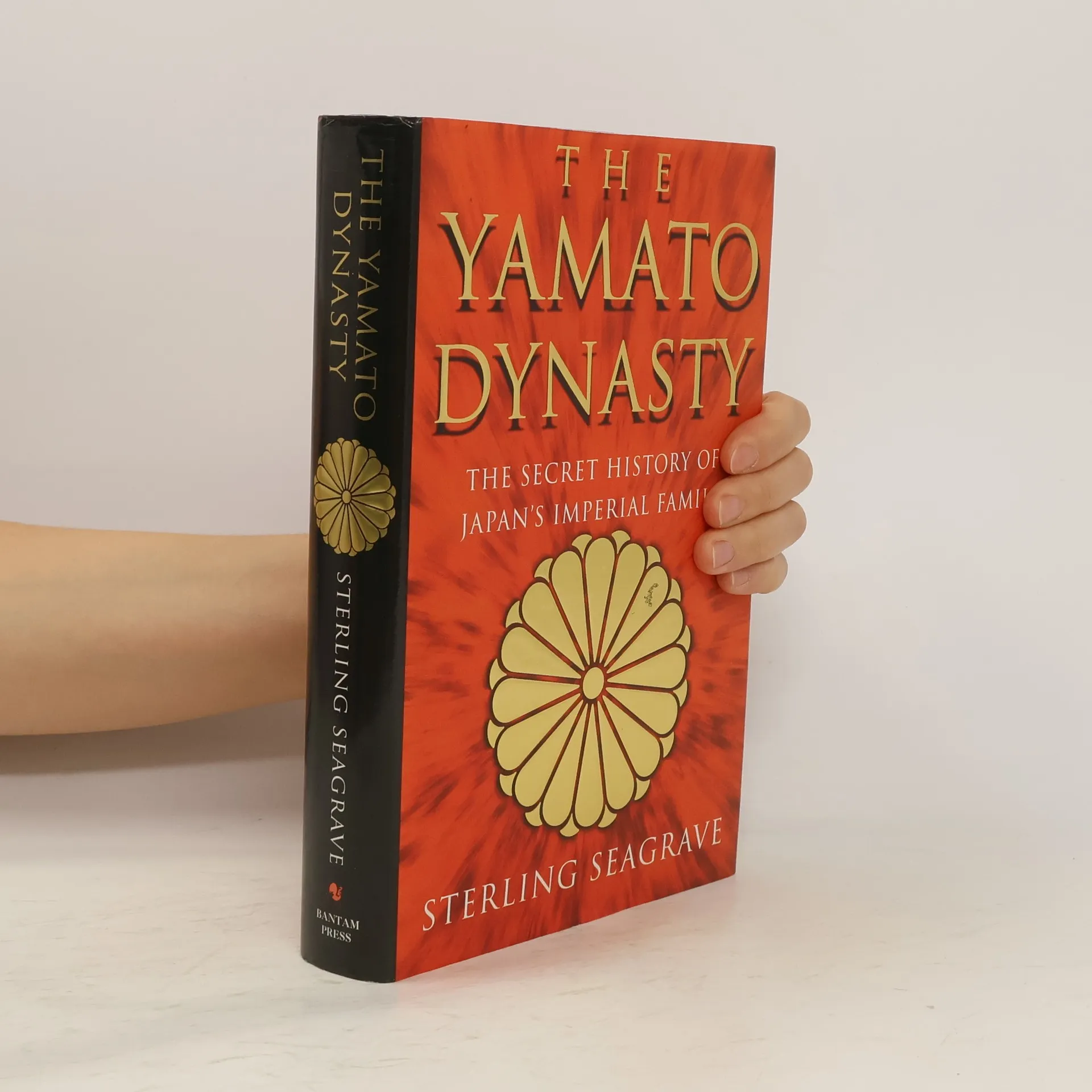
Most Westerners know little about Japan's current imperial family, and the same is true for many Japanese. Japan's modern history has been largely omitted from postwar textbooks, leaving a generation unaware of significant events like the Rape of Nanking, Pearl Harbor, and the atrocities of World War II. The prevailing narrative focuses on Hiroshima and Nagasaki as symbols of Japan's innocence. Sterling and Peggy Seagrave challenge these misconceptions, revealing the corruption at the core of Japan's postwar economic success. They argue that the royal family, often seen as a relic of the past, played a crucial role in wartime atrocities. Prince Chichibu orchestrated Golden Lily, the systematic looting of occupied territories, while Prince Yasuhiko was involved in the Rape of Nanking. Emperor Hirohito was deeply engaged during the war, capable of preventing Pearl Harbor. The imperial family profited alongside the zaibatsu, the corporate elite, while the nation suffered. This lack of historical acknowledgment stems not only from Japanese revisionism but also from the West's failure to prosecute some members of the imperial family as war criminals despite having the evidence. The Seagraves' work offers a challenging perspective that forces readers to confront uncomfortable truths.
Uncovers one of the biggest secrets of the twentieth century.