
Basiswissen Multimedia
- 284 Seiten
- 10 Lesestunden


State-of-the-Art and Future Challenges
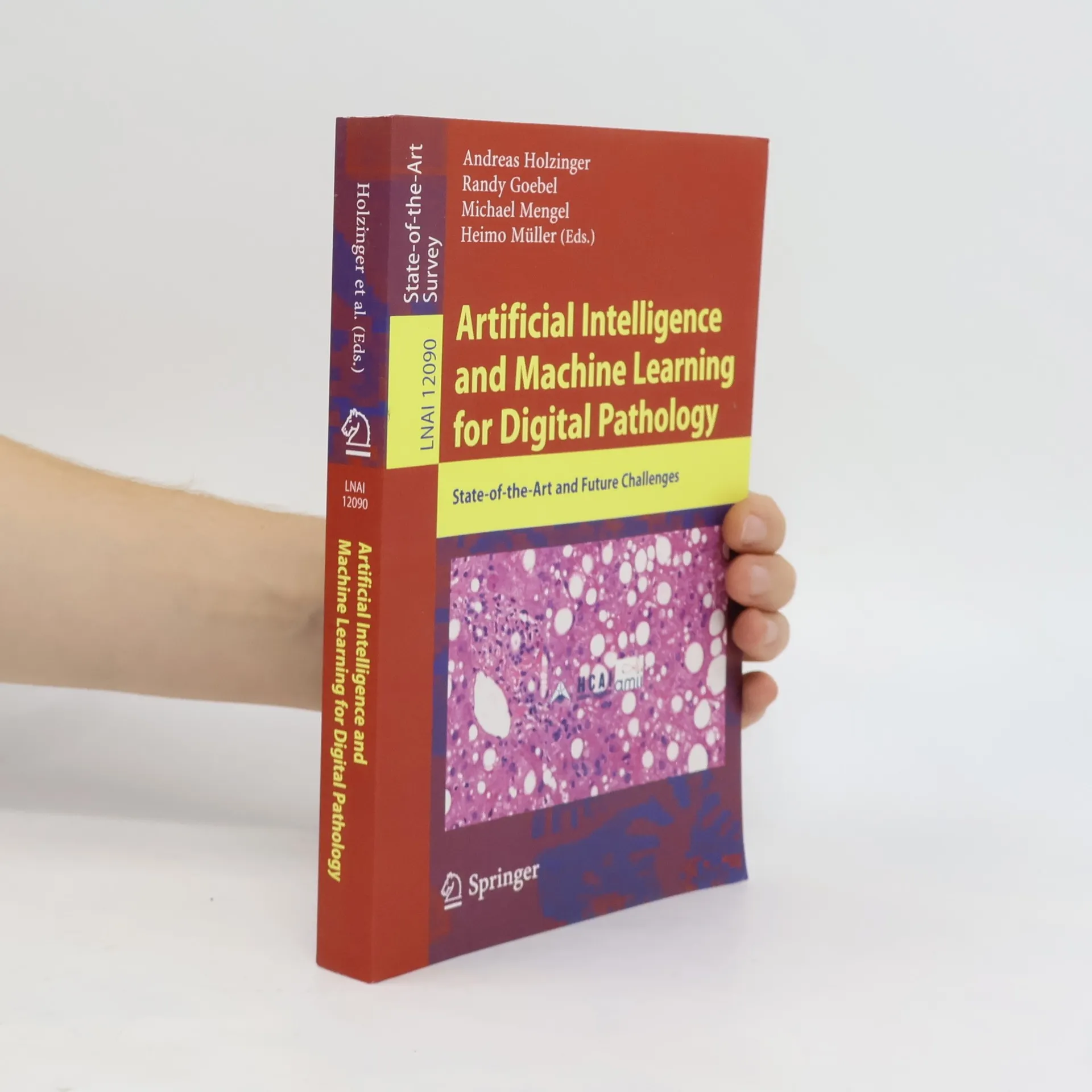
Data driven Artificial Intelligence (AI) and Machine Learning (ML) in digital pathology, radiology, and dermatology is very promising. In specific cases, for example, Deep Learning (DL), even exceeding human performance. However, in the context of medicine it is important for a human expert to verify the outcome. Consequently, there is a need for transparency and re-traceability of state-of-the-art solutions to make them usable for ethical responsible medical decision support. Moreover, big data is required for training, covering a wide spectrum of a variety of human diseases in different organ systems. These data sets must meet top-quality and regulatory criteria and must be well annotated for ML at patient-, sample-, and image-level. Here biobanks play a central and future role in providing large collections of high-quality, well-annotated samples and data. The main challenges are finding biobanks containing ‘‘fit-for-purpose’’ samples, providing quality related meta-data, gaining access to standardized medical data and annotations, and mass scanning of whole slides including efficient data management solutions.
This book constitutes the refereed proceedings of the 7th Conference of the Workgroup Human-Computer Interaction and Usability Engineering of the Austrian Computer Society, USAB 2011, in Graz, Austria, in November 2011. The 18 revised full papers together with 29 revised short papers and 2 posters presented were carefully reviewed and selected from 103 submissions. The papers are organized in topical sections on cognitive approaches to clinical data management for decision support, human-computer interaction and knowledge discovery in databases (hci-kdd), information usability and clinical workflows, education and patient empowerment, patient empowerment and health services, information visualization, knowledge & analytics, information usability and accessibility, governmental health services & clinical routine, information retrieval and knowledge discovery, decision making support & technology acceptance, information retrieval, privacy & clinical routine, usability and accessibility methodologies, information usability and knowledge discovery, human-centred computing, and biomedical informatics in health professional education.