


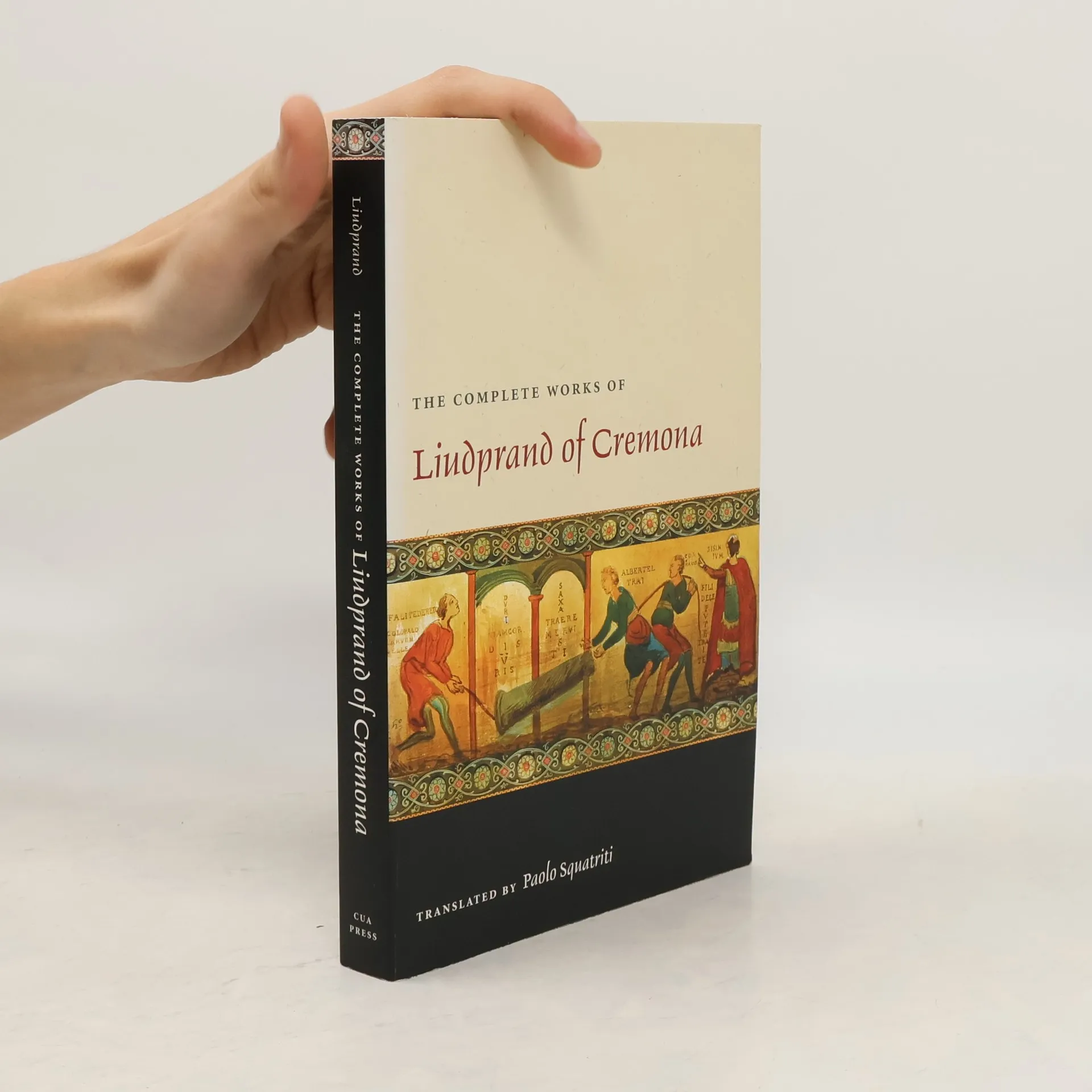
The Complete Works of Liudprand of Cremona
- 296 Seiten
- 11 Lesestunden
This modern English translation of all surviving literary works attributed to Liudprand, bishop of Cremona from 962 to 972, provides exceptional insight into western European society and culture during the "iron century." Benefiting from the favor of Saxon Roman Emperor Otto the Great, Liudprand's narratives reflect European attitudes toward the Byzantine Empire and its sophisticated capital. No other tenth-century writer had such access to power or the acerbic wit to critique influential figures. His historical texts, including the Antapodosis, which covers European events in the early 900s, and Historia Ottonis, detailing Otto the Great's rise, offer a unique perspective on recent history within a genuinely European context, rare for a time of localized cultural horizons. Liudprand's satirical account of his experiences as an Ottonian legate at the Byzantine court in 968 is a crucial source on Byzantine rituals and diplomatic processes, as well as a classic example of medieval intercultural encounters. This collection also features his recently discovered Easter sermon, an early document of Jewish-Christian intellectual debate. Readers interested in medieval European culture, diplomacy, Italian and German medieval history, and Byzantine history will find this compilation rewarding, complete with a full introduction and extensive notes to contextualize Liudprand's writings.