

Extensive collection of the biographies of significant figures in the life and campaigns of Alexander the Great.
Waldemar Heckel Bücher


The Conquests of Alexander the Great
- 240 Seiten
- 9 Lesestunden
Waldemar Heckel's book explores the remarkable journey of Alexander the Great, detailing his rise as a legendary military commander and the challenges he faced. Despite conquering formidable foes and harsh environments, his reign ended abruptly with his death just two years after his army's return home.
Who's Who in the Age of Alexander and His Successors
From Chaironeia to Ipsos (338-301 Bc)
- 336 Seiten
- 12 Lesestunden
This comprehensive biographical reference explores the life and military campaigns of Alexander the Great, detailing his conquests, strategies, and the historical impact of his reign. It offers in-depth analysis of his character, leadership qualities, and the cultural exchanges that resulted from his expeditions. The work serves as an essential resource for understanding one of history's most significant figures, providing insights into his legacy and the ancient world he shaped.
"For whales, the twentieth century was a time of tragedy, with several species nearly completely annihilated by industrial whaleships. The impacts of that history still ripple through today's oceans. In this new account, based on formerly secret Soviet archives and interviews with ex-whalers, environmental historian Ryan Tucker Jones shows the unique role the Soviet Union played in the whales' destruction. As other countries-- especially the United States, Great Britain, Japan, and Norway-- expanded their pursuit of whales to all corners of the globe, Bolshevik leader Josef Stalin determined that the Soviet Union needed to join the hunt. What followed was a spectacularly prodigious, and often wasteful destruction of humpback, fin, sei, right, and sperm whales in the Antarctic and the North Pacific, done in knowing and secret violation of the International Whaling Commission's rules. Soviet recklessness and Cold War intrigue encouraged this destruction, but as Jones shows, there is a more complex history behind this tragedy, one which helps reveal some of the real successes-- and failures-- of the Soviet experiment. Jones also reports, how, ironically, today's cetacean studies benefited from Soviet whaling, as Russian scientists on whaling vessels made key breakthroughs in understanding whales and whale behavior. Finally, Jones shows the way that the Soviet public began turning against their own country's whaling industry, working in parallel with Western environmentalists such as Greenpeace to help end industrial whaling, not long before the world's whales might have disappeared altogether"-- Provided by publisher
In the Path of Conquest offers a fresh insight into the conquests of Alexander the Great by attempting to view the events of 336-323 BCE from the vantage point of the defeated.
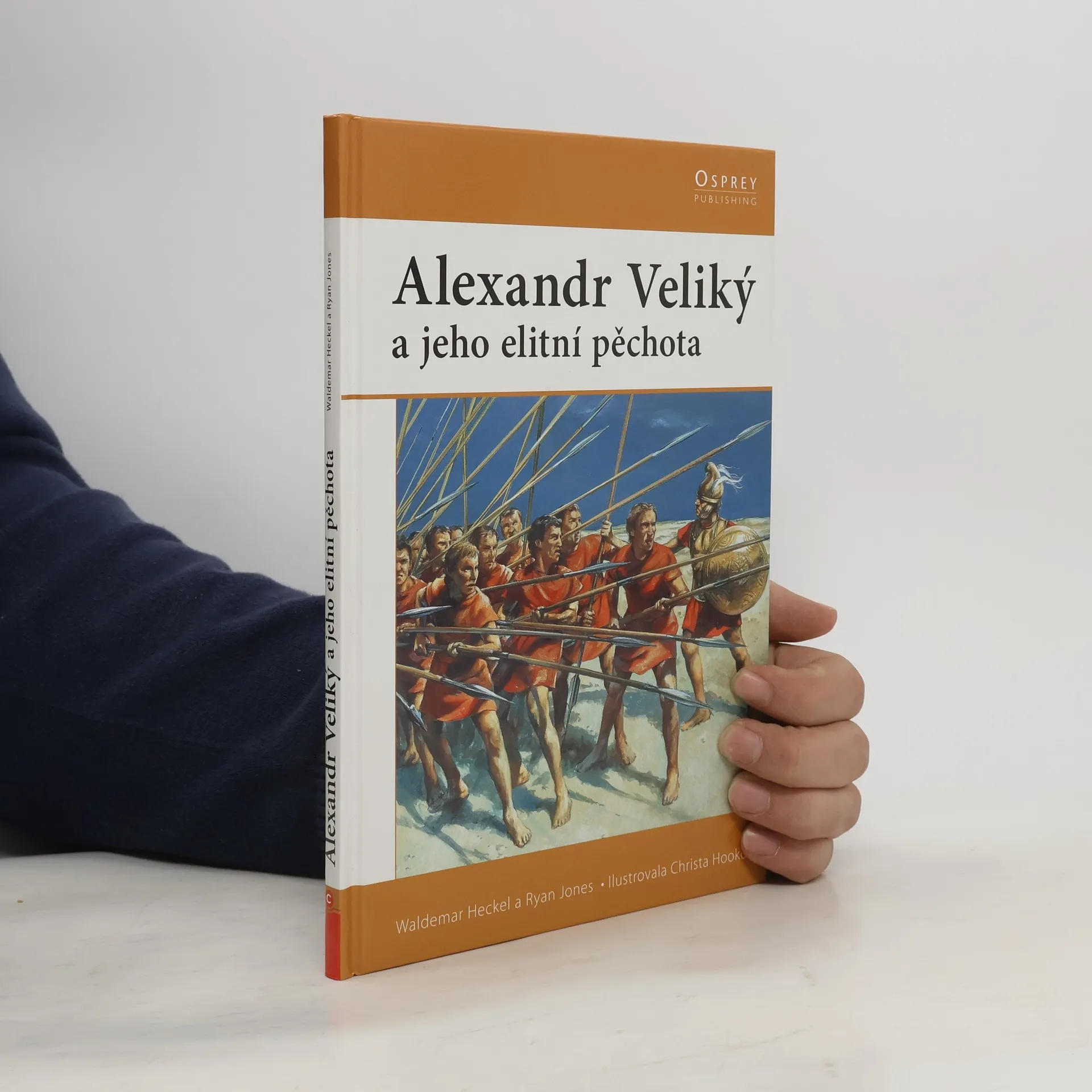
Alexandr Veliký a jeho elitní pěchota
- 60 Seiten
- 3 Lesestunden
V době vlády Filipa II. a Alexandra Velikého byla makedonská armáda - složená z falangitů - reformována a vycvičena v neporazitelnou vojenskou sílu s jedinečnou taktikou a výzbrojí. Makedonský válečník během své služby ušel přes 32 000 kilometrů v nejrůznějších podmínkách a terénu a vybojoval některé z nejslavnějších bitev dějin. Tato kniha zkoumá počáteční výcvik, každodenní život, výzbroj, zkušenosti i motivace těchto mužů. Líčí detailní informace o organizaci a taktice makedonské falangy. Vychází při tom z původních písemných pramenů i dochované hmotné kultury.
