

Gratis Versand in ganz Österreich
Bookbot

Simon Paul

    Simon Paul
    The Dollar Crisis
    Simon and Garfunkel's Greatest Hits
    Die Kanäle Frankreichs
    Zum Dahinschmelzen
    Makrobiotik auf der Speisekarte
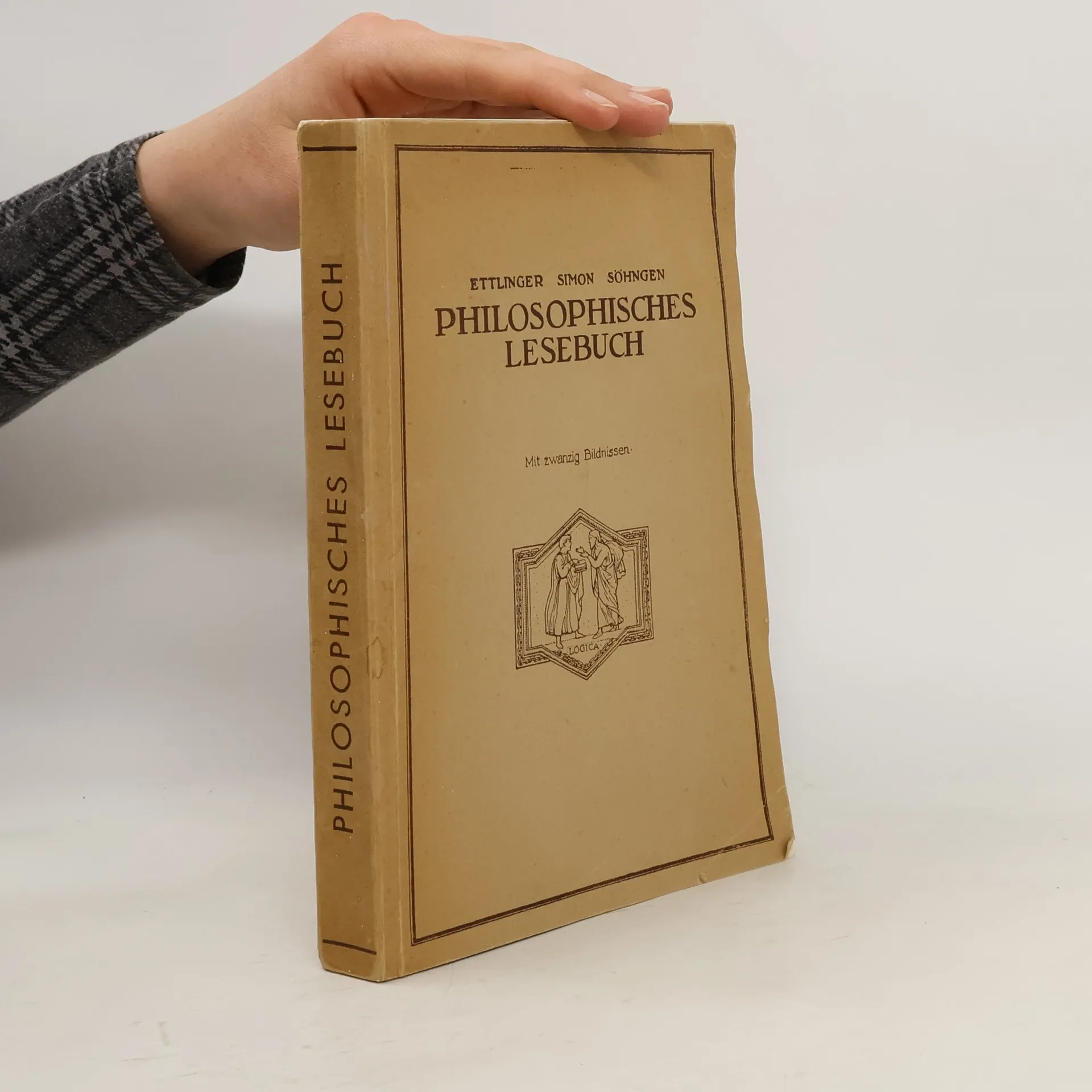
    Philosophisches Lesebuch
    • 2021

      59th Street Bridge Song

      • 24 Seiten
      • 1 Lesestunde
      2,7(6)Abgeben

      Paul Simon's groovy anthem to New York City provides a joyful basis for this live-for-the-day picture book. "Slow down, you move too fast You got to make the mornin' last Just kicking down the cobblestones Lookin' for fun and feelin' groovy..." The 59th Street Bridge Song is a lively picture book based on legendary songwriter Paul Simon's classic hit, created when he was one half of the folk rock duo Simon & Garfunkel. The song first appeared on their 1966 album Parsley, Sage, Rosemary and Thyme. In the US, the album peaked at #4 on Billboard's weekly Top 200 albums chart, and eventually went on to sell over three million copies in the US. With song lyrics by Simon and illustrations by Keith Henry Brown, this picture book follows a rabbit cycling through town, going about his day, and pausing to admire the "groovy" and lovable aspects of his surroundings. The 59th Street Bridge Song provides parents a perfect vehicle to teach kids an appreciation of life's little gifts.


      59th Street Bridge Song
    • 2013

      Zum Dahinschmelzen

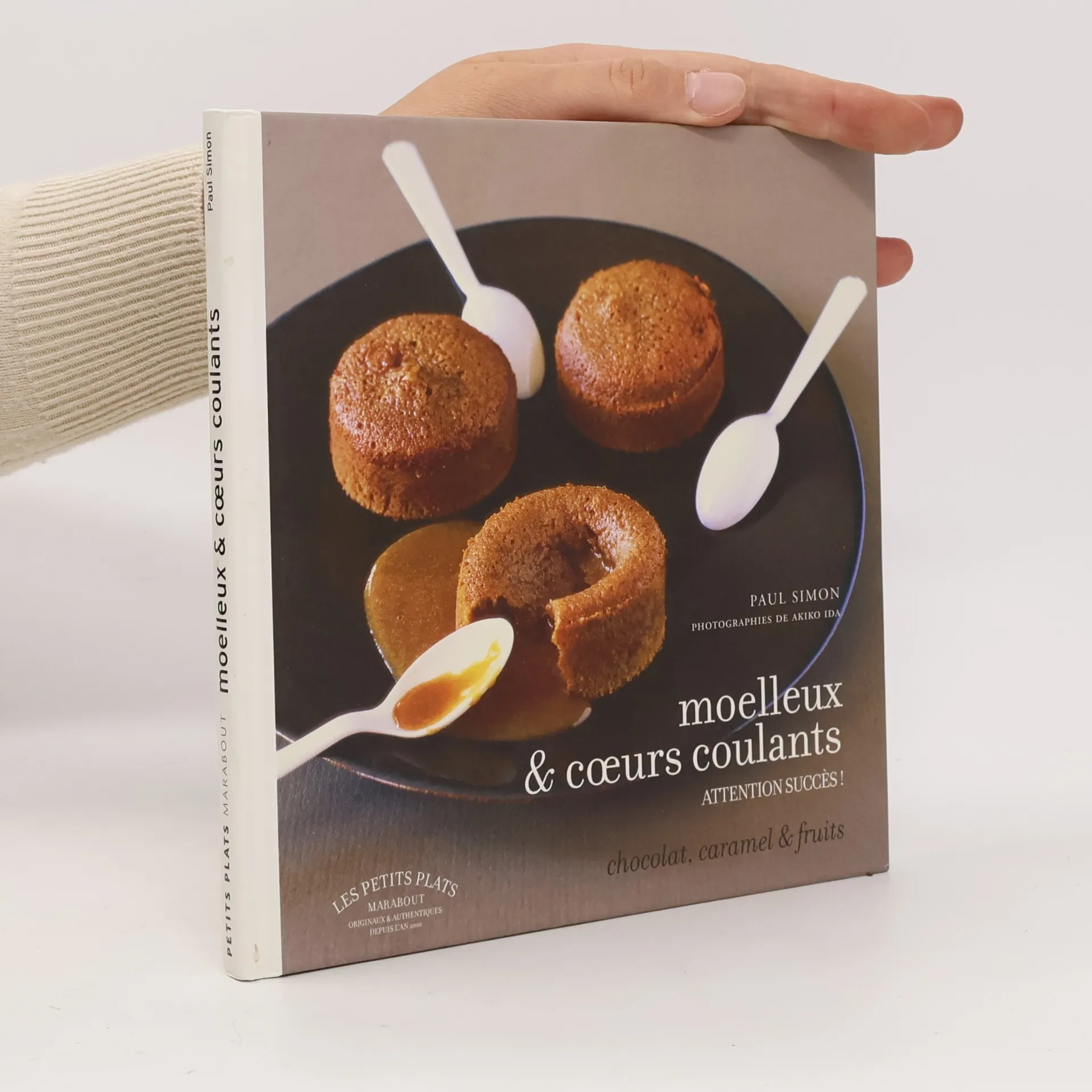
      Kleine Kuchen mit flüssigem Kern

      Rezepte für kleine Kuchen mit einem flüssigen Kern. Die Idee kommt aus Frankreich, wo diese Küchlein lauwarm zum Nachtisch gegessen werden. Als Füllung eignen sich Schokostücke, Karamell, selbsthergestellte Füllungen, bestehend aus Mandeln, Schlagsahnecremes oder Fruchtkonfekt u.a.m.

      Zum Dahinschmelzen
    • 2008

      Moelleux & coeurs coulants

      • 70 Seiten
      • 3 Lesestunden
      4,0(1)Abgeben

      Cœurs coulants cerise noire, framboise, mangue, orange, groseille: apportez une touche fruitée à vos moelleux. Moelleux pistache cœur de calisson, moelleux noisette cœur de spéculos, moelleux orange cœur Grand Marnier : laissez-vous surprendre par des alliances inédites. Les autres sont à découvrir à l'intérieur

      Moelleux & coeurs coulants
    • 2006

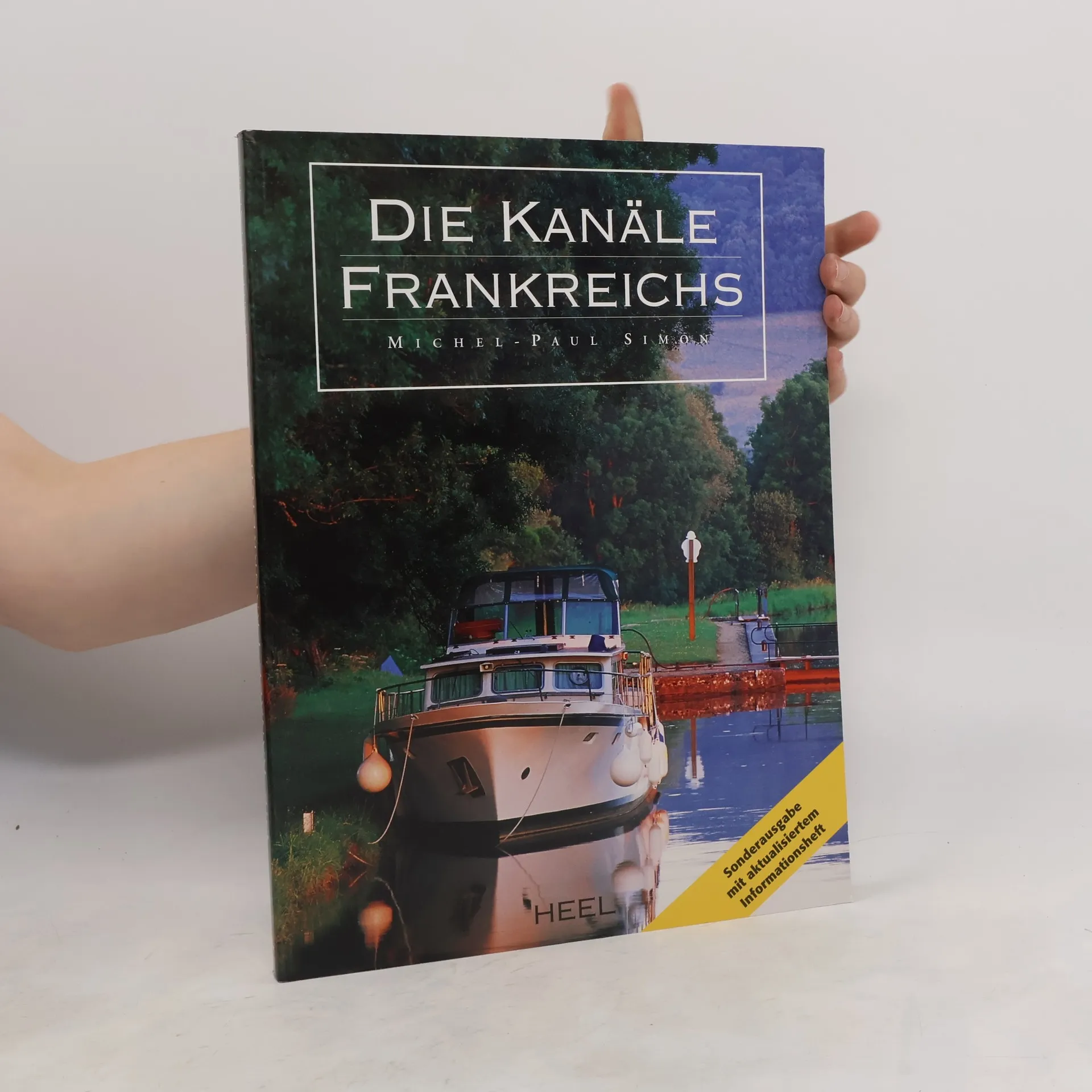
      Frankreichs Kanäle – eine ebenso schöne wie faszinierende Welt. Ob man sie nun als Schiffer oder als Tourist hinunter gleitet, die architektonische Schönheit ihrer Schleusen, Kanalbrücken und Staudämme, eingebettet in herrliche Landschaftsbilder, macht sie zu einem besonderen Erlebnis. Dieses Buch ist nicht nur eine historische Dokumentation mit vielen lebendig erzählten Anekdoten, sondern lässt den Leser auch am Leben der Schiffer und Schleusenwärter teilhaben, die die zahlreichen Kanäle bevölkern. Ein beiliegendes Brevier bietet überdies aktuelle nautische und touristische Praxisinformationen für einen Urlaub auf den Kanälen Frankreichs.

      Die Kanäle Frankreichs
    • 2004

      Whose Water Is It?

      The Unquenchable Thirst of a Water-Hungry World

      • 256 Seiten
      • 9 Lesestunden

      Less than one percent of the Earth's water is fresh water available for drinking, irrigation, and industry.By 2025, the UN expects more than half the world's population will lack sufficient water to cover basic needs. Each and every day two million tons of waste is deposited into water supplies. Water-related diseases kill 10,000 to 20,000 children each day. Since 1970 the water supply has declined by 33 percent. Mankind has always taken water for granted. For the first time, we must face a new Not only is this precious resource not inexhaustible, it's already so scarce that great swaths of our planet are under serious threat. Asia's Aral Sea, once one of the largest inland bodies of water, is now a salty desert; 90 percent of California's wetlands have vanished; the once-mighty Nile, Ganges, and Colorado Rivers barely reach the sea in dry seasons. In this provocative and important book, 14 prominent environmental writers address every aspect of the looming crisis. They explore the paradox that, on a blue planet like ours, little of that resource is actually available for use, and offer alarming and persuasive evidence that we are using what we have much faster than it can be replenished-a problem that will only grow worse as the global population grows and the rate of climate change and airborne pollution quickens. They show the dire consequences of current trends, from desertification to epidemic disease to increasingly bitter battles over who "owns" water and how to apportion our dwindling supply. But alongside their timely and troubling warning, they also describe strategies for averting disaster. Focused on the crucial years of the immediate future, this book is a blueprint that calls for change-in our personal lives, our attitudes, and our industries-that promises long-term solutions. Whose Water Is It? is both fascinating and frightening as it portrays a thirsty world that must transform itself to survive. The book is divided into four sections, each with an introduction. Ownership, discusses the increasing preciousness of water, a commodity that most law and cultures regard as essentially free. Its essays explore water's ecological, spiritual and economic value, its allocation, its pricing, and its ownership. Scarcity, examines the paradox of how this watery planet has increasingly become one in which humans face water scarcity. Its essays, from different parts of the world, shine a light on issues that include storage and distribution, upstream-downstream links, population, and pollution. Conflict, focuses on increasing tensions over water, between neighbors, regions, and countries. Its essays examine transboundary issues, water-sharing agreements and the potential for real conflicts in the 21st century. Prospects, looks ahead over the next two decades, to consider how climate change and pollution may affect water supplies, but also how innovative solutions-involving both quantity and quality-may cushion their impact. Its essays cover the themes of contamination, integrated watershed management, water-use efficiency, conservation, and the impact of technology. Authors include Margaret Catley-Carlson, Maude Barlow, Marq de Villiers, Robert Glennon, Lester Brown, Aaron Wolfe, Mike Dombeck, David Hayes, Dr. David Schindler, Dr. David Suzuki, Hans Scheier, Peter Gleick, and Robert Glennon. With a foreword by former Senator Paul Simon, who addressed the United Nations on behalf of the issue in 2003.

      Whose Water Is It?
    • 1999
      3,8(11)Abgeben

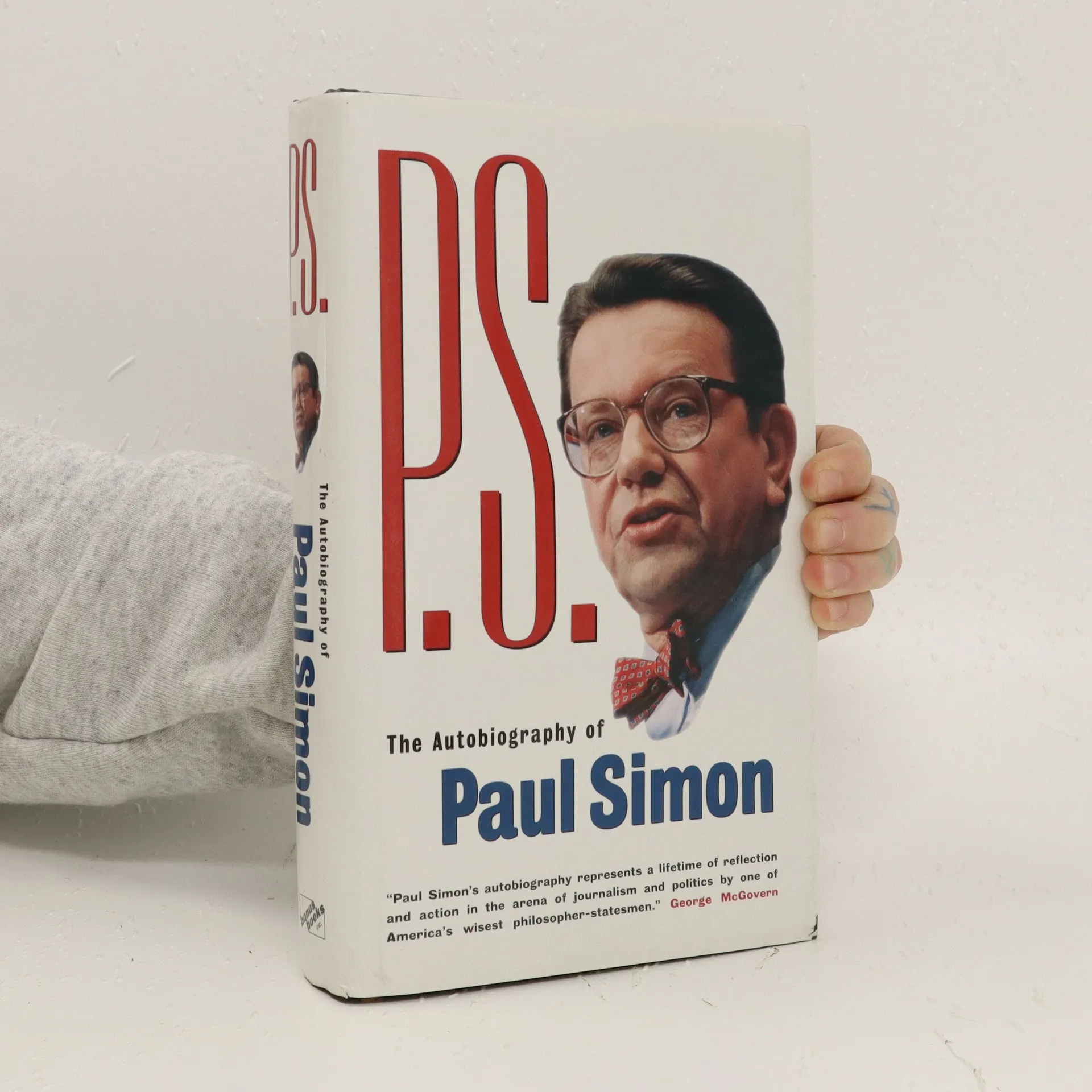
      In this candid and sometimes controversial autobiography, the late former SEnator Paul Simon sheares his insights into the activities of President Clinton and other politicians as well as his views on international affairs.

      P.S.: the autobiography of Paul Simon
    • 1998

      Tento typ tematickej encyklopédie pre deti od 9 rokov môže poslúžiť ako výborná pomôcka pri vyučovaní dejepisu na základných školách. Dejiny sveta od praveku do súčasnosti sú rozvrhnuté do 15 kapitol. Za každou nasledujú zábavné úlohy, ktoré má čitateľ vyriešiť, a zaujímavosti z preberaného obdobia. V závere knihy je stručný prehľad dejín dorozumievania, dopravy a dobývania vesmíru a správne riešenia úloh. Jednoduché texty dopĺňajú bohaté farebné ilustrácie.

      Už to viem, ilustrované dejiny sveta
    • 1996
      4,6(26)Abgeben

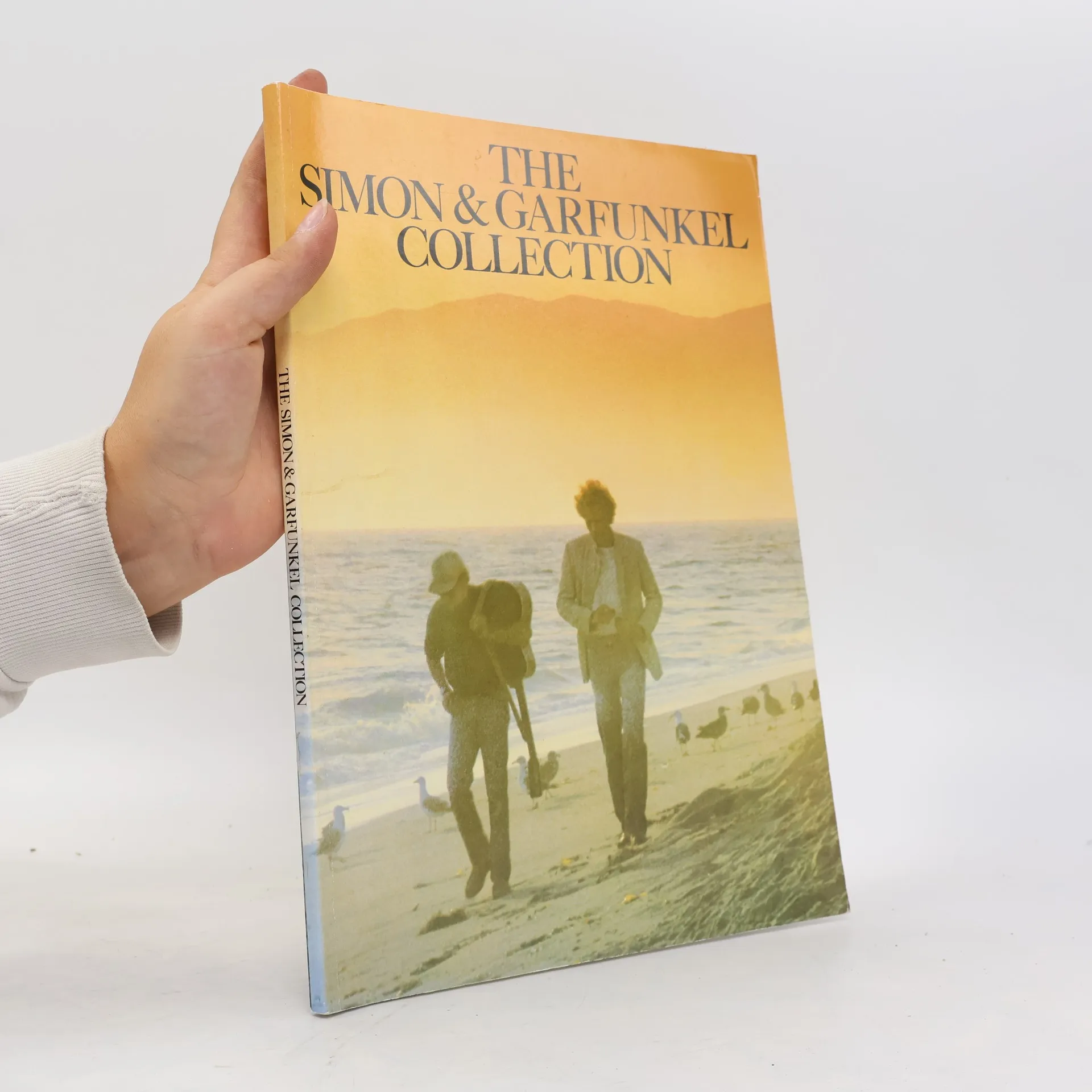
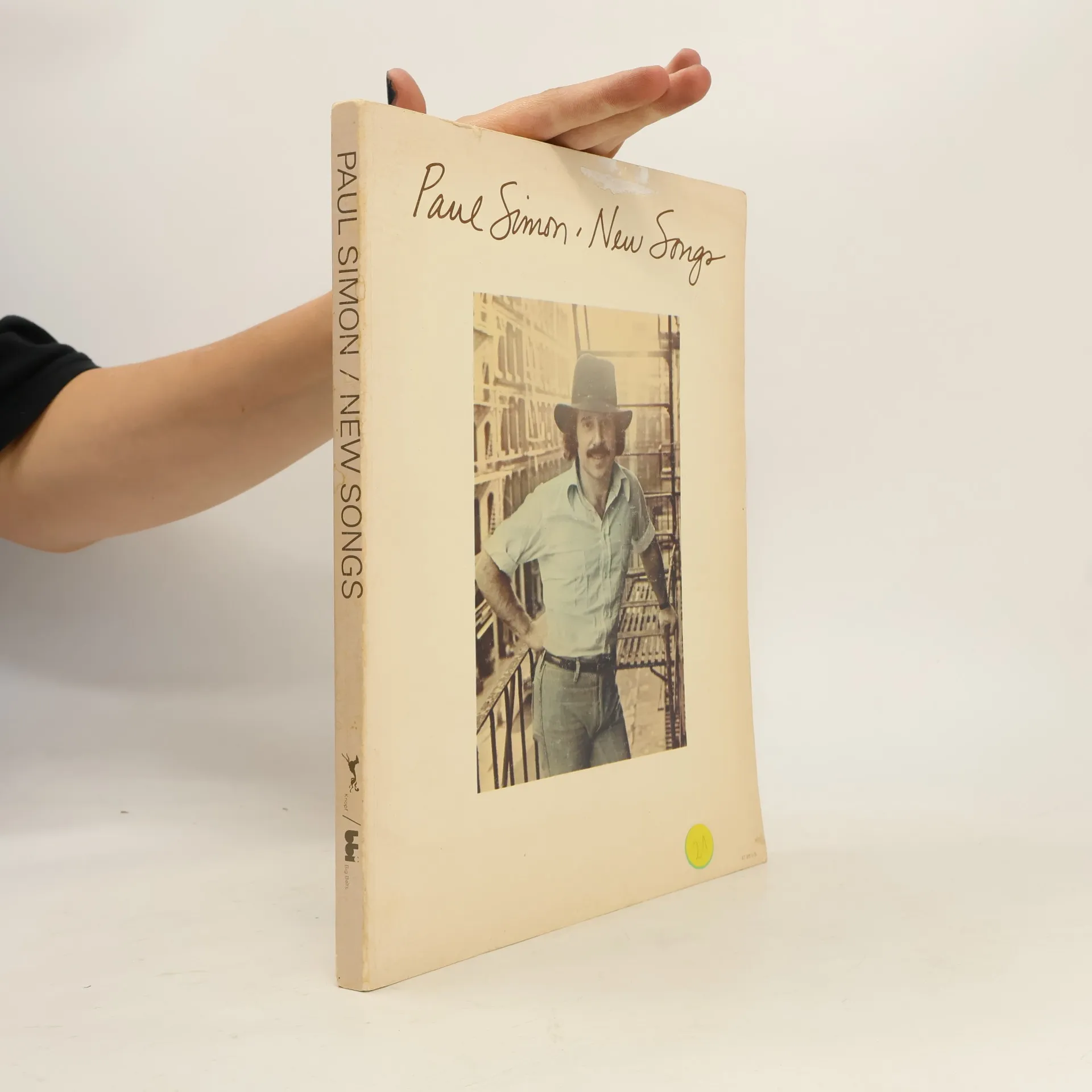
      The music and lyrics to 14 of Simon and Garfunkel's best songs. Includes: The Boxer * Mrs Robinson * Bridge Over Troubled Water * Sound of Silence * and more.

      Simon and Garfunkel's Greatest Hits
    • 1996

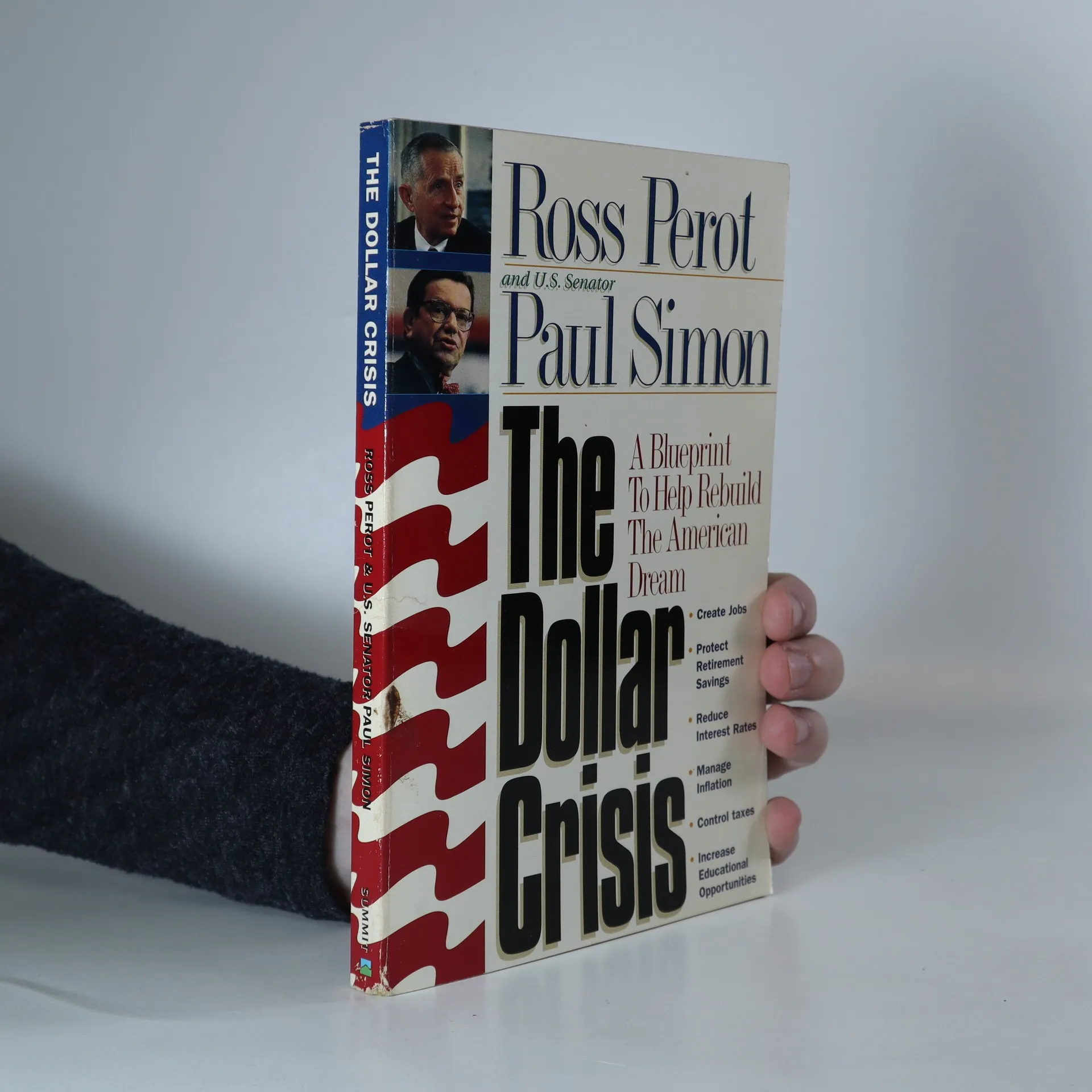
      Ross Perot and Senator Paul Simon spell out their solutions to the country's most pressing economic woes.

      The Dollar Crisis