

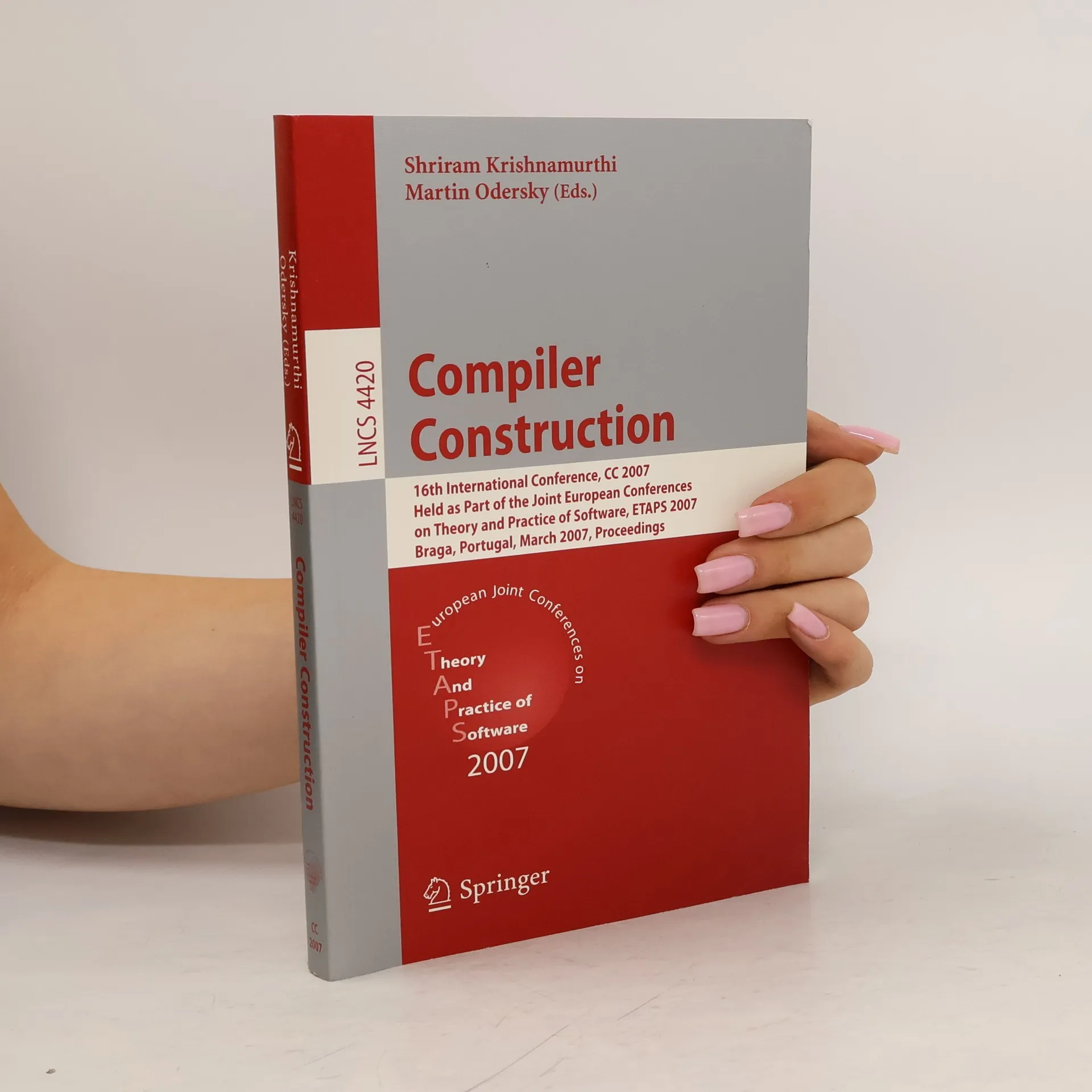
InhaltsverzeichnisArchitecture.New Algorithms for SIMD Alignment.Preprocessing Strategy for Effective Modulo Scheduling on Multi-issue Digital Signal Processors.An Array Allocation Scheme for Energy Reduction in Partitioned Memory Architectures.Garbage Collection and Program Analysis.Using Prefetching to Improve Reference-Counting Garbage Collectors.Accurate Garbage Collection in Uncooperative Environments with Lazy Pointer Stacks.Correcting the Dynamic Call Graph Using Control-Flow Constraints.Obfuscating Java: The Most Pain for the Least Gain.Register Allocation.A Fast Cutting-Plane Algorithm for Optimal Coalescing.Register Allocation and Optimal Spill Code Scheduling in Software Pipelined Loops Using 0-1 Integer Linear Programming Formulation.Extended Linear Scan: An Alternate Foundation for Global Register Allocation.Program Analysis.Program Refactoring, Program Synthesis, and Model-Driven Development.A Practical Escape and Effect Analysis for Building Lightweight Method Summaries.Layout Transformations for Heap Objects Using Static Access Patterns.A New Elimination-Based Data Flow Analysis Framework Using Annotated Decomposition Trees.A Declarative Framework for Analysis and Optimization.
Shriram Krishnamurthi Bücher
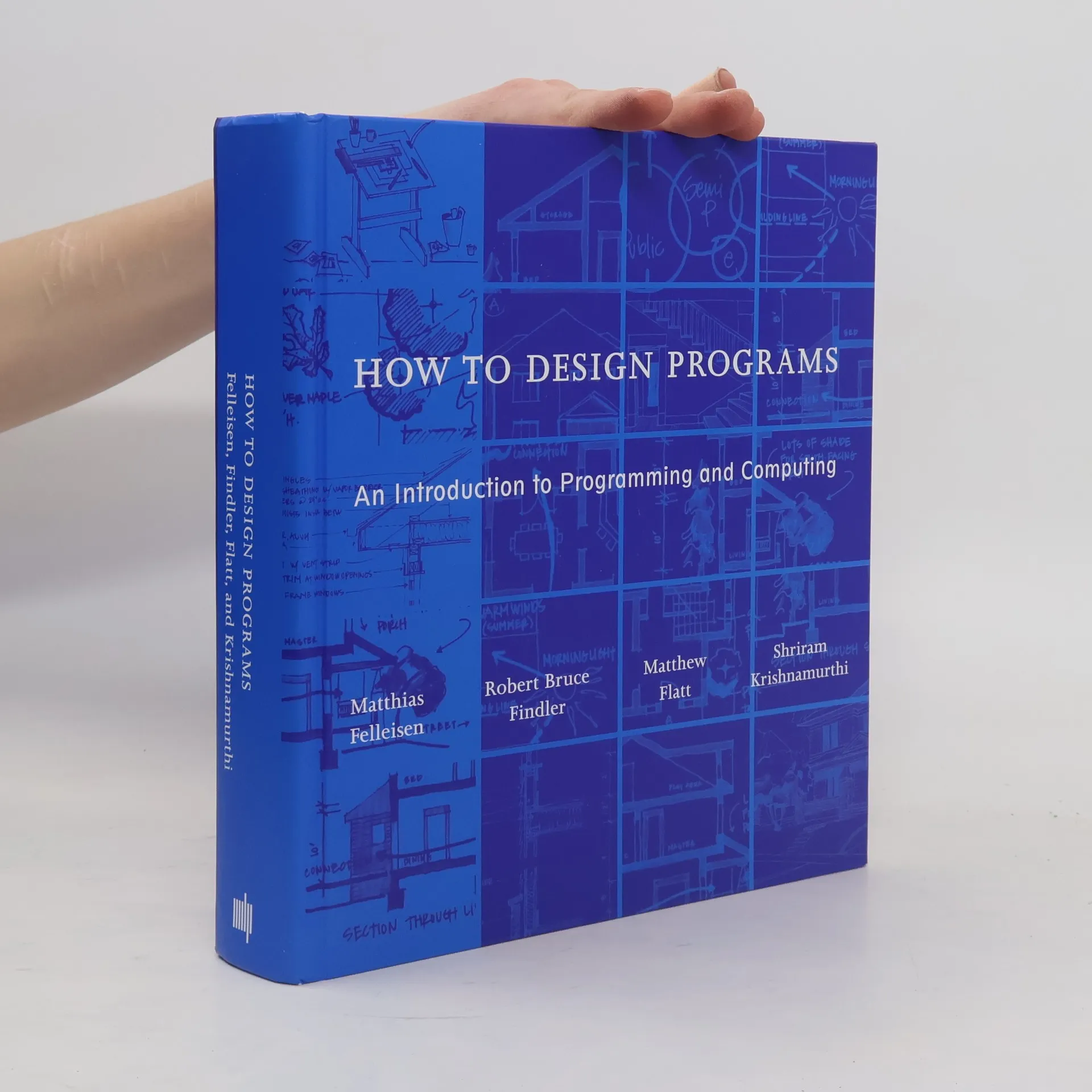
This introduction to programming places computer science in the core of a liberal arts education. Unlike other introductory books, it focuses on the program design process. This approach fosters a variety of skills—critical reading, analytical thinking, creative synthesis, and attention to detail—that are important for everyone, not just future computer programmers. The book exposes readers to two fundamentally new ideas. First, it presents program design guidelines that show the reader how to analyze a problem statement; how to formulate concise goals; how to make up examples; how to develop an outline of the solution, based on the analysis; how to finish the program; and how to test. Each step produces a well-defined intermediate product. Second, the book comes with a novel programming environment, the first one explicitly designed for beginners. The environment grows with the readers as they master the material in the book until it supports a full-fledged language for the whole spectrum of programming tasks. All the book's support materials are available for free on the Web. The Web site includes the environment, teacher guides, exercises for all levels, solutions, and additional projects. A second edition is now available.
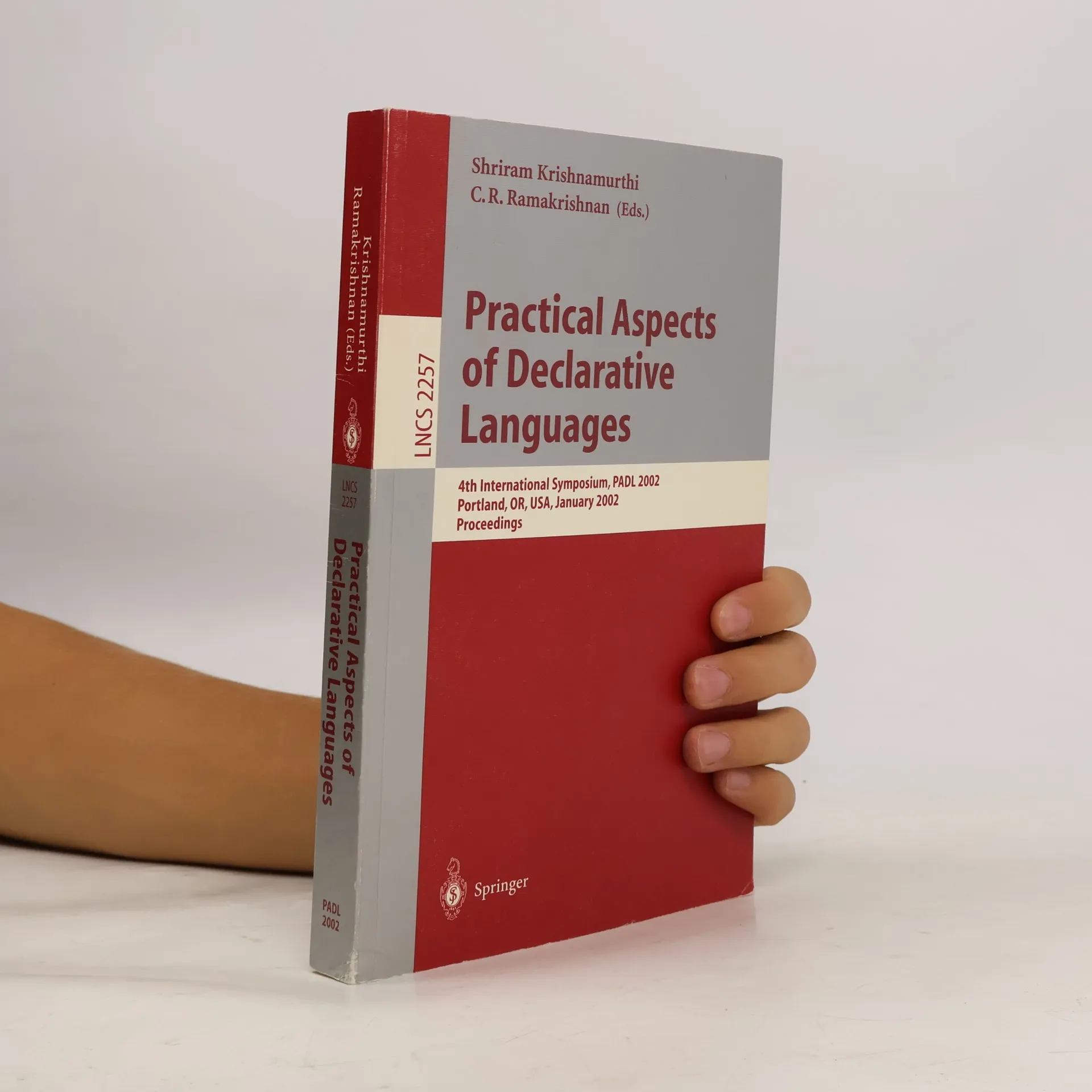
Lecture Notes in Computer Science - 2257: Practical Aspects of Declarative Languages
4th International Symposium, PADL 2002, Portland, OR, USA, January 19-20, 2002. Proceedings
- 349 Seiten
- 13 Lesestunden
Declarative languages build on sound theoretical bases to provide attractive frameworks for application development. These languages have been succe- fully applied to a wide variety of real-world situations including database m- agement, active networks, software engineering, and decision-support systems. New developments in theory and implementation expose fresh opportunities. At the same time, the application of declarative languages to novel problems raises numerous interesting research issues. These well-known questions include scalability, language extensions for application deployment, and programming environments. Thus, applications drive the progress in the theory and imp- mentation of declarative systems, and in turn bene? t from this progress. The International Symposium on Practical Applications of Declarative L- guages (PADL) provides a forum for researchers, practitioners, and implementors of declarative languages to exchange ideas on current and novel application - eas and on the requirements for e? ective use of declarative systems. The fourth PADL symposium was held in Portland, Oregon, on January 19 and 20, 2002.