

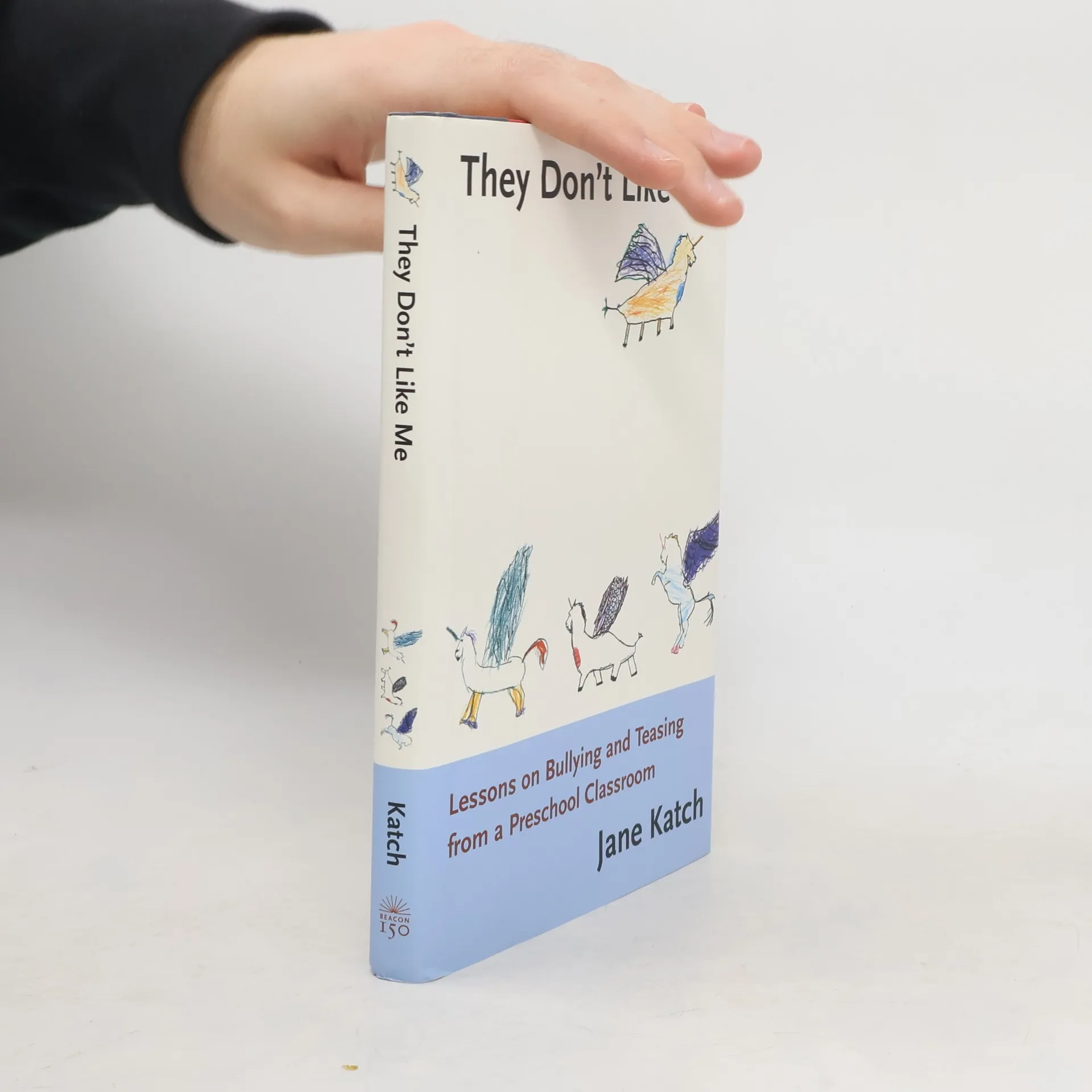
In her new book, Jane Katch delves into the complex issues of bullying, teasing, and exclusion among young children. She questions why a child, newly aware of social dynamics, feels compelled to exclude others and whether it's possible to foster inclusive social groups. Observing her class of four- and five-year-olds, Katch documents the formation of exclusionary groups and her efforts to intervene. Guided by a rule inspired by Vivian Paley's work—"You can't say you can't play"—the classroom initially thrives on inclusivity. However, the arrival of a new student, Zoë, complicates matters. With her vibrant imagination but also her fear of losing her place, Zoë struggles to fit in, insisting that games adhere to her preferences. Katch's experiences with Zoë prompt her to explore the deeper reasons behind exclusionary behavior. Through conversations with her brother, who teased her in childhood, high school students, and her own class, Katch gains insights into the motivations for bullying and scapegoating. This book offers a captivating exploration of children's social lives while providing valuable guidance for teachers and parents on preventing exclusion and supporting those affected by teasing and bullying.
Jane Katch Reihenfolge der Bücher (Chronologisch)
Jane Katch ist eine Pädagogin mit über dreißig Jahren Erfahrung in der Arbeit mit Kindern. Ihre langjährige Tätigkeit an führenden Bildungseinrichtungen, einschließlich ihrer Zeit mit Bruno Bettelheim, hat ihr tiefes Verständnis für die kindliche Psyche geprägt. Katch konzentriert sich auf die Analyse des Kinderspiels, insbesondere auf Themen wie Gewalt, Angst und soziale Interaktionen wie Mobbing und Hänseleien. Ihre Arbeit betont, dass die Auseinandersetzung mit Ängsten weniger beängstigend sein kann als die Flucht davor, und bietet wertvolle Einblicke für Eltern und Pädagogen gleichermaßen.

Peng! Du bist tot!
- 198 Seiten
- 7 Lesestunden