



Reihen
Mehr zum Buch
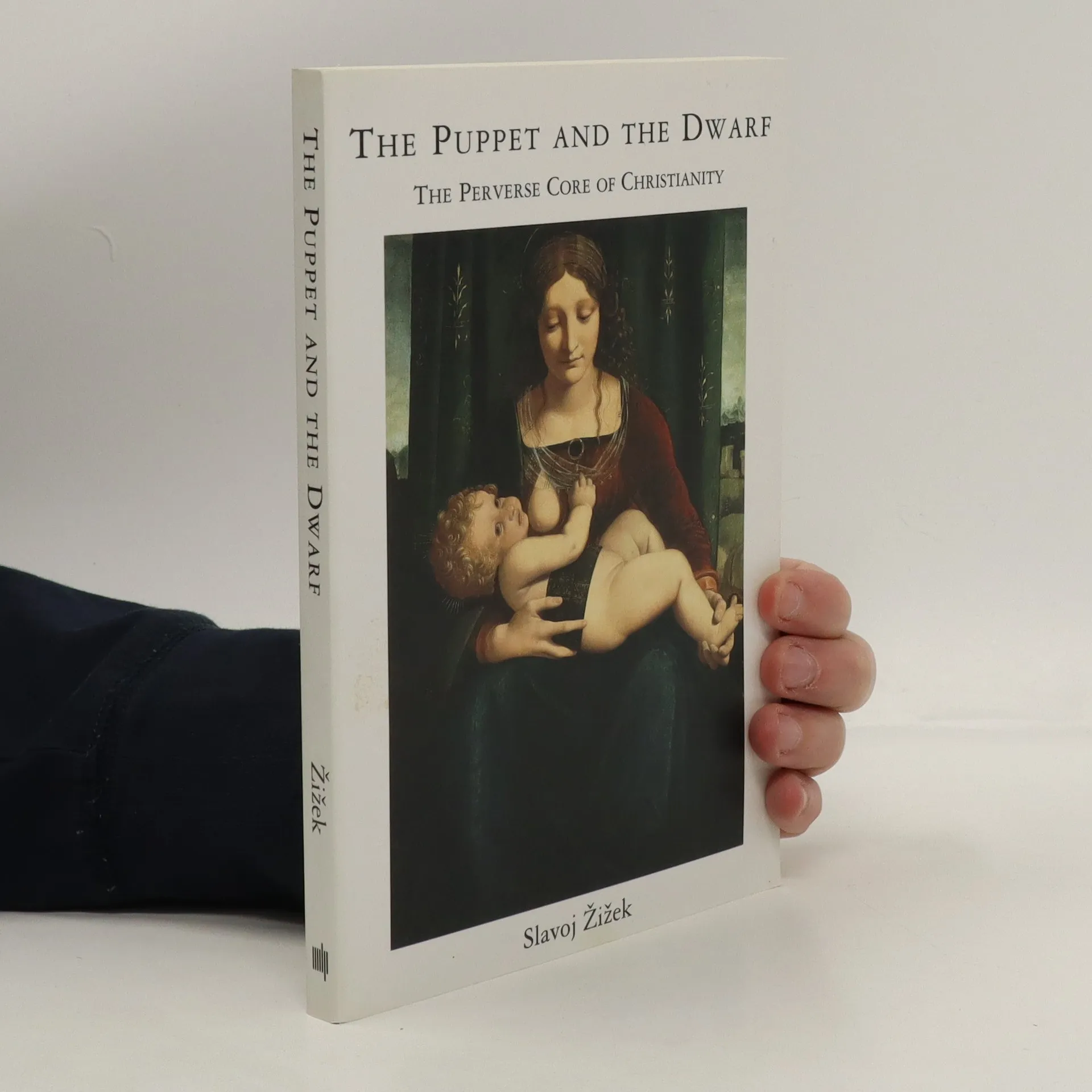
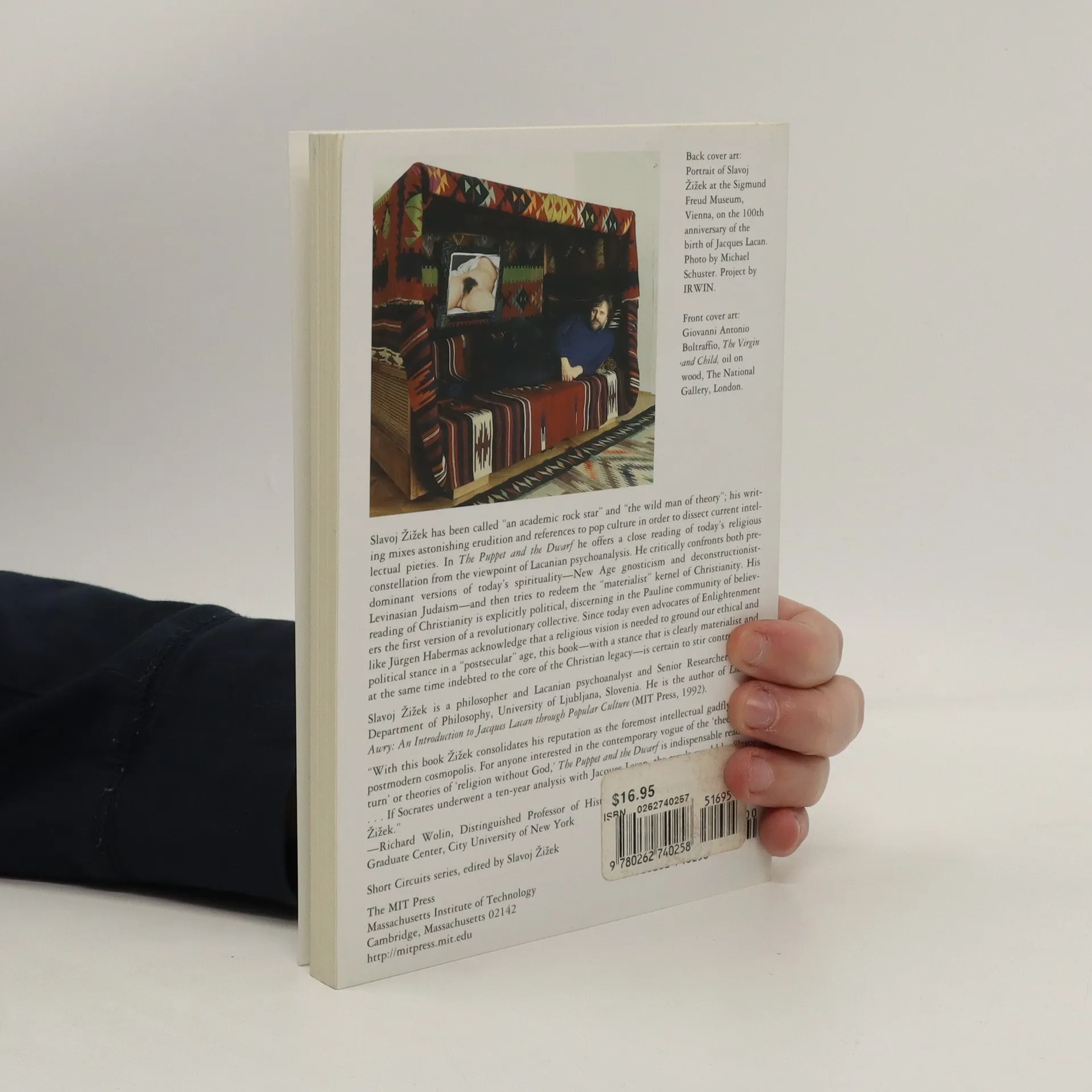
One of our most daring intellectuals offers a Lacanian interpretation of religion, finding that early Christianity was the first revolutionary collective.Slavoj Zizek has been called "an academic rock star" and "the wild man of theory"; his writing mixes astonishing erudition and references to pop culture in order to dissect current intellectual pieties. In The Puppet and the Dwarf he offers a close reading of today's religious constellation from the viewpoint of Lacanian psychoanalysis. He critically confronts both predominant versions of today's spirituality -- New Age gnosticism and deconstructionist-Levinasian Judaism -- and then tries to redeem the "materialist" kernel of Christianity. His reading of Christianity is explicitly political, discerning in the Pauline community of believers the first version of a revolutionary collective. Since today even advocates of Enlightenment like Jurgen Habermas acknowledge that a religious vision is needed to ground our ethical and political stance in a "postsecular" age, this book -- with a stance that is clearly materialist and at the same time indebted to the core of the Christian legacy -- is certain to stir controversy.

Buchkauf
The puppet and the dwarf : the perverse core of Christianity, Slavoj Žižek
- Sprache

- Erscheinungsdatum
- 2003
- Einband
- (Paperback)
Hier könnte deine Bewertung stehen.
- Titel
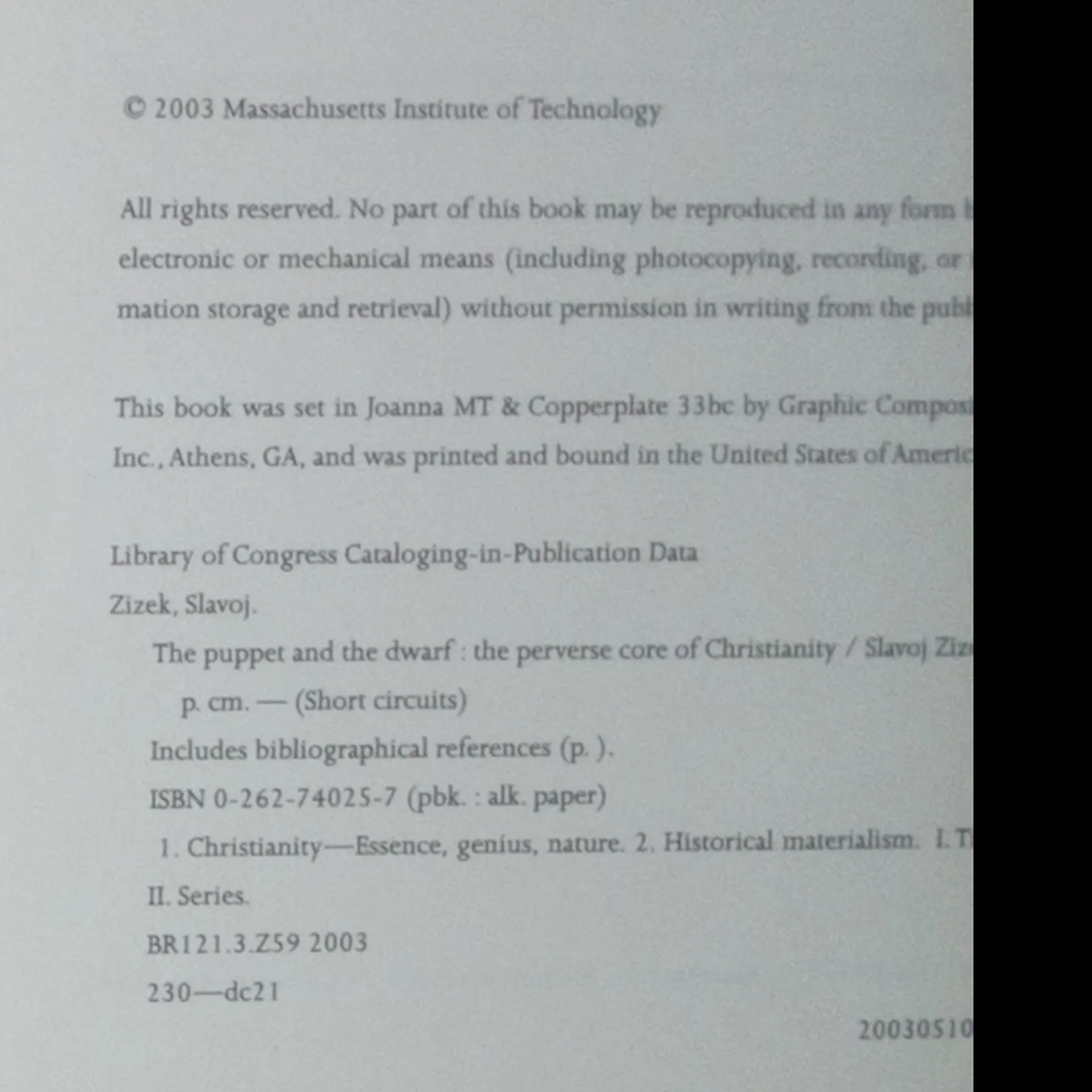
- The puppet and the dwarf : the perverse core of Christianity
- Sprache
- Englisch
- Autor*innen
- Slavoj Žižek
- Verlag
- MIT Press
- Erscheinungsdatum
- 2003
- Einband
- Paperback
- Seitenzahl
- 196
- ISBN10
- 0262740257
- ISBN13
- 9780262740258
- Reihe
- Short Circuits
- Kuratierte Auswahl
- Short circuits
- Schlagwörter
- Psychologische Thematik, Religiöse Themen, Philosophisches Thema, Christliche Themen, Theologie, Psychoanalyse
- Bewertung
- 3,85 von 5 Sternen
- Beschreibung
- One of our most daring intellectuals offers a Lacanian interpretation of religion, finding that early Christianity was the first revolutionary collective.Slavoj Zizek has been called "an academic rock star" and "the wild man of theory"; his writing mixes astonishing erudition and references to pop culture in order to dissect current intellectual pieties. In The Puppet and the Dwarf he offers a close reading of today's religious constellation from the viewpoint of Lacanian psychoanalysis. He critically confronts both predominant versions of today's spirituality -- New Age gnosticism and deconstructionist-Levinasian Judaism -- and then tries to redeem the "materialist" kernel of Christianity. His reading of Christianity is explicitly political, discerning in the Pauline community of believers the first version of a revolutionary collective. Since today even advocates of Enlightenment like Jurgen Habermas acknowledge that a religious vision is needed to ground our ethical and political stance in a "postsecular" age, this book -- with a stance that is clearly materialist and at the same time indebted to the core of the Christian legacy -- is certain to stir controversy.