

Mehr zum Buch
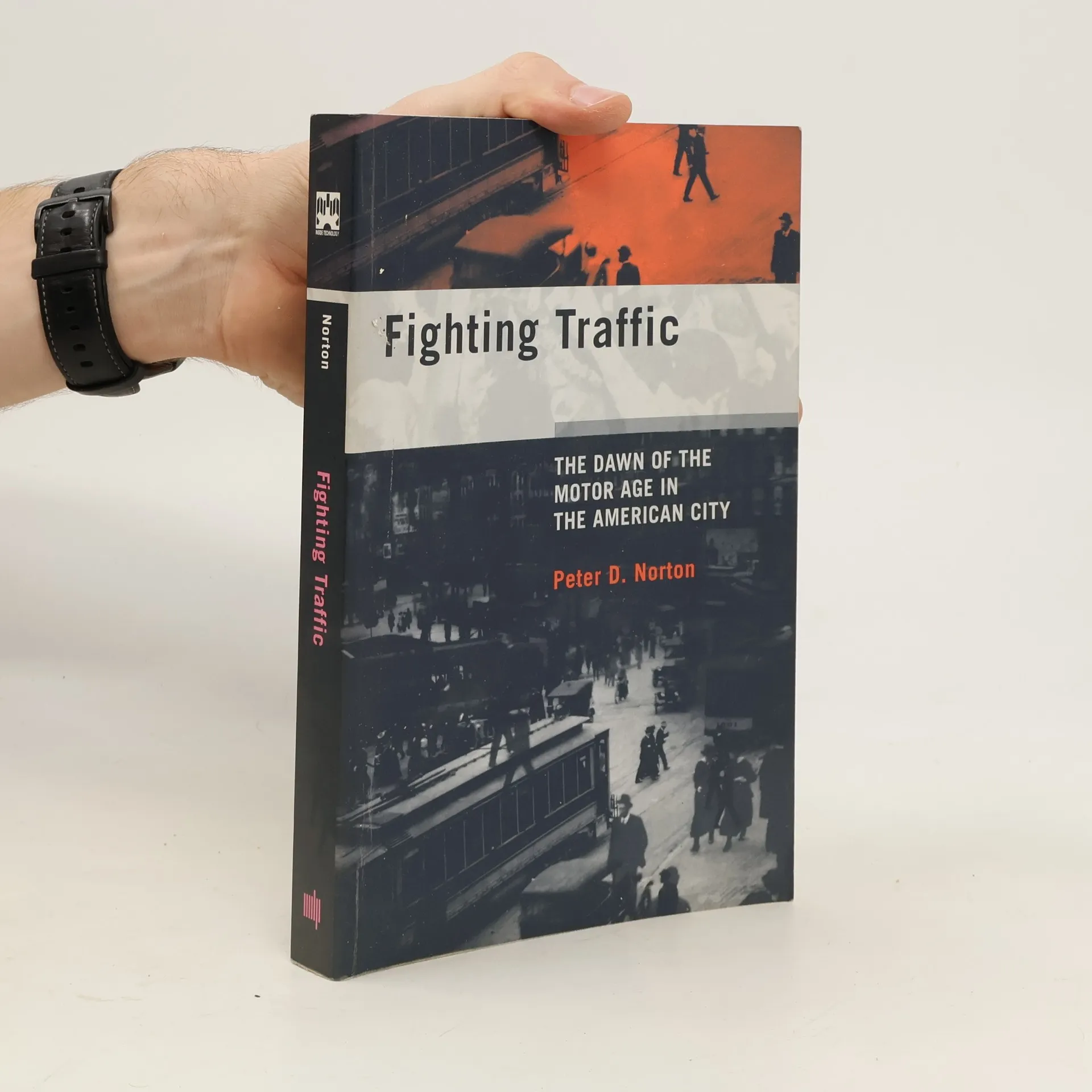
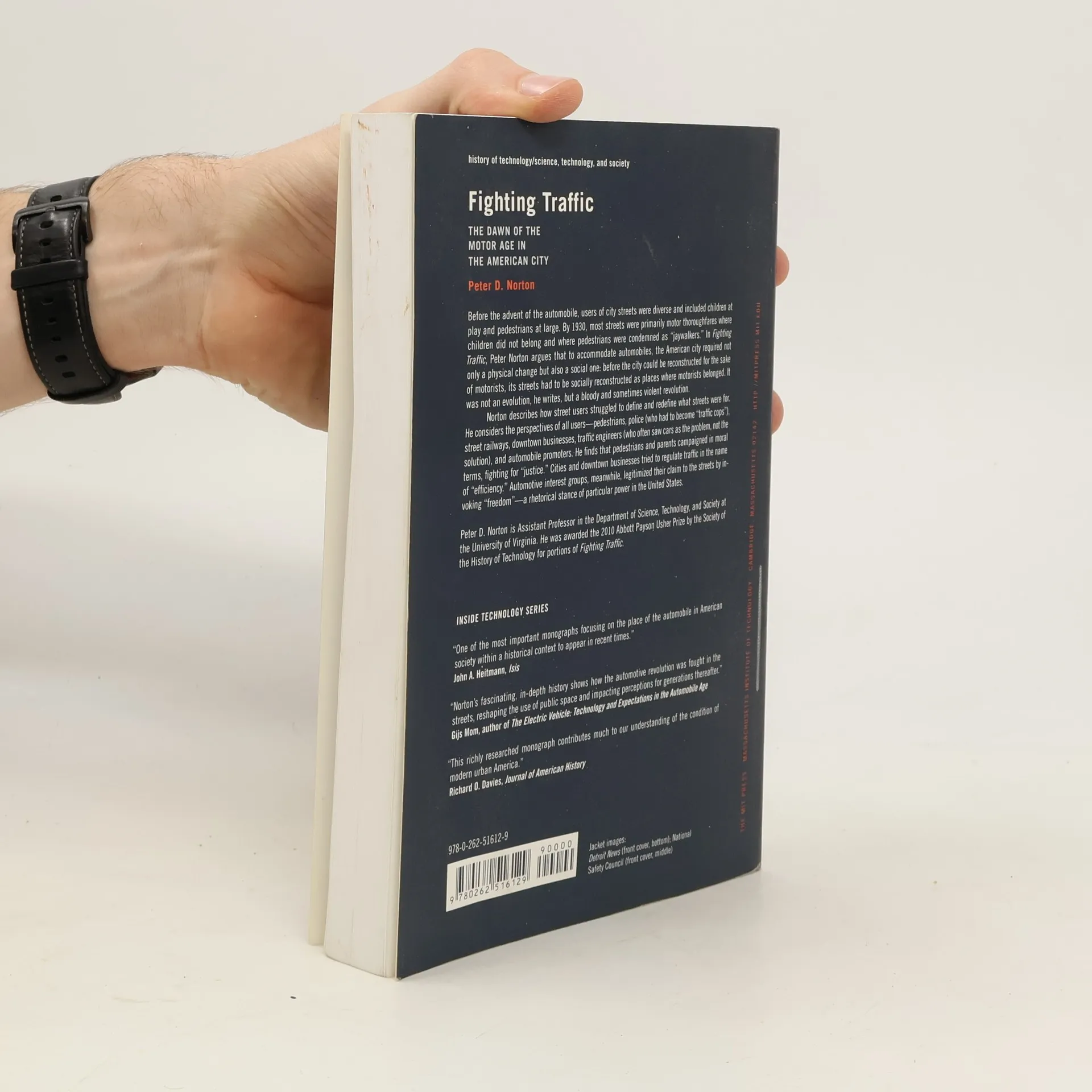
Before the automobile, city streets were vibrant spaces for children and pedestrians. By 1930, however, streets had transformed into motor thoroughfares, where children were unwelcome and pedestrians labeled as "jaywalkers." The author argues that accommodating automobiles required not just physical changes but a significant social shift, as streets had to be redefined as spaces for motorists. This transformation was not gradual; it was a tumultuous revolution. The narrative explores the struggles of various street users to redefine the purpose of streets during the critical years from the 1910s to the 1930s. An anti-automobile campaign emerged, portraying motorists as "road hogs" and cars as "death machines." The author examines the perspectives of pedestrians, police (who transitioned to "traffic cops"), street railways, businesses, traffic engineers, and automotive promoters. Pedestrians and parents campaigned for "justice," while cities aimed for "efficiency" in regulating traffic. In contrast, automotive interest groups claimed their right to the streets by invoking the powerful rhetoric of "freedom," a concept deeply resonant in American culture.
Buchkauf
Fighting Traffic, Peter Norton
- Sprache

- Erscheinungsdatum
- 2011
- Einband
- (Paperback)
Hier könnte deine Bewertung stehen.
- Titel
- Fighting Traffic
- Sprache
- Englisch
- Autor*innen
- Peter Norton
- Verlag
- MIT Press
- Erscheinungsdatum
- 2011
- Einband
- Paperback
- ISBN10
- 0262516128
- ISBN13
- 9780262516129
- Reihe
- Kategorien
- Schlagwörter
- Historisches Thema, Politik, Städte, Urbanismus, Urbanisierung
- Bewertung
- 3,85 von 5 Sternen
- Beschreibung
- Before the automobile, city streets were vibrant spaces for children and pedestrians. By 1930, however, streets had transformed into motor thoroughfares, where children were unwelcome and pedestrians labeled as "jaywalkers." The author argues that accommodating automobiles required not just physical changes but a significant social shift, as streets had to be redefined as spaces for motorists. This transformation was not gradual; it was a tumultuous revolution. The narrative explores the struggles of various street users to redefine the purpose of streets during the critical years from the 1910s to the 1930s. An anti-automobile campaign emerged, portraying motorists as "road hogs" and cars as "death machines." The author examines the perspectives of pedestrians, police (who transitioned to "traffic cops"), street railways, businesses, traffic engineers, and automotive promoters. Pedestrians and parents campaigned for "justice," while cities aimed for "efficiency" in regulating traffic. In contrast, automotive interest groups claimed their right to the streets by invoking the powerful rhetoric of "freedom," a concept deeply resonant in American culture.