

Mehr zum Buch
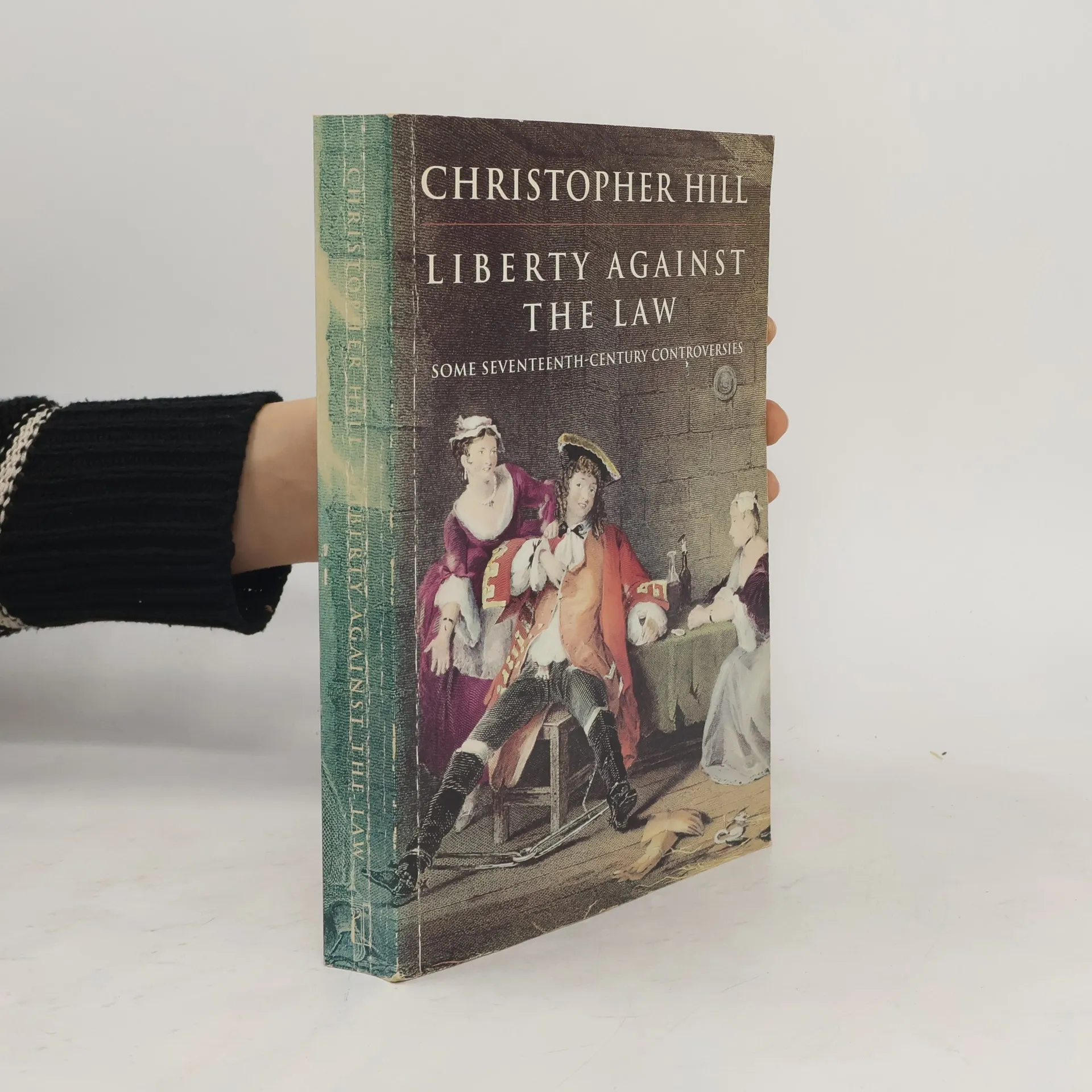
In 17th-century England, the law served as an instrument of oppression rather than justice, as argued by Christopher Hill in this classic study. The enclosures, loss of traditional rights, and harsh punishments for minor offenses transformed the lives of the peasantry, leading to a landless class of wage laborers. Hill examines the significant social changes and the expressions of liberty against the law, highlighting the literary culture of the time and the hero-worship of outlaws. His analysis includes short chapters on gypsies and vagabonds, as well as insights into class, religion, and the diminishing role of the church post-Reformation. Hill estimates that only about twenty percent of the population could have been satisfied with the law, celebrating dissenters such as poachers, highwaymen, smugglers, pirates, and antinomians who claimed sexual liberty by asserting that the godly were exempt from moral law. He deconstructs the traditional narrative of English history, revealing a culture of dissent reflected in the vagabond life, Robin Hood ballads, piracy romances, and the poetry of John Clare. Christopher Hill (1912-2003) was a noted historian and Master of Balliol College, known for his influential works on 16th- and 17th-century history.
Publikation

Buchkauf
Liberty Against the Law, Christopher Hill
- Sprache

- Erscheinungsdatum
- 1996
- Einband
- (Paperback)
Hier könnte deine Bewertung stehen.
- Titel
- Liberty Against the Law
- Sprache
- Englisch
- Autor*innen
- Christopher Hill
- Erscheinungsdatum
- 1996
- Einband
- Paperback
- Seitenzahl
- 354
- ISBN10
- 0670871591
- ISBN13
- 9780670871599
- Reihe
- Kategorien
- Schlagwörter
- Rechtsthematik, Politik, Britische Literatur, 17. Jahrhundert
- Bewertung
- 5 von 5 Sternen
- Beschreibung
- In 17th-century England, the law served as an instrument of oppression rather than justice, as argued by Christopher Hill in this classic study. The enclosures, loss of traditional rights, and harsh punishments for minor offenses transformed the lives of the peasantry, leading to a landless class of wage laborers. Hill examines the significant social changes and the expressions of liberty against the law, highlighting the literary culture of the time and the hero-worship of outlaws. His analysis includes short chapters on gypsies and vagabonds, as well as insights into class, religion, and the diminishing role of the church post-Reformation. Hill estimates that only about twenty percent of the population could have been satisfied with the law, celebrating dissenters such as poachers, highwaymen, smugglers, pirates, and antinomians who claimed sexual liberty by asserting that the godly were exempt from moral law. He deconstructs the traditional narrative of English history, revealing a culture of dissent reflected in the vagabond life, Robin Hood ballads, piracy romances, and the poetry of John Clare. Christopher Hill (1912-2003) was a noted historian and Master of Balliol College, known for his influential works on 16th- and 17th-century history.