

Mehr zum Buch
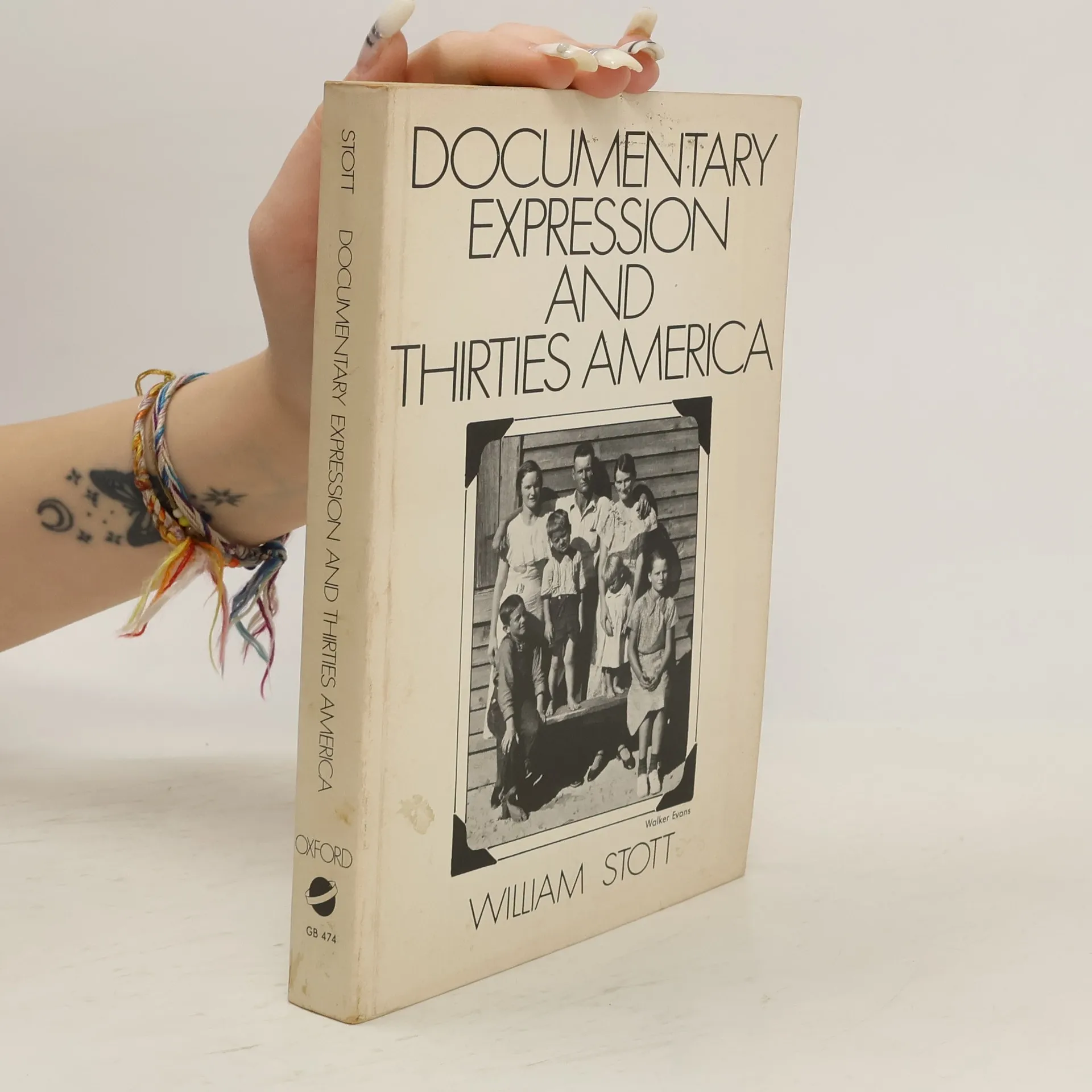
"A comprehensive inquiry into the attitudes and ambitions that characterized the documentary impulse of the thirties. The subject is a large one, for it embraces (among much else) radical journalism, academic sociology, the esthetics of photography, Government relief programs, radio broadcasting, the literature of social work, the rhetoric of political persuasion, and the effect of all these on the traditional arts of literature, painting, theater and dance. The great merit of Mr. Stott's study lies precisely in its wide-ranging view of this complex terrain."--Hilton Kramer," New York Times Book Review "[Scott] might be called the Aristotle of documentary. No one before him has so comprehensively surveyed the achievement of the 1930s, suggesting what should be admired, what condemned, and why; no one else has so persuasively furnished an aesthetic for judging the form."--"Times Literary Supplement
Buchkauf
Documentary Expression and Thirties America, William Stott, Walker Evans
- Sprache

- Erscheinungsdatum
- 1976
- Einband
- (Paperback)
Hier könnte deine Bewertung stehen.
- Titel
- Documentary Expression and Thirties America
- Sprache
- Englisch
- Autor*innen
- William Stott, Walker Evans
- Verlag
- Oxford University Press
- Erscheinungsdatum
- 1976
- Einband
- Paperback
- Seitenzahl
- 378
- ISBN10
- 0195020995
- ISBN13
- 9780195020991
- Reihe
- Kategorien
- Schlagwörter
- Historisches Thema, Handbücher und Anleitungen, Kunst
- Bewertung
- 3,5 von 5 Sternen
- Beschreibung
- "A comprehensive inquiry into the attitudes and ambitions that characterized the documentary impulse of the thirties. The subject is a large one, for it embraces (among much else) radical journalism, academic sociology, the esthetics of photography, Government relief programs, radio broadcasting, the literature of social work, the rhetoric of political persuasion, and the effect of all these on the traditional arts of literature, painting, theater and dance. The great merit of Mr. Stott's study lies precisely in its wide-ranging view of this complex terrain."--Hilton Kramer," New York Times Book Review "[Scott] might be called the Aristotle of documentary. No one before him has so comprehensively surveyed the achievement of the 1930s, suggesting what should be admired, what condemned, and why; no one else has so persuasively furnished an aesthetic for judging the form."--"Times Literary Supplement