

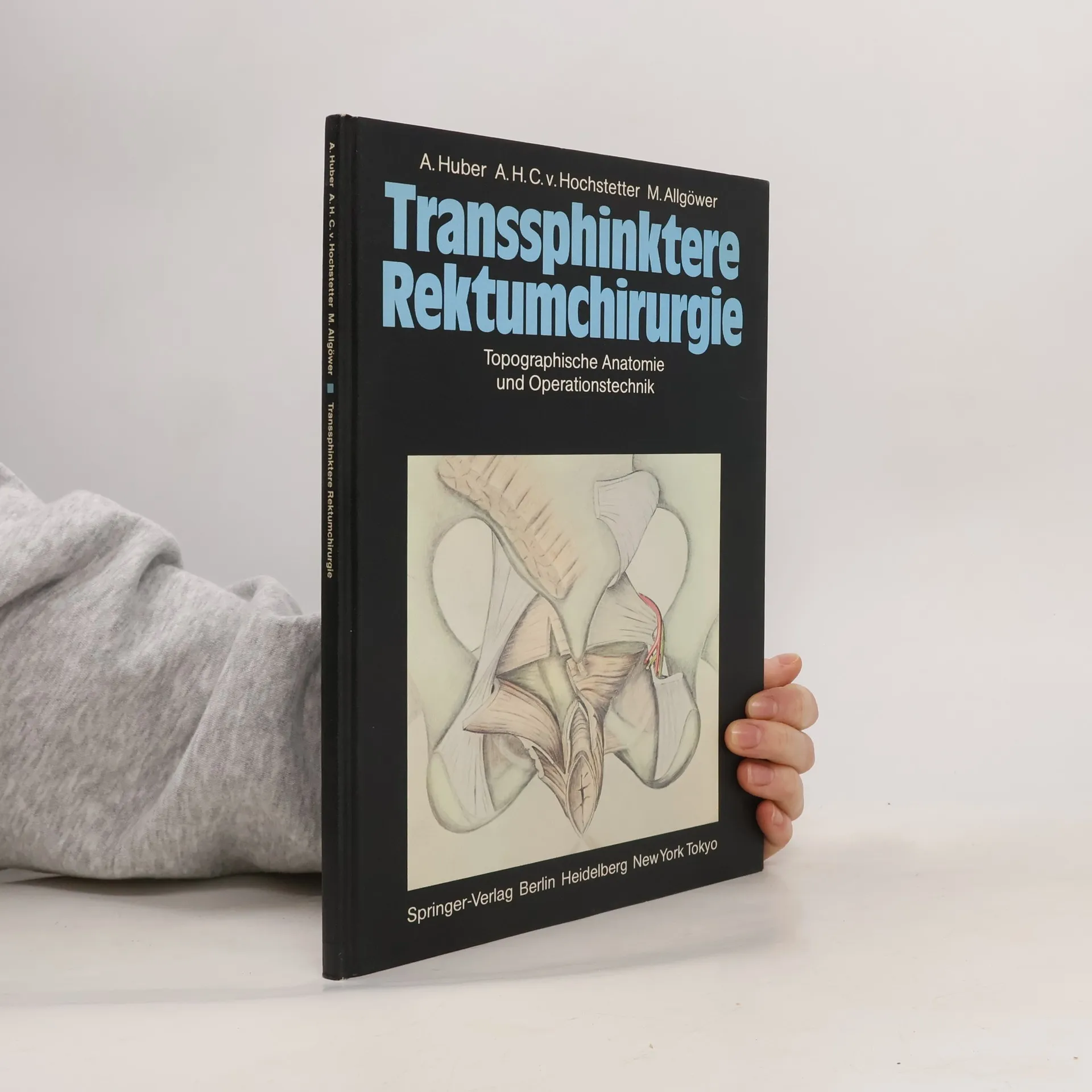
Transsphinktere Rektumchirurgie
Topographische Anatomie und Operationstechnik
Mehr zum Buch
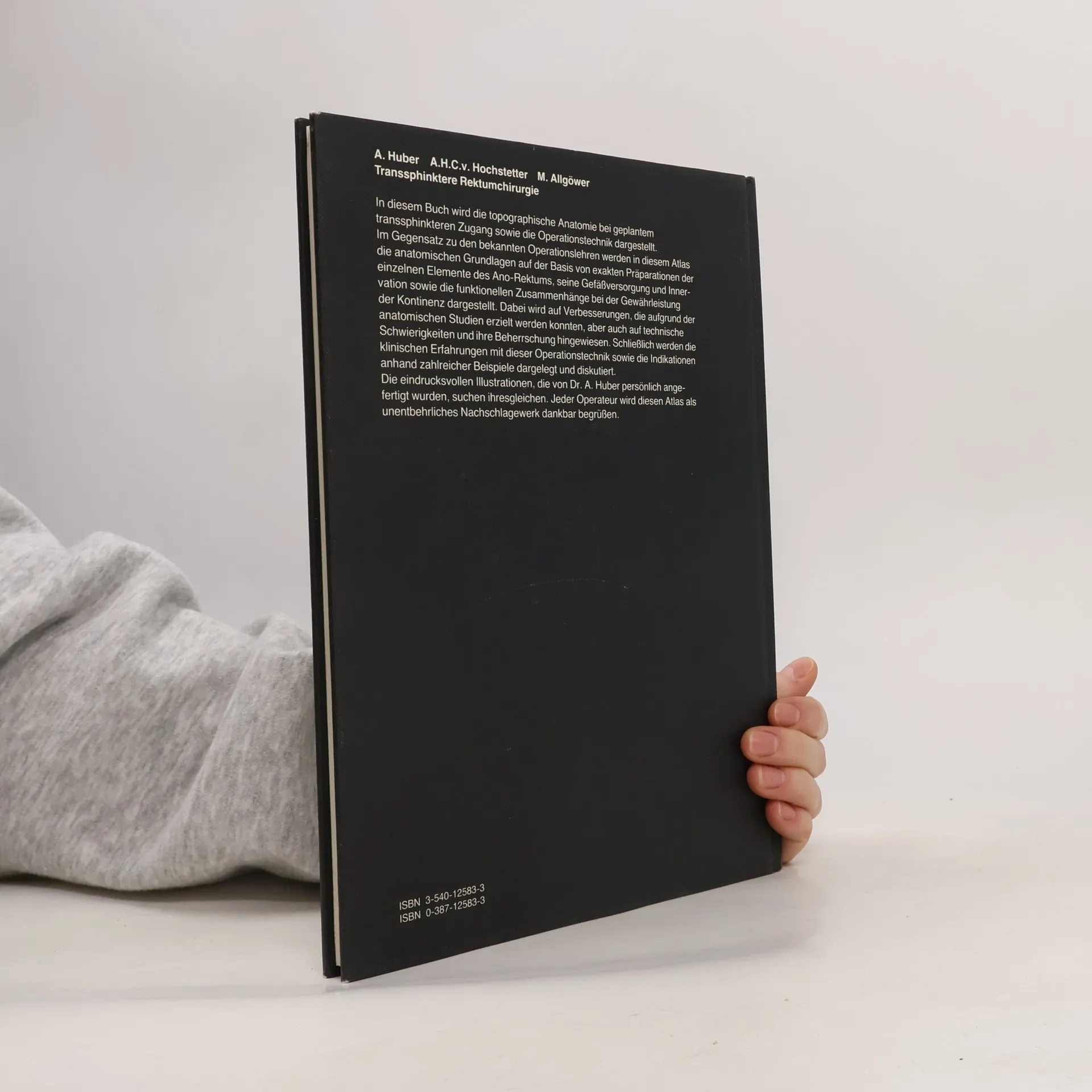
More than a century ago, Cripps introduced the direct division of the anal sphincters to access the lower rectum and anal canal, reporting positive outcomes in 36 patients, with over two-thirds maintaining good fecal continence despite no repair of the sphincters. However, this transsphincteric procedure was largely overlooked in favor of the Kraske parasacral proctotomy, which preserved the anal sphincters. York Mason later revived interest in the transsphincteric approach, highlighting its potential for achieving excellent continence through proper repair of the divided sphincters. Recognizing the practical value of this technique, we aimed to clarify the anatomical prerequisites necessary to minimize operative bleeding and align the procedure with contemporary understanding of normal continence and defecation. Dr. A. Huber, in collaboration with Prof. A. von Hochstetter, conducted extensive dissection work on fresh anatomical preparations to explore and refine the various aspects of the transsphincteric approach.
Buchkauf
Transsphinktere Rektumchirurgie, Andreas Huber, Martin Allgöwer, Arthur H. C. von Hochstetter
- Sprache

- Erscheinungsdatum
- 1983
- Einband
- (Hardcover)
Keiner hat bisher bewertet.
- Titel
- Transsphinktere Rektumchirurgie
- Untertitel
- Topographische Anatomie und Operationstechnik
- Sprache
- Deutsch
- Autor*innen
- Andreas Huber, Martin Allgöwer, Arthur H. C. von Hochstetter
- Verlag
- Springer
- Erscheinungsdatum
- 1983
- Einband
- Hardcover
- Seitenzahl
- 86
- ISBN10
- 3540125833
- ISBN13
- 9783540125839
- Reihe
- Kategorien
- Schlagwörter
- Medizin & Gesundheit, Medizin, Der menschliche Körper, Chirurgie, Licht
- Beschreibung
- More than a century ago, Cripps introduced the direct division of the anal sphincters to access the lower rectum and anal canal, reporting positive outcomes in 36 patients, with over two-thirds maintaining good fecal continence despite no repair of the sphincters. However, this transsphincteric procedure was largely overlooked in favor of the Kraske parasacral proctotomy, which preserved the anal sphincters. York Mason later revived interest in the transsphincteric approach, highlighting its potential for achieving excellent continence through proper repair of the divided sphincters. Recognizing the practical value of this technique, we aimed to clarify the anatomical prerequisites necessary to minimize operative bleeding and align the procedure with contemporary understanding of normal continence and defecation. Dr. A. Huber, in collaboration with Prof. A. von Hochstetter, conducted extensive dissection work on fresh anatomical preparations to explore and refine the various aspects of the transsphincteric approach.