

Reihen
- Les Rougon-Macquart16 von 20
Mehr zum Buch
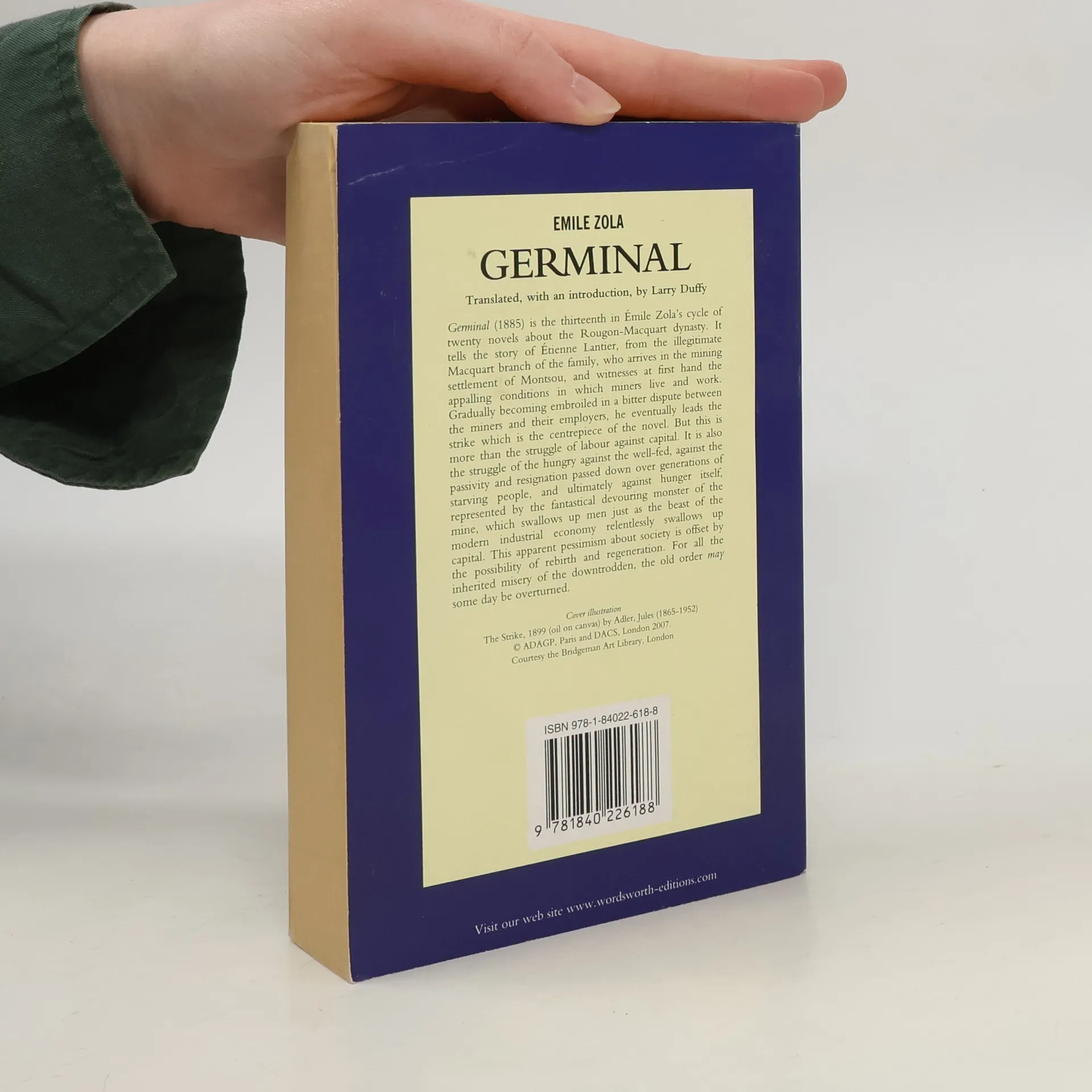
Germinal (1885) is the thirteenth in Émile Zola's cycle of twenty novels about the Rougon-Macquart dynasty. It tells the story of Étienne Lantier, from the illegitimate Macquart branch of the family, who arrives in the mining settlement of Montsou, and witnesses at first hand the appalling conditions in which miners live and work.Gradually becoming embroiled in a bitter dispute between the miners and their employers, he eventually leads the strike which is the centrepiece of the novel. But this is more than the struggle of labour against capital. It is also the struggle of the hungry against the well-fed, against the passivity and resignation passed down over generations of starving people, and ultimately against hunger itself, represented by the fantastical devouring monster of the mine, which swallows up men, just as the beast of the modern industrial economy relentlessly swallows up capital. This apparent pessimism about society is offset by the possibility of rebirth and regeneration. For all the inherited misery of the downtrodden, the old order may some day be overturned.



Buchkauf
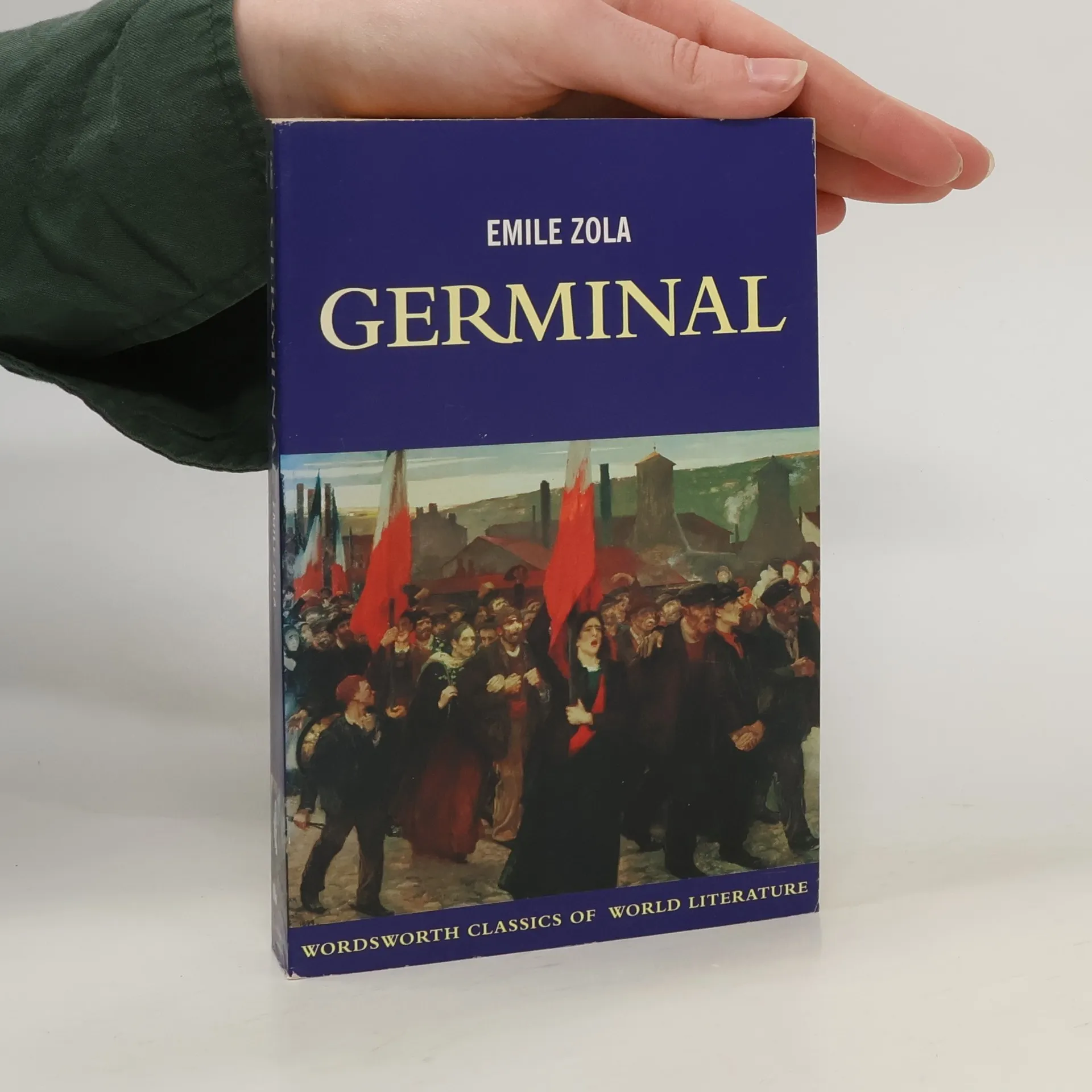
Germinal, Émile Zola
- Sprache

- Erscheinungsdatum
- 2007
- Einband
- (Paperback)
Hier könnte deine Bewertung stehen.
- Titel
- Germinal
- Sprache
- Englisch
- Autor*innen
- Émile Zola
- Verlag
- Wordsworth Editions
- Erscheinungsdatum
- 2007
- Einband
- Paperback
- ISBN10
- 1840226188
- ISBN13
- 9781840226188
- Reihe
- Les Rougon-Macquart
- Kategorien
- Schlagwörter
- Weltliteratur, Soziale Probleme, Machtkampf, Armut, Industrialisierung
- Bewertung
- 4,5 von 5 Sternen
- Beschreibung
- Germinal (1885) is the thirteenth in Émile Zola's cycle of twenty novels about the Rougon-Macquart dynasty. It tells the story of Étienne Lantier, from the illegitimate Macquart branch of the family, who arrives in the mining settlement of Montsou, and witnesses at first hand the appalling conditions in which miners live and work.Gradually becoming embroiled in a bitter dispute between the miners and their employers, he eventually leads the strike which is the centrepiece of the novel. But this is more than the struggle of labour against capital. It is also the struggle of the hungry against the well-fed, against the passivity and resignation passed down over generations of starving people, and ultimately against hunger itself, represented by the fantastical devouring monster of the mine, which swallows up men, just as the beast of the modern industrial economy relentlessly swallows up capital. This apparent pessimism about society is offset by the possibility of rebirth and regeneration. For all the inherited misery of the downtrodden, the old order may some day be overturned.