

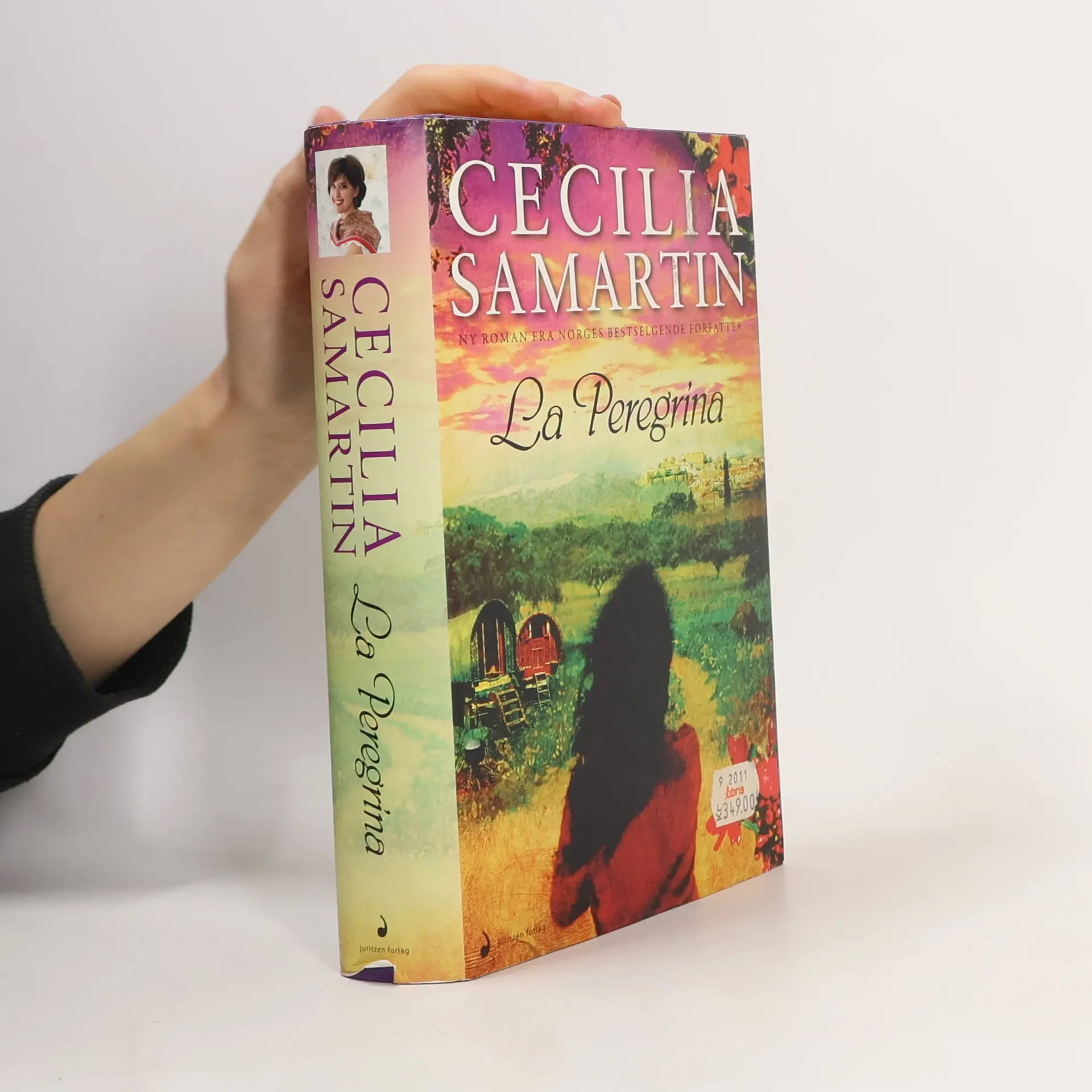
La Peregrina
- 523 Seiten
- 19 Lesestunden
Set in the United States, Spain, and Mexico, Jamil relocates from Mexico to Los Angeles to save for surgery to remove a birthmark covering nearly half her body. In LA, she becomes adopted by Señor Peregrino, who has recently left a mental hospital after a long stay. He carries deep sorrow for his lost love, Rosa, whom he met during a pilgrimage to Santiago de Compostela in Spain. Jamil feels a mysterious connection to their intertwined destinies, despite Rosa having been dead for over 40 years. Nurse B., the manager of the mental hospital where Peregrino was treated, adds complexity to their story, as she is also his wife, casting a shadow over Jamil's quest for understanding. Parallel to Jamil's journey is Rosa's story, set many years earlier in the Spanish village of Sombrevista in La Mancha. Rosa grows up in a troubled household with an unemployed, alcoholic father and a mother who works as a washerwoman. Rosa's birthmark, which stretches from her neck down her back and legs, is seen as a curse, preventing her sisters, Manuela and Nina, from finding husbands. Despite Rosa's beauty, her birthmark is believed to be linked to the devil, creating a stigma that affects her family’s prospects. As a result, they are forced to move, burdened by the weight of Rosa's perceived guilt and the societal implications of her condition.