

Die verschiedenen Aspekte des III. Reiches wurden von den Historikern schon vielfach untersucht. Doch während einige sich einer fast schon überzogenen Aufmerksamkeit erfreuten, blieben andere ein Stiefkind der Zeitgeschichtsschreibung. Zu letzteren zählt der Reichsarbeitsdienst oder kurz RAD, als Pflichtarbeitsdienst gewissermaßen das zivile Gegenstück zur millitärischen Wehrpflicht. Ein solcher Arbeitsdienst war bereits im I. Weltkrieg angedacht worden, um alle nicht zum Wehrdienst Eingezogenen oder in der Rüstungsindustrie Tätigen in die Kriegsanstrengungen einzugliedern - etwa in der Landwirtschaft, im Verkehrswesen oder in Gewerbebetrieben. In übersichtlicher Form schildert dieser Band die gesamte Geschichte des RAD: Seine Anfänge in den 20er Jahren, seine Organisation, seine Tätigkeiten in Krieg und Frieden, seinen weiblichen Zweig, seine Verbindungen zur Flak und zur Waffen-SS. Breiter Raum gewährt wird dabei der Darstellung der RAD-Einsätze an allen Fronten des II. Weltkrieges, vom Polenfeldzug 1939 bis zum Endkampf um Berlin 1945, wo immerhin noch zwei Kampfgruppen und mehrere Batterien des RAD unter extremen Bedingungen zum Einsatz gelangten.
Carlos Caballero Jurado Bücher
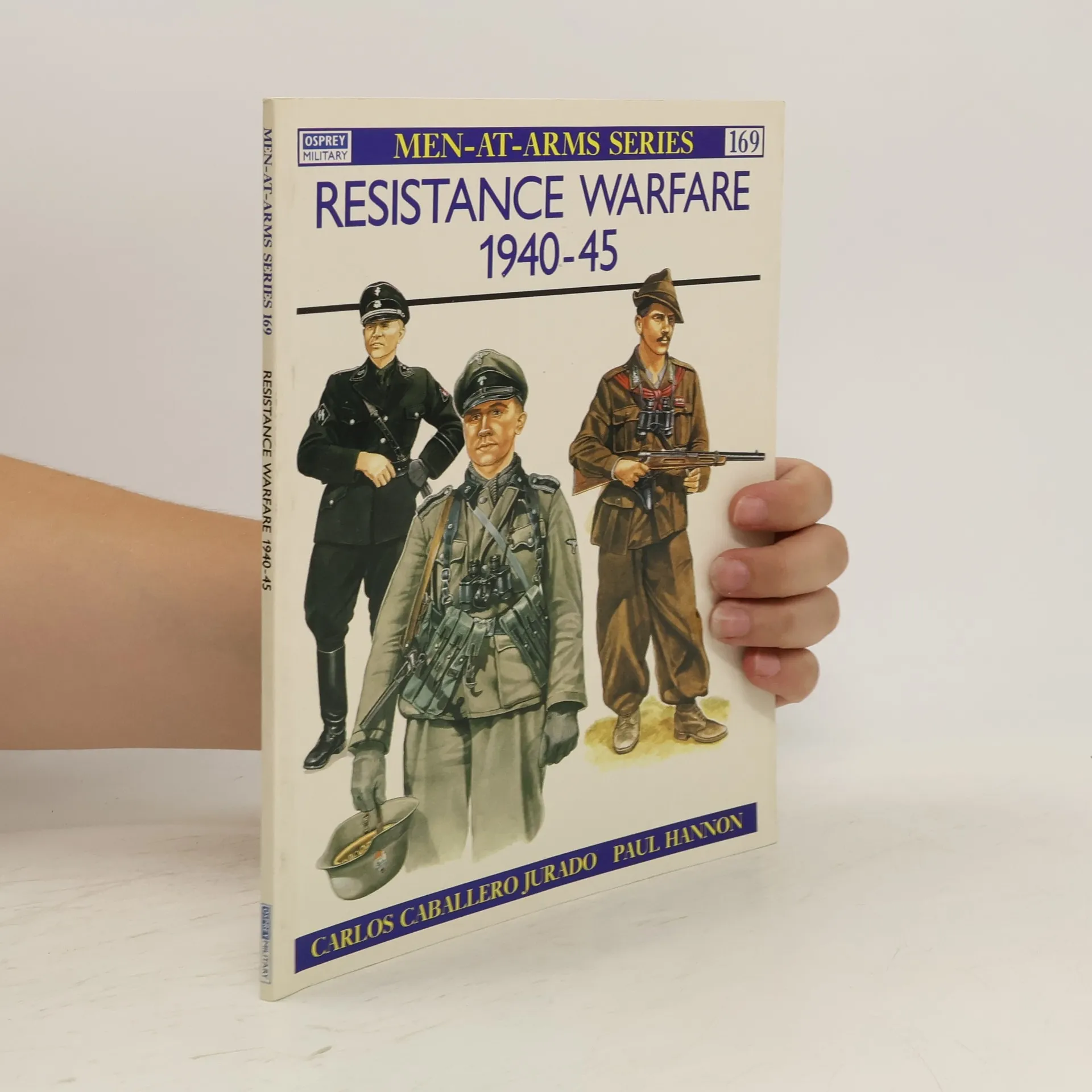

Resistance Warfare 1940-45
- 48 Seiten
- 2 Lesestunden
The occupation of Western Europe by the Wehrmacht brought about the birth of resistance movements in all the countries affected, as well as collaborationist movements directly opposed to the resistance. In effect, the war against Germany became a civil war within each country. Sought out by the Hohere SS und Polizeiführer ('High Command of the SS and Police') and often aided by the British Special Operations Executive, the Western European Resistance centred largely on espionage and intelligence-gathering. A companion volume to Men-at-Arms 142: Partisan Warfare 1941-45, this book explores the history of resistance warfare during World War II in Norway, Denmark, Holland, Belgium, France and Italy.
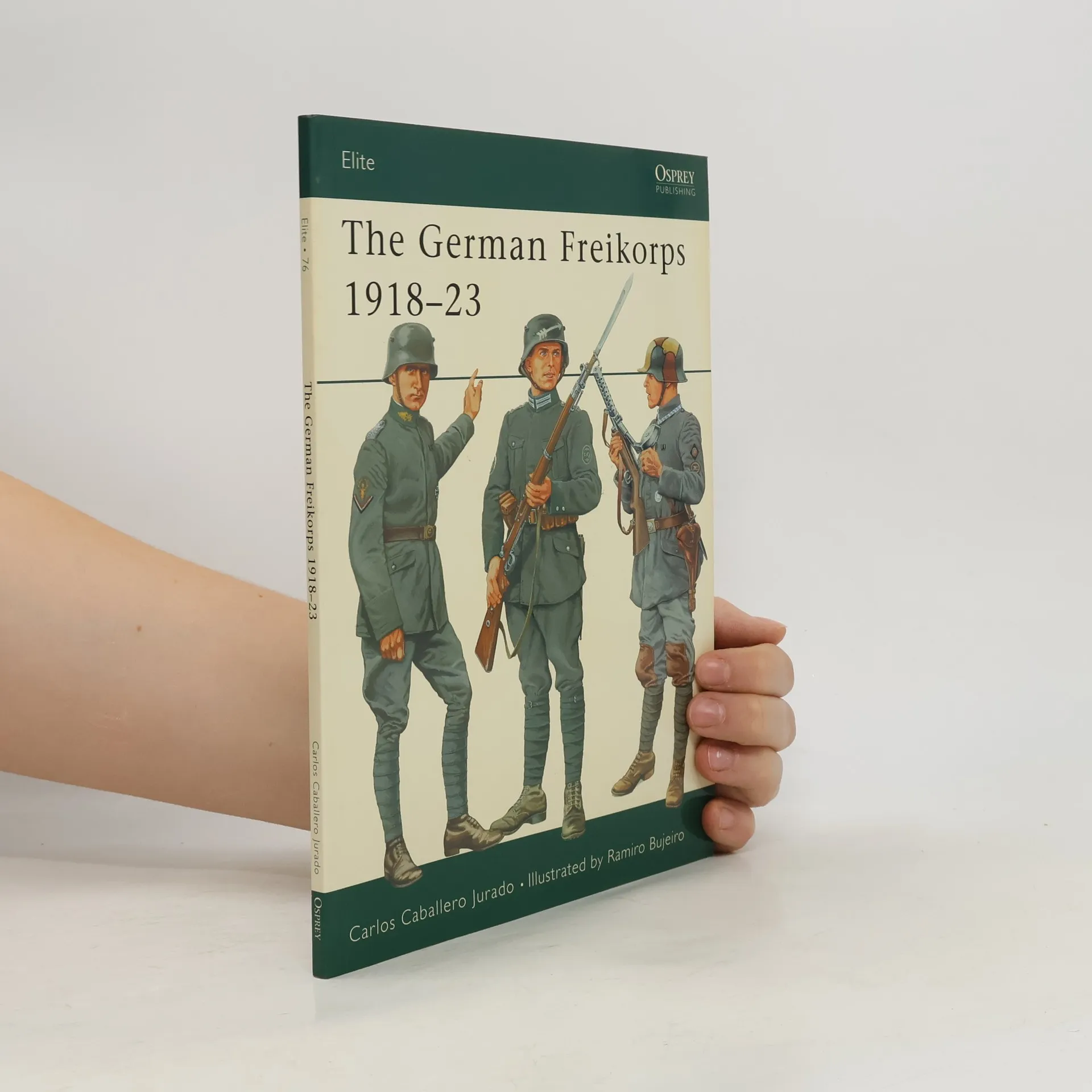
The German Freikorps
- 64 Seiten
- 3 Lesestunden
Osprey's examination of German troops in the post-World War I (1914-1918) period. The troops returning home to Germany after the 1918 Armistice found their country riven by internal unrest, and its eastern borders threatened. Though reluctant to support the new Republic, the many Free Corps formed by ex-Imperial soldiers fought furiously against Communist revolutionaries at home and Polish and Bolshevik Russian pressure on the frontiers. Later providing much of the manpower for the new Reichswehr, the Free Corps would have strong links with the nascent Nazi Party. This concise account of a little-known but central episode in the history of 20th century Germany is illustrated with rare photographs, and ten colour plates showing unprecedented details of uniforms and insignia.