Zeitalter im Chaos
Vom Exodus zu König Echnaton


Immanuel Velikovsky war ein unabhängiger Gelehrter, der für seine kontroversen Neuinterpretationen der antiken Geschichte bekannt war. Er nutzte vergleichende Mythologie und antike literarische Quellen, um zu postulieren, dass die Erde in der Antike katastrophale Begegnungen mit anderen Planeten erlebte. Obwohl seine Theorien von der akademischen Welt stark abgelehnt wurden, fanden seine Bücher beim Publikum großen Anklang und lösten erhebliche Debatten aus.

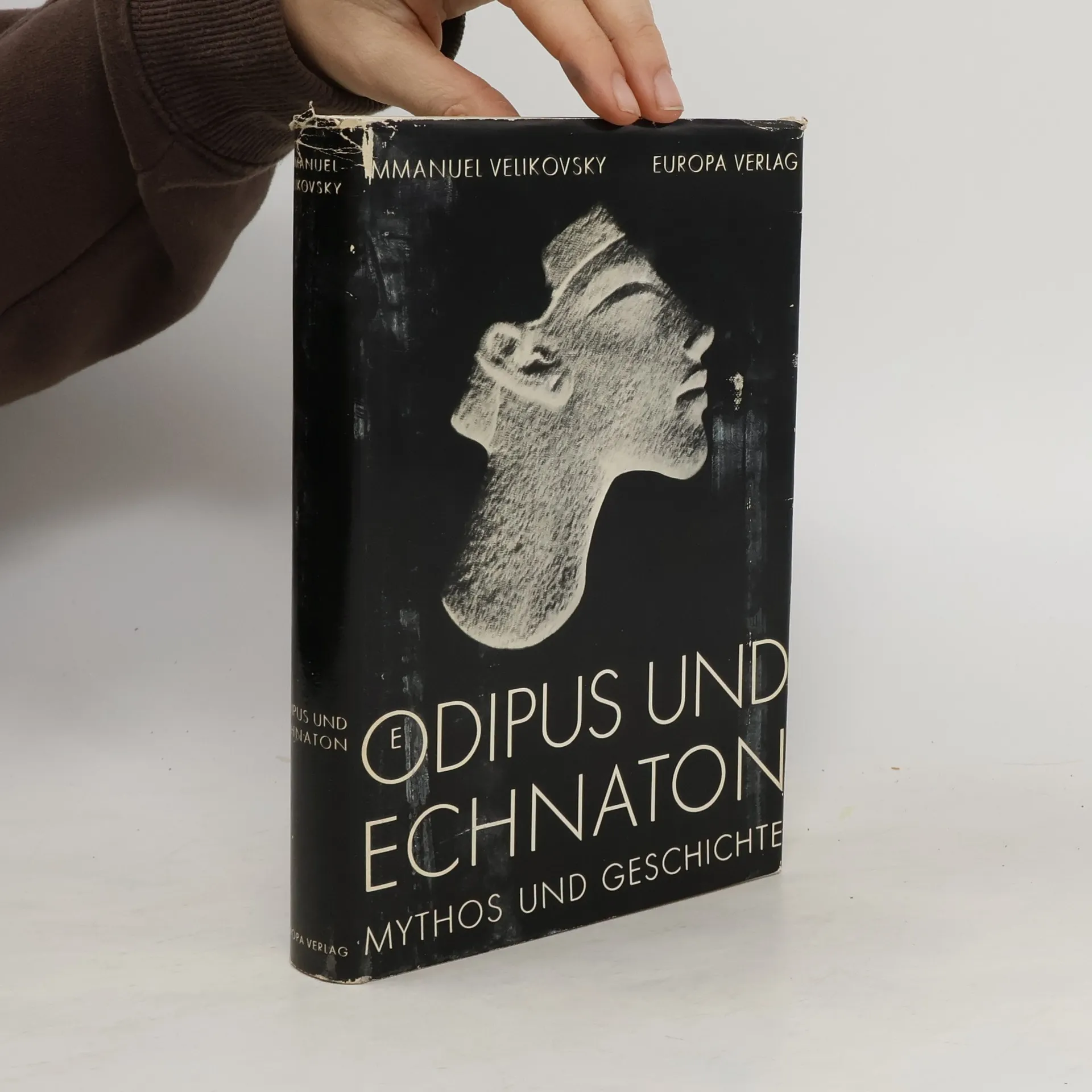
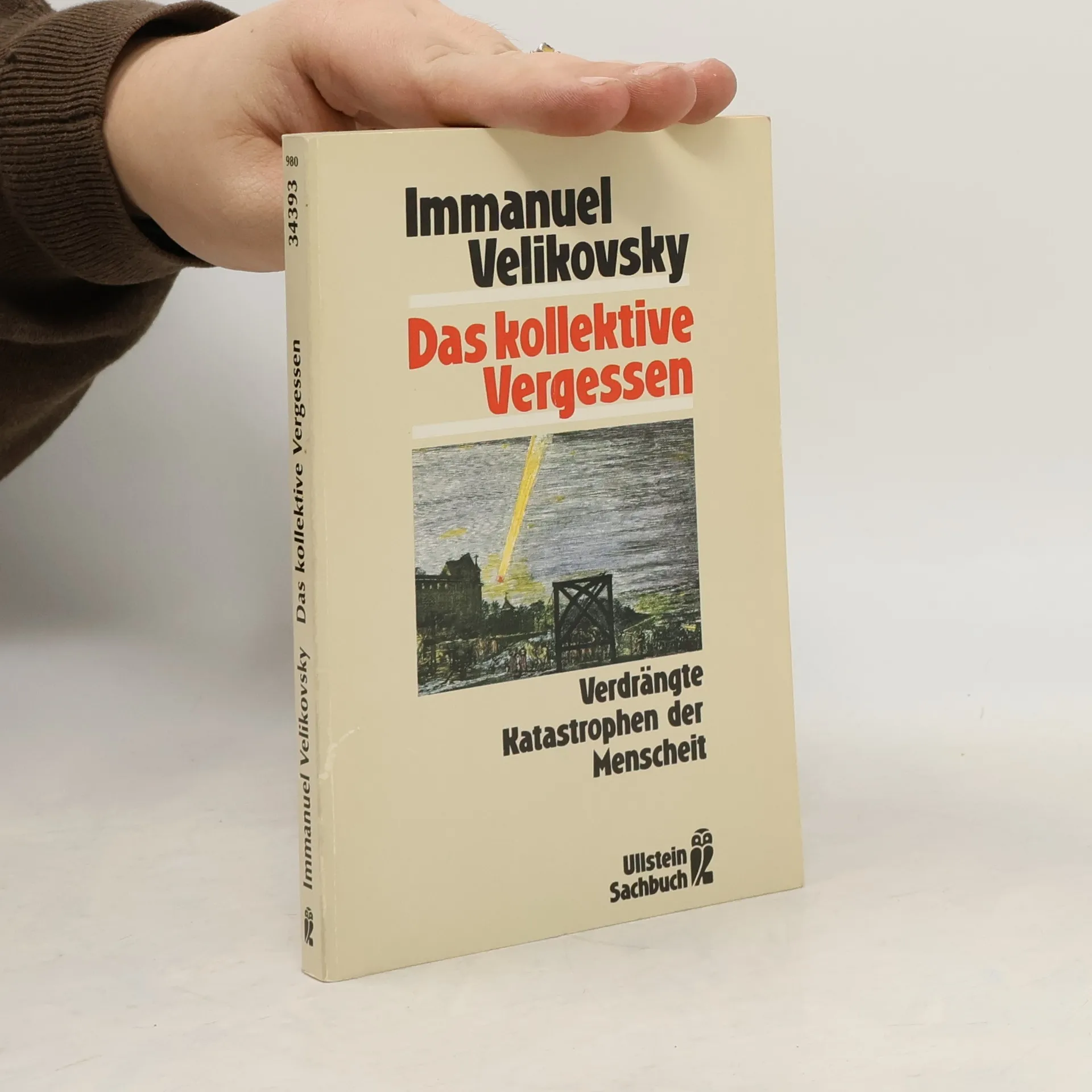
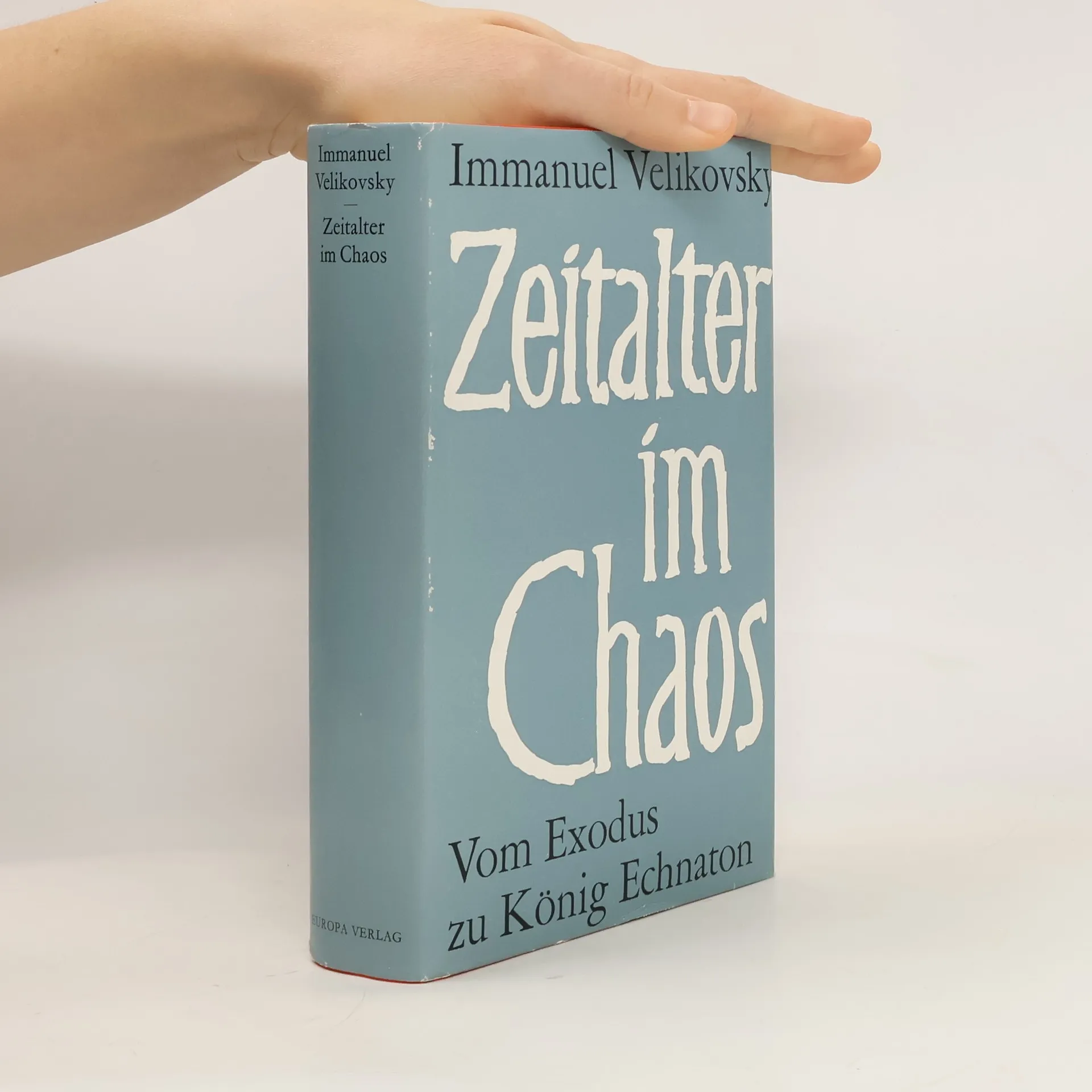
Vom Exodus zu König Echnaton
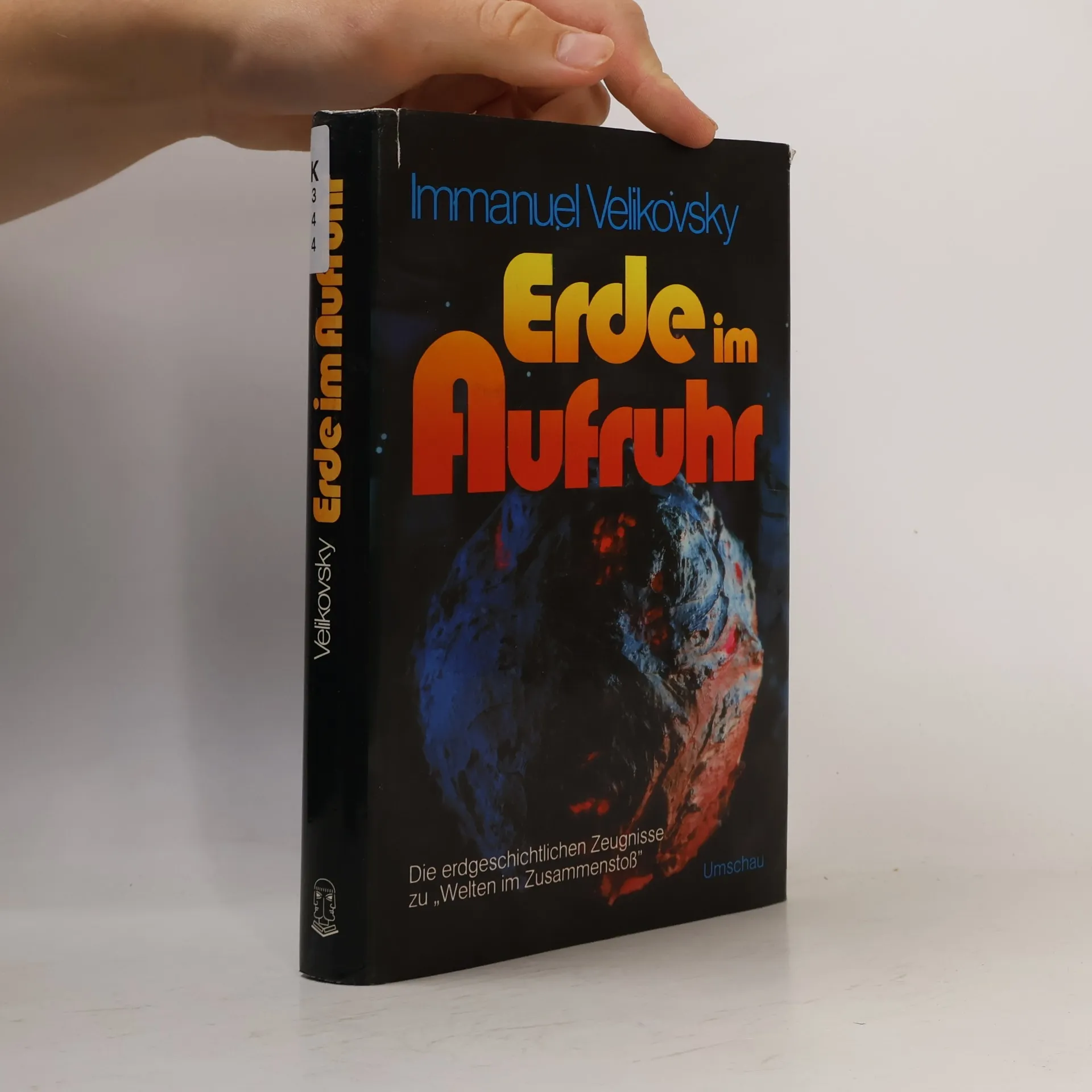
Immanuel Velikovsky, einer der grossen Wissenschaftler der Neuzeit, stellt in diesem epochalen Buch die gesamte Erd- und Menschheitsgeschichte auf ein neues Fundament. Er präsentiert die Ergebnisse seiner langjährigen interdisziplinären Forschungen auf eine leicht verständliche, geradezu unterhaltsame Weise. Trotz - oder gerade wegen - der verleumderischen Anfeindungen, die seine Theorien hervorgerufen haben, bleibt dieses Buch von brennender Aktualität, die im Lichte neuer Forschungsergebnisse immer weiter wächst. Nach dem Erscheinen von Welten im Zusammenstoss sah sich Immanuel Velikovsky dem Vorwurf gegenüber, dass es für die von ihm beschriebenen Naturkatastrophen keine Spuren in der Gestalt der Erde und in Tier- und Pflanzenwelt gebe. Daraufhin veröffentlichte er wenige Jahre später das Buch Erde im Aufruhr, das nicht nur die geschichtlichen Dokumente durch beeindruckendes geologisches und paläontologisches Material stützt, sondern allein aufgrund der"Zeugenaussagen"von Steinen und Knochen zu denselben Schlussfolgerungen gelangt.
Welten im Zusammenstoss ist eins der bedeutsamsten und umstrittensten Sachbücher seit Galilei. In diesem Buch präsentierte Immanuel Velikovsky die Ergebnisse seiner langjährigen interdisziplinären Forschungen der Öffentlichkeit und begründete auf der Grundlage von Augenzeugenberichten unserer Vorfahren die moderne Katastrophentheorie, rüttelte am Aktualismus der Geologie und an der Evolutionstheorie Darwins, stellte unser Bild von der Geschichte unseres Sonnensystems, der Erde und der Menschheit auf ein völlig neues Fundament – und löste einen Aufruhr aus, der bis heute andauert.
Immanuel Velikovsky betrachtet in diesem Buch die Menschheit als Ganzes aus der Perspektive der Psychologie und Psychoanalyse. Nach einem aufschlussreichen Überblick über die Grundlagen verschiedener psychoanalytischer Systeme wagt er den Schritt zur Gruppenseelenkunde und untersucht die Thematik der Kollisionen der Welten aus einem neuen Blickwinkel: als psychoanalytische Fallstudie. Er zeigt auf, dass die heftigen Reaktionen auf seine Theorien, die bis heute anhalten, aus psychologischer Sicht nicht überraschend, sondern unvermeidlich sind – dies gilt auch für diejenigen, die unser Weltbild geprägt haben. Gleichzeitig gelingt es ihm, die Theorien von Siegmund Freud und C. G. Jung neu zu klassifizieren, indem er eine gemeinsame Basis findet. Eine Reise durch Geschichte, Religion, Mythologie und Kunst verdeutlicht das gesamte Spektrum des kollektiven Traumas und vermittelt uns – den Patienten – eine Botschaft von außergewöhnlicher Dringlichkeit und Bedeutung für die Zukunft.
In seinem Buch Ramses II und seine Zeit setzt Immanuel Velikovsky seine Rekonstruktion der antiken Geschichte fort. Dieser Band behandelt den bekanntesten der alten ägyptischen Pharaonen, Ramses II. Velikovsky weist darauf hin, wie wenig wir über diesen berühmten Herrscher wissen. Seine überarbeitete Chronologie platziert Ramses II fest im 7. Jahrhundert v. Chr. und nicht, wie wir bisher geglaubt haben, Hunderte von Jahren früher im 13. Jahrhundert v. Chr. Ramses IIs Widersacher war somit niemand Geringerer als Nebukadnezar. Wir erfahren faszinierende persönliche Details über diesen großen chaldäischen Herrscher, dessen Autobiografie Velikovsky finden konnte. Wie im ersten Teil der Reihe „Zeitalter im Chaos“ deckt dieser Band eine Reihe fehlerhafter Theorien auf und weist mehrere andere Aspekte der traditionellen schriftlichen Geschichte über die antike Welt als reine Fantasie zurück. Wir erfahren beispielsweise, dass das sogenannte Hethiterreich eine historische Erfindung ist, und in einem weiteren kritischen Abschnitt führt Velikovsky uns zum richtigen Verständnis der Bronze- und Eisenzeit. Im umfangreichen Anhang beschäftigt sich Velikovsky mit der Altersbestimmungsmethode der Radiokohlenstoffdatierung und ihren überraschenden Verbindungen zu seinen eigenen Theorien.
In diesem Buch wird die radikalgeniale Rekonstruktion der Ägyptischen Geschichte vorgelegt. Das Buch liefert die überraschende Lösung, wie es auch das Rätsel der sogenannten Priesterkönige, bisher als 21. Dynastie auf die Ramessiden folgend, löst. Darüber hinaus enthält der Band den Aufsatz Velikovskys "Astronomie und Chronologie", in dem die Fehler der orthodoxen Geschichtsschreibung aufgedeckt wird.
Focusing on the campaigns of Alexander the Great, this volume connects revised and classical chronologies, completing Velikovsky's reconstruction of ancient history. It is the second volume in terms of publication but serves as the final installment in the Ages in Chaos series. Each of its three independent parts contributes to its significance, making it accessible and engaging for readers, regardless of their familiarity with previous volumes.
This is the first volume of the series Ages in Chaos, in which Immanuel Velikovsky undertakes a reconstruction of the history of antiquity. With utmost precision and the exciting style of a presentation that's typical for him he shows, beyond doubt, what nobody would consider possible: in the conventional history of Egypt - and therefore also of many neighboring cultures - a span of 600 years is described, which has never happened! This assertion is as unbelievable and outrageous as the assertions in Worlds in Collision or Earth in Upheaval. But Velikovsky takes us on a detailed and highly interesting journey through the - corrected - history and makes us a witness to how many question marks disappear, doubts vanish and corresponding facts from the entire Near East furnish a picture of overall conformity and correctness. You will meet an Egyptian eyewitness of the biblical plagues and the mysterious Queen of Sheba. You will find out to where her legendary visit led her. You will, moreover, learn surprising details about the temple of Solomon and learn who was behind its sacking. In the end you do not only wonder how conventional historiography has come into existence, but why it is still taught and published. Just as Velikovsky became the father of "neo-catastrophism" by Worlds in Collision, he became the father of "new chronology" by Ages in Chaos.
Challenging the traditional view of the Dark Age of Greece, this book argues that the perceived gap in history, spanning approximately 500 years from 1250 to 750 BC, is a result of the influence of ancient Egyptian chronology rather than an actual decline. It posits that Classicists have capitulated to this external authority, leading to a misinterpretation of historical continuity. This work serves as a critical piece in the reconstruction of ancient history, as proposed by Immanuel Velikovsky, and invites readers to reconsider established timelines and narratives.
The book offers an insider's perspective on the controversy surrounding Immanuel Velikovsky's groundbreaking work, Worlds in Collision. Through authentic letters, readers witness the intense backlash from prominent scientists and universities, including boycotts and campaigns aimed at discrediting Velikovsky. His responses to these attacks, often suppressed by major publications, highlight the clash between scientific authority and innovative ideas. This exploration is particularly relevant today, shedding light on the dynamics of science and its societal impact.
This book is a sequel (or better: a prequel) to Immanuel Velikovsky's main work, the best-selling Worlds in Collision, in which he gave a detailed reconstruction of two global natural catastrophes based on information handed down by our ancestors. He mentioned there that, as part of his intensive research, he found numerous indications of even more catastrophes that took place earlier in the history of mankind. In the present book, the material collected by Velikovksy about this topic is presented to the public for the first time. His findings show just how turbulent the history of Earth and our planetary system was during the time of mankind and how little we actually know of all that today.