



Gratis Versand in ganz Österreich
Bookbot

Andrew Carnegie

    25. November 1835 – 11. August 1919

    Andrew Carnegie war ein schottisch-amerikanischer Industrieller, der die enorme Expansion der amerikanischen Stahlindustrie im späten 19. Jahrhundert anführte. Er übernahm eine führende Rolle als Philanthrop in Amerika und im Britischen Empire. In den letzten 18 Jahren seines Lebens spendete er etwa 350 Millionen Dollar für Wohltätigkeitsorganisationen, Stiftungen und Universitäten – fast 90 Prozent seines Vermögens. Sein Artikel aus dem Jahr 1889 mit dem Titel „Das Evangelium des Reichtums“ rief die Reichen auf, ihren Reichtum zur Verbesserung der Gesellschaft einzusetzen, und löste eine Welle der Philanthropie aus.

    Andrew Carnegie
    An American Four-In-Hand In Britain
    Round the World
    James Watt
    Die Wahrheit über Reichtum und Geld
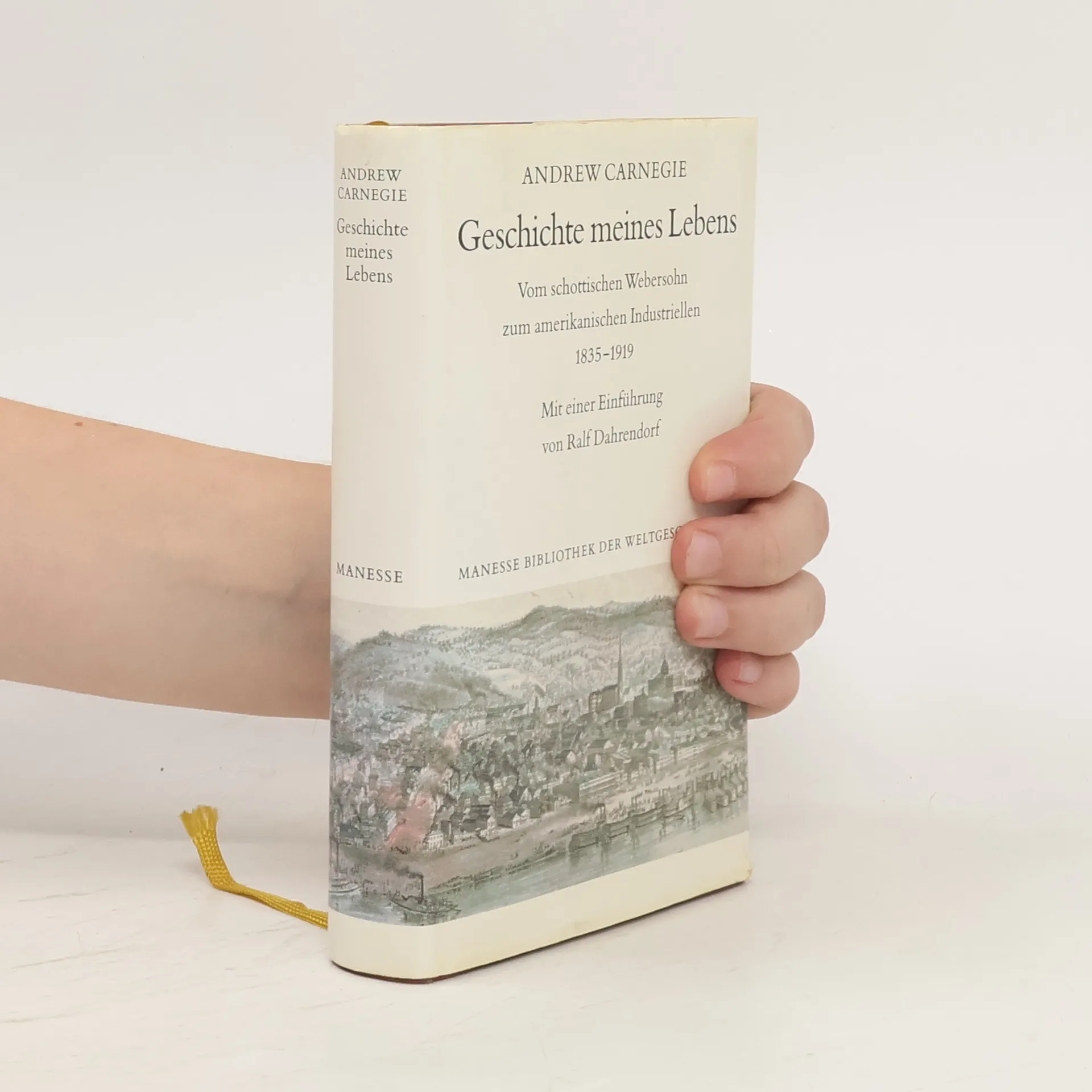
    Geschichte meines Lebens
    James Watt - sein Leben und seine Erfindungen
    • James Watt - sein Leben und seine Erfindungen

      Eine Biografie aus dem Englischen übersetzt

      Jeder kennt James Watt (1736-1819) als den Erfinder der Dampfmaschine. Doch was steckt hinter einem der wohl wichtigsten Köpfe des 18. Jahrhunderts? Doch wer war James Watt als Person? Hier wird ein Blick auf seine Erziehung, seinen Werdegang und seine anfänglichen technischen Schwierigkeiten auf dem Weg zum Erfolg geworfen. Der Autor Andrew Carnegie (1839-1919), Tycoon der Stahlbranche, hat selbst mithilfe von Watts Erfindung viele Jahre später ein Vermögen gemacht. Gerade durch seinen eigenen industriellen Hintergrund schafft es Carnegie das Leben von Watt authentisch wiederzugeben.
      James Watt - sein Leben und seine Erfindungen
    • James Watt

      Die Lebensgeschichte des Erfinders der Dampfmaschine

      James Watt
    • Round the World

      • 184 Seiten
      • 7 Lesestunden
      4,6(11)Abgeben

      The book offers a significant exploration of geography, anthropology, and recreation, highlighting its importance in human history. Alpha Editions has carefully preserved this classic work by reformatting and redesigning it for modern readers, ensuring clarity and readability. This effort aims to keep the content accessible for both present and future generations, emphasizing the book's enduring relevance and value in understanding diverse aspects of the world.

      Round the World
    • 5,0(1)Abgeben

      Set against the backdrop of Britain, this narrative follows an American's experiences as he navigates the world of British society and culture. The protagonist's journey explores themes of identity, cultural differences, and the nuances of social interactions. Through vivid descriptions and engaging anecdotes, the book captures the charm and challenges of adapting to a new environment, highlighting both the humor and poignancy of cross-cultural encounters.

      An American Four-In-Hand In Britain
    • Triumphant Democracy

      • 432 Seiten
      • 16 Lesestunden
      4,1(8)Abgeben

      The book emphasizes the pivotal role of free and universal education, alongside political institutions that promote self-respect and ambition, in maintaining the Republic's status as the freest civilized nation. It argues that these elements are crucial in preventing poverty and crime, highlighting the interconnectedness of education, civic values, and societal well-being.

      Triumphant Democracy
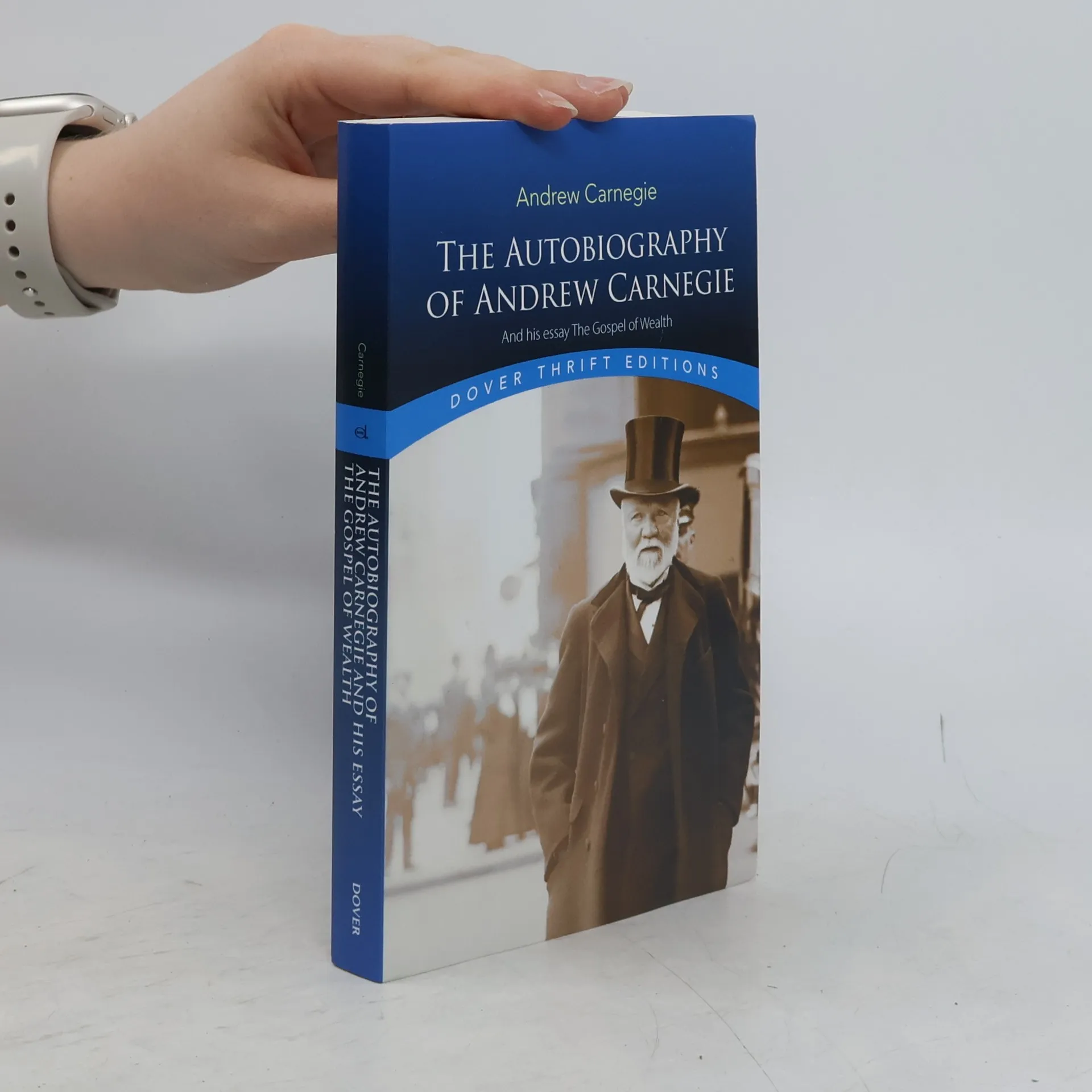
    • The enlightening memoir of the industrialist as famous for his philanthropy as for his fortune. His good friend Mark Twain dubbed him "St. Andrew." British Prime Minister William Gladstone called him an "example" for the wealthy. Such terms seldom apply to multimillionaires. But Andrew Carnegie was no run-of-the-mill steel magnate. At age 13 and full of dreams, he sailed from his native Dunfermline, Scotland, to America. The story of his success begins with a $1.20-a-week job at a bobbin factory. By the end of his life, he had amassed an unprecedented fortune-and given away more than 90 percent of it for the good of mankind. Here, for the first time in one volume, are two impressive works by Andrew Carnegie himself: his autobiography and "The Gospel of Wealth," a groundbreaking manifesto on the duty of the wealthy to give back to society all of their fortunes. And he practiced what he preached, erecting 1,600 libraries across the country, founding Carnegie Mellon University, building Carnegie Hall, and performing countless other acts of philanthropy because, as Carnegie wrote, "The man who dies thus rich dies disgraced."

      Autobiography of Andrew Carnegie