Anna Lowenhaupt Tsing ist eine Anthropologin, deren Werk sich mit den komplexen Beziehungen zwischen Mensch und Umwelt befasst. Ihre Forschung konzentriert sich oft darauf, wie marginalisierte Gemeinschaften komplexe ökologische und soziale Landschaften durchqueren, und offenbart einzigartige Perspektiven auf globale Vernetzung. Tsing's Schreibstil zeichnet sich durch seine nuancierte Erkundung des Zusammenspiels von Natur, Kultur und Machtdynamik aus und bietet tiefe Einblicke in die zeitgenössische Welt.
"A Field Guide to the Patchy Anthropocene leads the reader through a series of sites, observations, thought experiments, and genre-stretching descriptive practices to take stock of our current planetary crisis. This is a guide for researchers of many stripes; a book that nurtures and promotes a revitalized natural history in direct response to worlds falling apart"--
Das erste neue Leben, das sich nach der nuklearen Katastrophe in Hiroshima wieder regte, war ein Pilz. Ein Matsutake, der auf den verseuchten Trümmern der Stadt wuchs – einer der wertvollsten Speisepilze Asiens, der nicht nur in Japan, wo er Spitzenpreise aufruft, vorkommt, sondern auf der gesamten Nordhalbkugel verbreitet ist. Dieser stark riechende Pilz wächst bevorzugt auf von der Industrialisierung verwüsten und ruinierten Böden und ist nicht kultivierbar. In ihrem faszinierenden kaleidoskopischen Essay geht die Anthropologin Anna Lowenhaupt-Tsing den Spuren dieses Pilzes sowie seiner biologischen und kulturellen Verbreitung nach und begibt sich damit auch auf die Suche nach den Möglichkeiten von Leben in einer vom Menschen zerstörten Umwelt. Sie erzählt Geschichten von Pilzsammlern, Wissenschaftlern und Matsutake-Händlern und öffnet einen neuen und ungewohnten Blick auf unsere kapitalistische Gegenwart. Denn eigentlicher Gegenstand ihrer preisgekrönten und in viele Sprachen übersetzten Erzählung ist die Ökologie des Matsutake, das Beziehungsgeflecht um den Pilz herum, als pars pro toto des Lebens auf den Ruinen des Kapitalismus, das ein Leben in Beziehungen sein – oder aber nicht sein wird.
Bill went for a walk. He went over a river, up a hill and into a wood and
behind a waterfall. A few steps behing Bill, however, is a hungry bear with an
eye on Bill's sandwiches. The bear's attempts to grab the sandwiches are
foiled be a variety of minor disasters.
A non-fiction, photographic picture book about the different parts of an oak
tree and the creatures that live in its roots, trunk, bark, branches and
leaves. The photographs and life-like illustrations answer the repeated
question: 'Who lives...?'
What do you like to eat? This non-fiction recount features several children
answering the question over the course of a day. It features different types
of food using photographs, labels, speech bubbles and a clock face showing
when different meals are typically eaten.
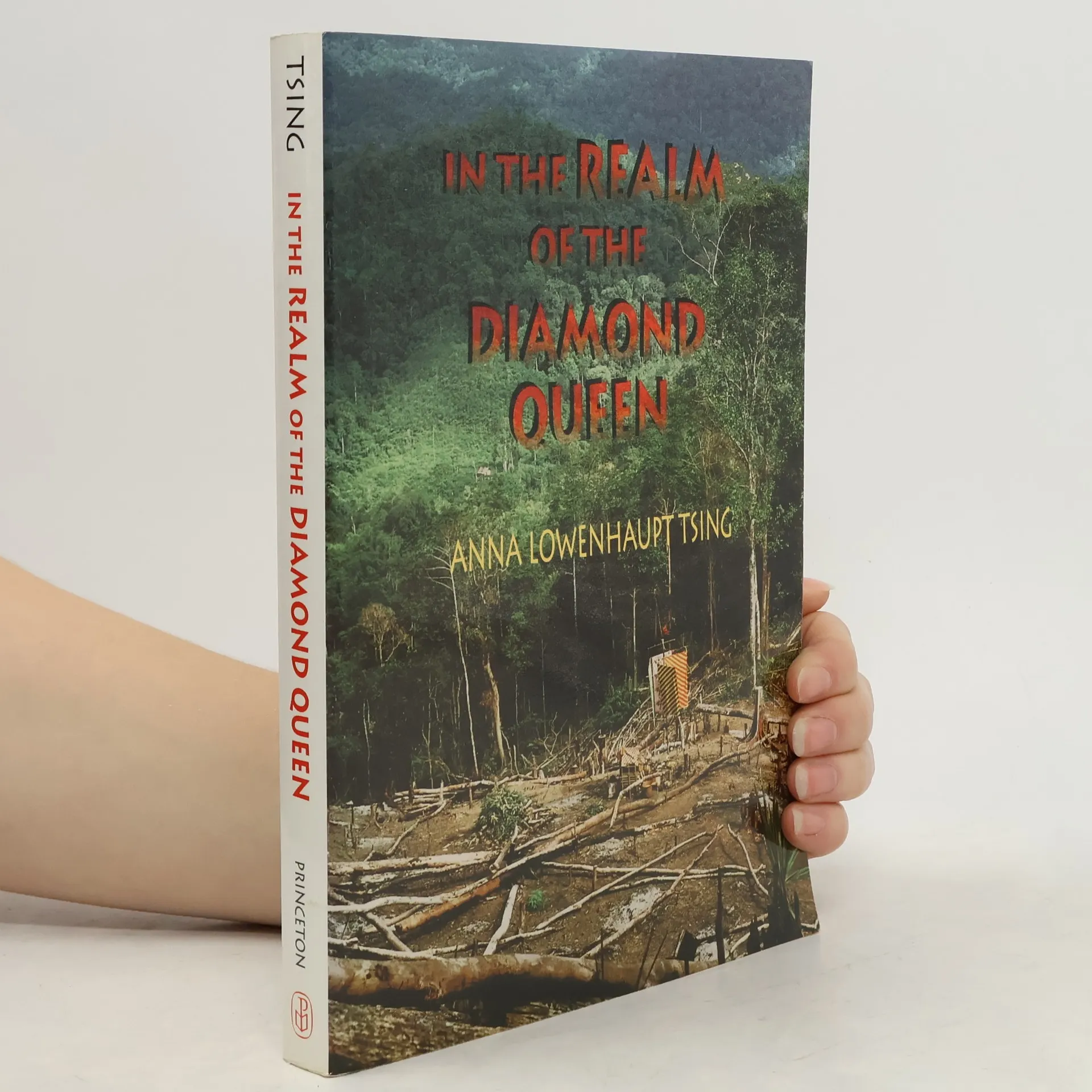
Im Meratusgebirge auf Borneo verändert sich der Regenwald seit 1970 durch Holzernte und Ressourcenabbau. Korrupte Behörden und Investoren verdrängen einheimische Waldbewohner. Gleichzeitig bilden sich Allianzen zum Schutz des Waldes. Anna Lowenhaupt Tsing dokumentiert diese komplexen sozialen Interaktionen und deren kulturelle Auswirkungen.
An ethnography that focuses on Meratus Dayaks, a marginal and marginalized
group in the deep rainforest of South Kalimantan, Indonesia. It looks not for
consensus and coherence in Meratus culture but rather allows individual
Meratus men and women to return our gaze.