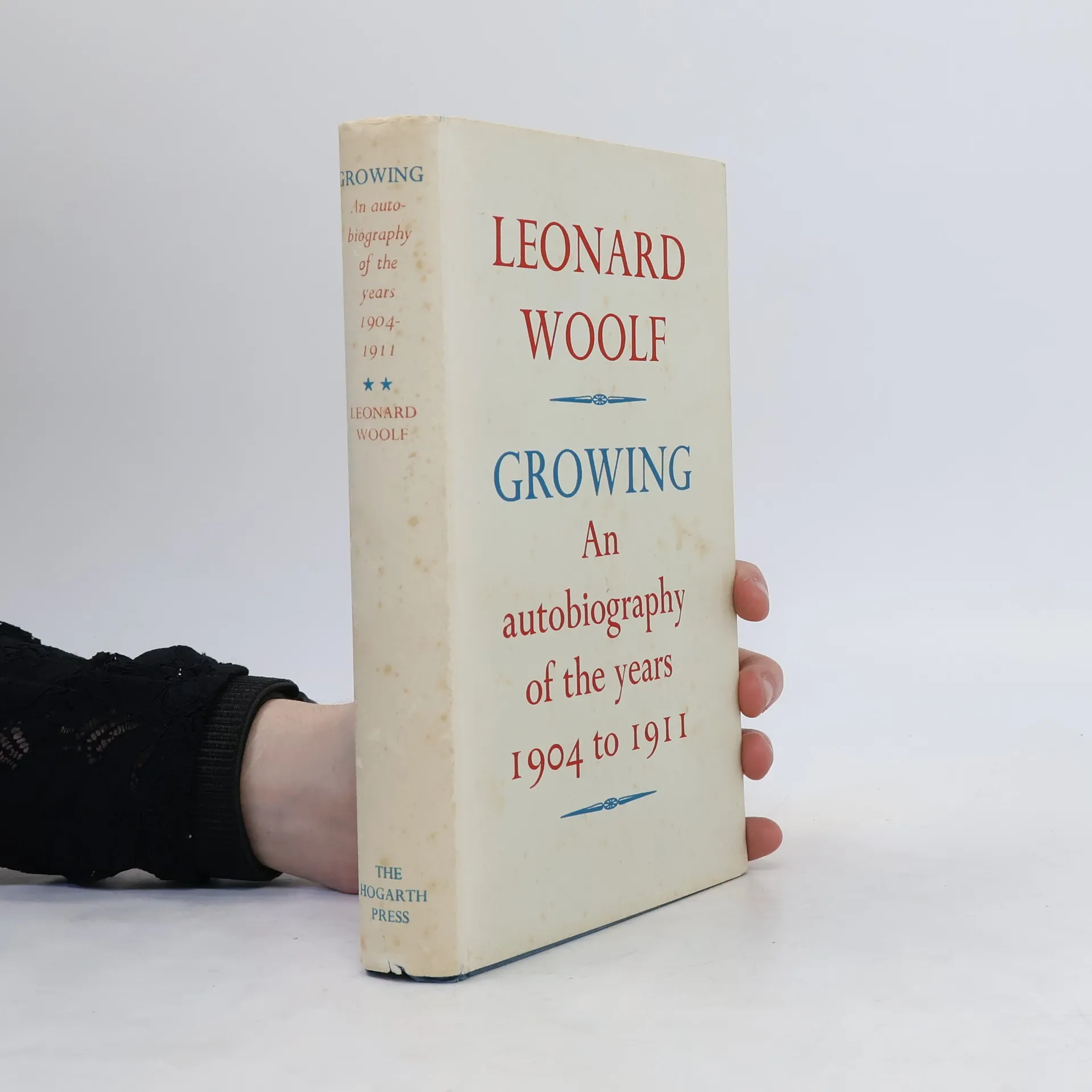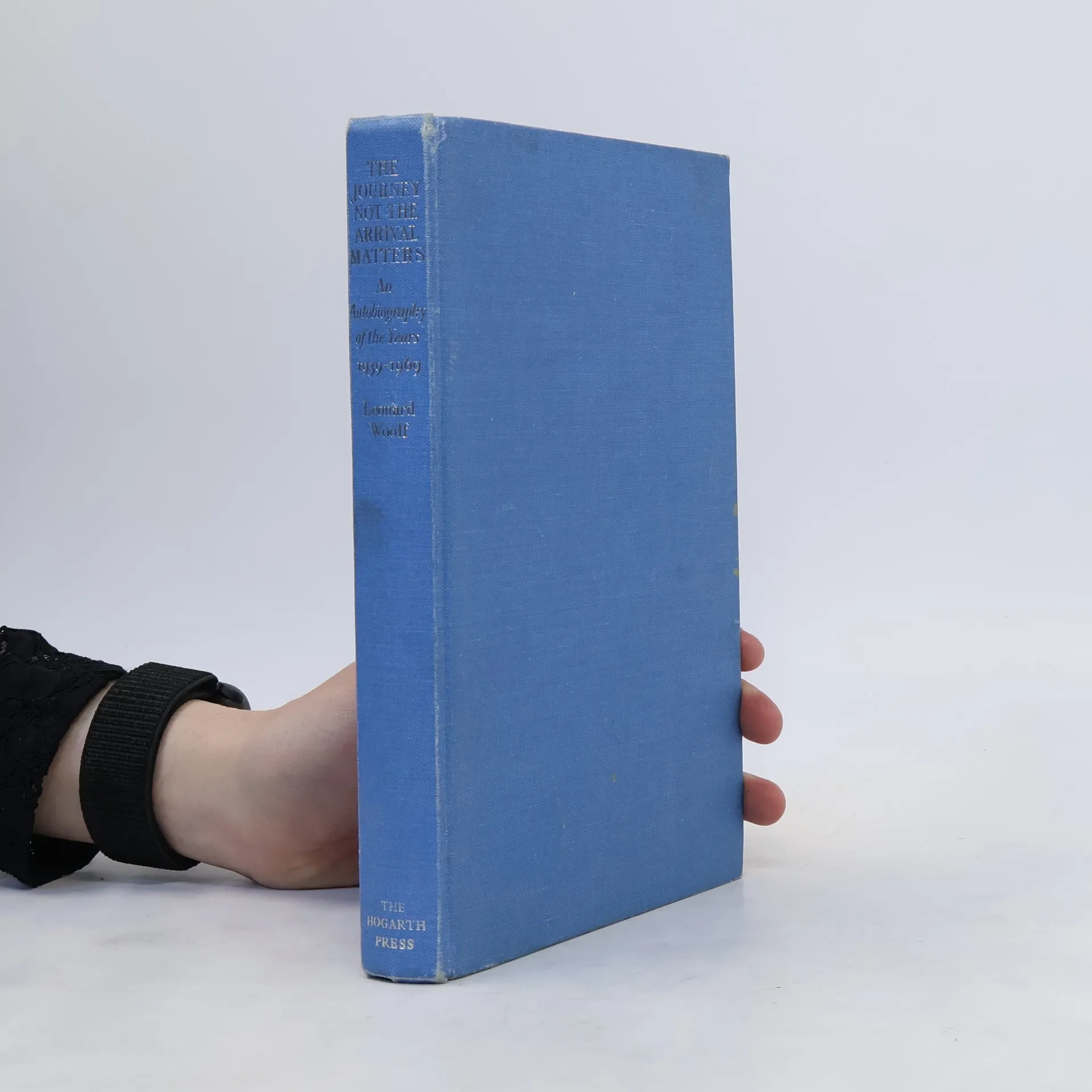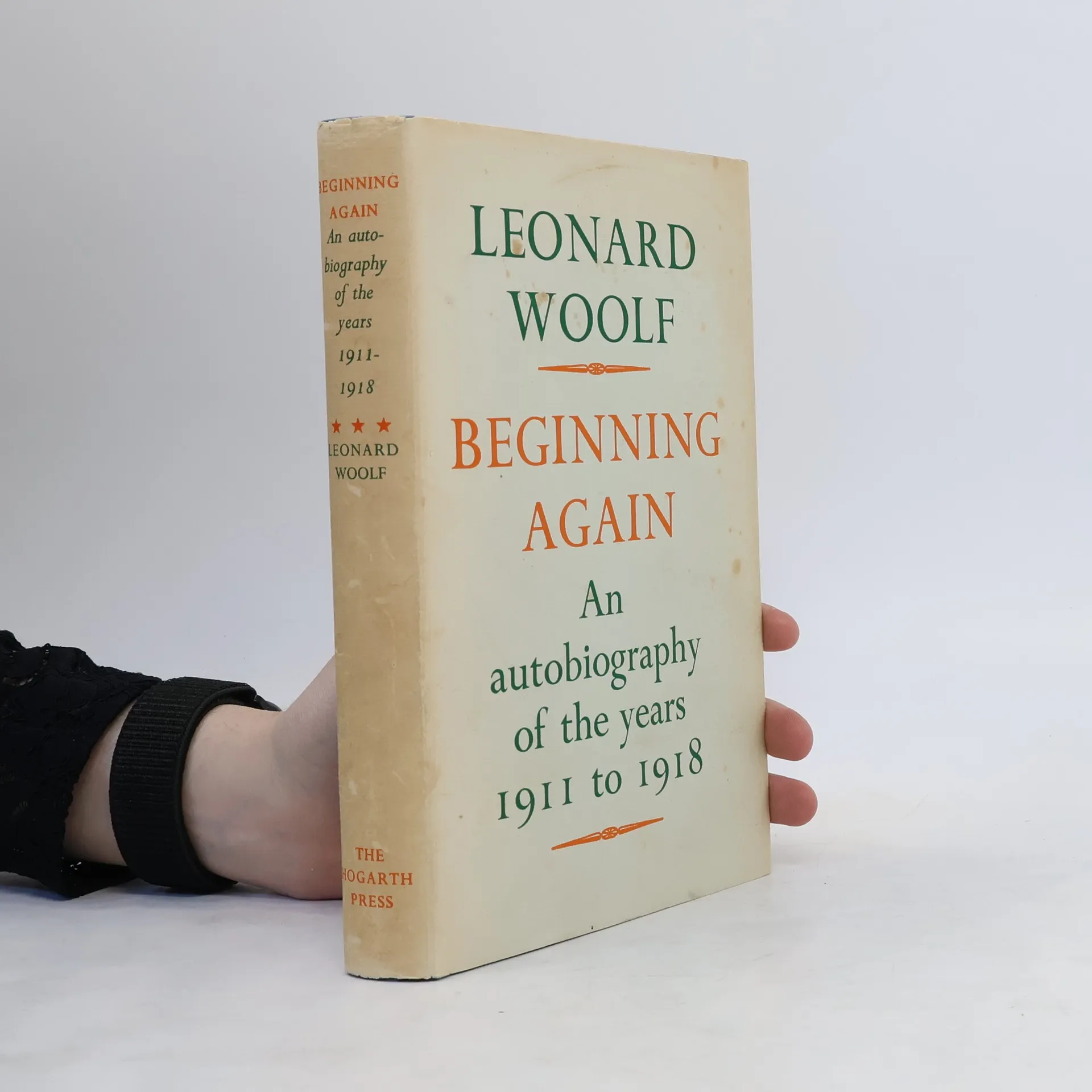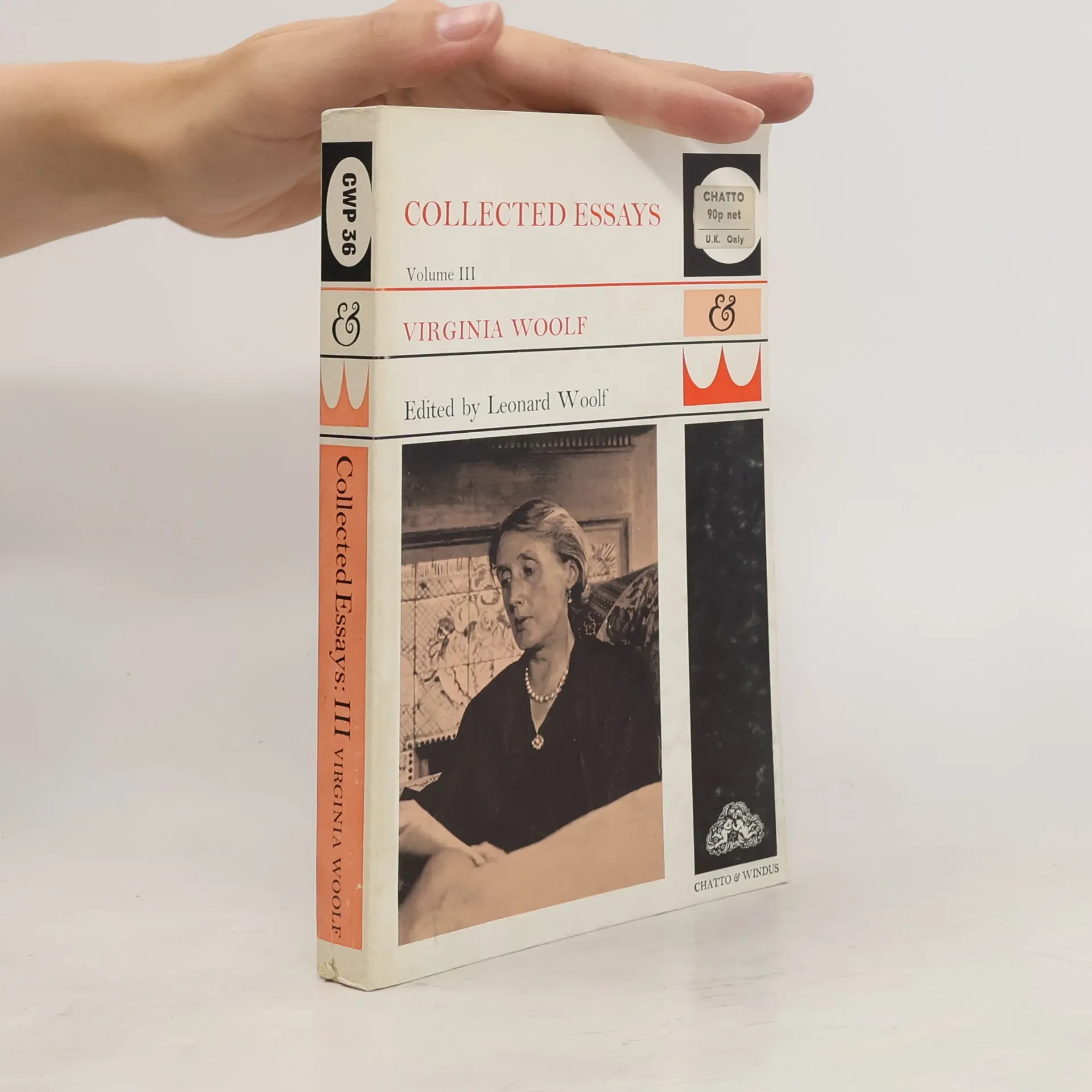
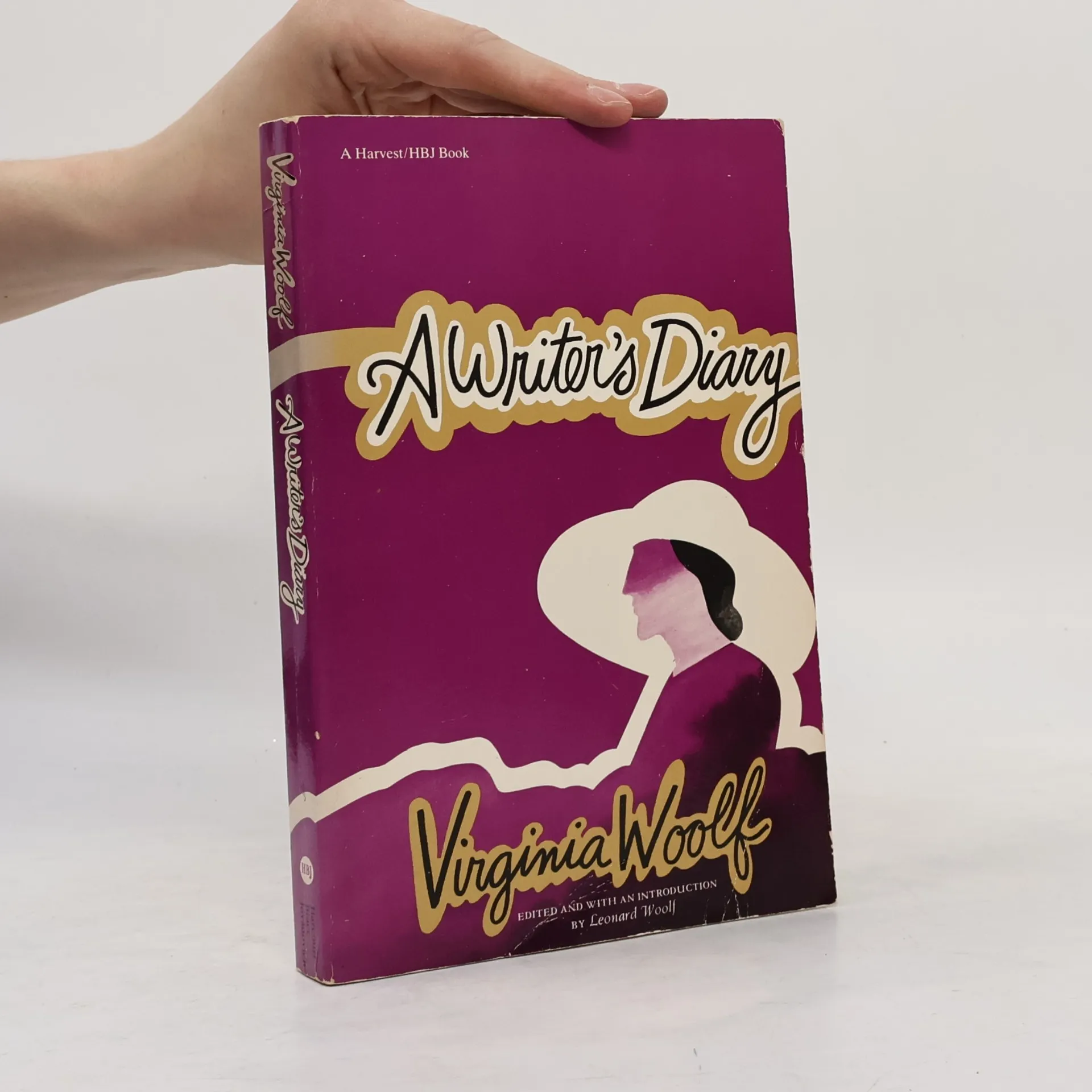
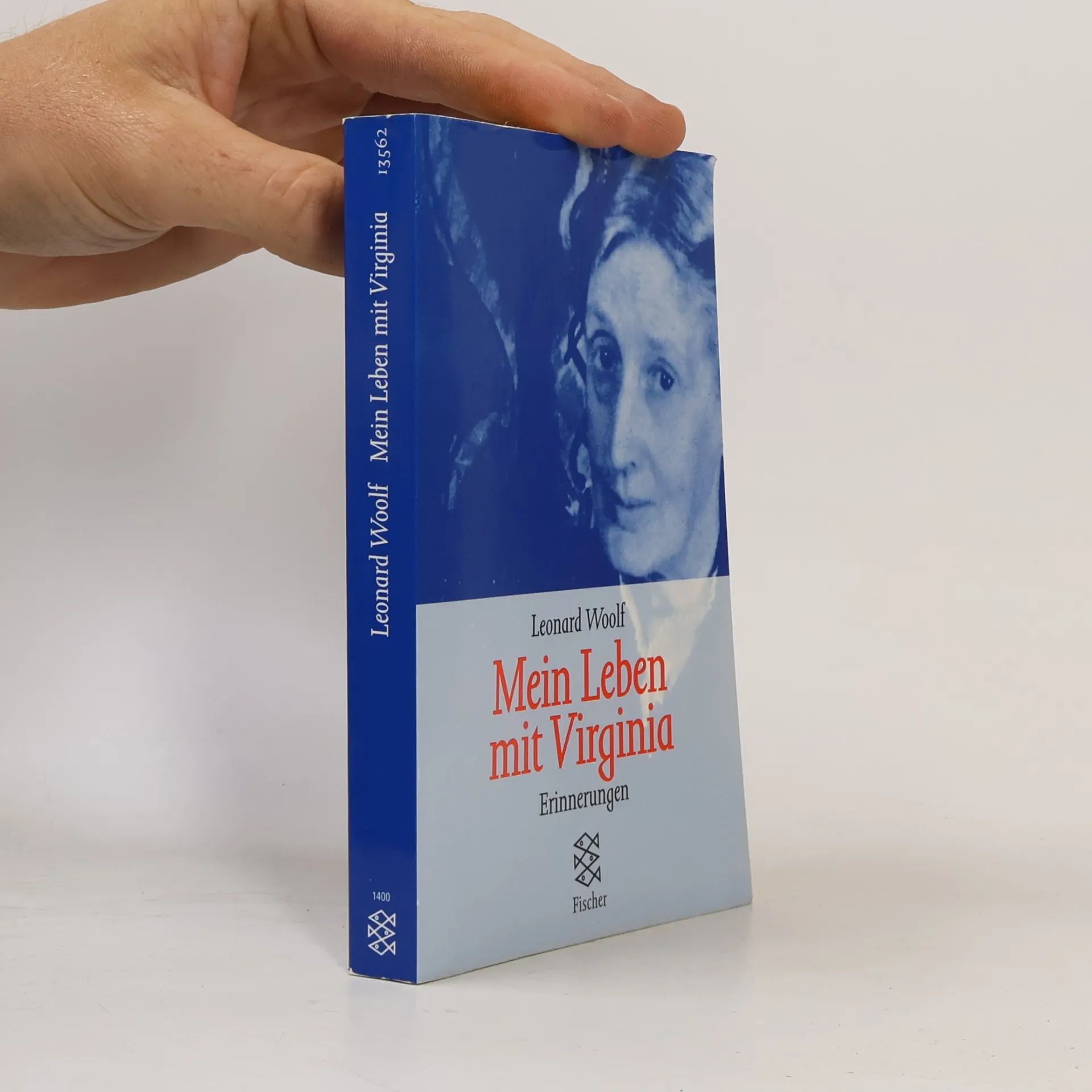
In ihrem Abschiedsbrief an Leonard Woolf schrieb Virginia Woolf: „Wenn jemand mich hätte retten können, wärest Du es gewesen.“ Leonard war der engste Vertraute der bedeutendsten Schriftstellerin des 20. Jahrhunderts. In den Auszügen seiner Autobiografie beschreibt er die fast dreißig Jahre ihrer Ehe, geprägt von der Freundschaft zur berühmten Bloomsbury Group. 1917 erwarben sie eine Handpresse, um das Drucken zu erlernen, was zur Gründung ihrer eigenen Hogarth Press führte, in der Virginias bedeutende Werke veröffentlicht wurden. Leonard reflektiert über die Herausforderungen, die mit der Rolle als Schriftstellerin und Verlegerin verbunden sind, und erörtert, wie viel die Woolfs an ihren berühmten Romanen wie Orlando und Mrs Dalloway verdienten. Offen spricht er über die extremen Höhen und Tiefen im Schreibprozess seiner Frau, ihre Selbstzweifel und seine Sorgen um ihren psychischen Zustand, die ihre Ehe von Anfang an prägten. Leonard zeigt, wie zentral Virginia in seinem Leben war, und widmete sich aus Liebe und Bewunderung ihrem Wohlergehen: „Virginia ist der einzige Mensch, den ich gut gekannt habe, der die Eigenschaft hatte, die man Genie nennen muss.“
Leonard Sidney Woolf Bücher
Leonard Woolf war ein britischer politischer Theoretiker und Autor, der nicht nur für seine veröffentlichten Werke, sondern auch als Ehemann von Virginia Woolf bekannt wurde. Seine Schriften befassten sich mit tiefgreifenden Fragen der Politik und Gesellschaft. Als Verleger war er Mitbegründer einer bedeutenden literarischen Verlagsanstalt. Sein intellektueller Beitrag prägte den Diskurs seiner Zeit.


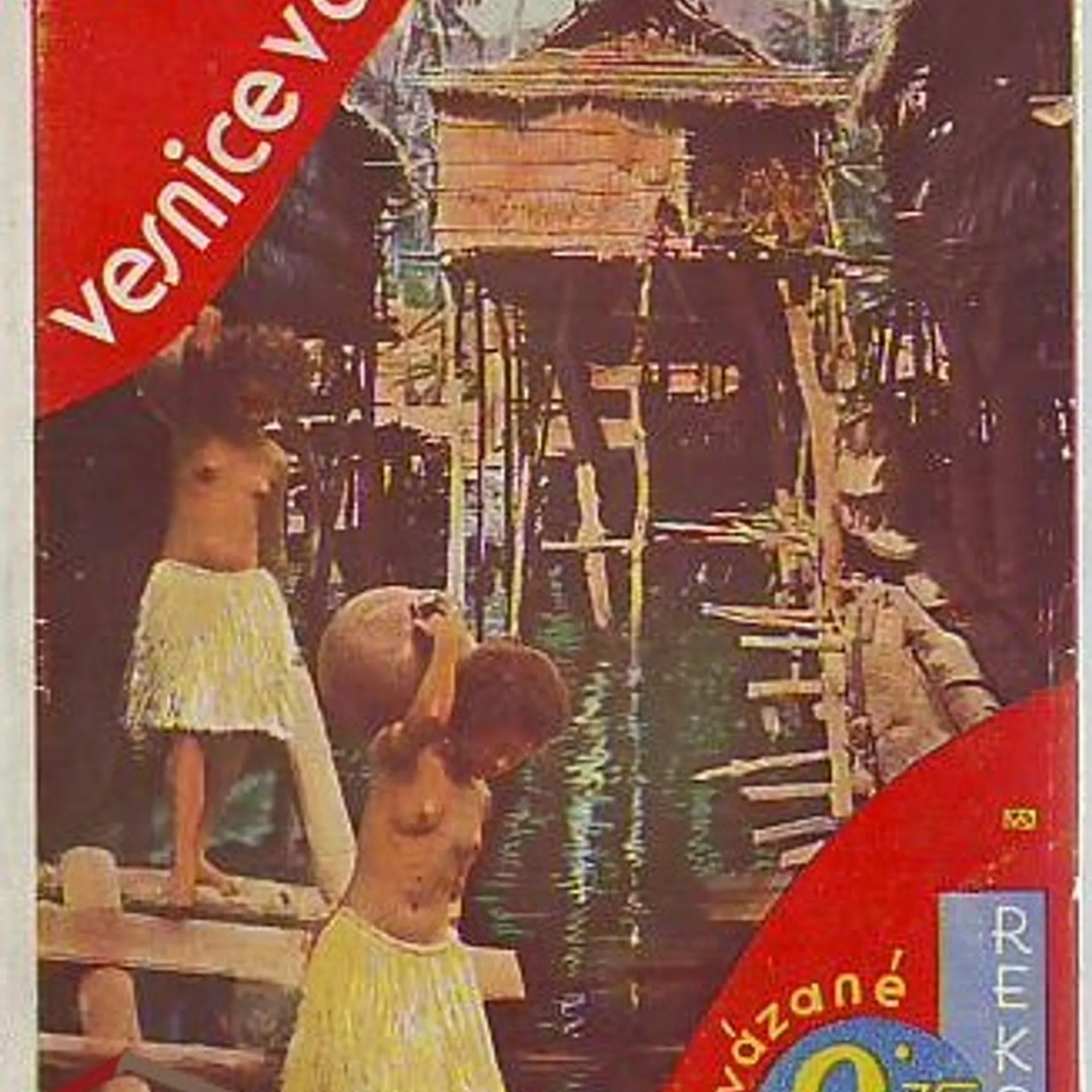
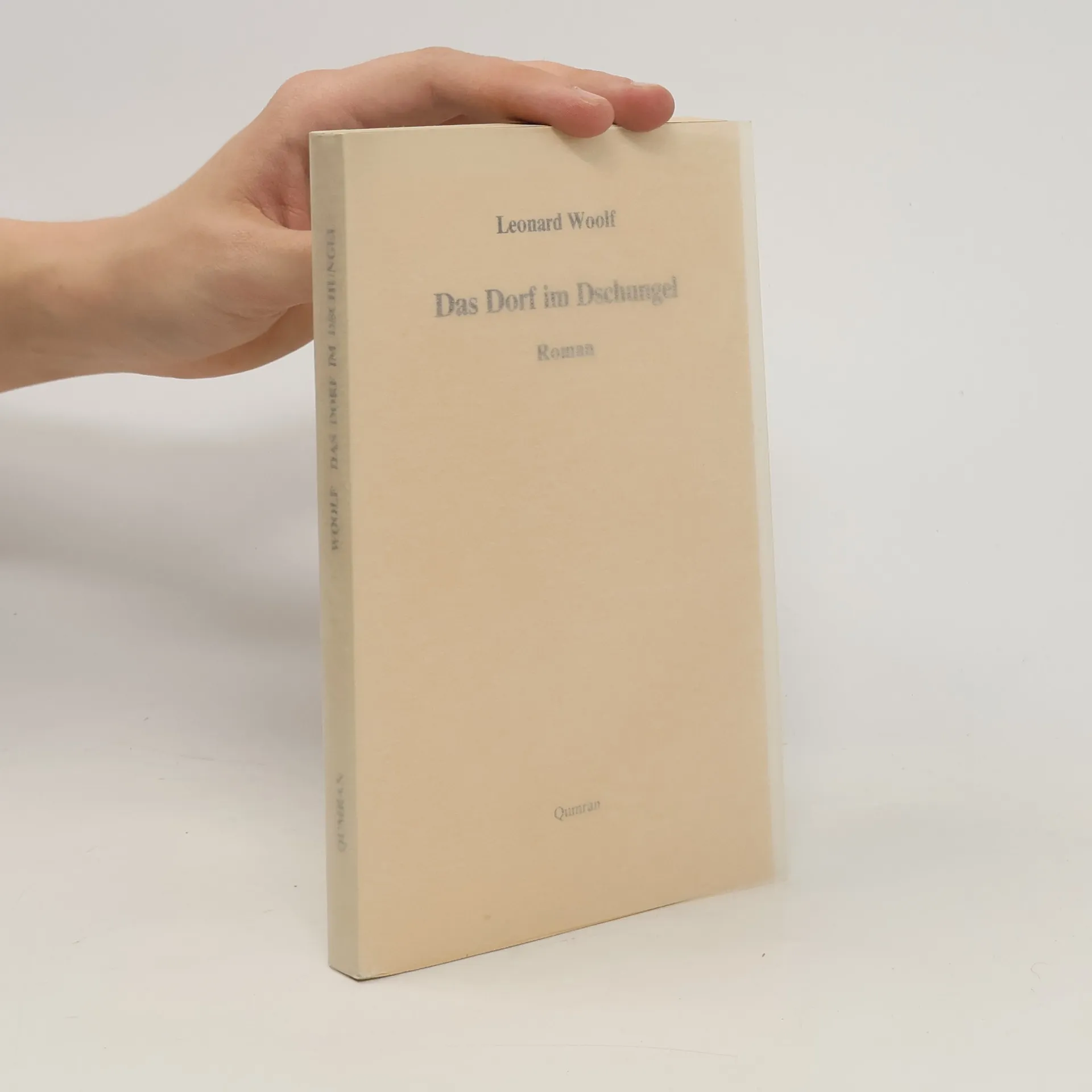
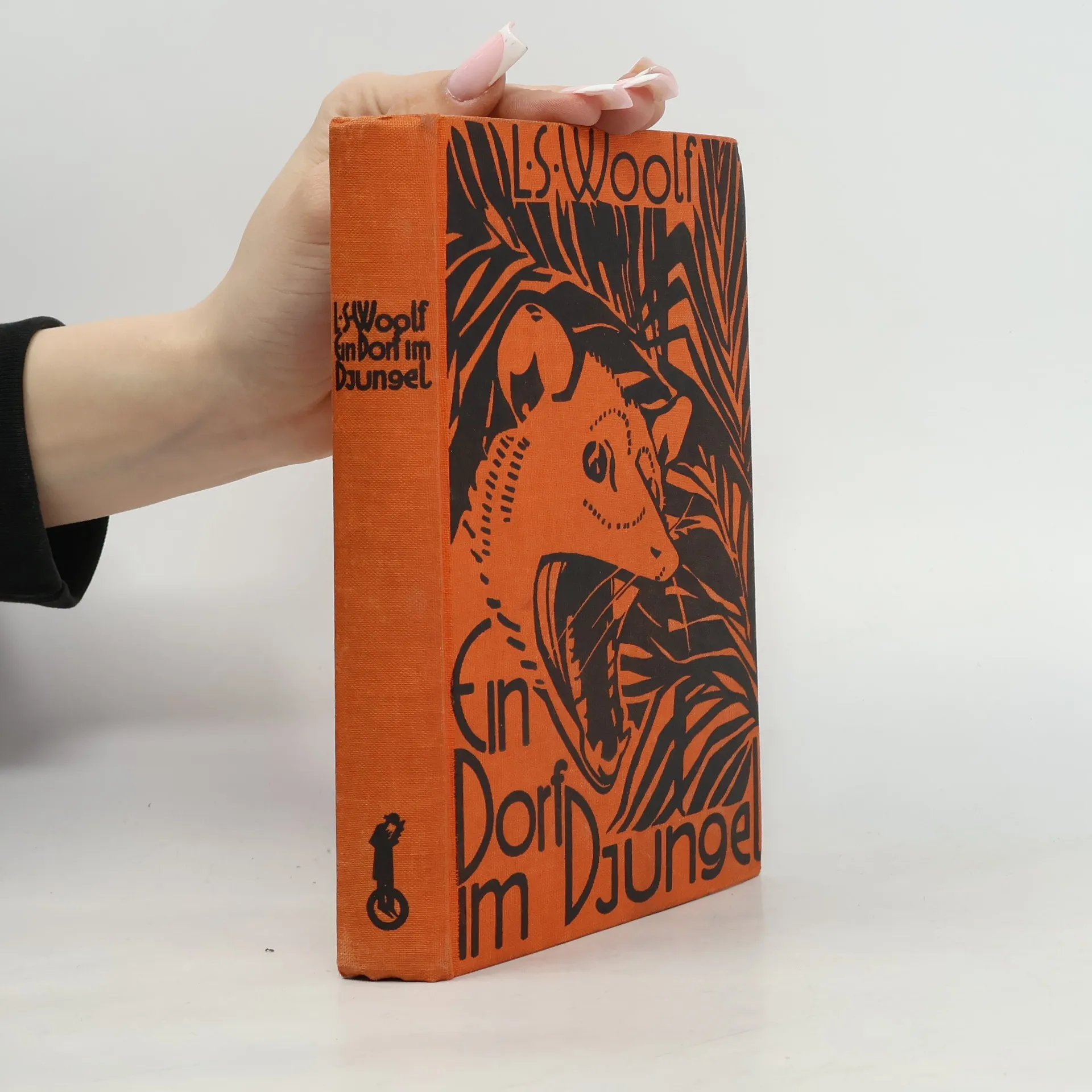
The classic novel of colonial Ceylon (Sri Lanka), first published in 1913 and written Virginia Woolf's husband. This novel, set in Ceylon, follows the lives of a handful of villagers hacking out a fragile existence in a jungle where indiscriminate growth, indifferent fate and malevolent neighbours constantly threaten to overwhelm them.
The Wise Virgins
- 336 Seiten
- 12 Lesestunden
The Wise Virgins (1913) is a semi-autobiographical novel about a dilemma: whether Harry, the hero, should go into the family business and marry the suitable but dull girl next door or move in artistic circles and marry one of the entrancing 'Lawrence' girls. For, as Lyndall Gordon writes in her Persephone Preface: 'It is a truth widely acknowledged that Camilla Lawrence is a portrait of the author's wife - Virginia Woolf.' This is one reason why the novel is so intriguing. But it is also a Forsterian social comedy, funny, perceptive, highly intelligent, full of clever dialogue and at times bitterly satirical; while the dramatic and emotional denouement still retains a great deal of its power to shock. It was on his honeymoon in 1912 that Leonard Woolf began writing his second (and final) novel. He was 31, newly returned from seven years as a colonial administrator, and asking himself much the same questions as his hero. Helen Dunmore wrote in The Sunday Times: 'It's a passionate, cuttingly truthful story of a love affair between two people struggling against the prejudices of their time and place. Woolf's writing is almost unbearably honest.'
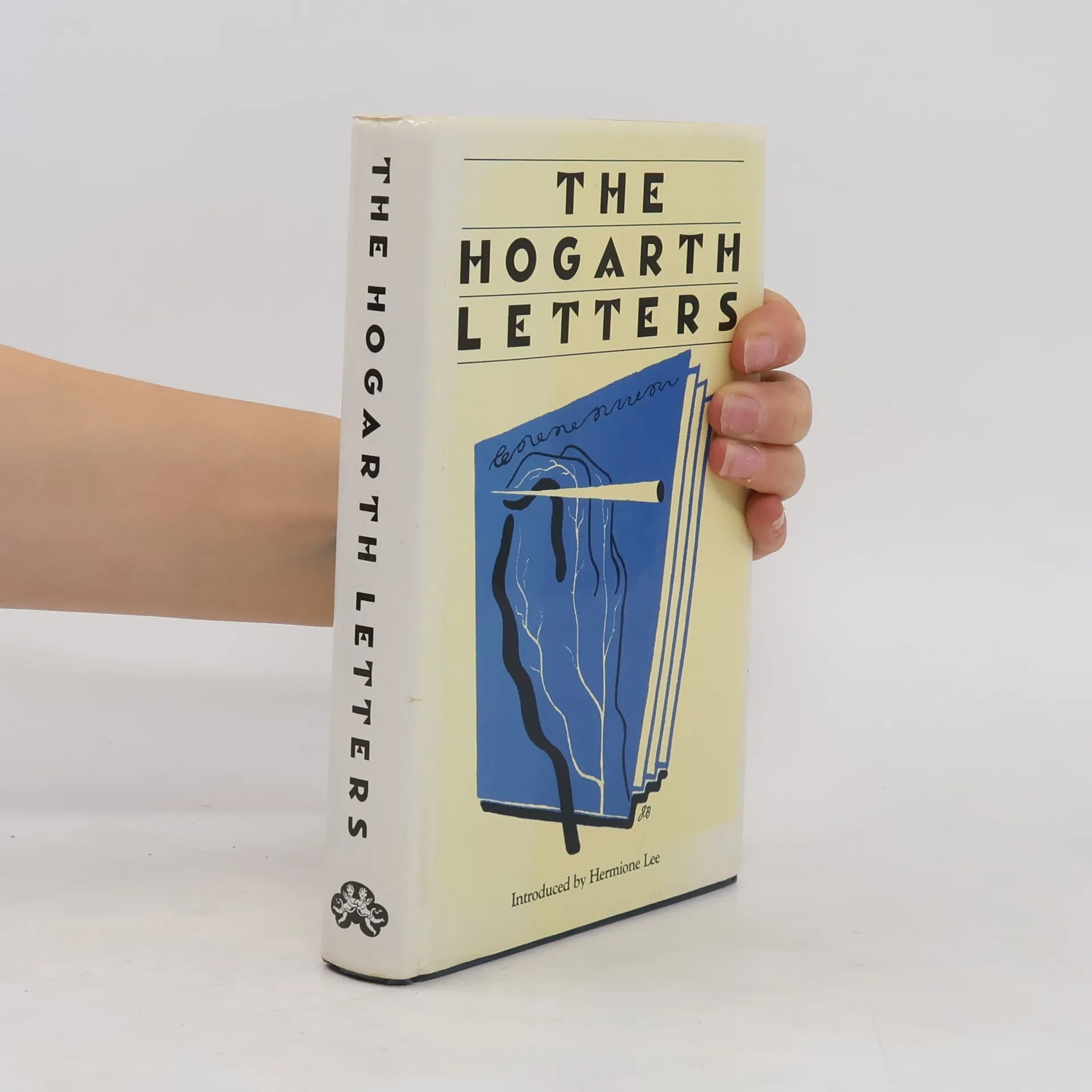
A series of letters commissioned by Virginia and Leonard Woolf in the early 1930s
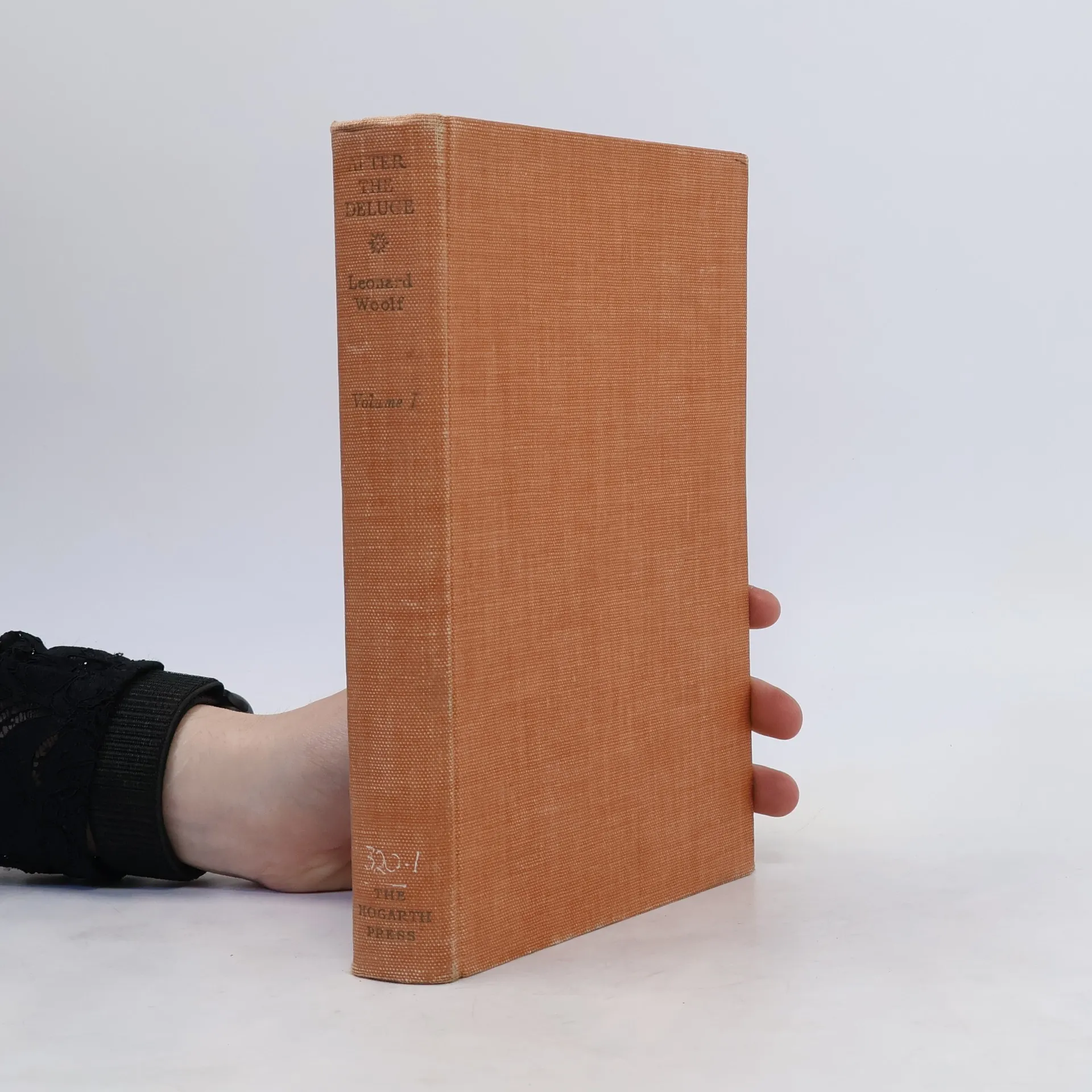
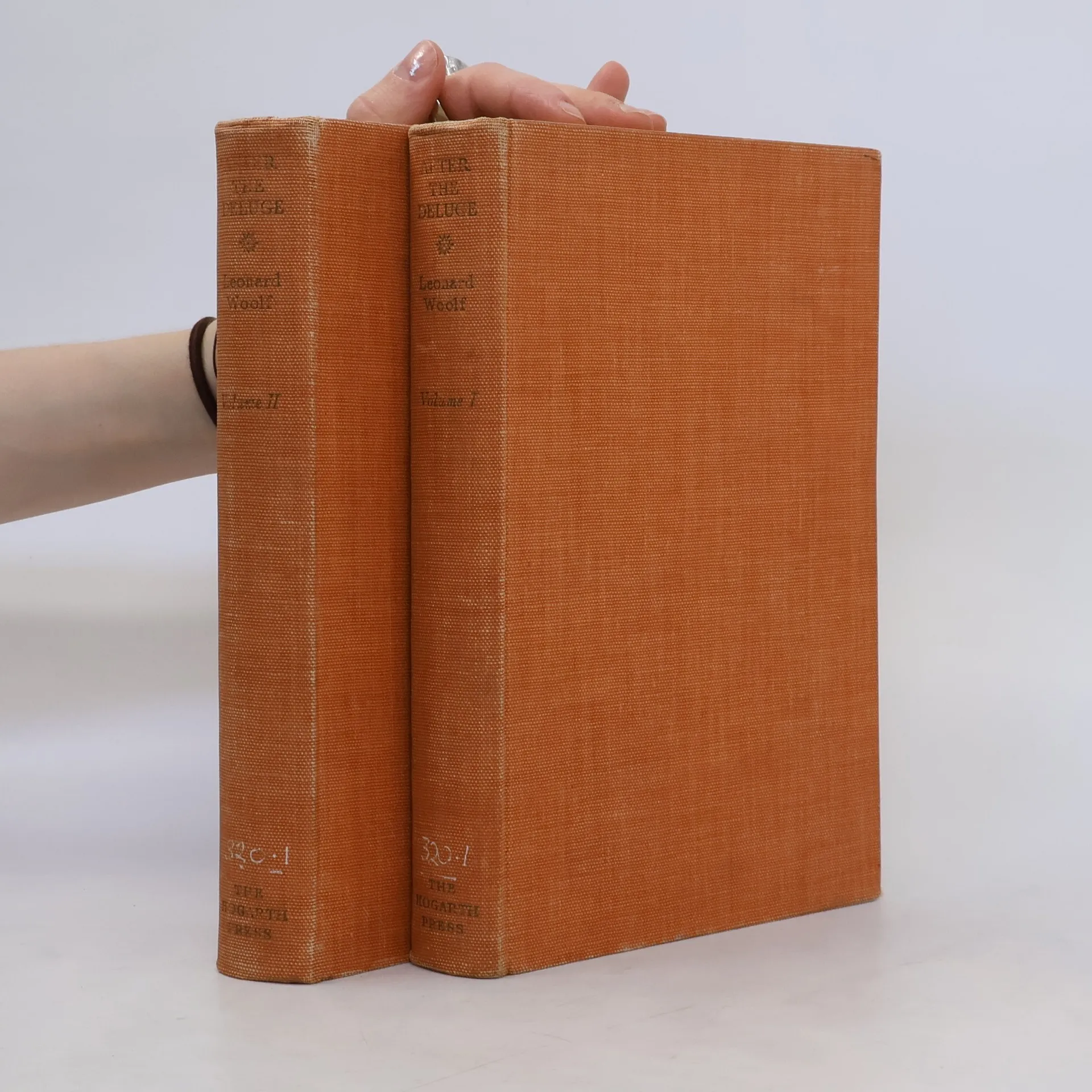
After the Deluge I-II
- 2 Bände
Set in the aftermath of World War I, this two-volume work by Leonard Woolf explores the complexities of post-war society through the lens of personal relationships and social change. The narrative follows the lives of several characters as they navigate the shifting cultural landscape of England during the 1920s. Central to the story is the character of Edward, a disillusioned soldier grappling with the psychological scars of war, and his interactions with various figures representing different facets of society, including intellectuals, artists, and the emerging middle class. Themes of loss, recovery, and the search for meaning in a changed world are prevalent throughout the text. Woolf delves into the impact of war on individual psyches and the broader societal implications, examining how characters attempt to rebuild their lives amidst the ruins of their former existence. The interplay between personal ambition and collective experience is a recurring motif, as characters confront their own desires in the context of a society struggling to redefine itself. Through rich character development and a nuanced portrayal of the era, the work offers a reflective examination of the human condition in the face of adversity and change.
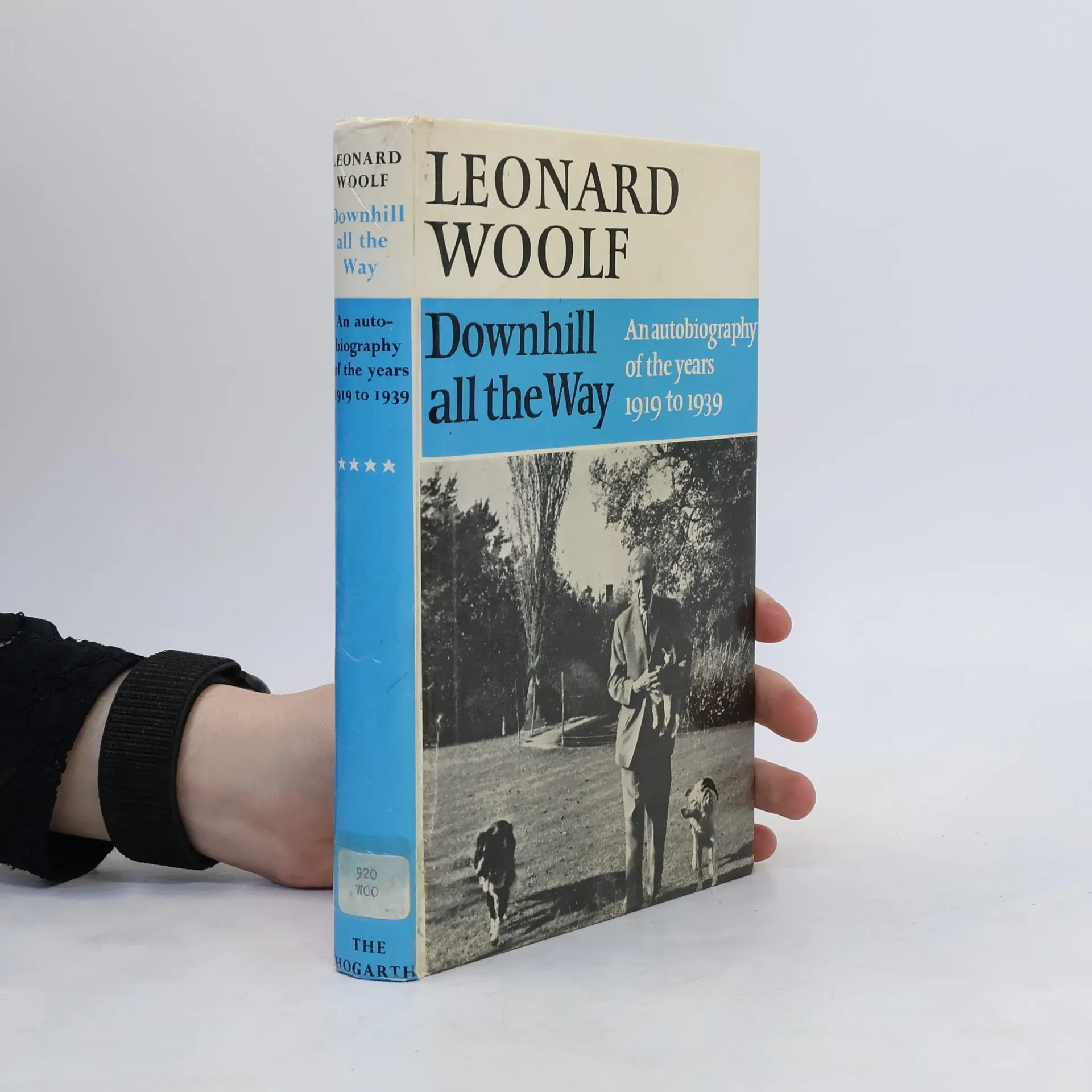
Downhill All the Way
An Autobiography of the Years 1919-1939
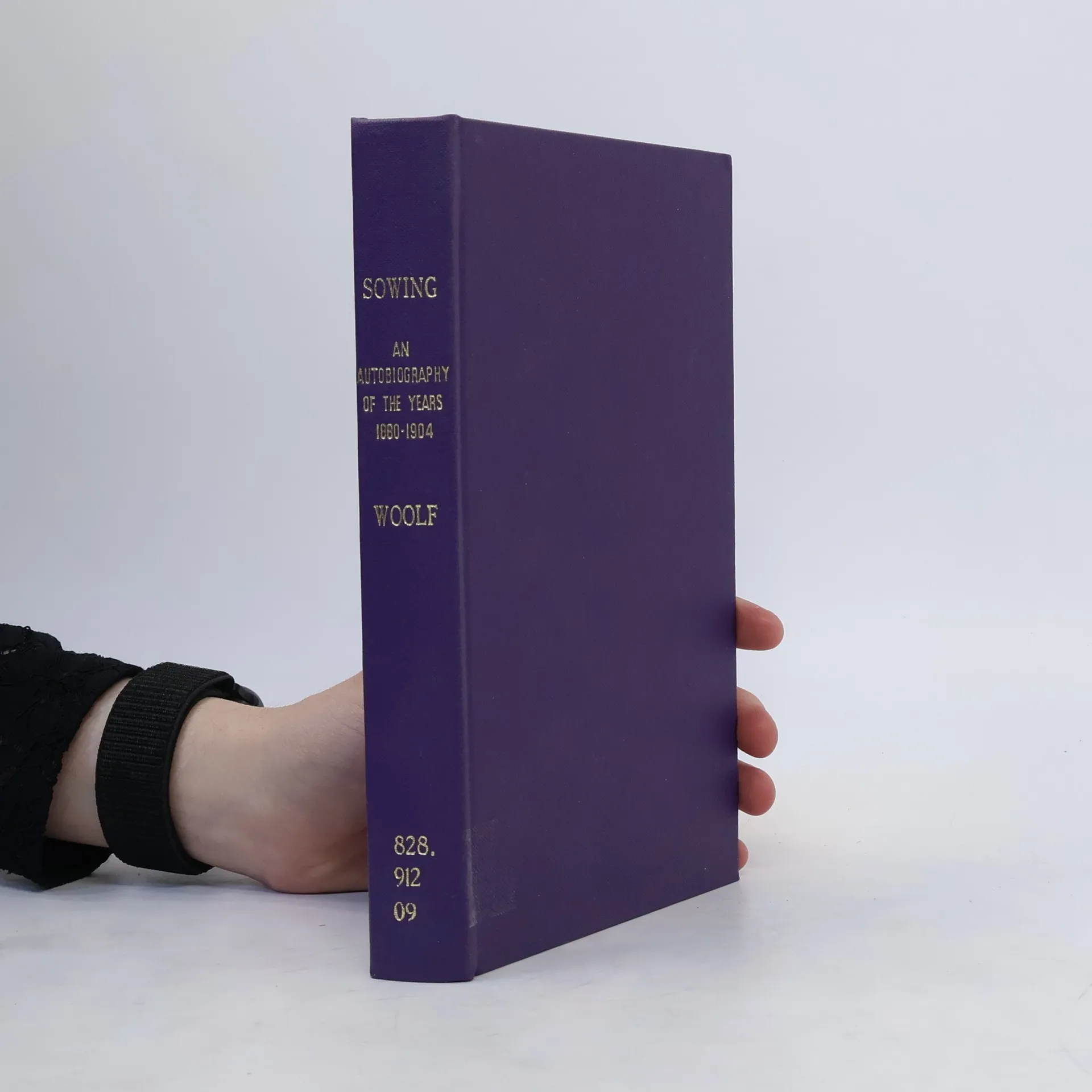
Sowing. An Autobiography
An Autobiography of the Years 1880 to 1904