Leitfaden für Scrum Master, Product Owner und andere Führungskräfte
512 Seiten
18 Lesestunden
Agilität ist entscheidend für die Wettbewerbsfähigkeit von Unternehmen im 21. Jahrhundert, da etwa 94% bereits agile Methoden anwenden. Eine agile Kultur wird von Schlüsselpersonen wie Scrum Mastern und Agile Coaches getragen, die zu Agile Mastern ausgebildet werden müssen, um ihre Rolle effektiv auszufüllen. Dieses Buch beleuchtet die Bedeutung dieser Rollen und deren Einfluss auf die Performance und Anpassungsfähigkeit von Unternehmen in einem dynamischen Umfeld.
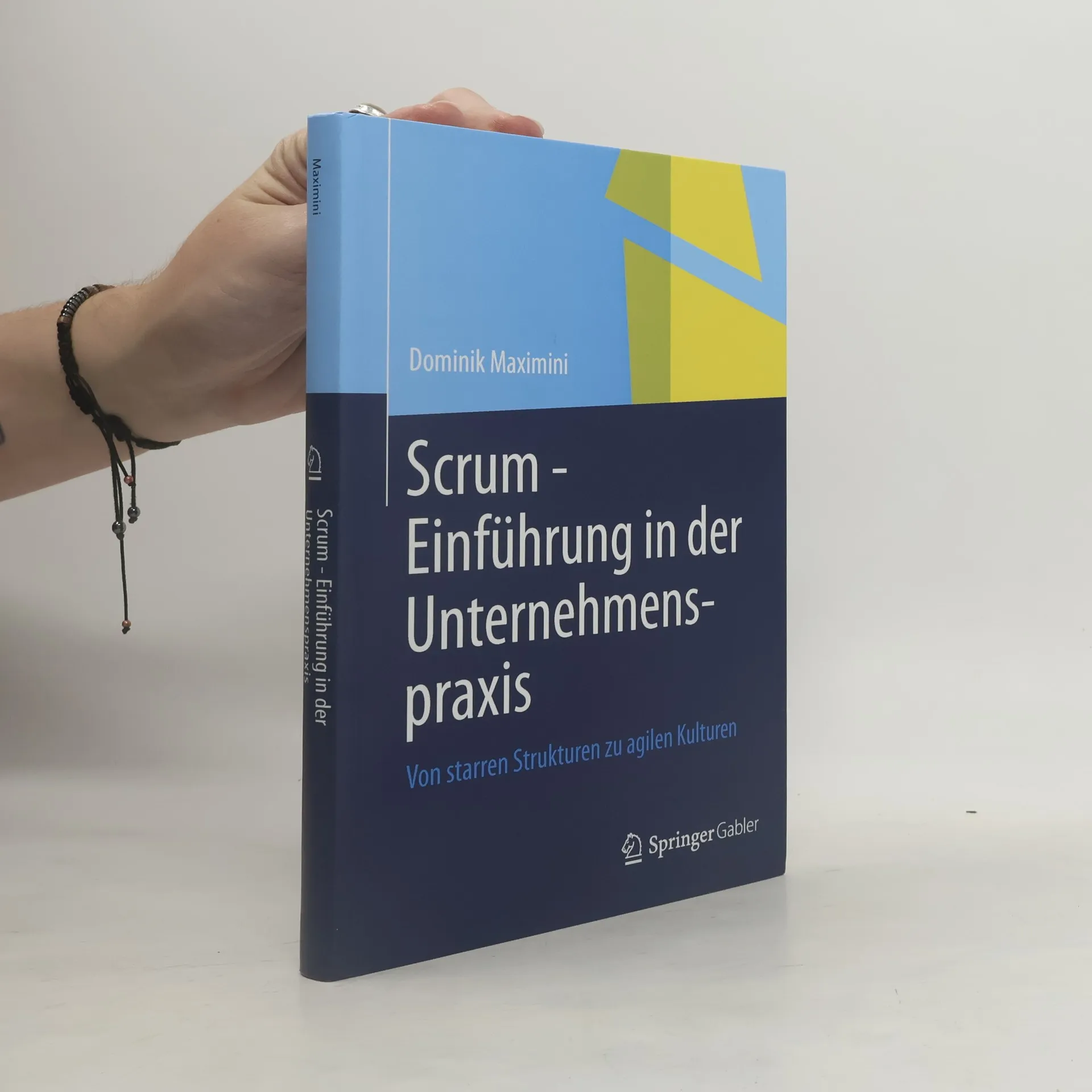
Agile Entwicklungsmethoden für Software, allen voran Scrum, sind auf dem Vormarsch und werden mittlerweile von der Mehrheit der Unternehmen eingesetzt. Leider werden bei den meisten Scrumeinführungen fundamentale Fehler gemacht, die dazu führen, dass die Prozesse versagen. Insbesondere die Grundregeln zur Organisationsentwicklung werden missachtet. Dieses Buch zeigt anhand einer theoretischen Einführung, Praxisbeispielen und einer Fallstudie, wie Scrum richtig eingeführt wird. Dabei wird sowohl auf unterschiedliche Zielzustände (ist ein einzelnes Team oder die ganze Organisation betroffen?), als auch auf verschiedene Herangehensweisen (Bottom-Up / Top-Down) eingegangen.
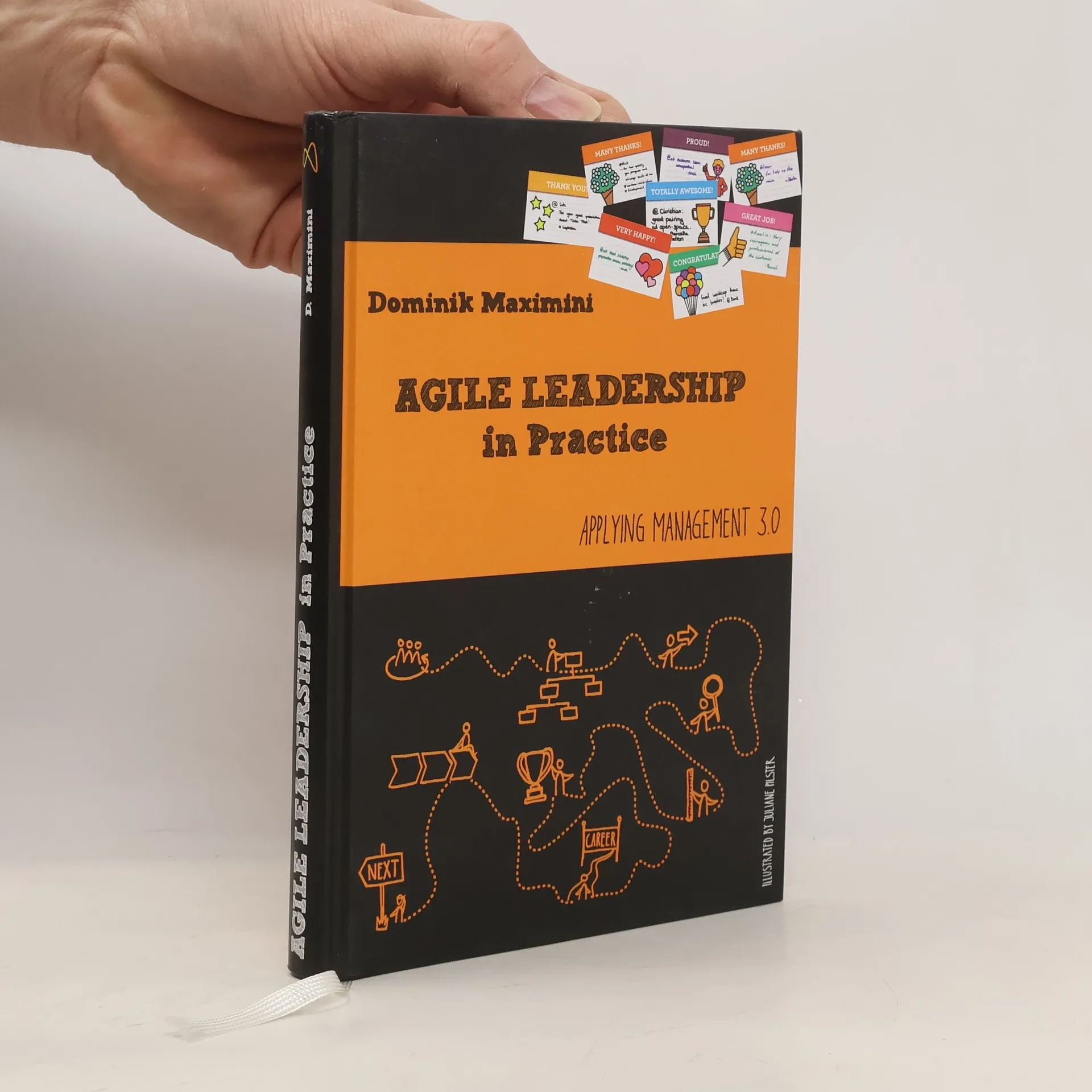
This book is a comprehensive experience report, describing the agile
transformation journey we at NovaTec, a 200-person strong consulting
organization, have taken to date and continue to endeavor upon. Leaders and
agile coaches who read it will benefit from both our success and our failure
stories. Revolving around nine main chapters, each one focuses on specific
aspects of our change. These include establishing values in business, holistic
people recruitment and retention, innovation of performance appraisals, re-
thinking organizational structure, re-design of leadership roles, streamlining
measurement and reward systems, and enhancing career paths. The ninth chapter
takes you deeper into some specific processes we changed, such as company
decision-making, SMILE (company improvement budget at the discretion of
employees), project selection, holiday leave and career coaching. In changing
all this, we relied heavily on Management 3.0, a collection of management
principles and practices which fit perfectly in an agile world. If you want to
move beyond the theory and learn from other organizations on how they are
approaching their agile transformation, then this book is for you. It is very
hands on throughout and allows you to derive your own change experiments
directly from it. This includes experiments that you might be best off
avoiding.