Gratis Versand in ganz Österreich
Bookbot

Eva Hoffman

    1. Juli 1945

    Eva Hoffman erkundet meisterhaft die vielschichtigen Landschaften von Identität und Erinnerung, wobei sie oft die tiefgreifenden Erfahrungen von Einwanderung und kulturellem Wandel einbezieht. Ihre Schriften befassen sich damit, wie Sprache und Umwelt unsere Selbstwahrnehmung und die uns umgebende Welt prägen. Hoffman bietet tiefe Reflexionen über die menschliche Verfassung, die Suche nach Zugehörigkeit und den fortlaufenden Prozess der Selbstfindung. Ihr unverwechselbarer literarischer Stil zeichnet sich durch nachdenkliche Prosa und scharfsinnige Beobachtungen aus, die den Leser in die Tiefen des menschlichen Bewusstseins und gesellschaftlicher Dynamiken entführen.

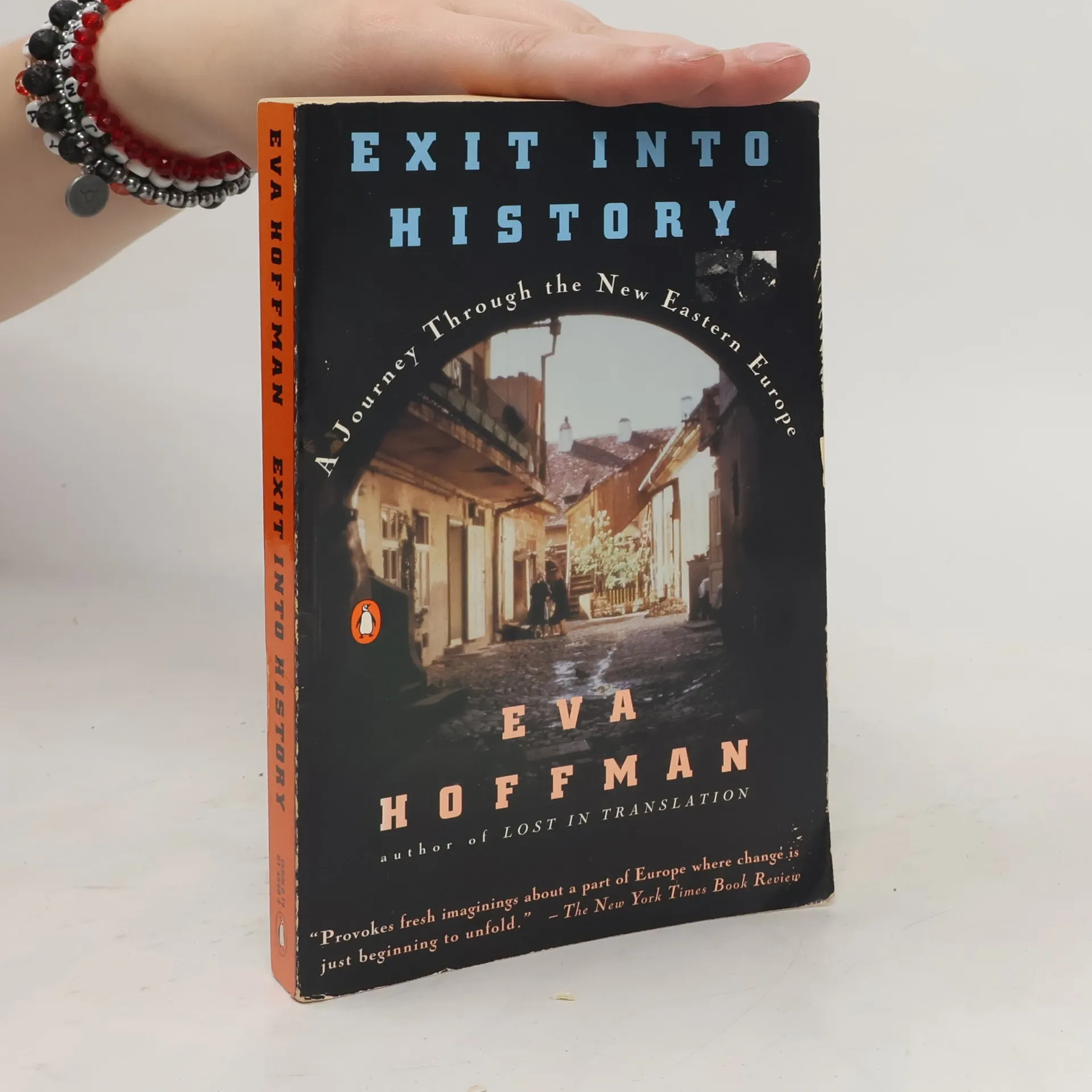
    Exit into History
    Exit into History : A Journey Through the New Eastern Europe
    After such knowledge
    Die kopierte Frau
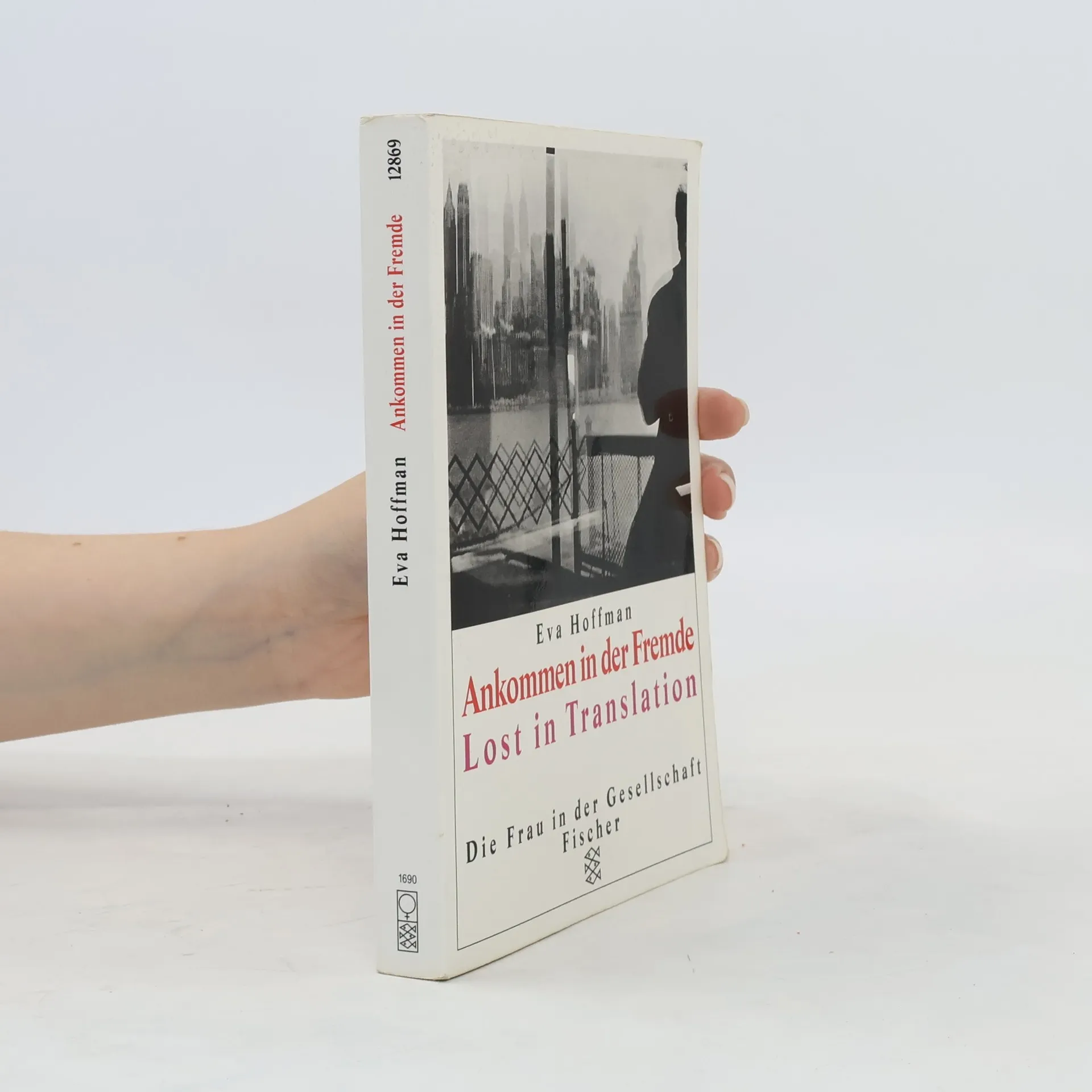
    Ankommen in der Fremde
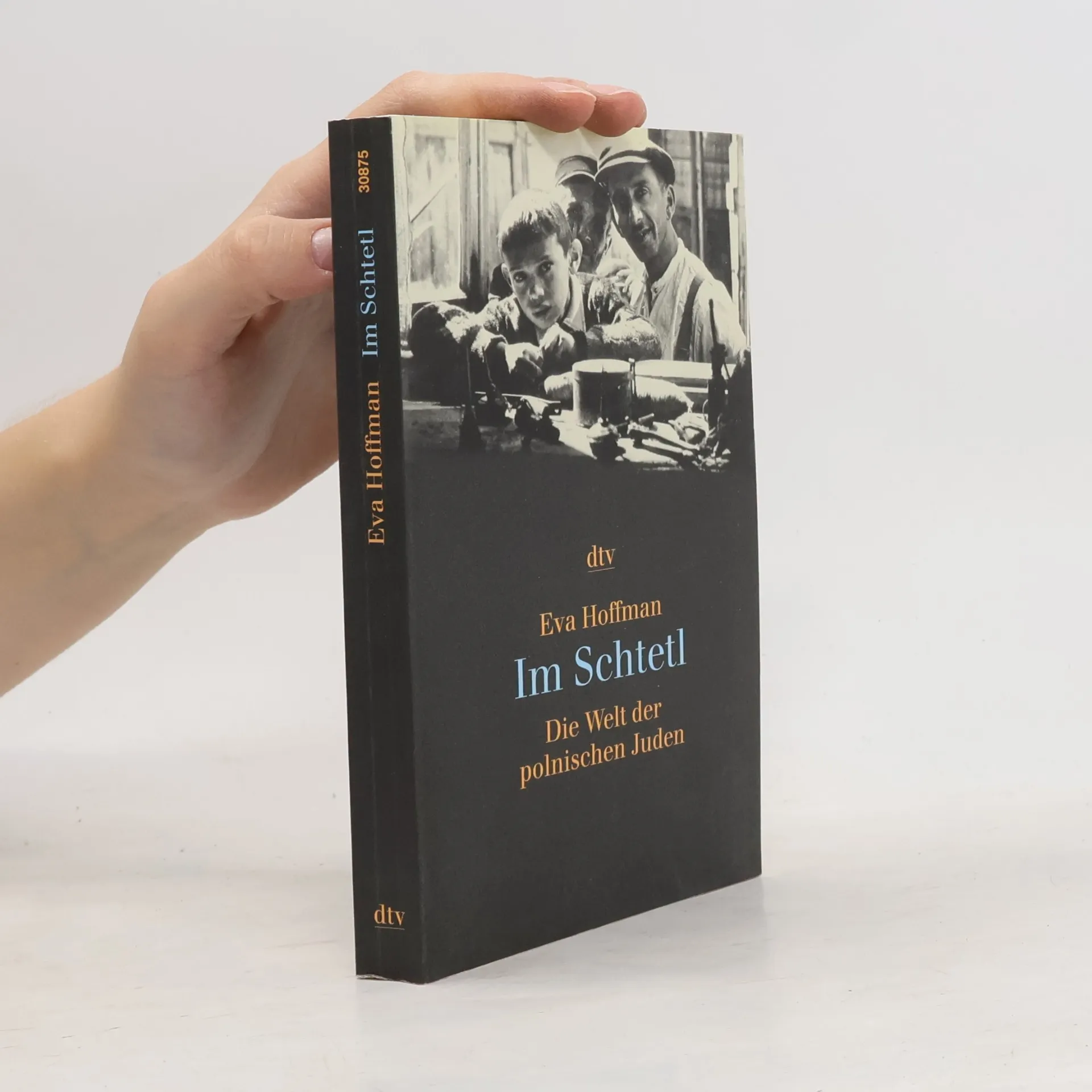
    Im Schtetl
    • Im Schtetl

      • 336 Seiten
      • 12 Lesestunden
      3,8(23)Abgeben

      Dies ist kein Buch nostalgischer Verklärung, sondern ein Porträt einer spannungsreichen städtischen Kultur, die für immer verloren ist - die Kultur des Schtetls. Eva Hoffman schildert den Alltag im Schtetl, die Arbeit und die Feste, das religiöse Leben - und verschweigt auch nicht die immer wieder aufbrechenden Konflikte zwischen der jüdischen und der christlichen Bevölkerung. Noch nie wurde diese europäische Kultur so anschaulich und präzise beschrieben.

      Im Schtetl
    • Vom Aufeinanderprall zweier Welten: Eine junge Frau zwischen Polen und Amerika. »Ein faszinierendes Buch.« (Egon Schwarz in der ›FAZ‹) »April 1959. Ich stehe auf dem Oberdeck an der Reling und habe das Gefühl, daß mein Leben zu Ende geht.« Die 13jährige Eva ist Jüdin und gebürtig aus Krakau. 1959, nach der Aufhebung des Auswanderungsverbots, verläßt ihre Familie Polen und wandert nach Kanada aus: der entscheidende Bruch im Leben des begabten jungen Mädchens. »Orientierungslos wie eine Brieftaube, der man die Augen verbunden hat«, versucht sie, sich in der Neuen Welt zurechtzufinden. Sie möchte um jeden Preis den Zustand des Fremdseins beenden, und so stürzt sie sich auf den Spracherwerb, als ob sie sich dadurch Amerika selbst aneignen könnte. Doch je tiefer sie im Laufe der Jahre eindringt in die neue Umgebung, desto schmerzlicher wird ihr bewußt, wie die fremde Sprache anfängt, ihre Persönlichkeit zu verändern. Die Anpassung wird zu einem geradezu akrobatischen Akt. Bis sie eines Tages plötzlich feststellt, daß die Sprache ihrer Träume das Englische geworden ist und daß ihr Unterbewußtsein ihr zwar immer noch Bilder aus Polen wie Fata Morganas vorgaukelt, daß sich diese aber in ihrer Wahrnehmung längst mit amerikanischen überlappen.

      Ankommen in der Fremde
    • Etwas Seltsames ist um Ada und ihre Mutter Elizabeth. Symbiotisch verbunden leben die beiden in einer Kleinstadt des amerikanischen Mittelwestens; ohne Ehemann und Vater, ohne Geschwister und Verwandte. Eines Tages entdeckt Ada den Grund ihres Andersseins: Sie ist der Klon ihrer Mutter. Eva Hoffman hat einen spannend-hintergründigen Roman aus einer Zukunft geschrieben, die unmittelbar bevorsteht, der Fragen stellt, auf die es noch keine Antworten gibt. Ein visionärer Roman über eine junge Frau auf der Suche nach dem Rätsel der Identität.

      Die kopierte Frau
    • After such knowledge

      A Meditation on the Aftermath of the Holocaust

      • 288 Seiten
      • 11 Lesestunden
      4,0(90)Abgeben

      Sixty years after the Holocaust, the author of "Lost in Translation" explores the difficult process of preserving an authentic version of its tragic events

      After such knowledge
    • Shortly after the dramatic events of 1989, Eva Hoffman, a Polish-born American, spent several months travelling through Poland and four other Eastern European countries which had just undergone an historic transformation. This is her narrative of those travels, and a portrait of a social landscape in the midst of change.

      Exit into History : A Journey Through the New Eastern Europe
    • Exit into History

      • 432 Seiten
      • 16 Lesestunden
      3,8(102)Abgeben

      In this intimate narrative journey, Hoffman returns to her Polish homeland and five other countries--Hungary, Romania, Bulgaria, and the two nations of the former Czechoslovakia--to vividly portray a landscape in the midst of change. "Alert and intuitive."--The Washington Post. Author readings.

      Exit into History
    • Time has always been the great Given, a fact of existence which cannot be denied or wished away; but the character of lived time is changing dramatically. This book offers a look at life's ineffable element, spanning fields from biology and culture to psychoanalysis and neuroscience.

      Time
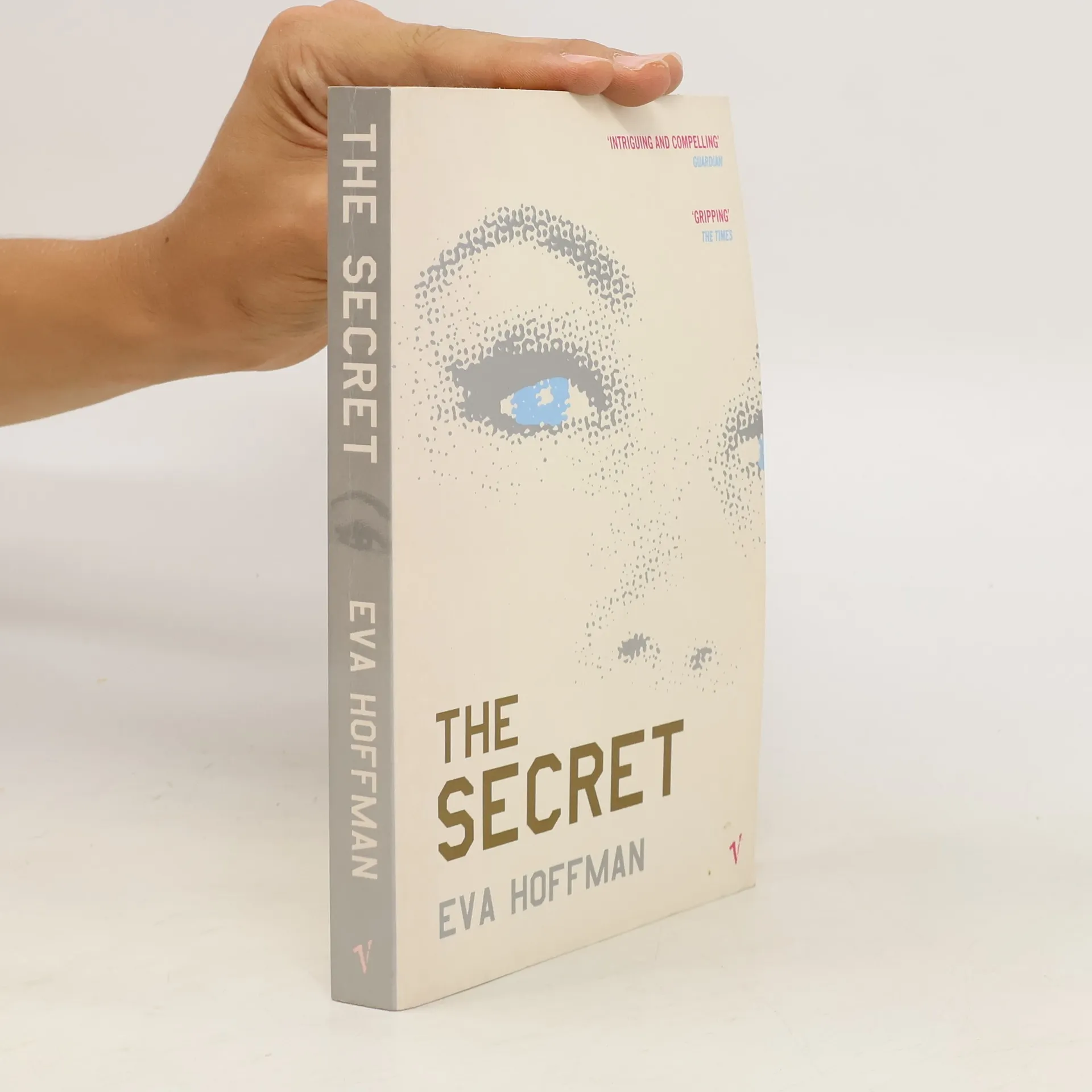
    • The Secret

      • 272 Seiten
      • 10 Lesestunden
      2,6(115)Abgeben

      That is, I knew and didn't know-'In this novel, Eva Hoffman explores various kinds and strata of secrets: intimate secrets, and secrets of family past; the kinds of secrets that can be decoded from clues, and the kind that themselves seem to offer tantalizing clues to the fundamental mysteries of the human selfhood. schovat popis

      The Secret
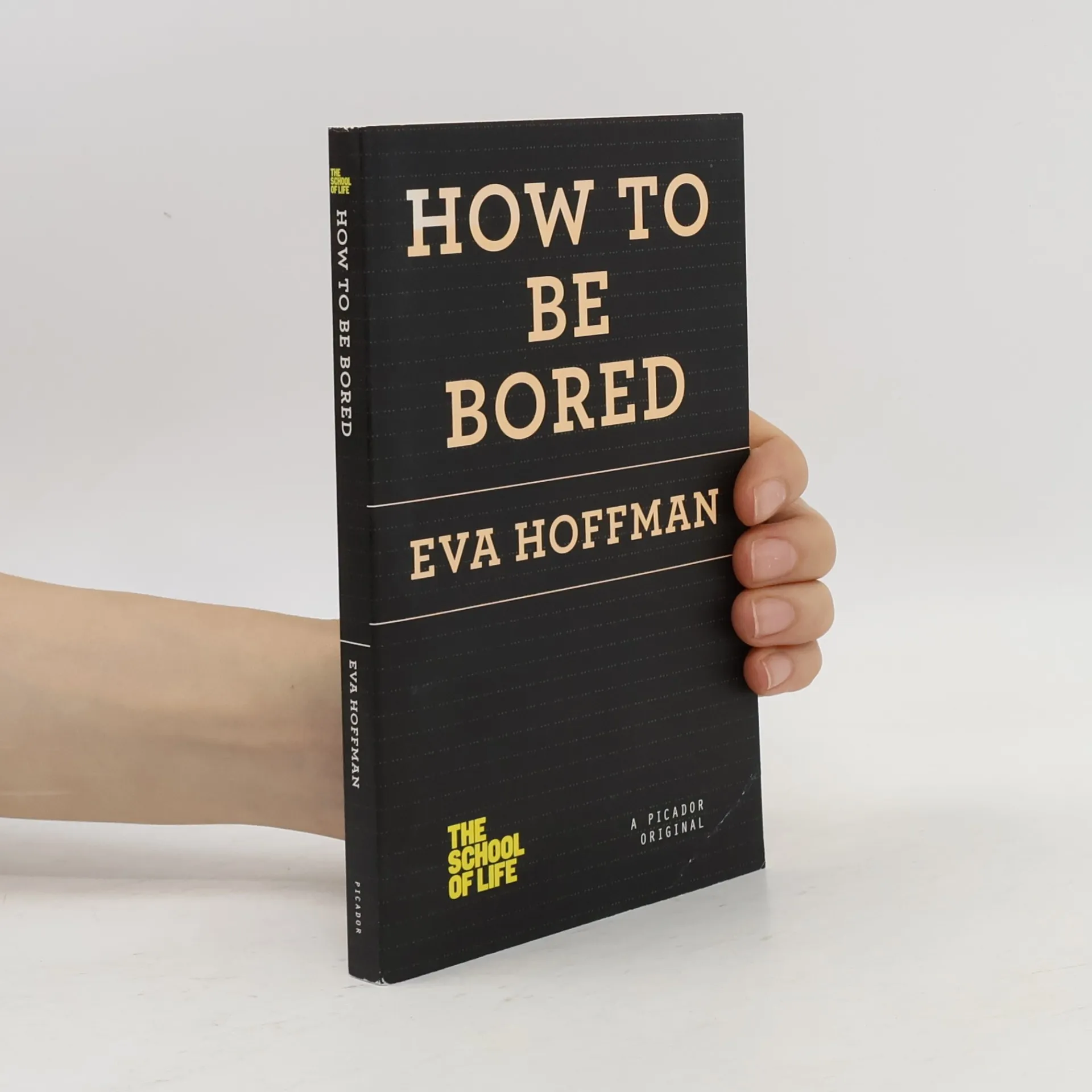
    • How to Be Bored

      • 174 Seiten
      • 7 Lesestunden

      In the latest installment of the acclaimed School of Life series, learn how to make peace with your down time—and even benefit from it. Lethargic inactivity can be debilitating and depressing, but in the modern world the pendulum has swung far in the other direction. We live in a hyperactive, over-stimulated age. Uninterrupted activity can seem exciting, but it can also leave us emotionally disorientated and mentally depleted. How can we recover a sense of balance and a richness in our lives? In How to Be Bored, Eva Hoffman argues for the need to cultivate curiosity and self-knowledge and to relish moments of unplugged idleness and non-virtual contact with others. Drawing on psychoanalysis, neuroscience, and a wide range of literature, she emphasizes the need to understand our own preferences and purposes and to replenish our inner resources. This book aims to make readers more vigorously engaged in their lives and to restore a sense of depth and meaning to their experiences.

      How to Be Bored
    • "Czeslaw Milosz (1911-2004) was one of the great literary voices of the twentieth century, in no small part because he very much lived the events and ideologies of that century. Born into a Polish family in what was then the western fringe of the Russian Empire, and what is now Lithuania, a young man Milosz found his life upended by the First World War and his father's conscription in the Russian army. In the Second World War, he provided aid to Jews in Warsaw as a partisan and a member of the Polish socialist underground. But after the war he lived as a permanent exile, from Poland, from Soviet communism, from his early fervent Catholicism and then, later, even from the almost garish extremes and inequalities of the American society in which he chose to live. His work is a lasting legacy. His poetry remains in print, whether in Polish or English or the other languages into which it has been translated, and his two classic works of prose non-fiction, The Captive Mind, his reflection on the hypnotic effect of ideology, and Native Realm, his memoir on his life in Poland and his life away from it, have been reissued in Penguin Classics. He won the Nobel Prize in Literature in 1980. In this new volume of the Writers on Writers series, writer Eva Hoffman draws on her conversations with Milosz during their encounters and her own private engagement with his work, in order to comprehend someone whose intellectual and geographic trajectory serves as a mirror to her own, as someone who emigrated with her family from her native Poland and who has since lived and pursued a literary career in the anglophone world. Hoffman concentrates on several important themes in Milosz's life and work, such as his resistance to dogma and fanaticism, his fascination with place and geographic separation, his awareness of his own exile, his attraction to all life, his capacity for pleasure, and finally his basic humanism, which underpinned his poetry"-- Provided by publisher

      On Czeslaw Milosz