

Gratis Versand in ganz Österreich
Bookbot

C. Davis Kenneth

    Kenneth C. Davis ist ein gefeierter Autor, der sich der Aufdeckung weniger bekannter und oft übersehener Aspekte der Geschichte widmet. Er präsentiert seinen Lesern fesselnde Erzählungen, die etablierte Mythen entlarven und frische Perspektiven auf entscheidende Ereignisse bieten. Sein Geschichtsansatz wurzelt in der Überzeugung, dass Langeweile kein inhärenter Bestandteil des Geschichtslernens ist, weshalb seine Werke die Leser in dramatische Geschichten hineinziehen und Fakten enthüllen, die in Lehrbüchern oft fehlen. Mit Fokus auf Klarheit und erzählerischem Schwung beleuchtet er komplexe Themen wie Sklaverei und den Aufstieg von Diktatoren und zeigt deren tiefgreifende Auswirkungen auf die amerikanische Gesellschaft und die Weltgeschichte auf.

    Great Short Books
    Wieso fließt der Nil bergauf?
    Wo hat Prometheus das Feuer versteckt
    Was dachte sich Gott, als er den Menschen erschuf?
    Neuer Saft für müde Birnen
    Woher kommt der Mann im Mond?
    • 2023
      3,9(515)Abgeben

      The book explores the controversial question of whether Columbus was indeed the first European to reach the Americas. It delves into historical evidence, examining pre-Columbian voyages and interactions, as well as the impact of these findings on our understanding of history. Through meticulous research, the author challenges traditional narratives and highlights the significance of other explorers, ultimately reshaping the reader's perspective on European exploration and its consequences for indigenous populations.

      Don't Know Much about American History
    • 2023

      "An entertaining guide to some of the best short novels of all time looks at works from the eighteenth century to the present day, spanning multiple genres, cultures, and countries"--

      Great Short Books
    • 2022
    • 2020

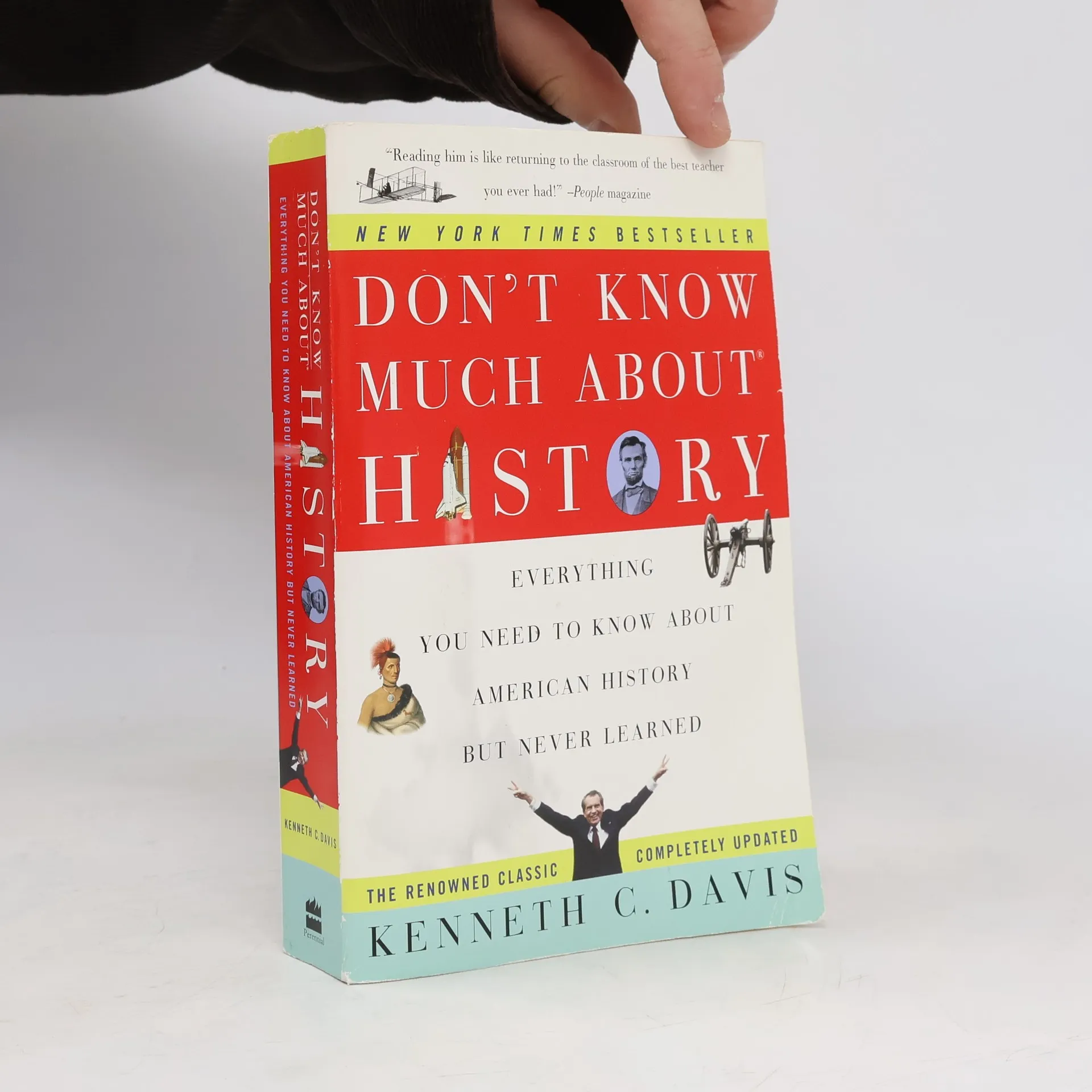
      Don't Know Much About(r) History [30th Anniversary Edition]

      Everything You Need to Know about American History But Never Learned

      • 752 Seiten
      • 27 Lesestunden
      4,3(21)Abgeben

      The book has achieved remarkable success, being a New York Times bestseller and selling over 1.7 million copies. It captivates readers with its engaging narrative and compelling themes, making it a must-read for those seeking a popular and impactful story.

      Don't Know Much About(r) History [30th Anniversary Edition]
    • 2020

      Don't Know Much About® Geography

      • 366 Seiten
      • 13 Lesestunden
      3,7(24)Abgeben

      Exploring pressing global issues, this book delves into environmental concerns, economic alliances, and the complexities of international finance. It poses provocative questions about the fate of the Dead Sea, the potential of BRICS nations, and the role of the World Bank in modern economies. Additionally, it challenges readers to consider the seriousness of climate change discussions, encouraging critical thinking about the interconnectedness of these topics in today's world.

      Don't Know Much About® Geography
    • 2012

      More than 1.6 million copies sold! Who really discovered America? What was "the shot heard 'round the world"? 9/11: What really happened? How did America elect its first black president? From the arrival of Columbus through the historic election of Barack Obama and beyond, Davis carries readers on a rollicking ride through more than five hundred years of American history. In this newly revised, expanded, and updated edition of the classic anti-textbook, he debunks, recounts, and serves up the real story behind the myths and fallacies of American history.

      Don't Know Much About History. Everything You Need to Know About American History But Never Learned
    • 2011

      Don't Know Much About History

      • 719 Seiten
      • 26 Lesestunden
      4,0(73)Abgeben

      Davis has brought his groundbreaking work up to the present, including the history of an "Era of Broken Trust," from the end of the Clinton administration through the recent Great Recession. This additional material covers the horrific events of 9/11 andthe rise of conspiracy theorists, the wars in Iraq and Afghanistan, Hurricane Katrina and the failure of the New Orleans levees, the global financial meltdown, the election of Barack Obama, and the national controversy of same-sex marriage.

      Don't Know Much About History
    • 2009
      4,0(351)Abgeben

      This comprehensive exploration delves into the lives and legacies of all forty-four U.S. presidents, offering insights into their backgrounds, political challenges, and significant achievements. Each chapter highlights key events and decisions that shaped the nation, providing a vivid portrait of leadership through various historical contexts. The book also examines the evolving role of the presidency and its impact on American society, making it an essential read for anyone interested in U.S. history and governance.

      Don't Know Much about the Presidents
    • 2006
      3,8(32)Abgeben

      The narrative follows the journey of thirty-four children aboard the Mayflower, exploring their experiences and challenges during the historic voyage to America. Through their eyes, readers gain insight into the hopes, fears, and resilience of these young passengers as they navigate the uncertainties of a new world. The story highlights themes of adventure, survival, and the impact of the Pilgrims' quest for freedom on future generations. This unique perspective sheds light on a lesser-known aspect of a pivotal moment in American history.

      Don't Know Much about the Pilgrims
    • 2006

      Mythen sind aus unserem Alltag nicht wegzudenken. Wir begegnen ihnen in Redewendungen, Filmen, Büchern und Popsongs. Haben Sie schon einmal jemanden mit Argusaugen beobachtet, ein gigantisches Chaos angerichtet und sind in Panik geraten? Eben.Seit Jahrtausenden suchen die Menschen Antworten auf große Fragen: Woher kommen wir? Welche Bedeutung hat unser Leben? Warum gibt es das Böse? Aus den Antworten entstanden Geschichten, die den Grundstock für Wissenschaft, Religion, Philosophie und Populärkultur bilden sollten: die Mythen.

      Wo hat Prometheus das Feuer versteckt