Schon in der Antike faszinierte das Universum die Menschen. Und sie begannen, Fragen zu stellen und Antworten zu suchen. Daran hat sich bis heute nichts geändert. Und auch die Faszination ist ungebrochen.§Doch nicht jeder versteht die komplexen Zusammenhänge, die Wissenschaftler wie Albert Einstein oder Stephen Hawking erforscht haben. Hier ist das ideale Buch für all jene, die in den Nachthimmel schauen und träumen, davon träumen, endlich einmal zu wissen, was in den unendlichen Weiten um uns herum geschieht.
C. Davis Kenneth Bücher
Kenneth C. Davis ist ein gefeierter Autor, der sich der Aufdeckung weniger bekannter und oft übersehener Aspekte der Geschichte widmet. Er präsentiert seinen Lesern fesselnde Erzählungen, die etablierte Mythen entlarven und frische Perspektiven auf entscheidende Ereignisse bieten. Sein Geschichtsansatz wurzelt in der Überzeugung, dass Langeweile kein inhärenter Bestandteil des Geschichtslernens ist, weshalb seine Werke die Leser in dramatische Geschichten hineinziehen und Fakten enthüllen, die in Lehrbüchern oft fehlen. Mit Fokus auf Klarheit und erzählerischem Schwung beleuchtet er komplexe Themen wie Sklaverei und den Aufstieg von Diktatoren und zeigt deren tiefgreifende Auswirkungen auf die amerikanische Gesellschaft und die Weltgeschichte auf.






Dieses Buch bietet erfrischende und humorvolle Andachten für Teens, die das Thema Christsein auf eine lockere und tiefgründige Weise angehen. Die Autoren, echte Komiker, zeigen, dass Andacht alles andere als langweilig ist und überraschen mit witzigen Vergleichen und einem frischen Blick auf die Dinge.
Was dachte sich Gott, als er den Menschen erschuf?
- 557 Seiten
- 20 Lesestunden
Mit Witz, Weisheit und einem außergewöhnlichen Talent, trockene, schwierige Texte in lebendige und realistische Berichte zu verwandeln, erweckt der Autor die Welt des Alten und Neuen Testaments zum Leben. Davis deckt erstaunliche Fragen und Widersprüche darüber auf, was die Bibel wirklich sagt. Die Mauern von Jericho könnten gefallen sein, weil die Stadt auf einer Verwerfungslinie liegt. Mose hat das Rote Meer nie geteilt. Es gab einen Jesus, aber er wurde nicht an Weihnachten geboren und war wahrscheinlich kein Einzelkind. Davis informiert die Leser über Erkenntnisse aus den Schriftrollen vom Toten Meer und gnostischen Evangelien, die ernsthafte Gelehrte dazu bringen, grundlegende Fragen zu stellen: Wer hat die Bibel geschrieben? Hat Jesus alles gesagt, was uns beigebracht wurde, dass er es gesagt hat? Hat er mehr gesagt? Durch die historische Betrachtung der Bibel unterhält und erstaunt Davis, bietet ein viel besseres Verständnis des Themas und macht das Lernen darüber viel unterhaltsamer.
Wo hat Prometheus das Feuer versteckt
? Alles, was sie über die Mythen der Welt wissen sollten
- 700 Seiten
- 25 Lesestunden
Mythen sind aus unserem Alltag nicht wegzudenken. Wir begegnen ihnen in Redewendungen, Filmen, Büchern und Popsongs. Haben Sie schon einmal jemanden mit Argusaugen beobachtet, ein gigantisches Chaos angerichtet und sind in Panik geraten? Eben.Seit Jahrtausenden suchen die Menschen Antworten auf große Fragen: Woher kommen wir? Welche Bedeutung hat unser Leben? Warum gibt es das Böse? Aus den Antworten entstanden Geschichten, die den Grundstock für Wissenschaft, Religion, Philosophie und Populärkultur bilden sollten: die Mythen.
Wieso fließt der Nil bergauf?
- 397 Seiten
- 14 Lesestunden
Die Reise beginnt mit Elefanten in den Alpen, geht weiter über die größten Seen der Welt bis zum Sonnensystem. Der amerikanische Bestsellerautor Kenneth C. Davis hat sich all jenen Fragen gewidmet, deren Antworten man eigentlich kennen sollte, aber nie gelernt oder wieder vergessen hat. Gab es Atlantis, und wo findet man das El Dorado? Wie schnell ist das Licht, und wie lang ist ein Lichtjahr? Droht uns die globale Erwärmung oder eine neue Eiszeit? Davis steuert auf intelligente und amüsante Weise die wichtigsen Winkel und Phänomene der Welt an, legt Anker und inspiziert sie sorgfältig. Meilensteine der Geographie werden mit amüsanten Anekdoten gewürzt - und los geht die ebenso spannende wie informative Reise durch die Welt, in der wir leben.
Don't Know Much about the Presidents
- 64 Seiten
- 3 Lesestunden
This comprehensive exploration delves into the lives and legacies of all forty-four U.S. presidents, offering insights into their backgrounds, political challenges, and significant achievements. Each chapter highlights key events and decisions that shaped the nation, providing a vivid portrait of leadership through various historical contexts. The book also examines the evolving role of the presidency and its impact on American society, making it an essential read for anyone interested in U.S. history and governance.
Don't Know Much about the Solar System
- 47 Seiten
- 2 Lesestunden
Exploring the vastness of space, this book delves into the unique characteristics and mysteries of the nine planets in our solar system. Each planet is examined through its formation, atmosphere, and potential for life, offering insights into their distinct features and the scientific discoveries that have shaped our understanding of them. The narrative combines engaging storytelling with factual information, making it accessible for both young readers and space enthusiasts alike.
Don't Know Much about the Pilgrims
- 48 Seiten
- 2 Lesestunden
The narrative follows the journey of thirty-four children aboard the Mayflower, exploring their experiences and challenges during the historic voyage to America. Through their eyes, readers gain insight into the hopes, fears, and resilience of these young passengers as they navigate the uncertainties of a new world. The story highlights themes of adventure, survival, and the impact of the Pilgrims' quest for freedom on future generations. This unique perspective sheds light on a lesser-known aspect of a pivotal moment in American history.
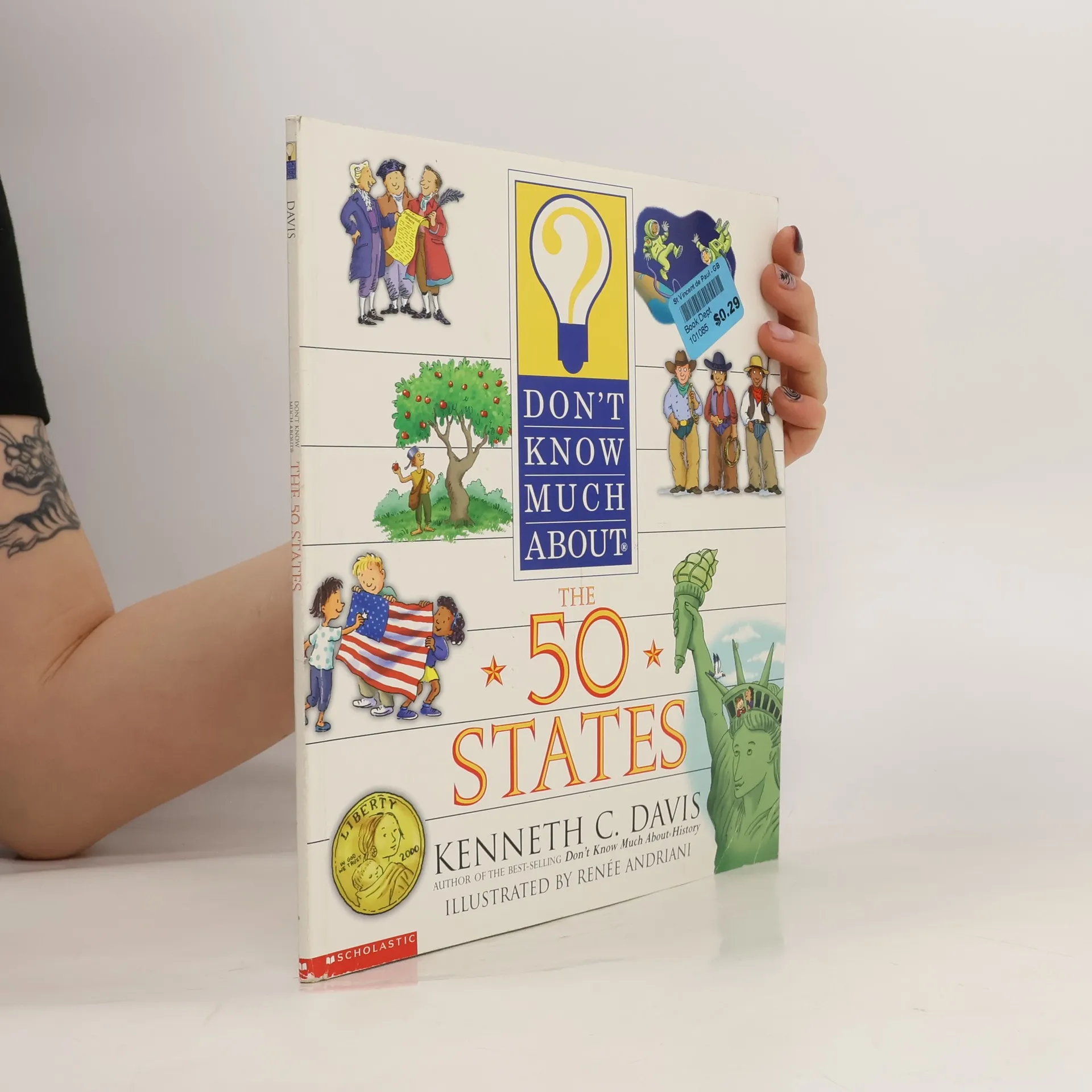
Don't Know Much about the 50 States
- 61 Seiten
- 3 Lesestunden
Thirteen stripes- Fifty stars- And hundreds of AMAZING facts about the U.S.A.! Can you guess the names of the ten states below? 1. I have the highest waterfalls in North America. 2. I am the smallest state. 3. I am the largest state. 4. I have produced the most presidents of the United States. 5. I was the first to become a state. 6. I was the last to become a state. 7. I have the "Gateway to America." 8. I have the most kids under age ten. 9. I have the most tornadoes. 10. I am home to America's most popular vacation spot. See page 6 for answers.
Don't Know Much About History
Everything You Need to Know About American History but Never Learned - The Renowned Classic Completely Updated
- 479 Seiten
- 17 Lesestunden
Who really discovered America? What was "the shot heard 'round the world"? Thomas Jefferson and Sally Hemings: Did he or didn't he? From the arrival of Columbus through the bizarre election of 2000 and beyond, Davis carries readers on a rollicking ride through more than 500 years of American history. In this updated edition of the classic anti-textbook, he debunks, recounts, and serves up the real story behind the myths and fallacies of American history.
Don't Know Much About(r) the Universe
Everything You Need to Know about Outer Space But Never Learned
- 384 Seiten
- 14 Lesestunden
Exploring intriguing mysteries, this book delves into the origins of remarkable structures and phenomena, questioning the involvement of extraterrestrial beings in human history. It examines the enigmatic canals of Mars, the true nature of the Star of Bethlehem, and the theories surrounding the construction of the pyramids. Through a blend of historical analysis and speculative inquiry, it challenges readers to reconsider widely accepted narratives and opens the door to alternative explanations of humanity's past.