

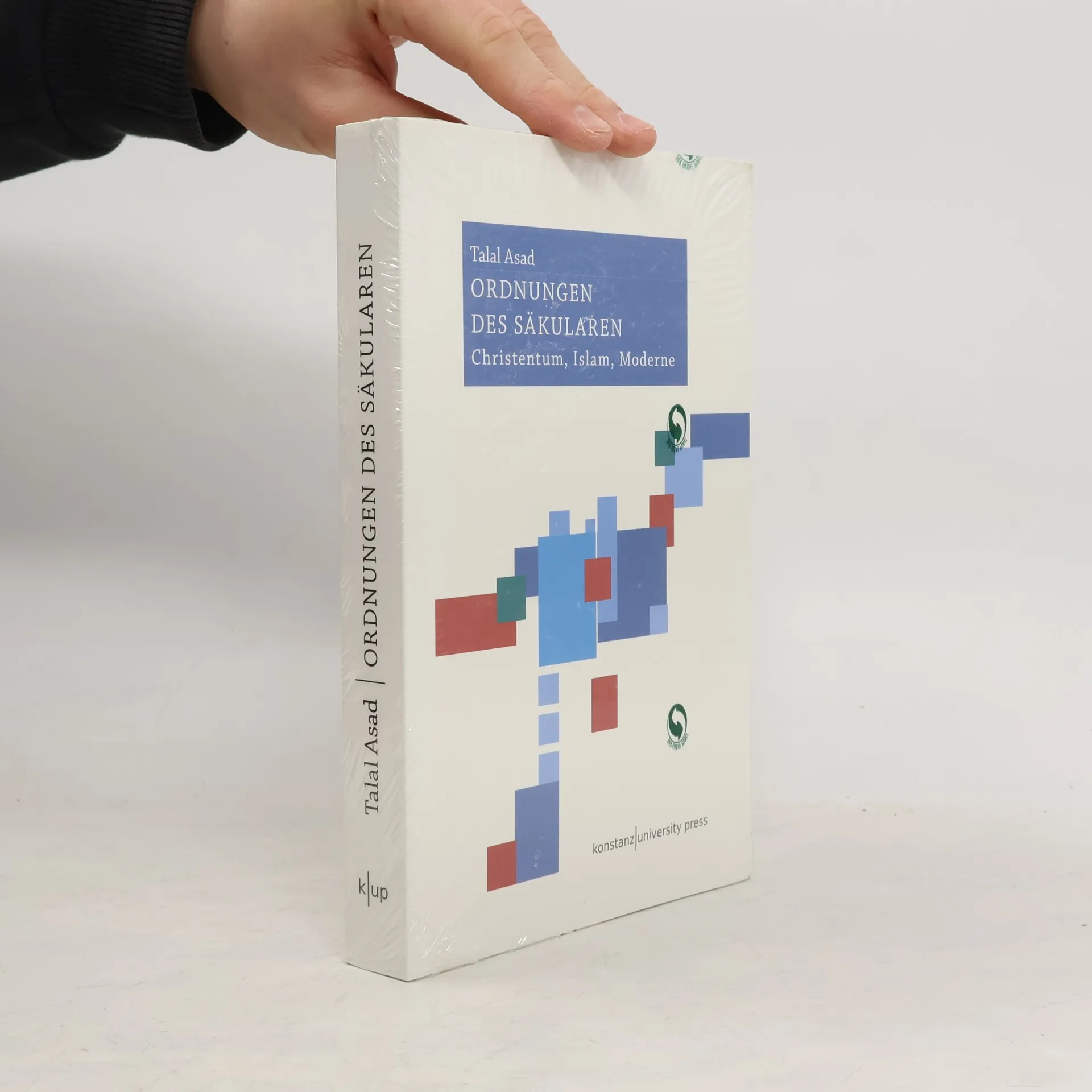
Das Buch beginnt mit der provokativen Frage, wie eine Anthropologie des Säkularen aussehen könnte. Es untersucht die Konzepte, Praktiken und politischen Formationen des Säkularismus. Der Fokus liegt auf den bedeutenden historischen Veränderungen, die die säkularen Empfindungen und Einstellungen gegenüber dem Islam im modernen Westen und im Nahen Osten geprägt haben.
Talal Asad Bücher
Talal Asad ist ein bedeutender Anthropologe, dessen Werk wichtige theoretische Beiträge zu postkolonialen Studien, dem Christentum, dem Islam und der Ritualforschung leistet. Er hat sich kürzlich der Anthropologie des Säkularismus zugewandt und verwendet dabei eine genealogische Methode, die von Nietzsche und Foucault inspiriert ist. Asads Ansatz verkompliziert Vergleichsbegriffe und hinterfragt oft als selbstverständlich angesehene Annahmen. Dadurch eröffnet er neue Möglichkeiten für Kommunikation und kreatives Denken, wo zuvor Opposition oder Gleichgültigkeit herrschten.

Is Critique Secular?
- 148 Seiten
- 6 Lesestunden
Four leading thinkers confront the paradoxes and dilemmas attending the supposed stand-off between Islam and liberal democratic values.
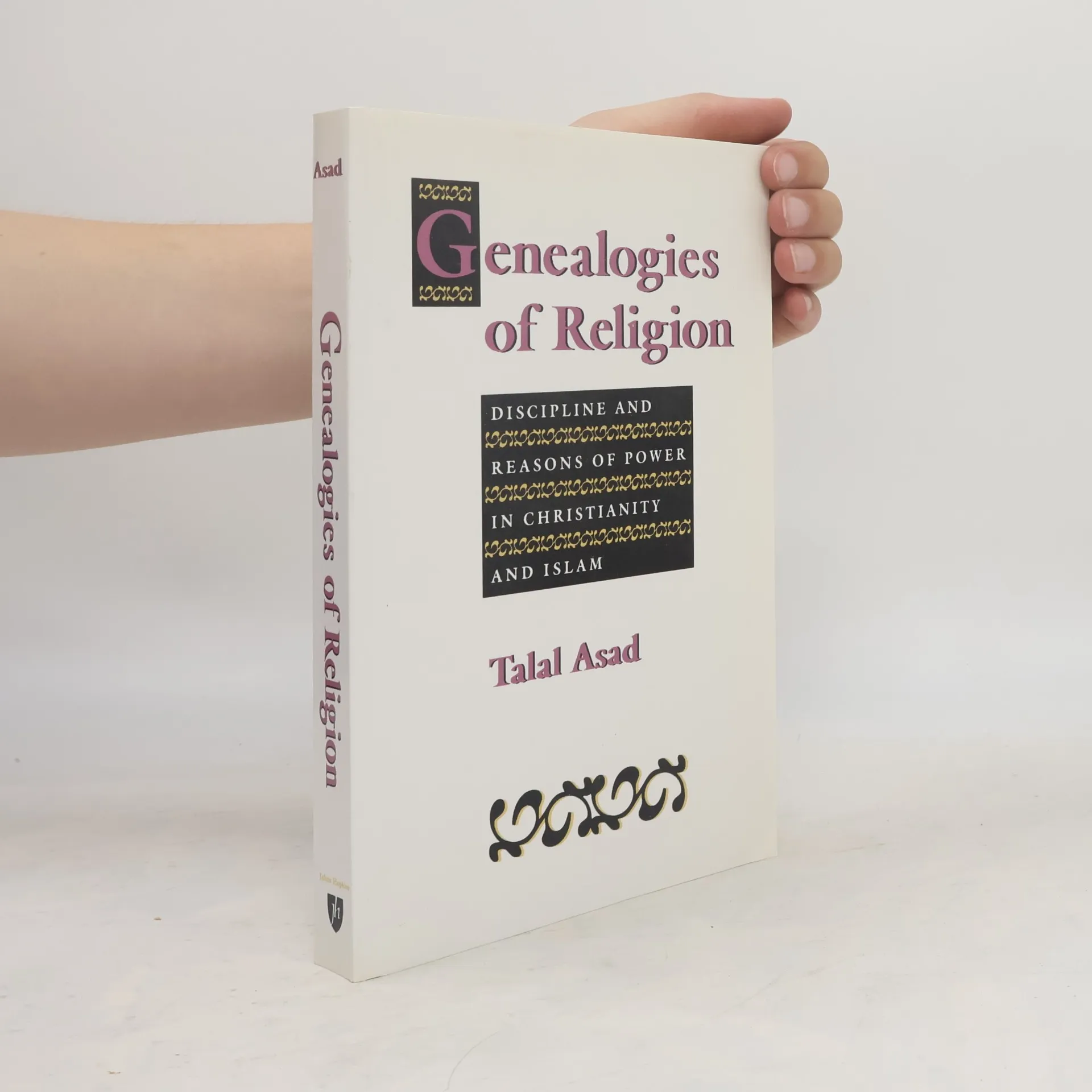
Genealogies of religion : discipline and reasons of power in Christianity and Islam
- 344 Seiten
- 13 Lesestunden
In Geneologies of Religion , Talal Asad explores how religion as a historical category emerged in the West and has come to be applied as a universal concept. The idea that religion has undergone a radical change since the Christian Reformation—from totalitarian and socially repressive to private and relatively benign—is a familiar part of the story of secularization. It is often invokved to explain and justify the liberal politics and world view of modernity. And it leads to the view that "politicized religions" threaten both reason and liberty. Asad's essays explore and question all these assumptions. He argues that "religion" is a construction of European modernity, a construction that authorizes—for Westerners and non-Westerners alike—particular forms of "history making."
Secular Translations
- 232 Seiten
- 9 Lesestunden
In Secular Translations, anthropologist Talal Asad reflects on his lifelong engagement with secularism and its contradictions. He draws out the ambiguities in our concepts of the religious and the secular through a rich consideration of translatability and untranslatability.
Questions Western assumptions regarding death and killing. This title scrutinizes the idea of a clash of civilizations, the claim that Islamic jihadism is the essence of modern terror, and the arguments put forward by liberals to justify war in our time.