JAPAN
LÄNDER UND VÖLKER


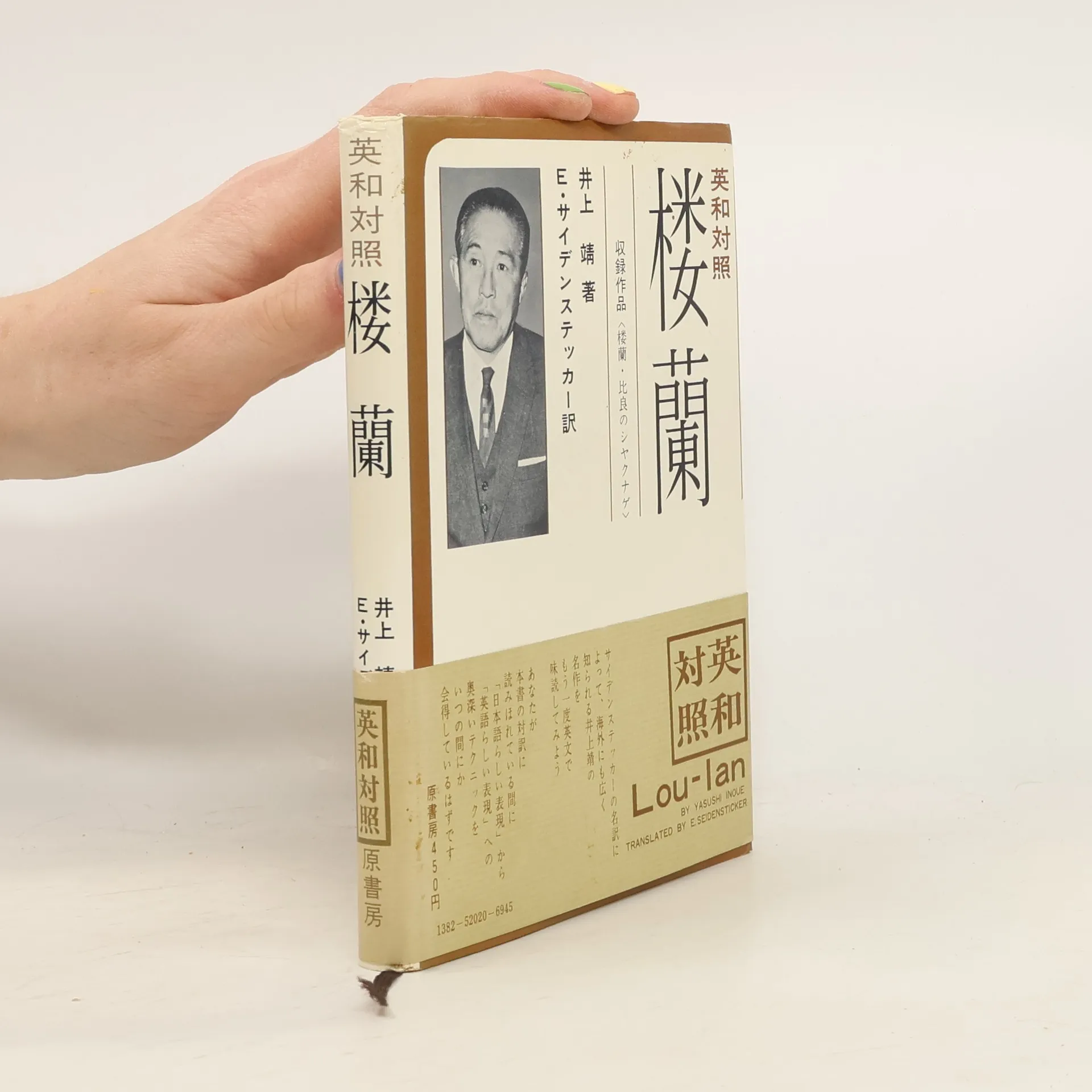
Edward George Seidensticker war ein angesehener Gelehrter, Historiker und herausragender Übersetzer japanischer Literatur nach dem Zweiten Weltkrieg. Seine Arbeit war maßgeblich dafür verantwortlich, klassische und zeitgenössische japanische Autoren westlichen Lesern zugänglich zu machen. Seidensticker konzentrierte sich auf ein tiefes Verständnis der japanischen Kultur und ihres literarischen Erbes. Seine Übersetzungen werden für ihre Treue und ihren literarischen Wert geschätzt.


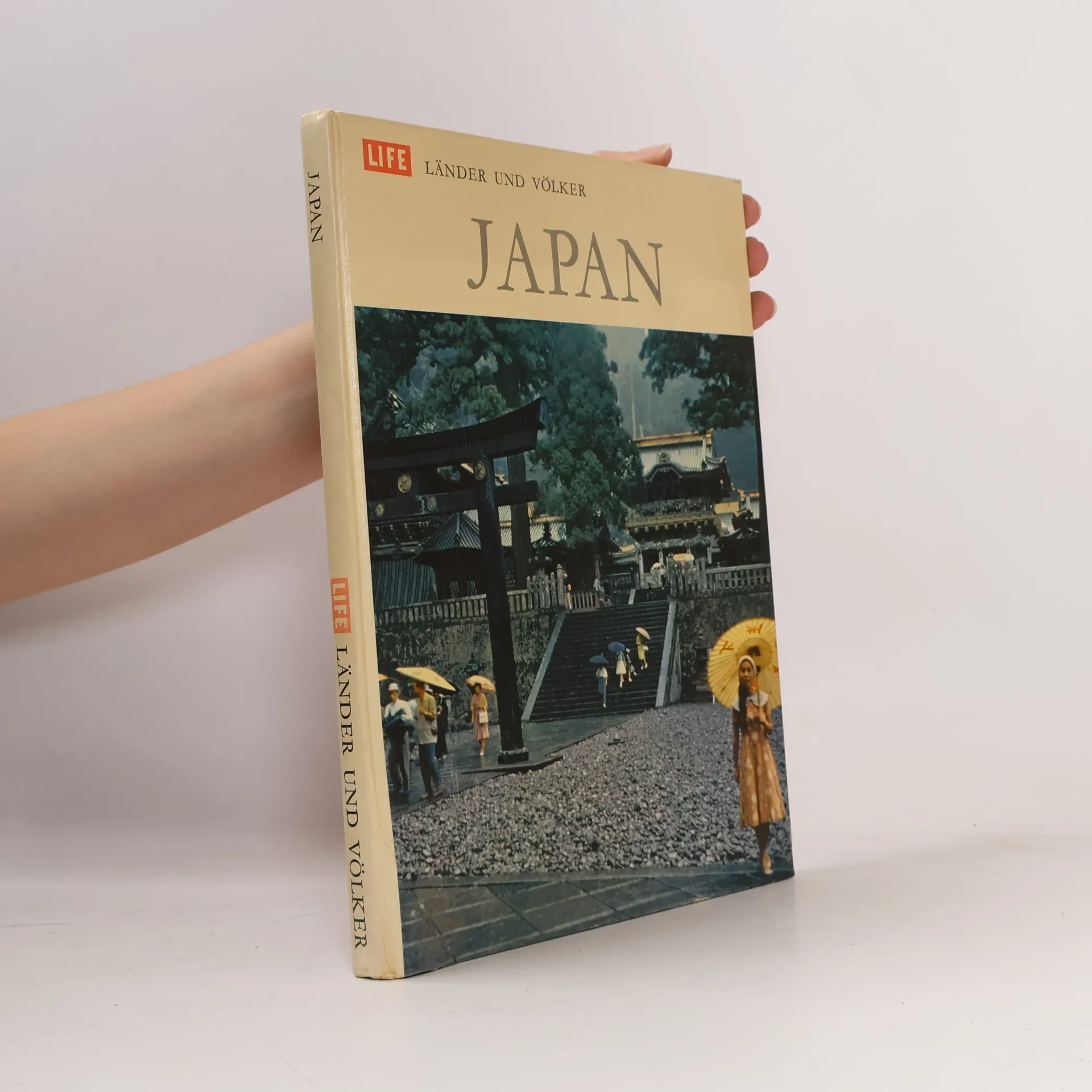
LÄNDER UND VÖLKER
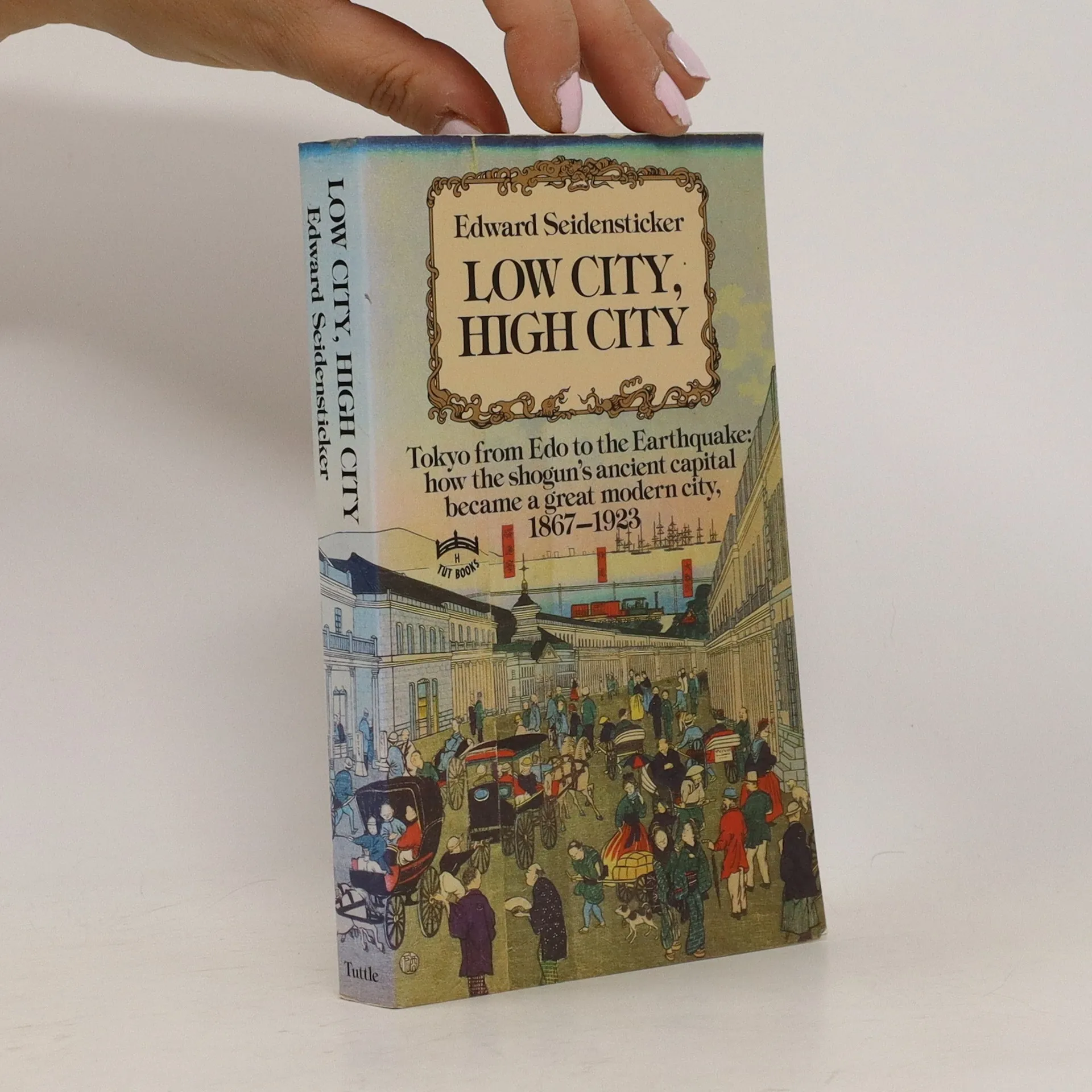
Certain conjunctions of time and place exert a special fascination--Paris in the twenties, turn-of-the-century Vienna, Weimar Berlin. Tokyo in the years between the Meiji Restoration and the Earthquake of 1923 is one of these. Until 1867 the city was called Edo--it was the shogun's capital, the biggest city in a country almost completely closed to the outside world for two and a half centuries. Then, helter-skelter, it became a modern metropolis brimming with Western fads, ideas, and technologies, exuberantly inventing and imitating even as it yearned for the past it was destroying. East and West met here as never before--or since.
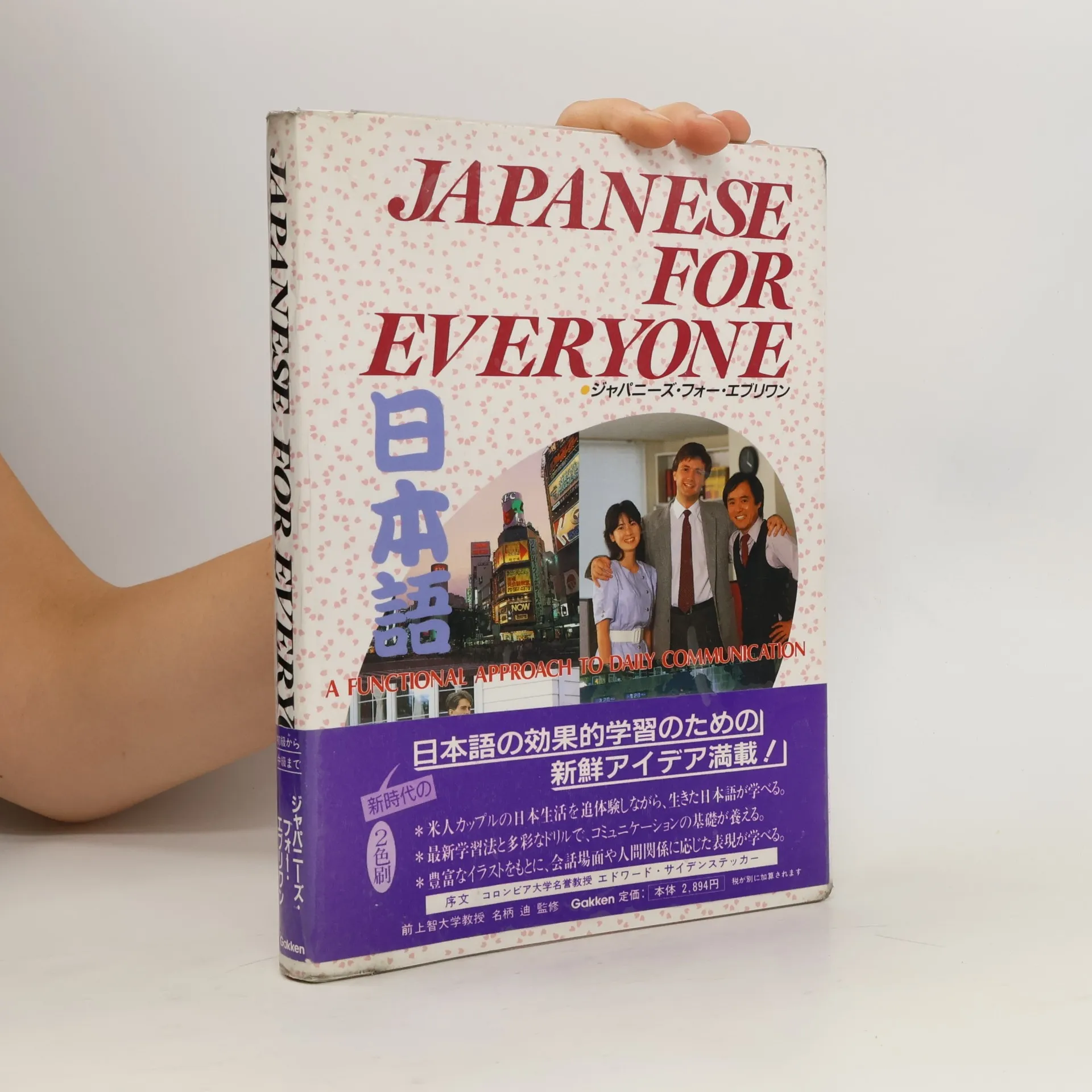
Japanese for Everyone Paperback – Import, 1000 by Gakken (Author)
Death, homosexuality and the spiritual emptiness of post-war Japan: these are the often shocking subjects which Mishima explores. The old world meets the new in this collection of fiction and drama by one of Japan's most celebrated writers. A husband prepares to commit hara-kiri in the name of patriotism; an ascetic struggles with temptation; and a businessman meets a past love in the streets of San Francisco. Violence colours the work of Mishima, as it did his life. But there is also delicate observation, pathos, humour and irony in these beautifully crafted tales. Contents: - Death in Midsummer - Three Million Yen - Thermos Flasks - The Priest of Shiga Temple and His Love - The Seven Bridges - Patriotism - Dōjōji - Onnagata - The Pearl - Swaddling Clothes
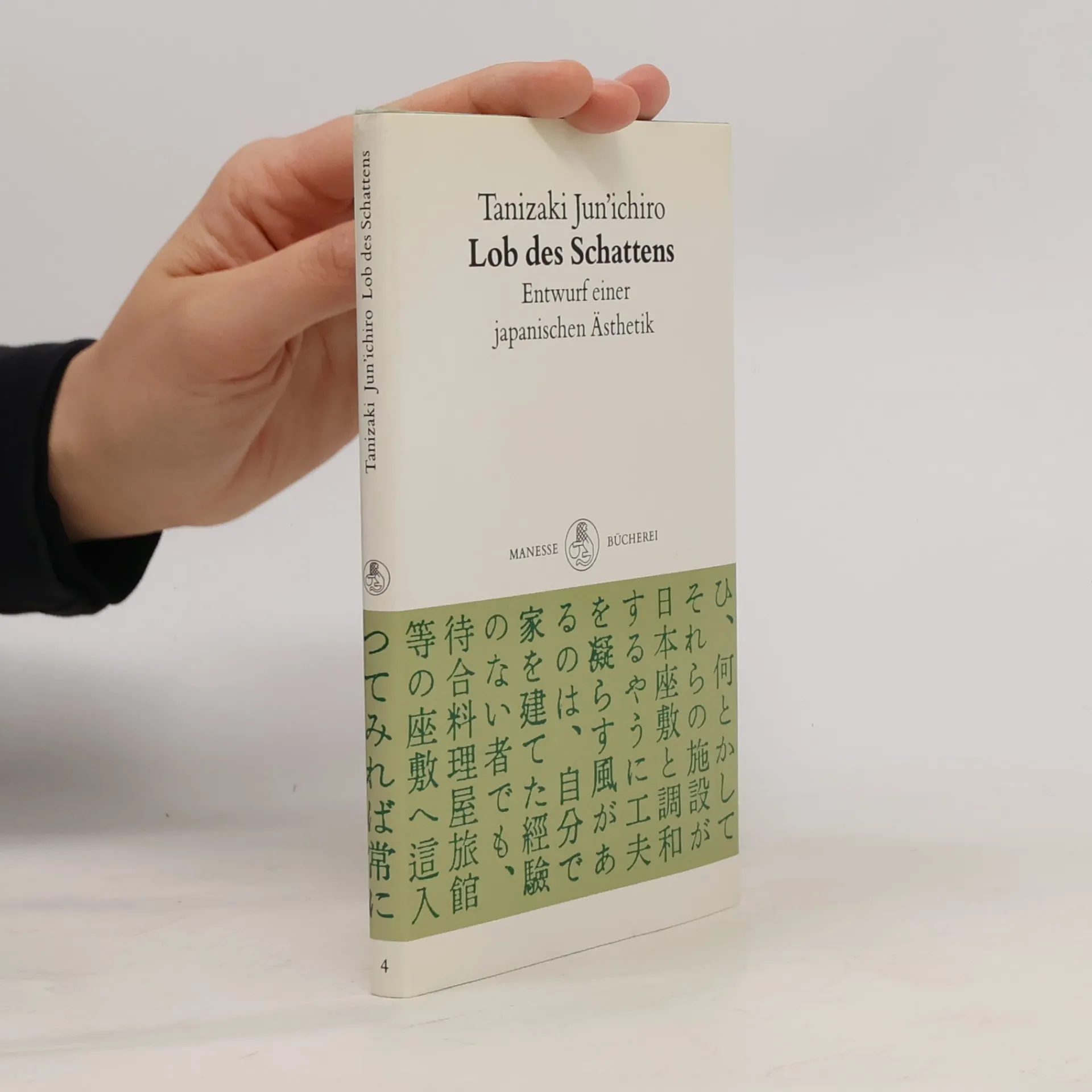
«Wie ein phosphoreszierender Stein, der im Dunkel glänzt, aber bei Tageshelle jeglichen Reiz als Juwel verliert, so gibt es ohne Schattenwirkung keine Schönheit.» Tanizaki Jun’ichiro entwirft in seinem Essay eine faszinierende japanische Ästhetik, die den Umgang mit Licht und Schatten thematisiert. Er untersucht die Wurzeln fernöstlicher Schönheit und zeigt, dass der Schlüssel zum Verständnis dieser Ästhetik im Spiel von Licht und Schatten liegt. Gärten, Häuser und Alltagsgegenstände entfalten ihre Eleganz und ihren Glanz erst im Halbdunkel, wo die Lackoberflächen und das Glitzern von Gold- und Silberfäden zur Geltung kommen. Die besondere Beschaffenheit japanischen Papiers wird erst durch das dämmrige Licht sichtbar. Tanizaki betont, dass Schönheit oft aus der Praxis des täglichen Lebens entsteht und dass die Menschen in dunklen Räumen die Schönheit des Schattens entdeckten und ihm einen ästhetischen Zweck gaben. Mit einem besorgten Blick auf den Westen fragt er sich, welche Auswirkungen der Siegeszug elektrischer Beleuchtung und greller Helligkeit auf die jahrtausendealten Schönheitsvorstellungen Japans haben wird. Sein Essay, an der Wende zur Moderne verfasst, gilt als «ästhetisches Testament Japans» (Neue Zürcher Zeitung).
„Die Schönheit Japans und des Ostens waren aus dem Go entwichen. Alles ist zu Wissenschaft und Regulierung verkommen.“ 1938 trifft der alte, sterbenskranke Go-Meister Honinbo Shusai in einer letzten Partie auf den aufstrebenden Kitani Minoru. Diese Begegnung, die sich über mehr als sechs Monate erstreckt, symbolisiert den Konflikt zwischen altem und neuem Japan, Tradition und Moderne, Ästhetik und Pragmatismus. Kawabata Yasunari, der 1968 als erster Japaner den Literaturnobelpreis erhielt, thematisiert in seinen Romanen den gesellschaftlichen Wandel in Japan der 1920er und 1930er Jahre, der den Übergang von der Meiji- zur Showa-Ära markiert. Go, ein komplexes Spiel, das vor etwa 4000 Jahren in China entstand, wurde früh nach Japan importiert und erreichte in der Edo-Zeit seine Blüte. Im 17. Jahrhundert entstanden professionelle Strukturen, und der Meijin, der unbesiegbare Meister, verkörpert das traditionelle System. Doch er verliert seine letzte Partie gegen den jungen, rebellischen Kitani Minoru, der hier als Otake auftritt. Kawabata, selbst entwurzelt und als Vollwaise aufgewachsen, erlebte den Verlust von Traditionen und den Krieg, was seine Werke prägte. 1972 nahm er sich das Leben, ohne einen Abschiedsbrief zu hinterlassen.
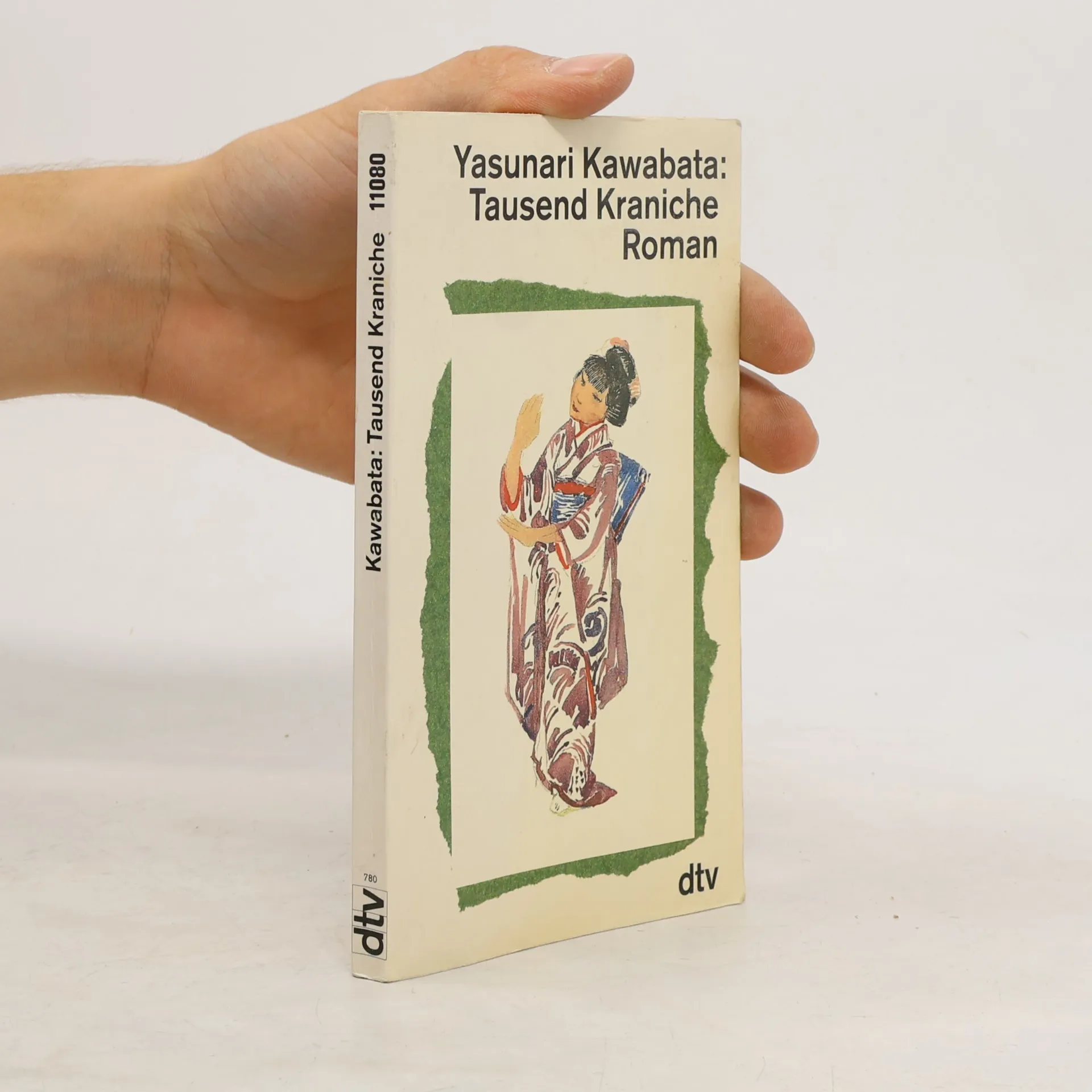
Yasunari Kawabata schildert in seinem Roman die komplexe Beziehung zwischen Kikuji, einer alternden Geisha und der Tochter einer verstorbenen Geliebten seines Vaters. Die Suche nach der intuitiven Wahrheit des Lebens und der Schönheit wird durch eifersüchtige Intrigen und Kikuji's Schuldgefühle geprägt.
Erzählung
Eines der Hauptwerke des japanischen Nobelpreisträgers für Literatur Yasunari Kawabata (1899–1972) ist von Tobias Cheung neu, erstmals textgetreu übersetzt worden. Kawabatas Schneeland liegt jenseits hoher Berge, fern von Tokyo. Shimamura, ein Müßiggänger und Ästhet aus Tokyo, fährt mit dem Zug zu einem der dortigen Kurorte, wo er Komako, eine Geisha, trifft, deren Eigenwilligkeit und Schönheit ihn fesseln. Mehrfach kehrt er zu ihr zurück. Jedoch je eindringlicher Shimamura versucht, ein klares Bild von Komako zu gewinnen, desto unschärfer und verschwommener kommt ihm das Wahrgenommene vor. Er spürt darin eine Wirklichkeit, nach der ihn verlangt. Diese Wirklichkeit ist scheinbar äußerlich, und doch erfüllt sie das Innere – wie die Kälte, die durch das Zugfenster strömt, in deren Spiegelungen sich innen und außen beglückend und geheimnisvoll überlagern. Um diese Wirklichkeit, die sich entzieht, geht es Kawabata ebenso wie seiner Hauptfigur. Dementsprechend hat er die Geschichte erzählt, schwebend, flirrend, rätselhaft anziehend. Im Nachwort erklärt der Übersetzer die japanischen Traditionen, in die Schneeland sich einordnet, aber auch, was Kawabata, Ansätze der europäischen Moderne aufgreifend, ganz neu und anders gemacht hat. In der Bibliothek Suhrkamp liegen Erzählungen von Yasunari Kawabata unter dem Titel Träume im Kristall vor (Band 383).
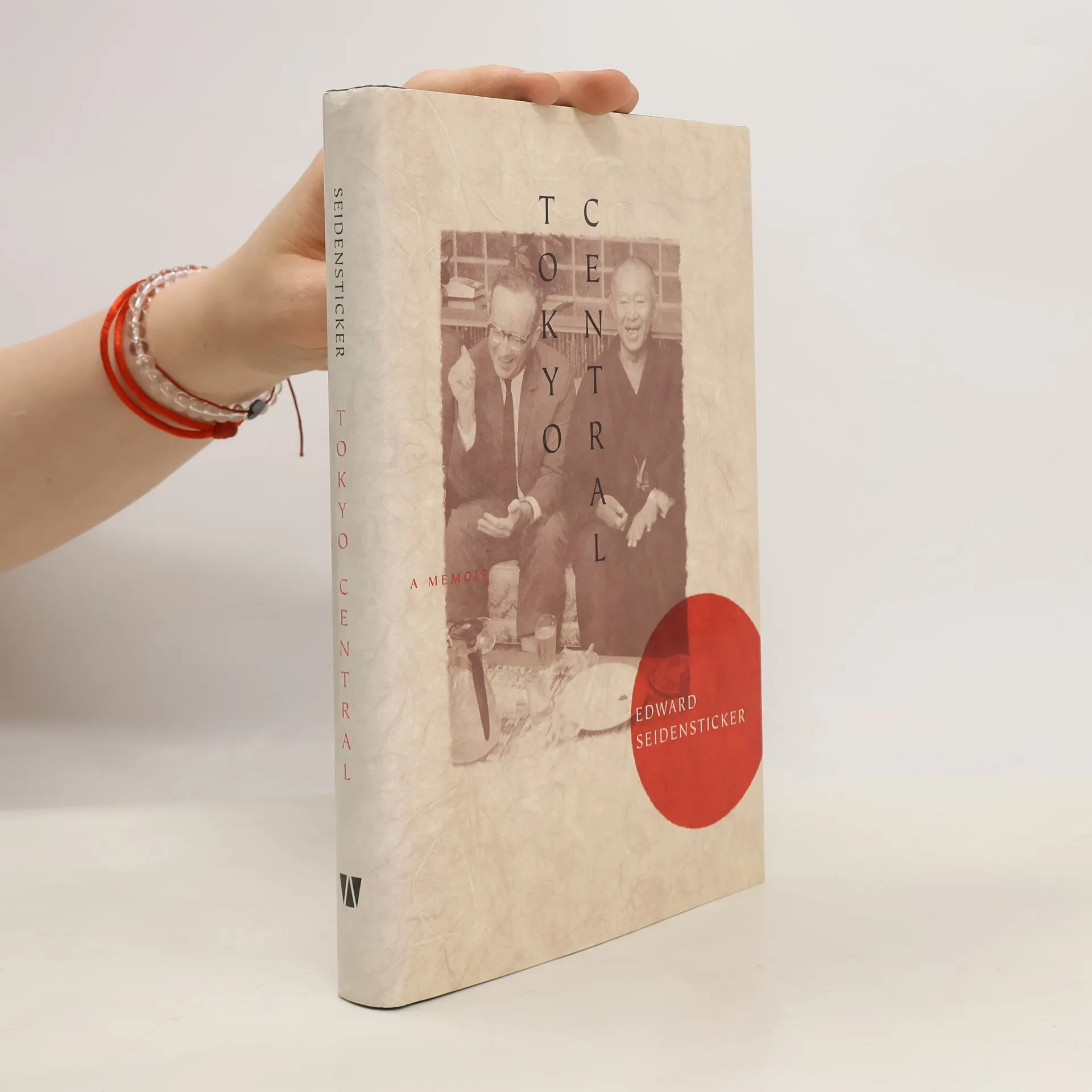
This memoir is by a translator who has introduced two generations of English-language audiences to the masterpieces of classical and modern Japanese literature. His patient rendering of novels ranging from the 11th-century Tale of Genji to works of such modern masters as Junichiro Tanizaki, Yukio Mishima and Nobel-Prize winner Yasunari Kawabata has earned him the National Book Award as well as the Order of the Rising Sun, Japan's highest honour for foreigners.
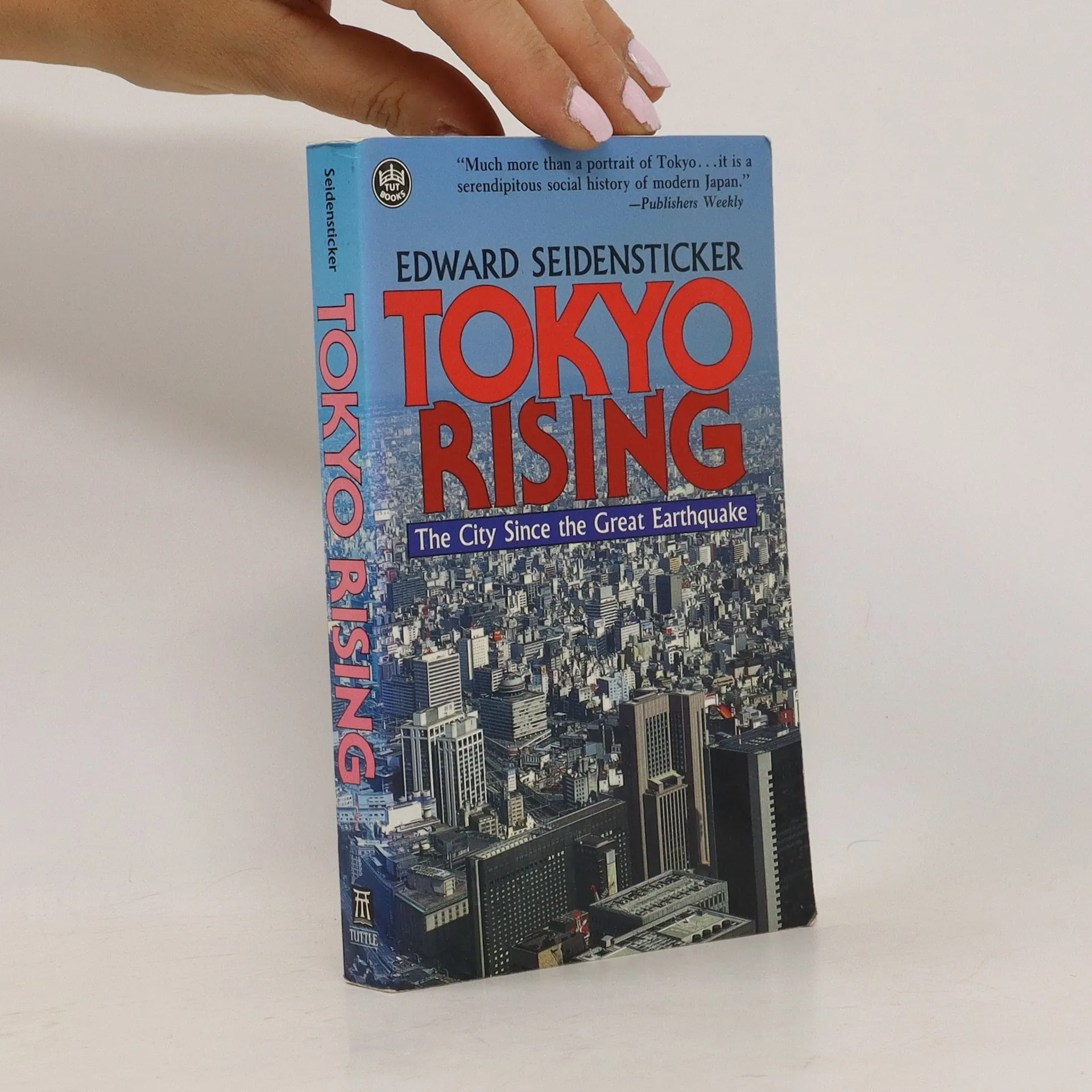
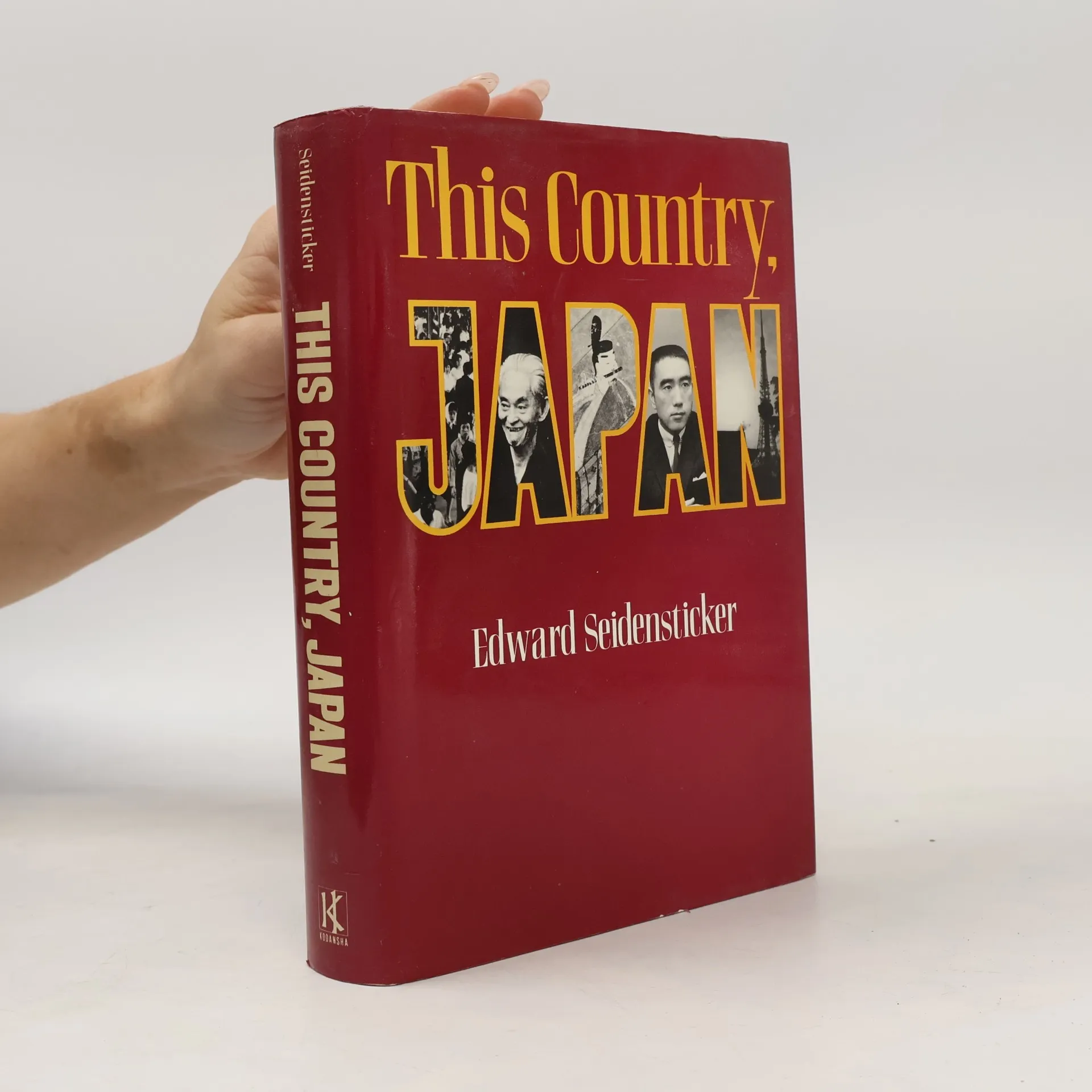
A continuation of the author's history of Tokyo explains how the city recovered from both a major earthquake and Allied bombing raids in World War II
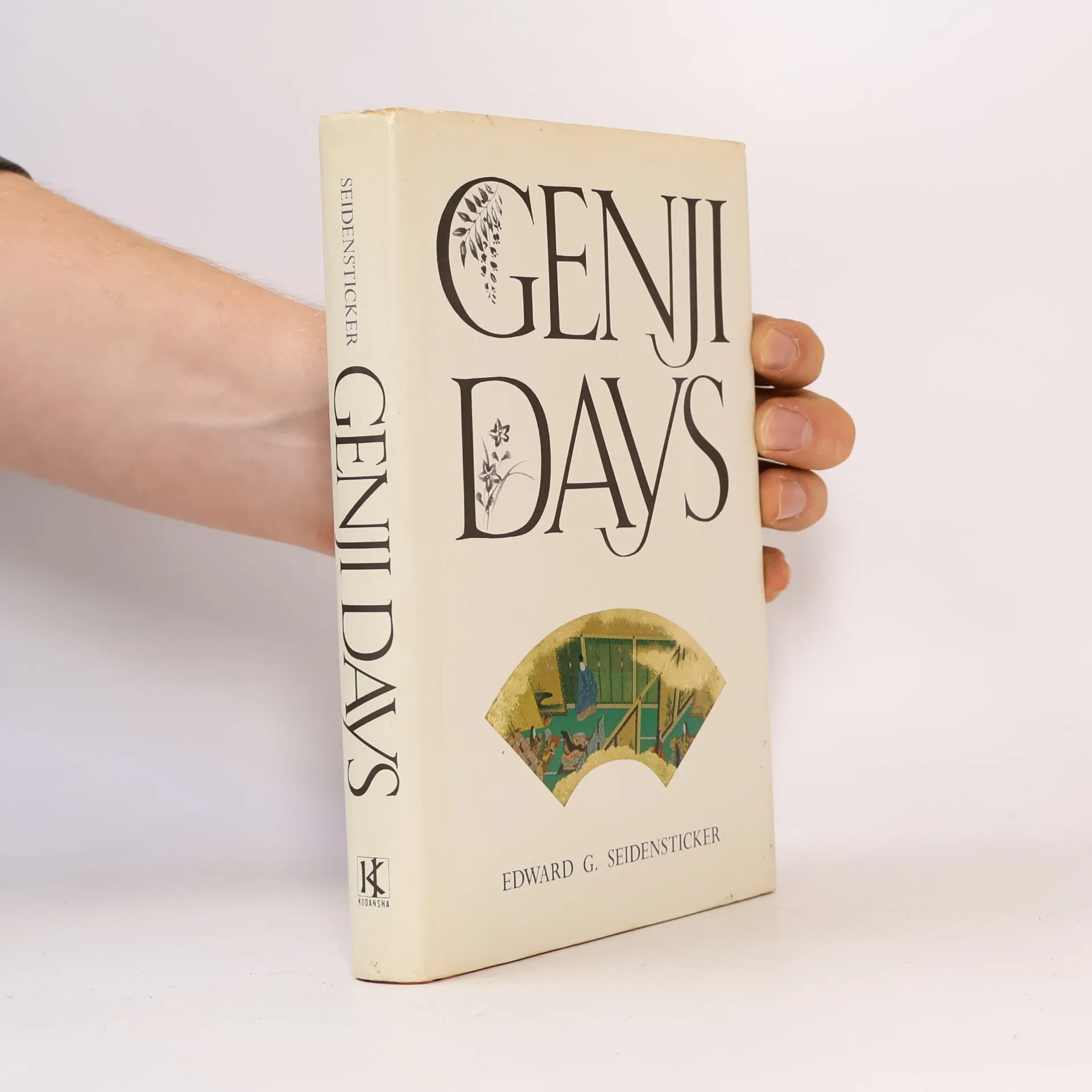
A journal-like text describing Seidensticker's experiences tranlating The Tale of Genji .
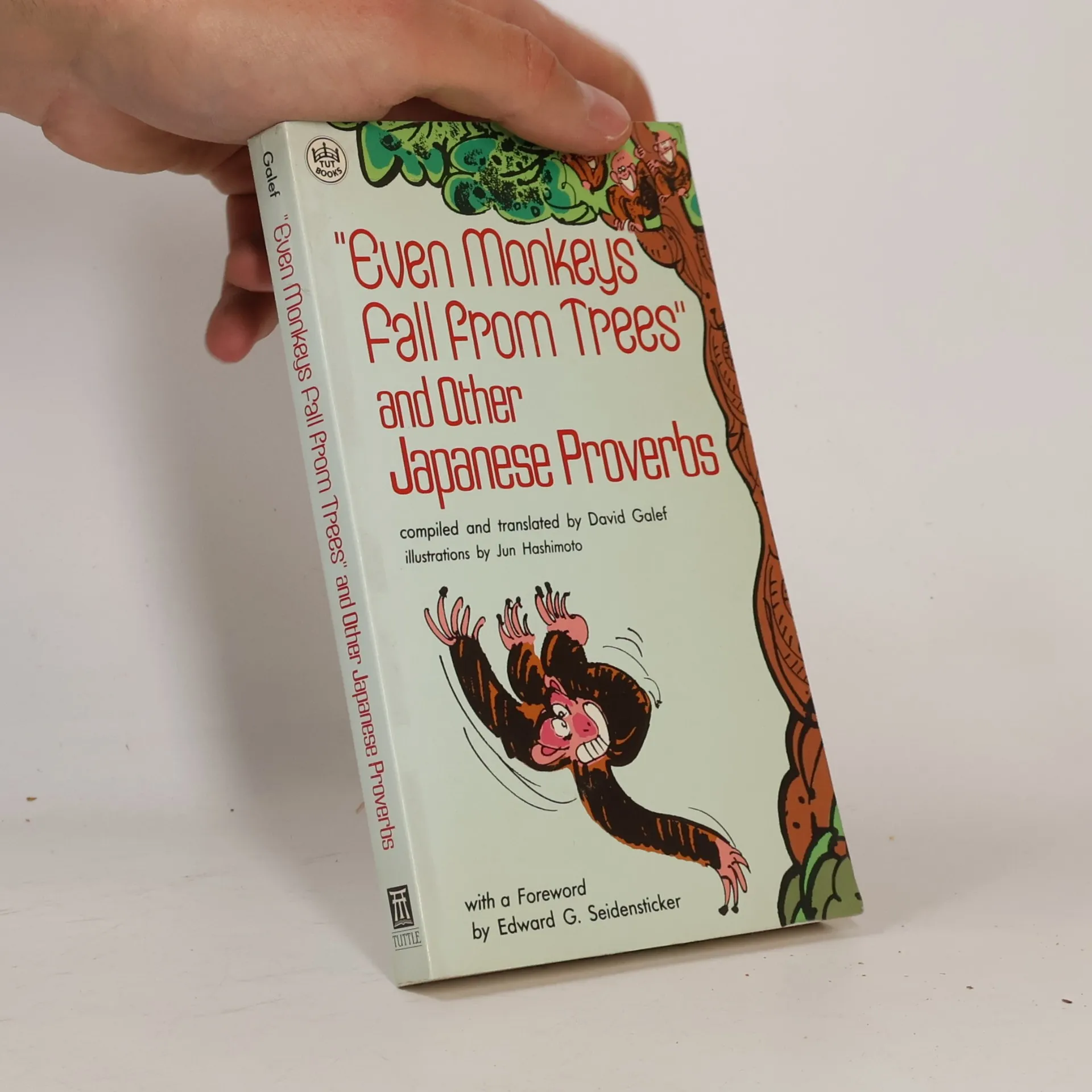
100 of the most common sayings are collected here with their English equivalents. Each proverb is given in Japanese script and in romanized form with a delightful illustration.