Kirchenrecht 1
- 172 Seiten
- 7 Lesestunden








Die Welt ist aus den Fugen. Finanz-, Banken- und Staatsschuldenkrisen treten gleichzeitig auf, während täglich neue Rettungsfonds gebildet oder bestehende aufgestockt werden. Millionen sind vernachlässigbar, Milliarden überschaubar, und nur Billionen gelten als angemessen. Ein unbegrenzter Schutzschirm soll nun die marode Welt retten, und fast alle Wohlfahrtsstaaten sind in diesen Wahnsinn verstrickt. Die öffentliche Meinung sieht das Desaster als Ergebnis verantwortungsloser Spekulanten und Banker, die gestoppt werden müssen. Die Occupy-Bewegung bringt dies mit dem Slogan „Wir sind die 99 Prozent“ auf den Punkt. Die Frage, wie eine kleine Gruppe von Akteuren die Welt destabilisieren kann, bleibt unbeantwortet. Das Ausmaß der Lügen verdeutlicht die Schwere der Verwerfungen. Dabei steht das Konzept des Wohlfahrtsstaats selbst vor dem Scheitern. Er benötigt Spekulation und Schulden, um den Schein seiner Ansprüche aufrechtzuerhalten. Das Versprechen, neben materiellem Wohlstand auch individuelles Glück zu bieten, erweist sich als hohl. Der Wohlfahrtsstaat handelt im Namen der Bürger, was Freiheit einschränkt und Entmündigung zur Norm macht. Um dem Wahnsinn Einhalt zu gebieten, ist eine Rückbesinnung auf die Tradition notwendig, die Freiheit in die europäische Geistesgeschichte eingeführt hat. Nur so kann der Weg aus dieser Krise gefunden werden.
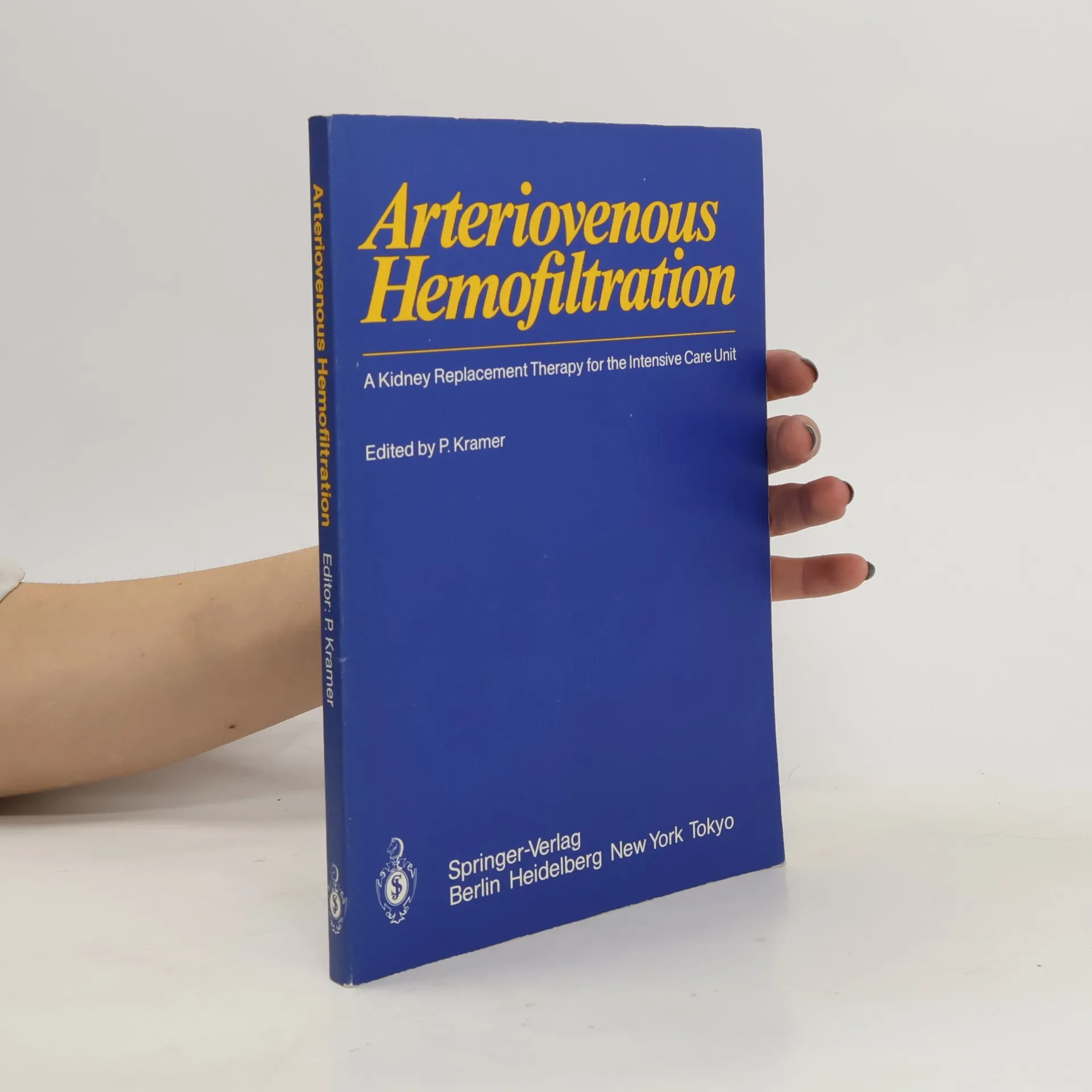
Nieren-(Ersatz)-Therapie im Intensivpflegebereich
franz. Gesellschaftsideale von d. Renaissance bis zur Moderne ; typ. Menschenbilder als Ausprägungen ihrer Zeit
Stanley Kubrick's Dr. Strangelove, or: How I learned to Stop Worrying and Love the Bomb (1964) is the definitive film about the nuclear age. Peter Kramer analyses its key scenes and complex production history, highlighting major themes such as Strangelove's Nazi past and the film's close relationship with real-world nuclear strategy and politics.
Stanley Kubrick's 2001: A Space Odyssey (1968) is widely regarded as one of the best films ever made.