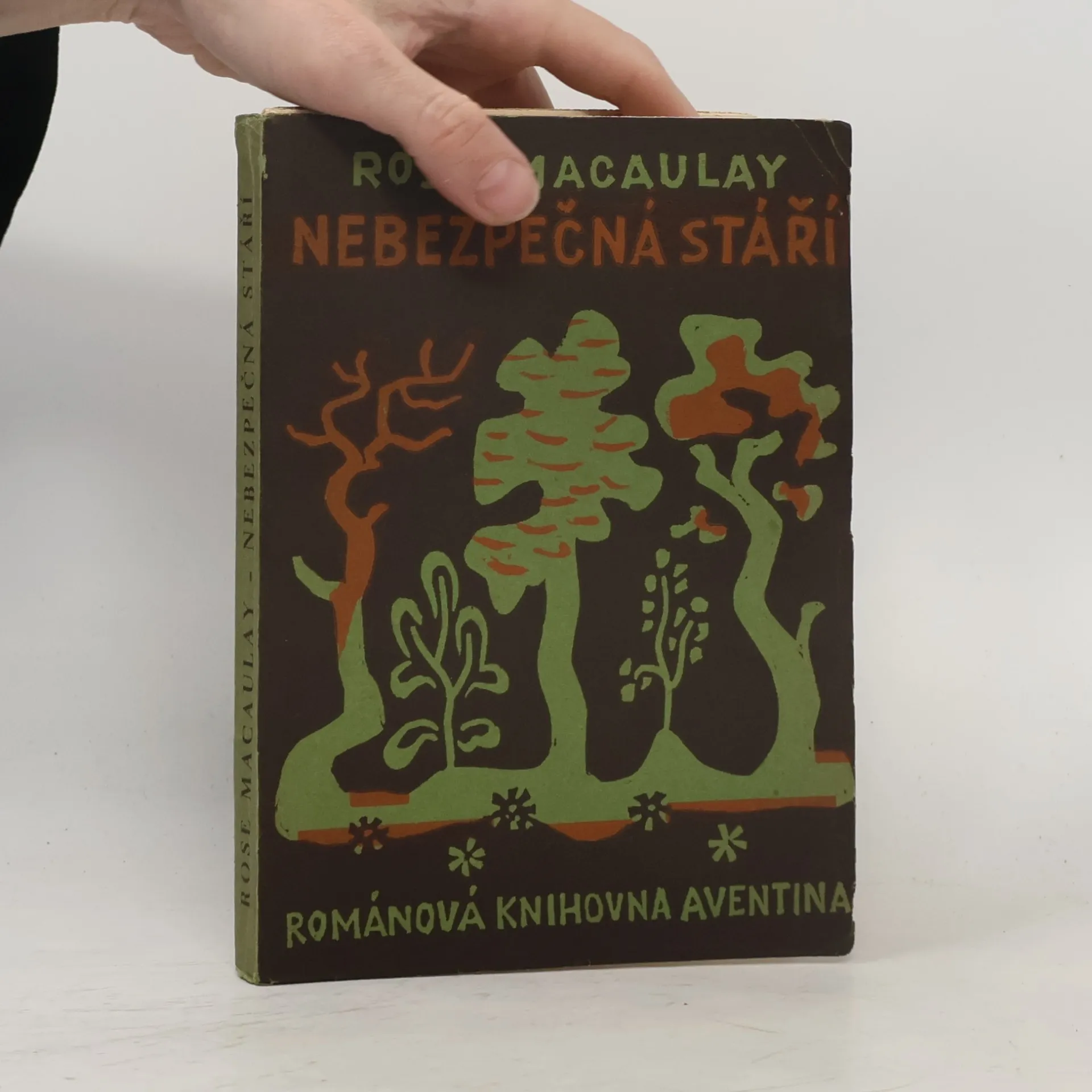
They Went to Portugal
- 664 Seiten
- 24 Lesestunden
From the author of the beloved novel The Towers of Trebizond, a book about Portugal that is part travel-ogue, part history and wholly personal.


Emilie Rose Macaulay war eine Schriftstellerin, deren Werk „unser Jahrhundert schmückt“. Ihre frühen Romane sind erfüllt von Erinnerungen an Italien, wo sie einen Teil ihrer Kindheit verbrachte. Ihre fünfzigjährige schriftstellerische Karriere begann sie in England und tauchte bald in das Londoner Literaturleben ein. Ihr Stil ist unverwechselbar und ihr Werk einzigartig, was den Lesern ein bemerkenswertes literarisches Erlebnis bietet.


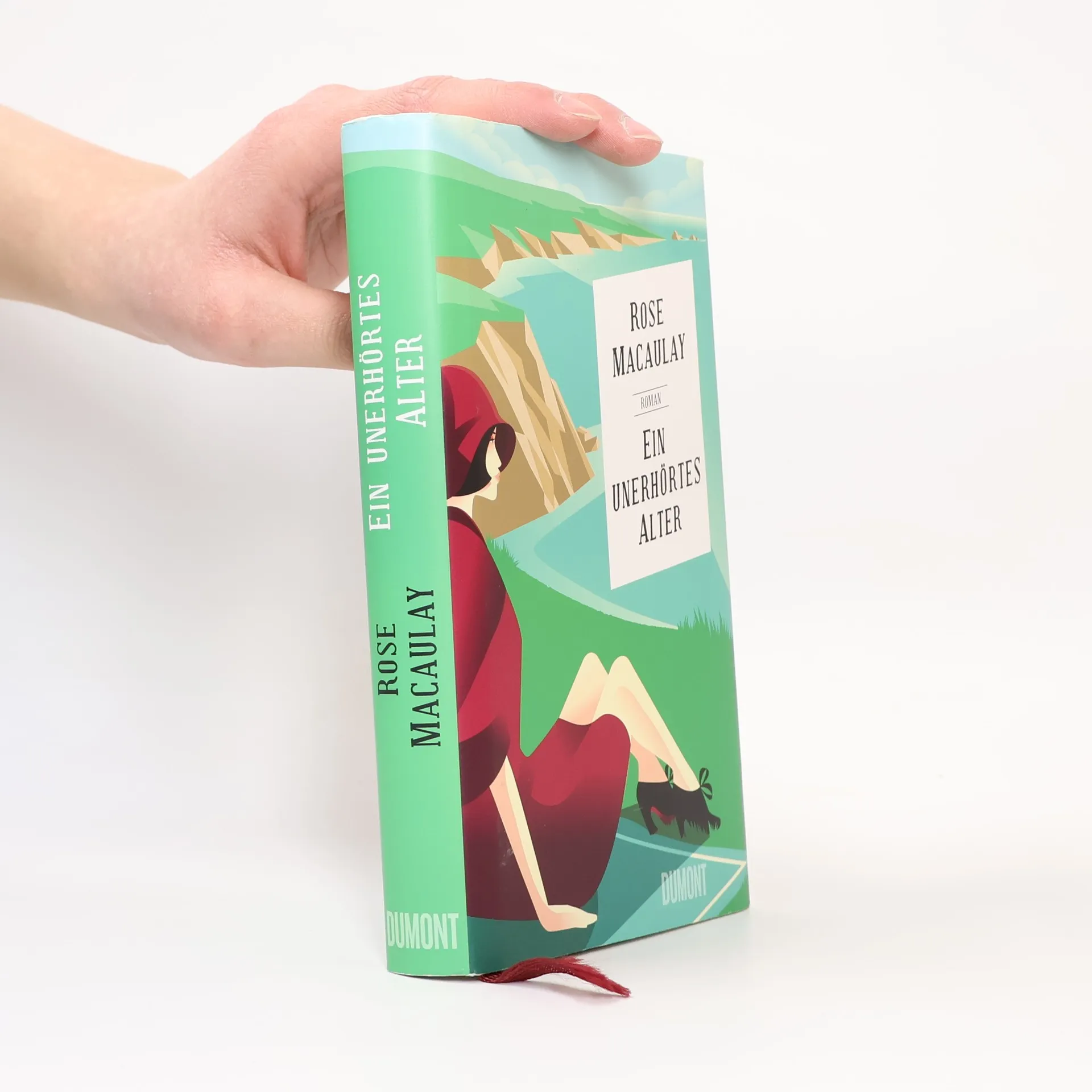
From the author of the beloved novel The Towers of Trebizond, a book about Portugal that is part travel-ogue, part history and wholly personal.
Set against the backdrop of a journey through Turkey, the narrative explores the spiritual evolution of a small Anglo-Catholic group traveling by camel. The protagonist's experiences mirror the author's own evolving beliefs, making it a profound spiritual autobiography. Influenced by Virginia Woolf, Macaulay's literary contributions extend beyond novels to include biographies and travelogues, showcasing her diverse talents. Her body of work includes notable titles like Abbots Verney, The Lee Shore, and The World My Wilderness, highlighting her significant impact on English literature.
Exploring the psychological and social factors that contribute to bigotry, this book delves into the formation of prejudiced attitudes and beliefs. It examines how personal experiences, cultural influences, and societal norms shape individuals' views towards others. Through a blend of research and real-life examples, the author highlights the consequences of bigotry and offers insights into fostering understanding and acceptance. This thought-provoking work aims to challenge readers' perceptions and encourage self-reflection on their own biases.
All Rose Macaulay's anti-war writing, collected together in one fascinating and thought-provoking volume. Her novel Non-Combatants and Others (1916), her journalism for The Spectator, Time & Tide, The Listener and other magazines from the mid-1930s to the end of the Second World War, and her only wartime short story, `Miss Anstruther's Letters'.
Potterism is about the Potter newspaper empire, and the ways in which journalists struggled to balance the truth and what would sell, during the First World War and into the 1920s. When Jane and Johnny Potter are at Oxford they learn to despise their father's popular newspapers, though they still end up working for the family business.
Neville Hilary feiert auf dem Landsitz im Kreise der Familie ihren 43. Geburtstag. In der Mitte ihres Lebens realisiert sie, dass sie als Mutter von ihren Kindern Gerda und Kay nicht mehr gebraucht wird und dass sie anders als ihr Mann Rodney keine erfüllende Karriere vorzuweisen hat. Das Medizinstudium hatte Neville mit Anfang zwanzig für Ehe und Kinder abgebrochen, doch nun beschließt sie, dass es höchste Zeit ist, einen gesunden Egoismus zu pflegen und vergangenen Ambitionen nachzustreben: Sie wird an die Universität zurückkehren und das Examen absolvieren. Ihre 63-jährige Mutter, Mrs Hilary, fühlt sich unterdessen in ihrem Witwendasein derart unbeachtet, dass sie sich sogar der (von ihr zunächst argwöhnisch abgelehnten) Psychoanalyse zuwendet – mit dem Ziel, wenigstens beim Therapeuten endlich mal nur über sich selbst sprechen zu können. Und auch die anderen Frauen der Familie Hilary schlagen für ihre Zeit höchst ungewöhnliche Wege ein: Die unentschlossene Nan liebt zwar Barry, möchte aber vielleicht doch lieber ungebunden bleiben, die feministische Pamela findet ihr Glück in Arbeitsleben und Frauenwohngemeinschaft. Und dann wäre da noch die zwanzigjährige Gerda, jung und freigeistig, die alles kriegt, was sie will – und wenn es der Verehrer ihrer Tante Nan ist …
Rose Macaulays 1918 erschienener Roman gilt als Inspiration für Aldous Huxleys "Schöne neue Welt". In einem England nach dem "Großen Krieg", der die Gesellschaft stark gezeichnet hat, kommt die Regierung zu dem Schluss, dass das Elend der Vergangenheit der Dummheit der Menschen zuzuschreiben ist. Daher verfolgt sie das Ziel, die Bevölkerung klüger zu machen, indem Bürger:innen in ein fragwürdiges System von Intelligenzkategorien klassifiziert werden. Nur bestimmte Kombinationen sollen sich fortpflanzen, während unerwünschter Nachwuchs mit hohen Strafzahlungen belegt wird, während gewünschte Vermehrung finanziell belohnt wird. Widerstand regt sich in der Bevölkerung, die sich gegen die Einmischung in ihre Liebes- und Familienangelegenheiten wehrt. Ein neu geschaffenes Ministerium, das "Ministry of Brains", ist für die Umsetzung und die propagandistische Vermittlung der Maßnahmen zuständig. Als die junge Ministeriumsmitarbeiterin Kitty Grammont sich in den Minister verliebt, der für eine Ehe mit ihr nicht in Frage kommt, gerät sie in einen Konflikt mit dem eigenen politischen Anspruch. Mit viel Witz und Situationskomik beschreibt Macaulay das teils absurde Amtsgeschehen und die Einfalt der Bürger:innen und bietet gleichzeitig eine scharfsichtige Analyse der zerstörerischen Folgen des Ersten Weltkriegs für Gesellschaft und Individuum.
A study of a dual personality in the daughter of parents of widely different social standing and ideals.
Speculating on the mysterious attraction of ruined heaps of stone for thousands of travelers each year, the author identifies the conscious human desire to swim "...down the hurrying river of time, whose mysterious reaches, stretching limitlessly behind, glimmer suddenly into view..." It is as good a description of our perverse affection for the crumbling relics of the past as we are apt to find. Blending classical literature, history, archaeology, and observations from her own travels, Macauley takes readers on a unique tour of the world's greatest ruins: Troy, the city of Tyre, Herod's city of Ascalon, and the "lost cities" now buried in the jungles of Central and South America. With the help of history's great observers, from Petrarch to Henry James, Macaulay speculates on life before the fall of these great cities. B&W photos & illus.
Told By an Idiot
Obsáhlý román z Anglie konce 19.století. Rozdělený do třech historických částí.