Die Kunst des professionellen Schreibens
Ein Leitfaden für die Sozial- und Geisteswissenschaften
- 223 Seiten
- 8 Lesestunden
Eine Untersuchung der moralischen und emotionalen Probleme, die der schlechten Schriftstellerei zugrunde liegen.






Ein Leitfaden für die Sozial- und Geisteswissenschaften
Eine Untersuchung der moralischen und emotionalen Probleme, die der schlechten Schriftstellerei zugrunde liegen.
Wie wir über Forschung nachdenken können
Howard S. Becker zählt zu den wichtigsten US-amerikanischen Soziologen der Gegenwart. Sein umfangreiches Werk umspannt weit mehr als ein halbes Jahrhundert und steht in der Tradition der interaktionistischen und interpretativen Soziologie, wie sie an der University of Chicago in den 1920er Jahren begründet wurde. Becker hat nicht nur höchst einflussreiche Schriften u. a. zur soziologischen Methodologie, zur Soziologie der Professionen, des Abweichenden Verhaltens und der Kunst vorgelegt, die allesamt zu Klassikern wurden, sondern gehört auch zu den frühen Pionieren und Wegbereitern der soziologischen Auseinandersetzung mit visuellen und anderen künstlerischen Ausdrucksformen. Der vorliegende Band präsentiert nun zum ersten Mal in deutscher Sprache seine umfassenden vergleichenden Reflexionen dazu, was das soziologische „Erzählen über Gesellschaft“ mit anderen, künstlerischen Erzählformaten gemeinsam hat - und was es davon unterscheidet. Sein leidenschaftliches Plädoyer für eine präzise Soziologie verbindet sich darin disziplinüberschreitend mit einer anregenden Diskussion von künstlerischen Formen der Darstellung gesellschaftlicher Phänomene und den vielfältigen Möglichkeiten, die sich daraus auch für die soziologische Phantasie ergeben, ihre Erzählungen über Gesellschaftliches nicht nur diesseits, sondern vor allem auch jenseits ihrer kanonisierten Formate vorzustellen.
Explores the unconventional ways we communicate what we know about society to others. This book explores the many ways knowledge about society can be shared and interpreted through different forms of telling such as fiction, films, photographs, maps, mathematical models - many of which remain outside the boundaries of conventional social science.
Symbolic interactionism, resolutely empirical in practice, shares theoretical concerns with cultural studies and humanistic discourse. Recognizing that the humanities have engaged many of the important intellectual currents of the last twenty-five years in ways that sociology has not, the contributors to this volume fully acknowledge that the boundary between the social sciences and the humanities has begun to dissolve. This challenging volume explores that border area.
This sociological text on deviance and difference provides an exploration into unconventional individuals and their place in normal society.
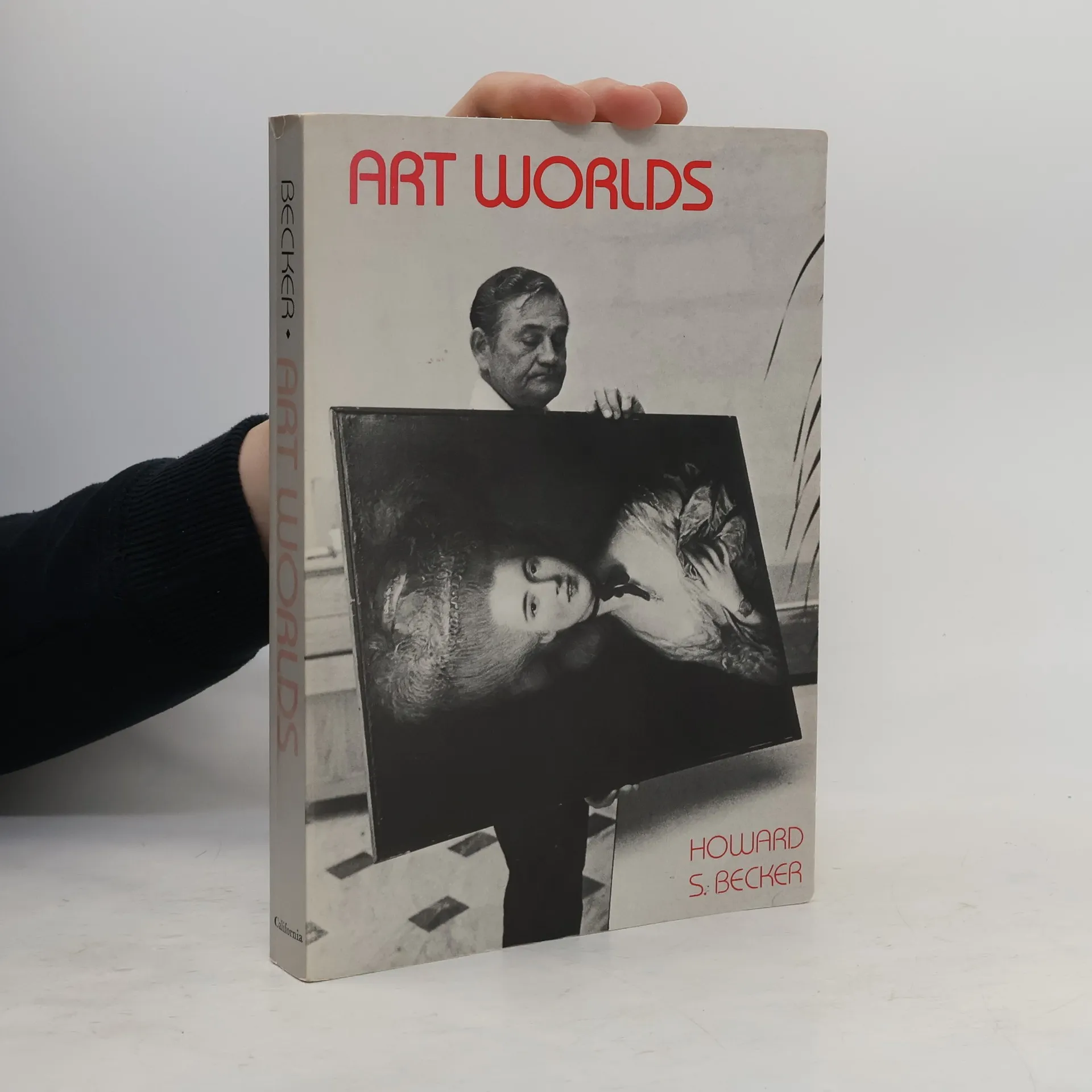
Argues that art works are not the creation of isolated individuals but result from cooperation between different artists, suppliers of materials, art distributors, critics, and audiences, who together make up the art world
This guide to research methods covers four areas of social science: the creation of imagery to guide research; methods of sampling to generate maximum variety in the data; the development of concepts to organize findings; and logical methods of exploring the implications of the findings.