Nadelstiche für die Seele
- 221 Seiten
- 8 Lesestunden


Windy Dryden ist eine führende Persönlichkeit in der britischen Tradition der kognitiven Verhaltenstherapie (CBT), insbesondere bekannt für seine Beiträge zur rational-emotiven kognitiven Verhaltenstherapie (RECBT). Seine umfangreiche Karriere, die seit 1975 andauert, hat ihn dazu gebracht, die CBT-Ausbildung in Großbritannien zu leiten und umfangreich zu diesem Thema zu publizieren. Er hat seine Arbeit der Ausbildung von Therapeuten weltweit gewidmet und teilt seine Expertise in diesem einflussreichen psychotherapeutischen Ansatz.



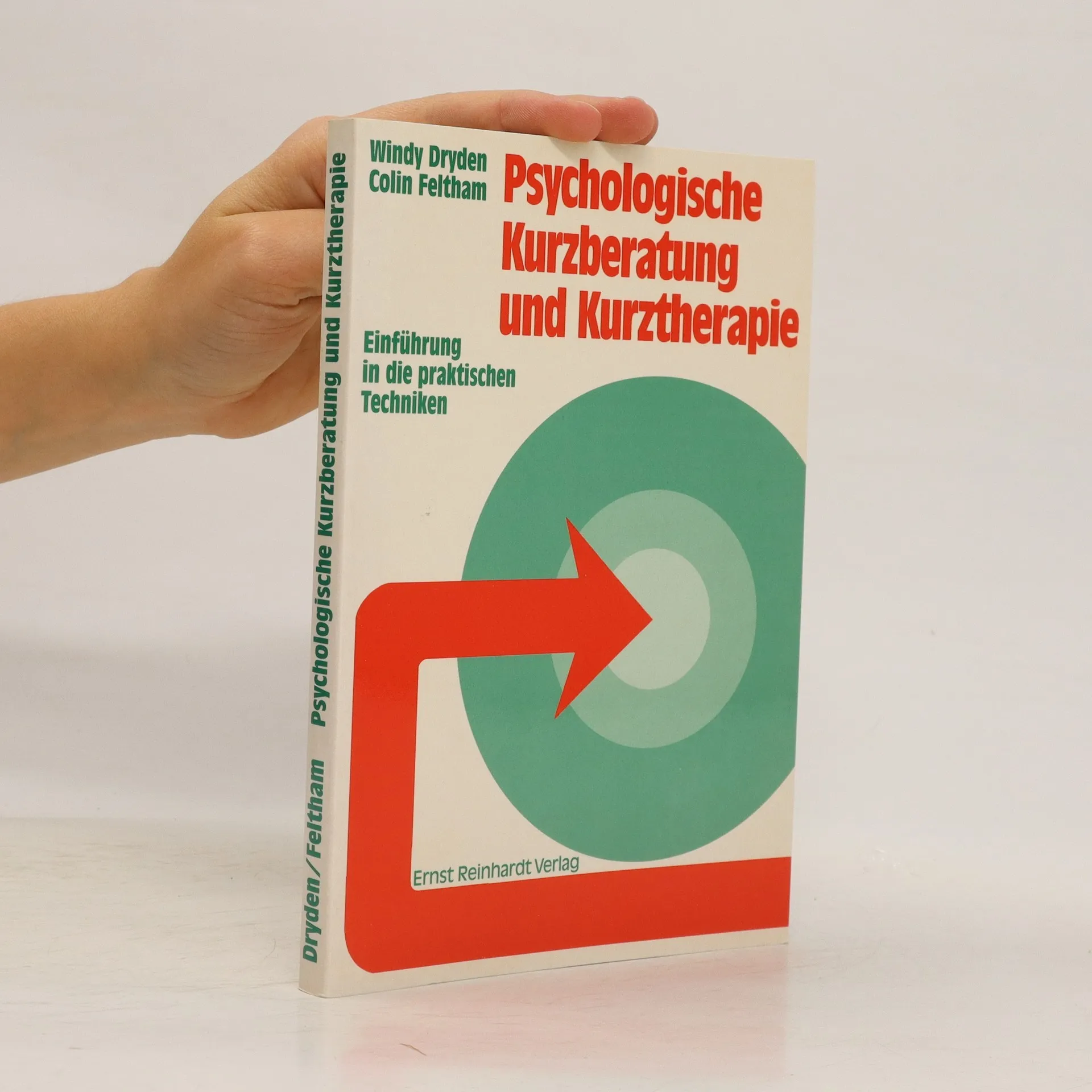

Einführung in die praktischen Techniken
Kurzberatung und Kurztherapie gewinnen im therapeutischen Alltag immer mehr an Bedeutung, nicht zuletzt infolge veränderter gesetzlicher Rahmenbedingungen. Die Autoren wenden sich, jenseits spezieller therapeutischer Schulen und theoretischer Konzepte, an alle angehenden Therapeuten und Berater und stellen die elementaren Grundbausteine (kurz- )therapeutischen Handelns in Form von kurzen Lerneinheiten vor. Im Anhang bietet dieser Leitfaden u. a. diverse Klienten- Fragebogen, ein Entwicklungsdiagramm zur Zielanalyse und ein Formular zur Klienteninformation.
Windy Dryden draws a distinction between healthy and unhealthy anger, and shows you how you can control your unhealthy anger by understanding what triggers it. Unhelpful beliefs and rigid expectations can lead to a cycle of unhealthy anger, which can be dangerous and destructive. There is, however, some good news. You have the power to change this pattern and to develop strategies to express your anger in a helpful way, so that you can communicate what you feel without scaring yourself, or those close to you. Practical, rational, strategic and supportive, this short and accessible book gives you the tools you need to make the change.
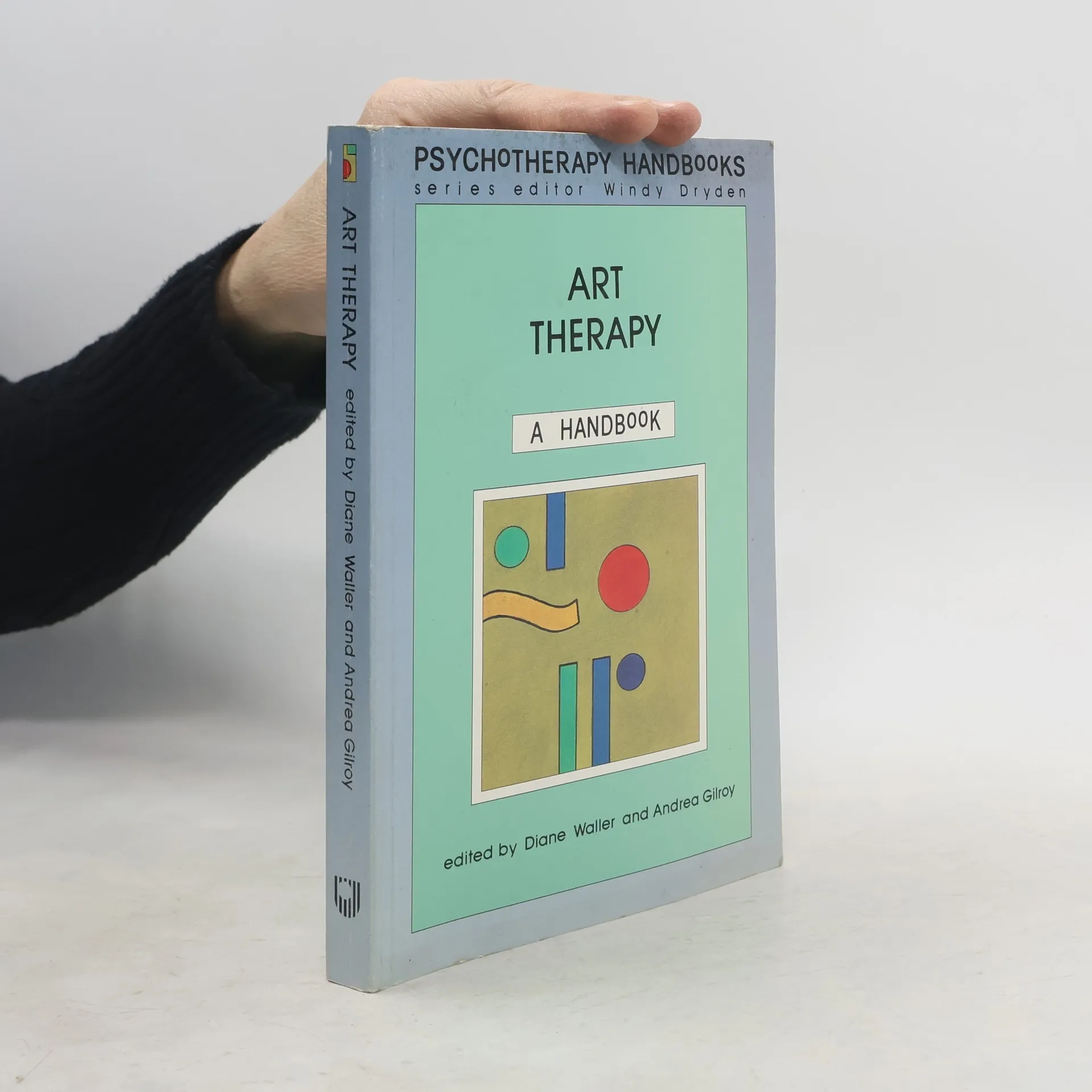
This handbook presents new ideas in art therapy and practice, incorporates them into more established art therapy, and points to future developments.
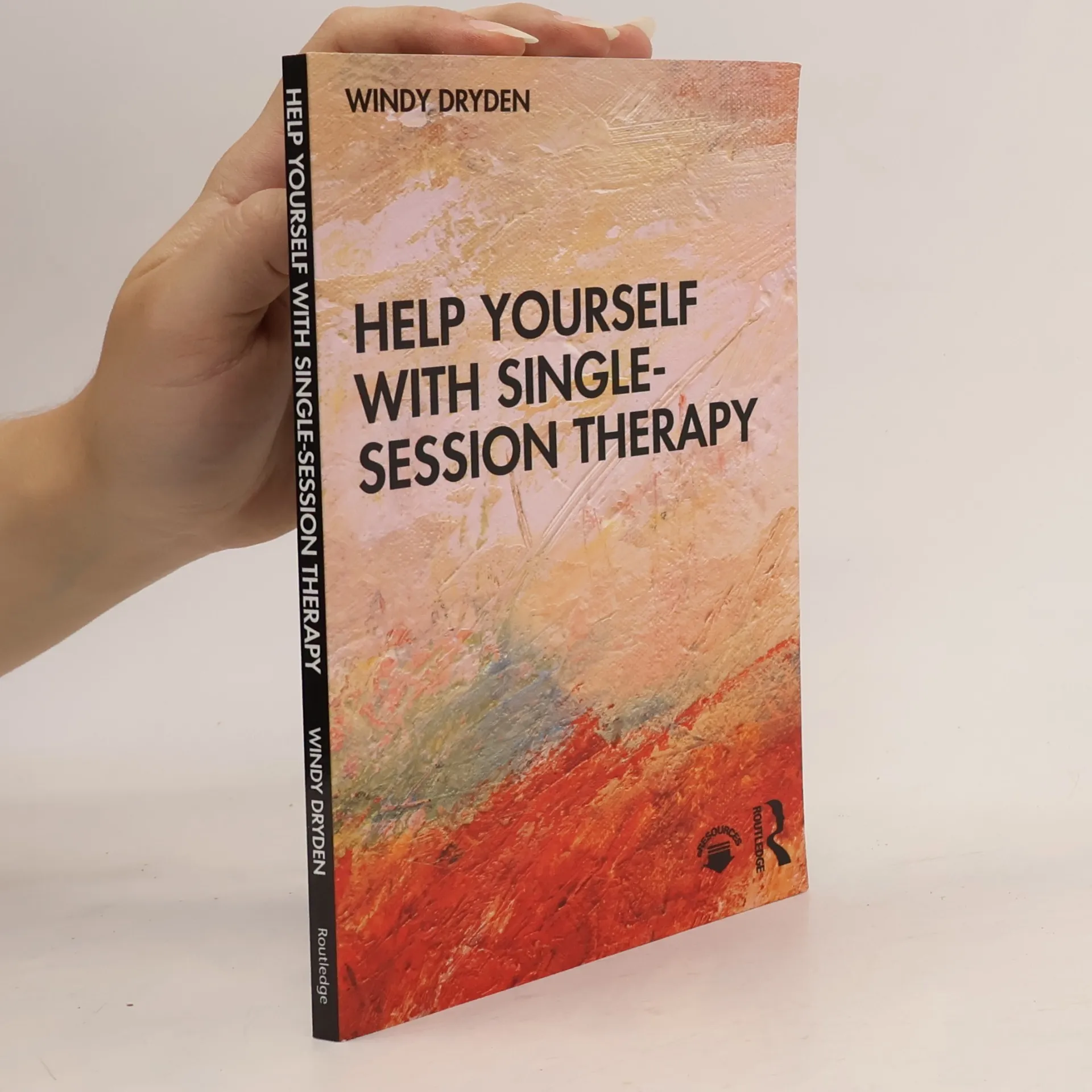
Help Yourself with Single-Session Therapy provides an outlook on how you can help yourself with your emotional problems by using insights from single-session therapy. Single-session therapy draws upon the skills and strengths of both the therapist and the client. The book will encourage you to develop your own solutions to your problems. Broken down into fourteen accessible chapters, it will help you to identify the problem before guiding you to provide your own goals and solutions. The importance of how to maintain change is also a key part of the process. Help Yourself will be useful for all those who wish to help themselves with their emotional problems and for those who wish to support them. It will also be relevant for counsellors, psychotherapists and students in these disciplines who are interested in the application of very-brief therapy to self-help.
Even in one session a therapist can make a difference. The second edition of Single-Session Therapy enables therapists to work with clients for one session and achieve possible and realistic results.
The new edition of Single-Session Therapy: Distinctive Features provides an up-to-date general introduction to the field of Single-Session Therapy (SST).
How to Think and Intervene Like an REBT Therapist provides the trainee with an opportunity to discover how experienced therapists think, and how their thoughts influence their interventions when using Rational Emotive Behaviour Therapy (REBT).
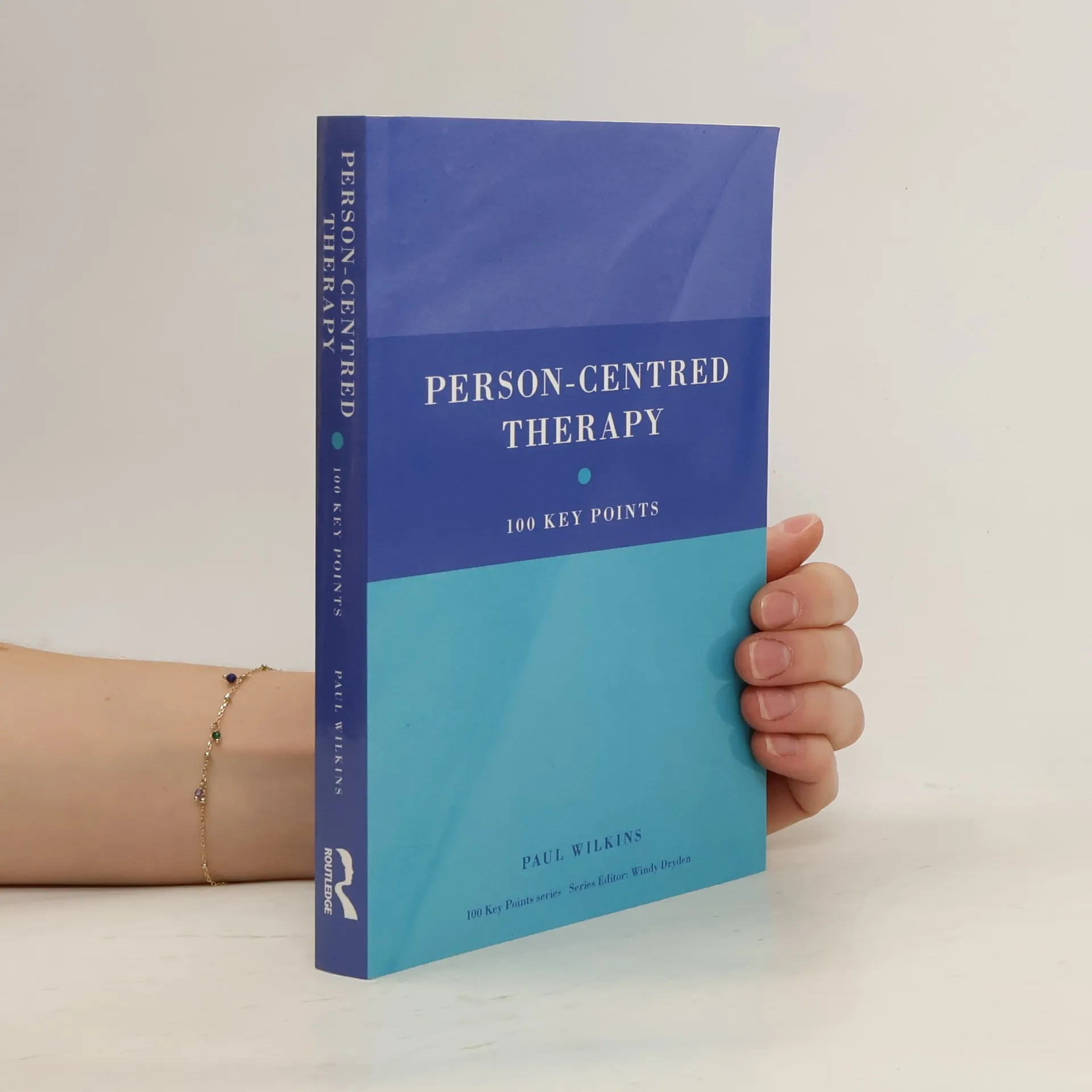
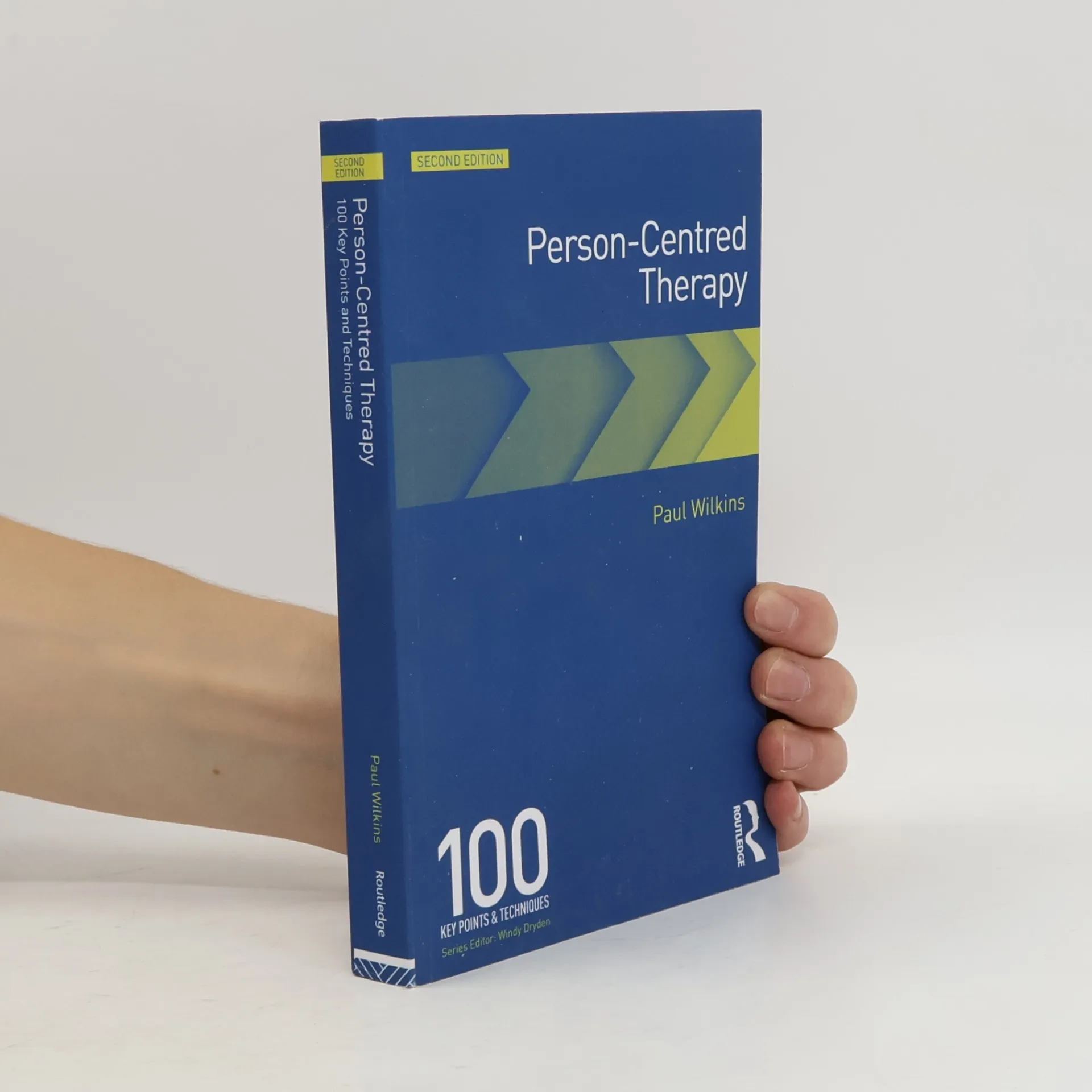
This work offers a comprehensive overview of person-centred therapy and presents the core theories, advances and practices of the approach in a concise, accessible form.
Exploring the impact of single-session therapy (SST), this book features transcripts from sessions with volunteers addressing their regrets. Each participant shares their insights months later, providing a deeper understanding of their experiences. Windy Dryden synthesizes these reflections in the final chapter, highlighting common themes and outcomes. The work illustrates the effectiveness of SST in helping individuals navigate their emotions and achieve personal growth.
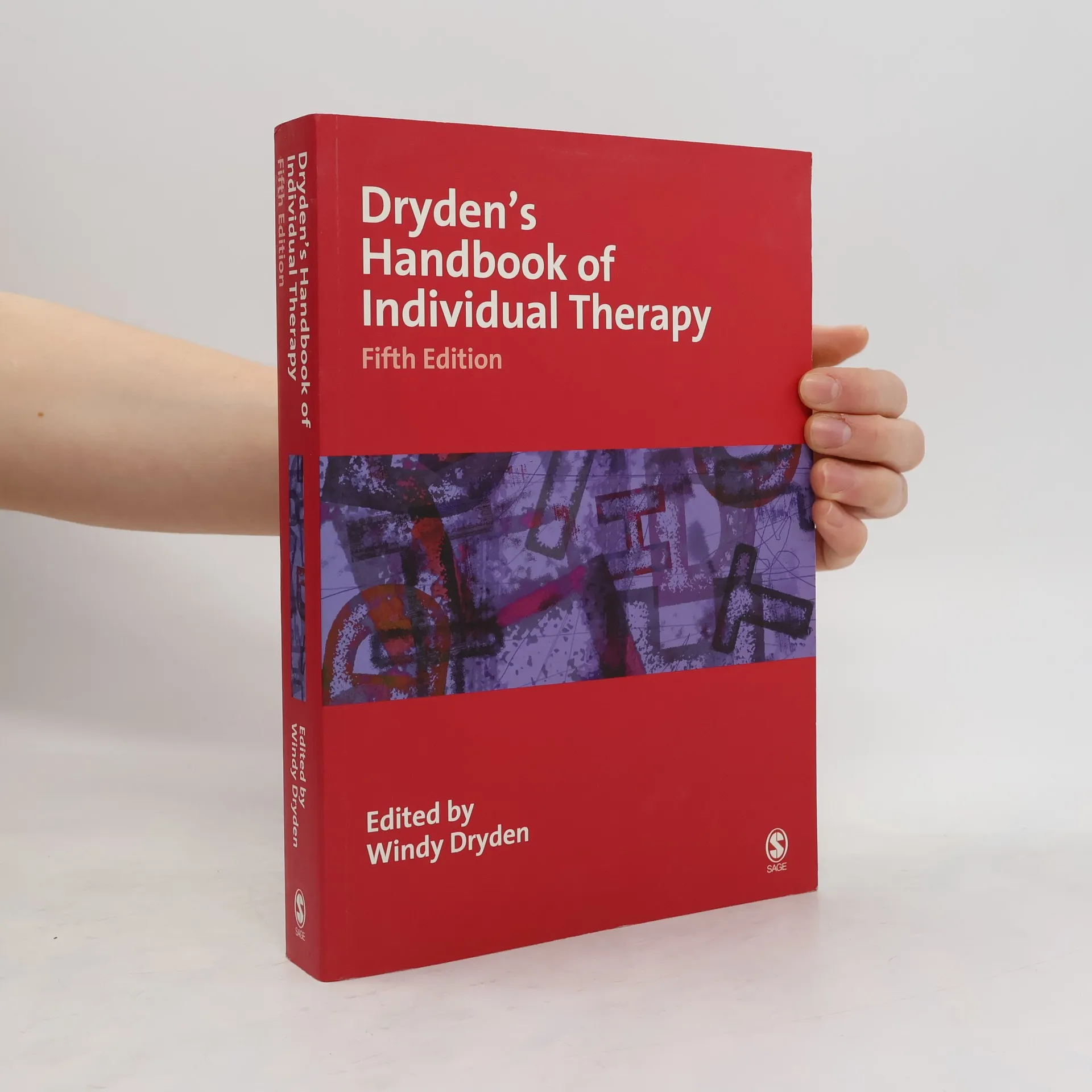
This updated handbook presents a comprehensive overview of the key approaches to individual therapy practice, including three new chapters on narrative therapy, solution-focused therapy and integrative and eclectic approaches
Based on Rational Emotive Therapy by Paul Hauck. Rational Emotive Therapy helps you learn to take control of your life and feelings by recognizing where your reactions are caused by ideas which are false and self-defeating. This book offers solutions to such feelings as anxiety and guilt.
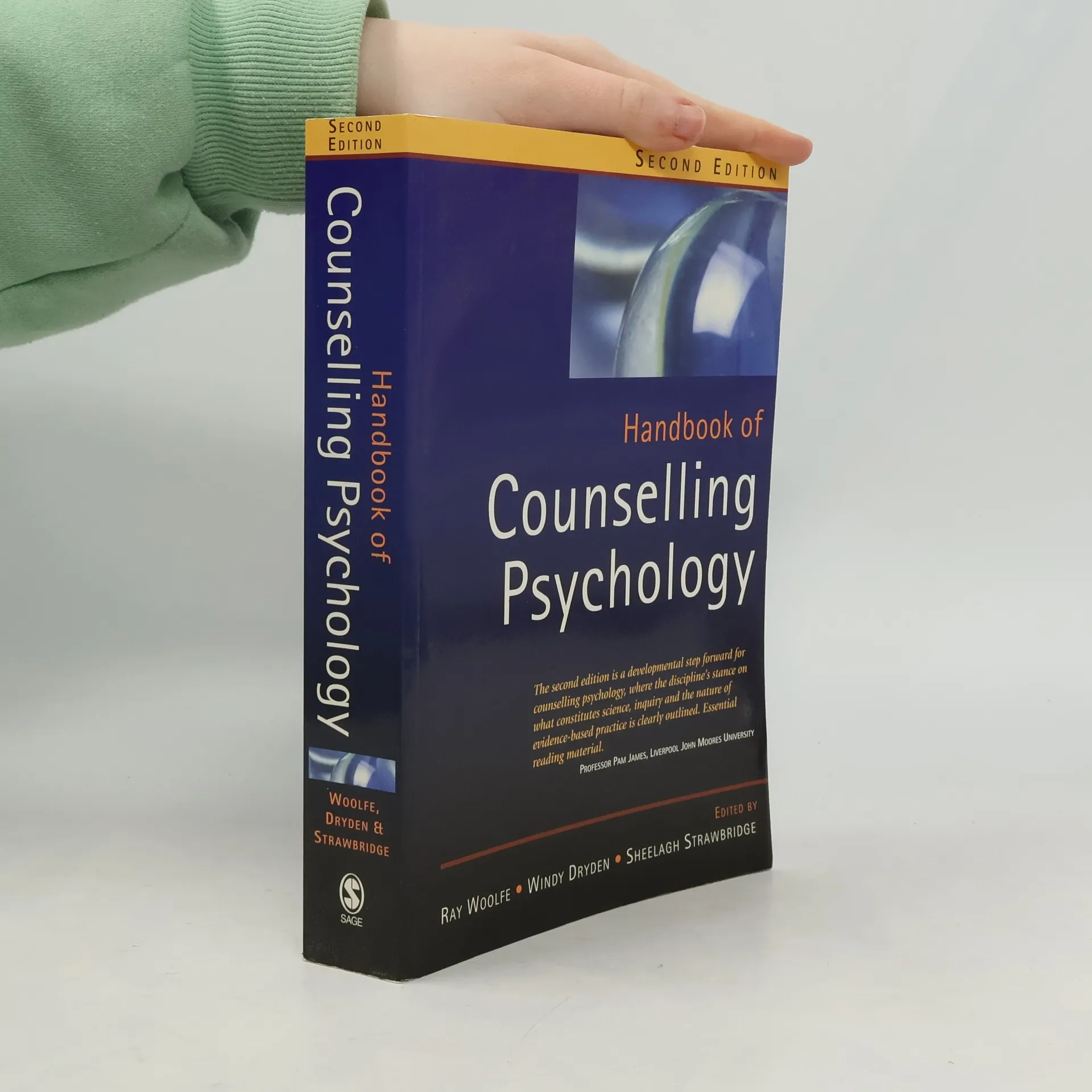
This Second Edition of the Handbook is a comprehensive work reflecting the current status of counselling psychology and its future trends. Well-structured and informative, it serves as an essential reference for both students and professionals. The text outlines the discipline's stance on science, inquiry, and evidence-based practice, marking a developmental step forward. It emphasizes a life-span framework, viewing distress as a natural part of human experience rather than pathology, making it crucial reading for those in the field. Highly recommended by lecturers and trainees, the Handbook offers a thorough guide to the context, theory, and practice of contemporary counselling psychology. It consolidates the expertise of leading practitioners and covers major topics such as theoretical approaches, methodology, contexts of practice, psychological interventions, and social, professional, and ethical issues. Fully revised and updated, the Second Edition features six new chapters addressing the transpersonal approach, gender issues, sexual identity, race and ethnicity, time-limited practice, and the body. Supported by illustrative case material, it demonstrates how various issues arise and are handled in practice. This Handbook is an invaluable resource for trainees, students, lecturers, and practitioners in counselling psychology, psychotherapy, and related helping professions.
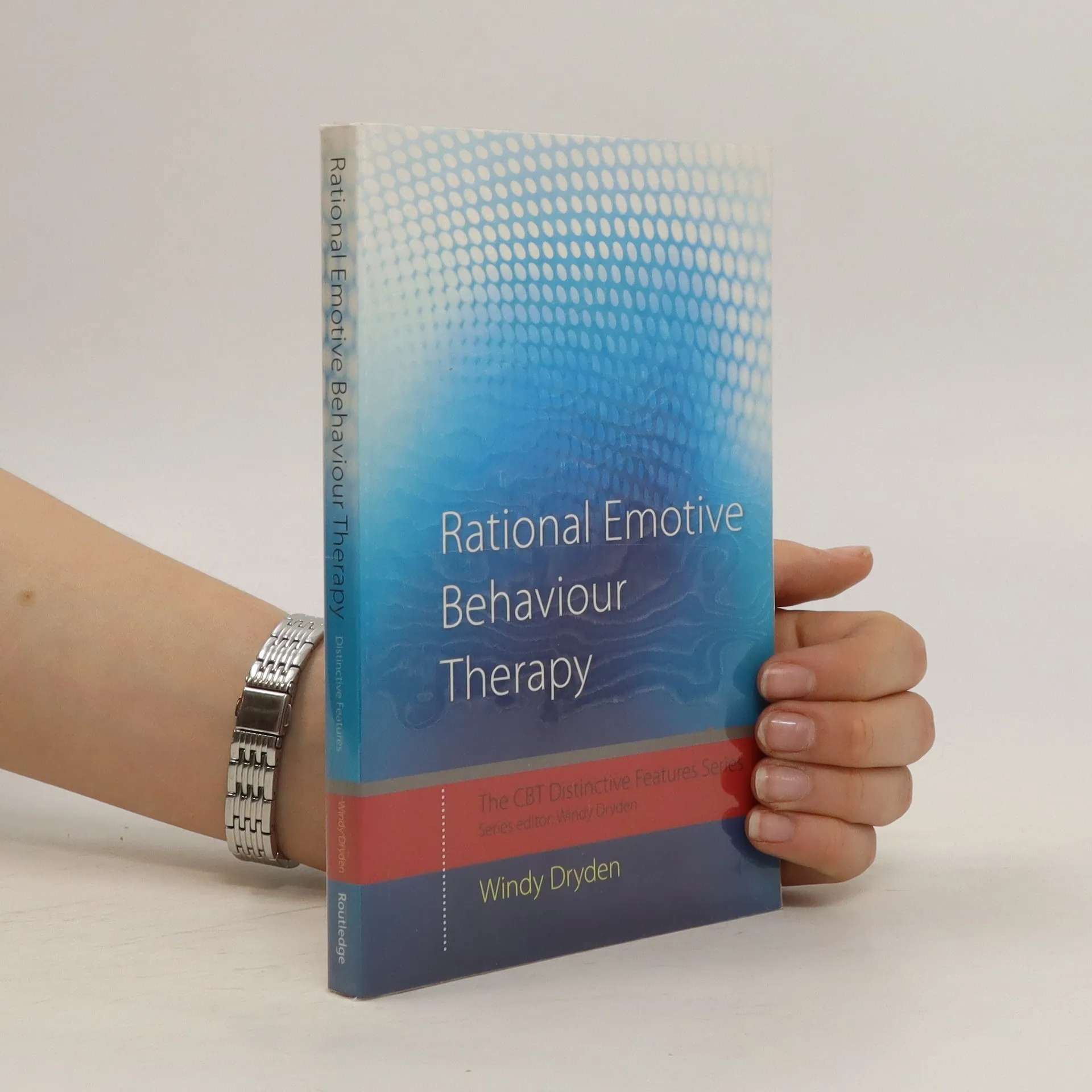
Rational Emotive Behaviour Therapy (REBT) encourages the client to focus on their emotional problems in order to understand, challenge and change the irrational beliefs that underpin these problems. REBT can help clients to strengthen conviction in their alternative rational beliefs by acting in ways that are consistent with them and thus encourage a healthier outlook. This accessible and direct guide introduces the reader to REBT while indicating how it is different from other approaches within the broad cognitive behavioural therapy spectrum. Divided into two sections; The Distinctive Theoretical Features of REBT and The Distinctive Practical Features of REBT, this book presents concise, straightforward information in 30 key points derived from the author's own experience in the field. Rational Emotive Behaviour Therapy: Distinctive Features will be invaluable to both experienced clinicians, and those new to the field. It will appeal to psychotherapists and counsellors, together with students and practitioners who are keen to learn how REBT can be differentiated from the other approaches to CBT.
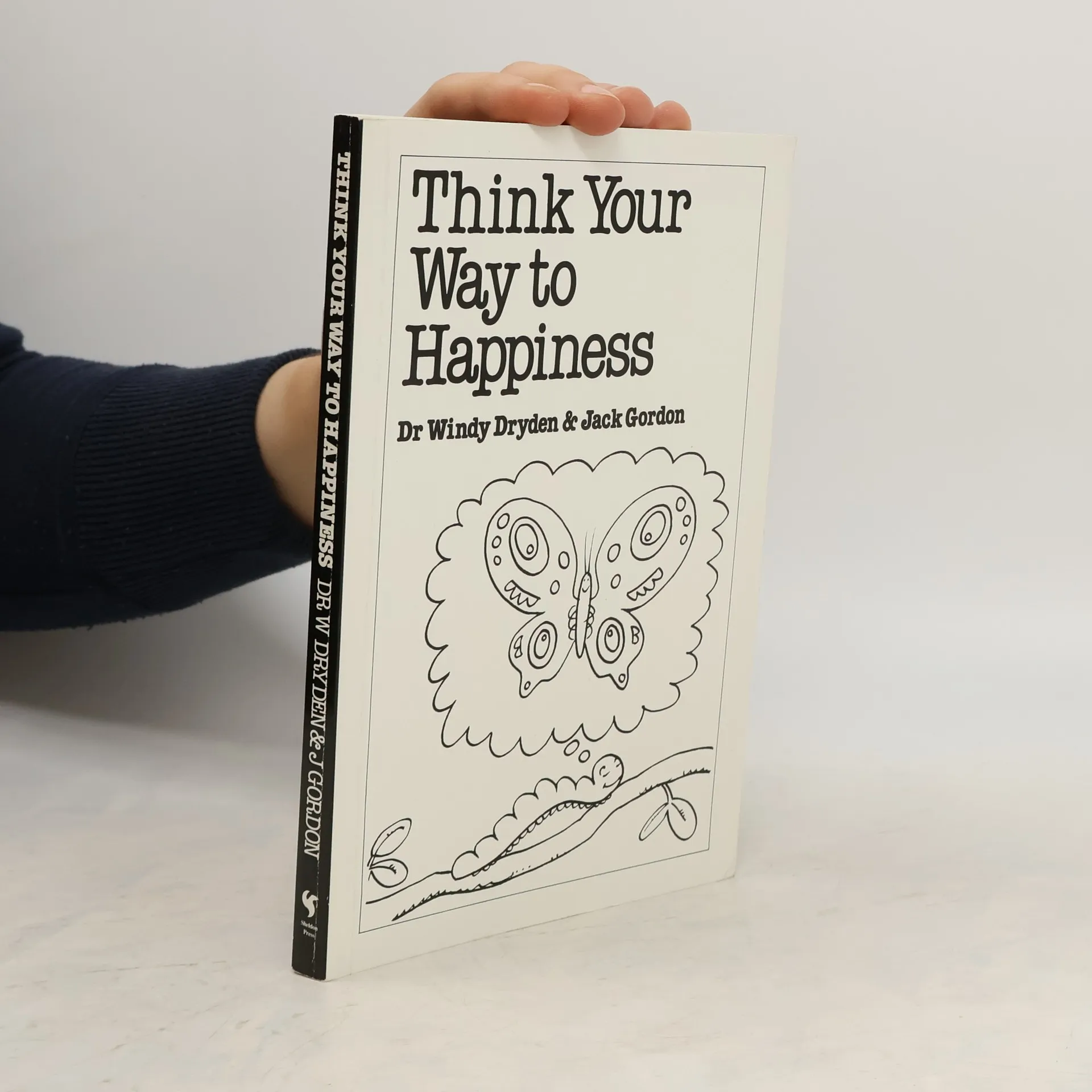
The way we think profoundly influences the way we feel, so learning to think differently can enable us to feel and act differently. Derived from the methods of cognitive behaviour therapy, this book shows how to tackle self-defeating thinking and replace it with a problem-solving outlook. This book gives clear and helpful advice on: Dealing with troublesome emotions Overcoming procrastination Becoming assertive Tackling poor time management Persisting at problem solving Handling criticism constructively Taking risks and making better decisions. This book will be invaluable to all those who are interested in becoming more personally effective in their everyday lives, and also to counsellors and students of counselling.
A Practitioner's Guide
Focusing on the barriers to client change, this book explores the challenges both clients and therapists encounter within rational emotive behavior therapy (REBT). It delves into the dynamics of the therapeutic relationship and offers insights into overcoming these obstacles, enhancing the effectiveness of REBT. By examining the interplay between client beliefs and therapist approaches, the book provides valuable strategies for facilitating meaningful change in therapy.
Focusing on Rational Emotive Behaviour Therapy (REBT), this collection showcases three of Windy Dryden's favorite works that highlight his insights into counseling and psychotherapy. The chapters exhibit his distinctive personal and humorous writing style, providing a broad perspective on his contributions to the field. Additionally, a postscript reviews his impactful 40-year journey in REBT, offering readers a deeper understanding of his legacy and influence in therapeutic practices.
A Practitioner's Guide
Focusing on Rational-Emotive Behaviour Therapy (REBT), this practical companion offers strategies to challenge and transform rigid attitudes that contribute to emotional and behavioral issues. Windy Dryden aims to empower individuals to effectively address their emotional problems through actionable insights and techniques rooted in REBT principles.
Focusing on the significance of Rational Emotive Behaviour Therapy (REBT), this book examines its impact on contemporary cognitive-behavioral therapy and psychotherapy. Authored by a prominent figure in the field, it delves into how REBT principles can enhance modern therapeutic practices, offering insights into its applications and effectiveness in addressing psychological issues today.
A Rational Emotive Behaviour Therapy Approach
Focusing on an innovative approach to mental health, this guide presents a unique method of single-session therapy designed for psychotherapists and counselors. It emphasizes brief therapeutic work, making it an accessible resource for professionals seeking to enhance their practice. With its authoritative insights, the book aims to improve client outcomes through a streamlined, one-at-a-time therapy model.
Windy Dryden explores his experiences with single-session therapy demonstrations conducted for Onlinevents. He shares insights into the techniques and methodologies used in these sessions, emphasizing the effectiveness of brief therapeutic interventions. Through practical examples, Dryden illustrates how therapists can maximize the impact of limited time with clients, making this a valuable resource for mental health professionals seeking to enhance their practice.
Focusing on the principles of single-session therapy, this book outlines effective practices and innovations within the field. It serves as a comprehensive guide for mental health professionals, exploring the benefits and applications of this therapeutic approach, while also discussing its future potential in clinical settings.
Focused on enhancing the skills of Rational Emotive Behaviour therapists, this guide identifies key areas of effective practice. It provides practical insights and strategies aimed at fostering competence in REBT, enabling therapists to advance in their professional development and improve their therapeutic techniques.
A Client's Guide
This second edition provides practical guidance on addressing common emotional challenges through Rational Emotive Behaviour Therapy (REBT). It emphasizes clear strategies to help individuals manage their emotional problems effectively, making it a valuable resource for those seeking to improve their mental well-being.
Focusing on the fundamentals of single-session therapy (SST) and procrastination, the author presents real transcripts from sessions with volunteers seeking help. Each participant shares their reflections months later, providing insights into their experiences and outcomes. The final chapter synthesizes these themes, illustrating the effectiveness of SST in addressing procrastination and showcasing the potential for personal growth within a brief therapeutic framework.
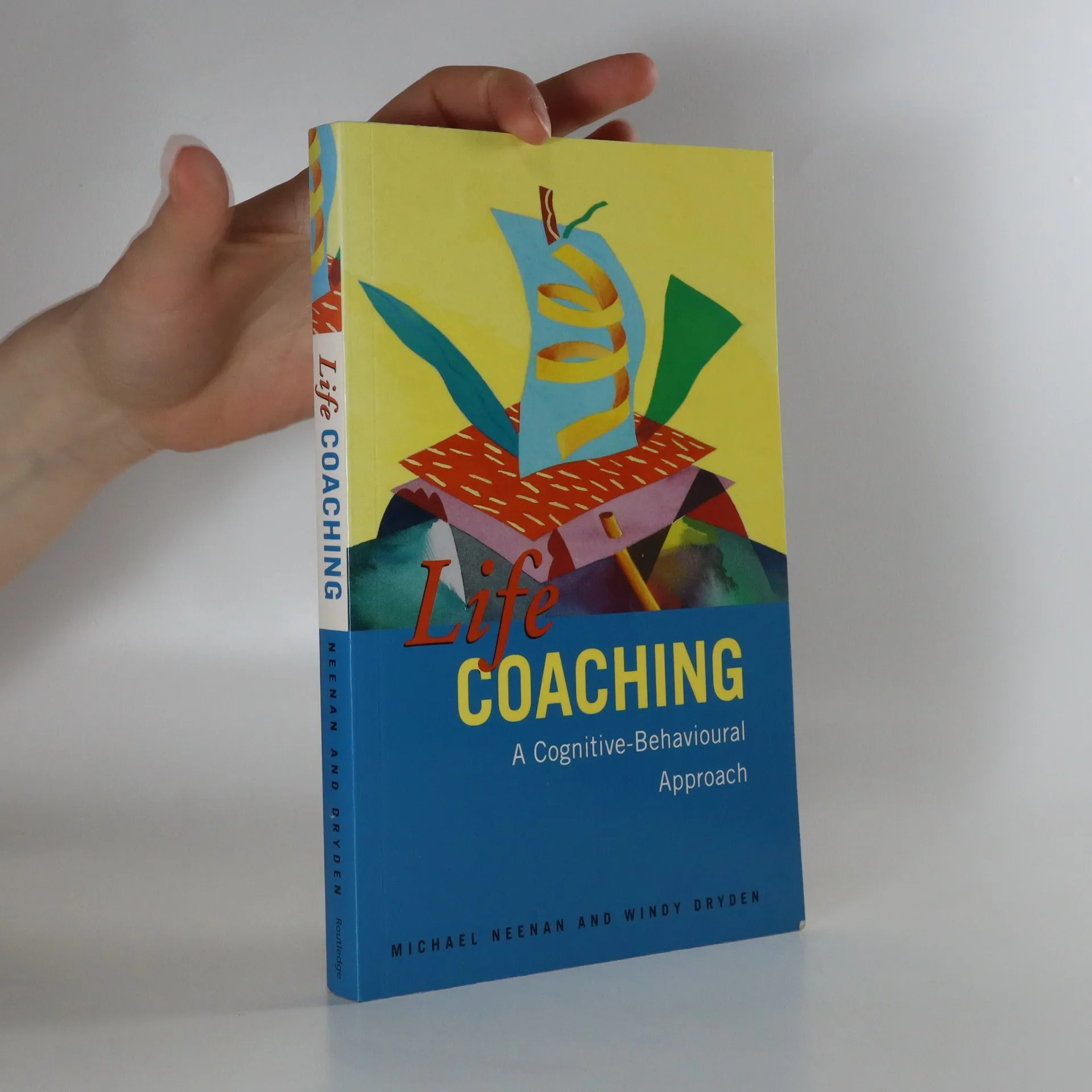
This book is a comprehensive guide for coaches on how to use rational-emotive and cognitive behaviour therapy to help coachees with their emotional problems within a coaching context. In this fully updated new edition, Windy Dealing with Emotional Problems in Coaching will be a valuable resource for all those involved in coaching.
In this latest addition to the best-selling 'Primers in Counselling' series, one of UK's foremost therapy authors outlines the why, what and how of single- session counselling and the evidence that supports it.
In this book, Windy Dryden takes long-standing research on SSI therapy and transfers it to the field of CBT in a timely and conceptual application. This thoroughly updated new edition offers brand new chapters on single-session thinking. The book questions the process of predicating therapist training on the notion that therapy is an ongoing process. Based on his extensive work demonstrating the benefits of single-session CBT to public and professional audiences, Dryden has developed a single-session approach for work in the therapy and coaching fields. Comprising 30 key points, and divided into two parts - Theory and Practice - it concisely covers the key features of SSI-CBT. This book offers essential guidance for students and practitioners experienced in CBT, as well as practitioners from other theoretical orientations who require an accessible guide to the distinctive theoretical and practical features of this exciting new approach.
Therapists new to Single Session Therapy (SST) will often struggle to bring the SST mindset to the work and will in turn struggle to help their clients get the most out of the time that they choose to spend together.
This is a valuable sourcebook offering a comprehensive overview of person-centred therapy including a new section on recent developments and advances
Third Edition
In this Third Edition of Counseling Survivors of Childhood Sexual Abuse , Claire Burke Draucker and Donna S. Martsolf identify the significant healing processes which are essential to achieve recovery. These include disclosing the abuse; reinterpreting it from an adult perspective; addressing issues related to the context of the abuse; and making desired life changes. Each of these processes is discussed in conjunction with the most effective counseling interventions to facilitate resolution. Carefully chosen case examples demonstrate the appropriate use interventions in practice. The Third Edition includes a wealth of new material covering memory retrieval, outcome research, multicultural counseling, emerging therapeutic approaches, and neuroscience and counseling. Dynamics and difficulties in the therapeutic relationship are also discussed in great depth.
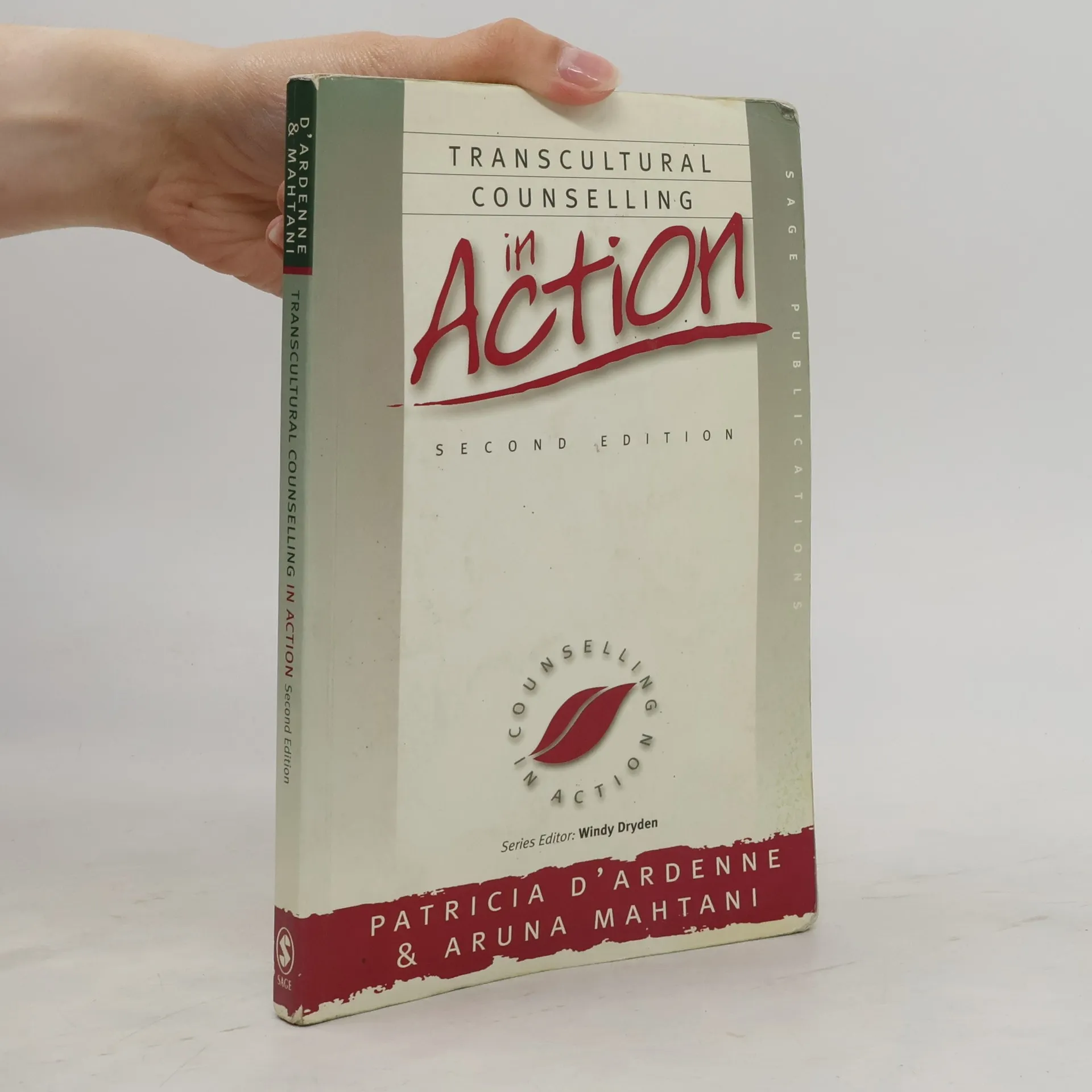
SAGE celebrated the 20th Anniversary of the Counselling in Action in November 2008. To view the video - click here ------------------------------------------------------------- `This us a useful introductory book, which is particularly suitable for those in training. It is well structured and easy to read and includes excerpts from therapeutic exchanges to illustrate the points made' - The Journal of Critical Psychology, Counselling and Psychotherapy `A useful resource for counsellors wishing to improve their efforts at transcultural counselling' - New Therapist The Second Edition of this clear and practical guide is designed to help counsellors and professional helpers give effective, sensitive and appropriate support to clients from cultures other than their own. Patricia d'Ardenne and Aruna Mahtani illustrate the process of transcultural counselling using the contrasting case studies of four different clients, and highlight the impact of cultural issues at individual, community and global levels. Counsellors are encouraged to recognize the importance of life experiences for their work, and to think about ways of using their own skills and resources more flexibly in response to different cultural needs. Inhaltsverzeichnis Introducing Transcultural Counselling Clients Counsellors Getting Started A Common Language The Therapeutic Relationship Change and Growth Endings
The Second Edition of this best-selling book gives both trainee counsellors and practitioners from other orientations a clear guide to the principles and techniques of psychosynthesis, and shows how they can be used effectively in the counselling setting. Following the course of te counselling process, the book shows step-by-step how psychosynthesis can help clients to gain a sense of connection with their inner selves and find meaning and purpose in their lives. The author explains the wide range of practical techniques available to practitioners and how to use them to meet the needs of different clients. The book is illustrated throughout with examples from practice, and includes an in-depth case history.
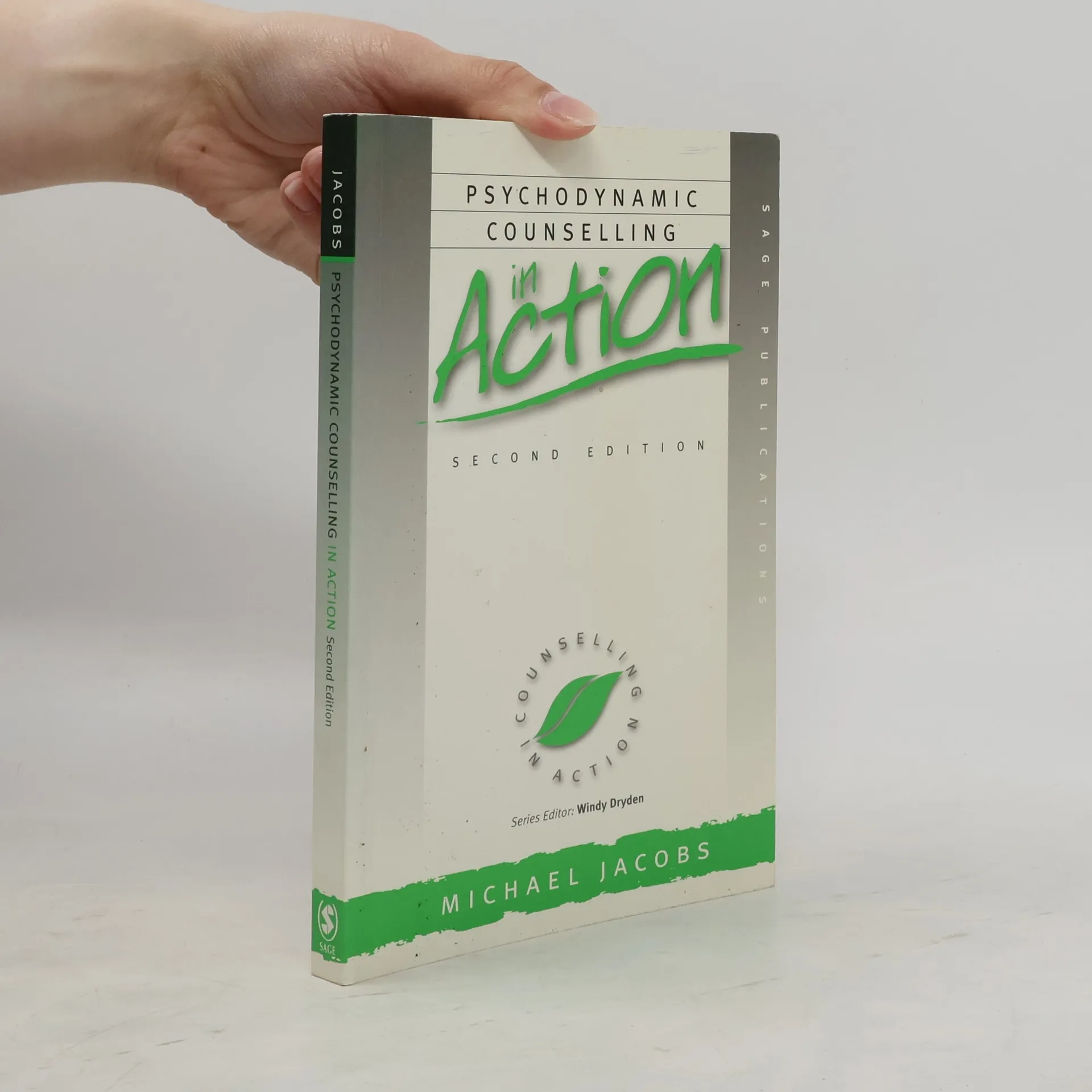
`Gives real insight into person-centred counselling.. . An absolute delight to read... I recommend this book to trainee counsellors, trained counsellors, clients and those involved in the helping professions. It is a book that has influenced me and that I would not want to be without' - Counselling Psychology Review Revised and updated to take account of current practice, and now extensively referenced, the Second Edition describes the psychodynamic counselling process from the first meeting to termination. Michael Jacobs clearly sets out the main aspects of the approach and using two cases studies- a man and a woman- he shows how these can be applied creatively and effectively within counselling
2nd Edition
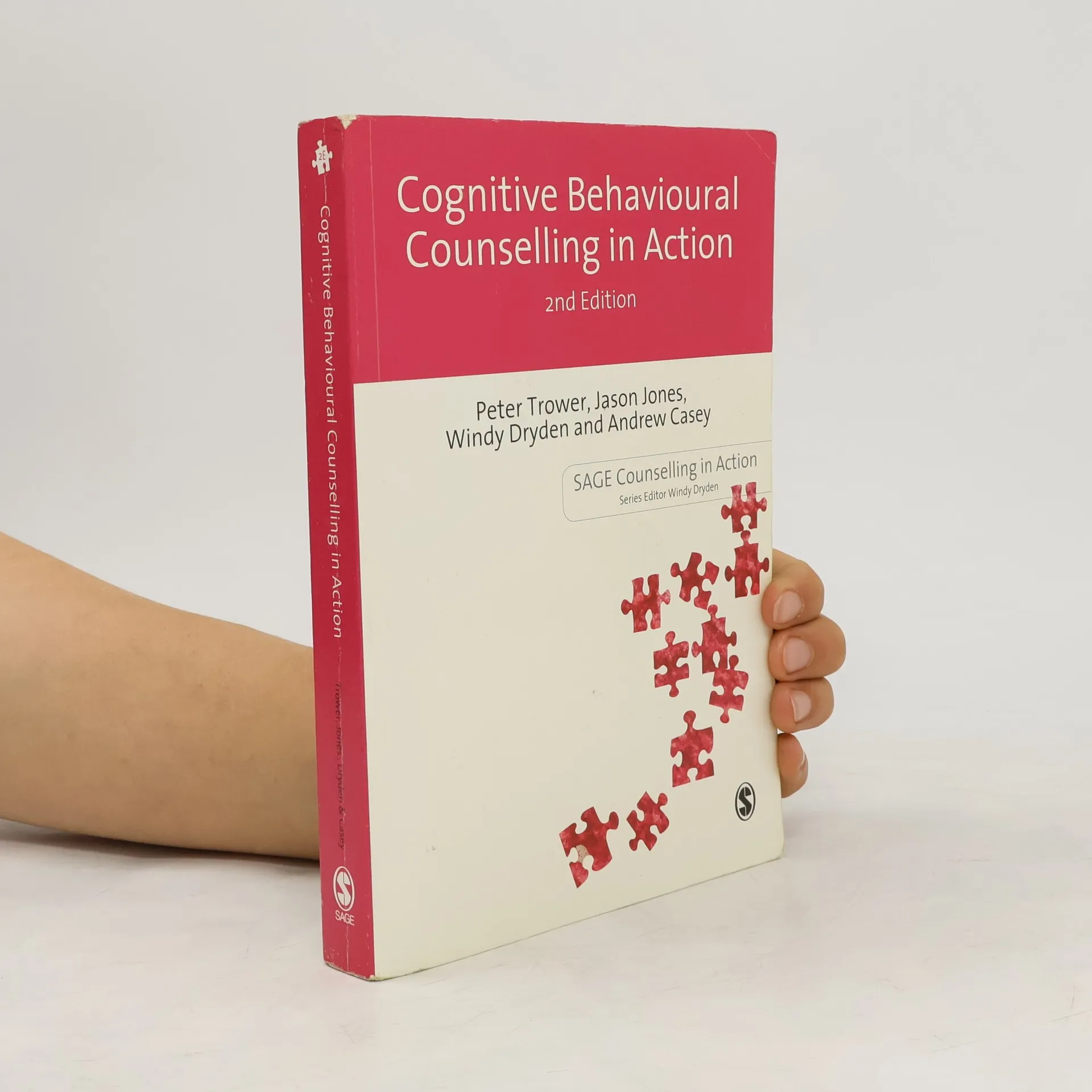
This best-selling, eminently practical, evidence-based guide to the cognitive-behavioral approach to counseling has been substantially revised and updated to reflect current theoretical and practical developments in the CBT field. The second edition contains an expanded Basic Guide to Cognitive Behavioral Counseling which takes the practitioner step-by-step through the process of counsel/ling, from initial contact with a client to the termination of counseling. The guide follows a skills-based format, and uses carefully-chosen case studies and illustrative dialogue to take each task in sequential order, providing a briefing on each task along with the practical steps needed to effect its implementation. Drawing on their own extensive experience, and with reference to contemporary research, the book also provides a concise overview of the CBC approach to common emotional problems, with new material on complex cases and on the therapeutic alliance, with guidance to more detailed bibliographic and multimedia sources throughout.
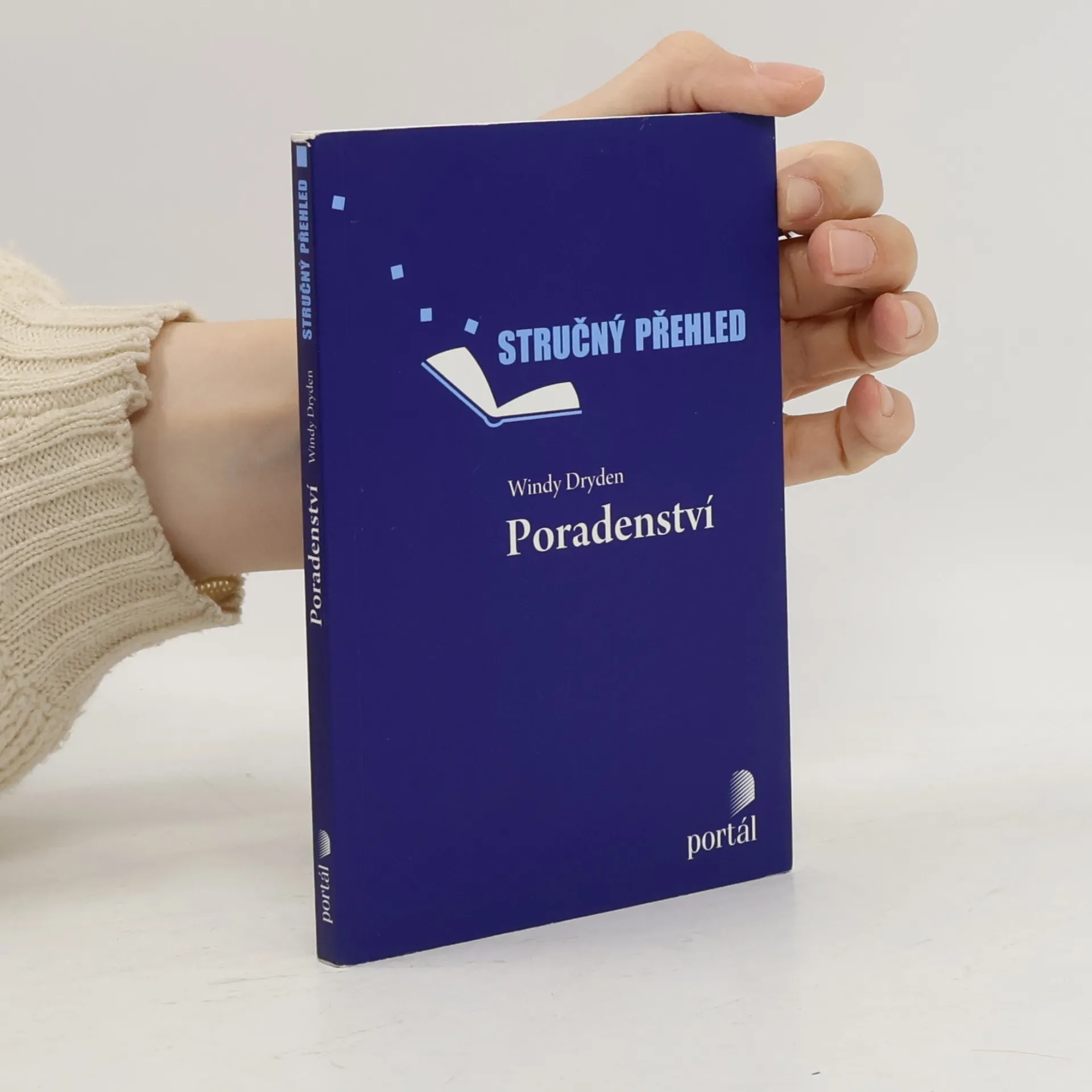
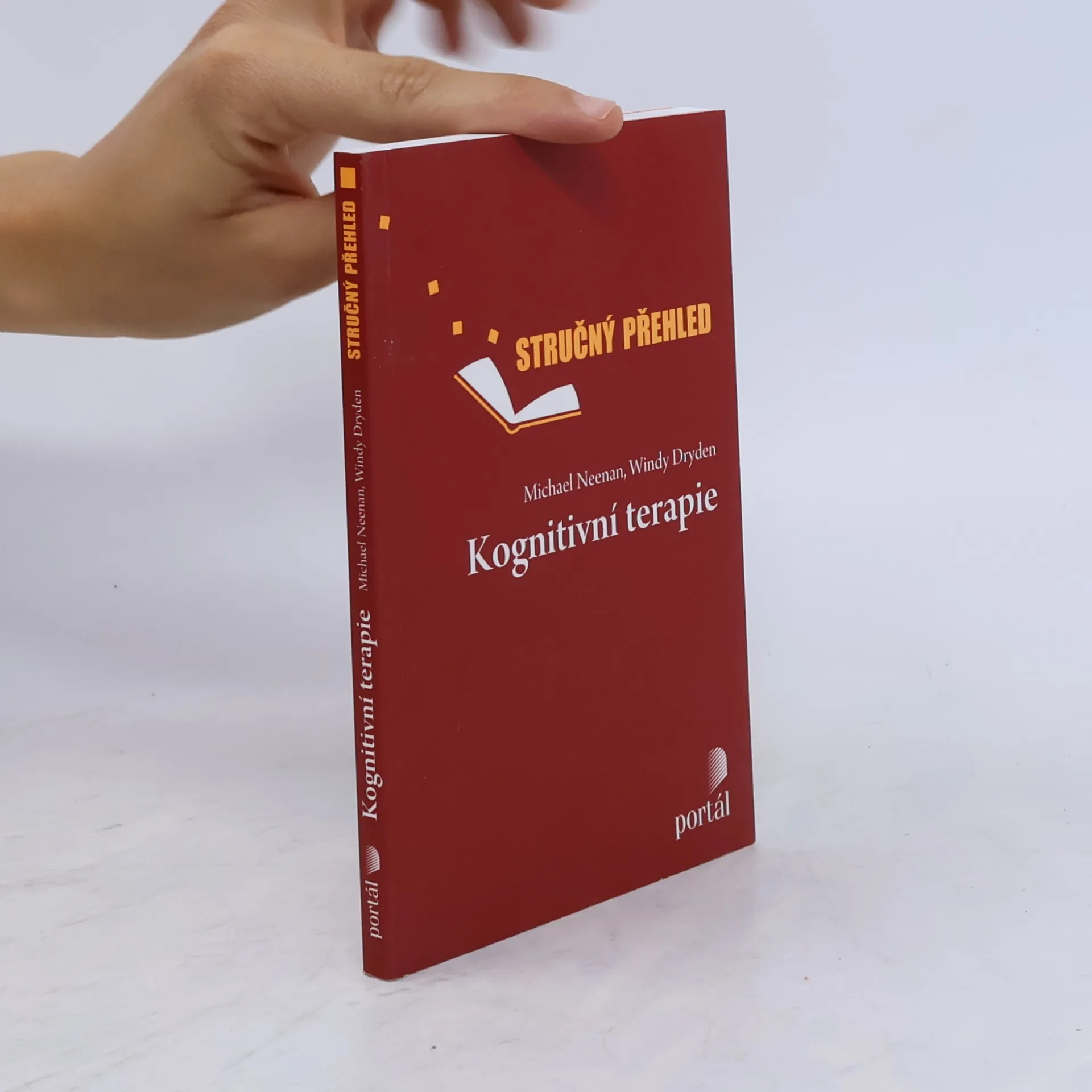
Autor podrobně probírá definici poradenství, jeho jednotlivé složky a zejména se zabývá charakterem vztahu mezi poradcem a klientem. Cílem poradenství je pomoci klientovi, aby našel jádro svého problému, uměl se orientovat v možnostech jeho řešení a tento postup dovedl uplatnit i v obdobných situacích. Svým obecným přístupem je kniha vhodná jako návod pro poradce všech zaměření.
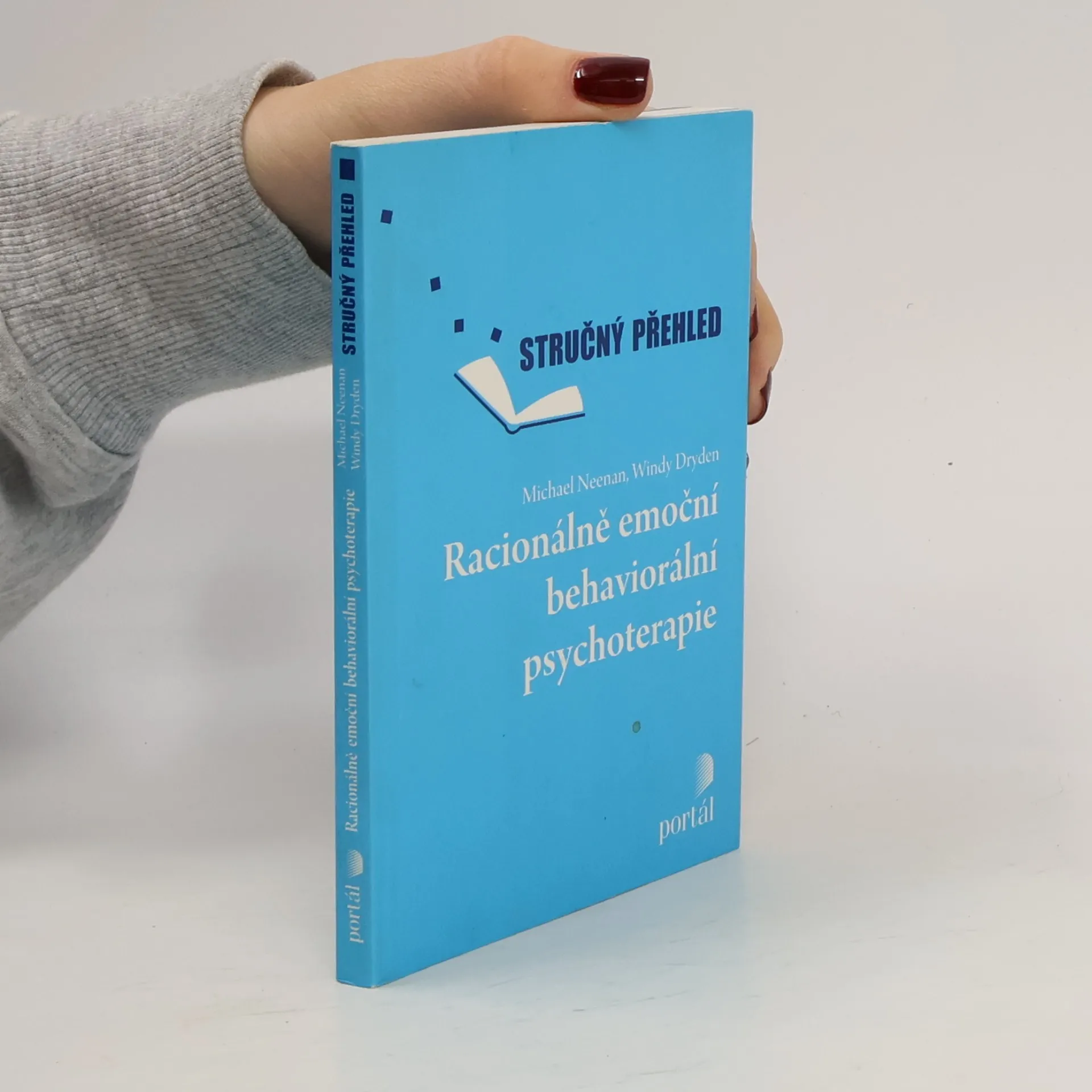
Racionálně emoční behaviorální terapie (REBT) je založena na předpokladu, že kognice, emoce a chování nejsou vzájemně oddělené lidské funkce, nýbrž jsou naopak vnitřně propojené a celostní. Když lidé ztratí duševní rovnováhu, přemýšlejí, cítí a jednají nefunkčním, sebepoškozujícím způsobem, a když ji potom obnoví, téměř vždy mění některé své kognice, mění své emoční reakce a zároveň mění i své chování. Kniha představuje stručný a přitom výstižný přehled tohoto psychoterapeutického směru. Provází čtenáře základními fázemi terapeutického procesu – vyhodnocením, rozvahou, stanovením domácích úkolů, propracováním a navozením změn. Je ideálním úvodem do teorie a praxe REBT.
Kniha představuje krátký úvod k významnému terapeutickému směru, který je založen na racionálně-emoční terapii Alberta Ellise a kognitivní terapii Aarona T. Becka. Je psána přehlednou a názornou formou a přináší jak teorii (základní myšlenky a koncepty), tak i podněty pro praxi (specifické fáze procesu, praktická aplikace konceptů apod.). Je určena zájemcům o oblast psychoterapie a poradenství, je vhodná pro účastníky výcviků, ale také pro odborníky v praxi, kteří si chtějí rozšířit své znalosti a dovednosti v práci s klientem. M. Neenan a W. Dryden jsou přední britští odborníci v daných psychoterapeutických či poradenských přístupech. Editorem řady je W. Dryden, profesor psychoterapeutických studií na Goldsmith College.
`An excellent compilation... Given the explosion in the demand for both counselling and supervision, this book should be required reading for all those putting a toe in these complex waters. However, I think it is also a salutary guide for those already practised as trainers and supervisors. I found the issues raised stimulated me to think again about my own practice and to profit from that exercise' - Counselling, The Journal of the British Association for Counselling This accessible book explores the issues involved in both the training and supervision of counsellors and in the preparation of those who are to undertake supervisory and training roles. The number of training courses is growin
Souriez à la vie, dès aujourd'hui
Pour mieux vivre sa vie, il suffit parfois d'adopter un état d'esprit positif face aux situations de la vie quotidienne. Le Dr Windy Dryden propose une méthode simple, efficace et rapide en 10 "clés" pour améliorer ses relations avec les autres, devenir plus ouvert et plus créatif, et aborder l'avenir avec confiance. Parmi ces 10 clés : 1. Assumer sa responsabilité personnelle 2. Adopter un état d'esprit flexible 3. Accepter la réalité 4. S'autoriser à tirer parti de ses expériences négatives Des explications pour comprendre ce qui vous arrive. Des conseils pratiques pour s'aider soi-même et mieux vivre au quotidien.