

Tobias Rees Reihenfolge der Bücher (Chronologisch)
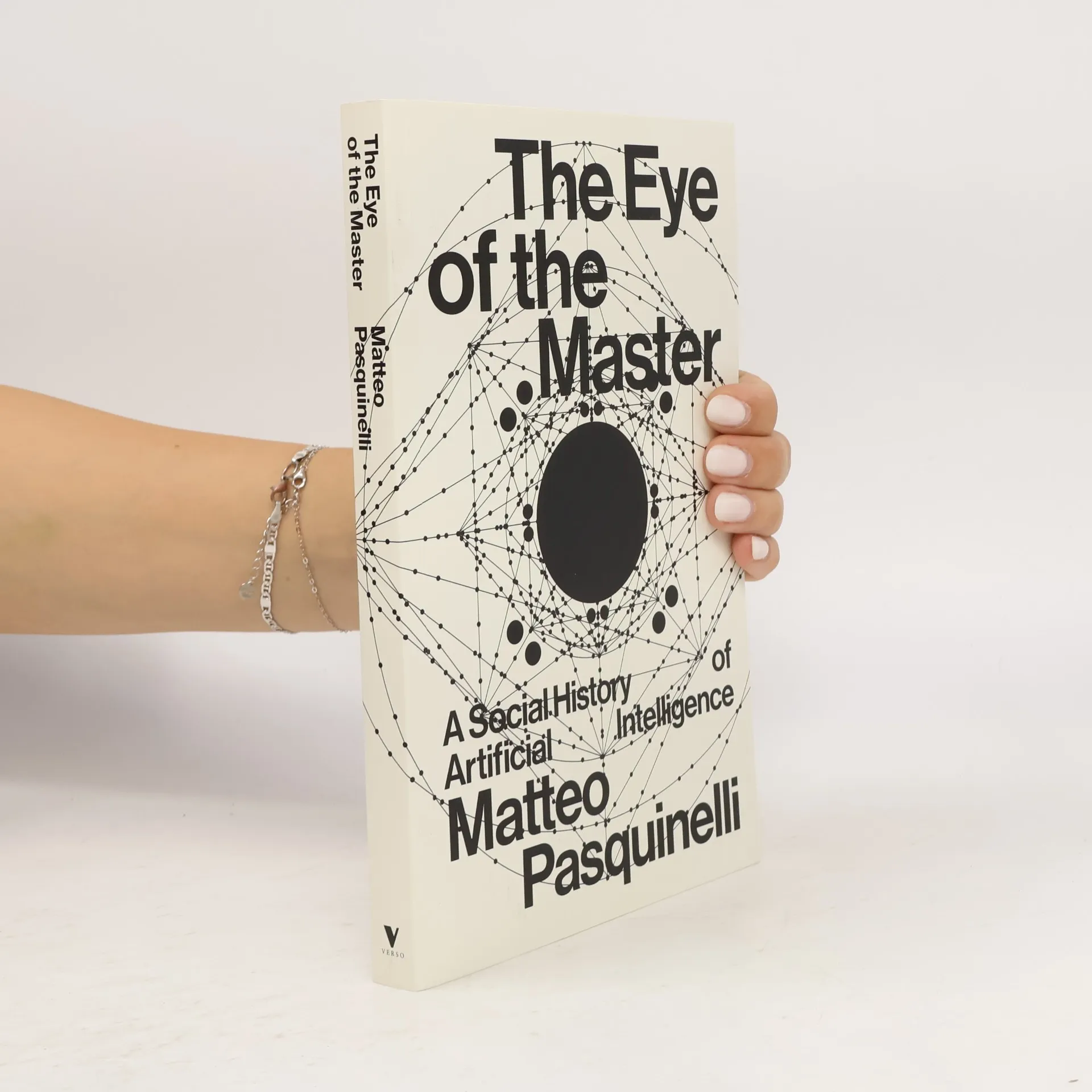

A social history of AI that finally reveals its roots in the spatial computation of industrial factories and the surveillance of collective behaviour. What is AI? A dominant view describes it as the quest "to solve intelligence," a solution supposedly to be found in the secret logic of the mind or in the deep physiology of the brain, such as in its complex neural networks. The Eye of the Master argues, to the contrary, that the inner code of AI is shaped not by the imitation of biological intelligence, but the intelligence of labour and social relations, as it is found in Babbage's "calculating engines" of the industrial age as well as in the recent algorithms for image recognition and surveillance. The idea that AI may one day become autonomous (or "sentient", as someone thought of Google's LaMDA) is pure fantasy. Computer algorithms have always imitated the form of social relations and the organisation of labour in their own inner structure and their purpose remains blind automation. The Eye of the Master urges a new literacy on AI for scientists, journalists and new generations of activists, who should recognise that the "mystery" of AI is just the automation of labour at the highest degree, not intelligence per se.
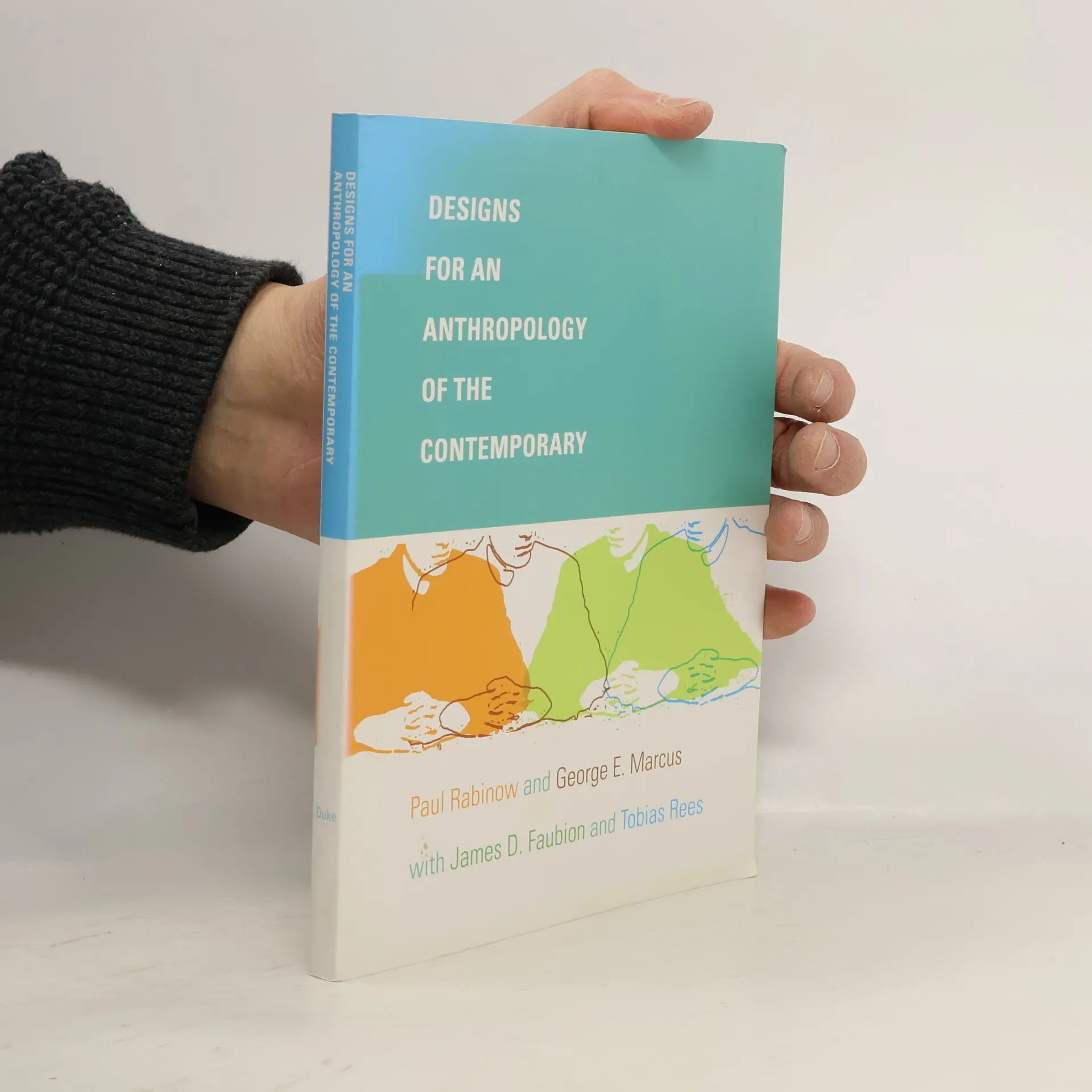
John Hope Franklin Center Book: Designs for an Anthropology of the Contemporary
- 152 Seiten
- 6 Lesestunden
In this compact volume, influential anthropologists Paul Rabinow and George E. Marcus engage in conversations about the evolution of anthropological knowledge, pedagogy, and practice, with contributions from James D. Faubion and moderation by Tobias Rees. The discussions center on contemporary challenges in anthropology, particularly regarding the understanding of subjects and the design of ethnographic research projects. Rabinow and Marcus explore what remains distinctly anthropological in studying modern events and propose innovative directions for the field. They emphasize the need to redesign pedagogical practices for training researchers and advocate for collaborative initiatives to analyze and transform ethnographic research designs. Reflecting on their earlier work in the landmark collection Writing Culture, they assess its impact on the field and its conceptual limitations. They discuss the intellectual landscape at the time of its publication and how anthropology has evolved, touching on topics like ethnography's self-reflexive turn, identity, the Public Culture project, and the shifting interests of students. This volume offers readers insight into vibrant discussions among key figures who have significantly influenced anthropology's recent past and are committed to its future.