Jung Yun befasst sich mit der Komplexität von Identität und der Suche nach Heimat in vielfältigen kulturellen Landschaften. Ihre Schriften dringen in die menschliche Psyche ein und erforschen Themen wie Entfremdung und Zugehörigkeit. Yun erschafft lebendige und fesselnde Charaktere, die mit tiefgreifenden inneren Konflikten ringen. Ihre stilistische Meisterschaft liegt im Aufbau spannungsgeladener Atmosphären und psychologisch reicher Erzählungen.
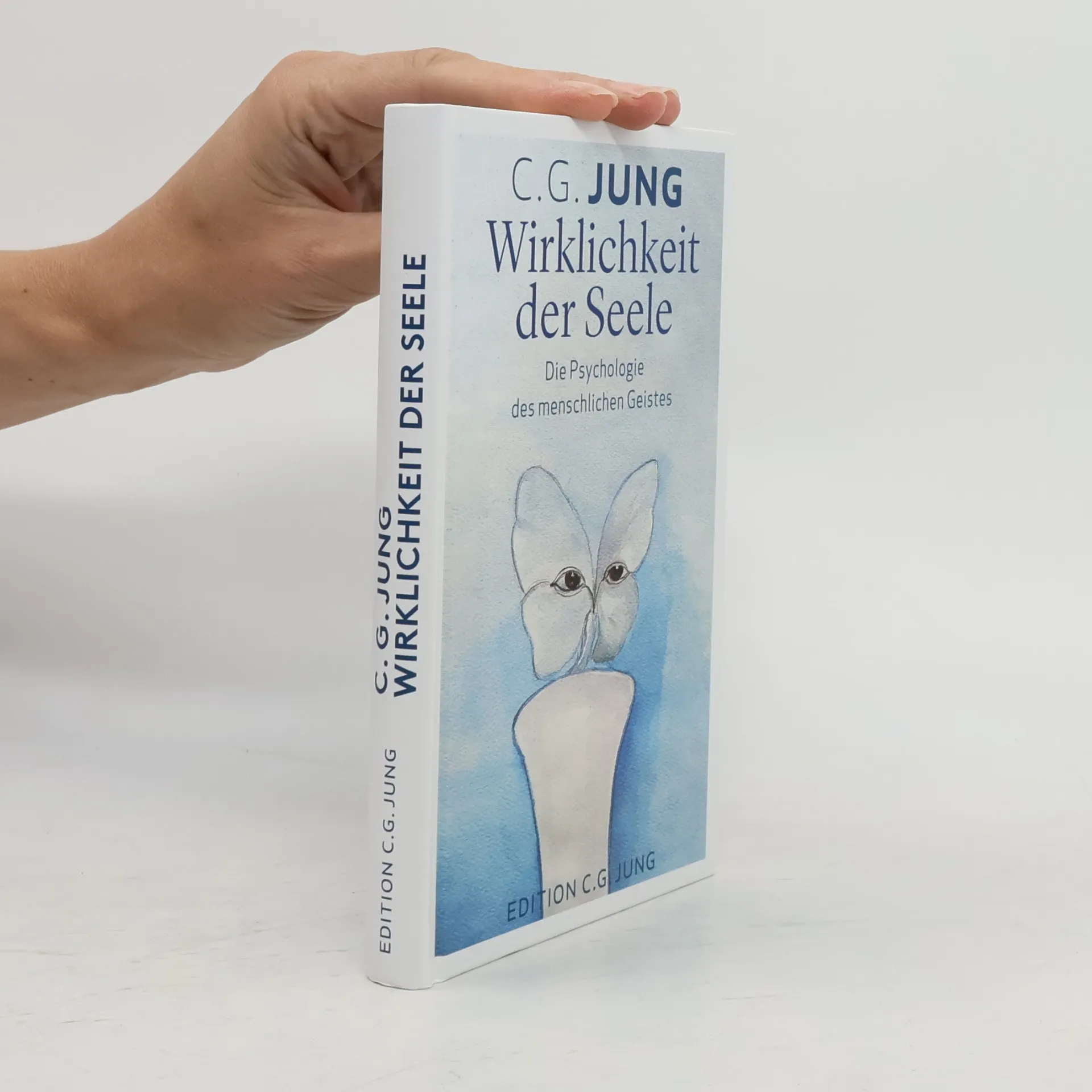
"C.G. Jung's Psychologie ist heute von grosser Aktualität : Sein Ziel war es, eine Psychologie und Psychotherapie zu entwickeln, die den ganzen Menschen in den Blick nimmt, und so beschäftigte er sich vor allem mit den unbewussten, nicht-rationalen und transpersonalen Aspekten der Psyche. Sein besonderes Verdienst ist die Erforschung der Tiefendimensionen der Seele, die über das persönliche Unbewusste hinausreichen : die sogenannten Archetypen."--Publisher's website.
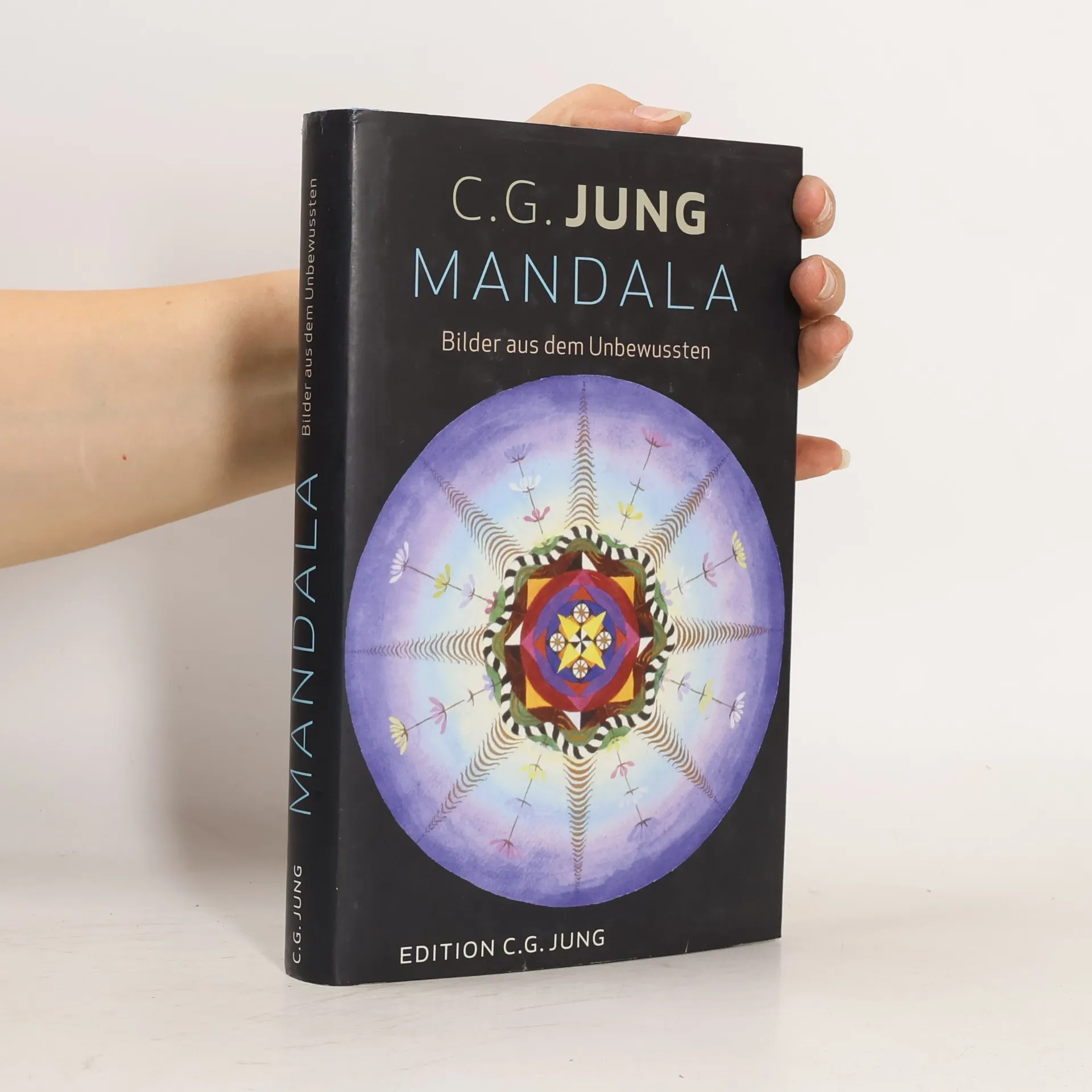
Das Rote Buch mit seinen spektakulären Bildern hat bei vielen Menschen ein grosses Interesse an C. G. Jung geweckt - nicht an Jung, dem grossen Arzt und Tiefenpsychologen, sondern an Jung, dem Schöpfer eindrucksvoller Bilder und Kalligraphien. Dieser neue, aufwändig gestaltete Bildband bietet einen weiteren umfassenden Eindruck von C. G. Jungs gestalterischer Tätigkeit. Jung selbst hatte sich immer wieder dagegen verwehrt, dass Bilder und Gestaltungen von ihm als »Kunst« bezeichnet werden. Die in diesem Band versammelten Bilder, Zeichnungen und Skulpturen zeugen jedoch von seiner grossen künstlerischen Schaffenskraft und seinem beeindruckenden Gespür für Form und Farbe. Fünf Textbeiträge bieten umfassende Erläuterungen u.a. zu Jungs Mandala-Zeichnungen, seiner Arbeitsweise im Roten Buch, seinen Farbkonzepten sowie seiner Bedeutung als Sammler. Ein Buch, das mit seinen ausdrucksstarken Bildern die Welt des Unbewussten nahebringtC. G. Jung, 1875–1961, war einer der Begründer der modernen Tiefenpsychologie und gehört zu den grössten Psychoanalytikern des 20. Jahrhunderts. Nach der Trennung von seinem Lehrer Sigmund Freud entwickelte er seine eigene »Analytische Psychologie«.
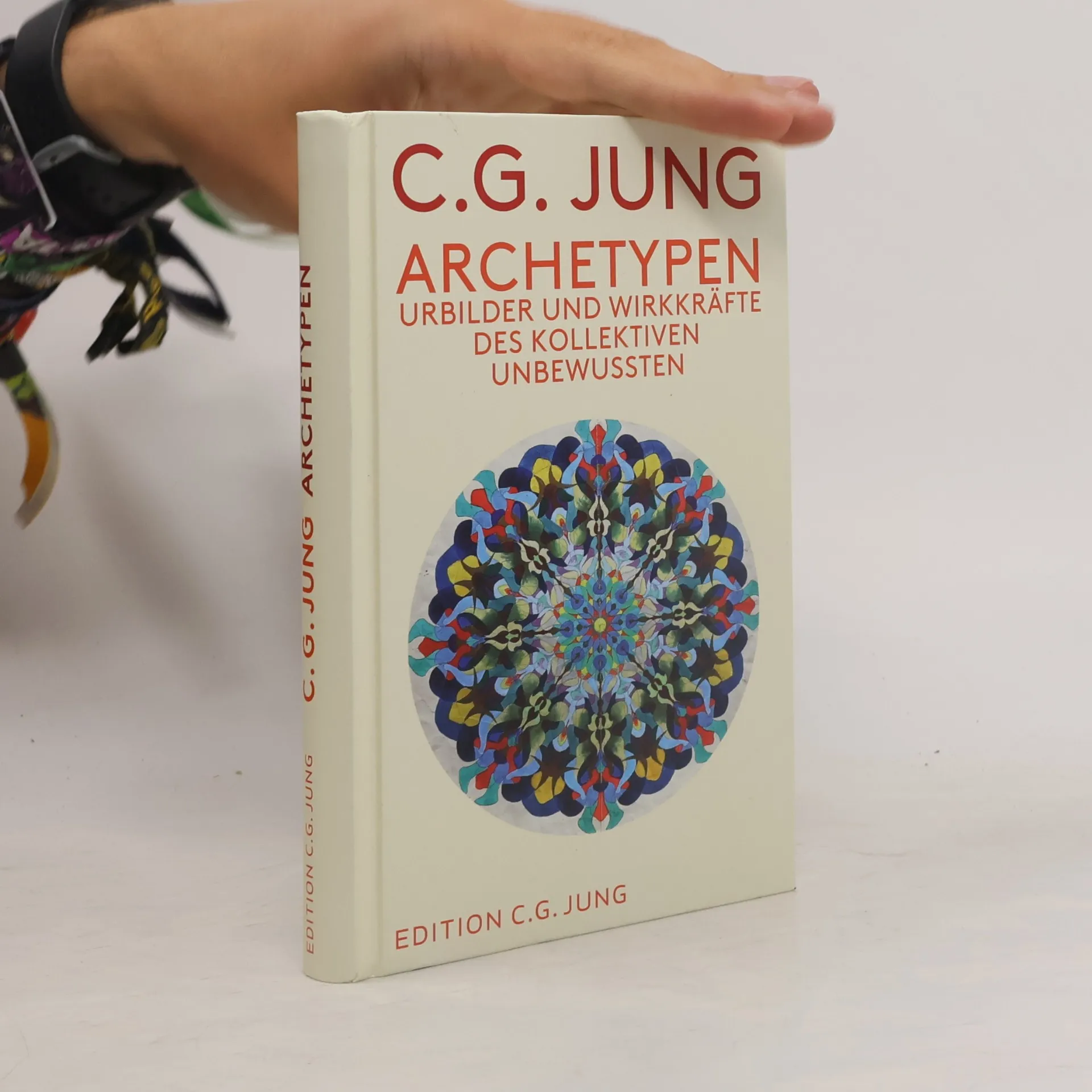
Urbilder und Wirkkräfte des Kollektiven Unbewussten.
Archetypen sind psychische Energien des Kollektiven Unbewussten. Sie drücken sich aus in Bildern und Symbolen universaler Menschheitserfahrungen – z. B. Mutter, Kind, Weg, Wachstum, Leben, Tod - und werden in diesen erfahrbar. In den Urbildern von Mythen, Märchen, Träumen, aber auch von Religion, Kunst und Literatur entfalten die Archetypen ihre Wirkkraft auf die Psyche des Menschen. Dieser Band versammelt die wichtigsten Schriften C. G. Jungs zu Archetypen, die zu den Grundkonzepten seiner Analytischen Psychologie gehören. C.
Jung's illuminating lectures on the psychology of Eastern spirituality Between 1933 and 1941, C. G. Jung delivered a series of public lectures at the Swiss Federal Institute of Technology (ETH) in Zurich. Intended for a general audience, these lectures addressed a broad range of topics, from dream analysis to the psychology of alchemy. Here for the first time are Jung's illuminating lectures on the psychology of yoga and meditation, delivered between 1938 and 1940. In these lectures, Jung discusses the psychological technique of active imagination, seeking to find parallels with the meditative practices of different yogic and Buddhist traditions. He draws on three texts to introduce his audience to Eastern meditation: Patañjali's Yoga Sûtra, the Amitâyur-dhyâna-sûtra from Chinese Pure Land Buddhism, and the Shrî-chakra-sambhâra Tantra, a scripture related to tantric yoga. The lectures offer a unique opportunity to encounter Jung as he shares his ideas with the general public, providing a rare window on the application of his comparative method while also shedding light on his personal history and psychological development. Featuring an incisive introduction by Martin Liebscher as well as explanations of Jungian concepts and psychological terminology, Psychology of Yoga and Meditation provides invaluable insights into the evolution of Jung's thought and a vital key to understanding his later work.
Gripping . . . Yun shows how, although shelter doesn't guarantee safety and
blood doesn't guarantee love, there's something inextricable about the
relationship between a child and a parent . . . We may each respond in our own
way, but I'll go ahead and assume that a good amount of folks, regardless of
the pain they may have experienced from bad mothers and fathers, and
regardless of cultural traditions, will feel the pull to help save their
parents. Shelter is captivating in chronicling this story. New York Times
Jung Yun's O Beautiful is a "mesmerizing and timely" (New York Times) novel about a woman trying to come to terms with the ghosts of her past and the tortured realities of a deeply divided America. Elinor Hanson is struggling to reinvent herself as a freelance writer when she receives an unexpected assignment, a chance to write for a prestigious magazine about the Bakken oil boom in North Dakota. Elinor grew up near the Bakken, raised by an overbearing father and a distant Korean mother who met and married when he was stationed overseas. After decades away from home, Elinor returns to a landscape she hardly recognizes, overrun by tens of thousands of newcomers. Surrounded by roughnecks seeking their fortunes in oil and long-time residents worried about their changing community, Elinor experiences a profound sense of alienation and grief. The longer she pursues this potentially career-altering assignment, the more her past intertwines with the story she’s trying to tell, revealing disturbing new realities that will forever change her and the way she looks at the world. With graceful prose, Jung Yun's O Beautiful presents an immersive portrait of a community rife with tensions and competing interests, and one woman’s attempts to reconcile her anger with her love of a beautiful, but troubled land.
Carl Jung examines some of the most contested and crucial areas in the field of analytical psychology: dream analysis, the primitive unconscious, and the relationship between psychology and religion.