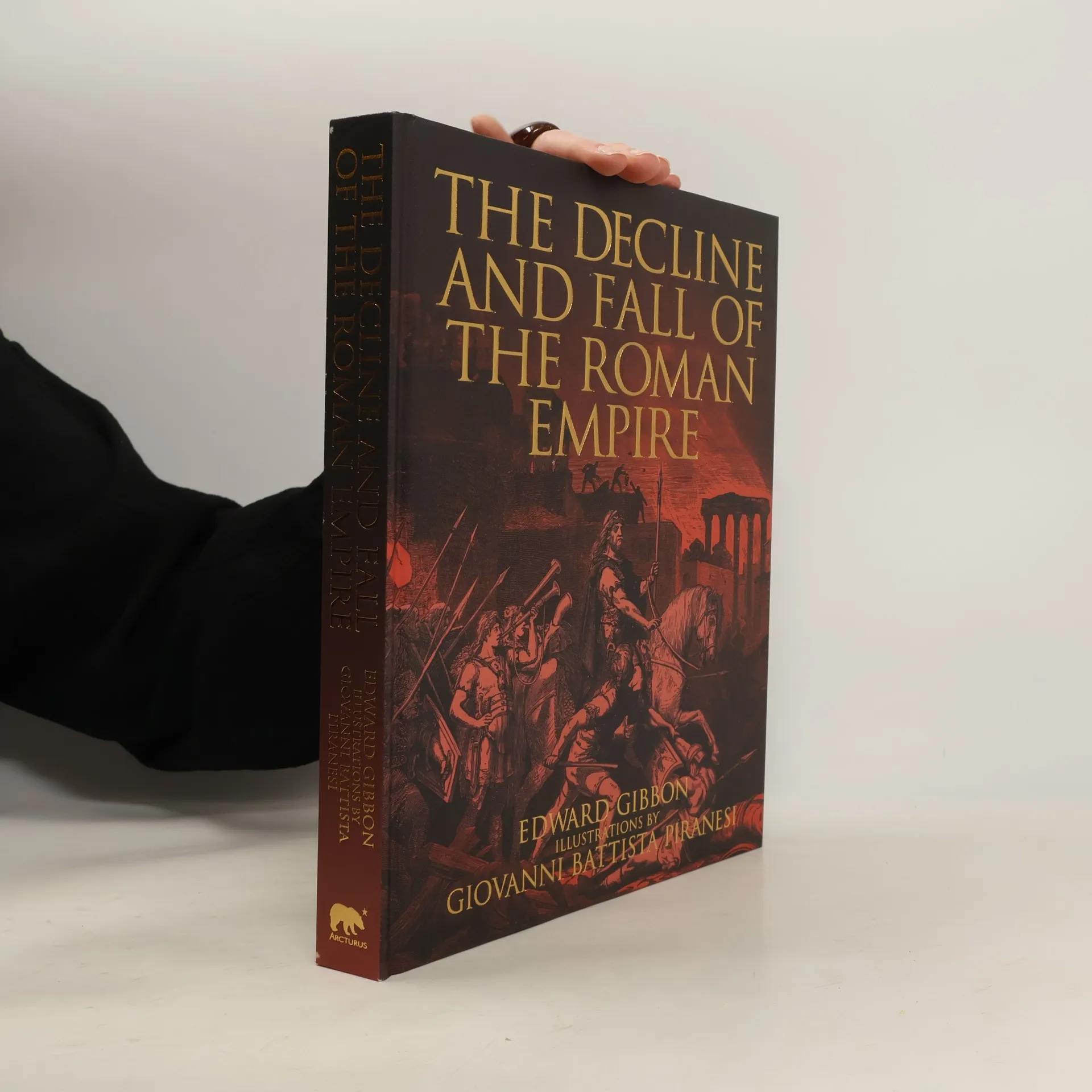
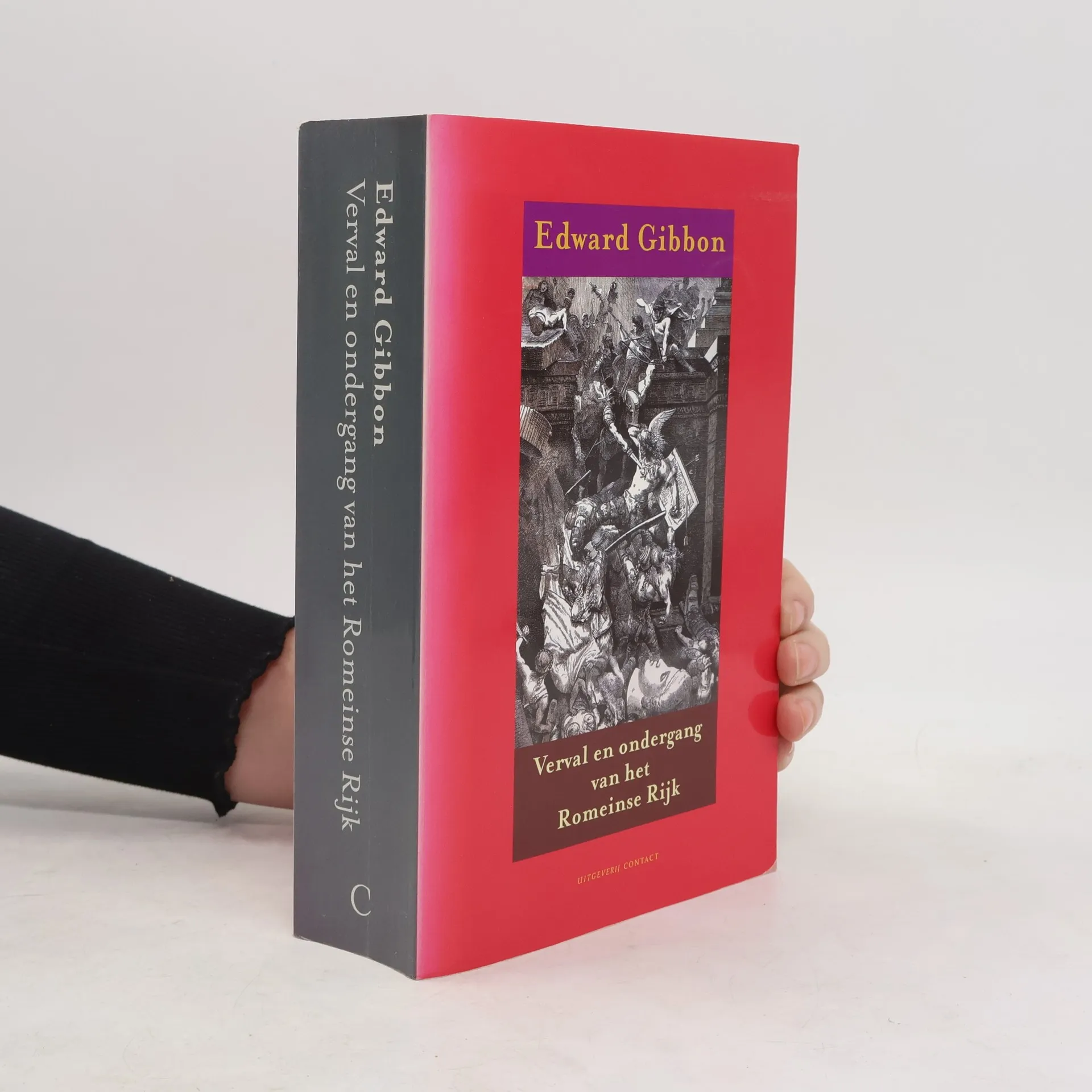
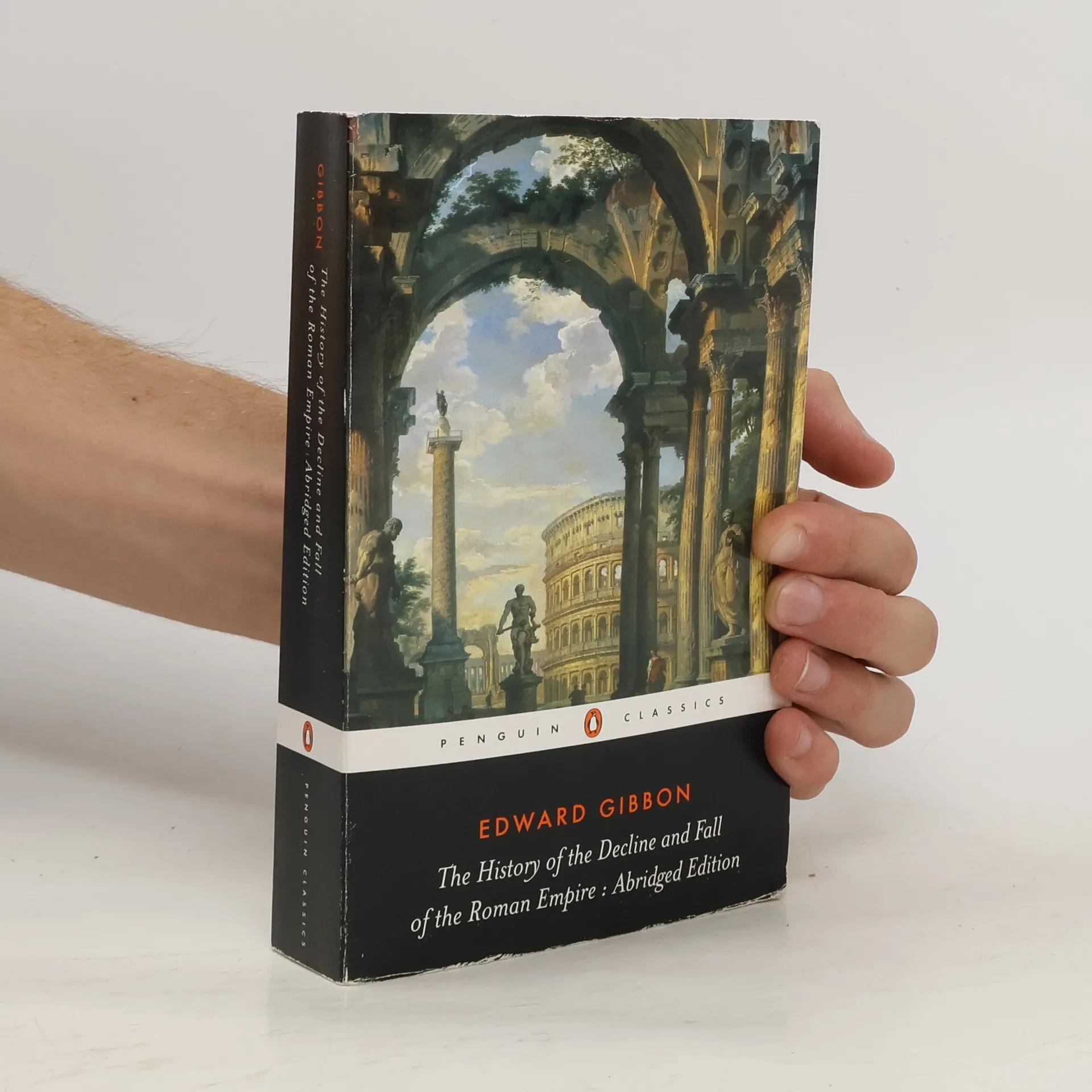
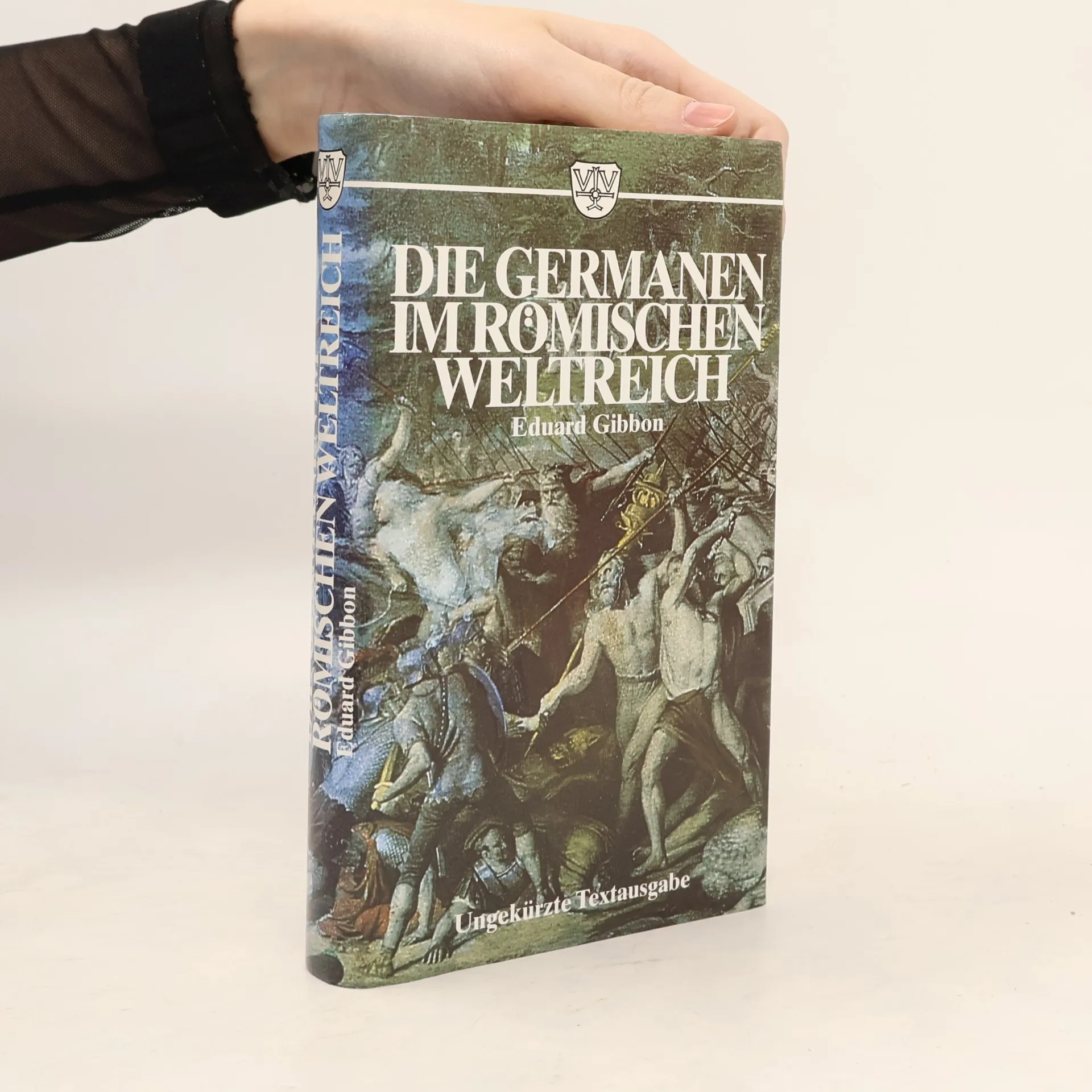
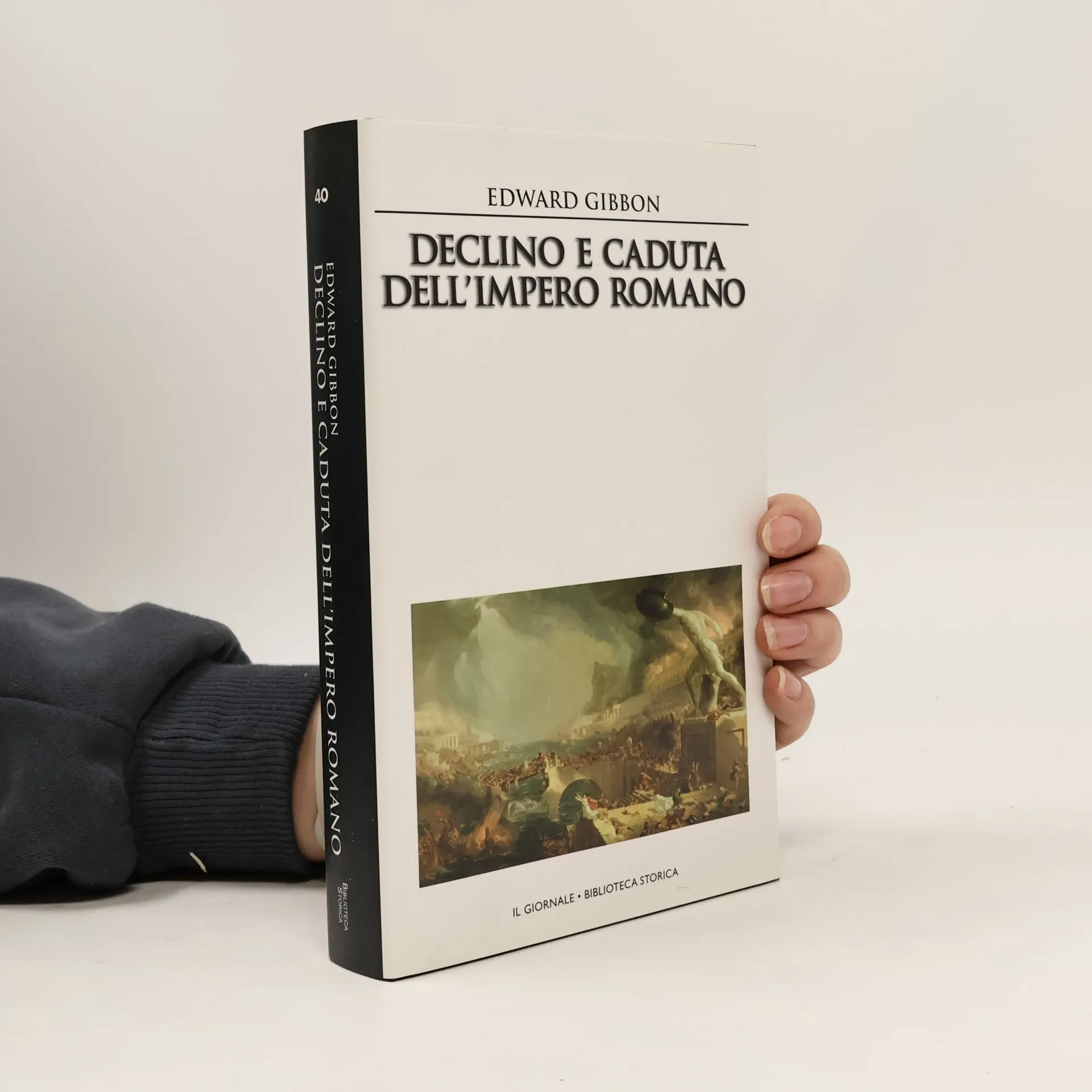
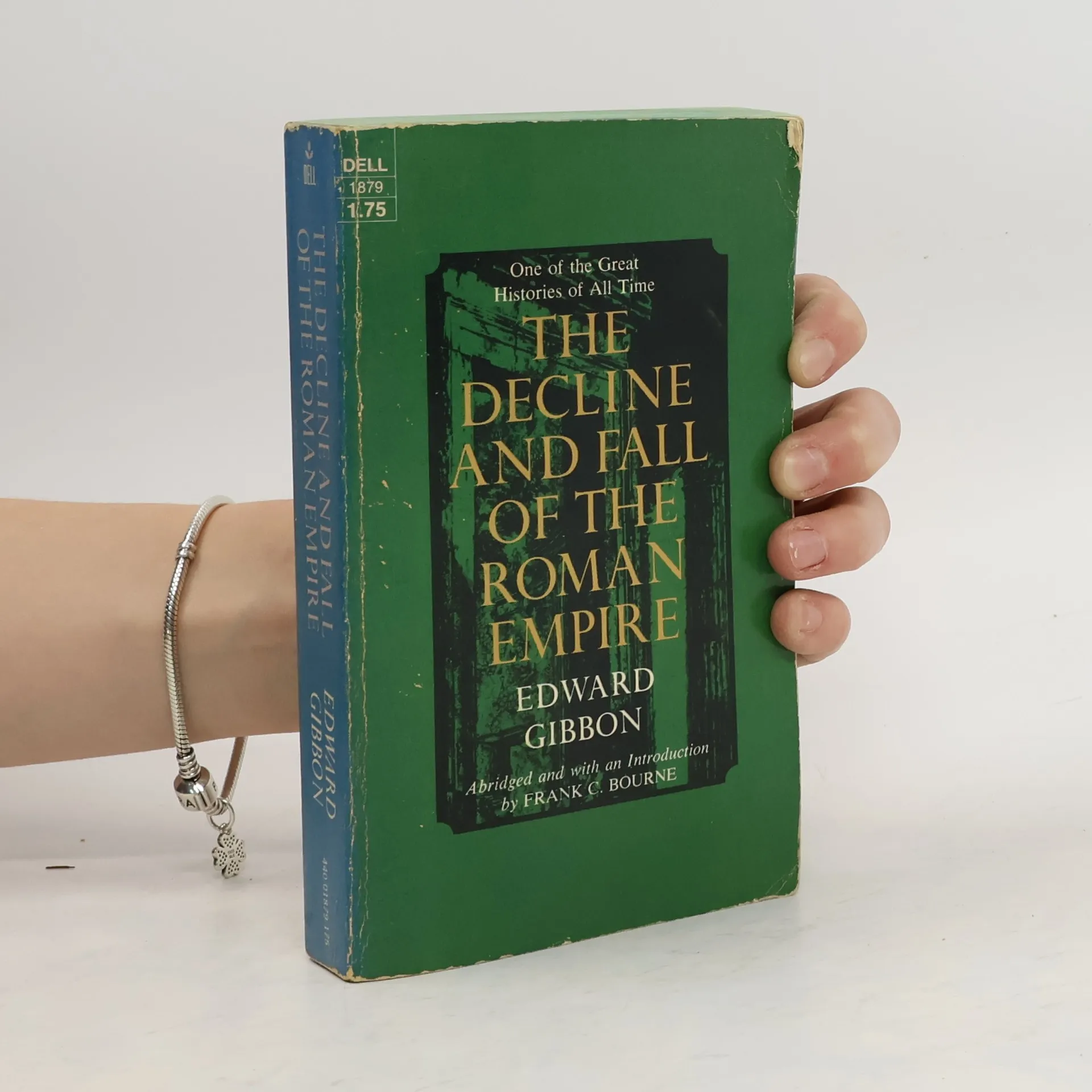
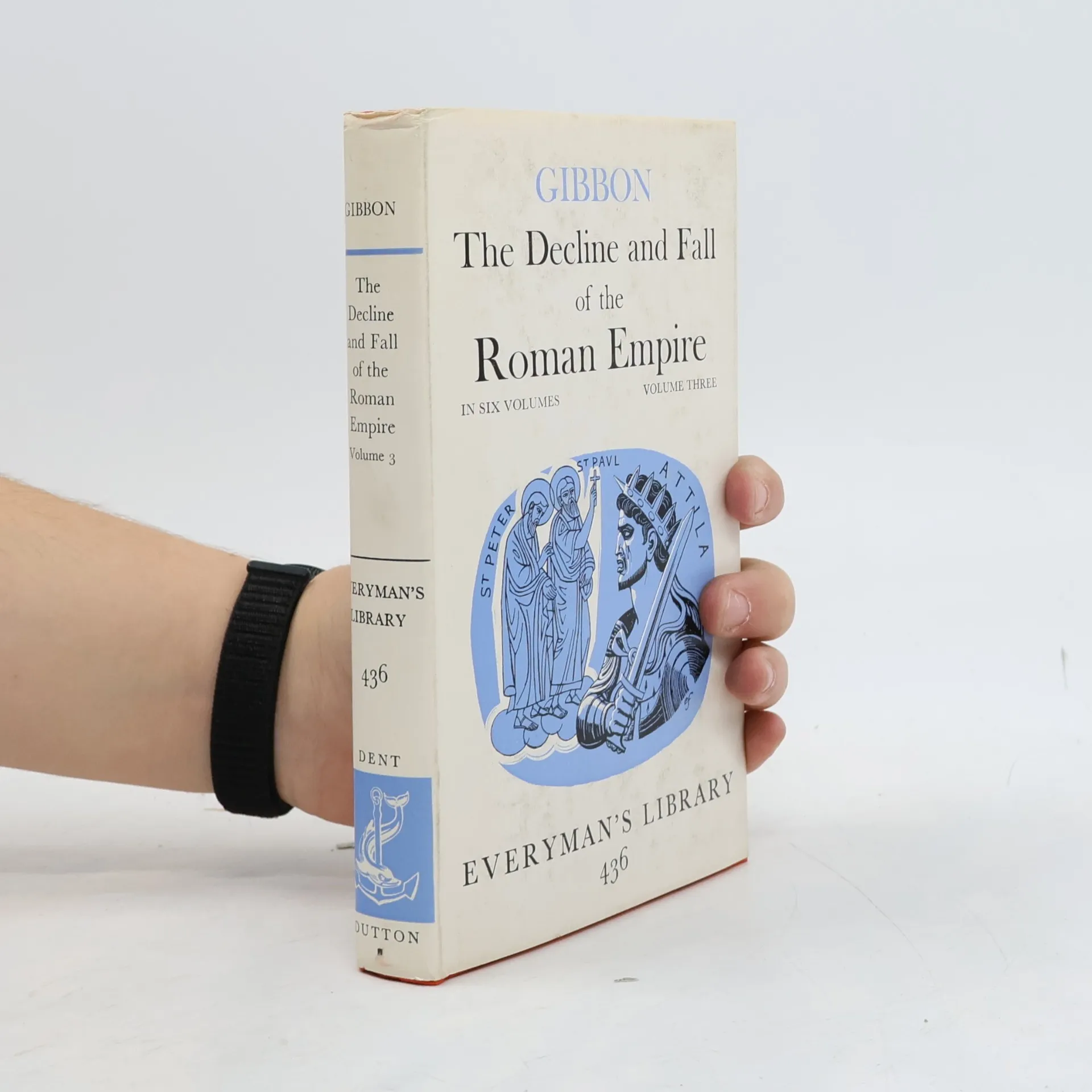
Arcturus Epic Classics: The Decline and Fall of the Roman Empire
Illustrations by Giovanni Battista Piranesi


Edward Gibbon war ein englischer Historiker, der für sein monumentales Werk „Die Geschichte vom Verfall und Untergang des Römischen Reiches“ gefeiert wird. Diese umfangreiche Abhandlung, die in mehreren Bänden veröffentlicht wurde, wird für ihre hochentwickelte und ironische Prosa, die sorgfältige Nutzung von Primärquellen und ihre kühne Kritik der organisierten Religion gelobt. Gibbons Fähigkeit, vergangene Ereignisse mit einer zeitlosen Perspektive zu analysieren, und sein unverwechselbarer Stil festigen seinen Status als Schlüsselfigur der Historiographie, deren Einfluss auf Literatur und Geschichtsforschung bis heute andauert.




Illustrations by Giovanni Battista Piranesi
Covering the era from Justinian's reign to the rise of the Holy Roman Empire, this volume delves into the significant events and transformations of the time, including the rise of Islam and the Arab conquests that dismantled the Sassanid Empire. Gibbon also explores the emergence of the Frankish kingdom under Charlemagne and the political and religious conflicts such as the iconoclastic controversy and the Investiture Controversy. His detailed accounts and analyses highlight the profound impact of these developments on Western civilization.
Vol. 4; Part 2 - in large print
This book is a reproduction of a historical work, specifically designed in large print to enhance readability for individuals with impaired vision. Published by Megali, a company dedicated to making classic literature more accessible, it aims to preserve the original text while ensuring that it can be enjoyed by a wider audience.
Vol. 2; Part 1 - in large print
The book is a reproduction of a historical work, specifically designed in large print to enhance readability for individuals with impaired vision. Published by Megali, a company dedicated to making historical texts accessible, this edition aims to preserve the original content while ensuring it is easier to read for those who need it.
This publication focuses on making historical works accessible to individuals with impaired vision by providing them in large print. Megali, the publishing house behind this initiative, is dedicated to preserving and reproducing significant texts, ensuring that readers can engage with important literature comfortably.
Vol. 1; Part 1 - in large print
Focusing on accessibility, this publication is a reproduction of a historical work presented in large print, catering specifically to individuals with impaired vision. The initiative by the publishing house Megali aims to enhance the reading experience for those who may struggle with standard text sizes, ensuring that historical literature remains inclusive and available to a broader audience.
Vol. 1; Part 2 - in large print
This book is a reproduction of a historical work, aimed at enhancing accessibility for readers with impaired vision. Published by Megali, known for its commitment to large print editions, it focuses on preserving important texts while ensuring they are easier to read.
Vol. 4; Part 1 - in large print
Focusing on accessibility, this book is a reproduction from Megali, a publishing house dedicated to creating large print editions of historical works. Aimed at enhancing the reading experience for individuals with impaired vision, it preserves the original content while ensuring readability.
Vol. 2; Part 2 - in large print
Focusing on accessibility, this book is a large print reproduction of a historical work, designed specifically for individuals with impaired vision. The publishing house Megali is dedicated to making classic texts more readable, ensuring that important works remain available to a wider audience.
The book is a reproduction of a historical work presented in large print, specifically designed for readers with impaired vision. Published by Megali, a house that focuses on making historical texts accessible, this edition emphasizes clarity and readability, ensuring that important works remain available to a wider audience.
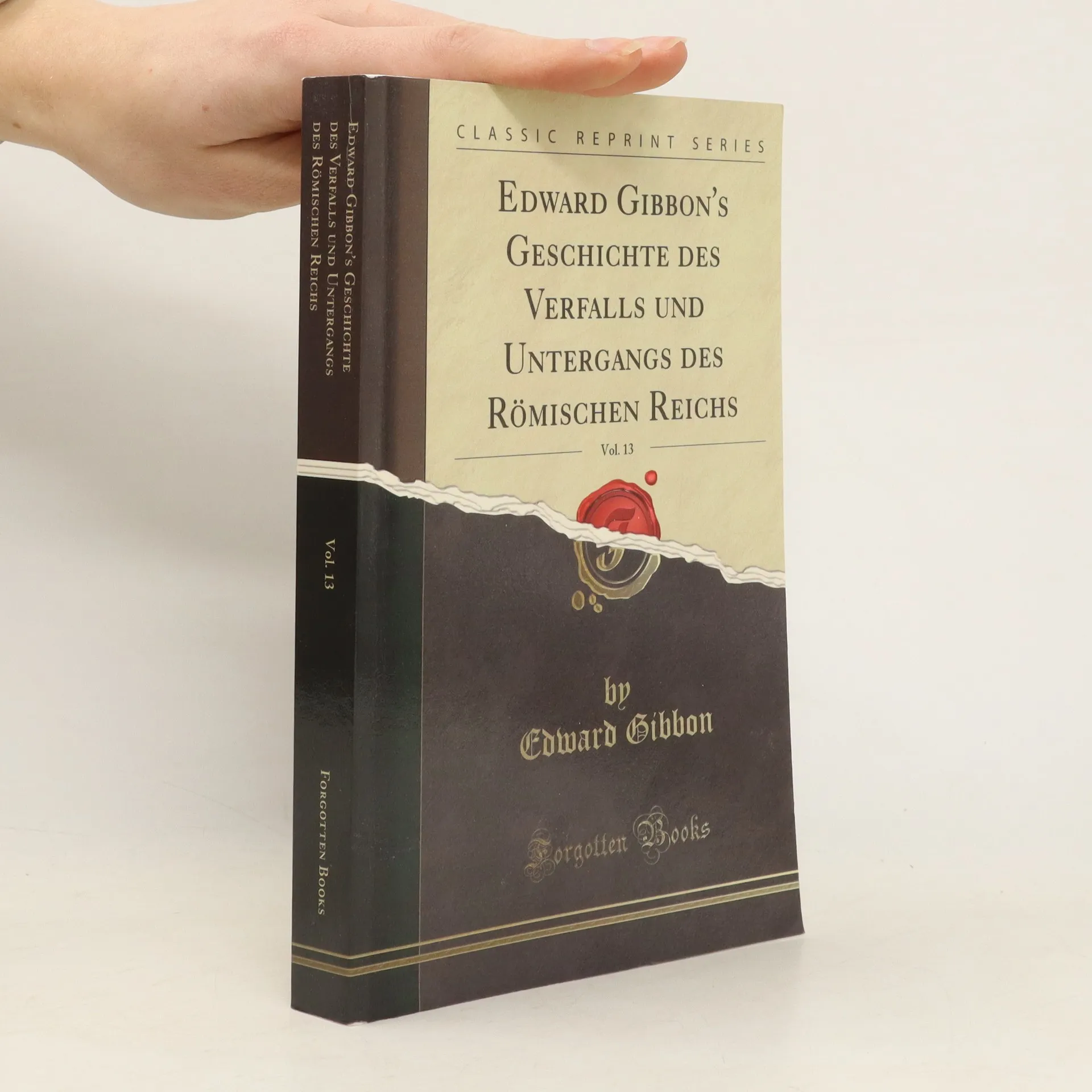
Excerpt from Edward Gibbon's Geschichte des Verfalls und Untergangs des Römischen Reichs, Vol. 13 Säit flirten Ms-fpaufaa (R)elbfd)ut. 3(m Gmpörung t ben oim m: von i, ?inboflan. Ston unten jotbt mtb &fcbüßt hie Ralifen. About the Publisher Forgotten Books publishes hundreds of thousands of rare and classic books. In rare cases, an imperfection in the original, such as a blemish or missing page, may be replicated in our edition. We do, however, repair the vast majority of imperfections successfully; any imperfections that remain are intentionally left to preserve the state of such historical works.
A useful companion for those travelling to Syria, this work is part of a series that is a collection of writing, aiming to invest the traveller with a cultural and historical background to Syria.
Throughout history, some books have changed the world. They have transformed the way we see ourselves - and each other. They have inspired debate, dissent, war and revolution. This title brings you the works of the great thinkers, pioneers, radicals and visionaries whose ideas shook civilization, and helped make us who we are.
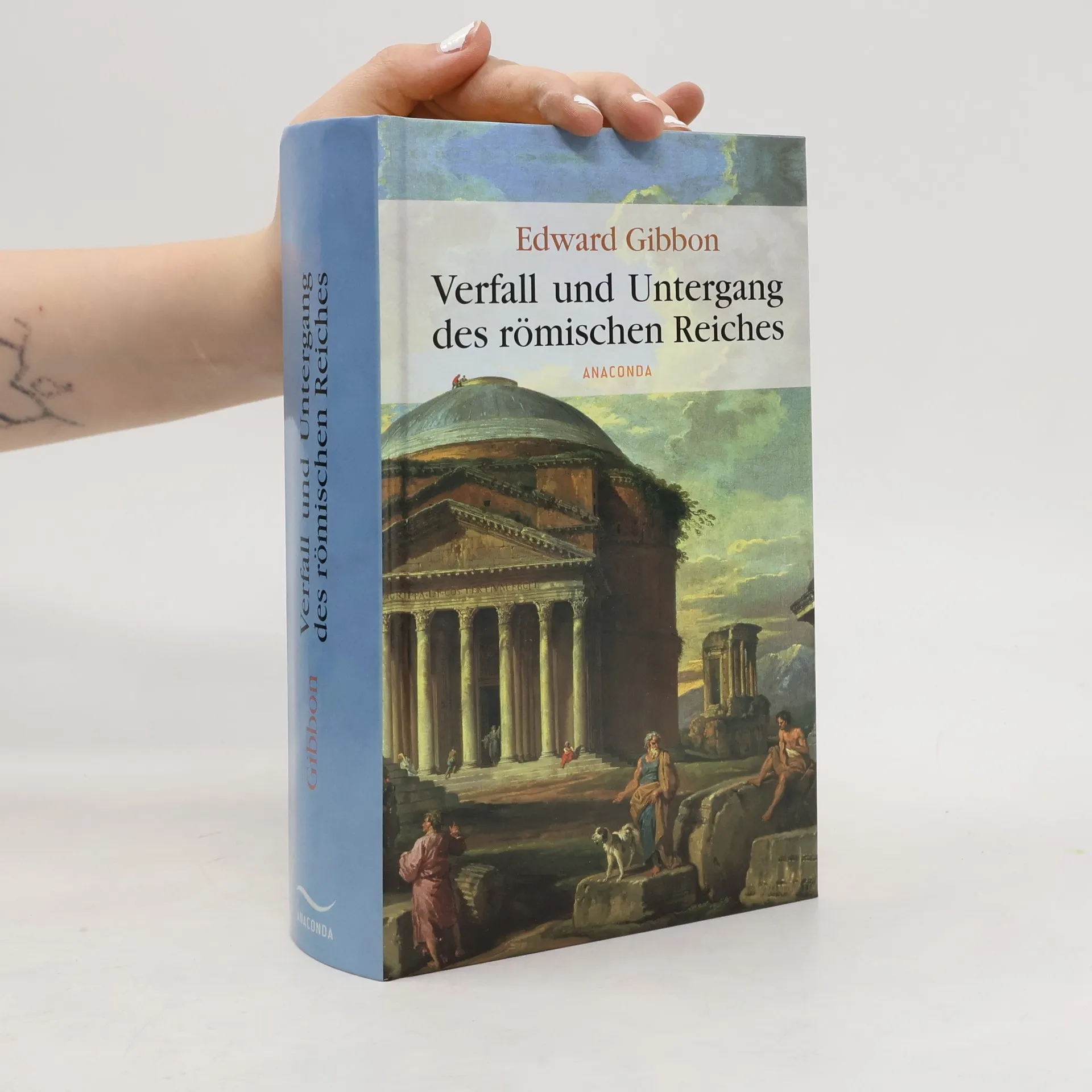
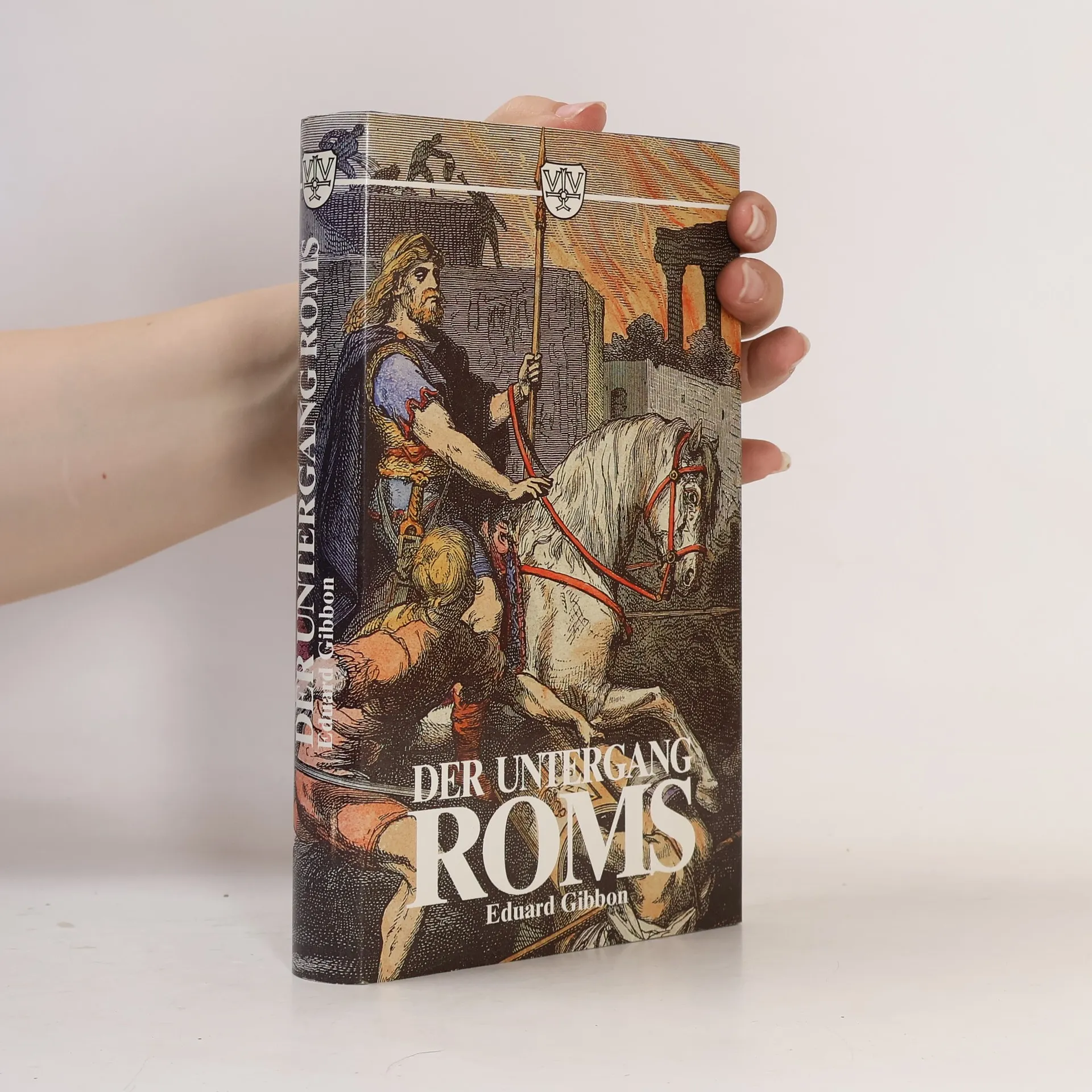
Diese außergewöhnliche Edition des dtv setzt die Tradition historischer Kassettenwerke fort. Die Ausgabe umfasst in fünf Bänden die Kapitel I-XXXVIII bis zum Ende des Römischen Reiches im Westen, einschließlich der allgemeinen Betrachtungen über den Untergang des Reiches sowie sämtlicher Fußnoten und Anmerkungen des Autors. Zum ersten Mal seit 1837 liegt dieser Teil ungekürzt und in einer neuen Übersetzung vor. Der sechste Band enthält Informationen über das Leben und Werk des Autors sowie zur Rezeptionsgeschichte, Bibliografie und Register. Diese Ausgabe entspricht den Bänden 1-3, die zwischen 1776 und 1781 in London veröffentlicht wurden. Gibbon betrachtete sein Werk als abgeschlossen, wollte jedoch eine Fortsetzung von der Reaktion der Öffentlichkeit abhängig machen. 1781 äußerte er, dass die veröffentlichte Geschichte seine Verpflichtungen gegenüber der Öffentlichkeit erfülle und eine Fortsetzung möglicherweise folgen könnte. Diese Ermutigung erlebte er und ließ die Geschichte Ostroms in den Bänden 4-6 folgen, die 1788 erschienen. Gibbon war der erste, der eine umfassende Betrachtung von fast 1500 Jahren römischer und byzantinischer Geschichte anbot und dabei kritisch und sarkastisch sein persönliches Urteil fällte. Seine Fußnoten, oft als „Tischgeplauder“ bezeichnet, tragen erheblich zum Reiz der Lektüre bei. Trotz neuerer Erkenntnisse bleibt Gibbons Geschichtsauffassung für uns von großer Relevanz.
Spanning thirteen centuries from the age of Trajan to the taking of Constantinople by the Turks, DECLINE & FALL is one of the greatest narratives in European Literature. David Womersley's masterly selection and bridging commentary enables the readerto acquire a general sense of the progress and argument of the whole work and displays the full variety of Gibbon's achievement.
Den Ruhm, die erste Programmschrift der deutschen Historischen Rechtsschule verfaßt zu haben, teilen sich Eward Gibbon, der englische Weltmann und Historiker, der das Publikum mit seinem berühmten Werk »Niedergang und Fall des Römischen Reiches« daran gewöhnt hat, daß Geschichtsschreibung literarischen Rang erreichen kann, und der vom Kritizismus Kants geprägte Göttinger Rechtsgelehrte Gustav Hugo: Gibbon gab in einem Kapitel seines Werkes die erste zusammenhängende Würdigung der Römischen Rechtsgeschichte aus dem Blickwinkel ihres Höhepunktes, den sie in der Republik erreichte; Gustav Hugo erhob dieses Kapitel durch eine Übersetzung und einen Kommentar zu einem selbständigen Buch und führte es so in die Fachwisssenschaft ein. Die von Okko Behrends herausgegebene Publikation ist eine (mit zahlreichen Beilagen versehene) Neuausgabe dieser Schrift, verbunden mit einer Würdigung Gustav Hugos aus heutiger Sicht.
This is an account of the Golden Age of the Roman Empire, taken from the 18th-century historian Gibbon's "The Decline and Fall of the Roman Empire".
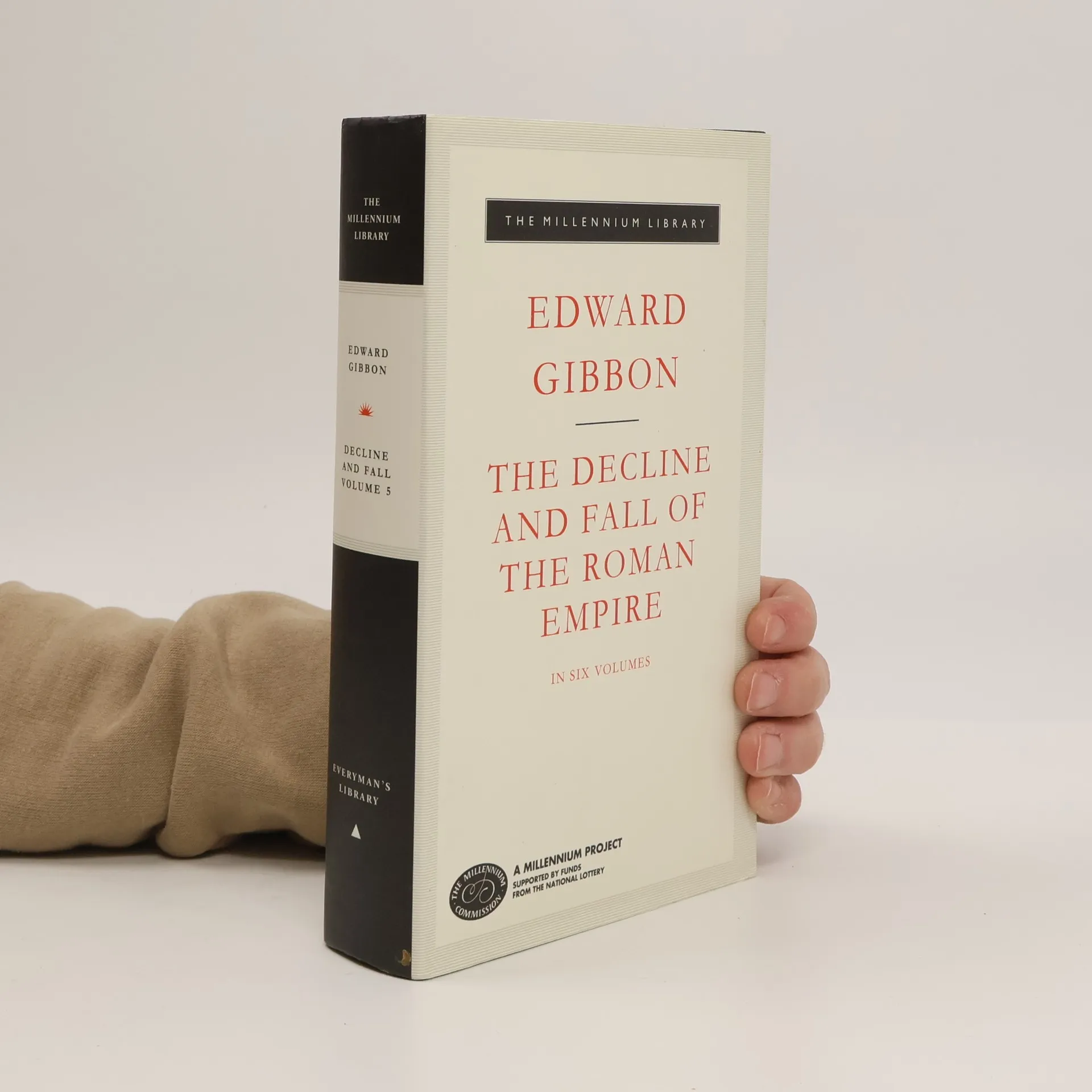
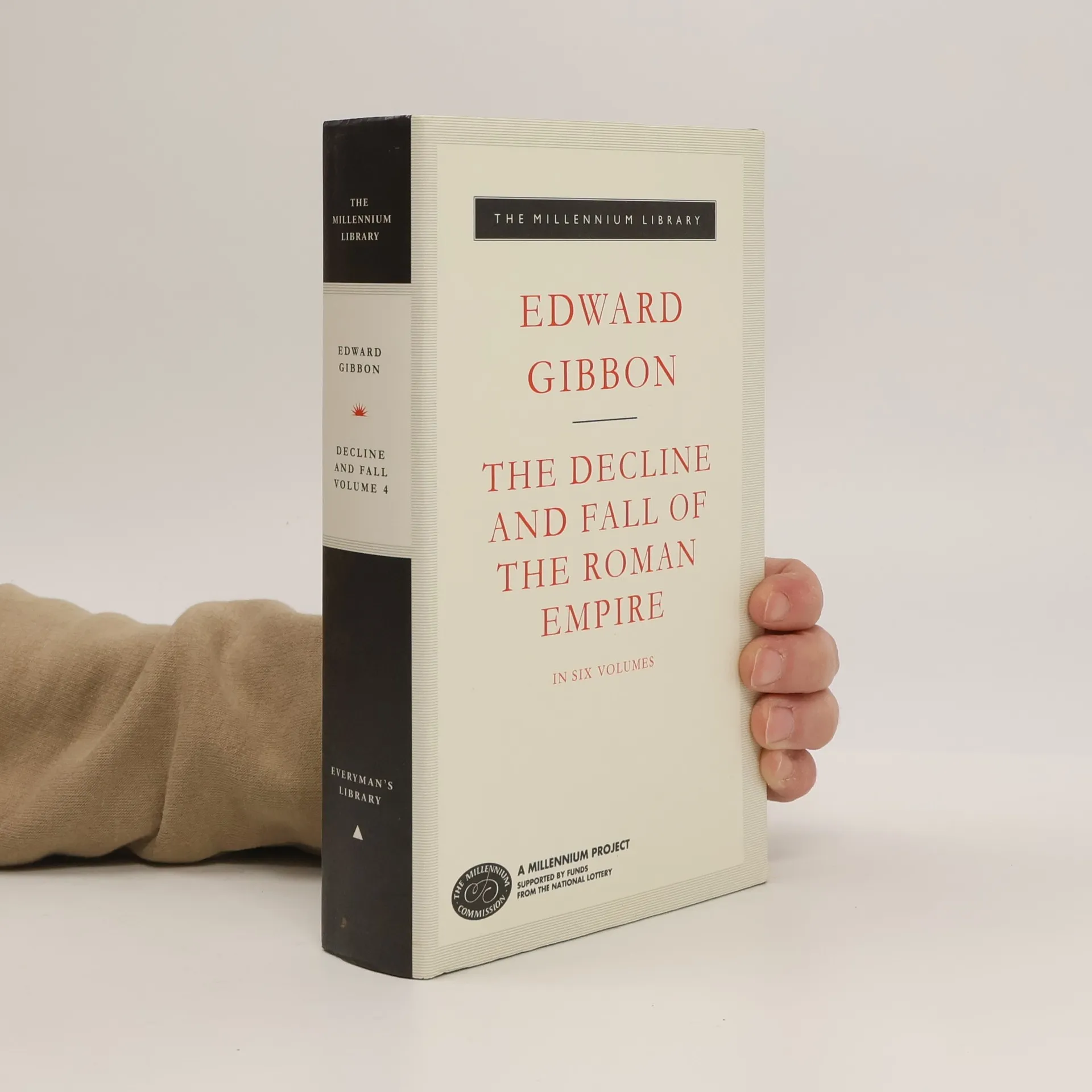
The first three volumes of Gibbon's DECLINE AND FALL (the western empire) were published by Everyman in 1993. Volumes 4-6 complete the set which is now available for the first time in many years. This year is the bicentenary of Gibbon's death, which has been widely noticed in the press, but even after two hundred years his book is still an authoritative work on Roman history. What is more, it remains wonderfully readable: witty, elegant and intriguing, full of the author's own personality. The six-volume Everyman edition - the only complete one now available-prints the entire text of the book with all Gibbon's own notes, later editorial commentaries, maps, tables, descriptive tables of contents, indices, appendices and two magisterial essays on the author and his work by Hugh Trevor-Roper.
The first three volumes of Gibbon's DECLINE AND FALL (the western empire) were published by Everyman in 1993. Volumes 4-6 complete the set which is now available for the first time in many years. This year is the bicentenary of Gibbon's death, which has been widely noticed in the press, but even after two hundred years his book is still an authoritative work on Roman history. What is more, it remains wonderfully readable: witty, elegant and intriguing, full of the author's own personality. The six-volume Everyman edition - the only complete one now available-prints the entire text of the book with all Gibbon's own notes, later editorial commentaries, maps, tables, descriptive tables of contents, indices, appendices and two magisterial essays on the author and his work by Hugh Trevor-Roper.
The first three volumes of Gibbon's DECLINE AND FALL (the western empire) were published by Everyman in 1993. Volumes 4-6 complete the set which is now available for the first time in many years. This year is the bicentenary of Gibbon's death, which has been widely noticed in the press, but even after two hundred years his book is still an authoritative work on Roman history. What is more, it remains wonderfully readable: witty, elegant and intriguing, full of the author's own personality. The six-volume Everyman edition - the only complete one now available-prints the entire text of the book with all Gibbon's own notes, later editorial commentaries, maps, tables, descriptive tables of contents, indices, appendices and two magisterial essays on the author and his work by Hugh Trevor-Roper.
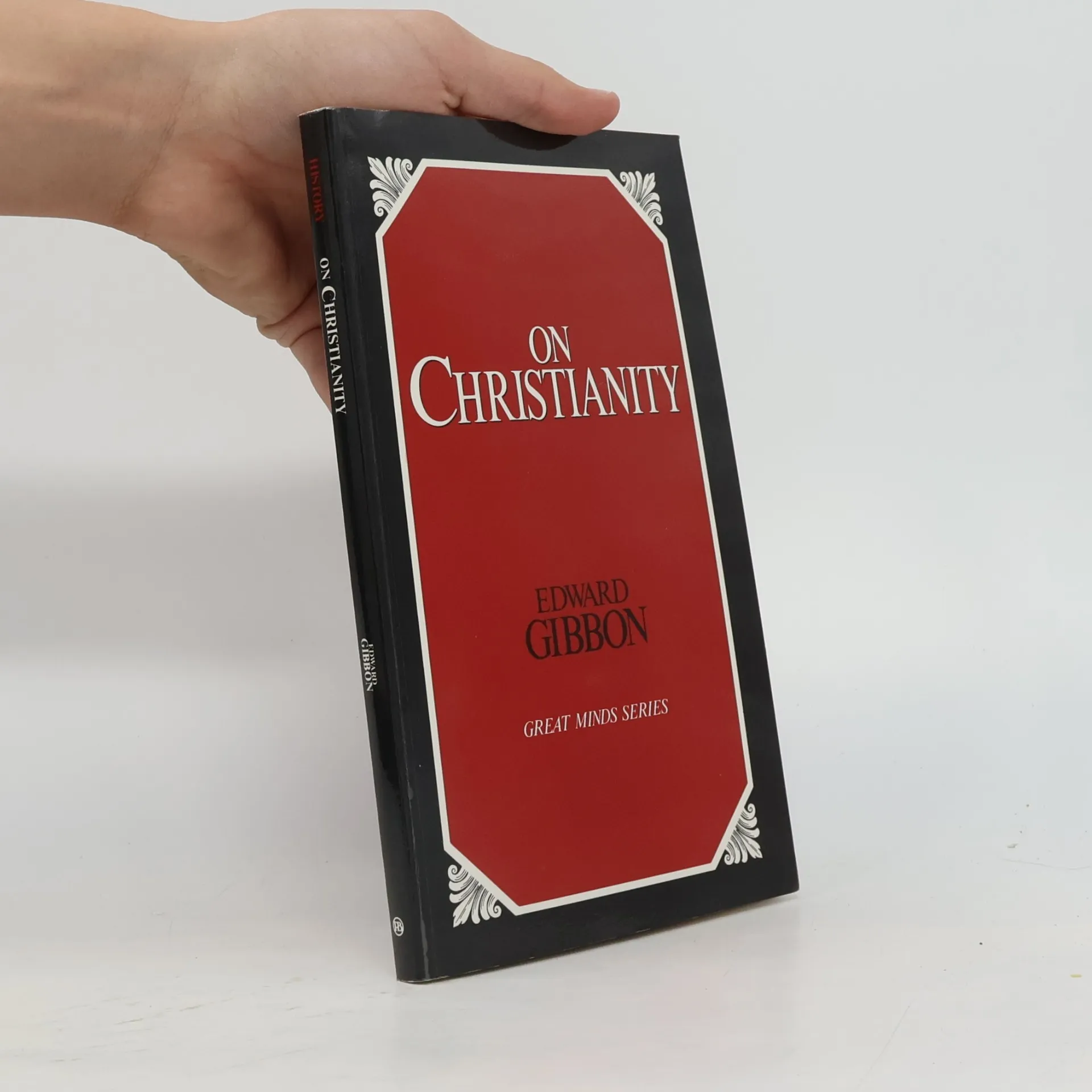
Written originally as the 15th and 16th chapters of his great work, The Decline and Fall of the Roman Empire (1776-1788), On Christianity joined the growing number of revisionist histories whose authors rejected the view that popular support of Christianity was miraculously preordained. Gibbon interprets the ascendancy of Christianity in terms of natural social causes, laying bare the paucity of evidence for the supernatural guidance of church actions.
V druhom zväzku sa dostávame do 6. storočia, kedy na území Galie a Hispánie vznikli franské a vizigótske kráľovstvá, cez nástup islámu, ktorý zjednotil arabské kmene, podrobne se zaoberá i križiackymi výpravami až po zánik Východorímskej ríše. Druhý zväzok zachytáva časový usek okolodeväťsto rokov, ktorého výklad patrí medzi najzložitejšie problémy svetových dejín. Z anglického originálu The Decline and Fall of the Roman Empire, ktorý vyšiel vo vydavateľstve Penguin Books Ltd, Harmondsworth, Middlesex 1963, preložil Viktor Krupa. Vysvetlivky a doslov napísal Vojtech Kopčan. Vyšlo v edícii Kométa. Vydanie druhé.
Dejiny Rímskej ríše od zlatého veku Antoninovcov cez vzostup vojenskej autokracie, vpády Gótov, vládu Diokleciána, založenie Konštantínopolu, uznanie kresťanstva, až po koniec Západorímskej ríše. Z anglického originálu The Decline and Fall of the Roman Empire, ktorý vyšiel vo vydavateľstvePenguin Books Ltd, Harmondsworth, Middlesex 1963, preložil Viktor Krupa. Vysvetlivky a doslov (zv. 2) napísal Vojtech Kopčan. Vydanie druhé.
V druhom zväzku sa dostávame do 6. storočia, kedy na území Galie a Hispánie vznikli franské a vizigótske kráľovstvá, cez nástup islámu, ktorý zjednotil arabské kmene, podrobne se zaoberá i križiackymi výpravami až po zánik Východorímskej ríše. Druhý zväzok zachytáva časový usek okolodeväťsto rokov, ktorého výklad patrí medzi najzložitejšie problémy svetových dejín. Z anglického originálu The Decline and Fall of the Roman Empire, ktorý vyšiel vo vydavateľstve Penguin Books Ltd, Harmondsworth, Middlesex 1963, preložil Viktor Krupa. Vysvetlivky a doslov napísal Vojtech Kopčan. Vyšlo v edícii Kométa. Vydanie druhé.
Vom Tod Marc Aurels bis zur Eroberung Konstantinopels erzählt Edward Gibbon von Verfall und Untergang des Römischen Reiches, eines Weltreichs, das sich über den ganzen Mittelmeerraum erstreckte. Gibbons großformatiges Panorama, eine »regelrechte Sternstunde der europäischen Geschichtsschreibung« (Stuttgarter Nachrichten), ist deshalb nicht nur eine faszinierende Lektüre für alle historisch interessierten, sondern auch ein großes Vergnügen für alle, die heute die Region um das Mittelmeer bereisen.
Edited, abridged, and with a critical Foreword by Hans-Friedrich MuellerIntroduction by Daniel J. BoorstinIllustrations by Giovanni Battista PiranesiEdward Gibbon’s masterpiece, which narrates the history of the Roman Empire from the second century A.D. to its collapse in the west in the fifth century and in the east in the fifteenth century, is widely considered the greatest work of history ever written. This abridgment retains the full scope of the original, but in a breadth comparable to a novel. Casual readers now have access to the full sweep of Gibbon’s narrative, while instructors and students have a volume that can be read in a single term. This unique edition emphasizes elements ignored in all other abridgments—in particular the role of religion in the empire and the rise of Islam.From the Trade Paperback edition.
The TREDITION CLASSICS series aims to revive public domain literature by making it accessible in printed format globally. Driven by a passion for literature, the series collaborates with various non-profit projects, ensuring that timeless works are preserved. A portion of the proceeds from each sale supports these initiatives, allowing readers to contribute to the preservation of significant literary works while enjoying classic literature.
Published between 1776 and 1788, this text is acknowledged as a masterpiece of English historical writing. Covering the history of Europe from the 2nd-century AD, to the fall of Constantinople in 1453, this edition includes footnotes, explanatory comments, and a precis of the chapters not included.