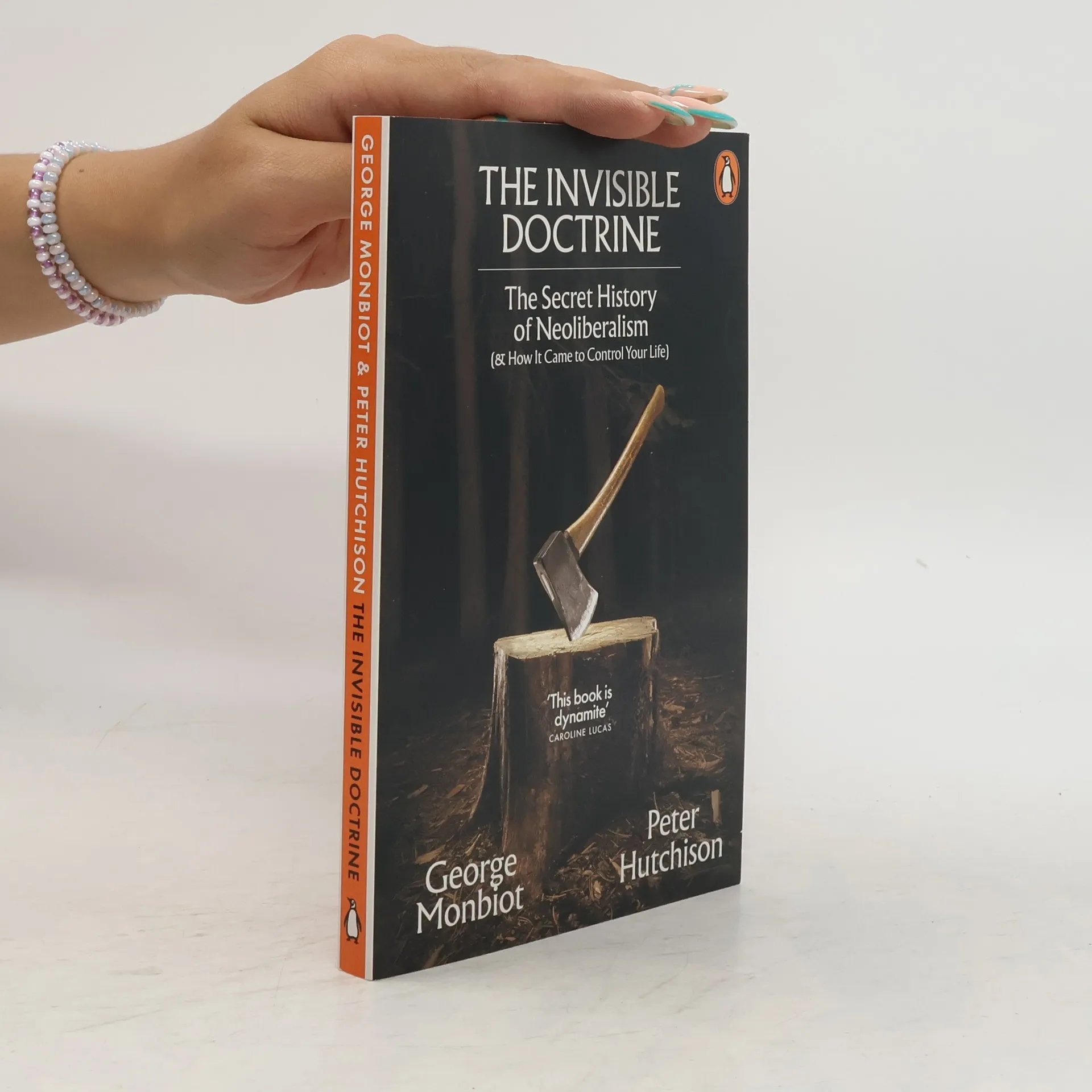
The Secret History of Neoliberalism (& How It Came to Control Your Life)
224 Seiten
8 Lesestunden
Featuring powerful endorsements from prominent figures, this book promises to deliver impactful insights and compelling arguments. It tackles pressing issues with a unique perspective, aiming to inspire action and change. The strong reactions from notable supporters highlight its relevance and potential to resonate with a wide audience. Expect a thought-provoking read that encourages readers to reflect on important societal themes and take meaningful steps towards progress.
We live under an ideology that preys on every aspect of our lives: our education and our jobs; our healthcare and our leisure; our relationships and our mental wellbeing; even the planet we inhabit - the very air we breathe. So pervasive has it become that, for most people, it has no name. It seems unavoidable, like a natural law. But trace it back to its roots, and we discover that it is neither inevitable nor immutable. It was conceived, propagated, and then concealed by the powerful few. It is time to bring it into the light - and, in doing so, to find an alternative worth fighting for. Neoliberalism. Do you know what it is?
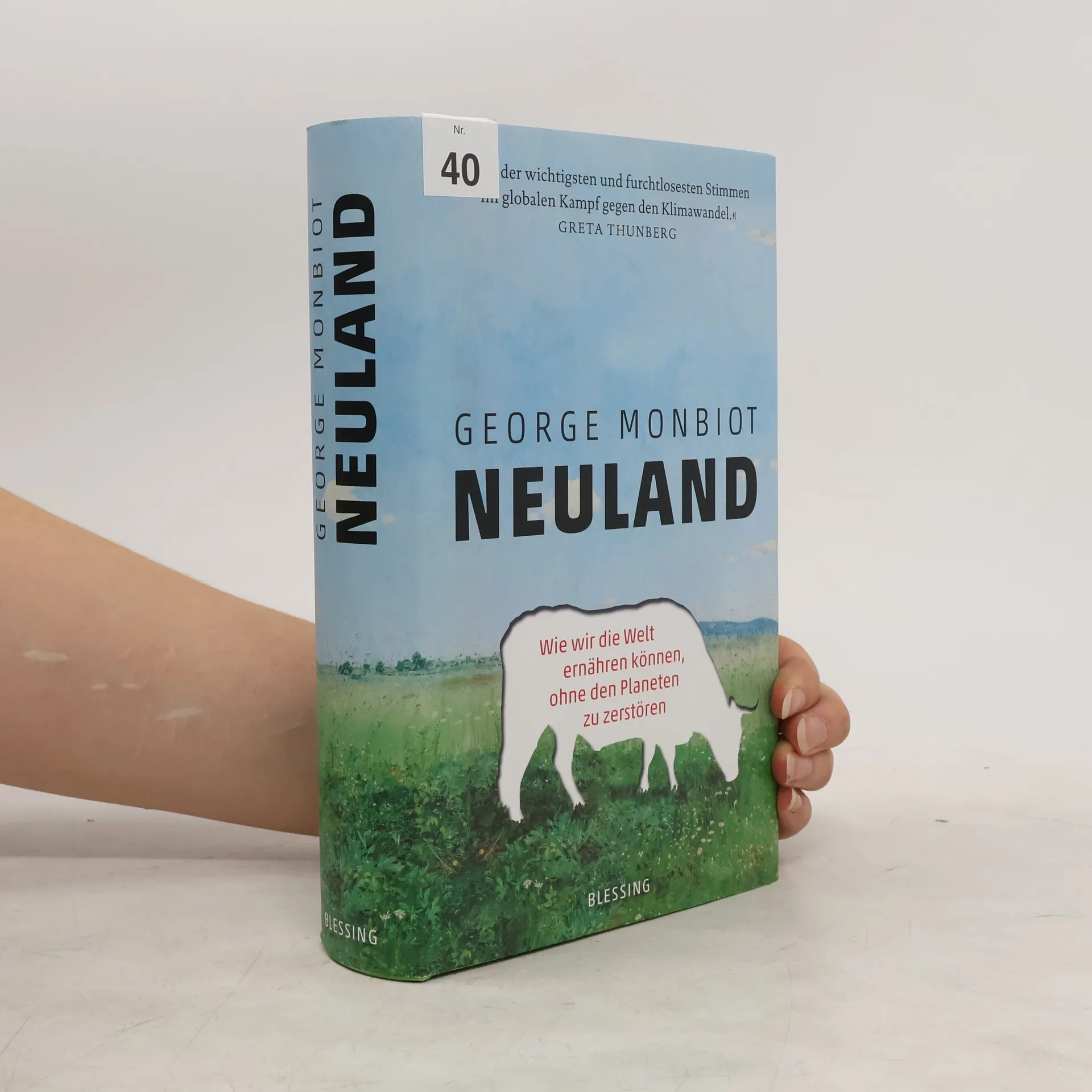
Wie wir die Welt ernähren können, ohne den Planeten zu zerstören
480 Seiten
17 Lesestunden
Die Landwirtschaft ist die weltweit größte Ursache für Umweltzerstörung – und die, über die wir am wenigsten sprechen. Wir haben große Teile des Planeten gepflügt, eingezäunt und beweidet, vergiftet, um uns zu ernähren. Unser Ernährungssystem gerät dadurch ins Wanken. Aber George Monbiot entwirft die atemberaubende Vision einer neuen Landwirtschaft. Er trifft Obst- und Gemüsebauern, die unser Verständnis von Fruchtbarkeit revolutionieren, Züchter mehrjähriger Körner, die das Land von Pflügen und Giften befreien, Wissenschaftler, die neue Wege für den Protein- und Fettanbau beschreiten. Auf der Grundlage erstaunlicher Fortschritte in der Bodenökologie zeigt Monbiot, wie wir die Welt ernähren können, ohne den Planeten zu verschlingen.
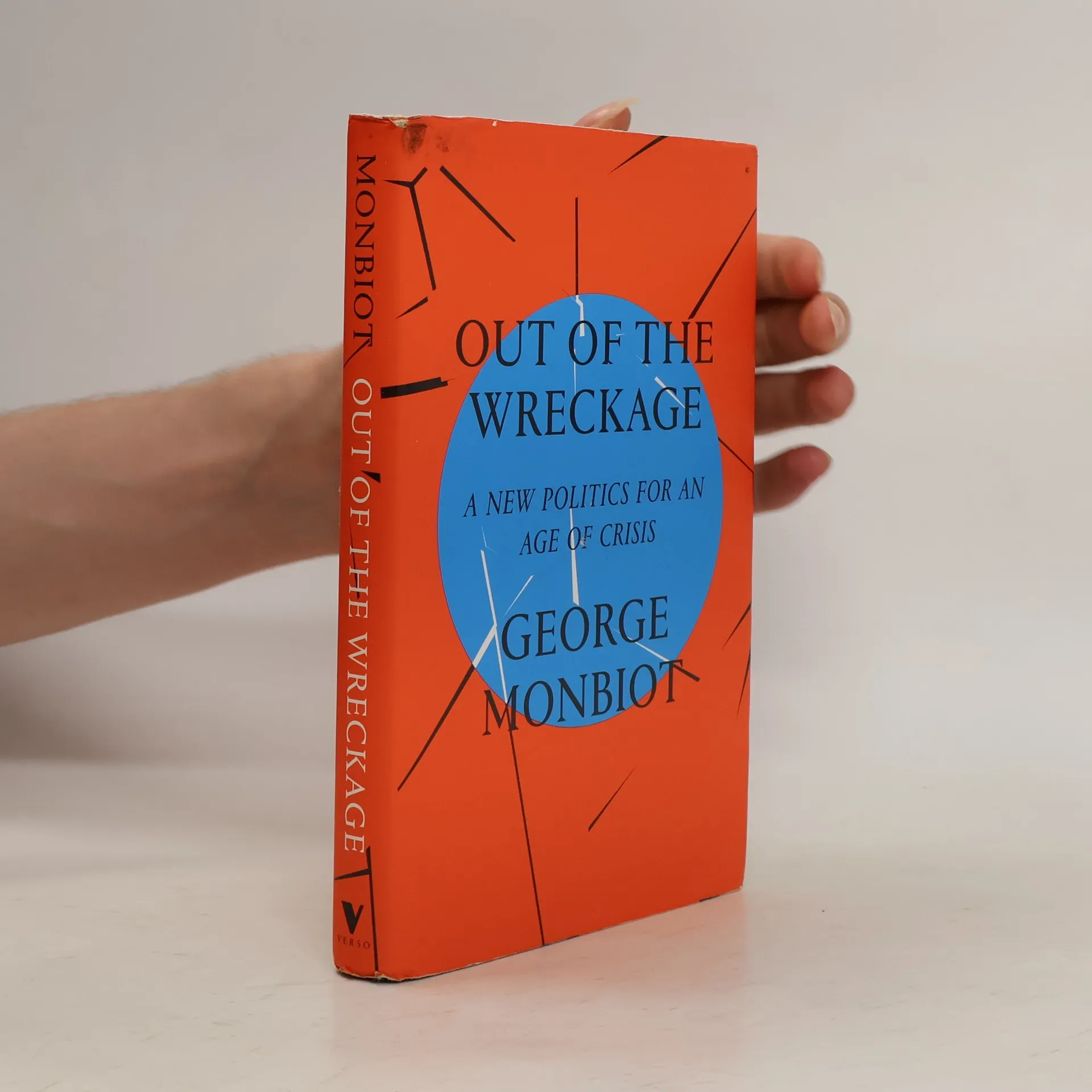
A leading environmental and political commentator draws a roadmap towards new politics—offering a rallying cry for a new vision of what a ‘good’ society can be—in this “dazzling command of science and relentless faith in people” (Naomi Klein, author of The Shock Doctrine) What does the good life—and the good society—look like in the 21st century? A toxic ideology of extreme competition and individualism has come to dominate our world. It misrepresents human nature, destroying hope and common purpose. Only a positive vision can replace it, a new story that re-engages people in politics and lights a path to a better future. George Monbiot shows how new findings in psychology, neuroscience and evolutionary biology cast human nature in a radically different light: as the supreme altruists and cooperators. He shows how we can build on these findings to create a new politics: a “politics of belonging.” Both democracy and economic life can be radically reorganized from the bottom up, enabling us to take back control and overthrow the forces that have thwarted our ambitions for a better society. Urgent and passionate, Out of the Wreckage provides the hope and clarity required to change the world.
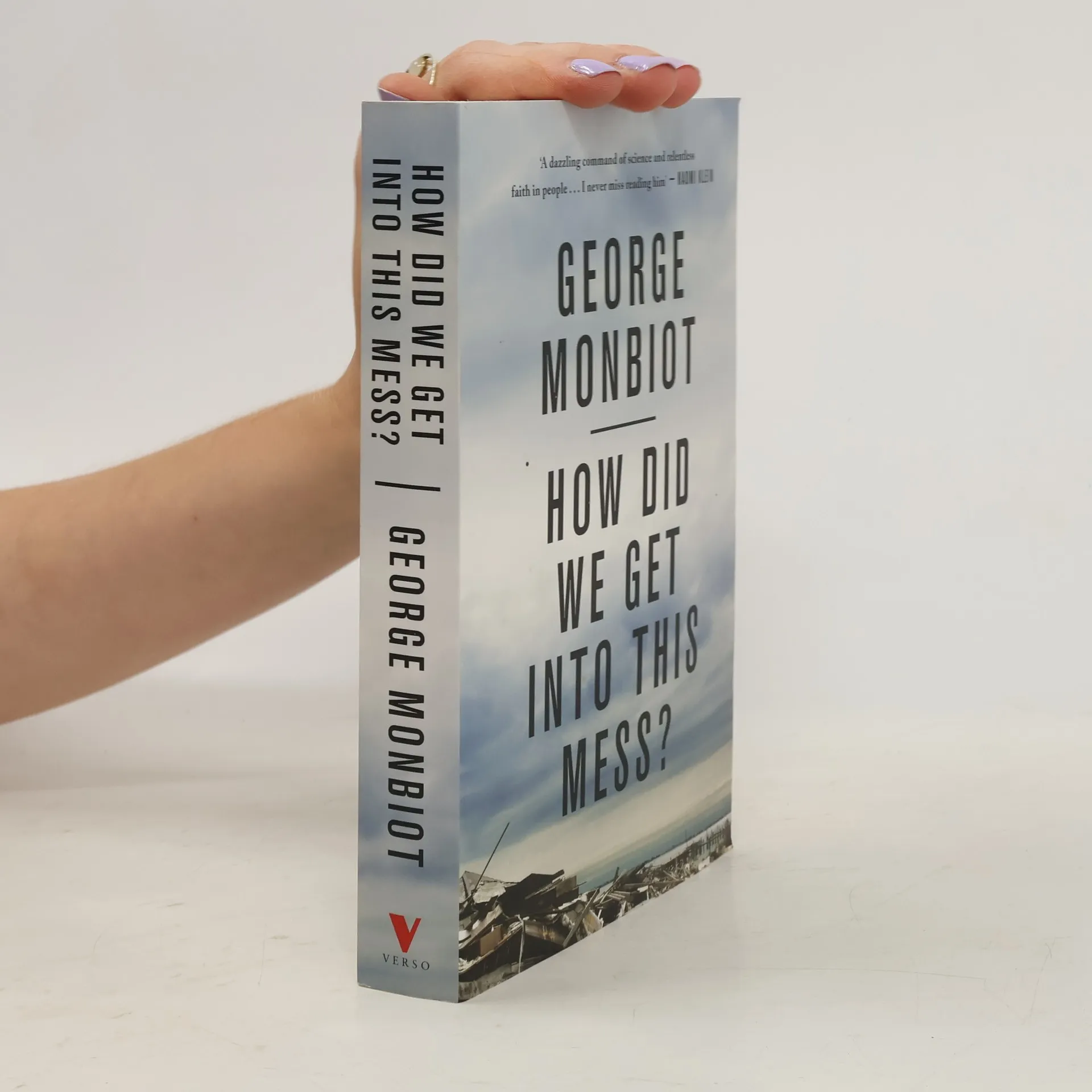
George Monbiot is one of the most vocal, and eloquent, critics of the current consensus. How Did We Get into this Mess?, based on his powerful journalism, assesses the state we are now in: the devastation of the natural world, the crisis of inequality, the corporate takeover of nature, our obsessions with growth and profit and the decline of the political debate over what to do. While his diagnosis of the problems in front of us is clear-sighted and reasonable, he also develops solutions to challenge the politics of fear. How do we stand up to the powerful when they seem to have all the weapons? What can we do to prepare our children for an uncertain future? Controversial, clear but always rigorously argued, How Did We Get into this Mess? makes a persuasive case for change in our everyday lives, our politics and economics, the ways we treat each other and the natural world
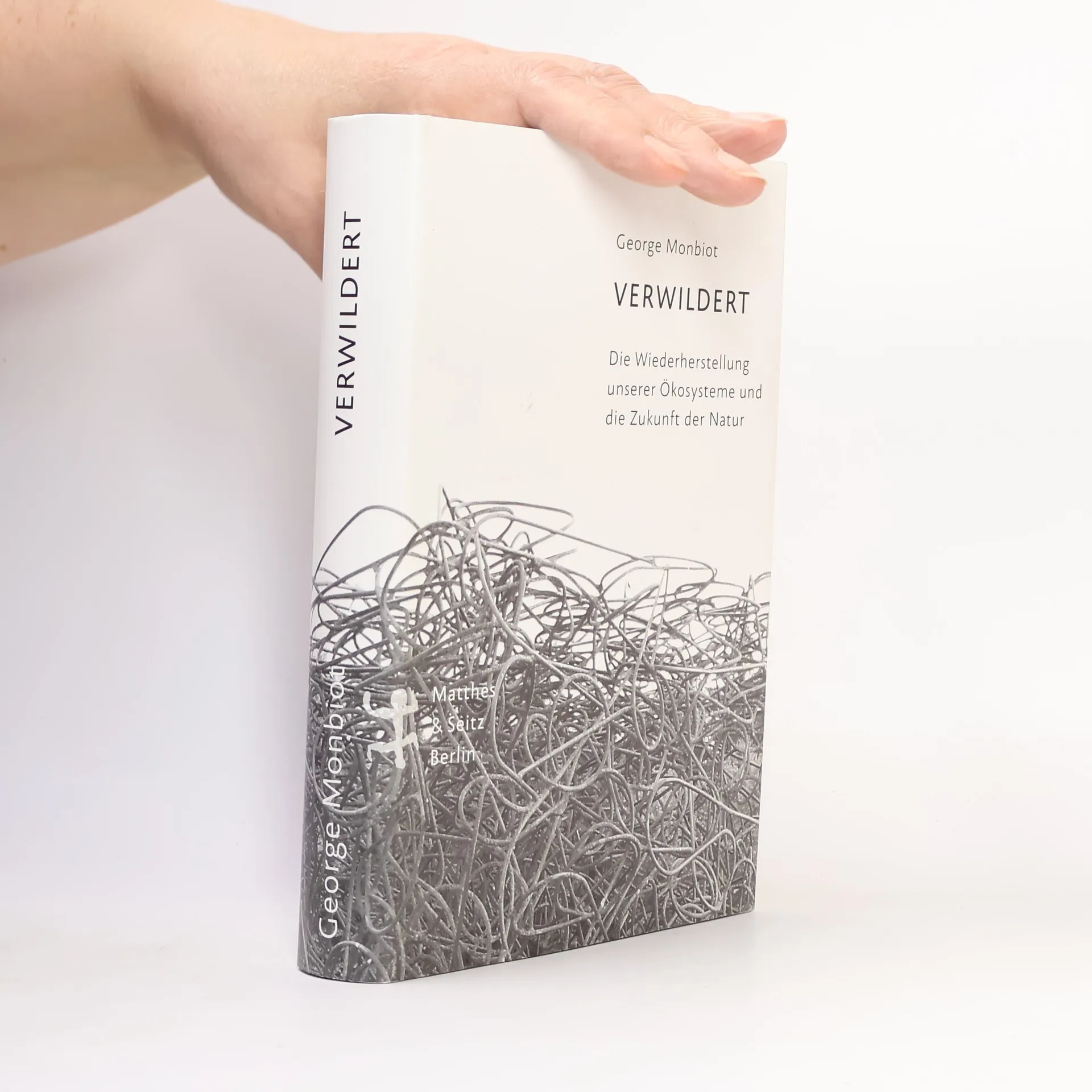
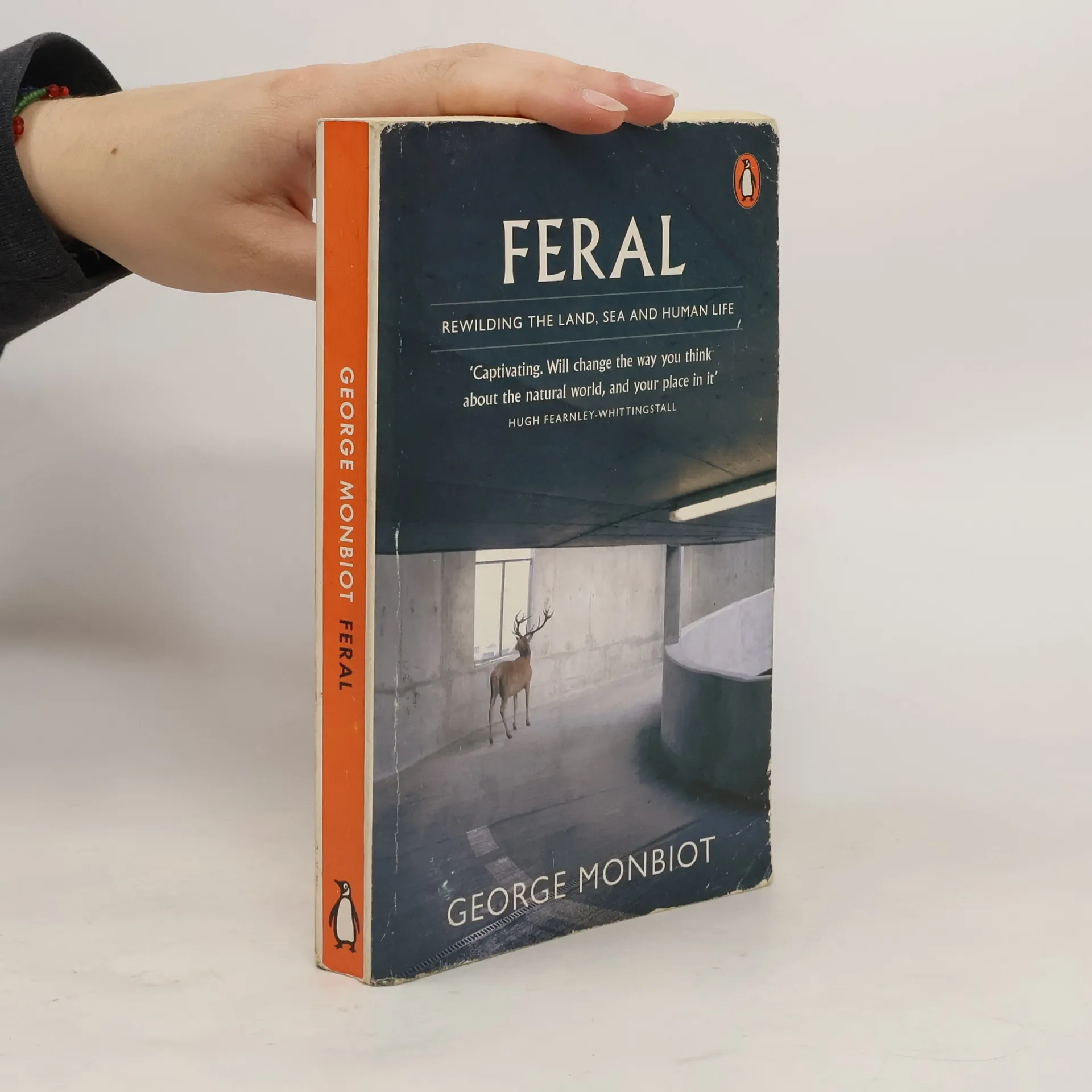
How many of us feel confined in our lives, yearning for a broader existence? This gripping narrative chronicles George Monbiot's journey to reconnect with nature and explore a new way of living. He illustrates how restoring and rewilding damaged ecosystems can reintroduce wonder into our lives. By incorporating remarkable scientific insights, the story presents a fresh, positive environmentalism that allows nature to thrive on its own terms.
Critics have praised the book as passionate and timely, emphasizing the need for expansive thinking and a break from the stifling effects of modern monoculture. It resonates with a collective desire to rewild both our landscapes and ourselves, presenting an optimistic vision for the future. The author advocates for a world less dominated by fear and greed, encouraging readers to rethink their perspectives on nature.
The narrative invites us to imagine lost lives and species that could still exist, igniting dreams of a wilder world where creatures like lynx and beavers roam freely. This thought-provoking work challenges us to reconsider our relationship with the environment and inspires a longing for a more vibrant, interconnected existence.
In these incendiary essays, George Monbiot tears apart the fictions of religious conservatives, the claims of those who deny global warming and the lies of the governments and newspapers that led us into war. He takes no prisoners, exposing government corruption in devastating detail while clashing with people as diverse as Bob Geldof, Ann Widdecombe and David Bellamy. But alongside his investigative journalism, Monbiot's book contains some remarkable essays about what it means to be human. Monbiot explores the politics behind Constable's The Cornfield, shows how driving cars has changed the way we think and argues that eternal death is a happier prospect than eternal life.
Everything You Didn't Want to Know About Climate Change But Probably Should Find Out
96 Seiten
4 Lesestunden
Presented by Britain's leading environmental cartoonist, this comic book explains the scientific principles behind climate change. It also includes an introduction by George Monbiot.
SchadstoffREDUKTION um 90% bis 2030! Brauchen wir eine Öko-Diktatur? Die radikale Analyse eines weltweit renommierten Journalisten. Spätestens die Frühlingstemperaturen im Winter 2006/2007 haben gezeigt, dass die Warnungen vor globaler Erwärmung kein bloßes Gerede sind. Aber noch immer pulvern wir Tonnen von Schadstoffen in die Atmosphäre, um exotische Früchte um den halben Globus zu fliegen, ermutigen die unkontrollierte Ausweitung des Personenverkehrs und leisten uns Gebäude und Produktionsweisen, die Energie in unverantwortlicher Weise verschleudern. George Monbiot, Bestsellerautor und einer der einflussreichsten ökologischen Vordenker der Welt, spricht eine deutliche Warnung aus: Wenn wir nicht innerhalb der kommenden 25 Jahre den Schadstoffausstoß drastisch abbremsen, macht sich die Klimaerwärmung durch Rückkopplungseffekte selbstständig – mit katastrophalen Folgen für das Leben auf dem Planeten. Der Autor zeigt keinen leichten Weg auf. Aber einen, der unter den gegebenen Umständen vergleichsweise schonend ist und den Fortbestand unserer Zivilisation sichern hilft. Es gibt viele Bücher, die über die globale Erwärmung klagen; dieses zeigt, wie wir sie stoppen können. Einer der weltweit besten Investigativ-Journalisten untersucht 3 Fragen: Wie weit ist der Klimawandel fortgeschritten? Was sind seine Ursachen? Wie können wir ihn stoppen?
„United People“ ist der notwendige nächste Schritt nach „No Logo“ und reflektiert die bedeutende Protestbewegung der Globalisierungsgegner. Monbiot teilt die Auffassung, dass die bestehenden globalen Organisationen reformunfähig sind, da sie von den Interessen einer kleinen Elite geleitet werden. Die UNO wird durch die fünf Veto-Mächte blockiert, während der IWF und die Weltbank sich ausschließlich den westlichen Finanzinteressen verpflichtet fühlen, was die Wirtschaft der Entwicklungsländer schädigt. Die WTO wird als ein Zusammenschluss von Wirtschaftsinteressen beschrieben, der die Freie-Markt-Ideologie mit Gewalt durchsetzt. Dennoch betont Monbiot, dass eine Rückkehr zur Vor-Globalisierungszeit nicht möglich ist, da Weltmarkt und ökologische Herausforderungen globale Antworten erfordern. Er schlägt die Schaffung von drei neuen Weltinstitutionen vor: ein direkt gewähltes Weltparlament, eine Fair Trade-Organisation und eine Internationale Verrechnungsstelle. Obwohl diese Ideen utopisch erscheinen, sind sie umsetzbar. Monbiot fordert dazu auf, die gegenwärtigen Machthaber mit ihren eigenen Mitteln zu schlagen, indem Entwicklungsländer gleichzeitig Insolvenz anmelden könnten, was das alte System destabilisieren würde. „United People“ bietet provokante Analysen und radikale Lösungsansätze zur Bewältigung der drängenden Probleme unserer Zeit.
Monbiot documents the end of representative government in Britain. The state is no longer the initiator of policy but an increasingly helpless bystander. As institutional corruption strikes at the heart of public life, in a contest between the desires of big business and the needs of the electorate, the electorate loses out every time.
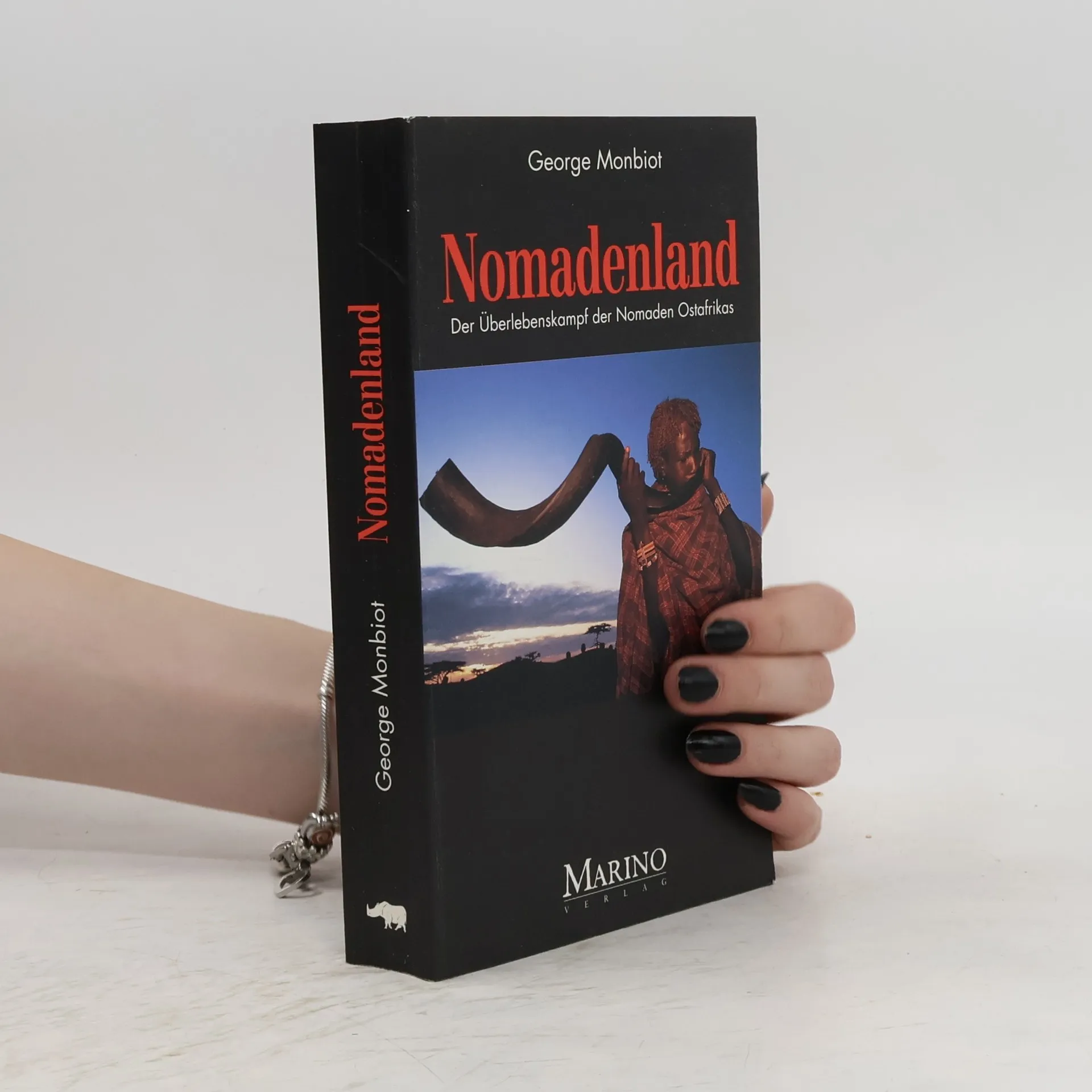
Dieser engagierte Bericht des englischen Zoologen und Journalisten zeigt, wie in Ostafrika die dort noch lebenden Nomadenstämme der Massai, Samburu, Turkana u.a. nicht nur mit der unbarmherzigen Natur, Hunger und Seuchen zu kämpfen haben, sondern auch gegen plündernde Banden aus Somalia und unterbezahlte Polizisten und Soldaten, die für habgierige Politiker Land und Vieh stehlen, die Grundlagen ihres Nomadendaseins. Dass auch noch ausländische (westliche) Banken und Entwicklungshilfeorganisationen in diese Machenschaften verstrickt sind, wundert dann schon fast nicht mehr. Das nachdenklich stimmende und zum Handeln anregende Buch sollte die schönen Bildbände und hübschen Reiseführer unbedingt ergänzen. (2)