Day of the Assassins
- 448 Seiten
- 16 Lesestunden
A forensic account of political assassinations from the late nineteenth century to the present day.


Michael Burleigh ist ein britischer Autor und Historiker, dessen Werk sich oft mit den dunkleren Aspekten der menschlichen Natur und totalitären Ideologien beschäftigt. Durch tiefgehende historische Forschung untersucht er, wie radikale Überzeugungen zu destruktiven Kräften werden können. Seine Schriften zeichnen sich durch intellektuelle Tiefe aus und die Fähigkeit, beunruhigende Wahrheiten über Vergangenheit und Gegenwart aufzudecken. Leser werden seinen analytischen Ansatz zur Geschichte und seine Fähigkeit, scheinbar unzusammenhängende Ereignisse zu einer kohärenten Erzählung zu verbinden, zu schätzen wissen.


A forensic account of political assassinations from the late nineteenth century to the present day.
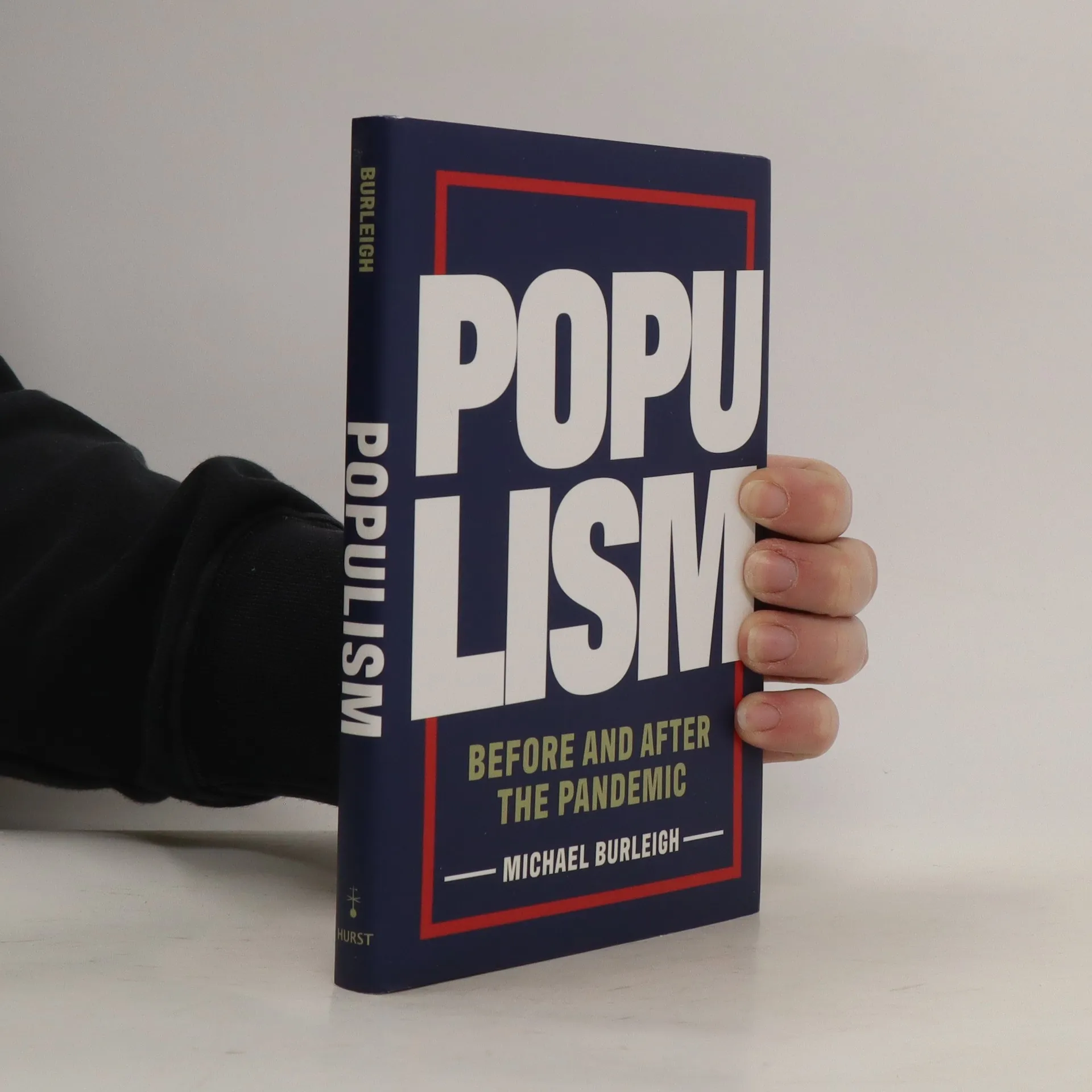
We are said to be living in an age of anger, and national populist movements are often identified as its political manifestation. In Populism Michael Burleigh explores this new global era, drawing on his Engelsberg Lectures. The first chapter explores the nature of mass anger, mainly in Europe and the US: how might popular discontent be artificially incited and sustained by elite figures claiming to speak for the common people? The second chapter compares the difficult aftermaths of empire in Britain and Russia. Has that experience fostered these countries' sense of exceptionality and inability to evolve into normal societies? Many national populist movements exploit History, as we saw with the so-called 'statue wars' reignited in 2020. The third chapter ranges across Europe, but also China, where a nationalised version of History has become intrinsic to social support for the ruling Communist Party. In the short term, COVID-19 has created problems for several populist leaders, whose image has suffered amidst the public's new-found respect for expertise and unfavourable comparisons with less shouty politicians who have handled the pandemic differently. Yet, with the looming risk of an extended economic depression, Burleigh fears that new post-populists may arise in the long run.
In the decades since the end of the Second World War, it has been widely assumed that the western model of liberal democracy and free trade is the way the world should be governed. However, events in the early years of the twenty-first century - first, the 2003 war with Iraq and its chaotic aftermath and, second, the financial crash of 2008 - have…
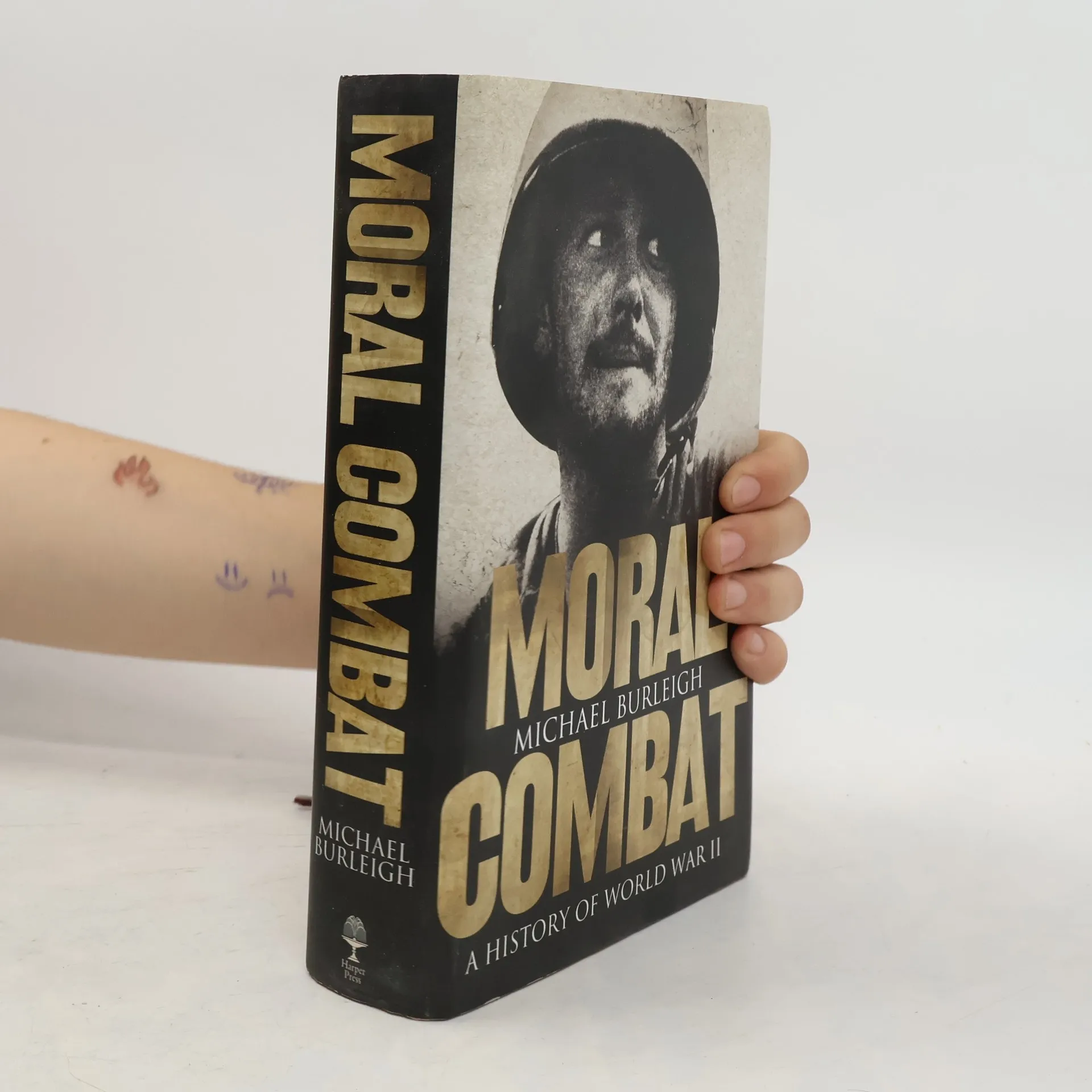
Examines the Second World War in terms of the moral and ethical decisions made by the leaders of both sides and their consequences, including the effects it had on the civilian populations in both theaters
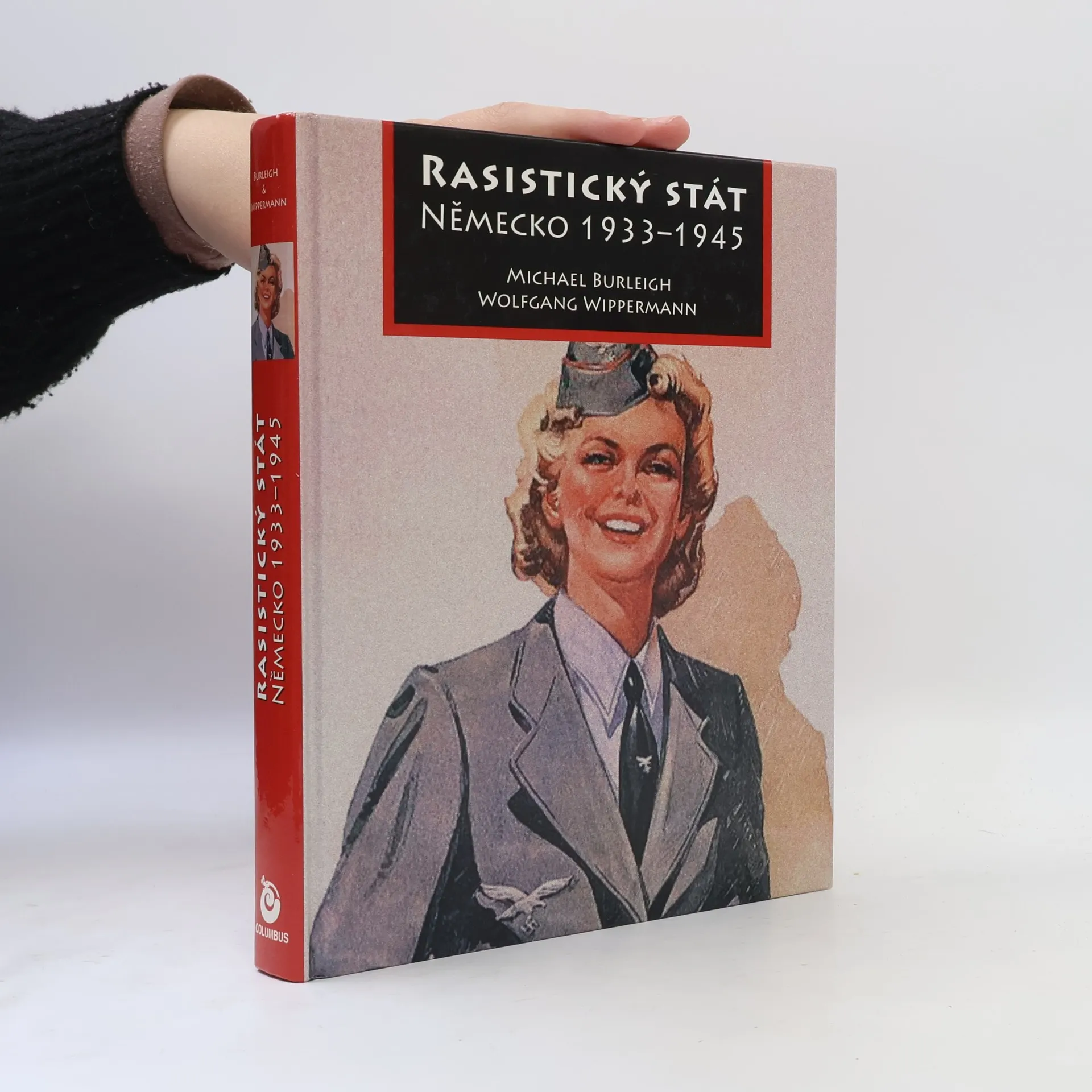
Nacistická restrukturalizace „třídní“ společnosti na základě rasové příslušnosti pohledem předních evropských historiků. V letech 1933 až 1945 se nacistický režim pokusil o restrukturalizaci „třídní“ společnosti na základě rasové příslušnosti. Kniha přibližuje ideje a práci institucí, které tuto snahu podporovaly a také odhaluje, jak nacistická politika ovlivňovala různé skupiny lidí, a to jak obětí, tak těch, kteří měli z dané situace prospěch. Autoři své dílo začínají diskuzí o původu nacistické rasové ideologie a potom demonstrují důkladnost a účelnost, s jakými byla uplatňována v oficiální politice. Nezabývají se pouze otázkou systematického pronásledování a likvidace Židů, kteří tvořili největší obětní skupinu nacismu, ale také osudem Romů a Sintiů, mentálně nemocných, „asociálů“ a homosexuálů. Nakonec se zaměřují na státní rasově motivovanou sociální politiku, která zasahovala do života každého německého „národního soudruha“. Hlavním cílem této politiky byla realizace rasově organizovaného státu a společnosti. Ve své knize dále dokládají, že „polykratický“ a chaotický charakter režimu, jak jej často současní historikové popisují, nezabraňoval nemilosrdné likvidaci jeho obětí a ani jí neomezoval. Třetí říše se zásadně lišila od všech ostatních totalitních režimů především svou všudypřítomnou rasovou politikou.
Distinguished historian and acclaimed author of "Earthly Powers" and "The Third Reich" offers a sweeping, deeply insightful history of terrorism from its 19th-century European and American origins to today's global threat fueled by fundamentalists. color photo insert.
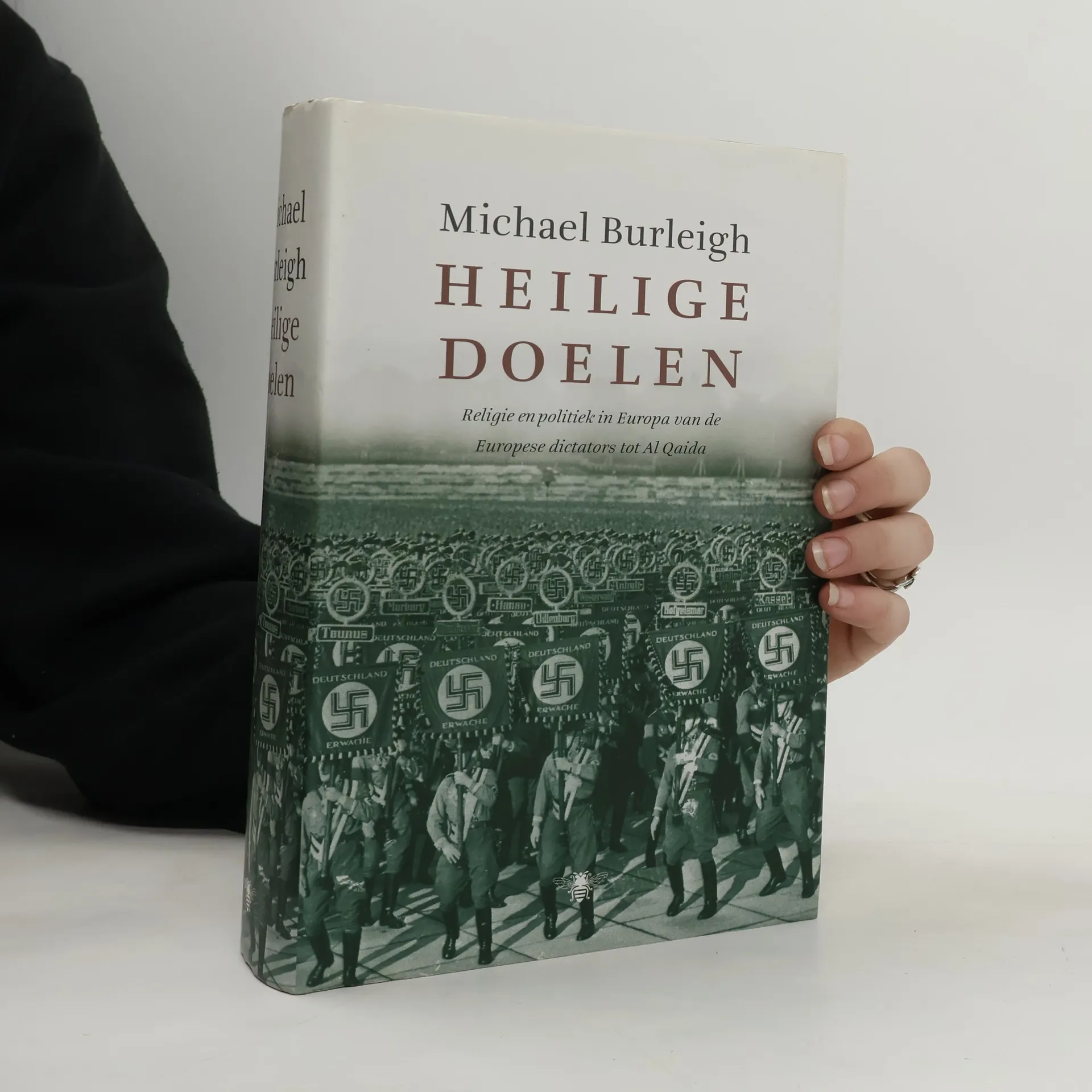
Cultureel-religieuze en politieke geschiedenis van (vooral) West-Europa vanaf het begin van de twintigste eeuw tot heden.
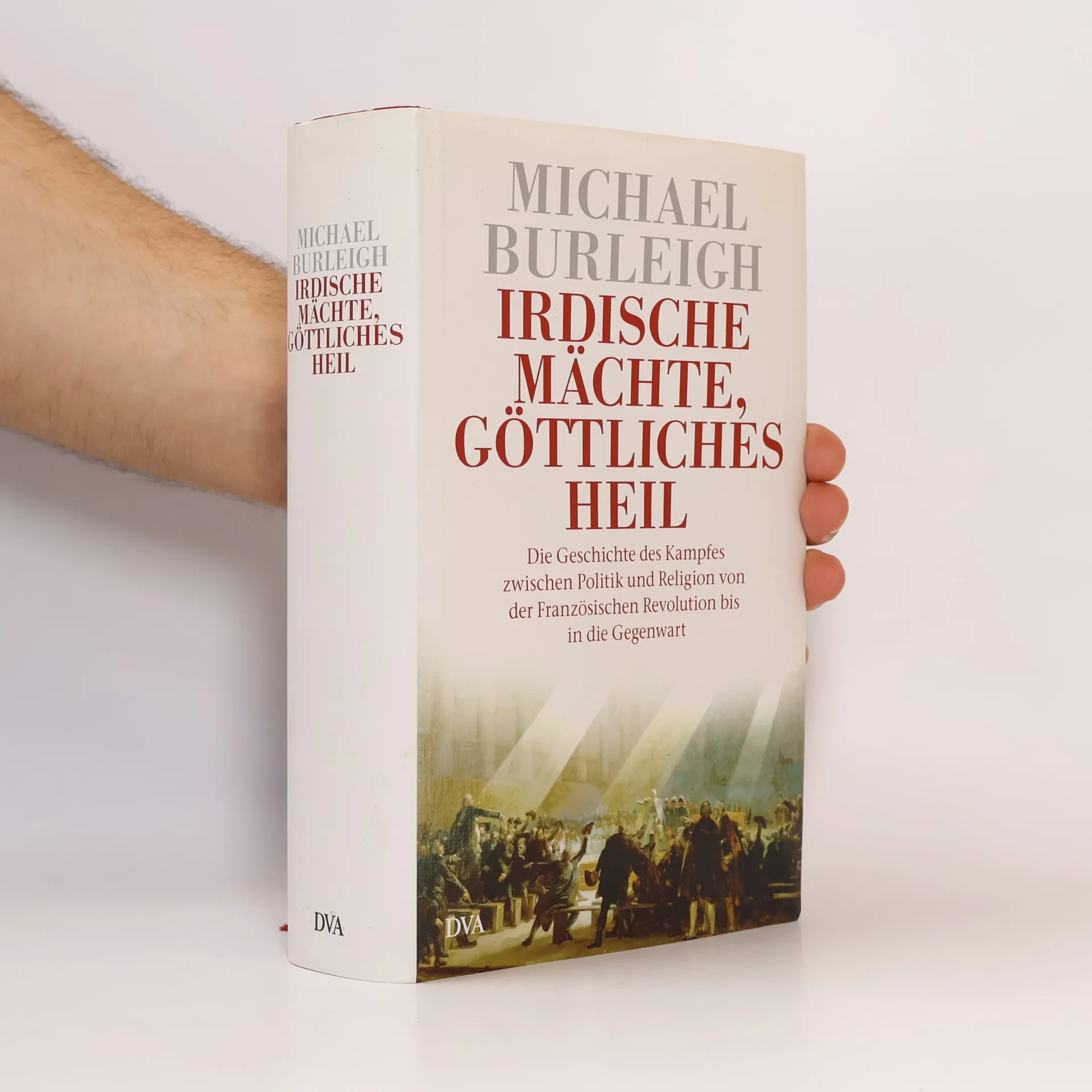
Von der Französischen Revolution bis Al Qaida – Religion und Politik in Europa Seit dem 18. Jahrhundert wandten sich viele Europäer von Gott und der Kirche ab und suchten ihr Heil in neuen politischen Religionen wie dem Jakobinertum, Kommunismus oder Nationalsozialismus, was blutige Konsequenzen hatte. Michael Burleigh analysiert in diesem Standardwerk den Konflikt zwischen Politik und Religion und zeigt, wie messianischer Eifer die europäische Geschichte prägte. Er spannt einen Bogen von den Wirren der Französischen Revolution bis zum gegenwärtigen Krieg gegen den islamistischen Terror. Burleigh erläutert die Entstehung politischer Religionen aus dem Zusammenbruch alter Machtverhältnisse und Glaubenssysteme. Zunächst beschreibt er die Abkehr Europas vom christlichen Glauben und zeigt, wie neue Heilserwartungen im Sozialismus und Nationalismus aufkamen, die sich schließlich zu den großen Geißeln des 20. Jahrhunderts – Nationalsozialismus und Kommunismus – entwickelten. Auch in der heutigen Zeit zeigt sich die Rückkehr der Religion, die Burleigh überzeugend als nie wirklich verschwunden darstellt. Dieses Werk bietet einen neuen Blick auf die entscheidenden Triebkräfte der europäischen Geschichte und wird sicherlich für kontroverse Debatten sorgen.
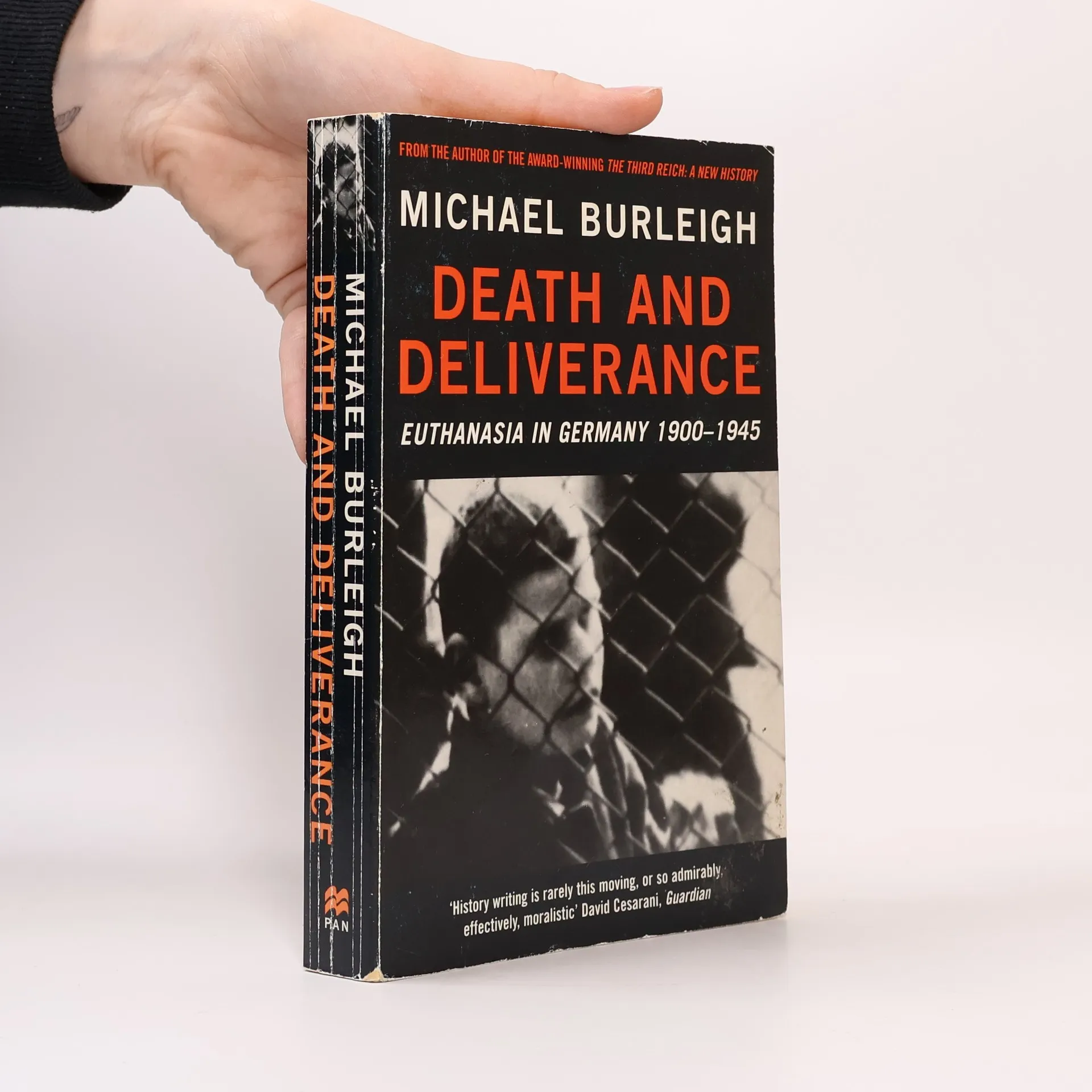
Between 1939 and 1945 the Nazis systematically murdered as many as 200,000 mentally ill or physically disabled people whom they stigmatised as 'life unworthy of life'. This book is the first full-scale study in English of this complex and covert series of operations known as the 'euthanasia' programme. Using a wealth of original archive material, Michael Burleigh considers the role of all those involved in the programme: bureaucrats, doctors, nurses, health officials, lawyers, clerics, and also parents, relatives and the patients themselves. 'History writing is rarely this moving, or so admirably, effectively, moralistic' David Ceserani, The Guardian 'This is a terrible book. Everyone ought to read it. It is difficult to believe that this account could be improved upon' Anthony Storr, The Times 'Outstanding and chilling [Michael Burleigh] provides one of the most penetrating insights yet written into the individual mentalities - and the resulting collective "mentality" - of Nazism.' Niall Ferguson, The Sunday Telegraph 'An impressive and harrowing book whose suppleness, fluency and accretion of case histories and anecdotes particularise the horror.' Jonathan Meades, Mail on Sunday
A Study of Ostforschung in the Third Reich
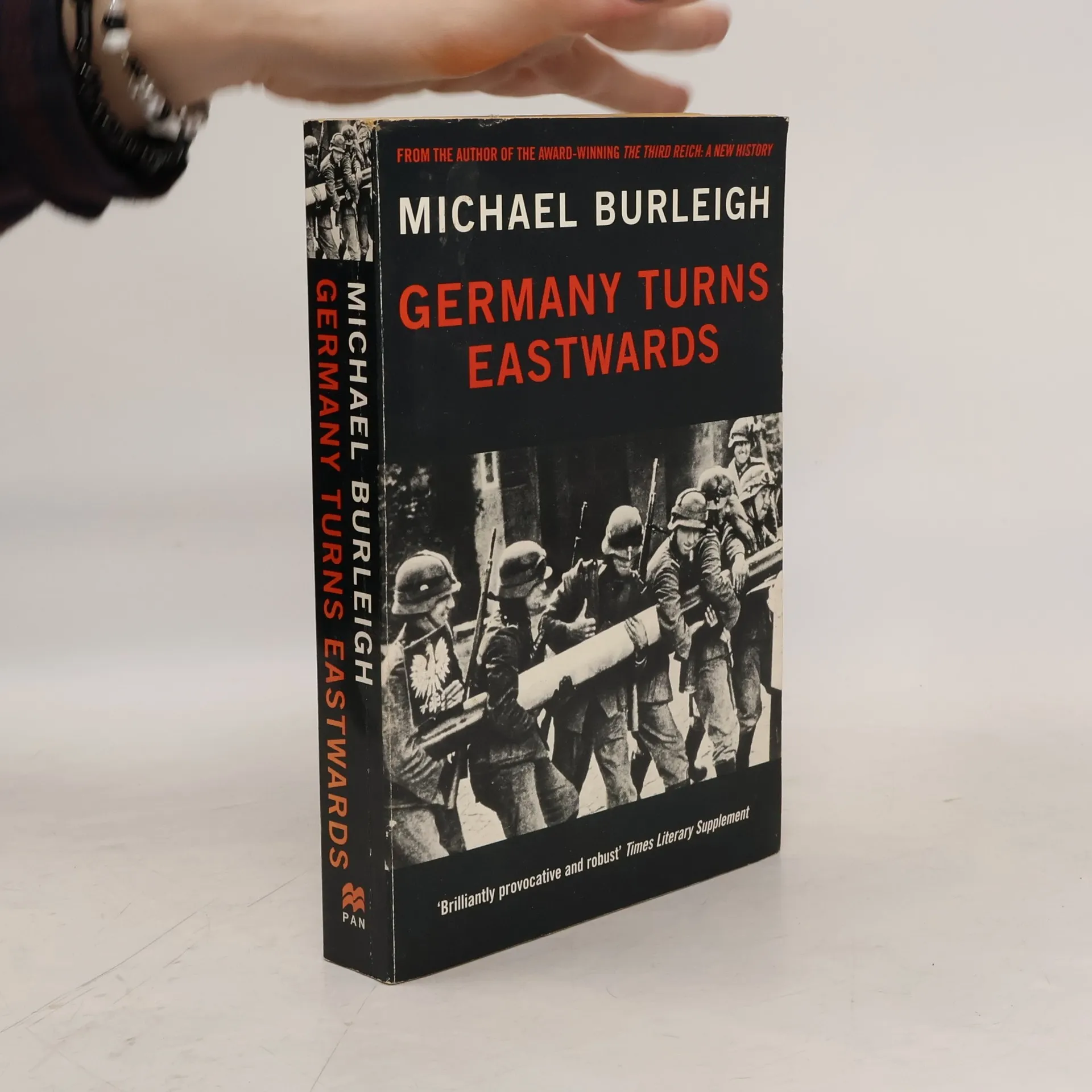
A study of how relations between the Nazi regime and contemporary scholarly experts on eastern Europe eventually set an entire academic discipline on a path to biological racism through Nazi manipulation.
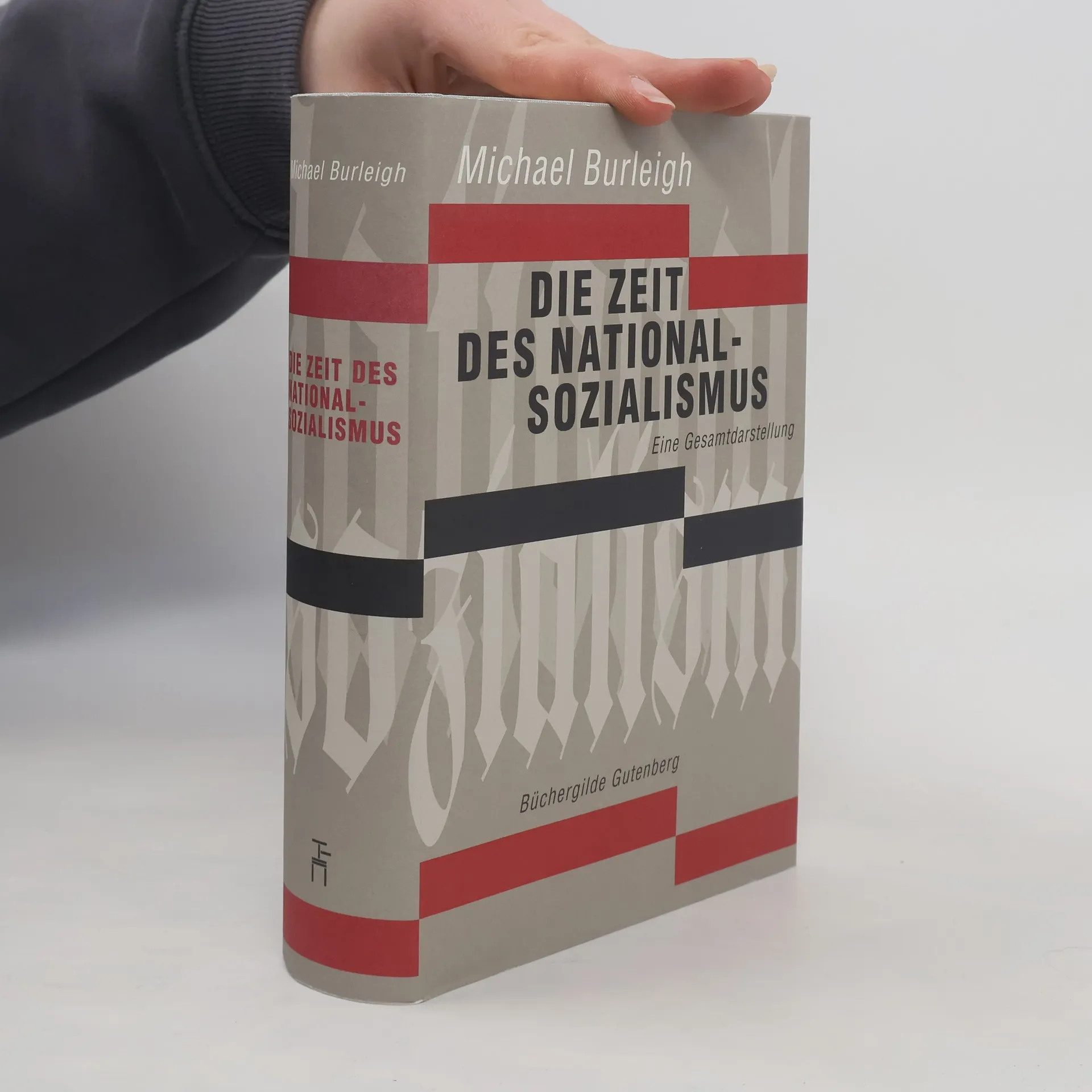
Nach jahrzehntelanger Auseinandersetzung mit dem Nationalsozialismus fehlte bislang eine umfassende historiographische Synthese. Der britische Historiker Michael Burleigh bietet nun eine Gesamtdarstellung des „Dritten Reiches“ und betont, dass der Nationalsozialismus ohne einen breiten europäischen Kontext nicht verstanden werden kann. Diese Perspektive ermöglicht es ihm, die einzigartigen Merkmale des NS-Systems herauszustellen und gleichzeitig die europäische Krise von Demokratie und Liberalismus zu beleuchten, die die inhumane Politik der Nationalsozialisten begünstigte. Burleigh fokussiert sich auf die Politikgeschichte sowie auf Ideen und Wertvorstellungen: Die NS-Bewegung hatte eine religiöse Dimension und versprach den Menschen mehr als materielle Verbesserung. Er untersucht die Veränderungen moralischer Klimata, die Anziehungskraft einer Politik des Glaubens und die spezifische Mischung aus Träumen, Mythen, Ethno-Sentimentalität und wissenschaftlicher Rationalität, die zu einem beispiellosen Verbrechen führte. Burleighs Werk ist ein internationales Projekt, das zeitgleich mit der deutschen Ausgabe in Großbritannien, den USA und Italien veröffentlicht wird.
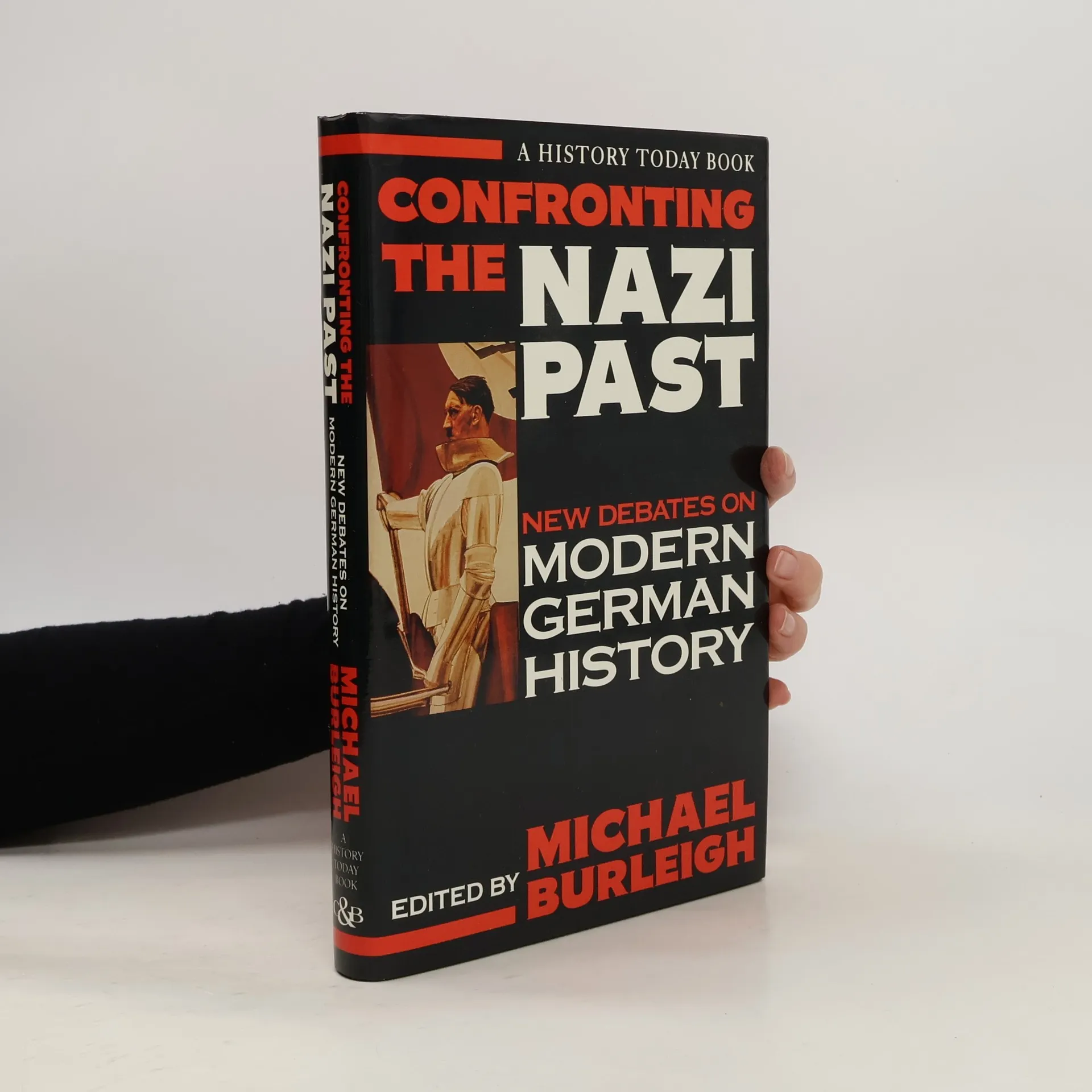
12 leading historians from Germany, Britain, America and Israel ask what impact the Nazi regime had on German society. They also analyse the Nazi's racial policy and consider to what extent big business was in collusion with the Third Reich