The Nuclear Age: An Epic Race for Arms, Power and Survival
- 432 Seiten
- 16 Lesestunden


Serhii Plokhy ist ein führender ukrainischer und amerikanischer Historiker, dessen Werk sich auf Osteuropa konzentriert. Seine umfangreichen Publikationen, geschrieben auf Englisch, Ukrainisch und Russisch, bieten tiefe Einblicke in die Geschichte und Kultur der Region. Plokhy's Fachwissen und sein analytischer Ansatz machen ihn zu einer zentralen Figur in der Erforschung der ostmitteleuropäischen Geschichte, der den Lesern unschätzbare Erkenntnisse vermittelt.


The book is positioned as essential reading, highlighting the author's unique qualifications to address its themes. It promises to provide insightful perspectives and valuable information, making it a significant contribution to its subject matter. The endorsement from Cal Flyn underscores the author's expertise and the book's importance in its field.
Eine Spionageschichte aus dem Kalten Krieg
Im Herbst 1961 überlief der KGB-Attentäter Bogdan Staschinski nach Westdeutschland und verriet der CIA Geheimnisse. Sein Prozess beleuchtet das Attentat auf Stepan Bandera 1959 und führte zu Veränderungen im KGB. Staschinskis Geschichte inspirierte zahlreiche Werke, darunter Ian Flemings letzter James-Bond-Roman.
On 24 February 2022, Russia stunned the world by launching an invasion of Ukraine. In the midst of checking on the family and friends who were now on the front lines of Europe's largest conflict since the outbreak of the Second World War, acclaimed Ukrainian-American historian Serhii Plokhy inevitably found himself attempting to understand the deeper causes of the invasion, analysing its course and contemplating the wider outcomes.The Russo-Ukrainian War is the comprehensive history of a conflict that has burned since 2014, and that, with Russia's attempt to seize Kyiv, exploded a geo-political order that had been cemented since the end of the Cold War. With an eye for the gripping detail on the ground, both in the halls of power and down in the trenches, as well as a keen sense of the grander sweep of history, Plokhy traces the origins and the evolution of the conflict, from the collapse of the Russian empire to the rise and fall of the USSR and on to the development in Ukraine of a democratic politics.Based on decades of research and his unique insight into the region, he argues that Ukraine's defiance of Russia, and the West's demonstration of unity and strength, has presented a profound challenge to Putin's Great Power ambition, and further polarized the world along a new axis. A riveting, enlightening account, this is present-minded history at its best.
Kulturgeschichte einer verschwundenen Welt
Von der Oder bis Sibirien, von der Krim bis zum Baltikum – zum ersten Mal wird der osteuropäische Kulturraum insgesamt ins Auge gefasst, ja nachgerade neu entdeckt: Jacob Mikanowski entwirft das Panorama einer ungemein reichen Welt, die dem Westen stets fremd war und zugleich starke Impulse gab – sei es in Kunst und Literatur in der Erfindung des Nationalismus oder im jüdischen Leben. In weiten Bögen schildert er die Fährnisse von großen wie unbekannten Volksgruppen, Reichen, Religionen. Imperien wie Österreich-Ungarn oder Russland, auch der Islam werden im Gesamtbild neu begreiflich. Entlegenes beschreibt Mikanowski romanhaft spannend: die jüdische Kriegersekte der Karäer, nomadische Räuberdynastien oder Werwolf-Familien; er porträtiert illustre Figuren wie den «Guru» Jakob Frank, der Goethe erstaunte, den türkischen Dandy und Reiseautor Evliyâ Çelebi, der ab 1630 halb Europa und Afrika erkundete, oder die kaiserliche Augenärztin Salomea Pilsztyn. Jacob Mikanowski lässt eine ganze Welt lebendig werden, die in ihrer Vielfalt an Sprachen, Ethnien, Künstlern, Spielern und Herrschern verblüffend modern war, lange bestand und die erst im Kapitalismus des späten 20. Jahrhunderts untergeht. Eine glänzend erzählte, große Kulturgeschichte.
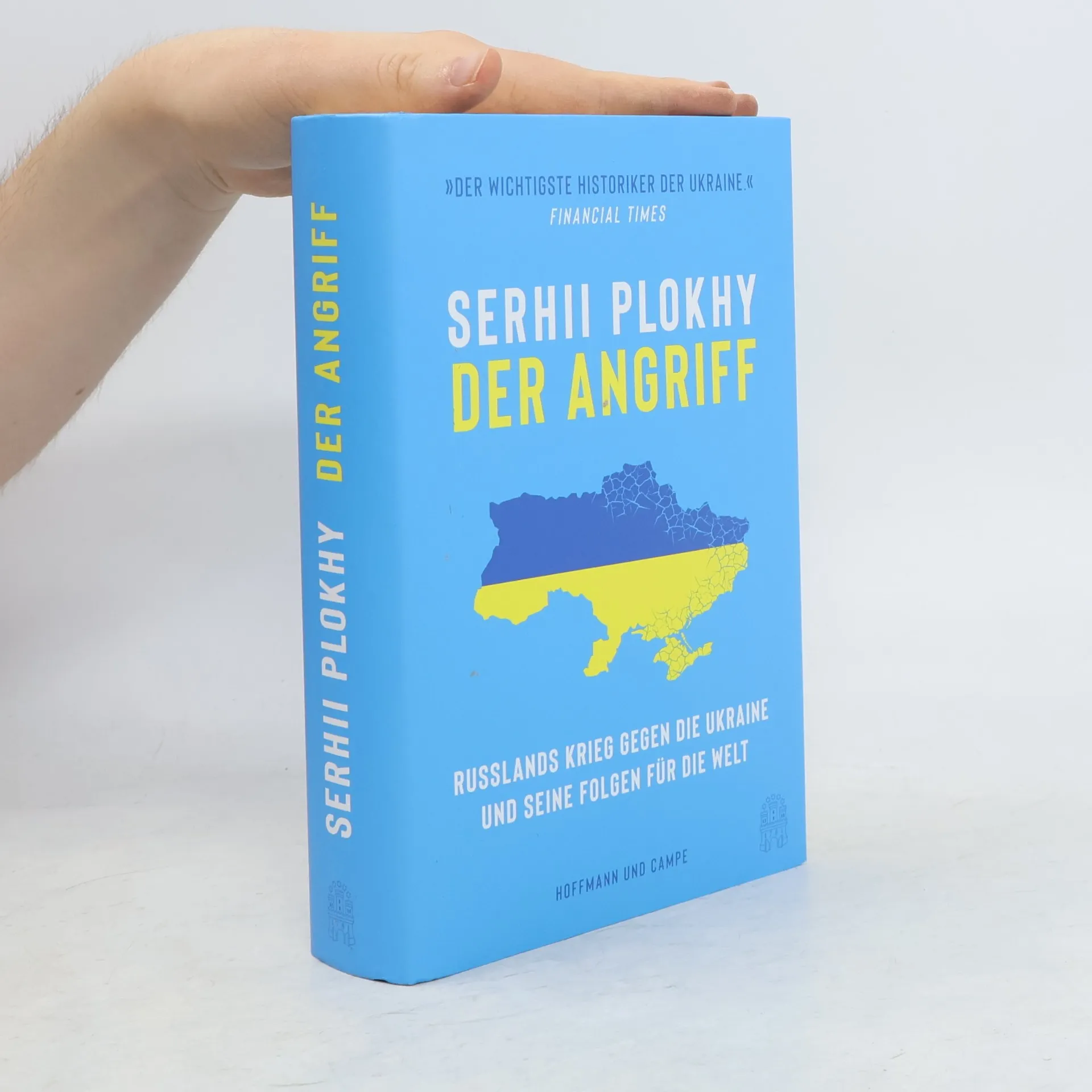
Welche Folgen hat Russlands Angriff in den kommenden Jahrzehnten für den Westen und die Welt? Dieses hochaktuelle, dringende Buch gibt Antworten auf entscheidende Fragen unserer Zeit. In seinem neuen Buch gibt der renommierte Historiker und Ost-Europa-Experte Serhii Plokhy Antworten darauf, wie Russlands Krieg die Weltordnung der nächsten Jahrzehnte verändern wird. Er erzählt von einem ukrainischen Volk, das als Frontstaat im jetzt anbrechenden neuen Kalten Krieg endlich seine Identität gefunden hat. Und er skizziert eine globale Außenpolitik, die sich wieder weg von ökonomischer Kooperation, hin zu Dominanz, Vasallenstaaten und militärischer Stärke entwickelt – mit gravierenden Folgen für uns alle. Nur wenn der Westen sich dieser Realität stellt, wird er in Zukunft seine Freiheit behaupten können.
A Global History of Nuclear Disasters
The late March 1979 incident at the Three Mile Island nuclear power plant prompted the evacuation of nearly 145,000 residents from Harrisburg, Pennsylvania, due to fears of radiation from a partial meltdown. While a catastrophic explosion was averted, the event profoundly impacted public perception of nuclear energy, marking a significant turning point in America's relationship with nuclear power and leaving lasting psychological scars on those affected.
Warum die Ukraine zum Schauplatz eines neuen Ost-West-Konflikts wurde
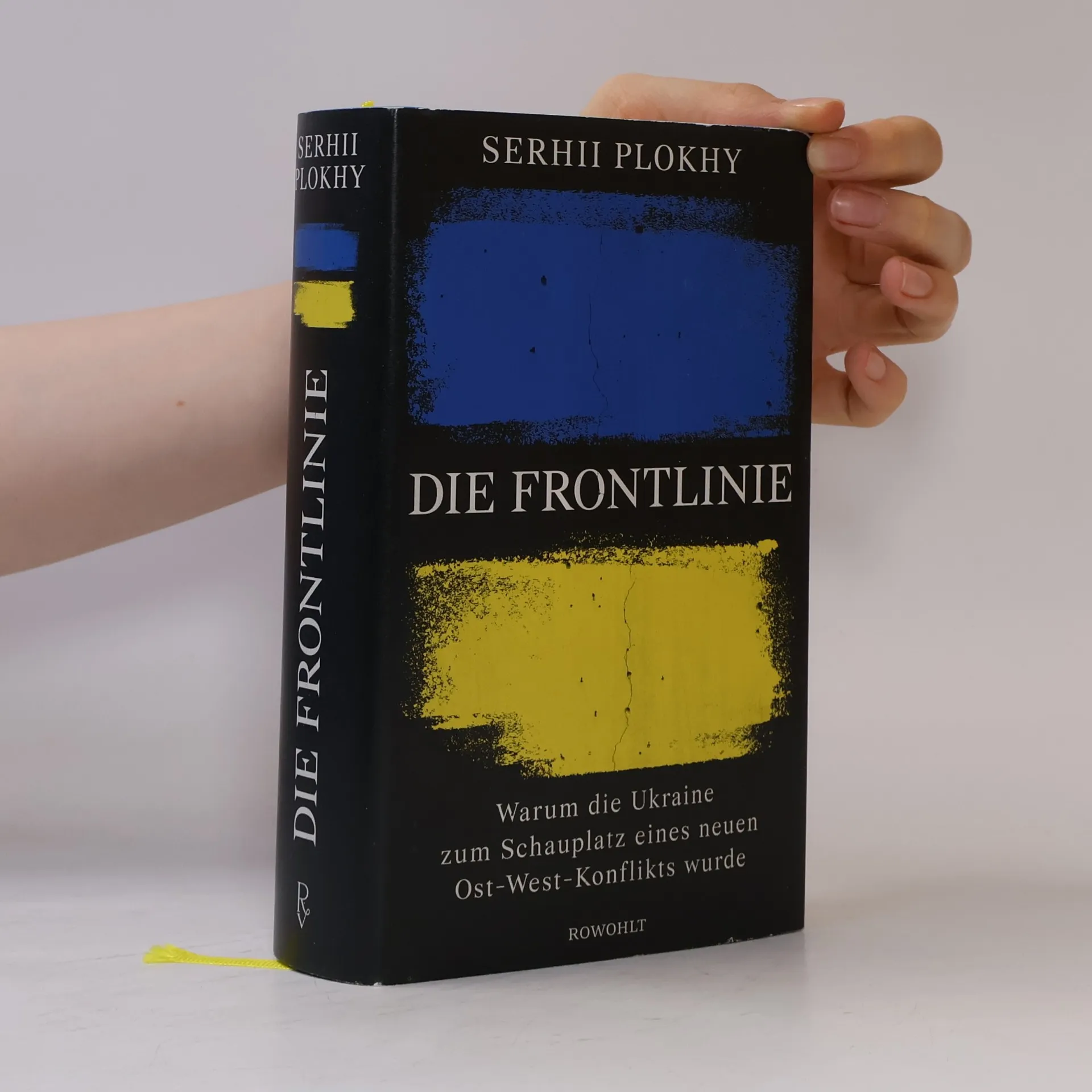
In «Die Frontlinie» analysiert der Historiker Serhii Plokhy die entscheidenden Entwicklungen in der Geschichte der Ukraine. Plokhy hat in den letzten Jahren zahlreiche, im englischsprachigen Ausland sehr erfolgreiche Werke zur Ukraine verfasst. In diesem Buch präsentiert er die wichtigsten Erkenntnisse und Analysen seiner historischen Forschung konzise und pointiert, indem er die Schlüsselereignisse, Entwicklungen und Wendepunkte aufzeigt und zeithistorisch einordnet: Das umfasst die komplexe Beziehungder Ukraine zu Russland und zum Westen, die Belastung von Katastrophen wie dem Holodomor und dem Zweiten Weltkrieg, die Bedeutung von Tschernobyl und den Einfluss der Ukraine auf den Zusammenbruch der Sowjetunion. Dieses Buch lässt einen mehrdimensionalen Blick auf ein Land zu, das unfreiwillig die Schlagzeilen dominiert. Zugänglich und kenntnisreich geht Plokhy zu den Wurzeln des langjährigen politischen, kulturellen und militärischen Konflikts in der Ukraine. Seine Ausführungen sind so erhellend wie erschreckend.
*Shortlisted for the Duke of Wellington Medal for Military History* This enthralling account of a pivotal moment in modern history reveals startling insights into the deception and mutual suspicion that brought the US and Soviet Union to the brink of Armageddon in October 1962. The definitive new history of the Cuban Missile Crisis, authored by the winner of the Baillie Gifford Prize, captures the world’s precarious balance during those four weeks in autumn 1962. The stakes were dire, with the potential for nuclear war between the two most powerful nations looming large. Award-winning historian Serhii Plokhy narrates the gripping story of the crisis, detailing the complex decision-making and brinkmanship of John F. Kennedy, Nikita Khrushchev, and Fidel Castro, along with their advisors and commanders. Plokhy argues that miscommunication and mutual distrust often clouded their judgments, leading to second-guesses and false information. Ultimately, nuclear disaster was averted due to a very human factor: fear. Drawing on a wealth of primary sources, including recently declassified KGB files, Plokhy vividly illustrates the drama of those tense days. Authoritative, fast-paced, and unforgettable, this work stands as the definitive account of the Cold War's most perilous moment.
On 26 April 1986 at 1.23 am a reactor at the Chernobyl Nuclear Power Plant in Soviet Ukraine exploded. Serhii Plokhy draws on recently opened archives to recreate these events in all their drama, telling the stories of the scientists, workers, firefighters, policemen and politicians who found themselves caught in a nuclear nightmare
Ukraine is in the midst of the worst international crisis in East-West relations since the Cold War, and history itself has become a battleground in Russia-Ukraine relations. The Future of the Past shows how the study of Ukraine's past enhances our understanding of Europe, Eurasia, and the world-- past, present, and future.
'Brisk and thoughtful, this book could hardly be more timely' Dominic Sandbrook, BBC History Magazine, Books of the Year From a preeminent scholar of Eastern Europe and the prize-winning author of Chernobyl, the essential history of Russian imperialism In 2014, Russia annexed Crimea and attempted to seize a portion of Ukraine. While the world watched in outrage, this violation of national sovereignty was in fact only the latest iteration of a centuries-long effort to expand Russian boundaries and create a pan-Russian nation. In Lost Kingdom, award-winning historian Serhii Plokhy argues that we can only understand the merging of imperialism and nationalism in Russia today by delving into its history. Spanning over two thousand years, from the end of the Mongol rule to the present day, Plokhy shows how leaders from Ivan the Terrible to Joseph Stalin to Vladimir Putin have exploited existing forms of identity, warfare and territorial expansion to achieve imperial supremacy. A strikingly ambitious book, Lost Kingdom chronicles the long and belligerent history of Russia's empire and nation-building quest.
The true story that inspired The Man with the Golden Gun by Ian Fleming
Die Geschichte der Ukraine
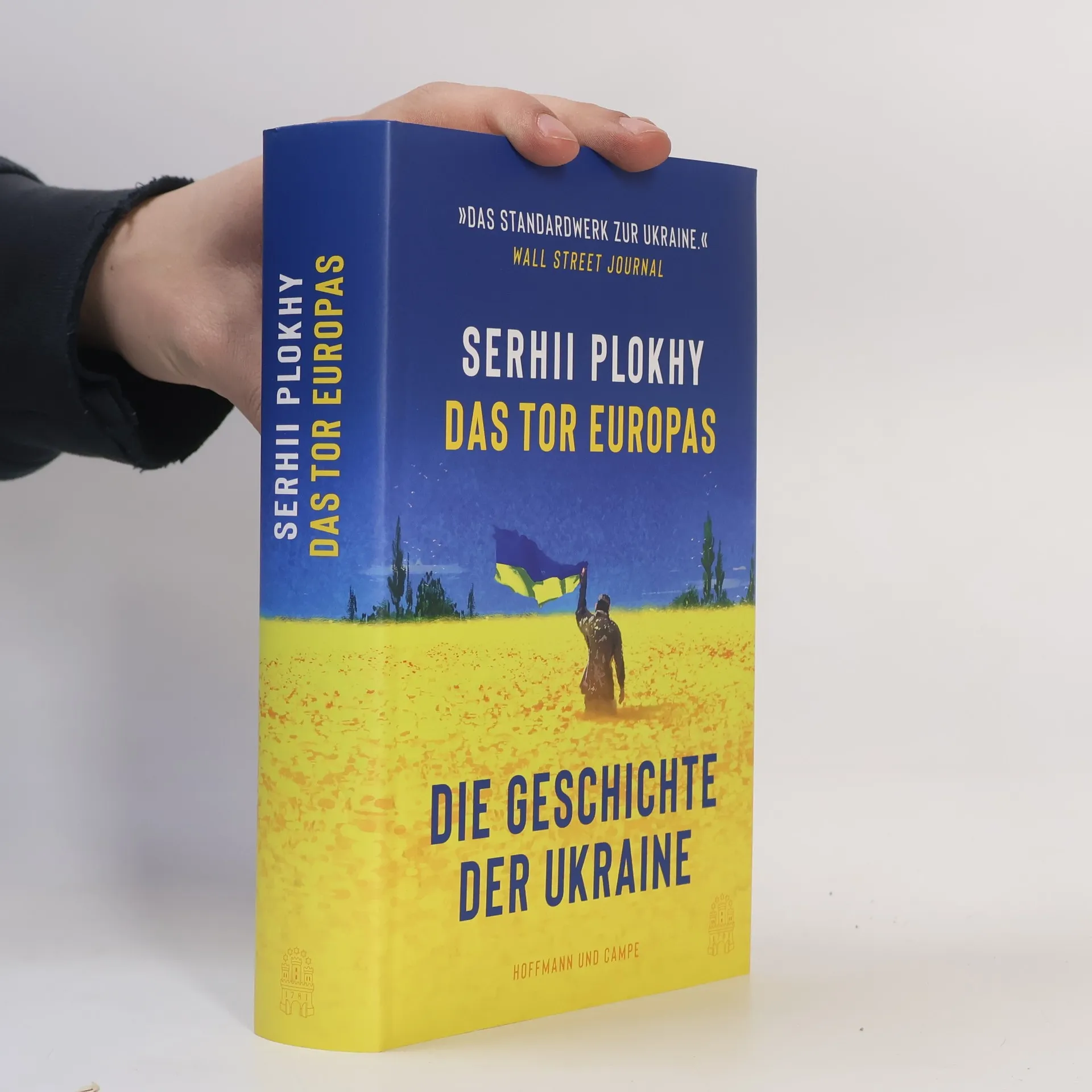
Die Ukraine ein Land ohne eigene Geschichte? Der ukrainische Historiker von Weltrang Serhii Plokhy zeigt, wie mannigfaltig und dramatisch die Historie dieses Landes zwischen Europa und dem Osten ist. Nichts könnte derzeit aktueller sein. Mit dem Ukraine-Krieg hat eine neue Zeitrechnung in Europa begonnen. Im Kern geht es in dem Konflikt um die Geschichtsdeutung eines riesigen Landes, das jahrhundertelang Zankapfel der Großmächte war: Es gilt als Wiege der Russen und war mythischer Ort für die alten Griechen, Wikinger und Mongolen beherrschten das heute Staatsgebiet ebenso wie Österreich-Ungarn, Polen und die Sowjets, die erst mit dem "Holodomor“, dem grausamen Aushungern der Bevölkerung, den ukrainischen Widerstand brechen konnten. Dass die Ukrainer ein Volk mit eigener Sprache, Tradition und Geschichte sind, zeigt der Harvard-Professor Serhii Plokhy so deutlich wie fundiert und eloquent. Das Tor Europas ist das vielleicht wichtigste Buch zum Verständnis der Hintergründe des aktuellen Konflikts. Es zeigt, wie die Ukraine zum Spielball zwischen Ost und West wurde und dennoch stest seine eigene Identität bewahrte. Das Buch wird bis zur Drucklegung in ständigem Austausch mit dem Autor aktuell gehalten
Mykhailo Hrushevsky and the Writing of Ukrainian History
The book explores Hrushevsky's innovative approach to Ukrainian history, highlighting his role in creating a distinct historical narrative that nationalized the Ukrainian past. It details how his work contributed to the establishment of Ukrainian history as an independent academic discipline, reshaping perceptions of national identity and historical scholarship in the context of Imperial Russia.
Serhii Plokhy tells the fascinating story of The History of the Rus', one of the most influential historical texts of the modern era. In so doing he brilliantly illuminates the relationship between history, myth, empire and nationhood from Napoleonic times to the fall of the Soviet Union.
On Christmas Day 1991 Mikhail Gorbachev resigned as president of the Soviet Union. By the next day the USSR was officially no more and the USA had emerged as the world’s sole superpower. Award-winning historian Serhii Plokhy presents a page-turning account of the preceding five months of drama, filled with failed coups d’état and political intrigue. Honing in on this previously disregarded but crucial period and using recently declassified documents and original interviews with key participants, he shatters the established myths of 1991 and presents a bold new interpretation of the Soviet Union’s final months. Plokhy argues that contrary to the triumphalist Western narrative, George H. W. Bush desperately wanted to preserve the Soviet Union and keep Gorbachev in power, and that it was Ukraine and not the US that played the key role in the collapse of the Soviet Union. The consequences of those five months and the myth-making that has since surrounded them are still being felt in Crimea, Russia, the US, and Europe today. With its spellbinding narrative and strikingly fresh perspective, The Last Empire is the essential account of one of the most important watershed periods in world history, and is indispensable reading for anyone seeking to make sense of international politics today.
Puts you in the room with Churchill, Stalin, and Roosevelt as they meet at a climactic turning point in the war to hash out the terms of the peace.
A study of the origins of the modern Russian, Ukrainian and Belarusian nations, covering the period from the tenth century to the reign of Peter I and his eighteenth-century successors, by which time the idea of nationalism had begun to influence the thinking of East Slavic elites.
Ukranian Cossacks used icon painting to investigate their relationship with both God and the Russian tsar. This study provides answers to many questions pertaining to the political and religious culture of Ukranian Cossackdom, as reflected in the Cossack-era paintings, icons and woodcuts. schovat popis