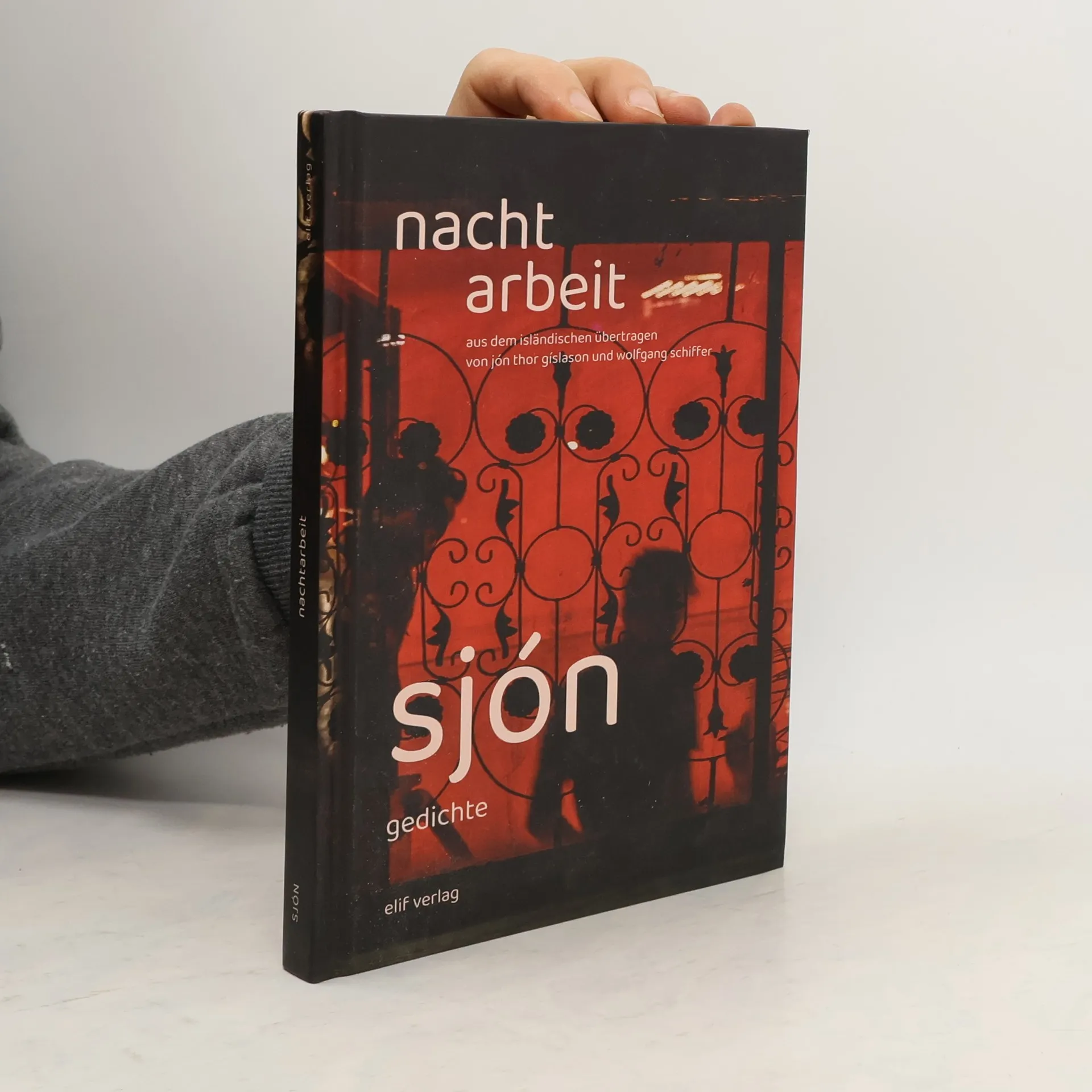
Næturverk / Nachwerk ist eine vielschichtige, tiefgründige Gedichtsammlung. In der für den Dichter charakteristischen Bildsprache fließen hier Momentaufnahmen des Alltags, poetische Verweise auf andere Schriftsteller und Mythen aus aller Welt in etwas Größeres, Universelles ineinander: z.B. den Ursprung und das Wesen des Menschen und die grundlegende Existenz der Sprache. In ungebundenen Gedichten wie auch in tagebuchartigen Prosaskizzen und traumähnlichen Sequenzen führt der Autor zusammen, was vermeintlich nicht zusammengehört. Das Überwinden von Grenzen beim Betrachten der Welt und ihrer Geheimnisse, dies ist das zentrale Ziel des Bandes, entsprechend dem ihm vorangestellten Zitat von Leonora Carrington: Die Aufgabe des rechten Auges ist es, in das Teleskop zu schauen, während das linke in das Mikroskop schaut.
Sjón Bücher
Sjón ist ein isländischer Autor, dessen frühe Werke Gedichte umfassen und der mit der isländischen surrealistischen Bewegung verbunden ist. Sein literarisches Schaffen zeichnet sich durch ungewöhnliche und poetische Bilder aus, die dunkle Themen erforschen und Handlungen oft in unerwartete Umgebungen verlegen. Leser schätzen seine Fähigkeit, magische und fesselnde Welten zu erschaffen.




Island im Winter 1883. Eine Frau ist gestorben und ein Mann geht auf die Jagd. Abba wird zu Grabe getragen, aber Friðrik will sie nicht dem Pastor überlassen. Denn der hütet ein dunkles Geheimnis und verfolgt in der eisigen Landschaft eine Füchsin, pirscht im Schneesturm an ihren Schatten heran. In einer poetisch klaren Sprache ertastet Sjón den schmalen Grat von Mensch und Natur und entführt uns in eine mythische Zwischenwelt am Rande des Polarkreises, wo an den existentiellen Abgründen der Mensch zeigt, wer er wirklich ist. Sjón ist der innovativste und aufregendste Autor Islands, für 'Schattenfuchs' erhielt er 2005 den Literaturpreis des Nordischen Rates.
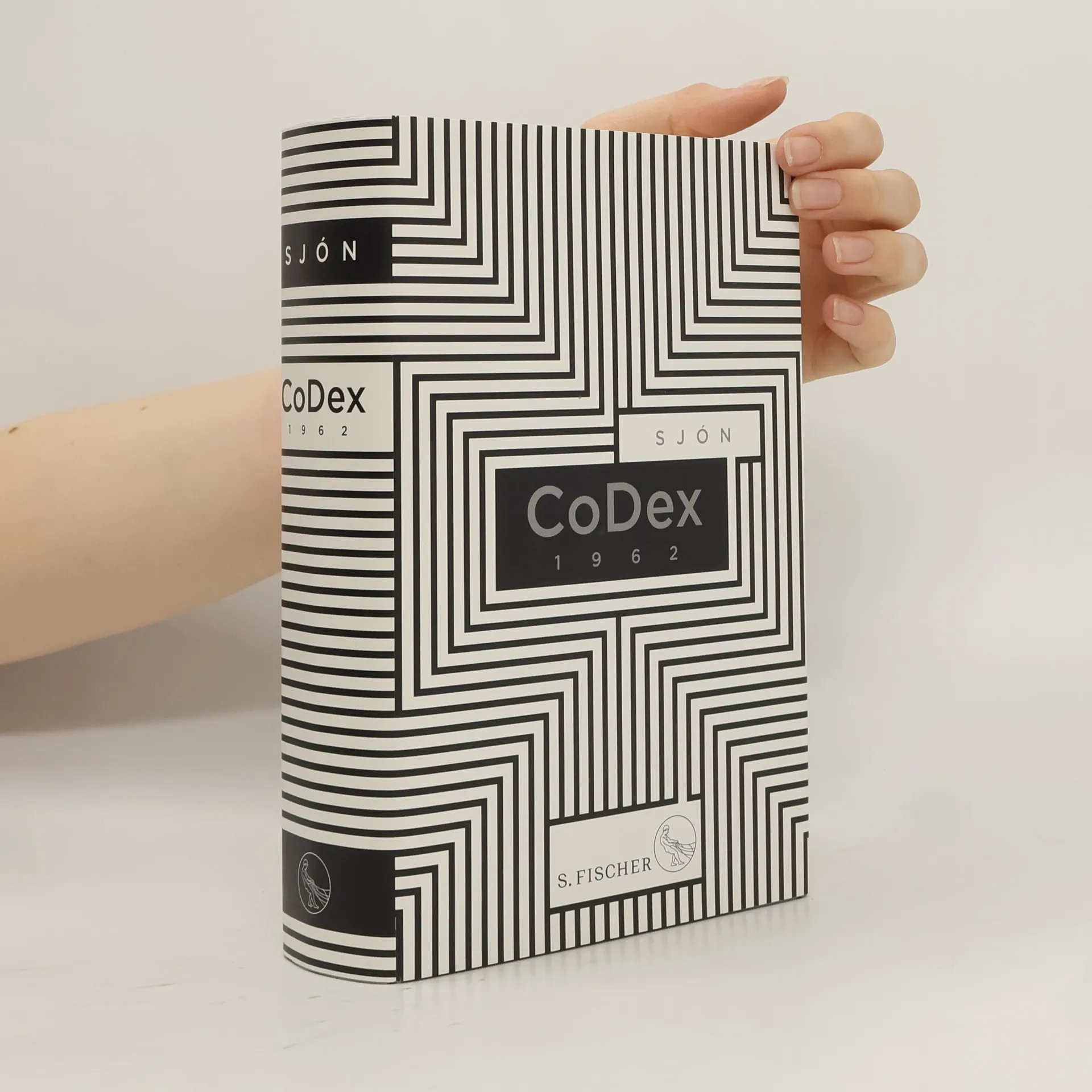
Liebesgeschichte - Kriminalgeschichte - Science-Fiction. In seiner Trilogie »CoDex 1962« zieht der Isländer Sjón alle erzählerischen Register. Kurz vor Ende des Zweiten Weltkriegs begegnen sich in einem norddeutschen Gasthof das Zimmermädchen Marie-Sophie und der jüdische Flüchtling Leo Löwe, mit dabei ein Lehmklumpen. Aus diesem erschafft Leo das gemeinsame Kind Josef, da ist die Familie aber schon längst in Island, und wir sind bereits im Jahr 1962, dem Geburtsjahr des Autors Sjón. Der große isländische Erzähler entführt uns in ein unendliches Vexierspiel, in dem vieles Rätsel ist und bleibt und anderes sich auf geniale Weise zusammenfügt. »CoDex 1962« ist eine isländische »Tausendundeine Nacht«, eine Wundertüte an Geschichten. »Herrlich, dass jemand wie Sjón den Schneid hat, auf durchgeknallte Weise unterhaltsam zu sein.« Skånska Dagbladet, Schweden
Im Winter bläst der Nordwind eisig über die Lavafelsen. Es herrscht Dunkelheit, als ob das Ende der Welt naht. Im Sommer sind die Nächte hell wir der Tag, und die Hügel duften am Morgen nach taufeuchtem Gras. Das ist Island um 1636, und dort lebt Jónas, der Gelehrte. Eigentlich will er nur durch die Welt streifen, noch gelehrter werden und Ungeheuer erlegen. Aber sein Wissen verschafft ihm Neider, die ihm das Leben schwer machen und ihn von einem Abenteuer ins andere treiben.
A new anthology project from renowned and beloved literary critic John Freeman, Freeman's: Arrival collects never-before-published writing from some of the best-known authors working today, each contributing a piece on the theme of "Arrival." Contributors include Haruki Murakami, Louise Erdrich, Dave Eggers, David Mitchell, Elena Ferrante, Kamile Shamsie, Sjon, Colum McCann, Daniel Galera, Aleksandar Hemon, Ghassan Zaqtan, Etgar Keret, Anne Carson, Tahmima Anam, Helen Simpson, Ishion Hutchinson. Garnette Cadogan, Barry Lopez, Ben Huff, Fatin Abbas, Michael Salu, Honor Moore, Lydia Davis and Laura van den Berg, and a photo essay introduced by Barry Lopez. Freemans: Arrival is an essential addition to the library of anyone interested in the best of contemporary fiction.
Sjón's prose is never histrionic or overwrought, balancing rage and hallucination . . . with a gentleness of spirit, an affection for precision and the small scale. The result is sure to delight his fans and convert many new ones. Hari Kunzru Guardian
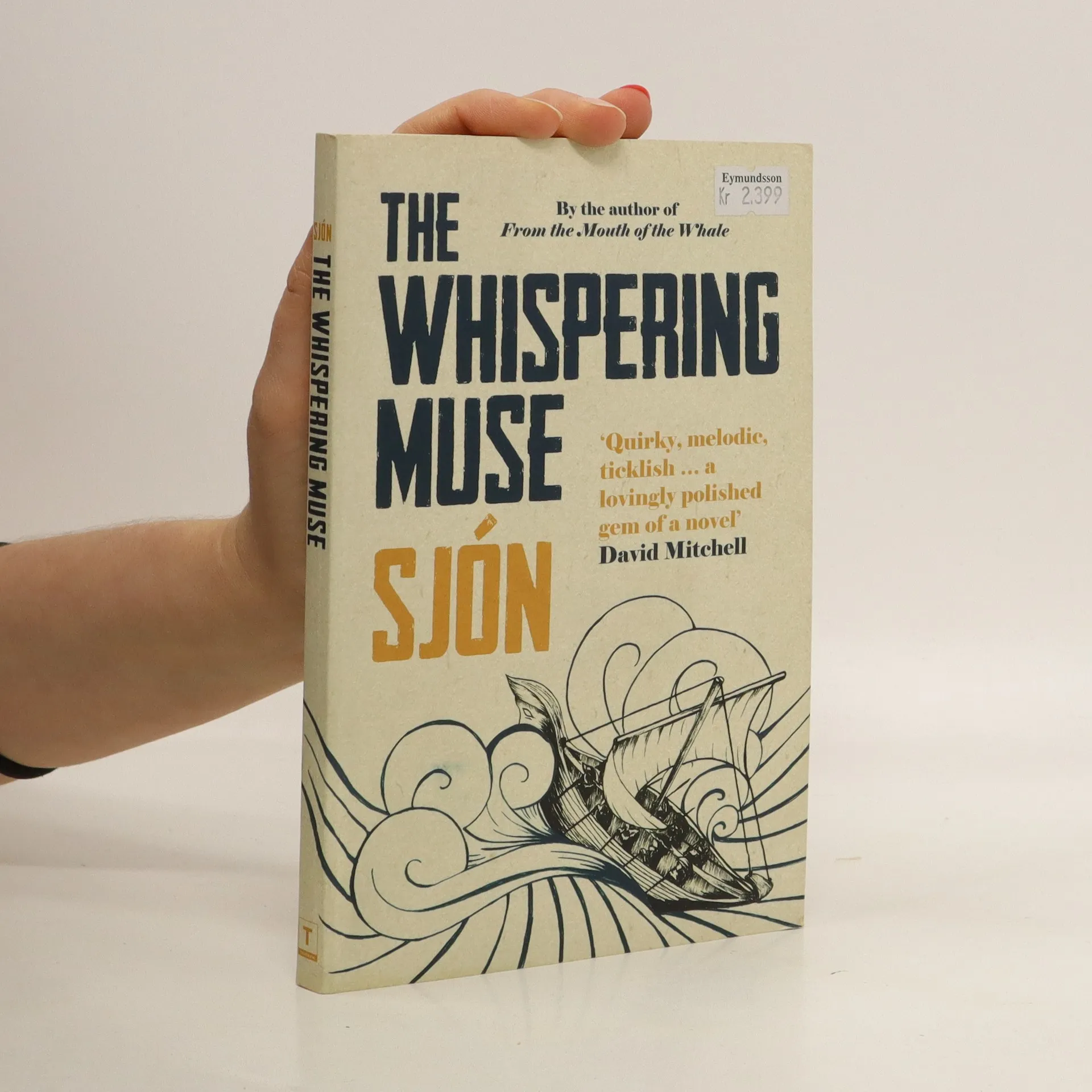
The Whispering Muse
- 143 Seiten
- 6 Lesestunden
"An extraordinary, powerful fable--a marvel."--Alberto Manguel "Sj�n writes like a man under a spell, filled with enchantment and magic and great wit. He is a rogue of the first order."--Keith Donohue The year is 1949 and Valdimar Haraldsson, an eccentric Icelander with elevated ideas about the influence of fish consumption on Nordic civilization, has had the singular good fortune to be invited to join a Danish merchant ship on its way to the Black Sea. Among the crew is the mythical hero Caeneus, disguised as the second mate. Every evening after dinner he entrances his fellow travelers with the tale of how he sailed with the fabled vessel, the Argo, on the Argonauts' quest to retrieve the Golden Fleece. Sj�n is a celebrated poet, novelist, and songwriter. His novels have been translated into twenty-five languages, and include From the Mouth of the Whale and The Blue Fox (both Telegram Books). In 2005 Sj�n won the Nordic Council Literary Prize, the equivalent of the Man Booker Prize, for The Blue Fox and Best Icelandic Novel for The Whispering Muse. Sj�n has written lyrics for Bj�rk, including for her most recent musical project, Biophilia. He lives in Reykjavik, Iceland. Victoria Cribb lived in Iceland for many years. She now lives in England, where she is completing a PhD in Old Icelandic literature at the University of Cambridge. Her translations include three novels in collaboration with Olaf Olafsson.
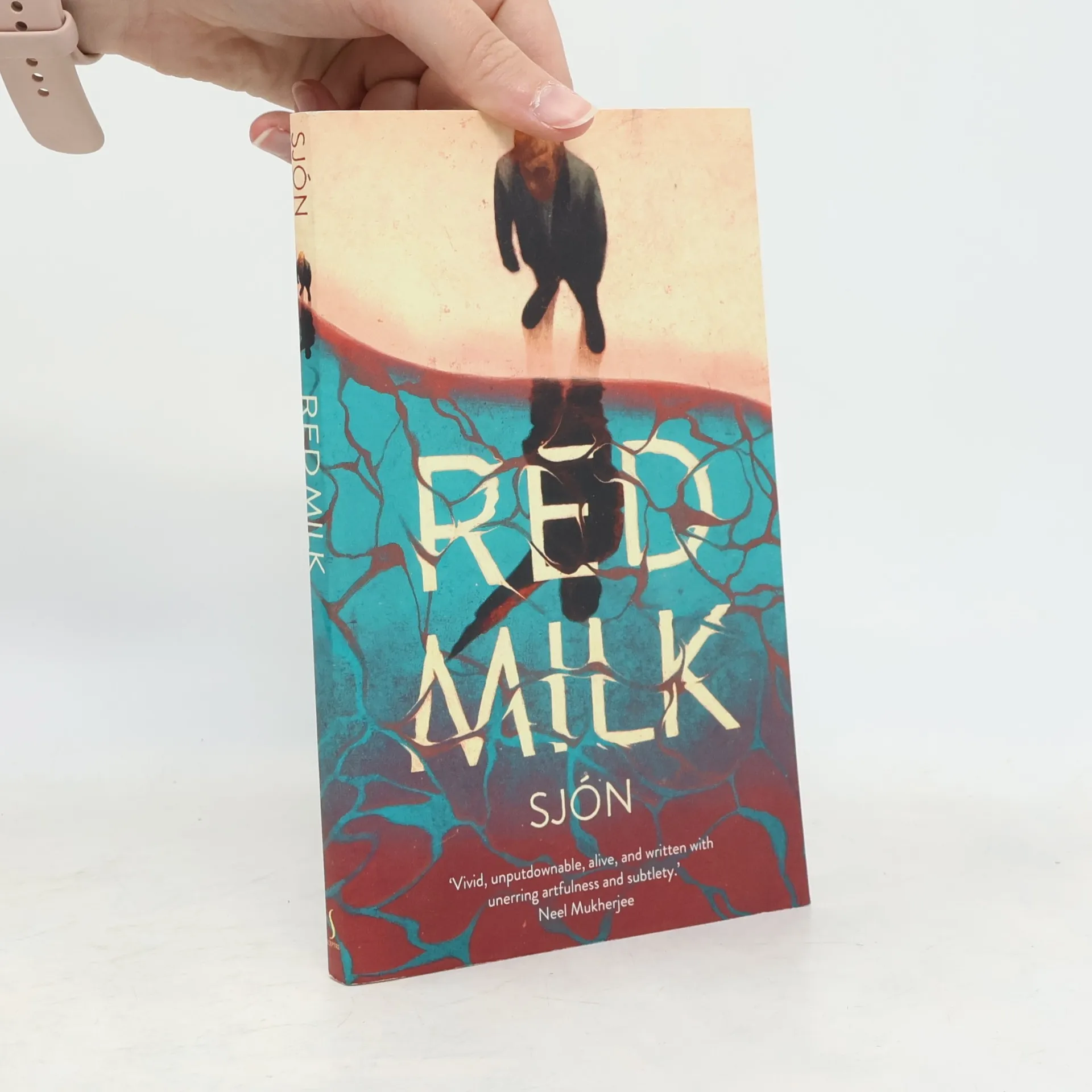
Red Milk
- 144 Seiten
- 6 Lesestunden
Gunnar Kampen grows up in Iceland during the Second World War in a household fiercely opposed to Hitler and Nazism. At nineteen he seems set for a conventional, dutiful life. And yet in the spring of 1958, he founds a covert, anti-Semitic nationalist party, a cause that will take him on a clandestine mission to England from which he never returns. Inspired by one of the ringleaders of a little-known neo-Nazi group that was formed in Iceland in the 1950s, Sjon's portrait of an ardent fascist is as thought-provoking as it is disturbing. As this taut and fascinating novel suggests, the seeds of extremism can be hard to detect - and the ideology of the far-right remains dangerously potent.