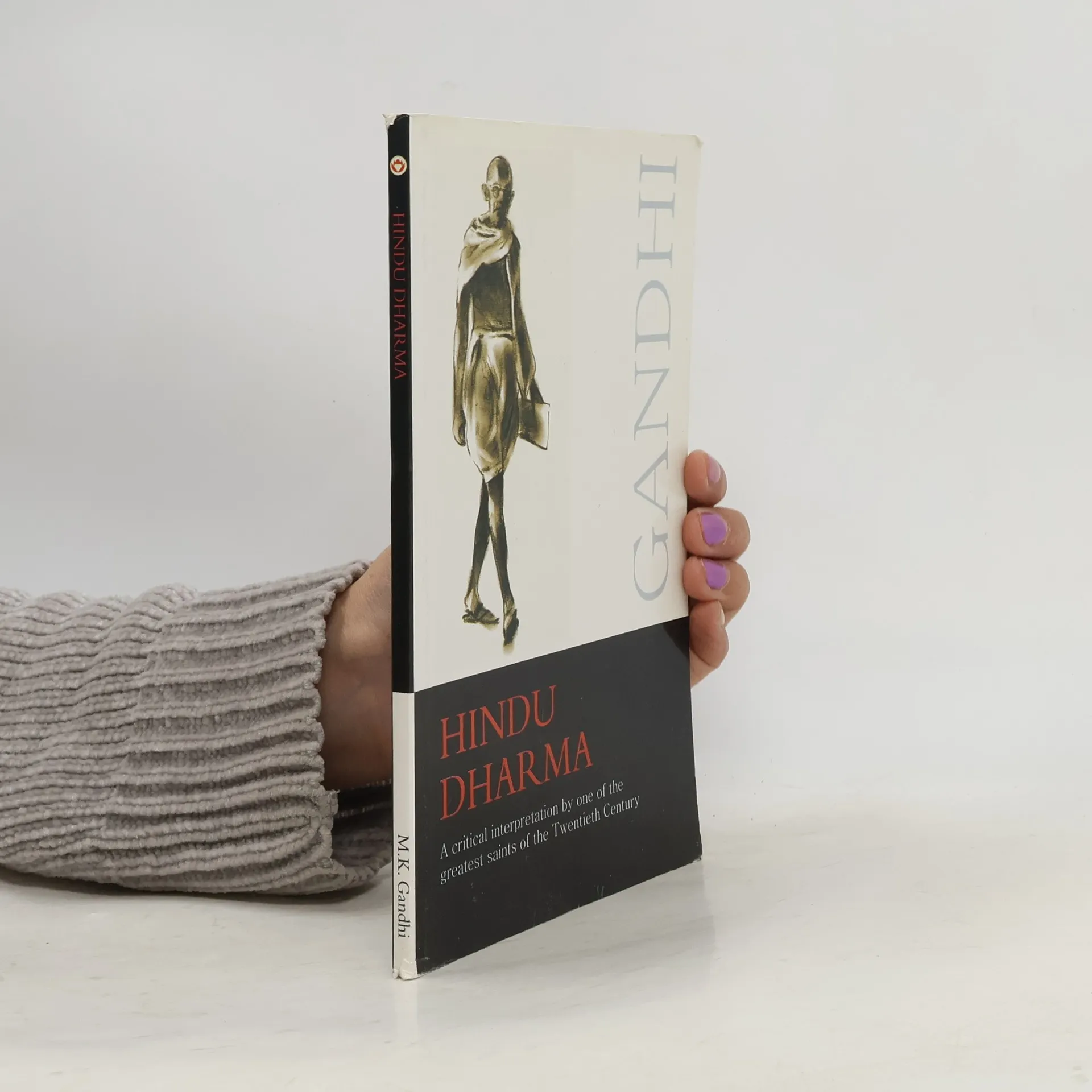
Hindu Dharma
A Critical Interpretation by One of the Greatest Saints of the Twentieth Century
- 122 Seiten
- 5 Lesestunden






A Critical Interpretation by One of the Greatest Saints of the Twentieth Century
Dated the 14th of December 1908, A Letter to a Hindu was a letter written by Leo Tolstoy to Tarak Nath Das, a Bengali revolutionary and scholar, in response to a request for support for India's separation from British rule, which argued that the Indian people should seek to free themselves from British rule through non-violent protests and strikes, and other forms of peaceful resistance.The letter soon gained international attention after it was published in the Free Hindustan, and it came to the attention of the young Mahatma Gandhi. Drawing on a variety of sources, cultures and teachings, Tolstoy's letter was instrumental in forming Gandhi's views on non-violent resistance - as Gandhi himself acknowledges in his introduction: 'To me, as a humble follower of that great teacher whom I have long looked upon as one of my guides, it is a matter of honour to be connected with the publication of his letter'.
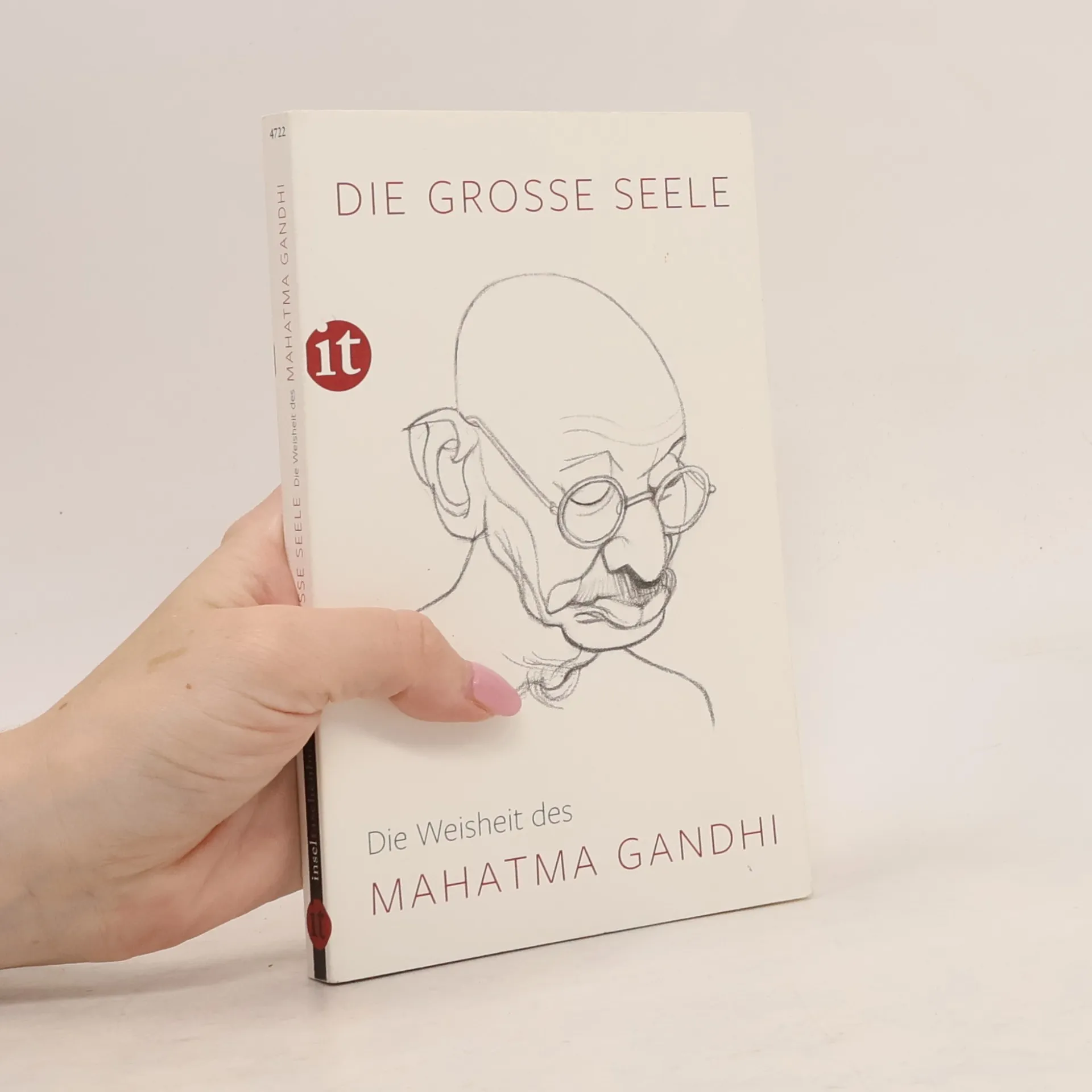
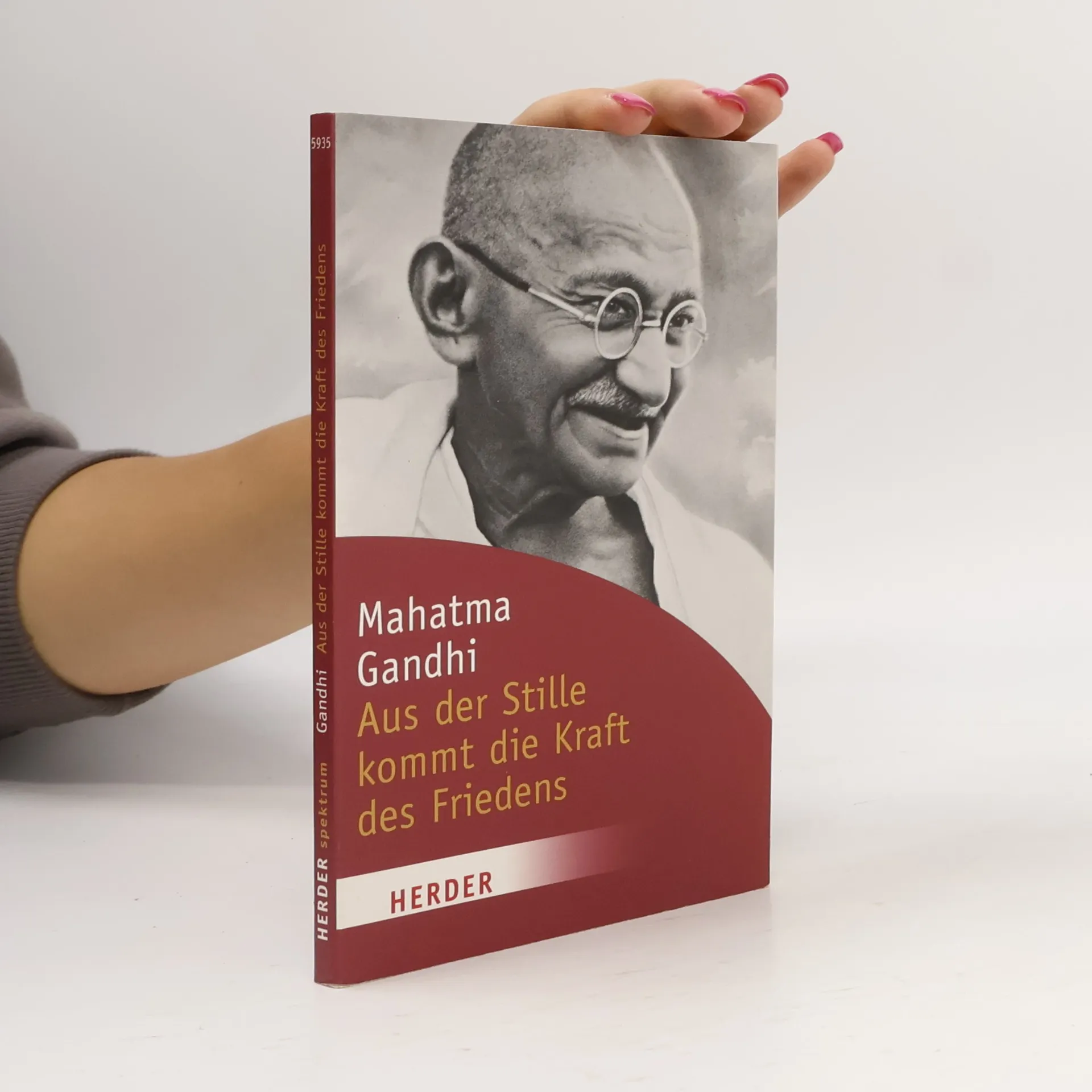
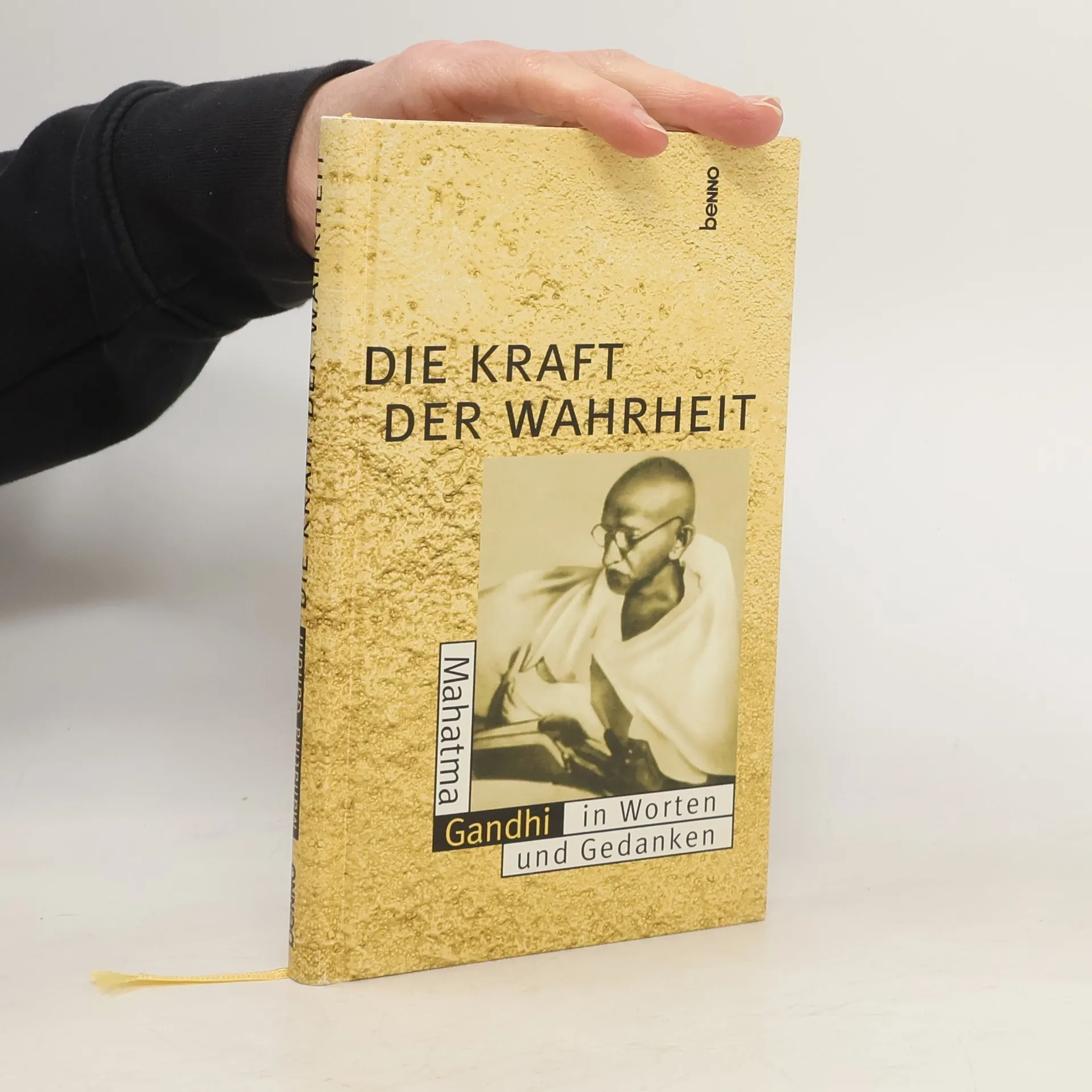
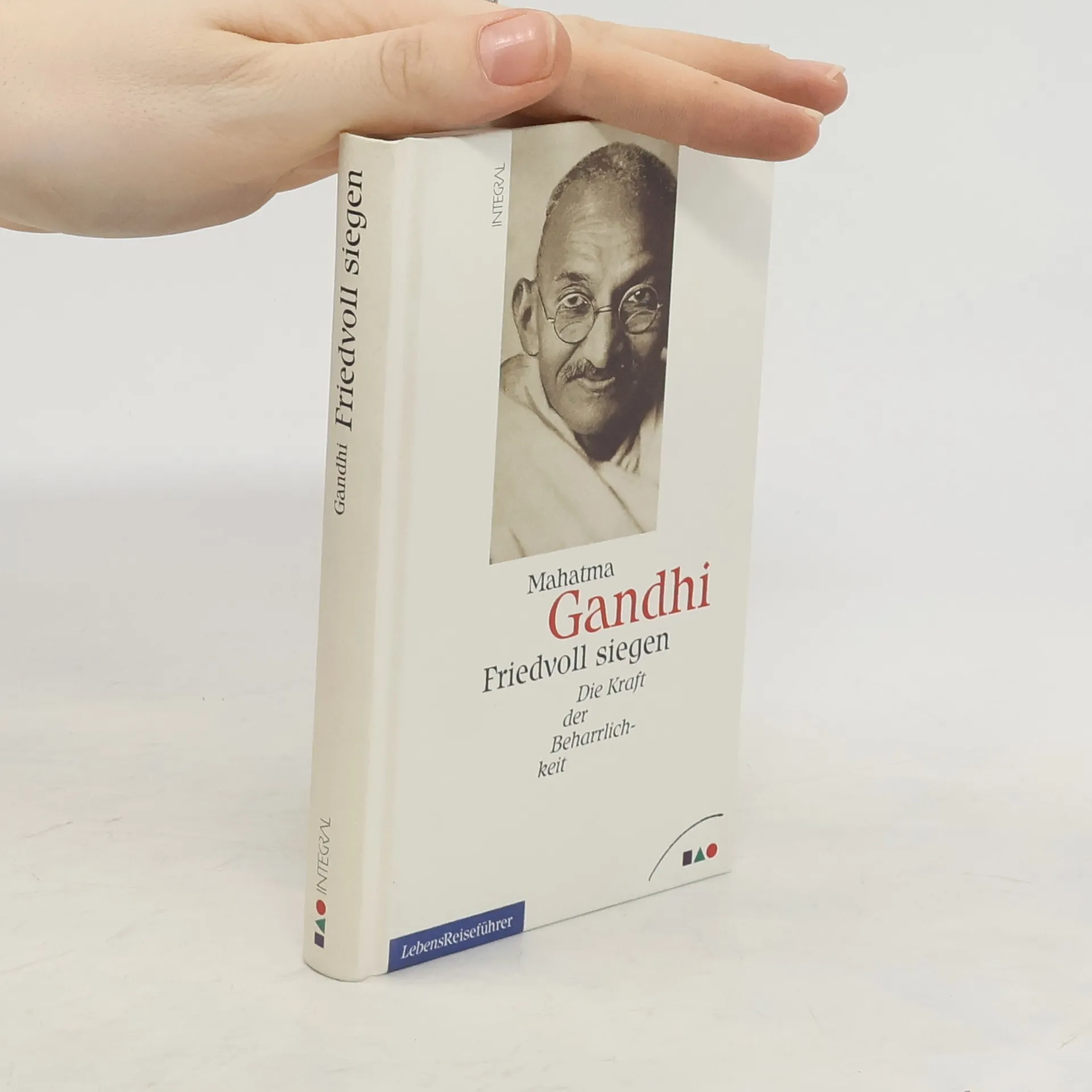
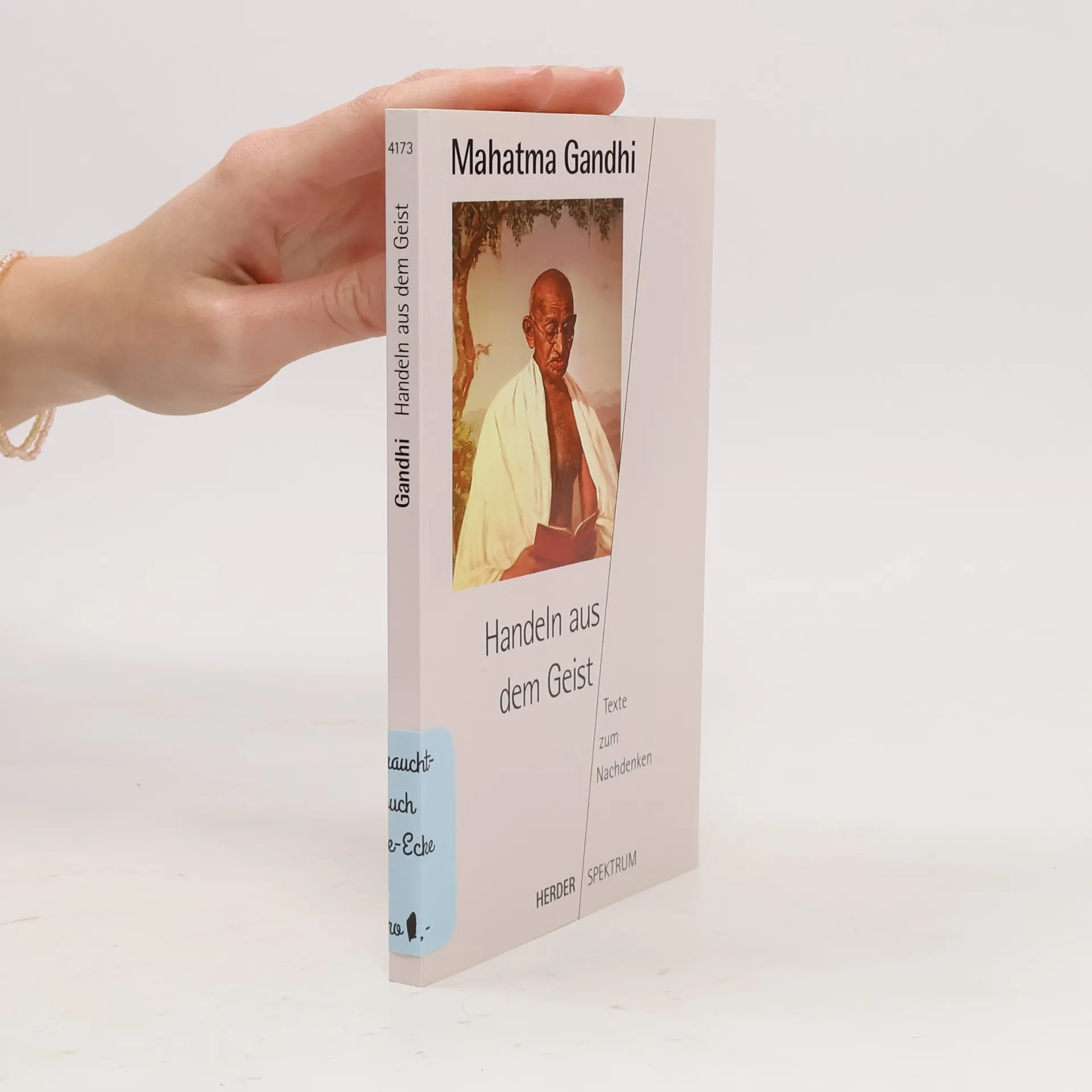
Mahatma Gandhi, die »Große Seele«, entwickelte die Methode des »zivilen Ungehorsams«, die heute allen Menschenrechtsbewegungen Vorbild ist. Sein Prinzip der Gewaltlosigkeit geht auf alte Erkenntnisse des Hinduismus, Buddhismus und Jainismus zurück. Doch er formulierte es für unsere Zeit neu und benutzte die Gewaltlosigkeit als wirkungsvolle Waffe im indischen Unabhängigkeitskampf. Gandhi weist uns einen Weg, jenes Gleichgewicht zwischen den gesellschaftlichen und den persönlichen Lebensansprüchen wiederherzustellen, um das wir heute so verzweifelt ringen. Martin Kämpchen stellt die wichtigsten Gedanken Gandhis zum Miteinander im Alltag, zu Politik und Religion, zu Wahrheit und Gewaltlosigkeit vor.
"No knowledge is to be found without seeking, no tranquility without travail, no happiness except through tribulation. Every seeker has, at one time or another, to pass through a conflict of duties, a heart-churning." Bhagavad Gita is the manifestation of the entire Hindu religion in one book, and the quintessential translation done by none other than the Mahatma, captures the text in its sense and spirit.
Exploring the complexities of religion, this work emphasizes the often-misunderstood nature of Hinduism, particularly in the context of global conflicts. Mahatma Gandhi's insights reveal how religion can foster peace, compassion, and tolerance, countering fanaticism and arrogance. The book advocates for a deeper understanding of religious principles, arguing that recognizing the true essence of faith is crucial for creating a harmonious world and ensuring the sustainability of humanity.
Gedanken einer großen Seele
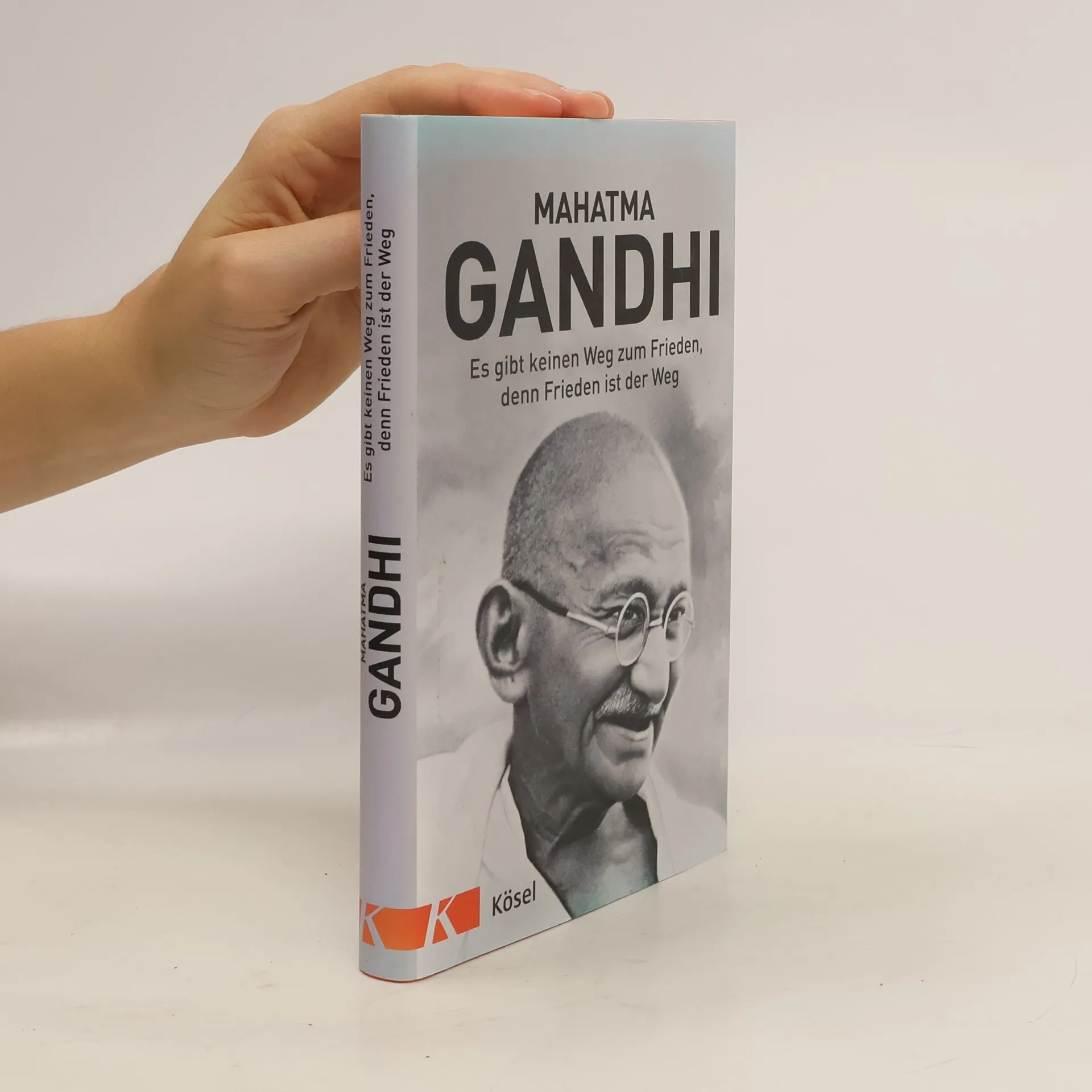
Mahatma Gandhi ist ein weltweites Idol für Menschen, die sich nach Menschlichkeit und Frieden sehnen. Der Anführer der indischen Unabhängigkeitsbewegung war allerdings schon zu Lebzeiten eine Legende, ein spiritueller und politischer Führer, dessen Ideen, Ermahnungen und Aktionen nicht nur ein Weltreich in die Knie zwangen, sondern den Schrecknissen der Moderne, nicht zuletzt auch den neuen Religionskriegen, eine Vision des friedlichen Zusammenlebens aller Menschen entgegensetzte. Seine Gedanken sind Vermächtnis und Ansporn zugleich. Anlässlich seines 150. Geburtstages erscheint eine neue Auswahl seiner Texte.
»Sei du selbst die Veränderung.« - Dieses Buch enthält alle wichtigen Texte des großen Menschenrechtlers. Mahatma Gandhi setzte sich mit seinen Reden für ein unabhängiges Indien ein. Dies tat er mit einfachen und persönlichen Worten, die bis in die heutige Zeit ihre Gültigkeit haben. Die Texte und Gedanken Gandhis sind nicht abgehoben, sie führen nicht aus der Gesellschaft hinaus, sondern mitten in sie hinein und zeigen, wo wir Verantwortung übernehmen müssen. Gleichwohl geben sie uns Orientierung in diesen schwierigen Zeiten. Zahlreiche Menschen wurden durch seine Worte inspiriert. Darunter u. a. Martin Luther King und Nelson Mandela.
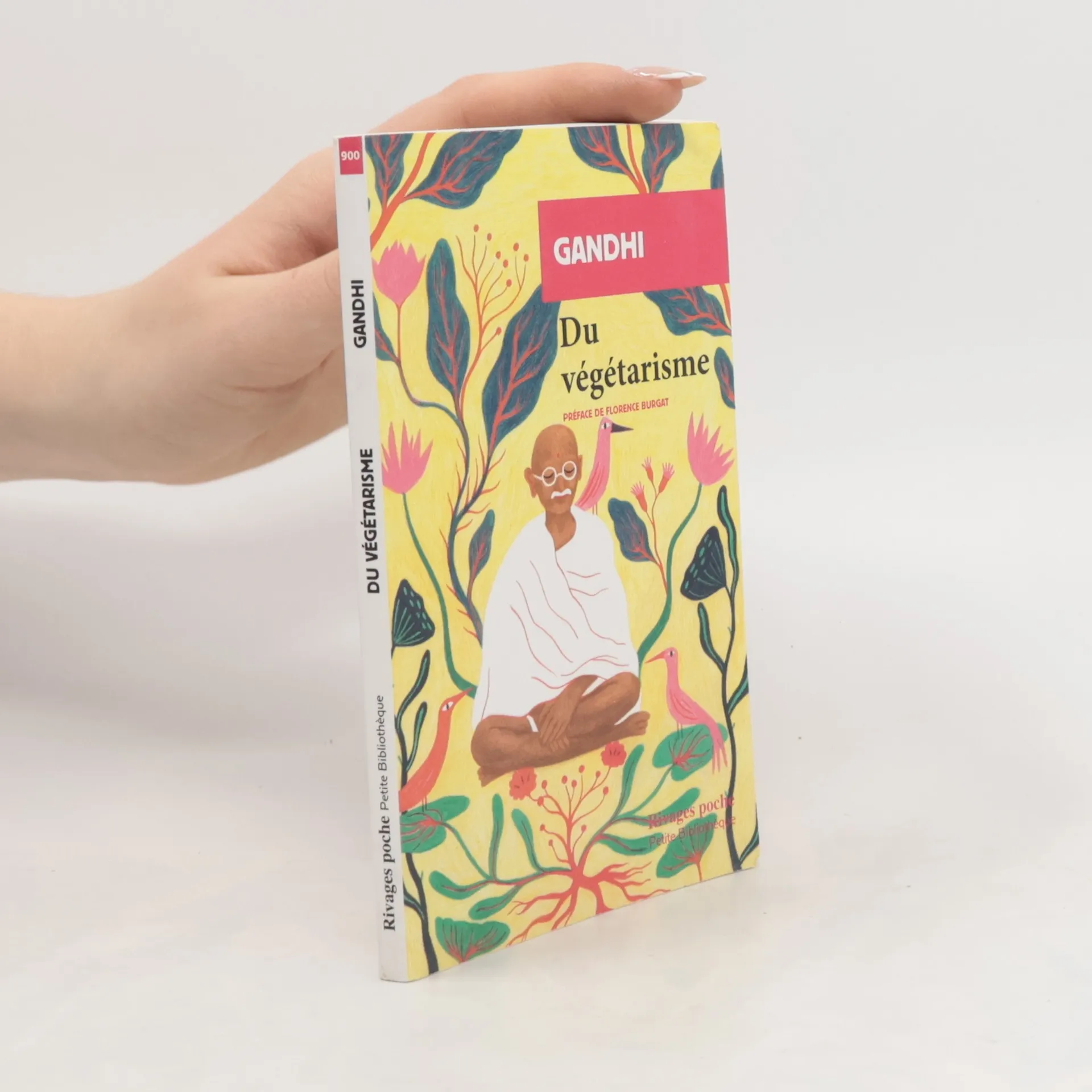
Né dans une famille hindoue de caste traditionnellement végétarienne, Gandhi s’abstint donc tout naturellement de viande et de poisson. Cette abstinence, mise à rude épreuve lors de son séjour en Angleterre, se muera en abstention : une décision personnelle et réfléchie de ne pas prendre part à une action. Quoique né végétarien, Gandhi considérera qu’il ne le devint vraiment que le jour où il en décida lui-même, sur le fondement d’arguments moraux qu’il présente dans ce recueil : un devoir de non-violence envers les animaux. Dans la délibération, le végétarisme quitte la sphère obscure du tabou pour entrer dans celle, claire, de la rationalité éthique.
Tato kniha se zabývá hlubokými duchovními kořeny Gándhího světských úspěchů. Svými vlastními slovy v ní odhaluje své intelektuální, morální a duchovní přístupy k božství.
Ihr Leitfaden zu einem urteilsfreien Leben - Extra: Mit gechannelten Botschaften von Lady Diana, Albert Einstein, Edgar Cayce, Mutter Teresa, Mahatma Gandhi, Abraham Lincoln, Apostel Paulus, Merlin, Aristoteles, Oliver Wendell Holmes und anderen
„Wer weiß, vielleicht entspricht mein Leben diesen Gedanken nicht. Doch wenn mein Leben ihnen bis zum letzten Atemzug entspricht, nur dann lohnt es sich, diese Gedanken zu veröffentlichen“ (Gandhi). In diesem Satz liegt das Geheimnis für die Anziehungskraft, die besondere Wirkung dieser Sammlung. Es sind eben nicht nur „Gedanken“, Kopfgeburten, sondern Sätze, die das Ergebnis von konkreten Lebenserfahrungen sind. Es ist nicht verwunderlich, dass in diesen Tagesgedanken Gandhis große Themen in immer neuen Variationen auftauchen: Wahrheit und Gewaltlosigkeit, Gebet und Schweigen, Bedürfnislosigkeit, Askese und Reinheit, die Notwendigkeit des Leidens und der Loslösung, die Hingabe an Gott. (Aus dem Vorwort von Martin Kämpchen)
Mahatma Gandhi ist zweifellos eine der beeindruckendsten Persönlichkeiten in der Geschichte der Menschheit. Seine Unbestechlichkeit verbunden mit Güte und Freundlichkeit machten ihn zu einem anfänglich stark unterschätzten, später aber zum wirkungsvollsten Kämpfer gegen Unterdrückung und Ungerechtigkeit. Seine Theorien über Gewaltfreiheit und politischen Widerstand hatten enormen Einfluss und prägen bis heute die politische Diskussion. Der Band versammelt die wichtigsten Texte und Reden Gandhis und zeichnet auf diese Weise gleichzeitig sein Leben nach.
Gandhi's Life in his Own Words It is not my purpose to attempt a real autobiography. I simply want to tell the story of my numerous experiments with truth, and as my life consists of nothing but those experiments, it is true that the story will take the shape of an autobiography. But I shall not mind, if every page o it speaks only of my experiments. My experiments in the political field are now known, not only to India, but to a certain extent to the `civilized' world. For me, they have not much value; and the title of `Mahatma' that they have won for me has, therefore, even less. Often the title has deeplu pained me; and there is not a moment I can recall when it may be said to have tickled me. But I should certainly like to narrate my experiments in the spiritual field which are known only to myself, and from which I have derived such power as I possess for working in the political field. If the experiments are really spiritual, then there can be no room for self-praise. They can only add to my humility. The more I reflect and look back on the past, the more vividly do I feel my limitations.
Prayer Prayer is nothing else but an intense longing of the heart. You may express yourself through the lips; you may express yourself in the private closet or in the public; but to be genuine, the expression must come from the deepest recesses of the heart. There is an eternal struggle raging in man's breast between the powers of darkness and of light, and who has not the sheet-anchor of prayer to rely upon will be a victim to the powers of darkness. Begin, therefore, your day with prayer, and make it so soulful that it may remain with you until the evening. Close the day with prayer so that you may have a peaceful night free from dreams and nightmares.
Die wichtigsten Schriften des indischen Freiheitskämpfers in vollständig neuer Übersetzung. Mahatma Gandhi war eine der bedeutendsten und charismatischsten Gestalten des 20. Jahrhunderts. Seine gesammelten Schriften umfassen mehr als hundert Bände. Darin legt er sein Konzept des gewaltfreien Widerstands dar und äußert sich darüber hinaus zu nahezu allen Lebensfragen: vom Naturheilverfahren über Religion und asketische Lebensweise bis zur Weltpolitik. Diese Edition bietet eine repräsentative Auswahl von Texten, die Gandhi in all seinen Facetten zeigen. Enthalten ist neben der Autobiographie der offene Brief »Die Juden«, in dem sich Gandhi mit der Judenverfolgung im nationalsozialistischen Deutschland sowie dem Zionismus und dem Palästinakonflikt auseinandersetzt. So treten sowohl die historische Persönlichkeit als auch der Mensch mit seinen Widersprüchen und Unzulänglichkeiten zutage. Die zusammengestellten Schriften eröffnen einen Blick jenseits des Mythos. Der überwiegende Teil der Texte liegt erstmals in deutscher Übersetzung vor.
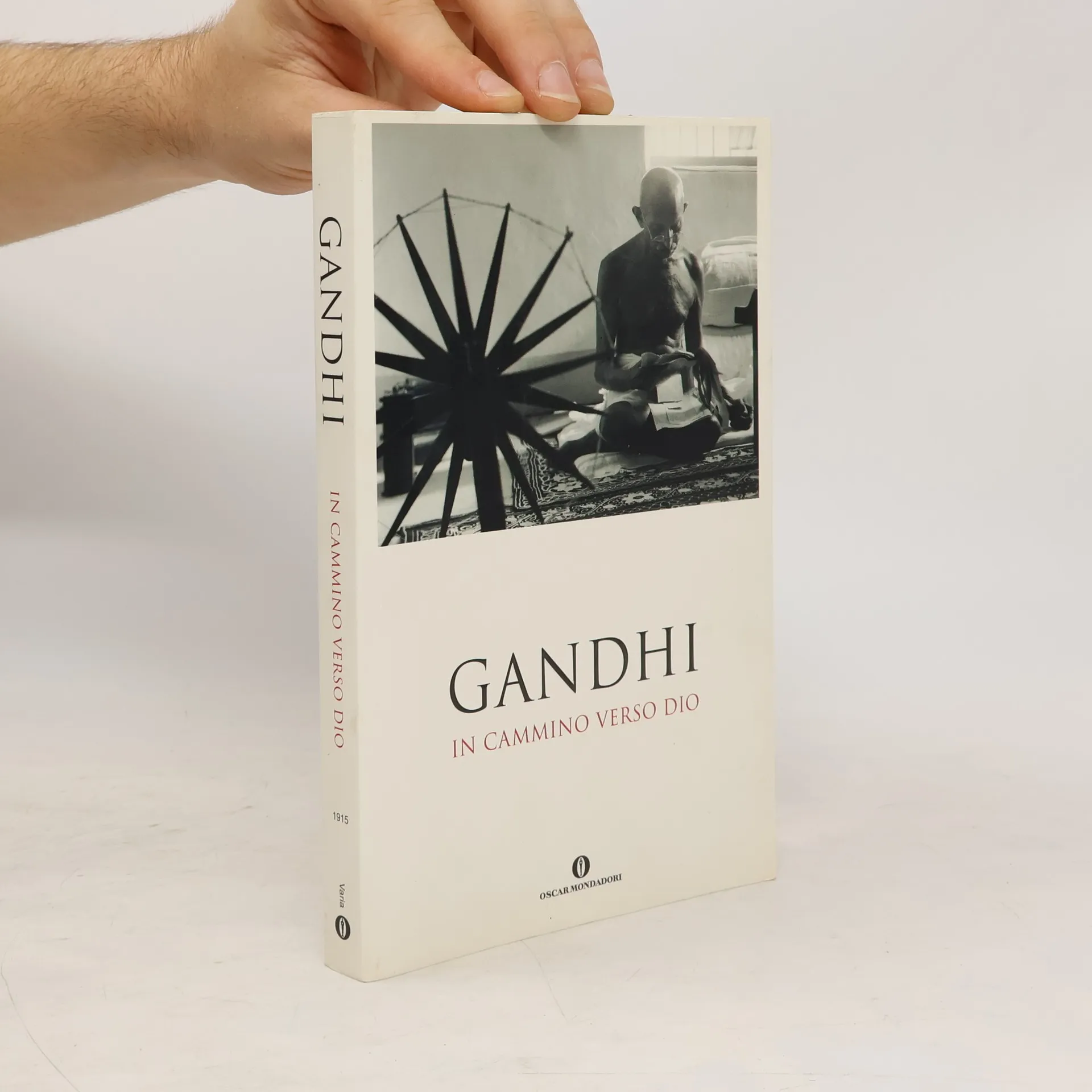
Induismo, Buddismo, Cristianesimo, Islamismo
déclaration lors de son procès, le 23 mars 1922
Face à l'oppression et à la discrimination que subit son peuple. Gandhi revendique l'action non violente. C'est cette idée qui est au coeur du discours qu'il tient devant ses juges lors de son procès, le 19 mars 1922. Héros du nationalisme indien, il devient un modèle politique et moral tant en Inde qu'en Occident. Nombreux sont ceux qui, à sa suite, s'inscriront dans cette revendication de la non-violence. C'est le cas du Dalaï Lama, lors de son discours de réception du prix Nobel de la paix en 1989, qui s'élève contre l'occupation militaire chinoise au Tibet.
Mahatma Gandhi's life exemplifies his deep commitment to truth and non-violence, which he used to challenge oppression and inspire change. This book explores his vision for an independent India, emphasizing unity, compassion, and harmony across all sectors, including social, religious, and economic. Gandhi's principles and actions serve as a guide for achieving strong progress through collective effort, reflecting his belief in a cohesive and inclusive society.
Used. Very Good conditions. May have soft reading marks and name of the previous owner.
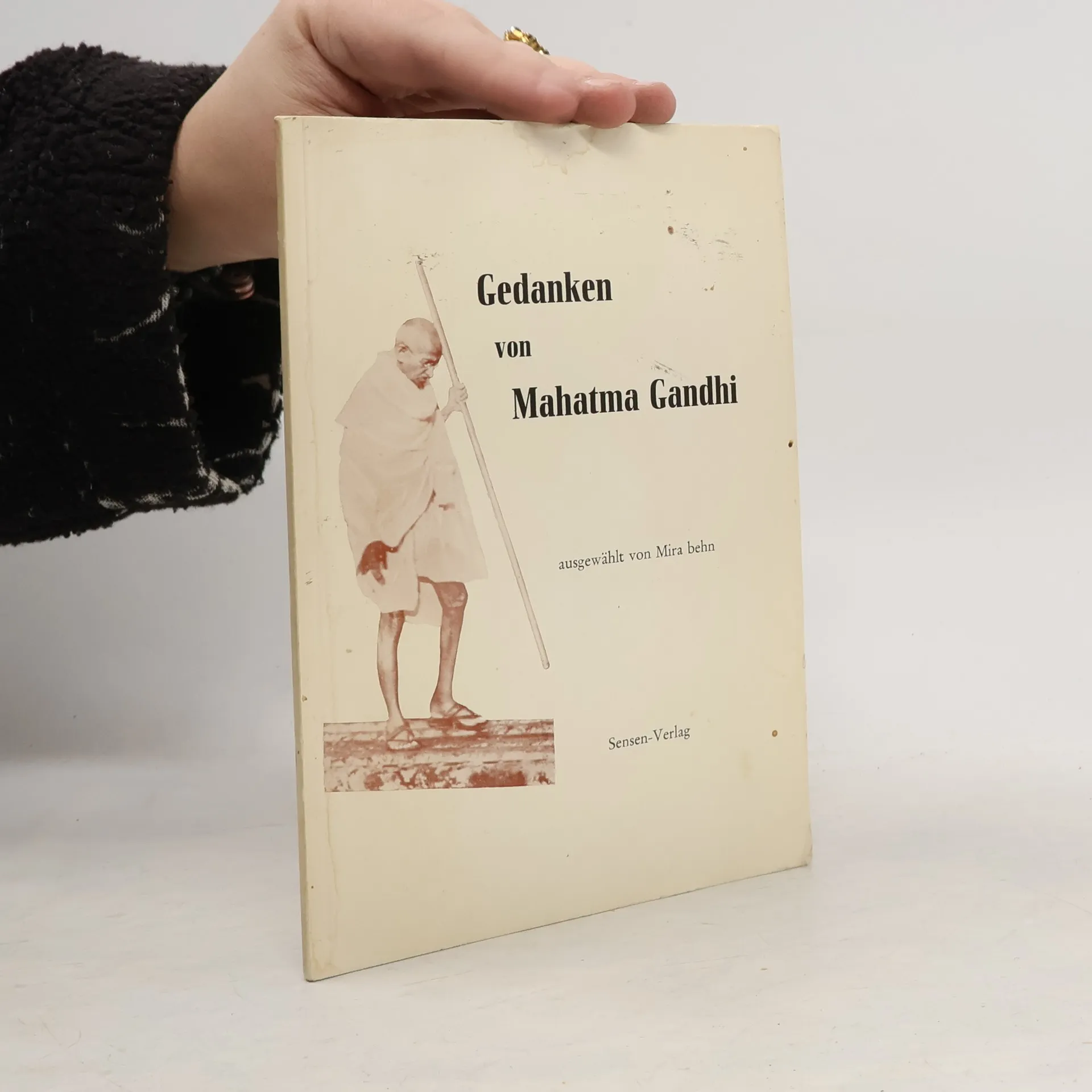
Mahatma Gandhi, ein bedeutender Friedensaktivist, setzte sich zeitlebens für das harmonische Zusammenleben der Religionen ein. Seine innere Kraft schöpfte er aus spirituellen Texten über das richtige Leben, Gebet und innere Ruhe.
Uitspraken en inspiratie van Mahatma Gandhi - Met een voorwoord van Aartsbisschop Desmond Tutu
Texte v. Antoine de Saint-Exupery, Mahatma Gandhi, Marc Aurel u. a.
Die Sammlung inspiriert dazu, Lebensglück, Liebe und Gelassenheit zu suchen. Mit Texten von Autoren wie Antoine de Saint-Exupéry und Anselm Grün bietet sie Wegweiser zum Glücklichsein. Ausdrucksstarke Fotografien ergänzen die Botschaften und fördern die Suche nach einem sinnvollen Leben.
Aus der Tiefe des Herzens Mahatma Gandhi (1869–1948) ist einer der großen Wahrheitssucher unserer Epoche, dessen einfache Worte von unbedingtem Ernst geprägt sind. Deshalb treffen sie mitten ins Herz. Gandhi hat die Wichtigkeit gewaltloser Aktionen in gesellschaftlich-politischen Konflikten nicht nur theoretisch begründet, sondern zugleich in der Praxis des Alltags überzeugend gelebt. Seine Gedanken in diesem Buch sind konkret und anschaulich, weil sie von tiefer Lebenserfahrung geprägt sind – und zugleich sind sie in ihrer universalen Ausrichtung eine gewichtige Stimme auf dem Weg zu einem neuen Weltethos.
Auswahl aus den Schriften
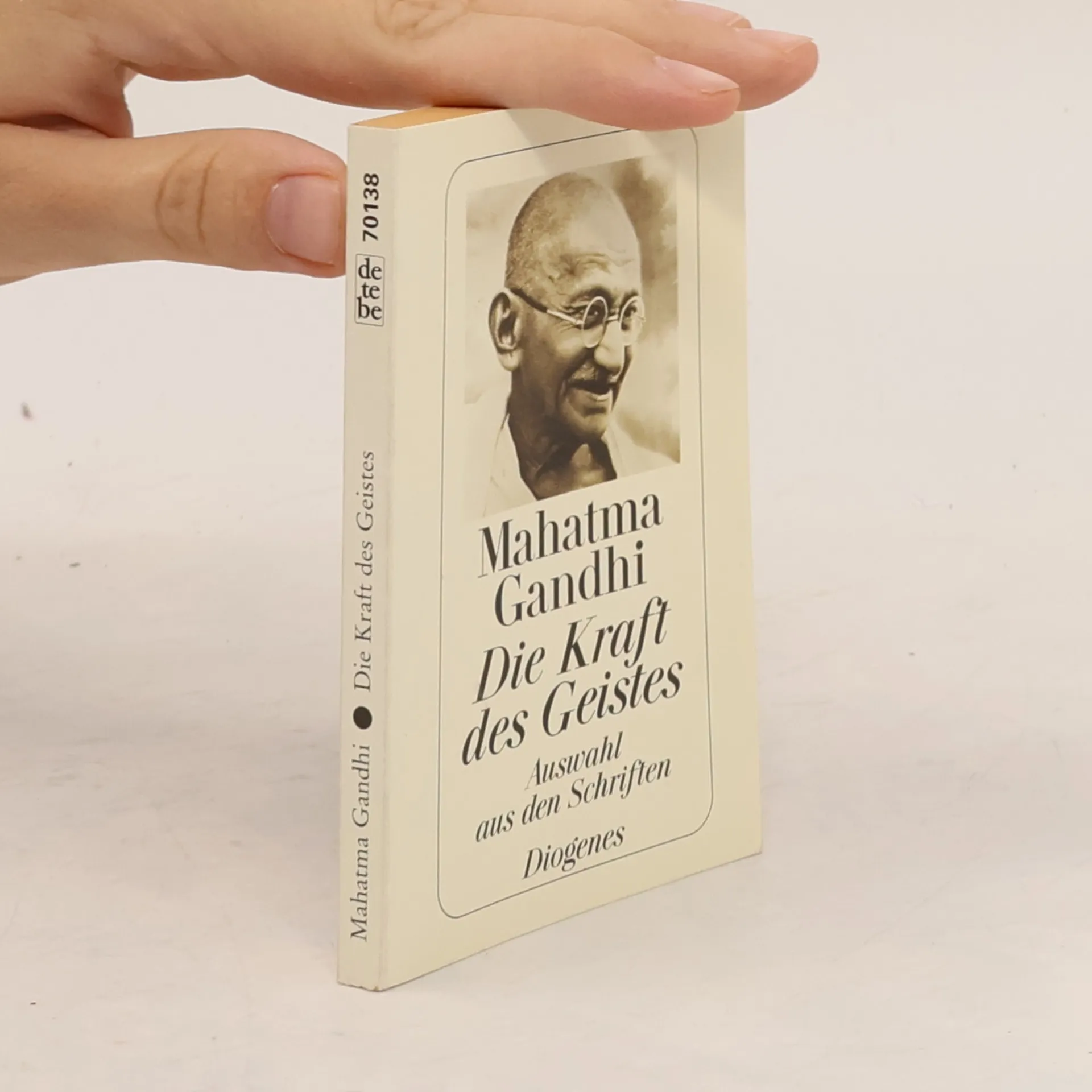
»Ich bin kein Visionär, sondern beanspruche, ein praktischer Idealist zu sein.« – Die Gedanken des Mahatma, der ›großen Seele‹, sind universal und menschlich, sie führen mitten in die Gesellschaft hinein und zeigen, wo wir Verantwortung zu übernehmen haben. Wichtigstes Mittel im Kampf für Gerechtigkeit ist die Kraft des Geistes.
Uscita in prima edizione da Einaudi nel 1973, questa antologia vuole offrire al lettore i materiali per conoscere e approfondire criticamente le concezioni etico-politiche di Gandhi, intese come unità di pensiero e di azione. Nella prima parte del volume, il curatore ha ordinato una serie di scritti concernenti i principi fondamentali della non violenza: la distinzione tra la non-violenza del forte e la non-violenza del debole, il rapporto tra il fine e i mezzi, l'atteggiamento nei confronti della violenza e della guerra, le idee sociali e politiche. Nella seconda parte si discutono le questioni pratiche: la preparazione dei non-violenti e i requisiti che devono avere, la natura delle varie tecniche di lotta non-violenta.
Výběr z nejzajímavějších myšlenek legendárního indického myslitele a duchovního vůdce Mahátmy Gándhího na téma nenásilí v kolibřím vydání s četnými originálními perokresbami akademického malíře Milana Fibigera. Vhodné jako dárek pro všechny vyznavače Gándhího učení i jako inspirace k vlastním úvahám, případně polemikám s názory malého velkého muže, který vrátil Indům a příslušníkům jiných porobených národů politickou a občanskou svobodu a lidskou důstojnost.
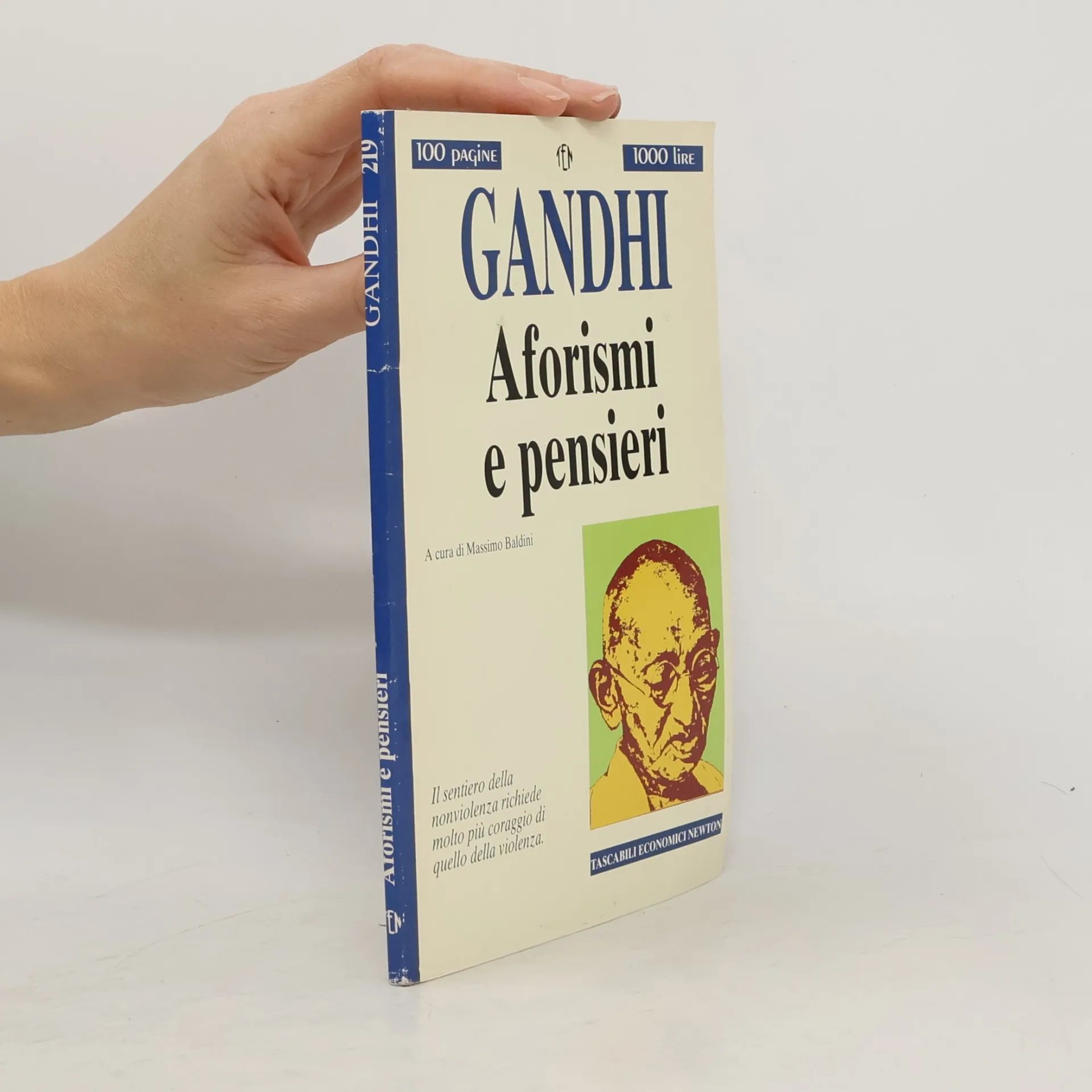
Regroupe quelque cinq cents préceptes de Gandhi issus de textes et de discours, classés par thèmes : la maîtrise de soi, la religion, l'Etat. Des préceptes destinés à être lus et médités à raison d'un ou deux par jour.
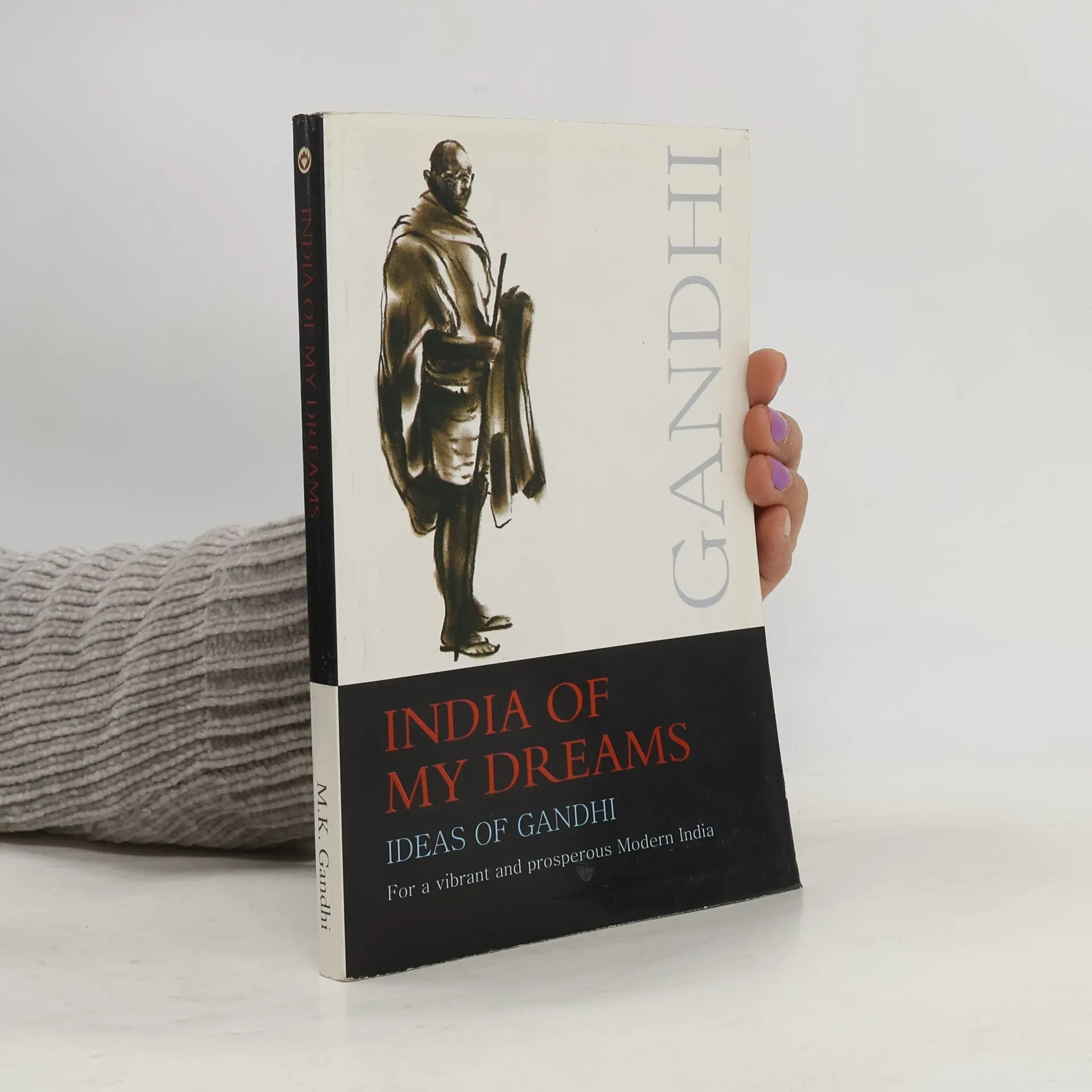
Ve fiktivním rozhovoru předkládá autor svůj pohled na Indii, indický národ a jeho cestu k nezávislosti, na svět, náboženství a moderní civilizaci. Kniha zaujme jasností Gándhího rané vize, o jejíž uskutečnění později v Indii usiloval, a zejména hloubkou a ostrostí jeho kritiky moderní společnosti.
Výroky a citáty velkého indického filozofa a politika svědčí o jeho smyslu pro pravdu a spravedlnost, pro porozumění mezi lidmi.
Ausgew. u. eingel. v. Gertrude u. Thomas Sartory
Ein bedeutendes Lebensprogramm eines großen Menschen, der zum Symbol für Frieden und Freiheit wurde.
Mohandas Karamchand Gandhi, genannt »Mahatma« (Große Seele), ist eine der bedeutendsten Persönlichkeiten des modernen Indien. 1869 im heutigen Gujarat geboren, focht Gandhi als Rechtsanwalt für die Rechte der indischen Bevölkerungsgruppe in Südafrika und entwickelte die Methode des »zivilen Ungehorsams«, die bis heute allen Menschenrechtsbewegungen Vorbild ist. Sein Prinzip der Gewaltlosigkeit geht auf alte Erkenntnisse des Hinduismus, Buddhismus und Jinismus zurück. Doch Gandhi formulierte es für unsere Zeit neu und benutzte die Gewaltlosigkeit als wirkungsvolle Waffe im Unabhängigkeitskampf Indiens gegen die Engländer: »Gewaltlosigkeit ist die größte Kraft, die dem Menschen geschenkt ist.« Gandhi starb 1948, kurz nachdem Indien unter seiner Führung die Unabhängigkeit erlangt hatte. Sein Einfluß ist in Indien sowie im religiösen Handeln Europas nicht wegzudenken. Die vorliegende Auswahl versammelt Aussprüche und Erkenntnisse Gandhis, die auch für heutige Leser wegweisend sein können und neue Denkanstöße bieten.
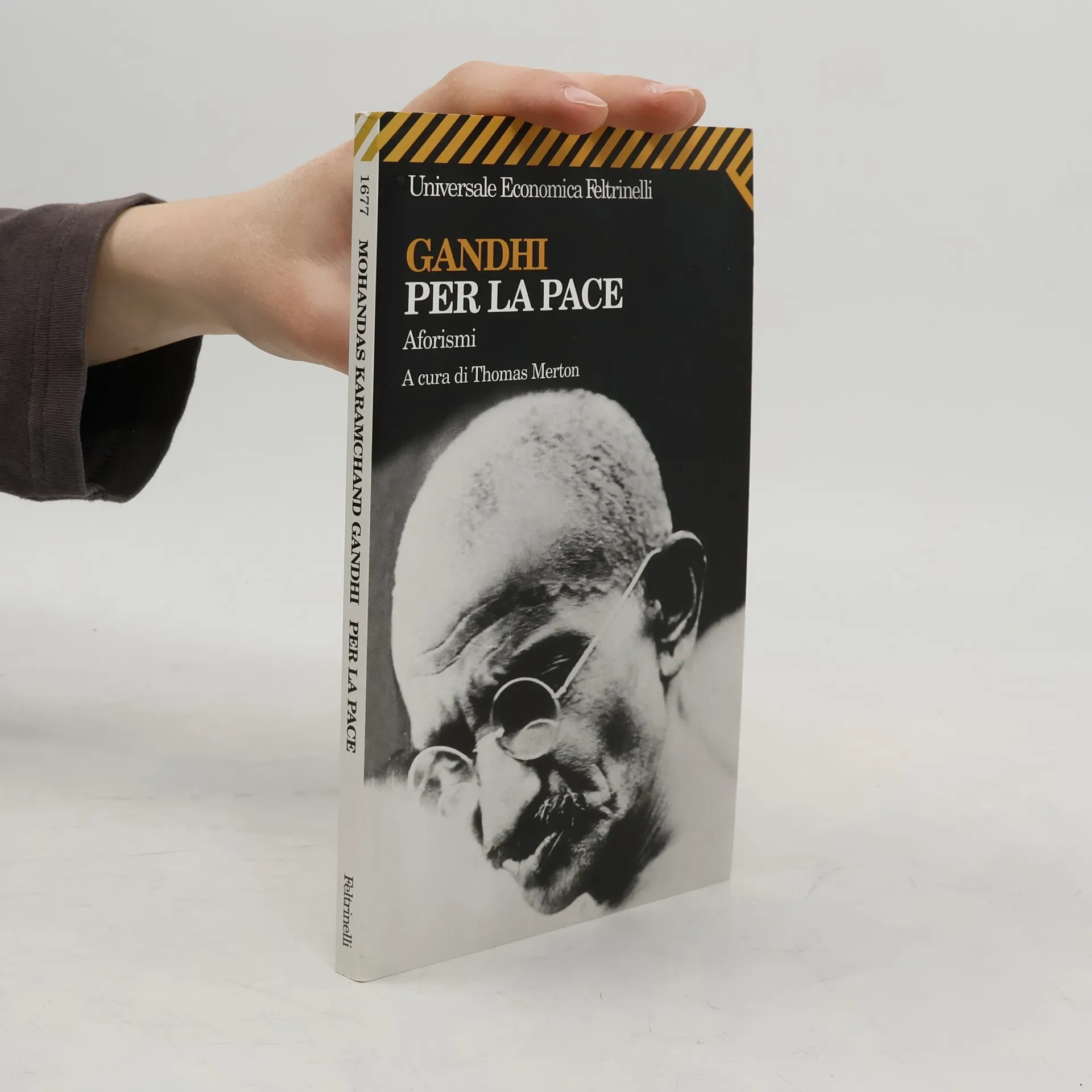
Che cos'è la cultura della pace? Tutte le pratiche non violente sono uguali, o esistono una vera e una falsa non violenza? La non violenza è una mera tattica politica o ha una dimensione spirituale? Qual è l'ambito di esercizio della disubbidienza civile? Molte risposte a queste domande, urgenti e drammatiche, si possono trovare qui, nei testi gandhiani raccolti da Thomas Merton di fronte alla minaccia della guerra nucleare nei primi anni Sessanta. La non violenza, secondo Gandhi, è la legge fondamentale della natura umana, per il suo innato desiderio di pace, ordine, giustizia, libertà e dignità personali. L'esercizio della non violenza richiede lo straordinario coraggio di non temere la morte e di soffrire senza desiderio di vendetta, e si ottiene solo con preghiera, disciplina e fede. La non violenza va esercitata sempre, non è solo non cooperazione con le ingiustizie ma costante rifiuto di qualunque cosa sia inaccettabile per la coscienza. La non violenza esige un comportamento puro e disinteressato, non può essere piegata a fini pragmatici, pena il suo fallimento.
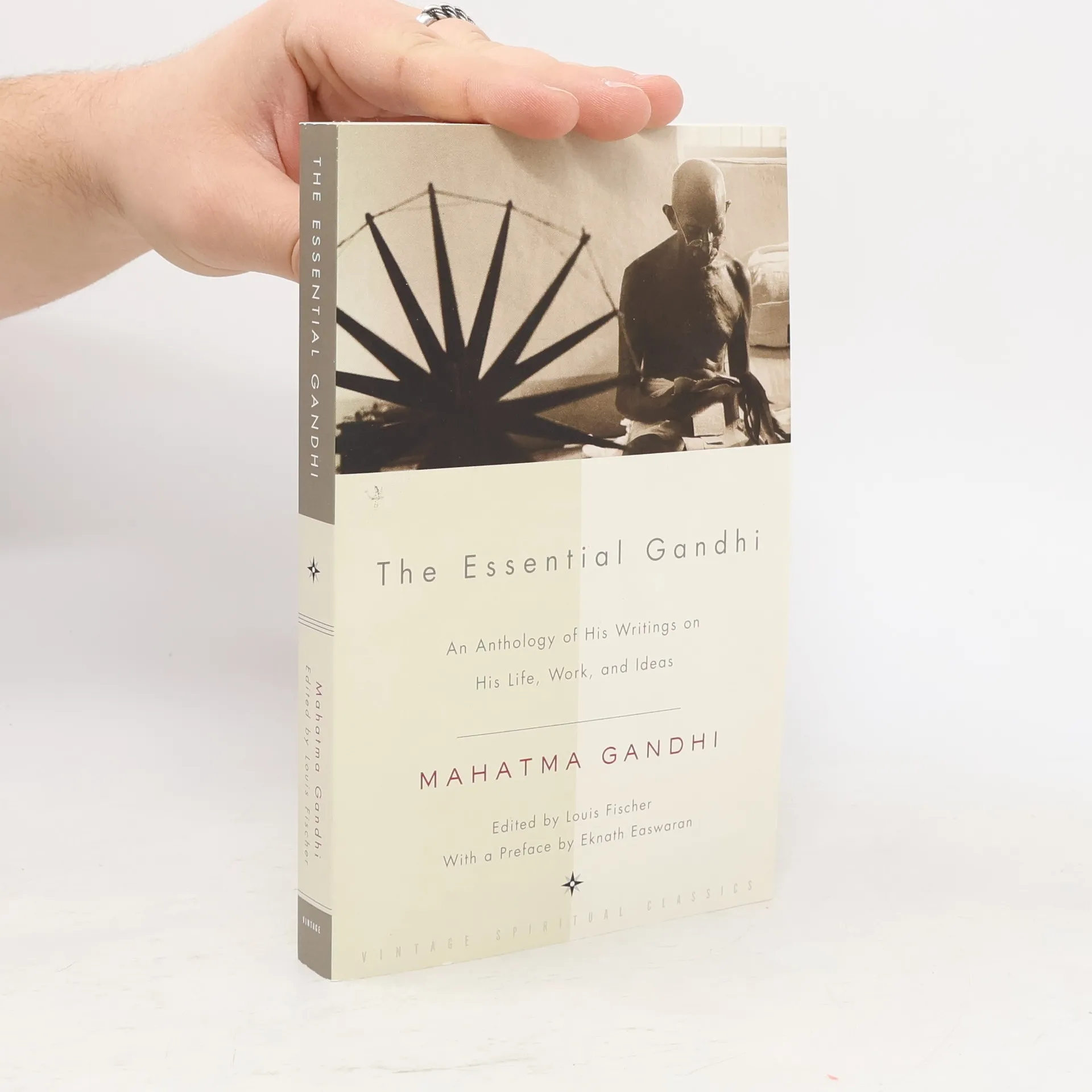
Mohandas K. Gandhi, called Mahatma (great soul), was the father of modern India, but his influence has spread well beyond the subcontinent and is as important today as it was in the first part of the twentieth century and during this nation's own civil rights movement. Taken from Gandhi's writings throughout his life, The Essential Gandhi introduces us to his thoughts on politics, spirituality, poverty, suffering, love, non-violence, civil disobedience, and his own life. The pieces collected here, with explanatory head notes by Gandhi biographer Louis Fischer, offer the clearest, most thorough portrait of one of the greatest spiritual leaders the world has known. Gandhi was inevitable. If humanity is to progress, Gandhi is inescapable. . . . We may ignore him at our own risk. -Dr. Martin Luther King, Jr. With a new Preface drawn from the writings of Eknath Easwaran In the annals of spirituality certain books stand out both for their historical importance and for their continued relevance. The Vintage Spiritual Classics series offers the greatest of these works in authoritative new editions, with specially commissioned essays by noted contemporary commentators. Filled with eloquence and fresh insight, encouragement and solace, Vintage Spiritual Classics are incomparable resources for all readers who seek a more substantive understanding of mankind's relation to the divine.
Móhandás Karamčand Gándhí, zvaný „Mahátma“ (Velká duše), se už za svého života stal symbolickou a vůdčí osobností. Jeho myšlenky jako nenásilí a pravda, duchovní hloubka a politická angažovanost za svobodu mluví samy za sebe. Uspořádal Wolfgang Koralus.
Gewaltloser Kampf für die Freiheit, Bemühen um Wahrheit und spirituelle Tiefe: die Botschaft von Gandhis Leben wirkt weiter nach. Weil sie auch das Herz berührt.
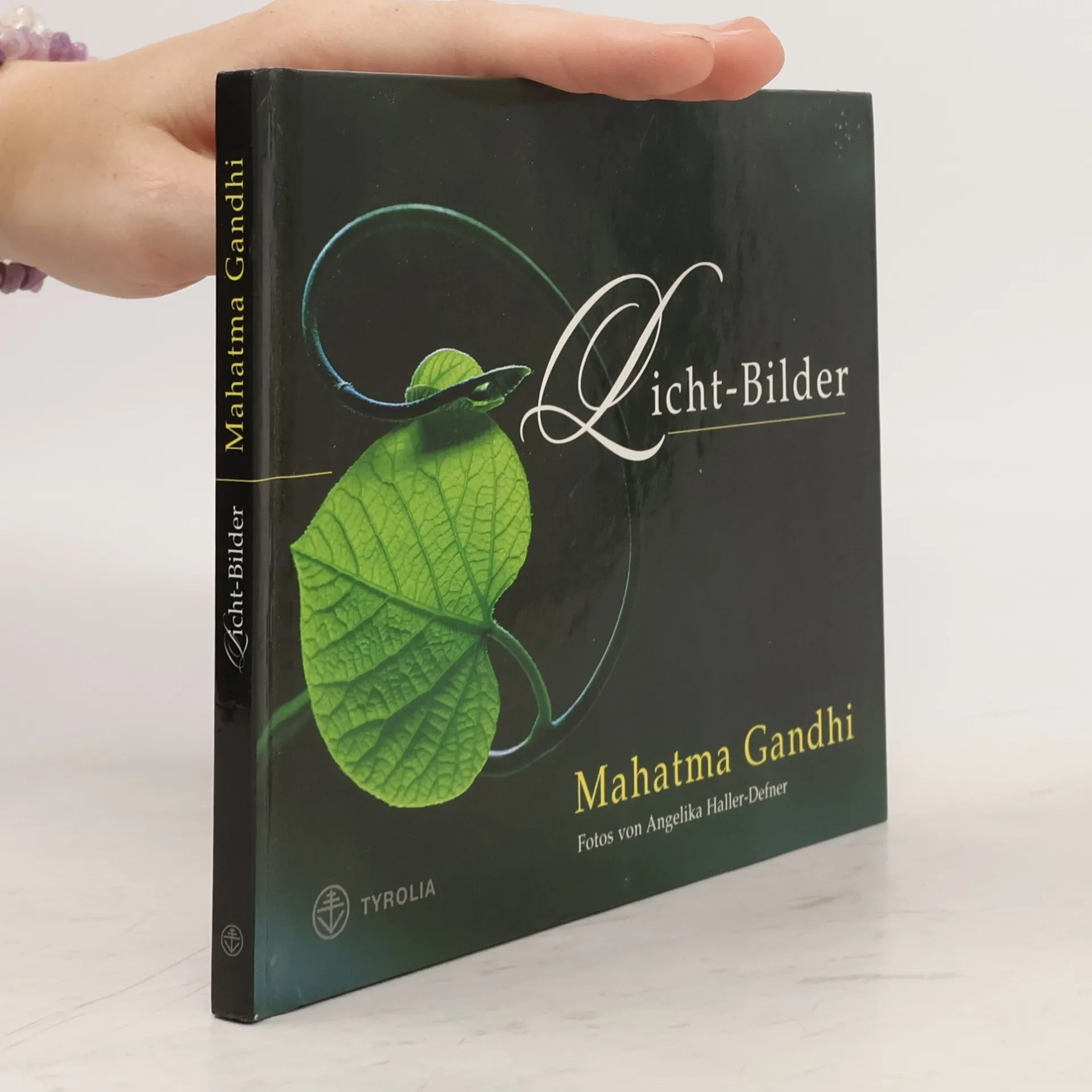
Angelika Haller-Defner präsentiert anmutige Bilder, die oft Binsenweisheiten gegenüberstellen. Sie interpretiert Mahatma Gandhis Gedanken zur Gewaltlosigkeit und betont, dass viele Konflikte vermieden werden könnten, wenn wir die Perspektive unserer Gegner verstehen.
§Mahatma Gandhi (1869-1948) setzte sich mit seinen Reden und seinem Wirken für ein unabhängiges Indien ein. Dies tat er mit solch universalen und menschlichen Worten, daß sie auch hier und heute noch gelten. §Ich bin kein Visionär, sondern beanspruche, ein praktischer Idealist zu sein. - Die Gedanken des Mahatma, der großen Seele, sind nicht abgehoben, sie führen nicht aus der Gesellschaft hinaus, sondern mitten in sie hinein und zeigen, wo wir Verantwortung zu übernehmen haben. Wichtigstes Mittel im Kampf §gegen Gewalt und für Gerechtigkeit und Wahrheit ist die Kraft des Geistes.
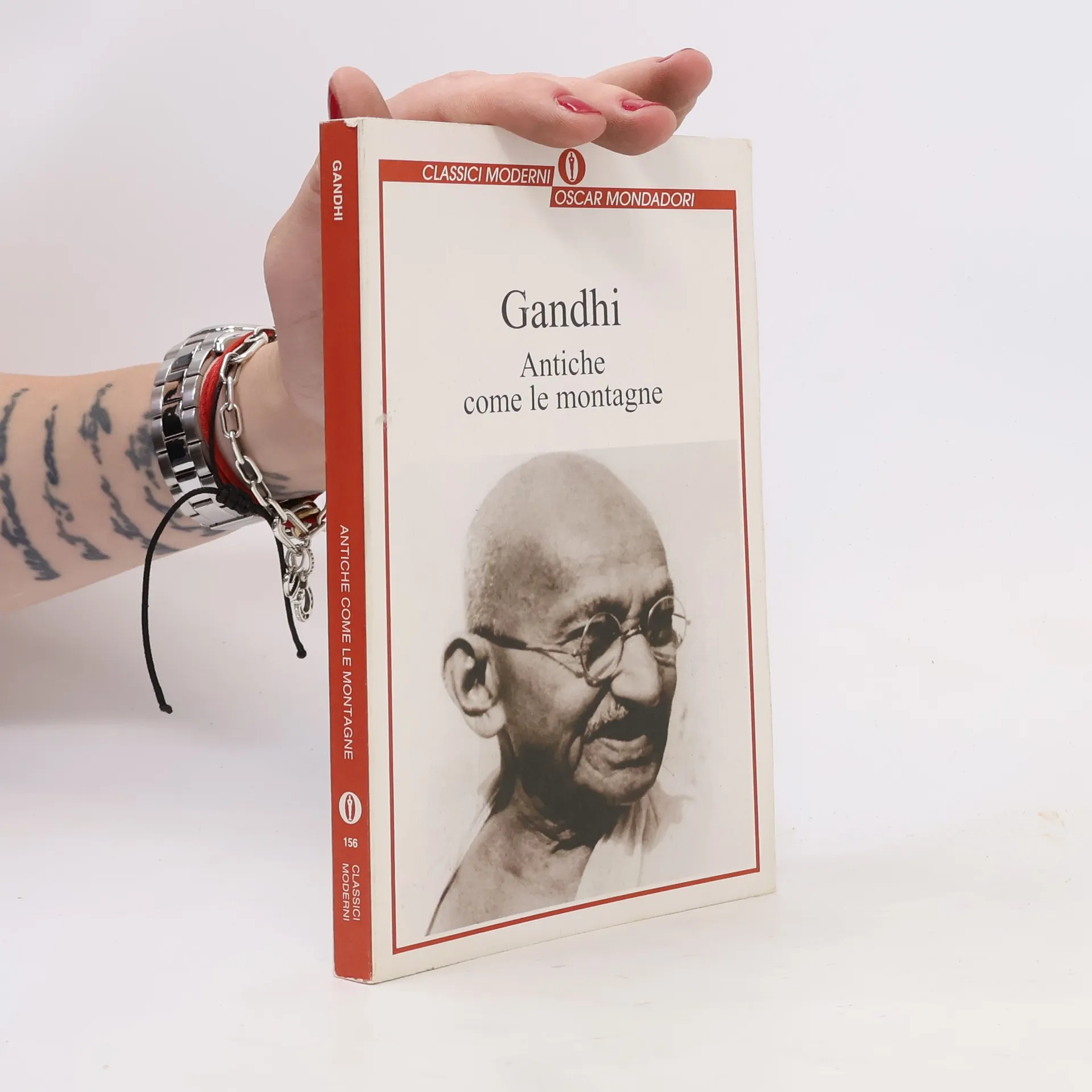
Gandhi asseriva, con serena umiltà, di non avere nulla di nuovo da insegnare agli uomini, poiché la verità e la non-violenza sono antiche come le montagne. Antiche eppure attualissime furono le certezze del Mahatma: la disobbedienza civile come unica risposta a governi e sistemi basati sullo sfruttamento; la non-violenza come sola arma possibile per fermare la corsa agli armamenti; l'amore come forza universale sopra le miserie e le ingiustizie dei pochi a scapito dei molti. Messaggio di sublime potenza, quello di Gandhi, che risuona ancora oggi con forza immutata nei movimenti laici e religiosi che si battono per gli stessi ideali. Le sue parole conservano intatto il loro valore per tutti coloro che vogliono contribuire alla costruzione di una società pacifica e giusta.
Die Lehren und autobiografischen Zeugnisse der 'großen Seele' Indiens verdeutlichen, dass Toleranz, Wahrhaftigkeit, Güte und Mitgefühl mächtiger sind als Waffen. Die Einheit von Wort und Tat ist das Geheimnis seiner Überzeugungskraft und der zeitlosen Relevanz seiner Gedanken.
Übers. u. bearb. v. Marla, Sarma 15 Abb. 149 S.
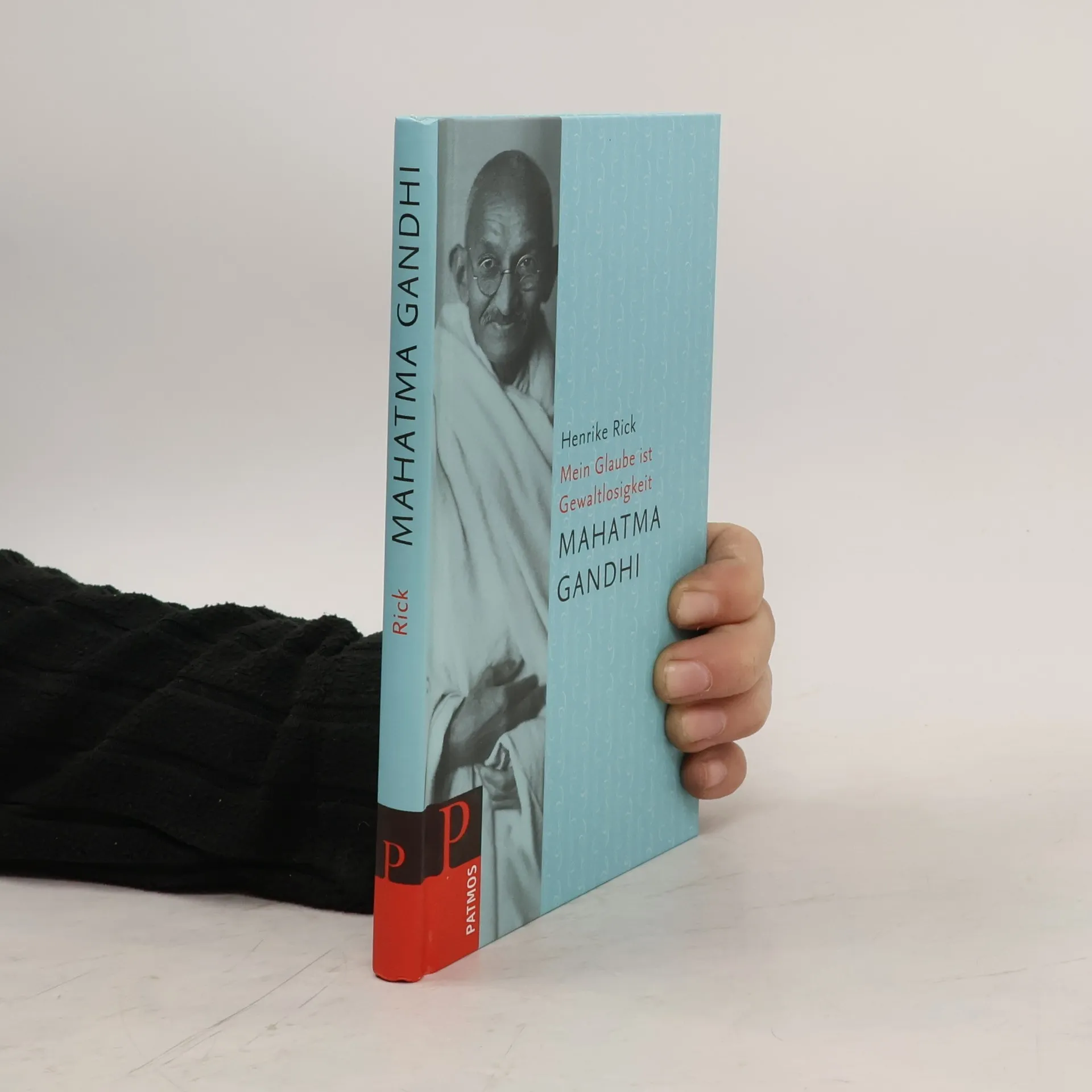
Auswahl u. Übers. v. Rick, Henrike. Einf. v. Kämpchen, Martin.
"Mahátma Gándhí. Das kleine schwarze Buch" enthält 142 Zitate von Gandhi. Es gewährt einen Einblick in den Geist eines Genies, also bereiten Sie sich auf die Möglichkeit von Überraschungen vor. Nachdem Sie Gandhis kleines schwarzes Buch gelesen haben, bewahren Sie es an einem sichtbaren Ort auf. Je mehr wir über die darin enthaltene Weisheit nachdenken, desto eher werden wir davon profitieren.
Se è opportuno e necessario scoprire una sottesa unità fra tutte le religioni, occorre procurarsi un passe-partout: quello della verità e della non-violenza. Se apro lo scrigno di una tale religione con tale passe-partout, non trovo difficile scoprirne le somiglianze con altre. Se guardiamo alle religioni come alle mille foglie di un albero, ci sembrano tutte differenti, ma tutte riconducono a uno stesso tronco. Finché non riusciremo a intuire tale unità di fondo, non sapremo far cessare le guerre condotte in nome della religione, che non riguardano soltanto gli induisti e i mussulmani. Le pagine della storia del mondo sono tutte lordate dei sanguinosi racconti delle guerre di religione.
Vieles von dem, was Gandhi lehrte und selbst praktizierte, erscheint heute wie aus der Zeit gefallen. Fremd wirken sein unbedingter Wille zur Askese und sein frühes Gelöbnis der sexuellen Enthaltsamkeit. Merkwürdig klingen gerade in Zeiten explodierender Metropolen und einer schier unaufhaltsamen Industrialisierung seine Gedanken einer bäuerlich geprägten Gesellschaft. Und doch hat dieser religiöse Anarchist Spuren hinterlassen, hat er eine Saat gelegt, deren Früchte noch immer aufgehen. Seine Achtung vor allem Lebendigen, die sich nicht nur im Umgang mit anderen Menschen, sondern zum Beispiel auch in seiner Ernährung manifestierte, findet auch in unserer Zeit ein wachsendes Echo. Sein beispielloses Eintreten für Frieden und Freiheit aller Menschen bietet gerade unserer unruhigen globalisierten Welt, deren Schattenseiten uns täglich vor Augen treten, unentbehrliche Perspektiven.
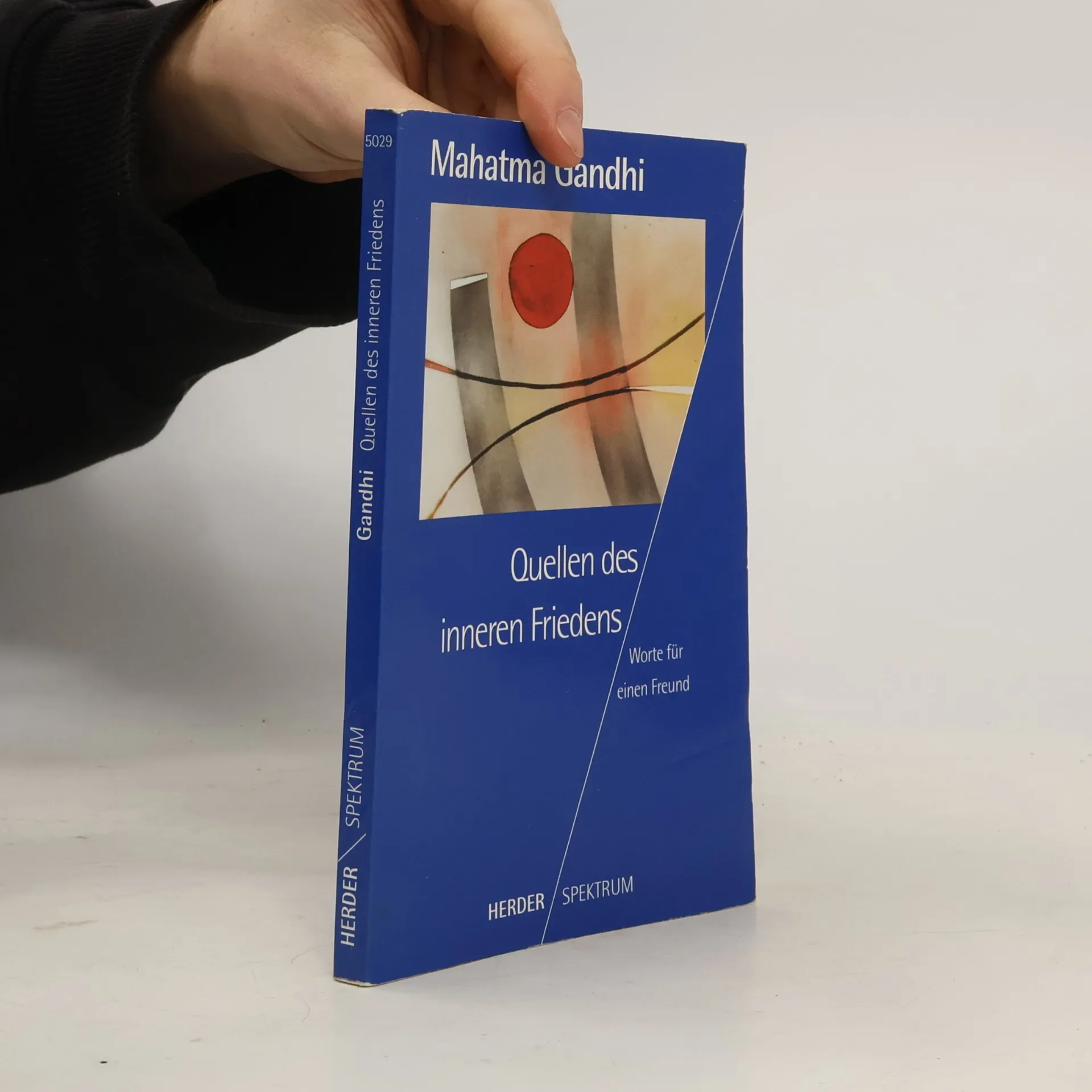
Zwischen November 1944 und Oktober 1946 schrieb Gandhi Tag für Tag einen kurzen Gedanken für einen Freund, der in einer schmerzlichen Situation Trost brauchte. Er spricht von Leben und Tod, Schmerz und Freude, Gewalt und Gewaltlosigkeit; in ihrer Tiefe und Einfachheit zeugen die Texte von der Erfahrung und Weisheit einer großen, tief gläubigen Persönlichkeit.
Ausgew. u. eingel. v. Sartory, Gertrude ; Sartory, Thomas. ( Texte zum Nachdenken) N.-A.
The Story of My Experiments with Truth is an enlarged edition of Mahatma Gandhi's original and entire autobiography, with an introduction from The Gandhi Research Foundation.The Story of My Experiments with Truth is Mohandas K. Gandhi's autobiography, which spans his life from boyhood through 1921. From 1925 to 1929, it was written and published in his journal, Navjivan. It was started at the request of Swami Anand and other close Gandhi associates, who encouraged him to explain the context of his public campaigns.The Story of My Experiments with Truth is a personal narrative of the life of the man who, via the Satyagraha (nonviolent protest) movement, freed India from colonialism.
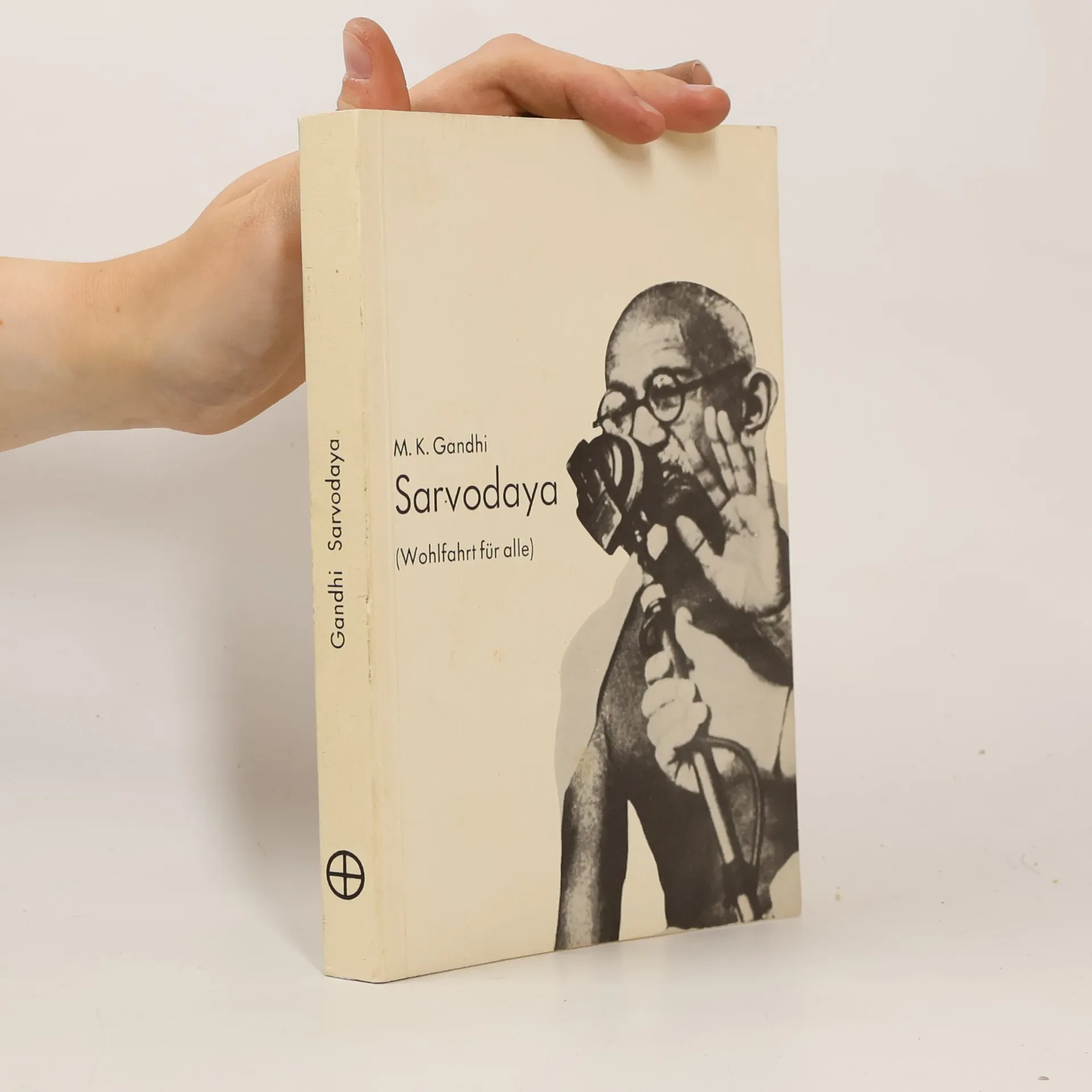
Wohlfahrt für alle
Mahatma Gandhi ist uns allen bekannt als der Erwecker der breiten Massen des indischen Subkontinents. Er führte sein Volk in die Freiheit und trieb dessen Kolonialherren aus dem Lande, jedoch ohne sie als Feinde zu betrachten. Er gewann den Kampf um die Unabhängigkeit Indiens, indem er das Feind-Denken, Haß und Gewalt überwand. Gegen alle angebliche Erfahrung und Voraussagen gelangte er mit revolutionären Methoden ans Ziel. So führte er neue Grundsätze in die Politik ein, die längst über die Grenzen Indiens hinaus weltweite Bedeutung gewonnen haben, ohne die im Atomzeitalter Friedenssicherung und Widerstand gegen den Krieg, der zivile Ungehorsam gegenüber totalitären Regimes und Bürokratien nicht mehr denkbar sind. Darüber hinaus aber war Gandhi weitblickender Gesellschaftsreformer, als der er hierzulande viel zu wenig bekannt ist. Sarvodaya der indische Name für das umfassende Sozialprogramm einer „Wohlfahrt für alle" - vermittelt uns den Zugang zu Gandhis Gesellschaftsphilosophie, seinen sozialpolitischen Empfehlungen und Maßnahmen. Es zeigt uns, daß Gandhi durchaus kein Gegner der Industrialisierung war, daß er aber die Industrialisierung in Übereinstimmung mit der Entwicklung der indischen Gesellschaft im indischen Dorf gemeistert wissen wollte. Das vorliegende Buch ist um so aufschlußreicher, als die indischen Regierungen nach Gandhis Tod Gandhis Empfehlungen nicht gefolgt sind. Zudem wird „Sarvodaya" mehr und mehr zum sozialen Inbegriff und Aspekt der gewaltlosen Revolution, wie sie sich als dritte Macht" inzwischen auch über die westliche Welt hin ausbreitet.
Includes selections from Gandhi's writings and speeches which express his thoughts, beliefs, and techniques.
Nascita di una società non violenta
J'accorde une haute valeur à mes expériences. Je ne sais si je suis arrivé à leur rendre pleinement justice. Tout ce que je puis dire, c'est que je n'ai pas épargné la peine pour que ce récit soit fidèle. Décrire la vérité, telle qu'elle m'est apparue, et de la façon exacte dont je l'ai atteinte, voilà quel a été mon effort incessant. A cet exercice mon esprit a puisé une paix ineffable ; car mon espoir bien-aimé a été que les hésitants retrouveraient ici foi en la Vérité et en l'Ahimsâ. L'uniformité de mon expérience m'a convaincu qu'il n'est d'autre Dieu que la Vérité. Gandhi