Das Denken ist ohne das Fühlen nicht vorstellbar - und deren Zusammenspiel nicht ohne die Signale des Körpers. Doch inwieweit wird der Mensch von diesem neurobiologischen Dreieck bestimmt? Was steuert unsere Entscheidungsprozesse? Antonio R. Damasio führt uns an die Grenzen der wissenschaftlichen Forschung - ein ebenso radikales wie intellektuell überzeugendes Plädoyer für die Ganzheitlichkeit.
António Damásio Bücher
25. Februar 1944



Ich fühle, also bin ich
- 462 Seiten
- 17 Lesestunden
Woher wissen wir, dass wir wissen? Wie entsteht das Gefühl für unser Selbst? Welche Rolle spielen Emotionen und Gefühle im Bewusstseinsprozess? In einer klaren, gut verständlichen Sprache beschreibt der weltweit berühmte Neurologe Antonio Damasio, warum wir fühlen, was wir sind. Zahlreiche Fallbeispiele aus seinem Patientenkreis veranschaulichen dabei, welch kuriose und schreckliche Folgen Schädigungen des Gehirns für unser Selbstverständnis haben können. Eine spannende Reise in die Tiefe unseres Bewusstseins.
Vom Sein zum Bewusstsein Seit dreißig Jahren erforscht Antonio Damasio, wie der menschliche Geist arbeitet. Aufgrund überraschender wissenschaftlicher Ergebnisse kann er zeigen, dass das menschliche Bewusstsein ein biologischer Prozess ist, der im Gehirn entsteht. Damit widerlegt Damasio die hartnäckige Vorstellung vom menschlichen Geist als etwas Eigenständiges, das vom Körper getrennt betrachtet werden müsse. In seiner Arbeit geht Damasio über die klassischen Wege, den menschlichen Geist zu untersuchen, hinaus: Neben der Verhaltensforschung und den Neurowissenschaften führt er erstmals eine evolutionäre Perspektive ein. Dadurch gelingt es ihm, unser Verständnis von der Entwicklung des menschlichen Geistes entscheidend zu erweitern.
Im Anfang war das Gefühl
- 319 Seiten
- 12 Lesestunden
Das neue Buch von Bestsellerautor Antonio Damasio: Wie die Gefühle unsere Kultur prägen Wie ist der Mensch zum Menschen geworden – und wie ist all das entstanden, was wir Kultur nennen? Der weltbekannte Neurowissenschaftler Antonio Damasio hat eine verblüffende Erklärung: Nicht Verstand und Intellekt, sondern die Gefühle haben dabei die entscheidende Rolle gespielt. Ein neuer, aufregender Blick auf die Fundamente menschlicher Zivilisation. Ausstattung: mit Abb.
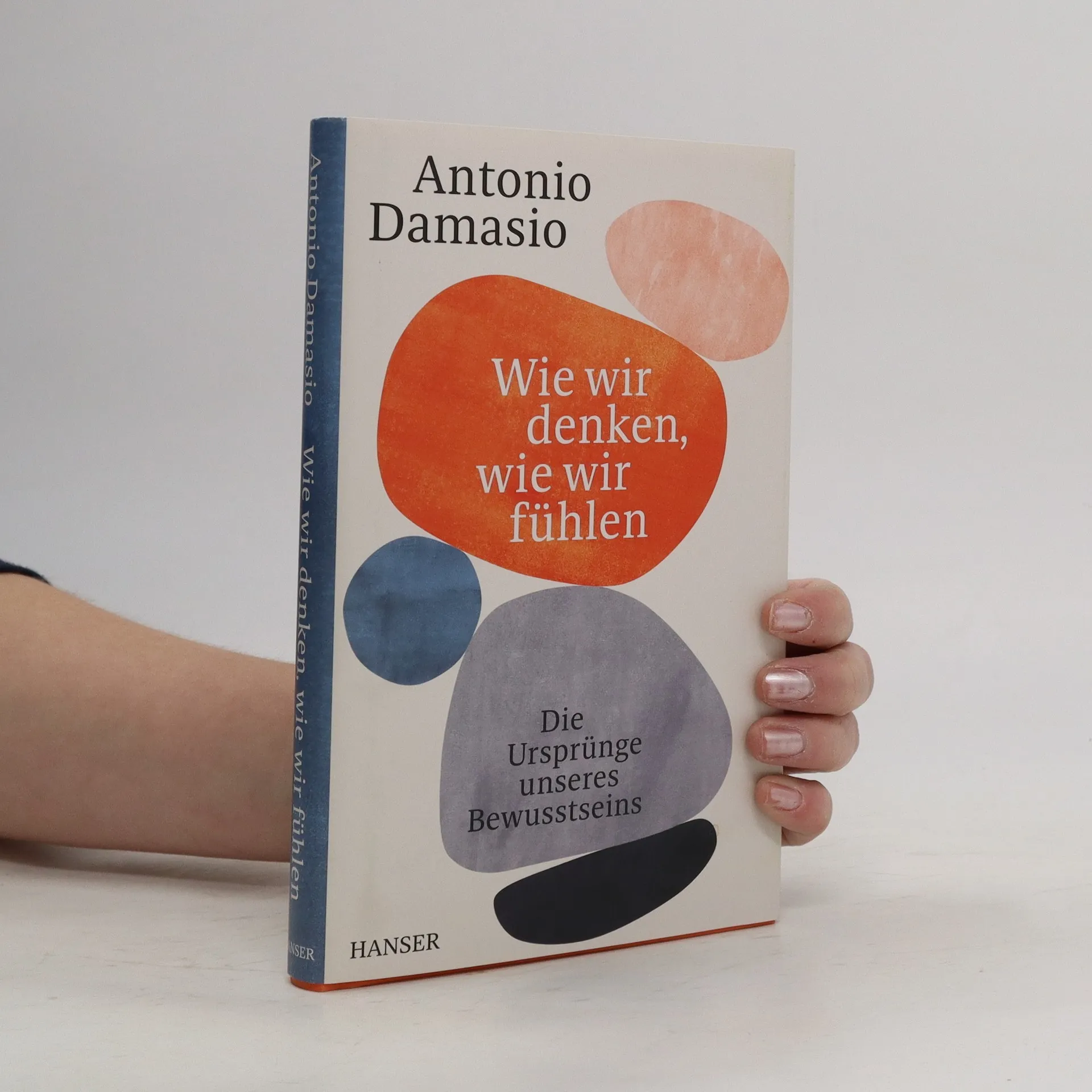
Wie wir denken, wie wir fühlen
Die Ursprünge unseres Bewusstseins
Was macht uns zum Menschen? Antonio Damasio schafft die Verbindung von Philosophie und Hirnforschung zu einer erstaunlichen Theorie des Bewusstseins „Wie wir denken, wie wir fühlen“ bringt Antonio Damasios Lebensthemen auf den Punkt: In glänzend geschriebenen kurzen Kapiteln führt er uns vom Beginn des Lebens auf der Erde hin zu einem umfassenden Verständnis dessen, was uns im Innersten ausmacht – Verstand, aber auch: Emotion. Was ist Bewusstsein? Kaum eine Frage rührt so sehr an den Kern des Menschseins. Seit Jahrhunderten wird sie von Philosophen gestellt, seit Neuerem bemühen sich auch die Naturwissenschaften um Antworten. Antonio Damasio, gefeierter Sachbuchautor und einer der renommiertesten Neurowissenschaftler der Welt, verbindet Erkenntnisse aus Philosophie und Hirnforschung, aus Evolutions- und Neurobiologie, aus Psychologie und KI-Forschung zu einer originellen Theorie des Bewusstseins.
Natürliche Intelligenz und Bewusstsein in Zeiten von KI
- 240 Seiten
- 9 Lesestunden
Kein Thema unserer Zeit scheint so verheißungsvoll, keines ist so umstritten wie die Künstliche Intelligenz. Doch in Wirklichkeit ist KI nur ein Produkt des Menschen – ein faszinierender Ausweis seiner Natürlichen Intelligenz. Wie unterscheidet sich der menschliche Geist von ChatGPT & Co? Besitzen alle Lebewesen eine Form von Intelligenz? Und warum sind Gefühle der Schlüssel zu ihrem Verständnis? Der vielfach ausgezeichnete Neurowissenschaftler Antonio Damasio hat sich ein ganzes Forscherleben lang mit den ungelösten Rätseln des Bewusstseins beschäftigt. Hier erklärt er die Ursprünge, Entwicklung und Funktionsweise der Natürlichen Intelligenz als einzigartige Erfolgsgeschichte der Evolution.
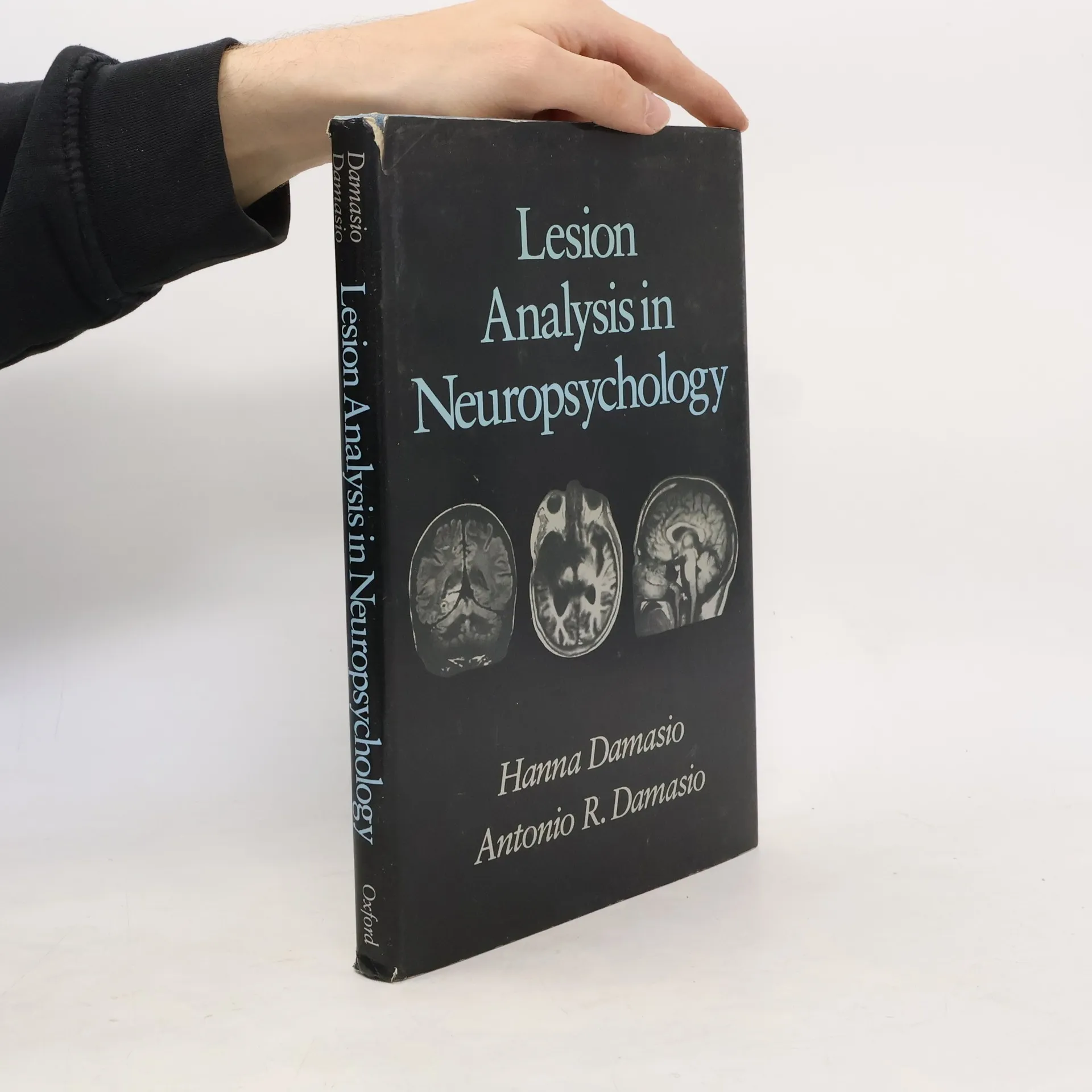
Lesion Analysis in Neuropsychology
- 240 Seiten
- 9 Lesestunden
Knowledge about brain neuroanatomy has played a major role in elucidating the brain mechanisms underlying psychological processes. Nowhere has the role been stronger than in the study of the relation between specific areas of brain damage and changes in perception, memory, and language. This book is about that particular approach to brain and behavior studies--the lesion method--as applied to humans. It reviews advances made with modern neuroimaging methods (such as x-ray computerized tomography and magnetic resonance scanning) and discusses how the new findings are modifying neuropsychological thinking and helping develop new theories about the neural substrates of cognition. The book also describes a method for the analysis of neuroimaging data that helps researchers and clinicians in neuropsychology to use imaging techniques as a source of neuroanatomical data. Included in the book are magnetic resonance (MR) and computerized tomographic (CT) images of exceptional quality. Based on a decade's work by two neuroscientists of worldwide reputation, this unique volume will be of value to neurologists, neuropsychologists, basic neuroscientists, cognitive psychologists, neurolinguists and other researchers and clinicians interested in the relation between brain structure and behavior.
Neuroscience has paid only little attention to decision-making for many years. Although no field of science has cohered around this topic, a variety of researchers in different areas of neuroscience ranging from cellular physiology to neuropsychology and computational neuroscience have been engaged in working on this issue. Thus, the time seemed to be ripe to bring these researchers together and discuss the state of the art of the neurobiology of decision-making in a broad forum. This book is a collection of contributions presented at that forum in Paris in October 1994 organized by the Fondation IPSEN.
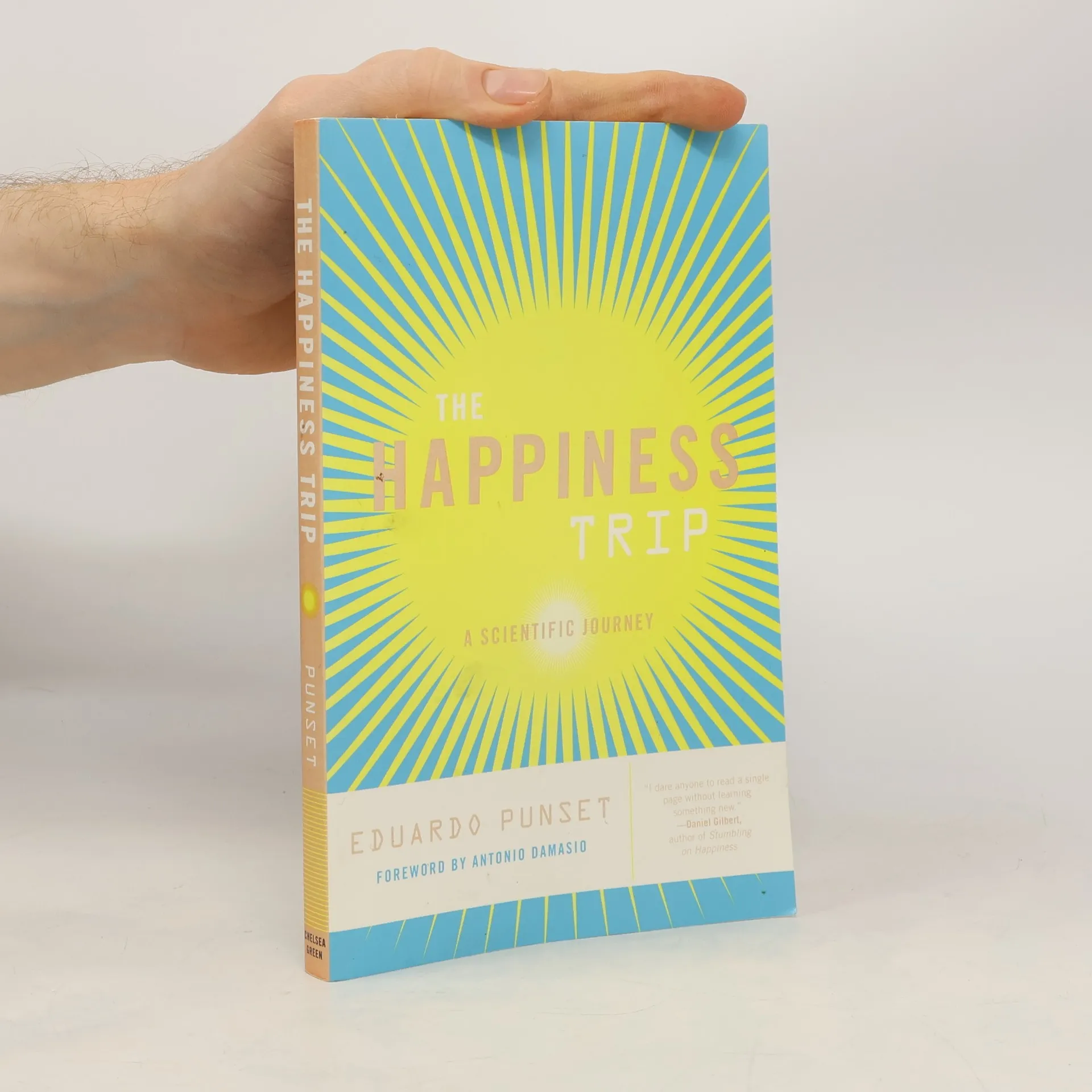
The search for happiness is quintessentially human—a concept that has no bearing on any other creature on earth yet figures foremost among our deepest desires. In the realm of hard science, the journey to happiness is still in its infancy; the final destination, uncertain. The Happiness Trip is a lucid and passionate approach to the science of happiness and its conditioning emotions, stress, hormonal flows and aging, as well as the social, economic, cultural and religious aspects associated with the emotion. "We have set out on the unknown waters of our potential happiness with no previous knowledge, no maps. There are no models in nature. It is only recently that the scientific community developed technical instruments to measure the impact of emotions and stress. These have given rise in turn to the search for happiness, which immediately burst onto the field of scientific analysis."
In den letzten zwanzig Jahren hat der Bildhauer Antony Gormley einige der denkwürdigsten und umstrittensten öffentlichen Kunstinstallationen weltweit geschaffen. Dieses Buch bietet einen Überblick über seine Karriere und eine Rückschau auf seine bedeutendsten Werke. Jedes Kapitel widmet sich einem der 25 Projekte in einem visuellen Essay.
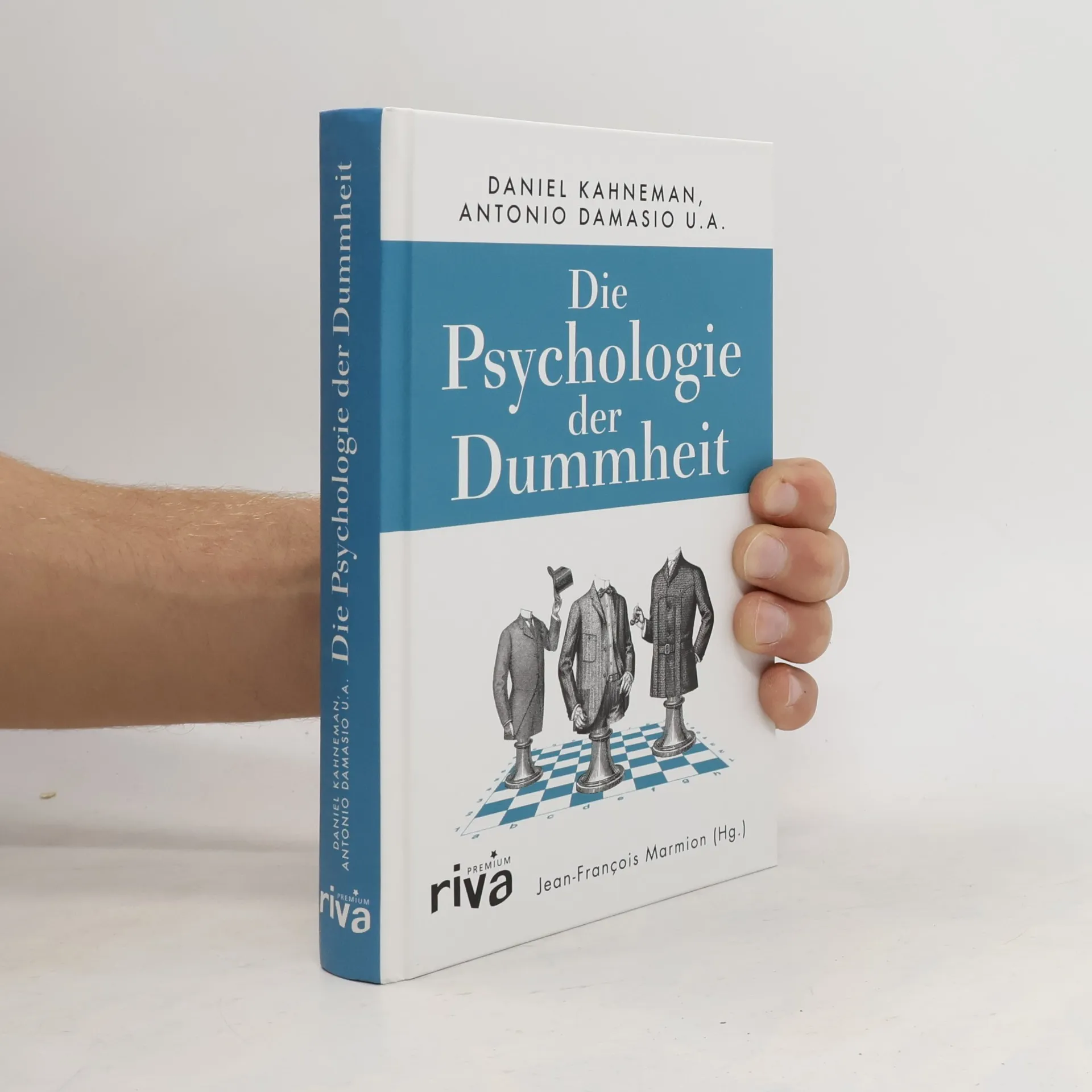
Die Psychologie der Dummheit
Das Geheimnis einer entbehrlichen Eigenschaft endlich entschlüsselt
Ist eine Welt ganz ohne Dummköpfe möglich? Leider nein. Und dennoch sollte man über die Dummheit nachdenken, denn jeder kennt sie und jeder muss sie täglich ertragen. Die Dummheit ist – und zwar seitdem es den Menschen gibt – eine Bürde, von der wir uns nach Kräften befreien sollten. Obwohl Spezialisten für menschliches Verhalten, haben Psychologen noch nie den Versuch unternommen, der Dummheit auf den Grund zu gehen. Das Phänomen will allerdings erst verstanden werden, bevor wir den Kampf dagegen aufnehmen können. Und so versammelt dieser Band einige der namhaftesten Psychologen aus aller Herren Länder sowie Philosophen, Soziologen und Schriftsteller, die ihre Lesart dieses grundlegenden Wesenszugs des Menschen präsentieren. Eine Weltpremiere!
Voor De universiteit van het leven voerde Rob Riemen indringende vraaggesprekken met negentien bijzondere vrienden. Het zijn uitgevers, musici, schrijvers, filosofen, wetenschappers en een vakbondsman, die met hun intellectuele, politieke of artistieke talenten internationale faam hebben verworven. Zij hebben een lange levensreis achter de rug en zijn bij uitstek in staat antwoord te geven op de vraag die in elk gesprek centraal stond: wat heeft het leven je geleerd?Wat geven de negentien levensreizigers aan inzicht en ervaring door aan ons, lezers, die in zekere zin allemaal hun erfgenamen zijn? Rob Riemen, die met dit boek de vijfenzestigste uitgave van Nexus presenteert, tekende de levensverhalen op uit de mond van zijn vrienden en schildert zo hun onvergetelijk portret, vol melancholie, humor, verontwaardiging en troost. Een unieke groep mensen laat ons delen in de wijsheid die zij hebben opgedaan aan de universiteit van het leven.
Ik voel dus ik ben: hoe gevoel en lichaam ons bewustzijn vormen
- 392 Seiten
- 14 Lesestunden