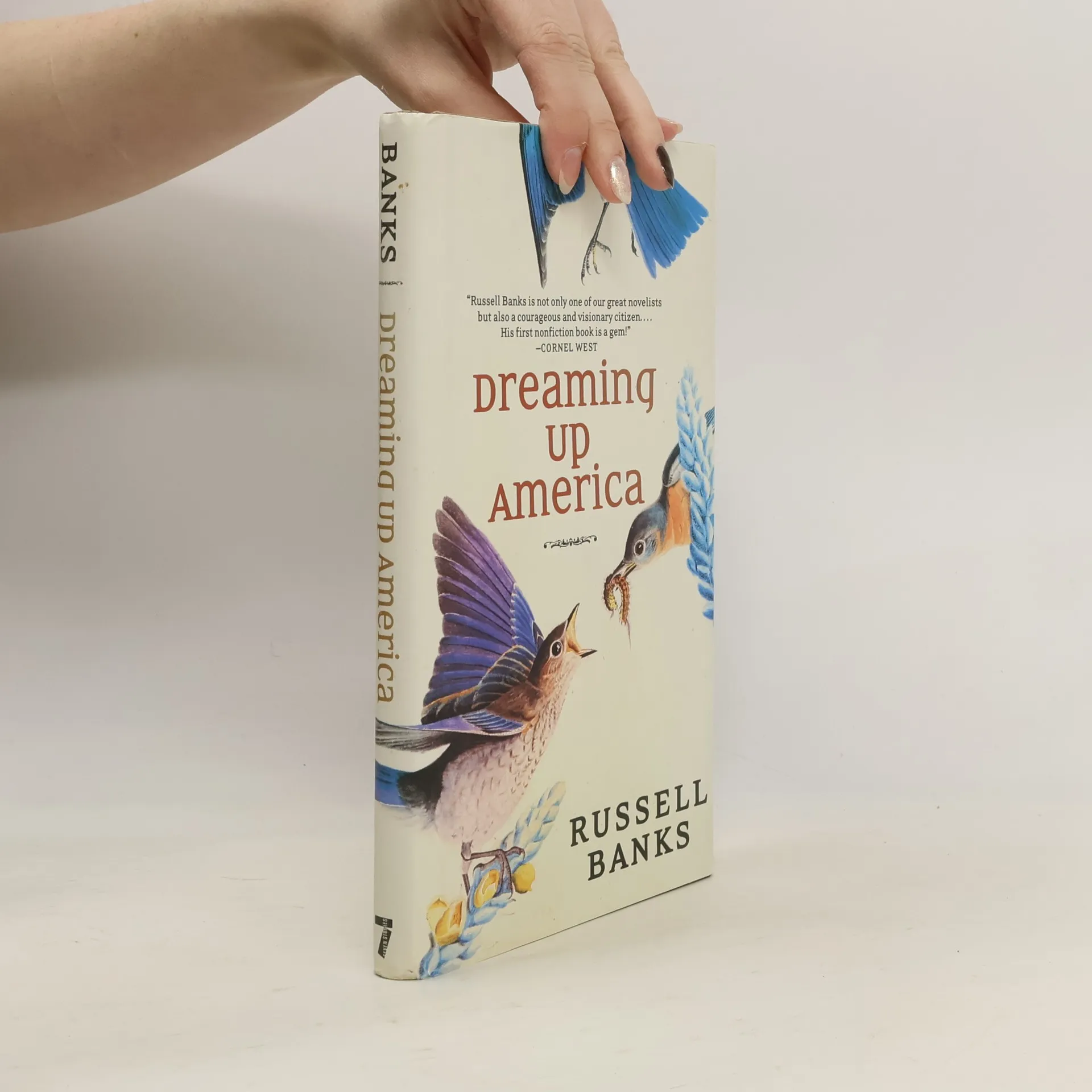
American Spirits
- 208 Seiten
- 8 Lesestunden
From one of America’s most celebrated storytellers come three dark, interlocking tales about the residents of a rural New York town, and the shocking headlines that become their local mythologies.


Russell Banks' Schaffen befasst sich mit dem Leben einfacher Menschen, die mit Widrigkeiten und den Komplexitäten des amerikanischen Lebens kämpfen. Seine Erzählungen erforschen oft tiefgründige Themen wie Schuld, Erlösung und die Suche nach Identität. Banks fängt meisterhaft die rohen Realitäten und komplexen Psychologien seiner Charaktere ein und schafft so tief berührende und oft beunruhigende Werke.

From one of America’s most celebrated storytellers come three dark, interlocking tales about the residents of a rural New York town, and the shocking headlines that become their local mythologies.
"In 1971, a property speculator named Harley Mann begins recording his life story onto a reel-to-reel machine. Reflecting on his childhood in the early 20th century, Harley recounts that after his father's sudden death, his family migrated down to Florida-mere miles away from what would become Disney World-to join a community of Shakers. Led by Elder John, a generous man with a mysterious past, the colony devoted itself to labor, faith, and charity, rejecting all temptations that lay beyond the property. Though this initially saved Harley and his family from complete ruin, when Harley began falling in love with Sadie Pratt, a consumptive patient who lived on the grounds, his loyalty to the Shakers and their conservative worldview grew strained and, ultimately, broke. As Harley dictates his story across more than half-a-century, the truth about Sadie, Elder John, and the Shakers comes to light, clarifying the past into a world we recognize today"-- Provided by publisher
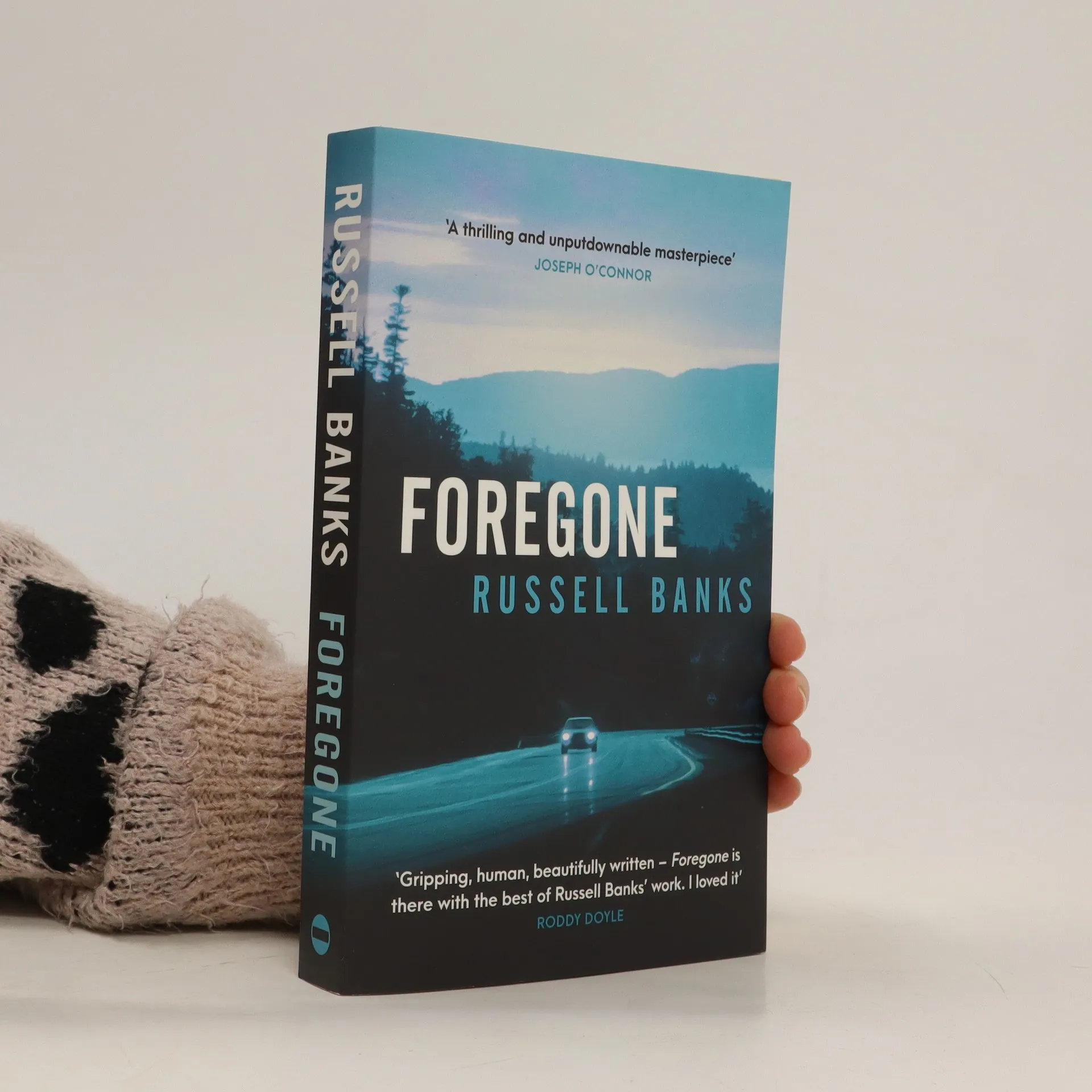
At the centre of Foregone is famed Canadian American leftist documentary filmmaker Leonard Fife, one of sixty thousand draft evaders and deserters who fled to Canada to avoid serving in Vietnam. Fife, now in his late seventies, is dying of cancer in Montreal and has agreed to a final interview in which he is determined to bare all his secrets at last, to demythologise his mythologised life.
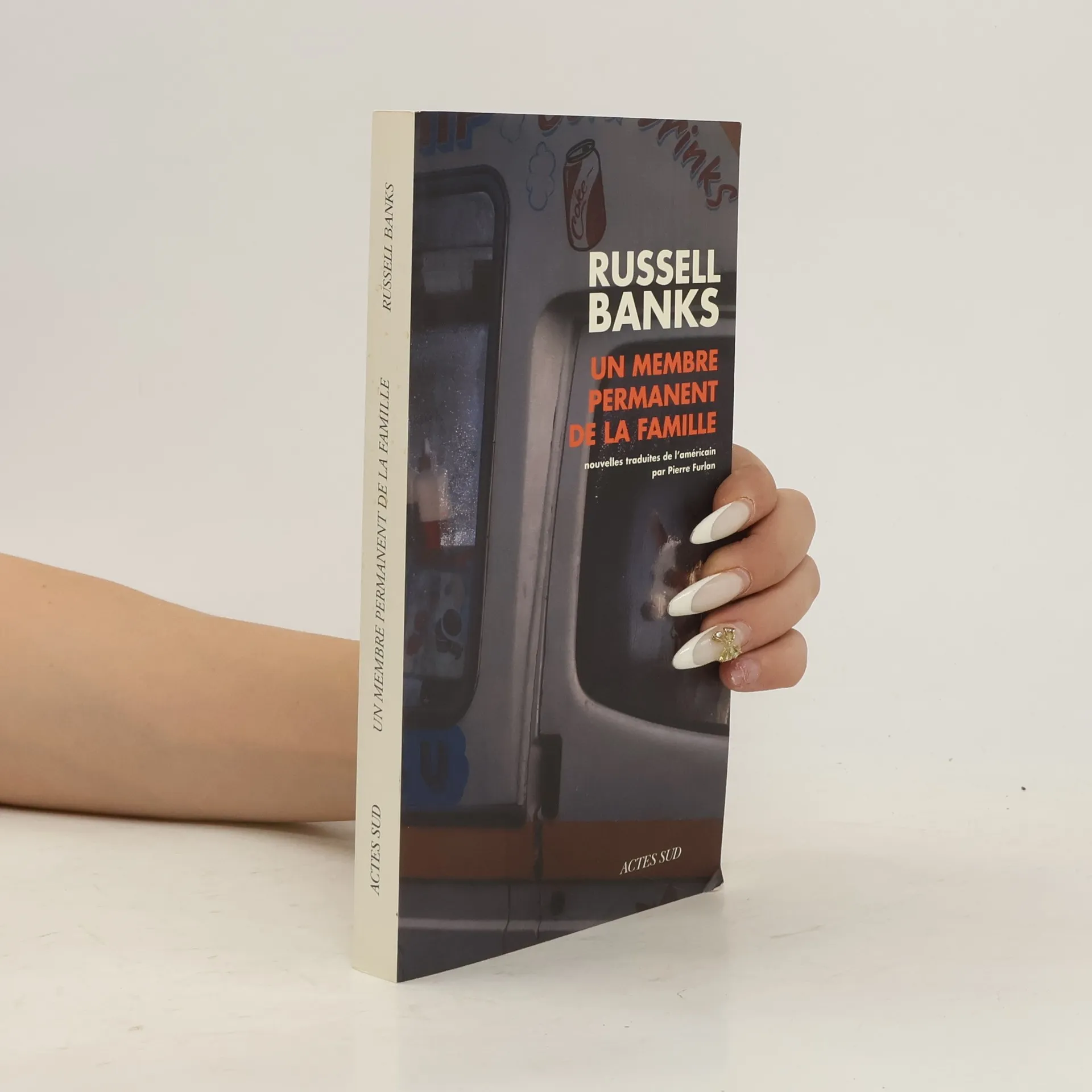
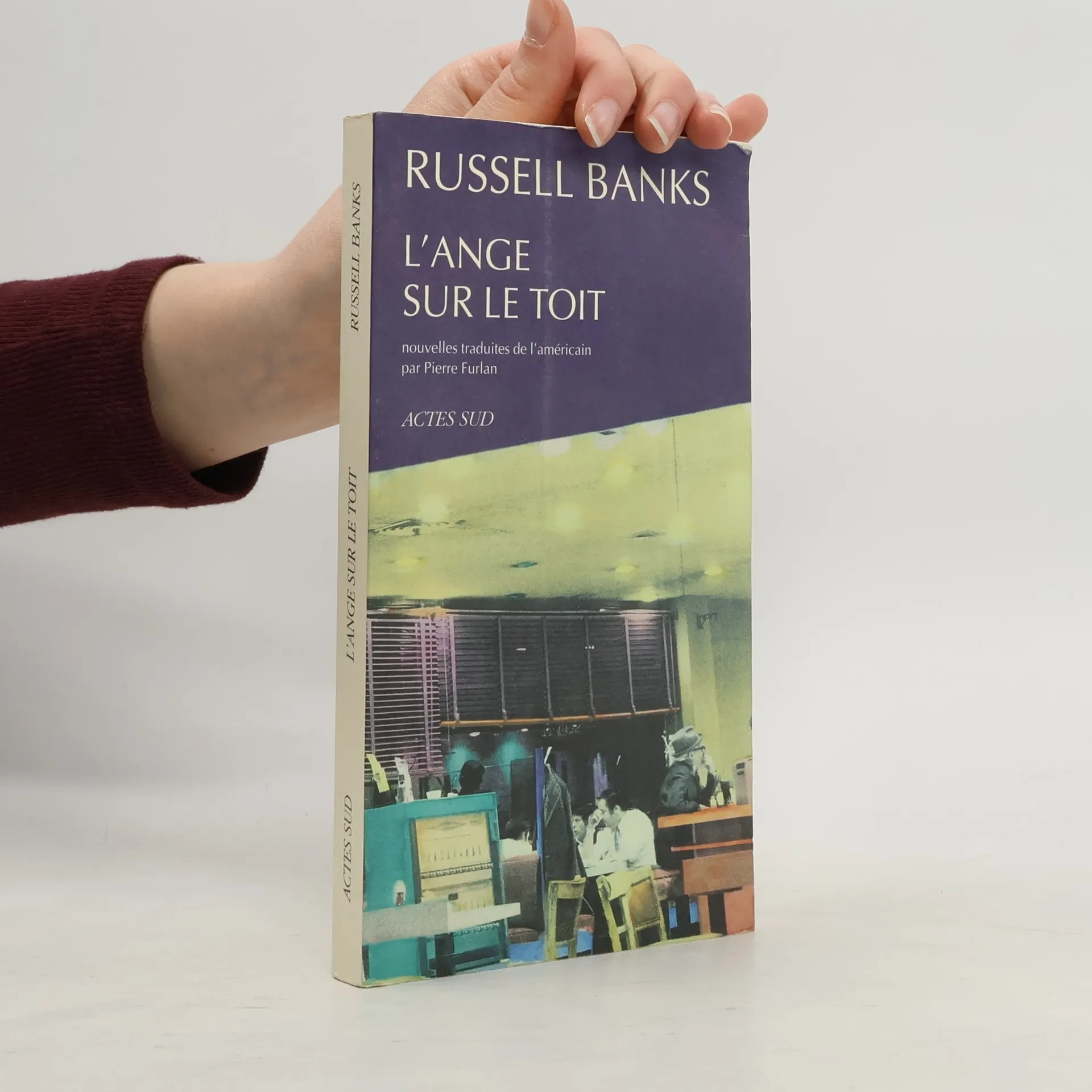
Douze nouvelles placées sous le signe d’une sobriété stylistique digne de Raymond Carver au fil desquelles des couples divorcent, des femmes noires sont traquées par des pit-bulls sur des parkings, où la liste des courses à effectuer au supermarché finit par se confondre avec un programme de vie, où des mythomanes prennent leurs semblables en otage, où la mort frappe les hommes comme les animaux, où l’on écoute battre sous la poitrine d’un autre le cœur transplanté d’un amour décédé. Au sommet de son art et avec une superbe économie de moyens, Russell Banks propose ici un recueil de textes dont l’intensité transmue le réel et le quotidien en authentiques paraboles métaphysiques.
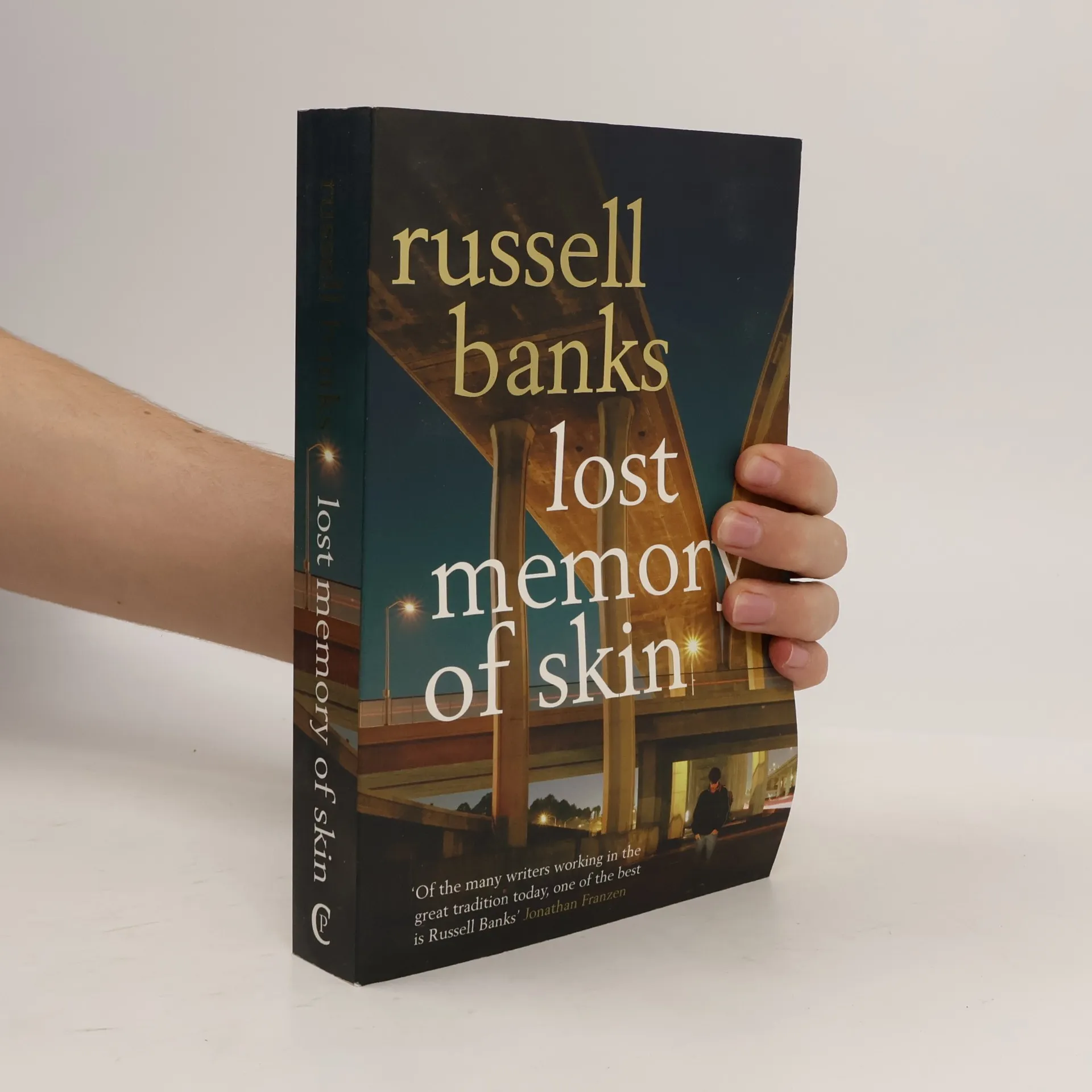
The Kid, ein einsamer junger Mann, kommt wegen einer Dummheit ins Gefängnis. Nachdem er seine kurze Haftstrafe abgebüßt hat, wird er während der Bewährungszeit rund um die Uhr elektronisch überwacht. In seiner Stadt darf er sich fortan nicht mehr frei bewegen. Er hat keine andere Wahl, als ein Dasein unter einer Autobahnbrücke am Rande der Gesellschaft zu fristen. Russell Banks beschreibt das Leben der Außenseiter und Geächteten von heute, die den Elementen und der staatlichen Überwachung gleichermaßen ausgesetzt sind. Kid bleibt nur die Flucht in die Wildnis. Doch auch hier holt ihn die Vergangenheit wieder ein. Im seinem Schicksal spiegeln sich die Abgründe der amerikanischen Justiz und der modernen Informationsgesellschaft, die kein Recht auf Vergessen duldet.
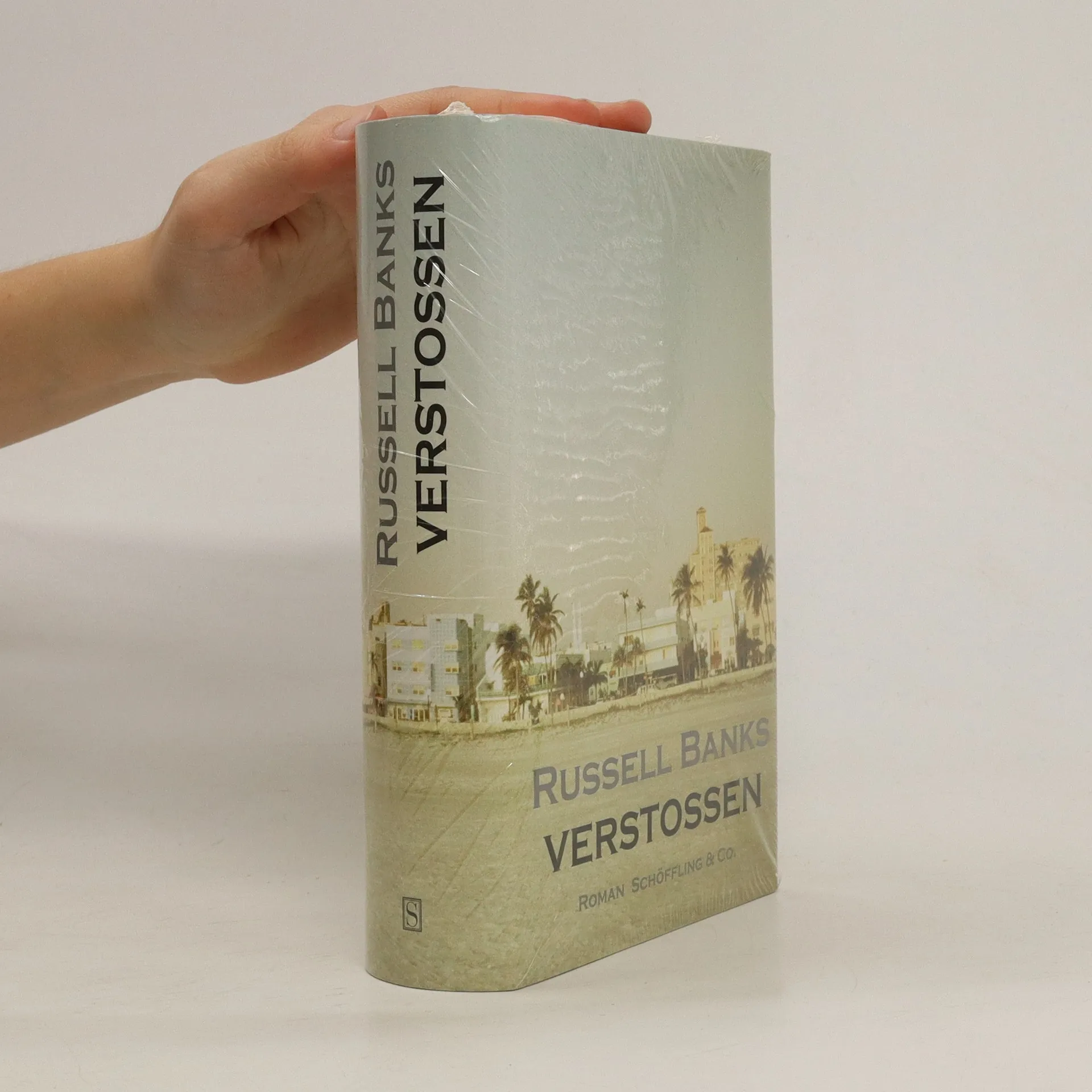
The acclaimed author of The Sweet Hereafter and Rule of the Bone presents a provocative novel that explores the darker aspects of contemporary American culture. At its center is the Kid, a young man navigating life after incarceration for a crime involving an underage girl. Restricted by a GPS device and prohibited from living near children, he finds himself in a makeshift encampment under a South Florida causeway, surrounded by other convicted sex offenders. Despite his crime, the Kid remains, in many ways, an innocent, grappling with impulses and choices he struggles to understand. Enter the Professor, a sociologist with a complex past who sees the Kid as the ideal subject for his research on homelessness and recidivism. Their tentative partnership develops, with the Kid wary of the Professor's motives while accepting his guidance and support. However, when their camp is raided and a hurricane devastates their settlement, the Professor attempts to help the Kid while teaching him to reflect on his actions. As the Professor's own past threatens to unravel his life, the dynamic between them shifts, forcing the Kid to reassess his beliefs and face new moral dilemmas. Russell Banks, known for his keen insights into human nature, delves into the blurred lines between intention and action in this masterful work of contemporary fiction. Through powerful and lyrical language, the novel examines a society where zero tolerance has st
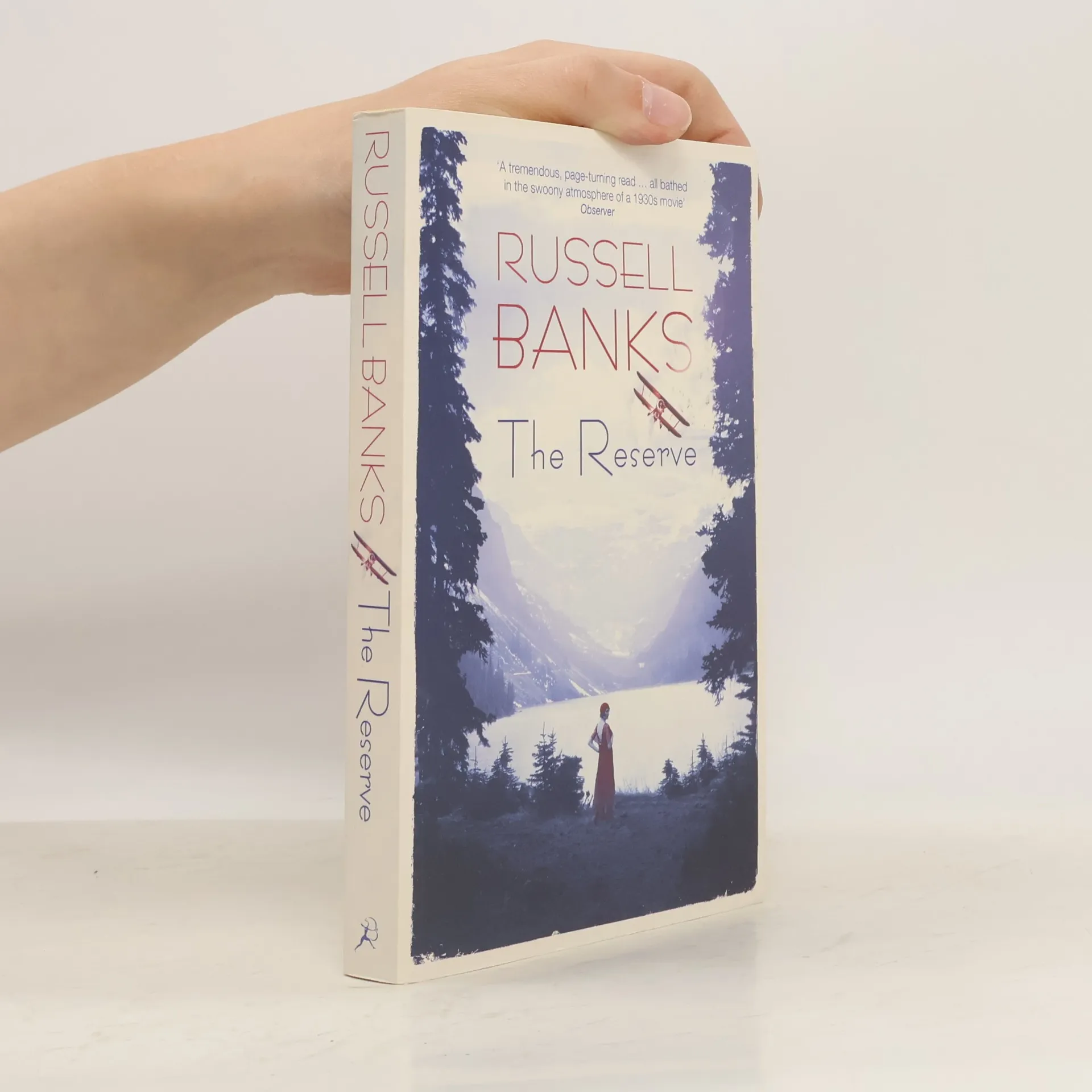
An addictively readable story of lives lived under the encroaching shadow of WWII
Exploring themes of origins, values, and national contradictions, Russell Banks engages with contemporary politics and culture through a reflective lens. His writing combines conversational style with emotional depth, incorporating insights from literature, film, and American history to examine the complexities of the American experience.
Die berührende Geschichte einer ungewöhnlich starken Frau zwischen Afrika und Amerika Hannah Musgrave lebt seit Jahren auf einer abgelegenen Farm im Osten der USA. Niemand in dem kleinen Ort weiß von ihrem bewegten Leben: Hannah war in den 60ern Mitglied einer radikalen Studentenbewegung und musste sich vor dem FBI verstecken. Sie floh nach Liberia und begann ein neues Leben. Doch als dort der Bürgerkrieg ausbricht, wird sie ausgewiesen. Jetzt, mit 60 Jahren, wagt sie endlich nachzuforschen, was aus ihren drei Söhnen geworden ist, die sie damals zurückließ …
L’une des choses les plus difficiles à dire à quelqu’un est celle-ci : j’espère que vous m’aimerez sans raison particulière. C’est pourtant ce que nous voulons tous dire les uns aux autres — à nos enfants, à nos parents, à nos compagnons, à nos amis et à des inconnus — en ne l’osant que rarement. Peut-être même surtout à des inconnus qui n’ont ni de bonnes, ni de mauvaises raisons de nous aimer. C’est pour cela que nous échangeons des histoires en priant que cet ange sur le toit les transforme au cours de la narration, qu’elles deviennent crédibles et parlent de nous tous, qui que nous soyons les uns pour les autres.
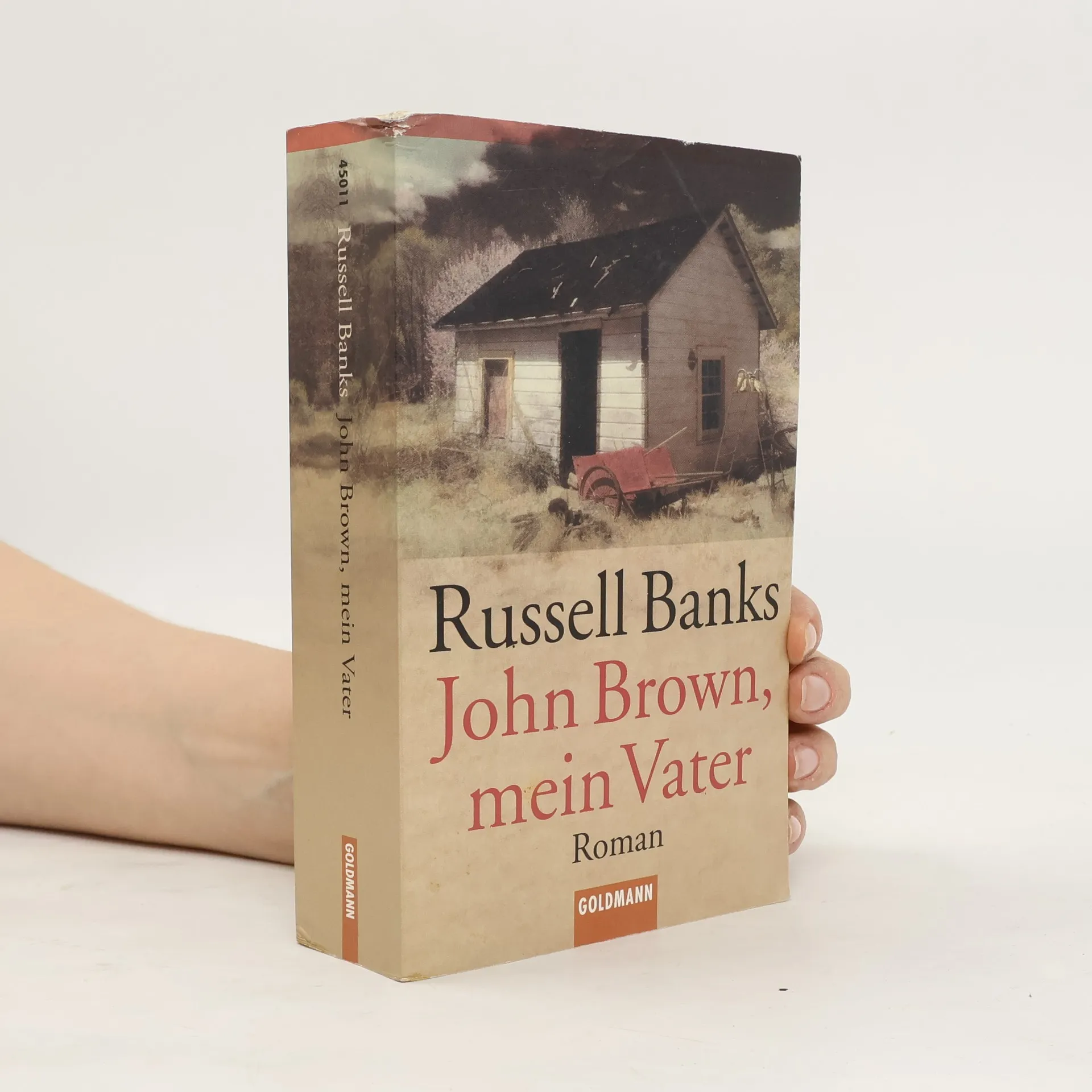
In diesem historischen Roman über den Sklavereigegner John Brown erweckt Russell Banks die unruhigen Jahre vor dem amerikanischen Bürgerkrieg zum Leben und beleuchtet die jahrhundertealte Rassenfrage in den Vereinigten Staaten. John Brown, umstritten als Heiliger, Irrer oder Verbrecher, spielt eine entscheidende Rolle in der Geschichte Amerikas. Am 16. Oktober 1859 überfällt er mit siebzehn Getreuen das Waffendepot in Harpers Ferry, um einen Sklavenaufstand zu entfachen. Doch kein Sklave schließt sich ihnen an, und viele seiner Mitstreiter, darunter zwei seiner Söhne, sterben. Brown wird zwei Monate später hingerichtet. Plagend von Schuldgefühlen und Selbstzweifeln, schreibt Owen Brown, einer der wenigen Überlebenden, Ende des 19. Jahrhunderts in einer kalifornischen Berghütte die Geschichte seines Vaters nieder, als Antwort auf die Anfragen einer Historikerin, die an einer Biographie arbeitet. Der Werdegang John Browns vom gemäßigten Abolitionisten zum gewalttätigen Terroristen und die politische Situation vor dem Bürgerkrieg sind zentrale Themen. Gleichzeitig reflektiert Owen über sein eigenes Leben und die komplexe Beziehung zu seinem strengen, religiösen Vater, dessen Fanatismus und gescheiterte Geschäfte die Familie in eine Abwärtsspirale führen.
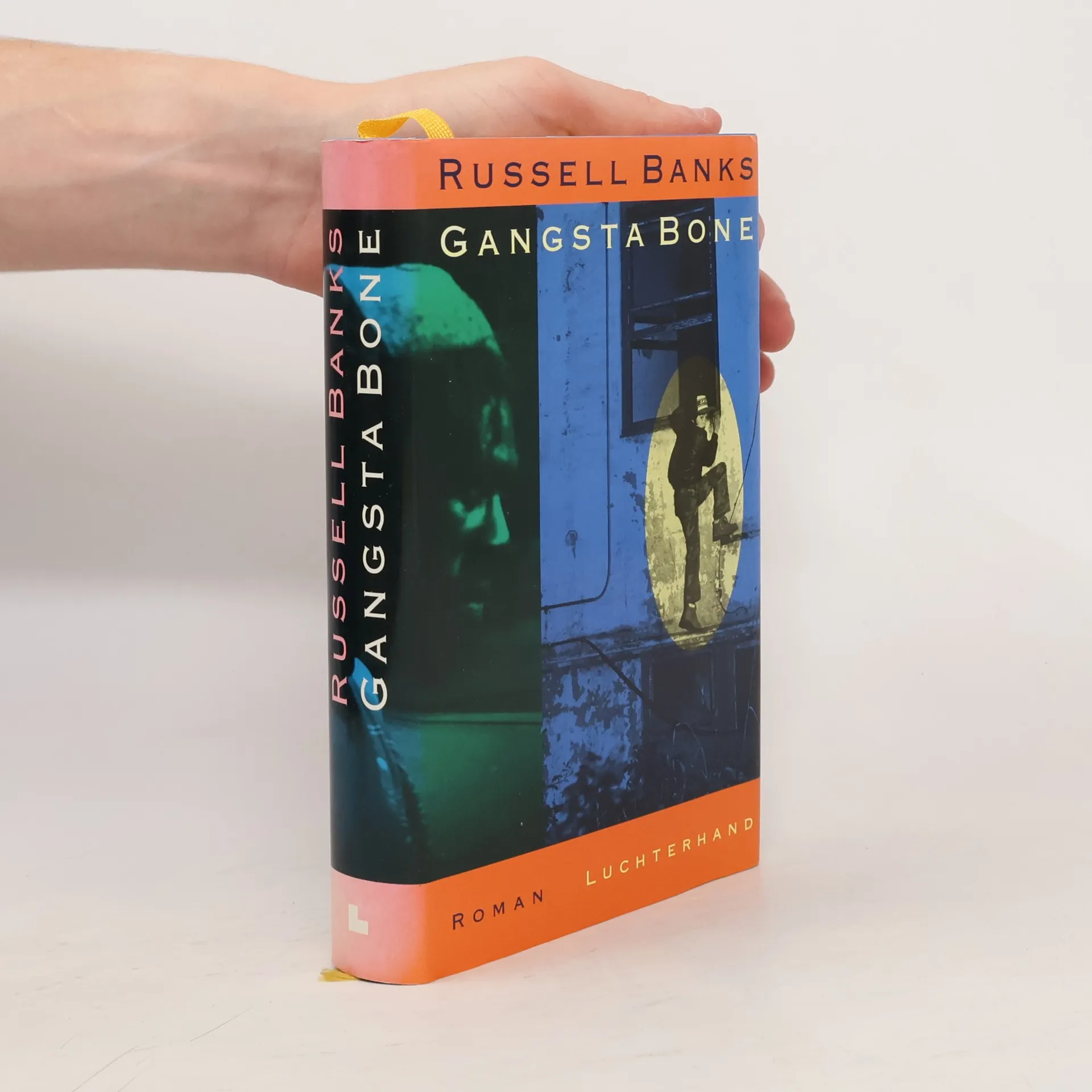
Der junge Chappie fühlt sich nicht so recht verstanden. Sein Stiefvater nervt, und die Mutter trinkt. Kann man es ihm da verübeln, daß er die mütterliche Münzsammlung heimlich versilbert? Aber anstatt danach die erhoffte Zuwendung zu bekommen, wird Chappie von seiner Mutter und ihrem Lover kurzerhand auf die Straße gesetzt. Doch einer wie Chappie läßt sich davon nicht unterkriegen. Er beschließt vielmehr, sich fortan martialisch -Bone- zu nennen und sich auf eigene Faust durchs Leben zu schlagen. Und sich eines Tages auf die Suche nach seinem wahren Vater zu machen.
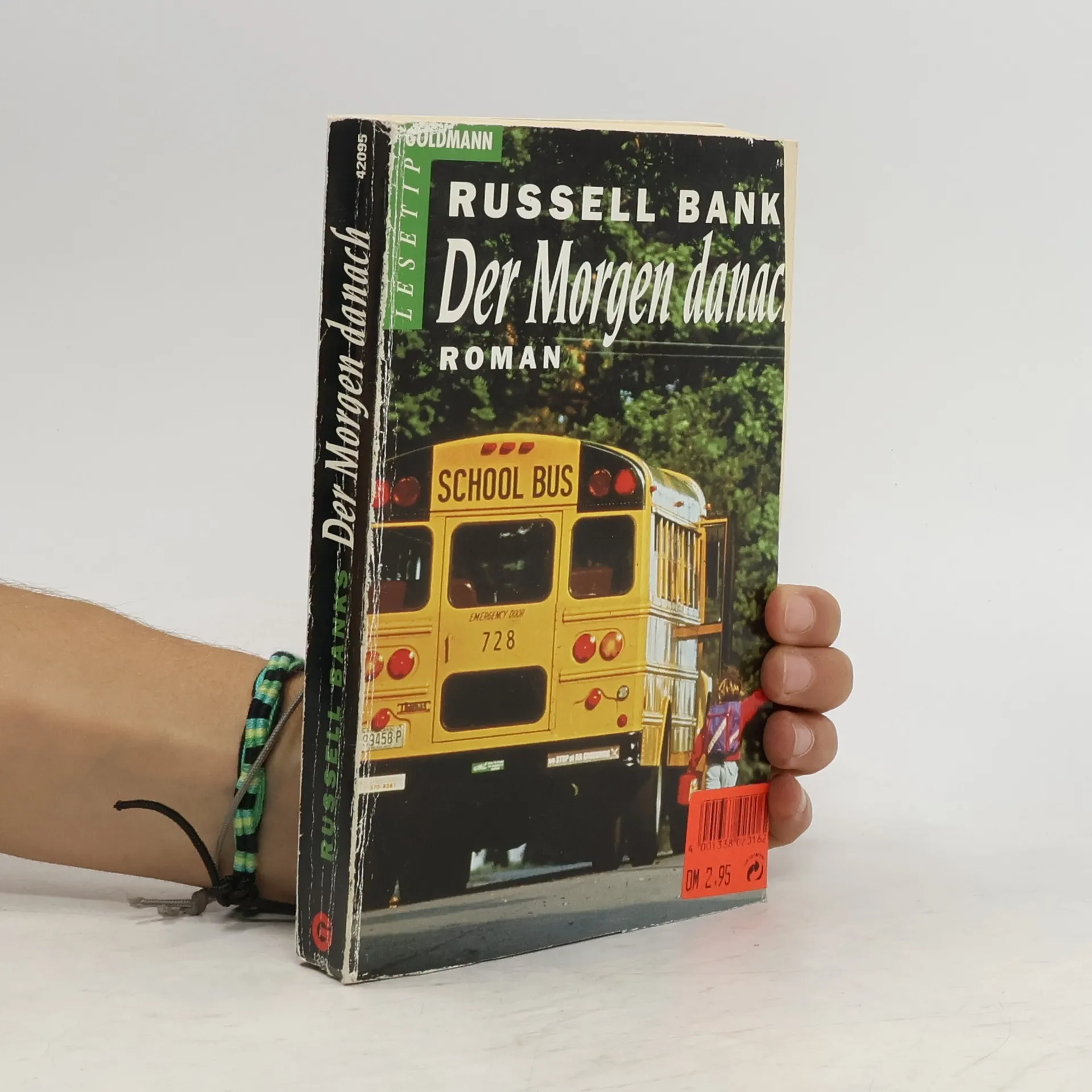
Die Reaktion einer kleinen Stadt auf den unerklärlichen Verlust ihrer Kinder bei einem Schulbusunfall.
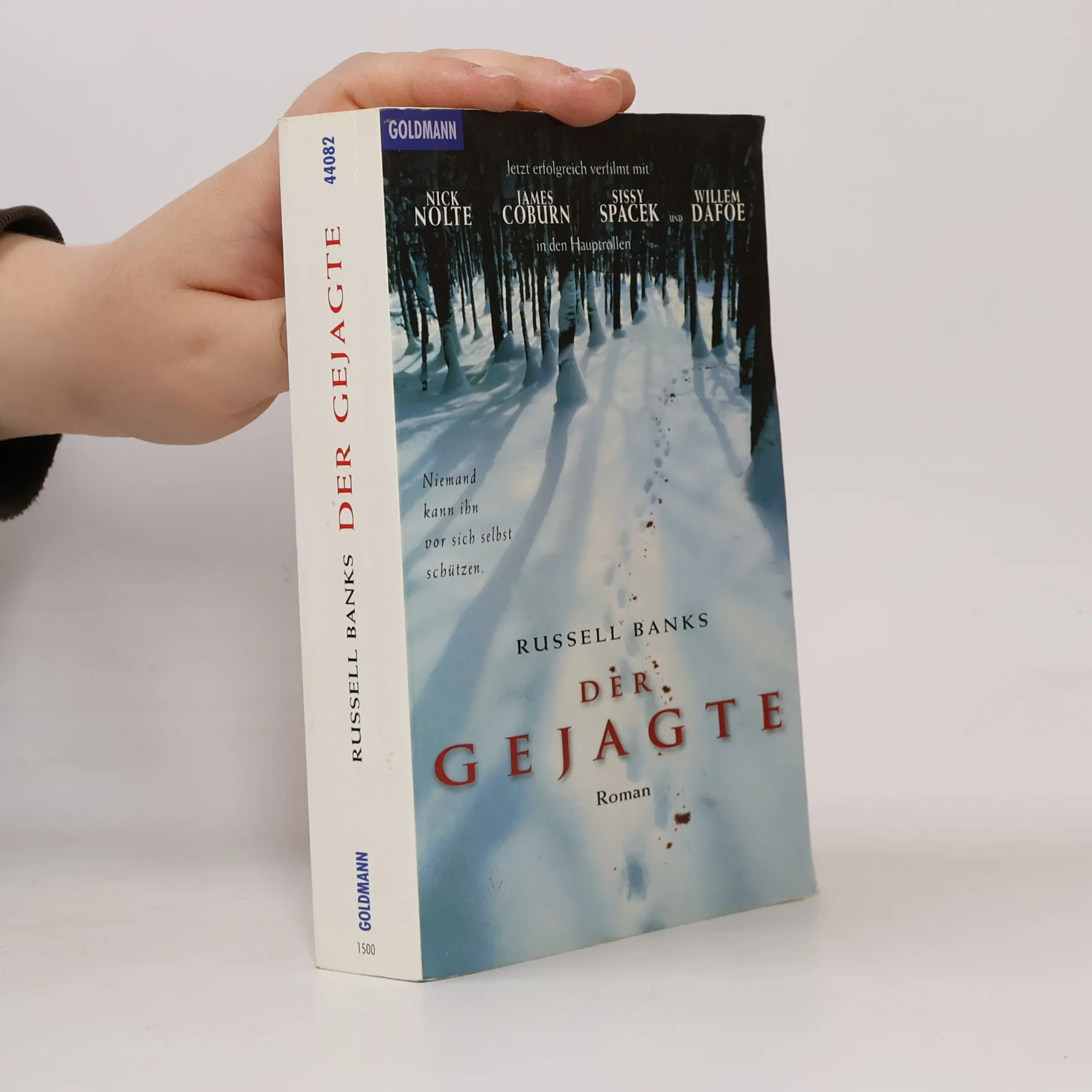
In einem ist sich die kleine Stadt an der Ostküste einig: Wade Whitehouse ist der König der verpaßten Möglichkeiten. Aber jeder Mann hat das Recht auf eine zweite Chance. Und Wade, der Teilzeitpolizist, der ein bißchen zuviel trinkt, vielzuviel flucht und viel zu wenig liebt, ist fest entschlossen, sie zu nutzen. Als bei einem undurchsichtigen Jagdunfall ein Mann ums Leben kommt, beginnt Wade, auf eigene Faust nach dem Mörder zu suchen.
Originally published by Harper in 1985 to great acclaim, "Continental Drift" is an American masterpiece about innocence and evil by one of the most important novelists writing today.