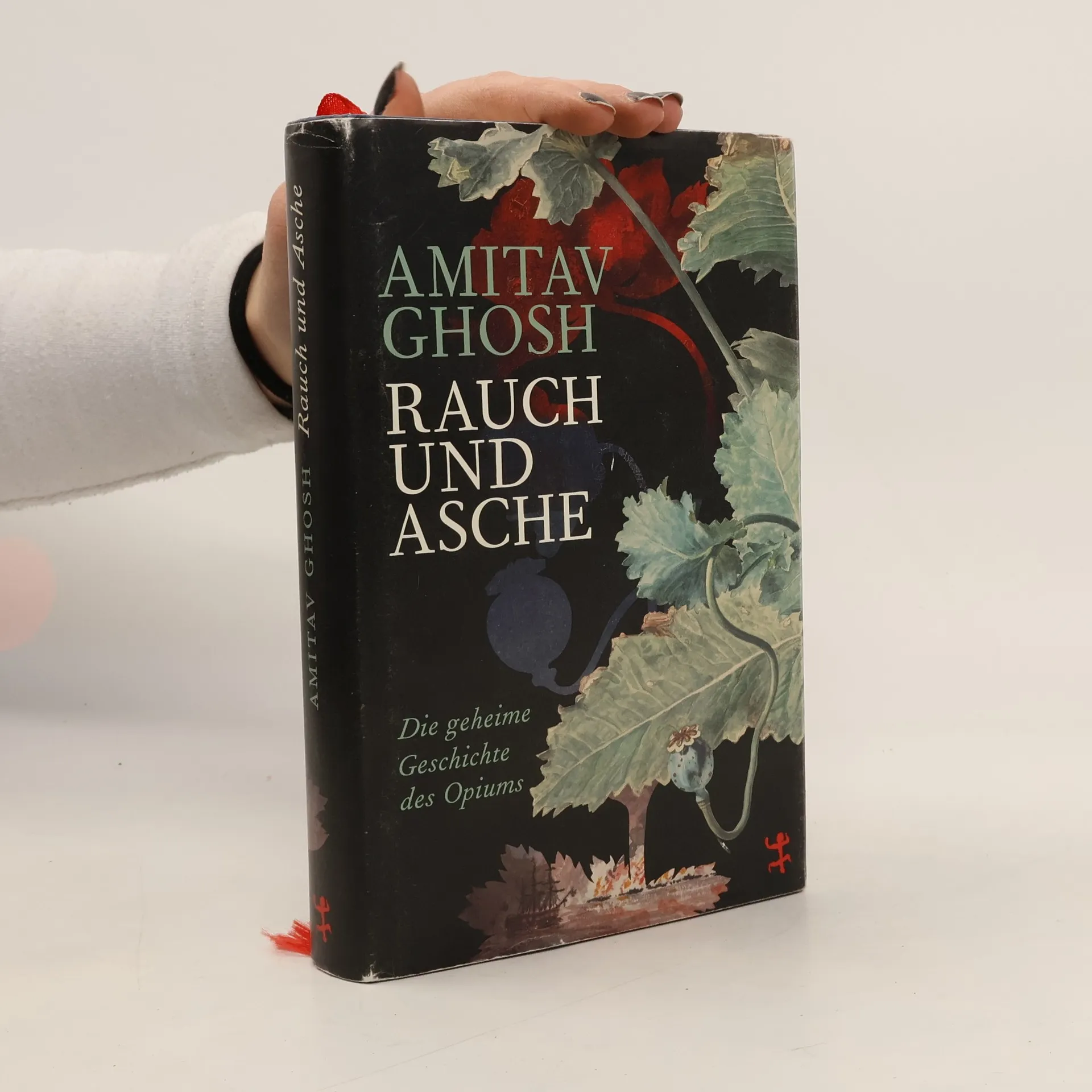
In einer mitreißenden Mischung aus Reisebericht, Memoir und historischem Essay zeichnet der indische Autor die Anfänge des weltweiten Opiumhandels ab dem 19. Jahrhundert nach und macht deutlich, dass dessen Auswirkungen bis in die heutige Zeit reichen: von den mächtigsten Familien und prestigeträchtigsten Institutionen, deren Reichtum sich den Einnahmen aus dem Opiumgeschäft verdankt, bis hin zur amerikanischen Opioid-Epidemie und dem Oxycontin-Skandal. Während der jahrzehntelangen Archivrecherche für seine Ibis-Romantrilogie stellte Amitav Ghosh mit Erstaunen fest, dass die Lebenswege und Handelsrouten zahlreicher Menschen, auch seiner eigenen Vorfahren, im 19. Jahrhundert mit einer einzigen Pflanze verwoben waren: der Mohnblume. Das Britische Weltreich sicherte sich durch ihren Anbau in den indischen Kolonien die Handelsfähigkeit mit China, indische Bauern wurden über Jahrhunderte hinweg in prekärer Abhängigkeit gehalten, und die chinesische Bevölkerung wurde von einer unaufhaltsamen Drogenepidemie überspült. Währenddessen hofften internationale Handelsleute stets auf Reichtum durch die Beteiligung am Opiumhandel.
Amitav Ghosh Reihenfolge der Bücher (Chronologisch)
Amitav Ghosh zählt zu den bekanntesten indischen Schriftstellern, dessen Werke sich mit historischen Ereignissen, Erinnerung und deren Auswirkungen auf die Gegenwart befassen. Sein Schreiben zeichnet sich durch sorgfältige Recherche und vielschichtige Charaktere aus, die sich durch komplexe soziale und politische Landschaften bewegen. Ghosh erforscht Themen wie Kolonialismus, Migration und Kulturschock, wobei er oft vergessene Erzählungen und marginalisierte Stimmen hervorhebt. Seine stilistische Brillanz und sein tiefgründiger Einblick in die menschliche Verfassung machen ihn zu einem herausragenden Erzähler.





Wild Fictions
- 288 Seiten
- 11 Lesestunden
A diverse collection of essays spanning 25 years, this book showcases the author's reflections and insights published in various journals and periodicals. It explores a range of themes and ideas, offering readers a glimpse into the evolution of the author's thoughts and the literary landscape over time. Each essay captures unique perspectives, making it a rich tapestry of personal and intellectual exploration.
The Booker-shortlisted author of the Ibis trilogy explores the impact of opium on global history, economies, cultures, and his own understanding of self.
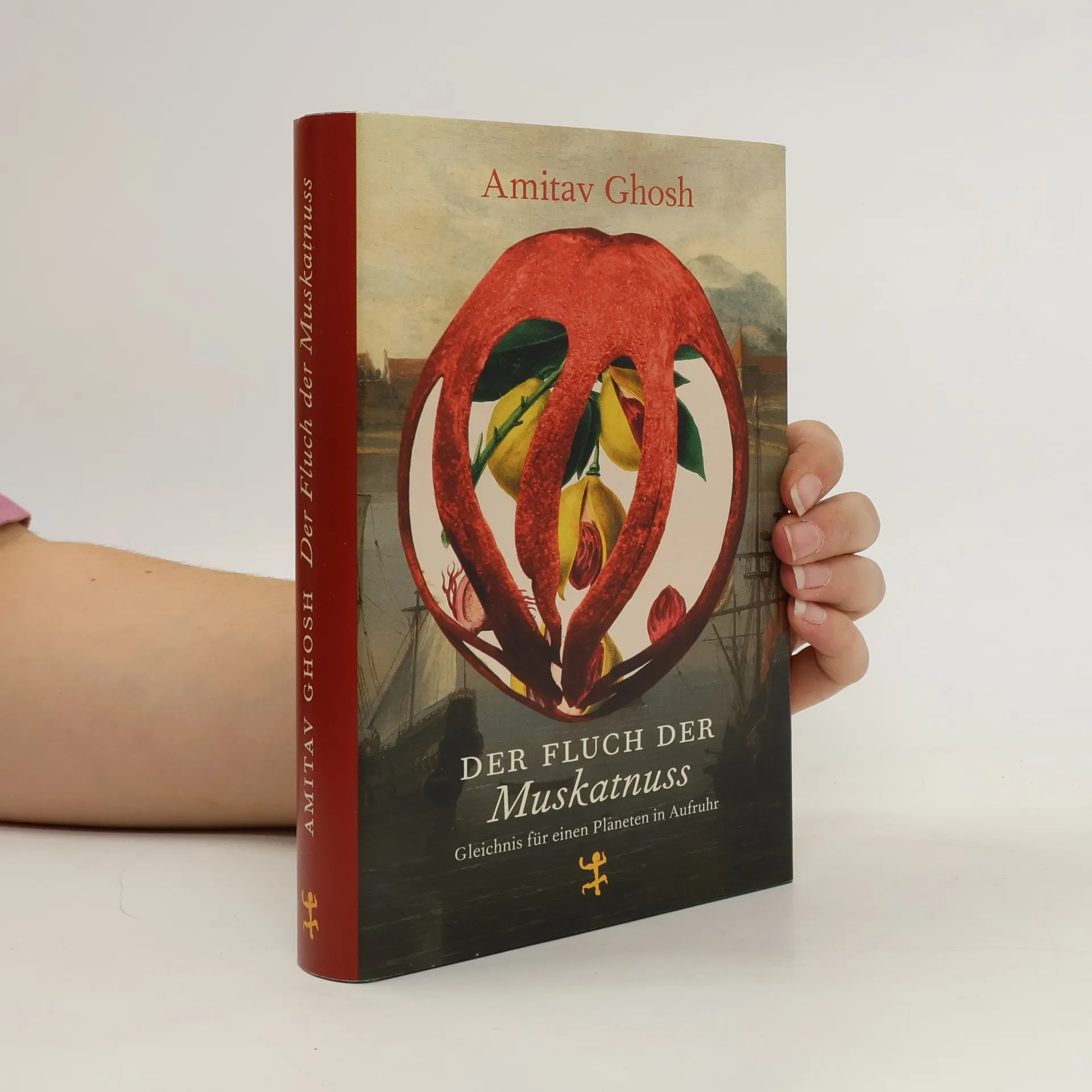
Auf einer indonesischen Insel fällt eine Öllampe zu Boden, kurz danach begehen niederländische Soldaten ein Massaker an den Inselbewohnern. Wie hängen diese beiden Geschehnisse zusammen und was geschah danach? Mit dieser Frage beginnt Amitav Ghosh seine Recherche auf den Spuren der Muskatnuss. Heute alltägliches Gewürz, galt sie im 17. Jahrhundert als Luxusgut ‒ allein eine Handvoll davon reichte aus, um einen Palast zu erbauen ‒, denn die seltene Frucht wuchs nur auf jener Insel, die niederländische Truppen vornehmlich deshalb in Besitz nahmen, um das Handelsmonopol für die Niederländische Ostindien-Kompanie zu sichern. Während Amitav Ghosh die Reise der Muskatnuss nachzeichnet, veranschaulicht er eindrucksvoll die Mechanismen von Kolonialismus und Ausbeutung der Einheimischen sowie der Natur durch westliche Länder. Mitreißend stellt er dabei die Verbindung geschichtlicher Entwicklungen mit aktuellen Realitäten her, verkettet niederländische Stillleben und die Nomenklatur nach Linné mit der Black-Lives-Matter-Bewegung, der Covid-Pandemie und der Standing Rock Sioux Reservation, um zu zeigen, dass der heutige Klimawandel in einer jahrhundertealten geopolitischen Ordnung verwurzelt ist, die vom westlichen Kolonialismus und seiner mechanistischen Weltsicht – die Erde als bloßem Ressourcenlieferant für die Menschheit – geschaffen wurde.
A beautifully illustrated fable from Booker-shortlisted author
The Nutmeg's Curse
- 352 Seiten
- 13 Lesestunden
From the bestselling author of the Ibis trilogy and The Great Derangement, The Nutmeg's Curse is an enthralling, panoramic history of the influence of colonialism on the world today, told through the surprising story of the nutmeg.
Die Inseln
- 368 Seiten
- 13 Lesestunden
Als Deen Datta, Antiquar in Brooklyn, bei einem Besuch in seiner alten Heimat Kalkutta auf eine bengalische Sage um eine Schlangengöttin stößt, lernt er die beiden jungen Männer Tipu und Rafi kennen. Tipu wird bei dem Besuch eines Schreins für die Schlangengöttin von einer Kobra gebissen. Er hat daraufhin seltsame Visionen, Deen wiederum meint, seinen Willen zu verlieren. Ein paar Monate später trifft er Rafi in Venedig wieder: Deen ist als Übersetzer hier, Rafi einer von Hunderten Klimaflüchtlingen. Er wollte gemeinsam mit Tipu noch Europa, doch hat ihn unterwegs verloren.Deen und Rafi machen sich mithilfe einer Gruppe Aktivisten daran, ihn zu finden – und kommen dabei auch der geheimnisvollen bengalischen Legende auf die Spur.
»Höchst selten besitzt ein Autor so erhellende Einsichten und Erzähltalente, dass ein leidlich bekanntes Thema sich plötzlich ganz neu eröffnet. Ghosh ist so ein Autor, und DIE GROSSE VERBLENDUNG ist genau diese Art von Buch.« Naomi Klein Amitav Ghosh, „Meister der Sprache“ ( Die Zeit ) und Romancier von Weltrang, fragt sich, warum der Klimawandel in der Literatur der Gegenwart nicht zur Sprache kommt. Woher rührt unsere große Verblendung, vor der künftige Generationen fassungslos stehen werden? Hat die Kunst in dieser epochalen Katastrophe ihren Meister gefunden? Mit »Die große Verblendung« legt Ghosh ein Essay vor, das nicht nur seine Zunft, sondern uns alle auffordert, ein neues Kapitel der Menschheitsgeschichte zu schreiben und uns eine andere, bessere Welt auszumalen.
Die Flut des Feuers
Roman
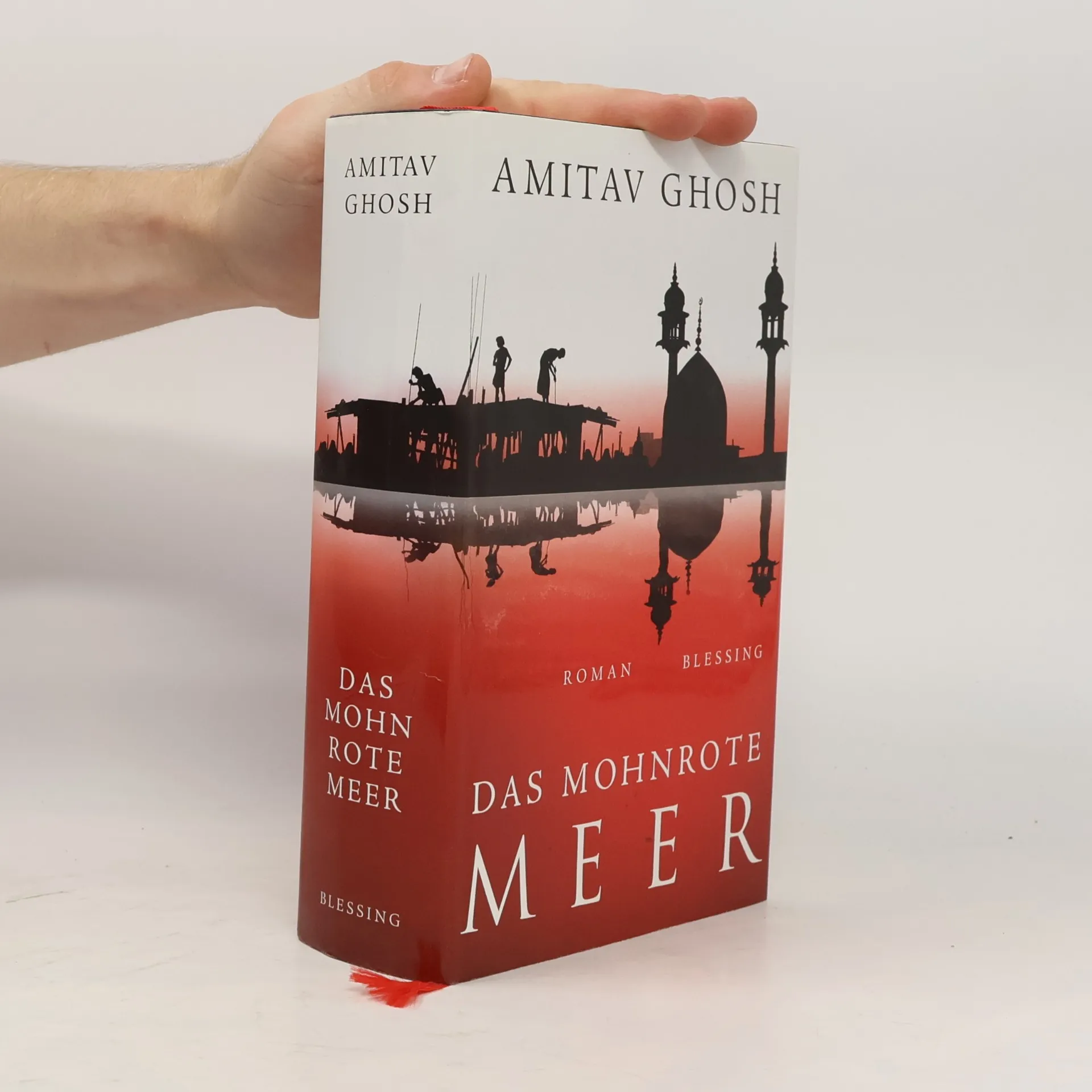
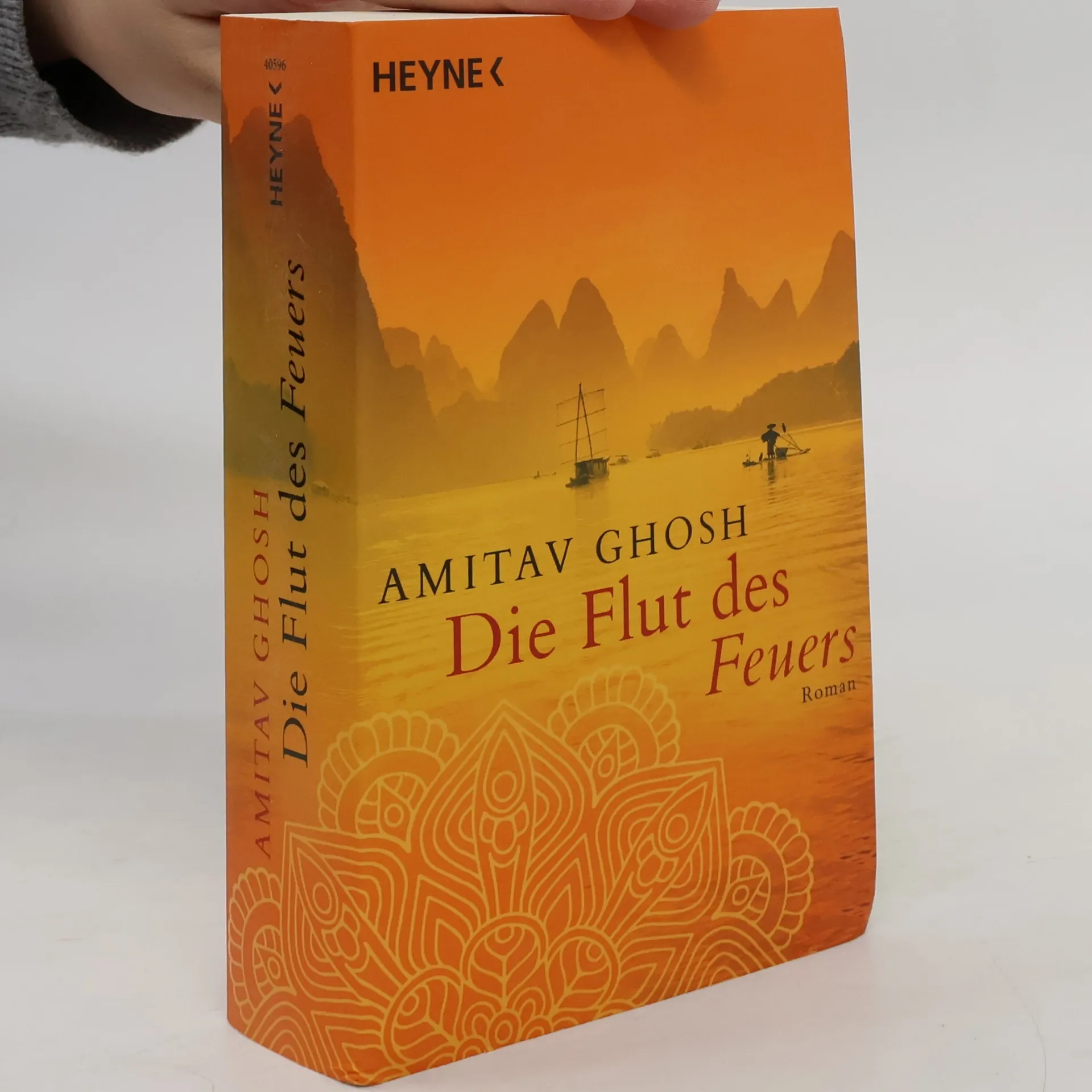
Nachdem China den vornehmlich von den Briten und deren Kolonien betriebenen Handel mit Opium nicht mehr dulden will, erklärt ihm Großbritannien den Krieg. Die Hind ist eines der Schiffe, die bei dem Angriff zum Einsatz kommen sollen und segelt zu diesem Zweck von Bengalen nach China. An Bord sind unter anderem Kesri Singh, ein Kommandant der britisch-ostindischen Armee, der eine Kompanie Soldaten befehligt; außerdem Zachary Reid, ein verarmter junger Seemann, der auf der Suche ist nach seiner verlorenen Liebe ist, und Shireen Modi, die in China die Hinterlassenschaft ihres verstorbenen Mannes, eines erfolgreichen Opiumhändlers, an sich nehmen will. Sie alle geraten schon bald in die Wirren der Opiumkriege, die in Chinas verheerender Niederlage und in der Annektierung Hong Kongs durch Großbritannien enden werden. Eine vor Atmosphäre und Detailfreude flirrende, turbulente, spannende und berührende Geschichte vor der Kulisse Bengalens und Hongkongs, mit der Amitav Ghosh sein großes historisches Panorama über die Opium Kriege, die eine frühe Ära der Globalisierung markieren, fulminant vollendet.
Ghoshova cesta do starobylé země začala v knihovně Oxfordské univerzity, kde při hledání materiálů ke své disertační práci narazil na edici středověké obchodní korespondence, kterou z rukopisů nalezených v geníze káhirské synagogy vydal arabista Šlomo Dov Goitein. Kniha Ve starobylé zemi, která vyšla poprvé roku 1992, spojuje dva příběhy: autorovo autobiografické vyprávění, či vzpomínky z terénního výzkumu (1980-81 a 1988) a historickou rekonstrukci života kupce Ben Jica a jeho otroka Bommy, jehož postava se stává autorovým alter egem. Fascinuje ho na ní už samotná skutečnost, že se tak nevýznamná postava stala shodou náhod součástí psané historie, ale zejména kulturní propustnost světa, v němž on i jeho pán žili.
Ein monumentaler Roman über Ruhm und Leid in einer frühen Ära der Globalisierung Kanton 1838. Über den sagenumwobenen Perlfluss gelangen Glückssucher und Abenteurer aus aller Welt in die chinesische Hafenstadt: Für den jungen Maler Robin Chinnery ist die pulsierende Metropole der ideale Zufluchtsort, um den Heiratsplänen, die seine Mutter für ihn hat, zu entkommen. Der britische Botaniker Fitcher Penrose ist in Begleitung seiner jungen Assistentin Paulette unterwegs nach Kanton, um dort nach einer geheimnisvollen Kamelienart zu suchen, der wahre Zauberkräfte zugesprochen werden. Und der indische Kaufmann Bahram Modi erhofft sich mit der größten Ladung Opium, die er je von Kalkutta nach Kanton transportiert hat, das Geschäft seines Lebens. Es sieht so aus, als würden die Dinge gut für ihn anlaufen, denn man beruft ihn in die Kantoner Handelskammer. Doch dann beginnen die autoritätseinflößenden Mandarine den ausländischen Kaufleuten auf den Leib zu rücken, denn der chinesische Kaiser will den Handel mit Opium verbieten. Und plötzlich stehen alle Zeichen auf Krieg ... Ein schillerndes Epos, ein entlarvender Blick auf die Ursprünge unseres Wirtschaftssystems und eine Verbeugung vor der chinesischen Kulturgeschichte, betörend und spannend zugleich.
Dancing In Cambodia And Other Essays
- 126 Seiten
- 5 Lesestunden
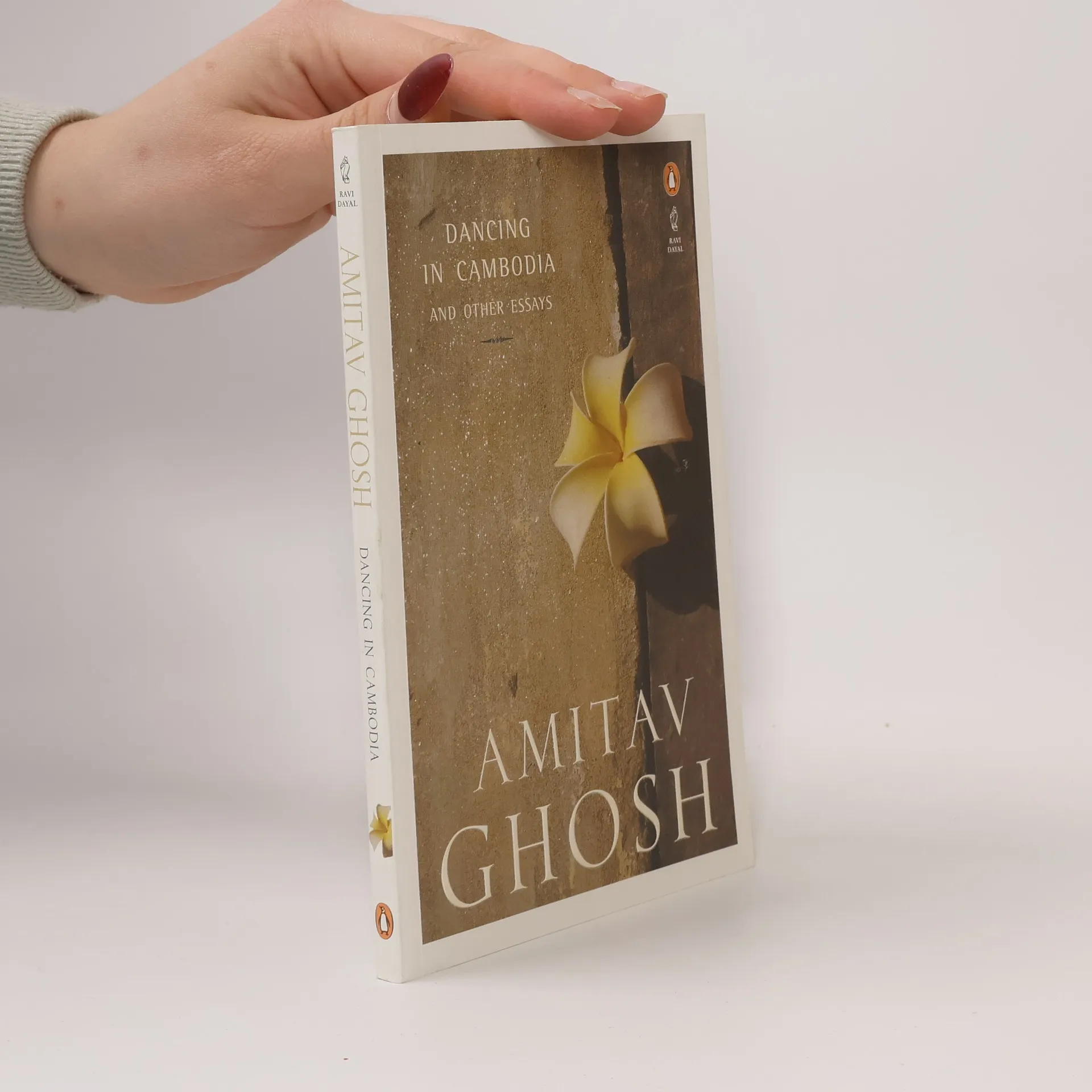
Through extraordinary first-hand accounts Amitav Ghosh presents a compelling chronicle of the turmoil of our times. `Dancing in Combodia recreates the first-ever visit to by a troupe of Cambodian dancers with King Sisowath, in 1906. Ghosh links this historic visit, celebrated by Rodin in a series of sketches, to the more recent history of the Khmer Rouge revolution. The Town by the Sea records his experiences in the Andaman and Nicobar Islands just days after the tsunami; and in September 11 he takes us back to that fateful day when he retrieved his young daughter from school in New York, sick with the knowledge that she will be marked by the same kind of tumult that has defined his own life.
Maudiegirl And The Von Bloss Kitchen
- 472 Seiten
- 17 Lesestunden
Nobody And The Whole Of Boteju Land Agreed Could Cook Like Maudiegirl. She Wielded A Wizard's Wand Not Only In The Kitchen But Also Over Domestic Problems, However Large In Magnitude; From Predicting The Sex Of An Unborn Child To Knowing More Than A Dozen Ways To Cook Eels; From Cutting A Goat In The Right Way To Setting Failing Marriages Straight; From Nursing The Ailing To Health To Keeping The Best Kitchen, Maudiegirl Had A Solution To Every Little Problem. Her Home Was Her Castle And The Kitchen Her Domain. In The Fourth Serving Of His Burgher Chronicles, Carl Muller Reverts To His Favourite Family, The Von Blosses Of His First Burgher Book The Jam Fruit Tree. A Hungry Family And A Wonderful Cook, A Kind Paedophile, A Cantankerous Mother-In-Law, A Disloyal Husband, Good-For-Nothing Uncles, Prudish Pentecostals, Dunnyboy's Exhibitionism, Sonnaboy'S Show-Of-Strength The Author Captures The Hallmarks Of The Von Blosses Days And Ways In His Quintessentially Irreverent, Witty And Heart-Warming Style. Grandmama's Kitchen Features Many Of Maudiegirl's Famous Recipes Making The Book A Treat Not Only For Muller Fans But Also For The Senses! (Muller) Tells His Tale With A Gentle Humour Often Bordering On Tenderness, But Couched In The Vigorous Rugged Localese. Almost Immediately We Find Ourselves Empathizing With Muller'S Roistering Band That Sins And Prays With Equal Zest. Business Standard
1838 schuften Menschen in Indien für die englische Opiumindustrie. Unterdrückung und Kolonialismus, das Aufeinanderprallen von Kulturen, Liebe und Hass sind die Themen dieses Buches.
Die vergangenen Jahrzehnte waren für den indischen Subkontinent von gravierenden Ereignissen geprägt: Indira Gandhi wird ermordet, die indische Regierung führt Atomtests durch, und ein Tsunami fordert Tausende von Opfern. Amitav Ghosh, der bisher vor allem als Romanautor bekannt ist, beleuchtet in seinen erstmals auf Deutsch erscheinenden Essays die entscheidenden politischen, sozialen und kulturellen Entwicklungen seiner Heimat. Seine scharfsinnige Analyse und Menschlichkeit zeichnen seine Texte aus. Ghosh, oft als 'Weltbürger' bezeichnet, lebt seit einem Jahrzehnt in New York, hat in Oxford studiert und sich mit dem islamischen Fundamentalismus beschäftigt. Trotz seines internationalen Lebens bleibt sein Kompass auf den indischen Subkontinent ausgerichtet, wo all seine Werke verankert sind. Seit über zwanzig Jahren verfasst er Essays, die vielfach ausgezeichnet wurden und eine Mischung aus Reiseberichten, Reportagen und autobiografischen Elementen bieten. In "ZEITEN DES GLÜCKS IM UNGLÜCK" versammelt Ghosh Artikel, die sich mit zentralen Themen der indischen Gesellschaft auseinandersetzen, wie der Konfrontation mit Pakistan und dem Katastrophenjahr 1984. Sein persönlicher Fokus ermöglicht einen unverstellten Blick auf eine Region, die sich rasant verändert und zugleich in alten Strukturen verhaftet ist, und fördert ein tieferes Verständnis für die komplexen Herausforderungen, mit denen sie konfrontiert ist.
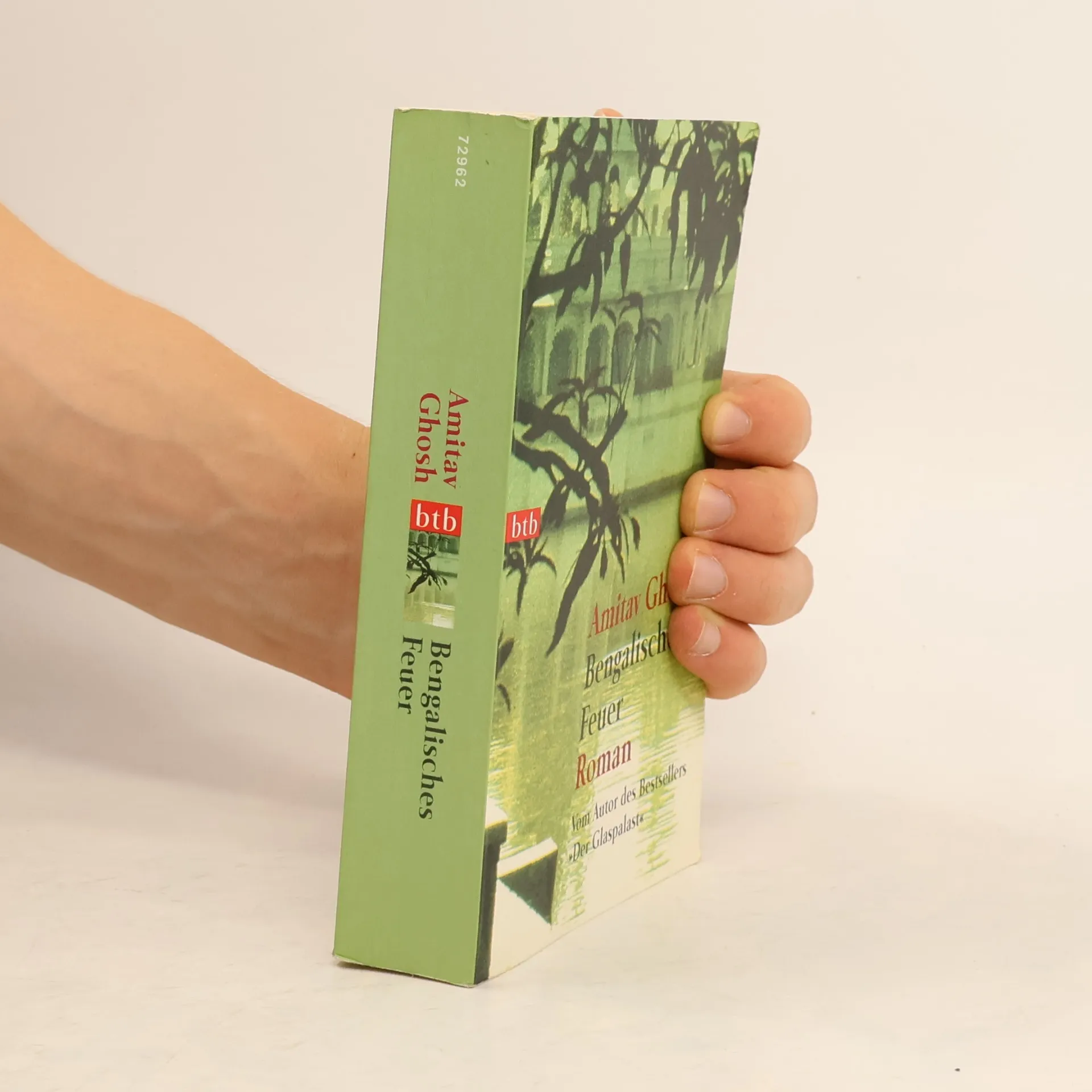
Eine Reise voller Unwägbarkeiten in eine der gefährlichsten Regionen der Erde: die Sundarbans in der Bucht von Bengalen. Dieser gigantische Archipel wird nur bei Ebbe sichtbar und ist ein unbesiedelbares Land, beherrscht von Bengalischen Königstigern. Westliche Tierschutzorganisationen setzen sich seit Jahrzehnten für den Erhalt dieser Raubkatzen ein und haben das 'Projekt Tiger' ins Leben gerufen. Dies geschieht jedoch oft zum Nachteil der Inselbewohner, die jährlich zahlreiche Tigerangriffe zu beklagen haben. Für sie ist jeder, der einen Tiger erlegt, ein Held. Die amerikanische Meeresbiologin Piya kommt in diese gefährliche Region, um Delfine zu erforschen. Der Fischer Fokir beeindruckt sie mit seinem Gespür für das Wasser und führt sie zu den schwer auffindbaren Delfingründen. Während er seine Krebsnetze auswirft, beobachtet sie die Delfine und zwischen ihnen entsteht eine stille Verbindung, obwohl sie keine gemeinsame Sprache sprechen. Vor der Kulisse des undurchdringlichen Mangrovendschungels entfaltet der Geschichtenerzähler Amitav Ghosh ein spannendes Dreiecksdrama, das die verschiedenen Facetten der Liebe zeigt – ihre Schönheit, Abgründe und Macht.
Faszinierende Familiensaga und dramatische Liebesgeschichte in einem, das ist der neue Roman von Amitav Gosh. „Der Doktor Schiwago des Fernen Osten“ (INDEPENDENT ON SUNDAY) fand mit seinem farbenprächtigen Epos über Liebe und Krieg in einem exotischen Land auf der ganzen Welt begeisterte Leser und war auch bei den Kritikern ein Riesenerfolg. Dieser erste große Roman über das geheimnisumwitterte Birma erzählt die Geschichte des jungen Rajkumar, der in einer Imbissbude auf dem Markt von Mandalay 1885 Zeuge des Einmarsches der britischen Truppen wird. Entsetzt beobachtet er die Plünderung des Glaspalastes und muss mit ansehen, wie die Königsfamilie ins Exil gejagt wird. Im Gefolge sieht er die Dienerin Dolly und ist von ihrer Schönheit so bezaubert, dass er ihr Gesicht nie mehr vergisst ...
Het Calcutta-chromosoom: een thriller over koorts, extase en ontdekkingen
- 234 Seiten
- 9 Lesestunden
Das Calcutta-Chromosom
- 285 Seiten
- 10 Lesestunden
In der nahen Zukunft: Antar, ein ägyptischer Teleworker in New York, stellt Nachforschungen über das Schicksal seines verschollenen Kollegen Murugan an. Der war 1995 zu einer umstrittenen Mission nach Kalkutta aufgebrochen, um vor Ort zu beweisen, daß fast hundert Jahre zuvor nicht alles mit rechten Dingen zugegangen war, als der Nobelpreisträger Sir Robert Moss den Malaria-Erreger entdeckte. ----------- 'The Calcutta Chromosome is one of those books that's marketed as a mainstream thriller even though it is an excellent science fiction novel (It won the prestigious Arthur C. Clarke Award). The main character is a man named Antar, whose job is to monitor a somewhat finicky computer that sorts through mountains of information. When the computer finds something it can't catalog, it brings the item to Antar's attention. A string of these seemingly random anomalies puts Antar on the trail of a man named Murugan, who disappeared in Calcutta in 1995 while searching for the truth behind the discovery of the cure for malaria. This search for Murugan leads, in turn, to the discovery of the Calcutta Chromosome, which can shift bits of personality from one person to another. That's when things really get interesting.' to '' original_title: 'The Calcutta Chromosome: A Novel of Fevers, Delirium & Discovery
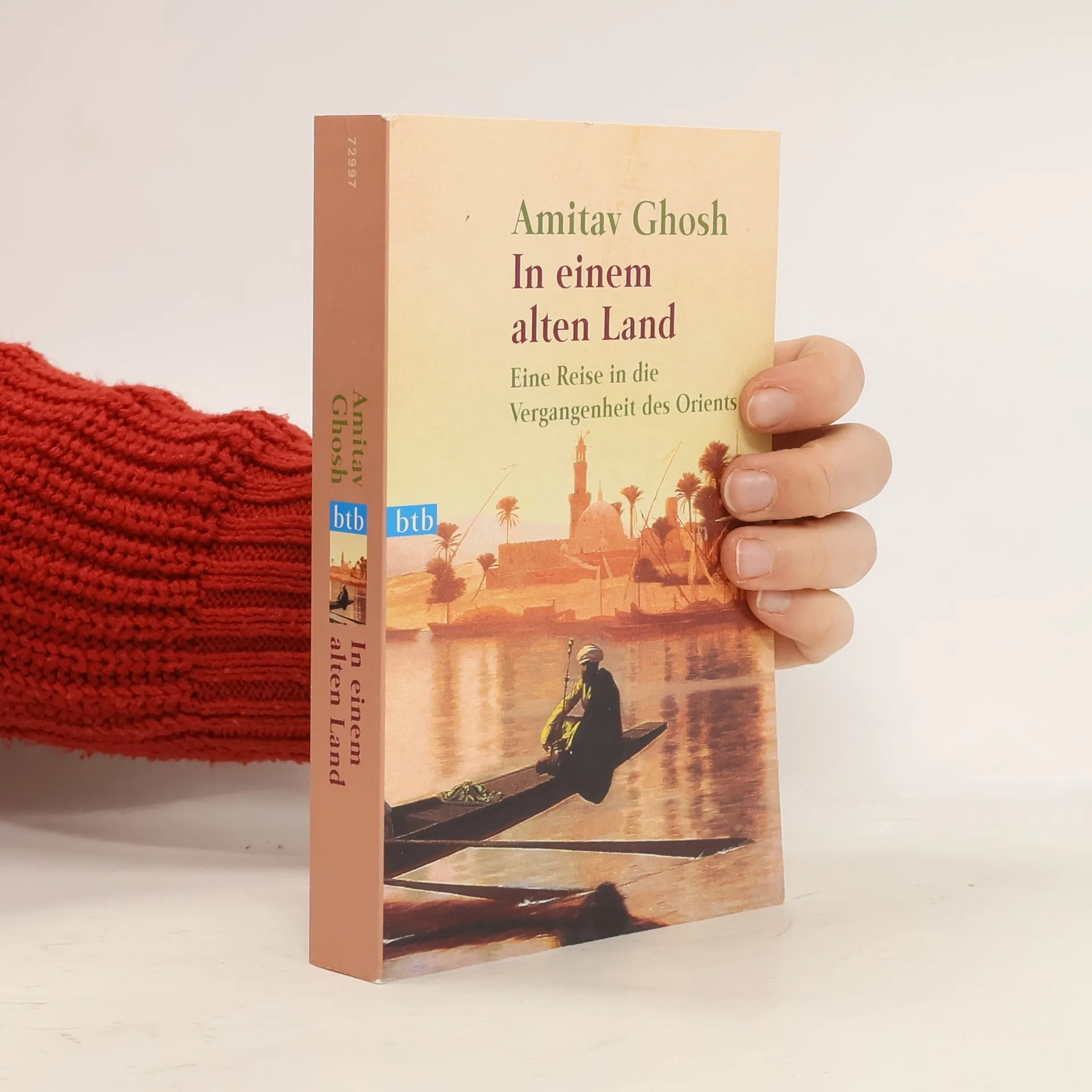
Amitav Ghosh erkundet das glanzvolle arabische Mittelalter. Der große indische Erzähler Amitav Ghosh reist auf den Spuren eines judäo-arabischen Kaufmanns und seines indischen Sklaven in ein oberägyptisches Dorf. Dort will er Ben Yijus Leben erforschen, dessen schriftliche Zeugnisse in einer Kairoer Synagoge entdeckt wurden. Sie zeugen von einer bemerkenswert kosmopolitischen, toleranten Existenz im Mittleren Osten des 12. Jahrhunderts. Der lebensfrohe Jude Ben Yiju steht in regem Briefkontakt mit Moslems in der gesamten orientalischen Welt; er heiratet eine hinduistische Sklavin. Kulturelle, politische und Standesgrenzen scheinen ihm wenig bedeutet zu haben. Zusammen mit der Geschichte der Bewohner des heutigen Dorfes entsteht die Vision einer Weltordnung, die auf kultureller Vielfalt und Toleranz basiert.
Drei Generationen, zwei Kontinente: Ein Junge in Kalkutta träumt von der großen weiten Welt. Er bewundert seine ostbengalische Großmutter und seinen exzentrischen Verwandten, der ihm von seiner Zeit in London während des Zweiten Weltkriegs erzählt. Und dann ist da noch seine Cousine Ila, das erotische Objekt seiner pubertären Begierden, die als Diplomatentochter mit ihren Eltern ständig in der Weltgeschichte herumgondelt. Jahre später muss er allerdings erkennen, dass zwischen Traum und Wirklichkeit Welten liegen. Die Geschichte des Jungen ist die Geschichte eines Menschen zwischen den Kulturen, der versucht, seine Identität zu finden, erzählt von einem der großen indischen Autoren der Gegenwart.
Dass der heute in New York lebende indische Schriftsteller Amitav Ghosh „ein begnadeter Geschichtenerzähler“ (Literary Review) ist, hat er zuletzt mit seinem internationalen Bestseller ‚Der Glaspalast' unter Beweis gestellt. Aber schon sein Debüt, die märchenhafte Geschichte um den indischen Weber Alu, seine füllige Geliebte Zindi sowie den melancholischen Geheimagenten und Vogelliebhaber Jyoti Das, enthält alle Ingredienzen seiner Fabulierkunst, für die er mittlerweile vielfach preisgekrönt ist. Ghosh schildert in seinem farbenprächtigen Abenteuerroman die Odyssee des indischen Webers Alu quer durch Indien, Arabien und Afrika - eine tragikomische Traumreise durch mythische Kulturen im Zwiegespräch mit der westlichen Zivilisation. „Manche Schriftsteller würden mit dem Material, das Amitav Ghosh in seinem ersten Roman verarbeitet hat, ein Lebenswerk bestreiten.“ The Guardian