Bestselling author and New Yorker writer Adam Gopnik embarks on a wildly creative inquiry into perhaps the oldest question: how do we learn a new skill?
Adam Gopnik Reihenfolge der Bücher (Chronologisch)
Dieser amerikanische Schriftsteller ist vor allem als Redakteur für The New Yorker bekannt, wo er Sachbücher, Belletristik, Memoiren und Kritiken veröffentlicht. Sein Schreiben zeichnet sich durch scharfe Beobachtung und einen unverwechselbaren Stil aus, der sich mit der Komplexität des modernen Lebens befasst. Er zeigt ein tiefes Interesse an Kultur und Kunst, und seine Werke spiegeln oft seine persönlichen Erfahrungen und Reflexionen über die Welt um ihn herum wider.



Sidney Joseph Perelman, a uniquely original and humorous voice in American literature, crafted gags for the Marx Brothers, won an Oscar for screenwriting, and collaborated on five Broadway plays. His distinctive humor shines in the sketches and satires he wrote for The New Yorker and other publications, which editor Adam Gopnik describes as exploring "American vulgarity" in a shocking yet entertaining manner. This collection features parodies, social satires, autobiographical pieces, and selections from the "Cloudland Revisited" series, where Perelman reflects on his youthful encounters with books and movies and the surprises of revisiting them as an adult. In "Scenario," he presents a surreal Hollywood pitch meeting, blending clichés and slang into a continuous paragraph. "Farewell, My Lovely Appetizer" humorously critiques Raymond Chandler's hardboiled detective fiction, while "No Starch in My Dhoti, S'il Vous Plaît" imagines a comical correspondence between Jawaharlal Nehru's father and a Parisian launderer. The volume also includes Perelman's two-act comedy, The Beauty Part, a spoof on money and art that premiered in 1962. Rounding out the collection are profiles of the Marx Brothers, Dorothy Parker, and Nathanael West, along with letters to notable figures like Edmund Wilson and Groucho Marx.
Io, Lei, Manhattan
- 314 Seiten
- 11 Lesestunden
All'inizio degli anni Ottanta, Manhattan è ancora accessibile e due giovani canadesi, Adam e Martha, si trovano in un minuscolo monolocale in un seminterrato. Iniziano così un viaggio di scoperta personale e matrimoniale, esplorando la loro nuova città, un luogo ideale per realizzare ambizioni e talenti. Adam, con sorprendente consapevolezza, scopre la sua abilità nel mettere in fila le parole, spaziando dalla cultura alta a quella bassa, adottando un approccio curioso e inclusivo. Le sue esperienze lavorative, dalla Frick Library al MoMA fino alla rivista GQ, mettono in luce la sua mancanza di requisiti come un vantaggio. Ogni lavoro offre incontri singolari, come quello con il fotografo Richard Avedon, che diventa un mentore, e un artista di strada che ambisce a reinterpretare Van Gogh. Si imbatte anche in figure eccentriche come Jeff Koons e un derattizzatore filosofo. Il racconto si arricchisce di digressioni, come il parallelo tra i cicli della moda e il concetto di eterno ritorno di Nietzsche, la semiotica dei centri commerciali e l'impatto di oggetti iconici come il walkman e le Nike, capaci di trasformare un semplice camminatore.
Brief an die Heuchler
- 96 Seiten
- 4 Lesestunden
Erhellend, witzig, ironisch, sarkastisch, polemisch – CHARB zieht alle Register seines satirischen Talents, um seine radikale Auffassung von Meinungsfreiheit gegen die Heuchler in Politik und Presse zu behaupten. Worauf zielen die »Mohammed«- und Islam-Karikaturen wirklich? Sie decken auf, dass die Angst vor dem Islam längst ein Kampfbegriff ist. CHARB entlarvt den verschleierten Rassismus bürgerlicher Kreise: Ihre Diskriminierung besteht eben darin, dass sie Muslime anders als Juden oder Christen behandeln. »Lieber stehend sterben, als auf Knien leben.« Charb
Brief aan de huichelaars die het racisme voeden
- 88 Seiten
- 4 Lesestunden
"Echt, het woord 'islamofobie' is slecht gekozen als daarmee de haat wordt bedoeld die bepaalde idioten tegen moslims koesteren. En het is niet alleen slecht gekozen, het is ook gevaarlijk. [...] De strijd tegen racisme richt zich tegen alle vormen van racisme, maar waartegen is de strijd tegen islamofobie gericht? Tegen de kritiek op een godsdienst of tegen de afschuw van zijn beoefenaars, omdat ze van buitenlandse afkomst zijn?" Charb, vanaf 1992 een van de pijlers van Charlie Hebdo en een fervent voorvechter van gelijke rechten, getuigt van zijn ongerustheid over het feit dat hij de strijd tegen racisme verdrongen ziet worden door een strijd voor de bescherming en de promotie van een godsdienst. De term 'islamofobie' suggereert immers dat het erger is om de islam - dat wil zeggen, een manier van denken die op zich prima aanvechtbaar is - te verafschuwen dan moslims. Maar kritiek hebben op een godsdienst is geen misdrijf, terwijl iemand discrimineren op grond van zijn religieuze afkomst dat ontegenzeglijk wel is. Dit essay laat goed zien dat zowel racisten als radicale islamisten, demagogische politici en luie journalisten met het woord 'islamofobie' prima uit de voeten kunnen.
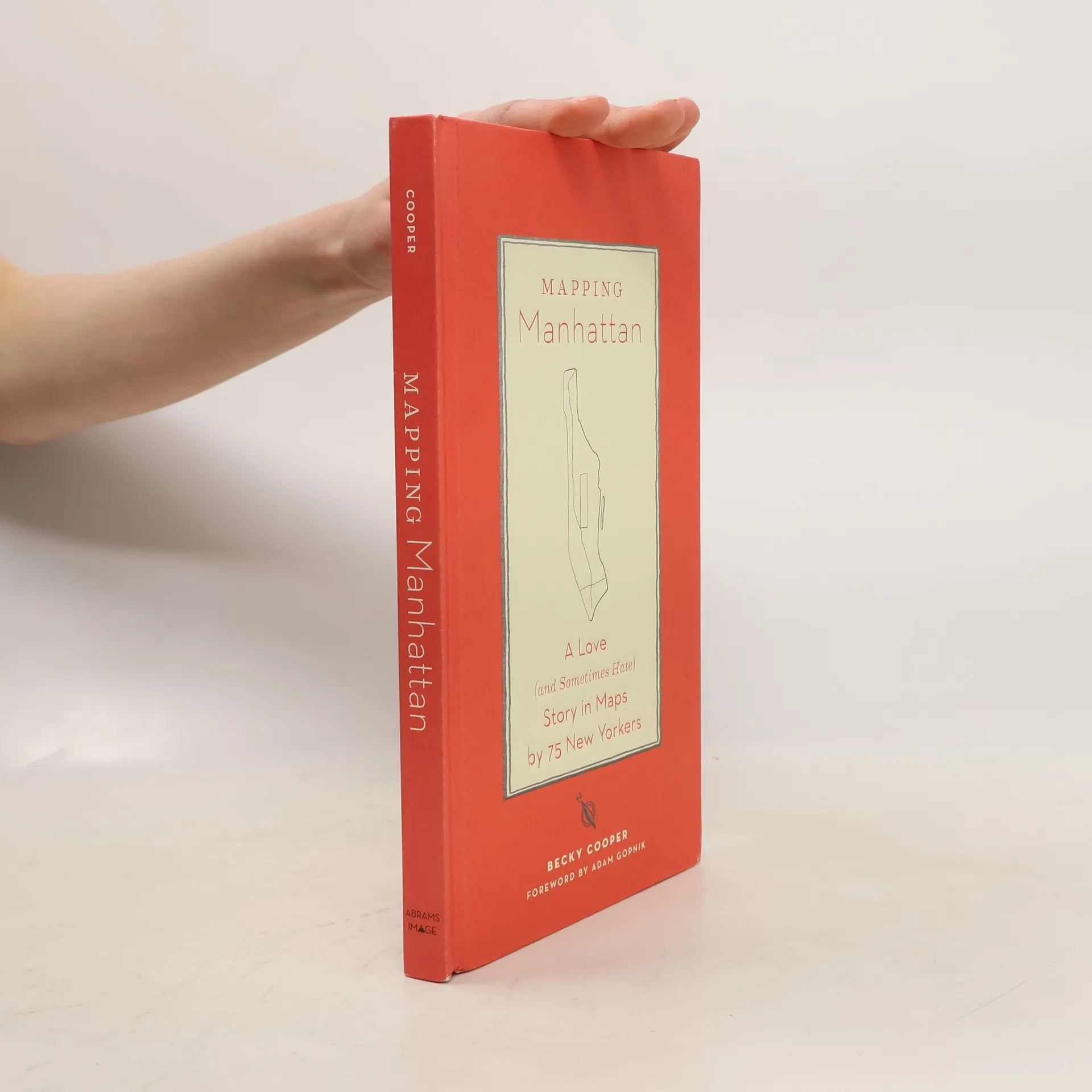
Armed with hundreds of blank maps she had painstakingly printed by hand, Becky Cooper walked Manhattan from end to end. Along her journey she met police officers, homeless people, fashion models, and senior citizens who had lived in Manhattan all their lives. She asked the strangers to “map their Manhattan” and to mail the personalized maps back to her. Soon, her P.O. box was filled with a cartography of intimate narratives: past loves, lost homes, childhood memories, comical moments, and surprising confessions. A beautifully illustrated, PostSecret-style tribute to New York, Mapping Manhattan includes 75 maps from both anonymous mapmakers and notable New Yorkers, including Man on Wire aerialist Philippe Petit, New York Times wine critic Eric Asimov, Tony award-winning actor Harvey Fierstein, and many more.Praise for Mapping Manhattan:“What an intriguing project.”—The New York Times“A tender cartographic love letter to this timeless city of multiple dimensions, parallel realities, and perpendicular views.” —Brain Pickings“Cooper’s beautiful project linking the lives of New Yorkers is one that will continue to grow.” —Publishers Weekly online
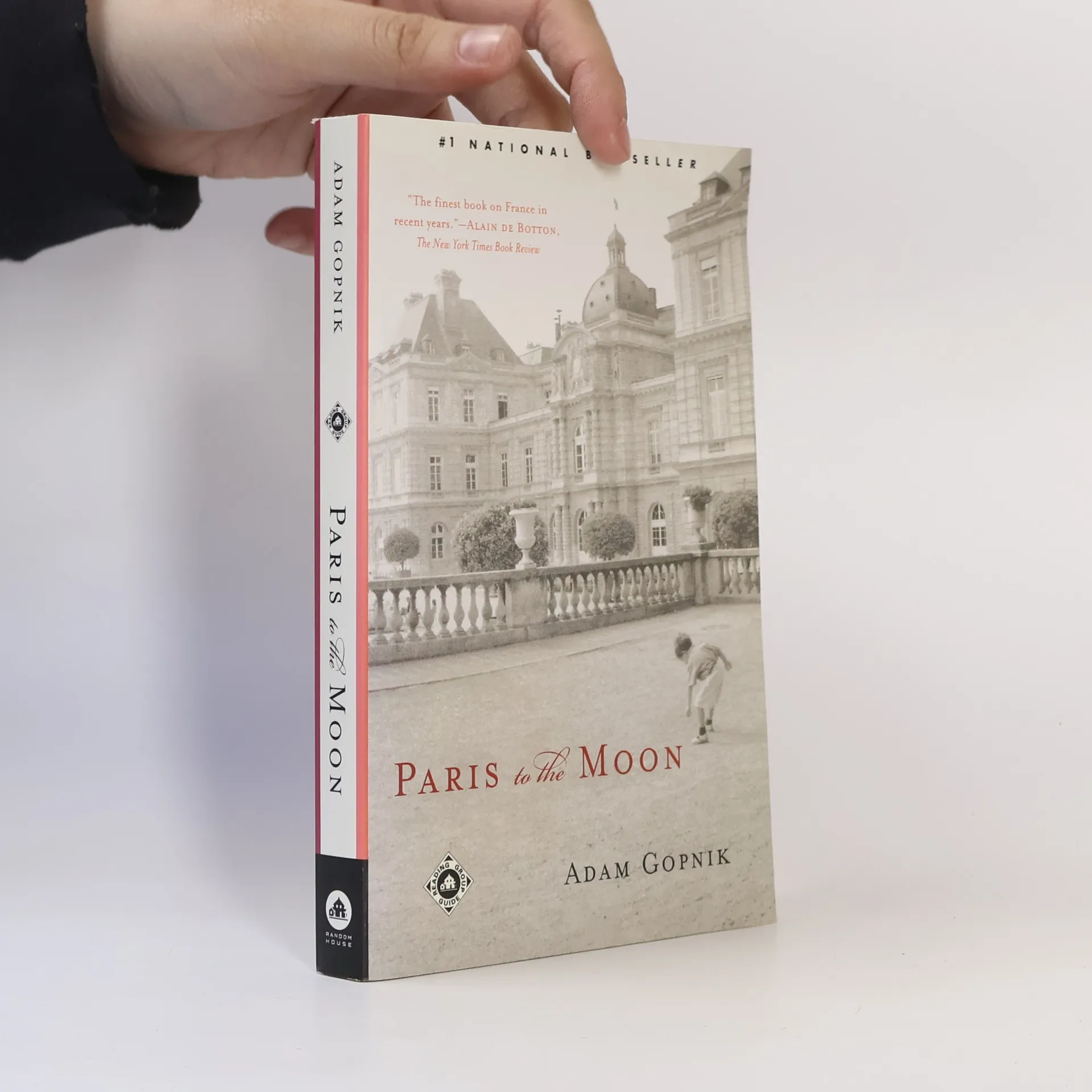
Da Parigi alla luna
- 375 Seiten
- 14 Lesestunden
Corrispondente da Parigi per il "New Yorker", Adam Gopnik ripercorre i cinque anni trascorsi nella "ville lumière" insieme alla moglie Martha e al piccolo Luke. Esplora e osserva la città fin nei suoi angoli più intimi, cogliendo appieno la dicotomia tra la pomposità della cultura ufficiale (che si materializza in un invasivo apparato politico-burocratico, oltre che nella perenne tendenza all'astrazione) e la "più splendida civiltà dei luoghi comuni mai esistita": quell'amalgama unico e irripetibile creato dai café, dai parchi, dai musei, dalla luce sui tetti e dalla ritrosa cortesia degli abitanti. O dalla cucina intesa come un rito che ha inizio con la spesa mattutina. In pagine pervase dall'ironia e dalla sottile tensione tra due culture che si guardano con sospetto e attrazione, l'autore di Una casa a New York ci fa riscoprire una città romantica, ingarbugliata, fragile, ma anche moderna, concreta e, soprattutto, orgogliosamente viva.
For deft plotting, riotous inventiveness, unforgettable characters, and language that brilliantly captures the lively rhythms of American speech, no American writer comes close to Mark Twain. This sparkling anthology covers the entire span of Twain’s inimitable yarn-spinning, from his early broad comedy to the biting satire of his later years. Every one of his sixty stories is here: ranging from the frontier humor of “The Celebrated Jumping Frog of Calaveras County,” to the bitter vision of humankind in “The Man That Corrupted Hadleyburg,” to the delightful hilarity of “Is He Living or Is He Dead?” Surging with Twain’s ebullient wit and penetrating insight into the follies of human nature, this volume is a vibrant summation of the career of–in the words of H. L. Mencken–“the father of our national literature.”
Collects the thoughts and perspectives of artists, poets, composers, writers, explorers, and scientists on the season of winter, from reflections on snow and God to the future of northern culture.
The Steps Across the Water
- 304 Seiten
- 11 Lesestunden
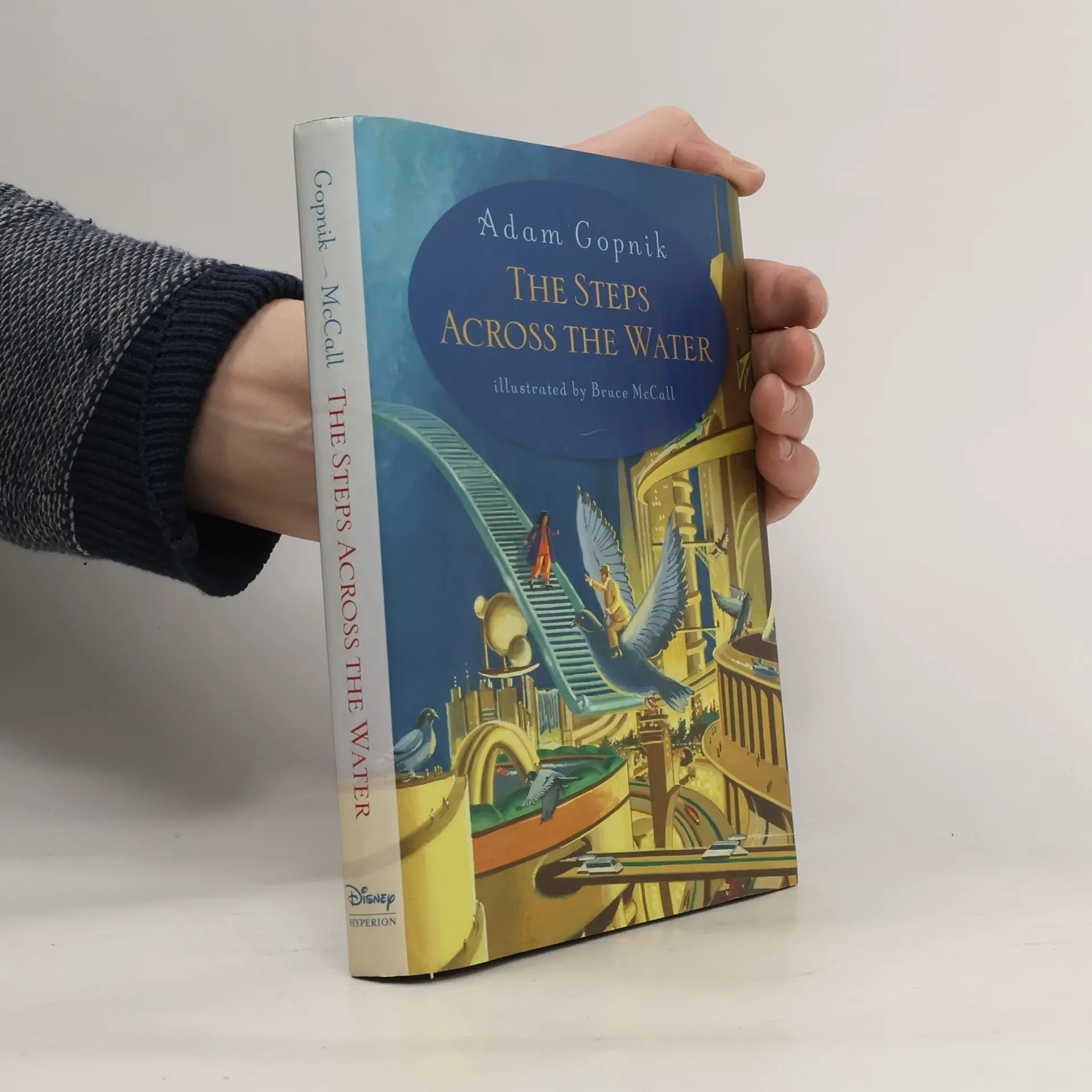
Rose lives in New York, the city of bright lights and excitement—where extraordinary things happen every day. But Rose wasn’t born in New York; she was adopted and arrived there at age two; and though Rose loves her home and her adopted family, sometimes she can’t help but feel different, like she’s meant to be somewhere else. Then one day in Central Park, Rose sees something truly extraordinary: a crystal staircase rising out of the lake, and two small figures climbing the shimmering steps before vanishing like a mirage. Only it isn’t a mirage. Rose is being watched—by representatives of U Nork, a hidden city far more spectacular than its sister city, New York. In U Nork, dirigibles and zeppelins skirt dazzling skyscrapers that would dwarf the Chrysler Building. Impeccably dressed U Norkers glide along the sidewalks on roller skates. Rose can hardly take it all in. And then she learns the most astonishing thing about U Nork: its citizens are in danger, and only Rose can help them. In this masterful new fantasy, best-selling author Adam Gopnik joins with legendary illustrator Bruce McCall to explore powerful themes of identity and the meaning of home.
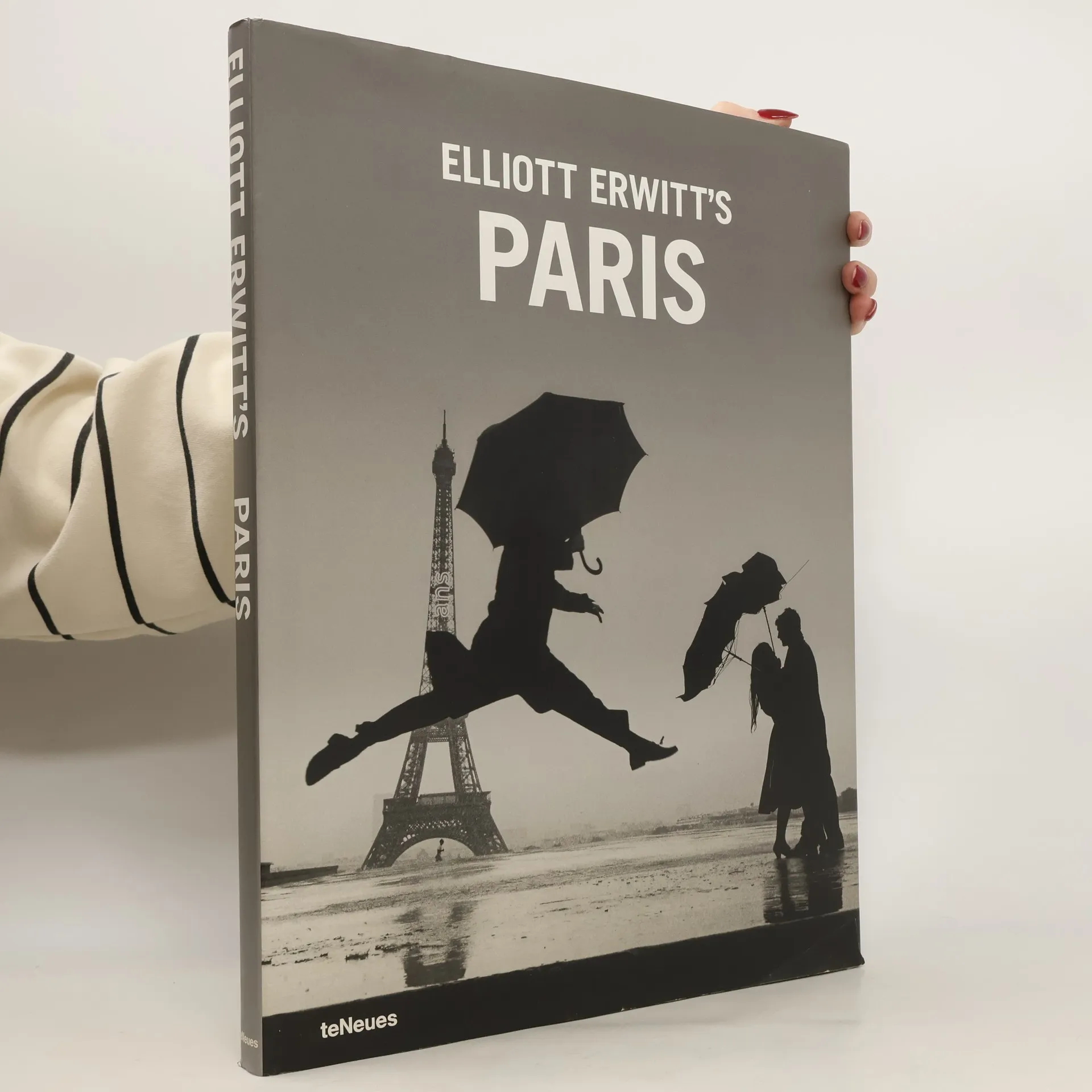
Elliott Erwitt's Paris
- 176 Seiten
- 7 Lesestunden
Yes, we'll always have Paris and who better to capture all its moods than the inimitable Elliott Erwitt? With a keen eye for the real city, Erwitt sees beyond the tourist cliches. Whether the mightiest of monuments or the charm of la vie quotidienne this master photographer chronicles it all. Alternating intimate details with grand vistas, Erwitt captures the true flavor of la metropole. Born in Paris in 1928, Elliott Erwitt arrived in the U.S. in the late 1930s. Establishing himself in the '40s and '50s as a leading magazine photographer, he joined the prestigious Magnum agency in 1953. In addition to his work in magazines, he achieved great success as an advertising photographer and filmmaker. He currently lives in New York City--but spends a great deal of time in Paris.
Angels and Ages
- 211 Seiten
- 8 Lesestunden
In this bicentennial twin portrait of Abraham Lincoln and Charles Darwin, Gopnik shows how these two giants altered the way people think about death and time--about the very nature of earthly existence.
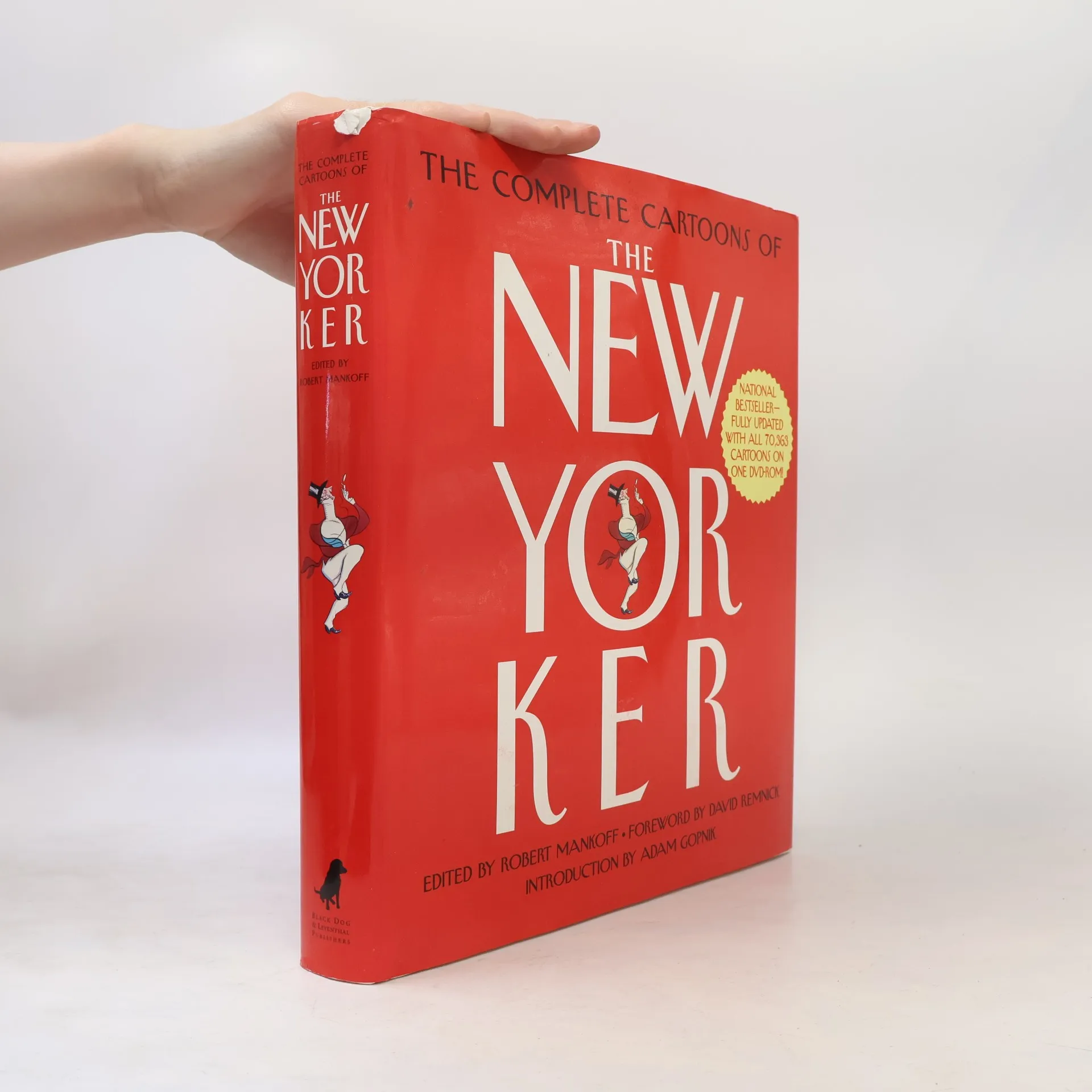
The Complete Cartoons of The New Yorker - Fully Updated With All 70,363 Cartoons on One DVD-ROM
- 670 Seiten
- 24 Lesestunden
Showcases the work of hundreds of artists who have contributed to the magazine throughout its eighty-one-year history.
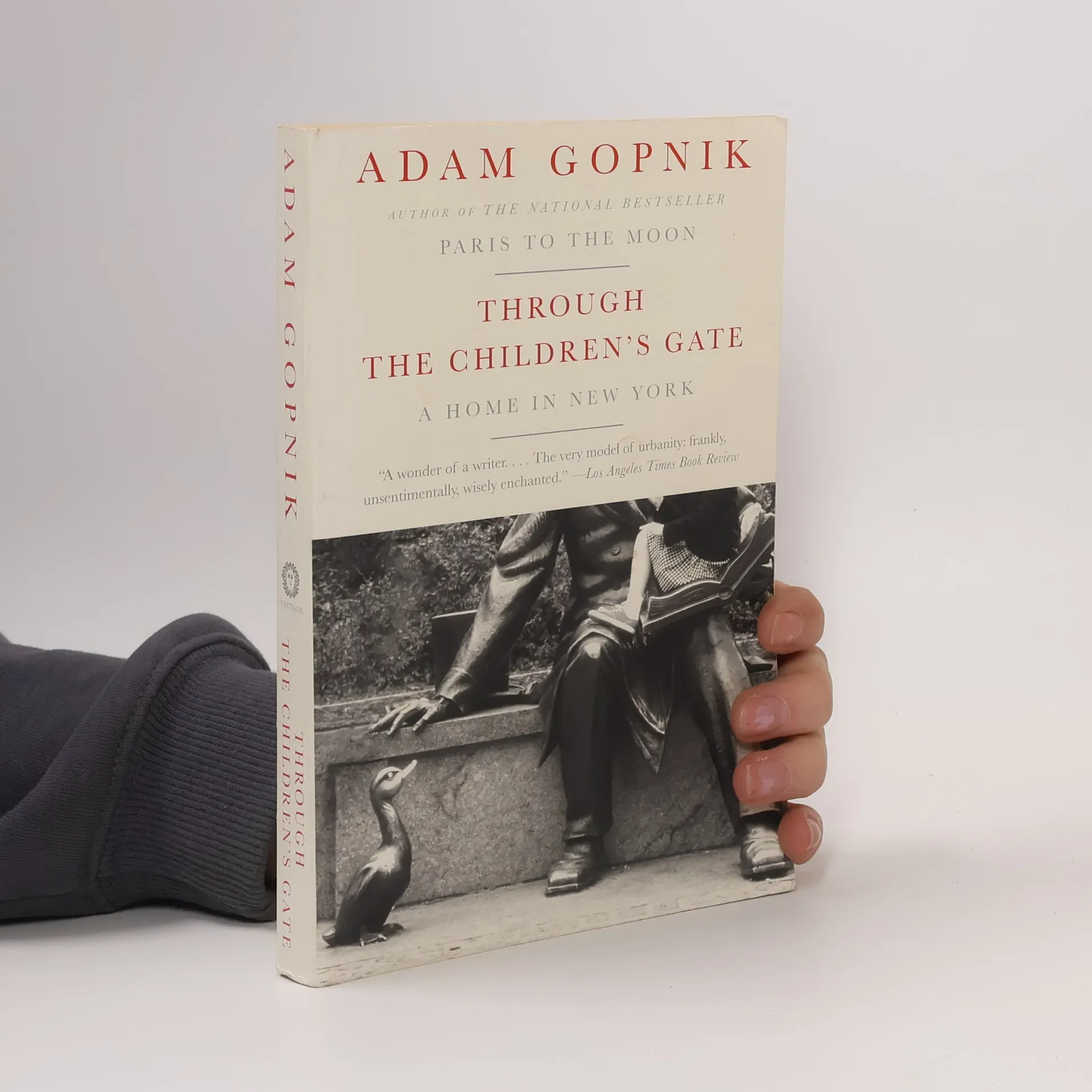
In a series of essays, the author reflects on his family's transition from Paris to New York in fall 2000, capturing the essence of their new urban life. He profiles a diverse cast of characters, including teachers, therapists, and friends, who shape their experiences. The narrative delves into the aftermath of 9/11, the complexities of real estate, and broader philosophical themes about the meaning of life, offering a poignant exploration of community and change in a post-traumatic city.
Lacombe
- 292 Seiten
- 11 Lesestunden
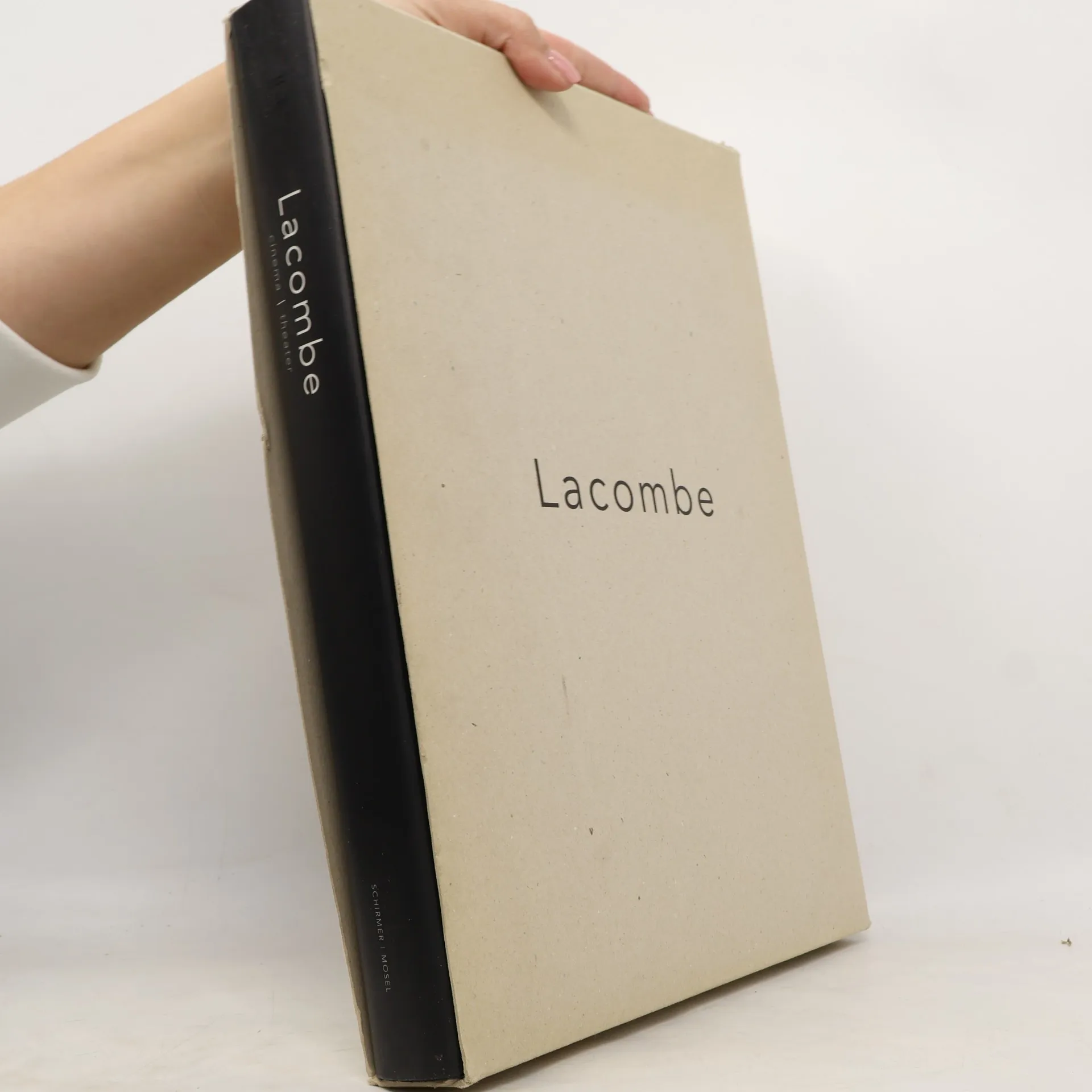
Lacombe. Cinema, Theater.
- 292 Seiten
- 11 Lesestunden
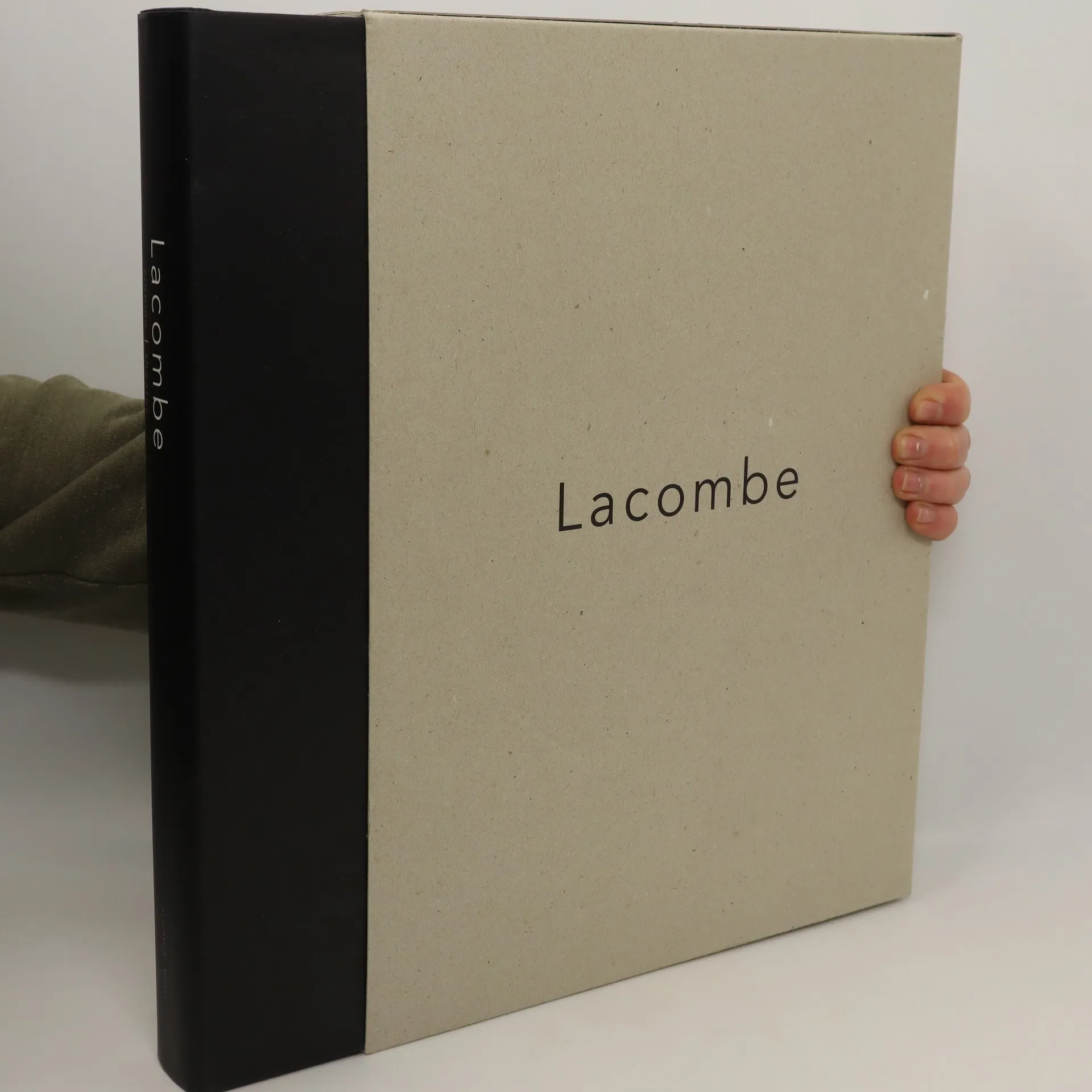
Lacombe Cinema / Theater rassemble pour la première fois les portraits de la photographe française Brigitte Lacombe. C'est son amour des acteurs, metteurs en scène et écrivains que retrace cette fabuleuse rétrospective en images, de 1975 à aujourd'hui. On y retrouve la plupart des grandes figures du cinéma et du théâtre, de Meryl Streep à Jean-Luc Godard, saisis avec personnalité et intelligence. Comme aucun autre photographe contemporain, Brigitte Lacombe révèle ses sujets sous un regard vrai et intime. Davantage que des portraits de célébrités, ces photographies constituent des documents aussi fascinants que révélateurs des personnalités et des œuvres qui ont marqué le dernier quart du siècle. Portraits, moments intimes et reportages en coulisses sont présentés dans cette monographie : Cary Grant prenant des photographies, François Truffaut chez lui fumant une cigarette, Federico Fellini filmant de sous une table, Steven Spielberg allongé après avoir achevé Les Dents de la mer, Kevin Kline se dissimulant sous les draps, Julia Roberts, vulnérable et directe, John Malkovich fixant intensément l'objectif, Daniel Day-Lewis riant avec Arthur Miller, Jeanne Moreau lumineuse icône, Leonardo DiCaprio au seuil de l'âge adulte - tous sans apprêt ni artifice.
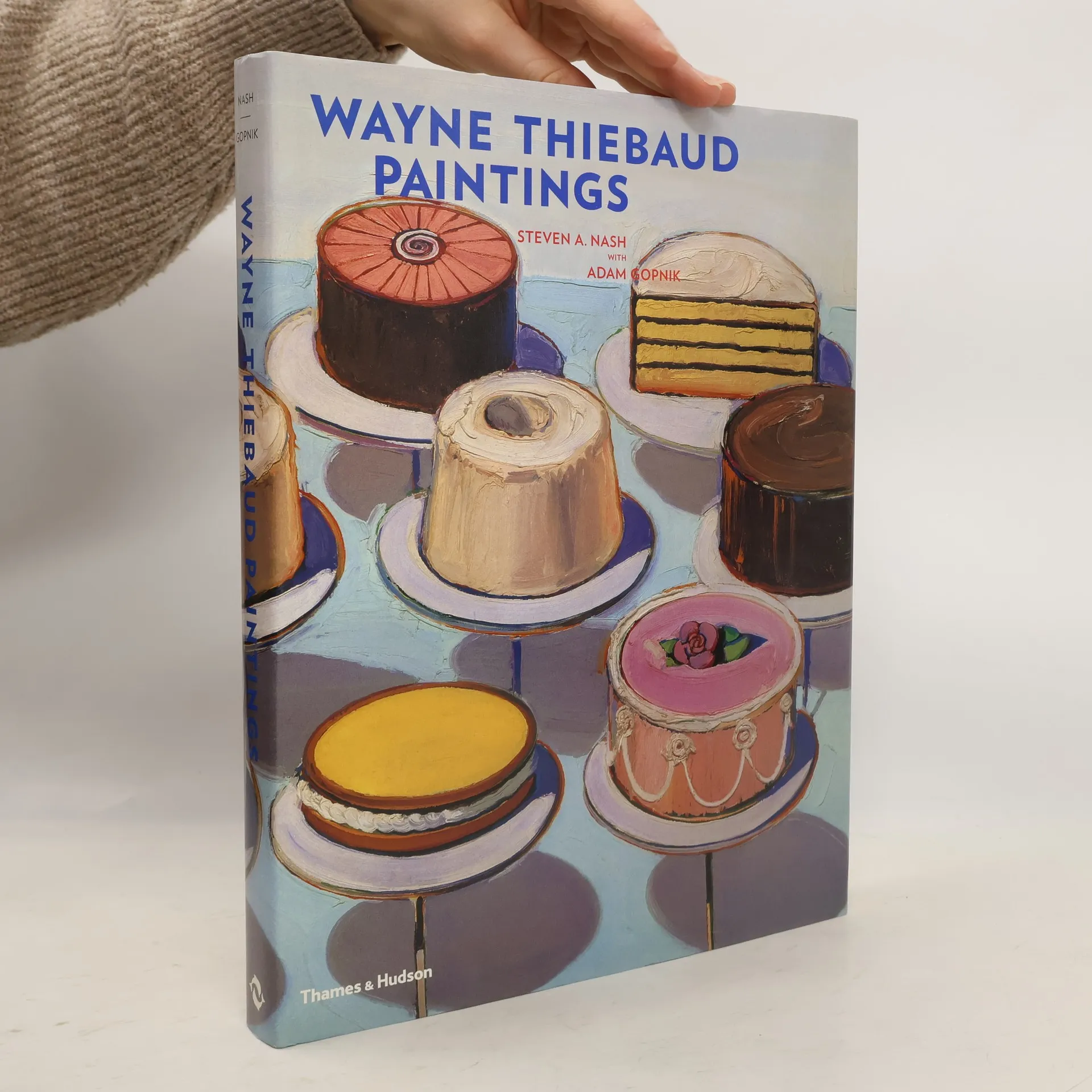
Wayne Thiebaud has long been recognized as one of Americas most prominent modern artists. Probably best known for his straightforward, deadpan, still-life paintings of the 1960s, Thiebaud is identified by his brilliant palette, his luscious handling of paint, and the intensity of light that lends a particularly California flavour to his images. Originally published on the occasion of the artists eightieth birthday, this definitive retrospective brings together 120 of Thiebauds most important paintings, watercolours and pastels, while thoughtful essays by Steven A. Nash and Adam Gopnik trace the course of his career from the 1950s, when he first began to emerge as a significant artist of our times.
NEW YORK TIMES BESTSELLER • “The finest book on France in recent years.”—Alain de Botton, The New York Times Book Review In 1995, Adam Gopnik, his wife, and their infant son left the familiar comforts and hassles of New York City for the urbane glamour of Paris. In the grand tradition of Stein, Hemingway, Baldwin, and Liebling, Gopnik set out to enjoy the storied existence of an American in Paris—walks down the paths of the Tuileries, philosophical discussions in cafés, and afternoon jaunts to the Musée d’Orsay. But as readers of Gopnik’s beloved and award-winning “Paris Journal” in The New Yorker know, there was also the matter of raising a child and carrying on with la vie quotidienne—the daily, slightly less fabled life. As Gopnik discovers in this tender account, the dual processes of navigating a foreign city and becoming a parent are not completely dissimilar—both promise new routines, new languages, and a new set of rules by which each day is to be lived. With singular wit and insight, Gopnik manages to weave the magical with the mundane in this wholly delightful book that Entertainment Weekly deemed “magisterial.”